

there are no exits anymore from the MADD — Mutually Assured Destruction of Decency
Aug 12, 2026

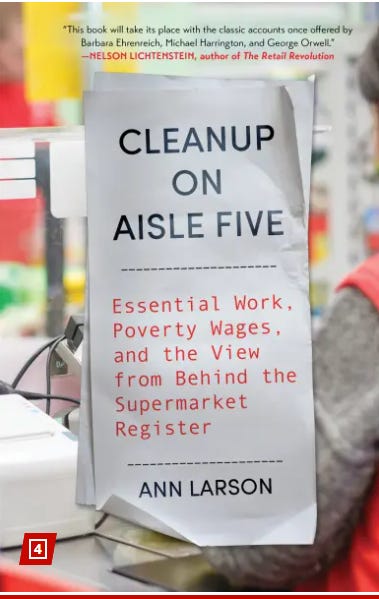
Sure, another memoir: In her memoir Cleanup on Aisle Five, author and journalist Ann Larson does not publicly name the specific grocery chain she worked for. Instead, she deliberately anonymizes the large Utah-based grocery chain by referring to it simply as “The Grocery Store” (TGS) to protect the identities of her former co-workers and focus on broader systemic industry issues.

It’s fucking Smith’s, man: Key Facts About Smith’s in Utah

- Store Count: Around 53 to 57 locations across more than 35 Utah cities.
- Headquarters: Salt Lake City, UT.
- Parent Company: Kroger
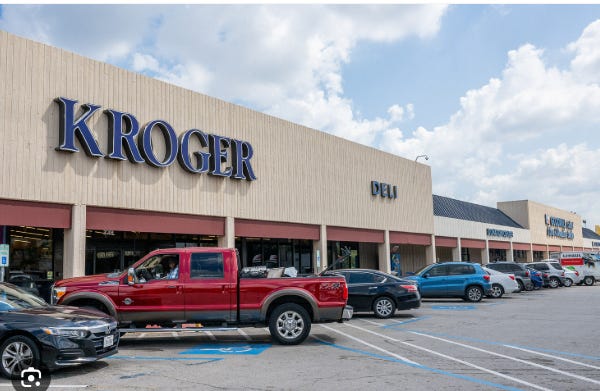
And that’s fucking wacko Mormon country, you know, NO Booze, Cigs, Soda:
Smith’s Food & Drug is named after its founder, Lorenzo Smith, who opened a small dry goods and grocery store in Brigham City, Utah, in 1911. The family and founders were members of The Church of Jesus Christ of Latter-day Saints (Mormon), which historically ties the regional chain’s heritage to Utah’s LDS community, but the name itself simply honors the family surname of Lorenzo and his son, Dee Glen Smith.
Not that SMITH, Joseph: Joseph Smith, the founder of the Latter Day Saint movement, secretly married or was “sealed” to multiple women during his life, with historians and the Church of Jesus Christ of Latter-day Saints. Research notes he was sealed to roughly 40 women, ranging from teenagers (such as 14-year-old Helen Mar Kimball) to women in their 50s.
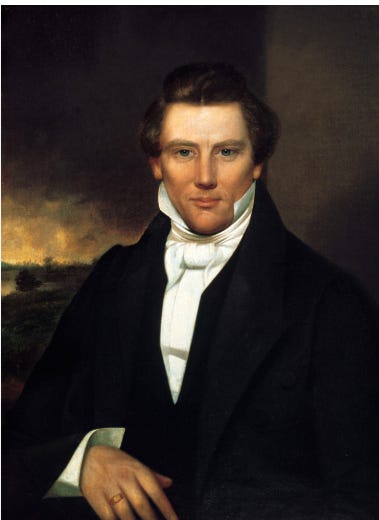
Polyandry: Several women Smith married were already legally married to other living men at the time.
AmeriKKKa:
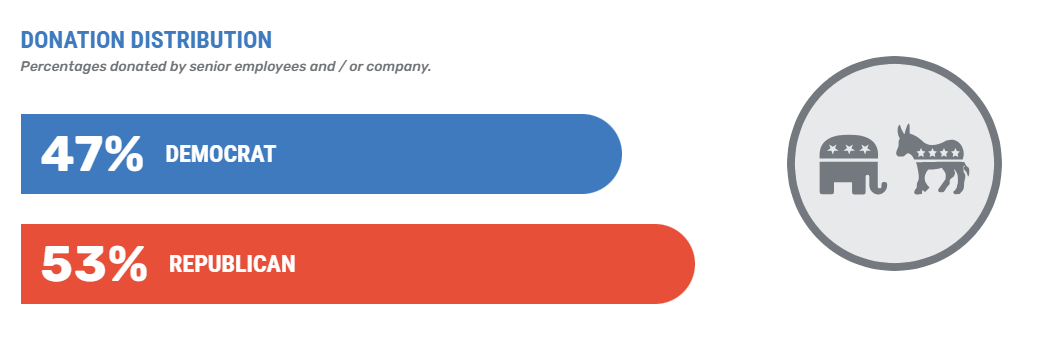
Fred Meyer, AKA, Kroger’s, keeping it “balanced,” the power and the will:
History of Fred Meyer
First and foremost, Fred G. Meyer was a retailer with a great idea: One-Stop Shopping. But he was more than that. He was also a philosopher, semanticist and teacher the Wall Street Journal once described as “the last of the great American entrepreneurs.”
Who was Fred Meyer?
Fred G. Meyer (originally Frederick Grubmeyer) came to Portland, Oregon in 1908 when he was 22 years old. Drawing on his experience working for his family’s grocery business, Mr. Meyer began selling coffee from a horse-drawn cart to workers at farms and lumber camps. As he watched and listened to his Customers (always a proper noun to Mr. Meyer), he began planning a completely new kind of s tore.
How One-Stop Shopping Began
In 1922, Mr. Meyer opened the first Fred Meyer store in Portland at the corner of SW 5th & Yamhill. Mr. Meyer’s vision was to give Customers more reasons to shop in his store than in any other. Before he opened his new store, Customers went to separate shops for meat, produce, cheese and other goods. Mr. Meyer placed these all under one roof and put an expert in charge of each area, setting the stage for the Fred Meyer stores we know today – stores that average 150,000 square feet and carry more than 225,000 items. Mr. Meyer’s ideas still appeal to Customers because our service, selection, quality and prices still save people time and money. With food, health & beauty care, clothes, home products, electronics and more under one roof, you can get more shopping done in one stop than at any other store.
…
He was born (later anglicized to Fred Henry Grubmeyer) in Germany in 1886 to a German family that immigrated to Brooklyn. He later quietly supported the Rosicrucian Fellowship, a Christian-based western mystical/religious philosophy.
Core Beliefs and Practices
- Esoteric Christianity: Focuses on deep spiritual mysteries behind Christian teachings rather than dogmatic faith alone.
- Cosmic Evolution: Teaches reincarnation, karma, and the spiritual evolution of man and the universe.
- Spiritual Lifestyle: Encourages a vegetarian diet and abstaining from alcohol, tobacco, and recreational drugs to keep a clean body and mind.
- Spiritual Astrology: Uses astrology as a key tool to understand spiritual development and character tendencies



Don’t worry, I am getting to the crux of MY memoiric experience with Kroger’s and Fred Meyer Marketplace here in sunny Lincoln County, Pacific Coast, Oregon. We shall see if the following 1,000-word commentary gets into the County’s weekly newspaper, since I do identify the grocery chain I did a short bootcamp in before throwing in my apron.

Oh yeah, Fred Meyer is rebranding, and these aprons, all the fucking shit we have to wear, have this subliminal message you are forced to absorb every time you put on and take off the apron!
It is the infantilization of the world. And these companies track Everything: They call it “the Zebra.”

We are a screen-screwed society, and while we have to attend to customers, we are running around with these scanners and product calculators and what is in and what needs to be ordered devices. The last shit wage job I had, Short-Term Rental outfit, Sweet Homes, is all about using Telegram for constant updates, a Breezeway app for constant tracking of supplies and check-ins and check-outs, and alas, ADP for pay and scheduling, all on OUR own personal phones. At 17 an hour at both places, what a deal. The Sweet Homes at least was half a mile from where I live, whereas the grocery store is 30 minutes away during Highway 101 troust traffic. At an 8 am shift, the day starts early, and I worked through no lunches and past the 5 pm end of day clock out.
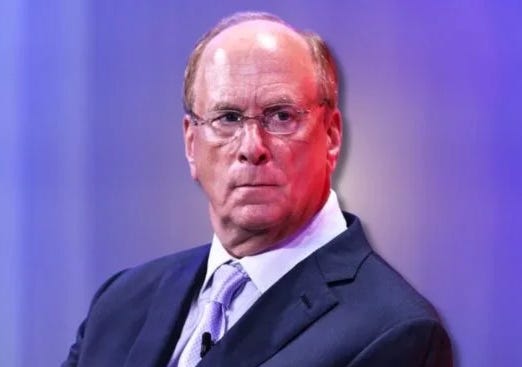
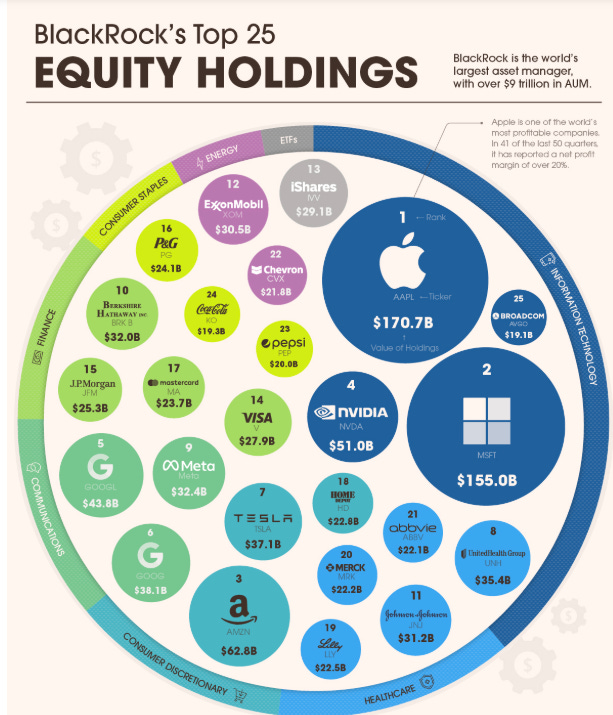
Know thou masters: BlackRock CEO Larry Fink addressed growing pressure on corporations to rethink years of policies tied to environmental and social agendas, as debate intensifies over whether those initiatives delivered real results for businesses and investors. In a recent interview with Fox News, the “woke” phase in corporate strategy was described as a failed experiment, reflecting a shift now underway across global markets and within the financial system.
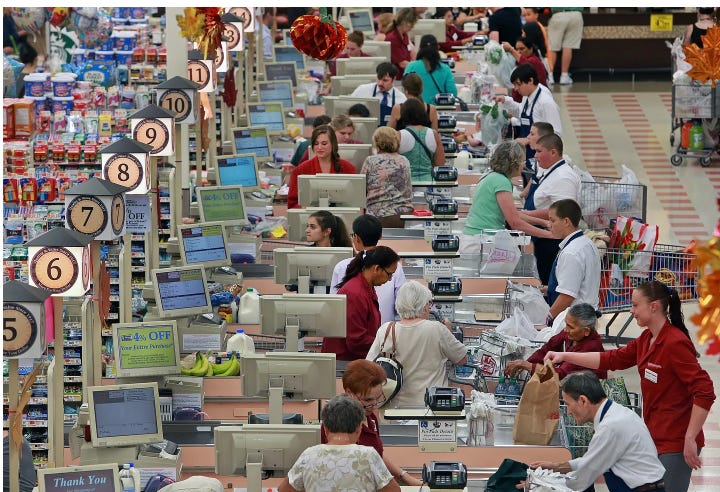
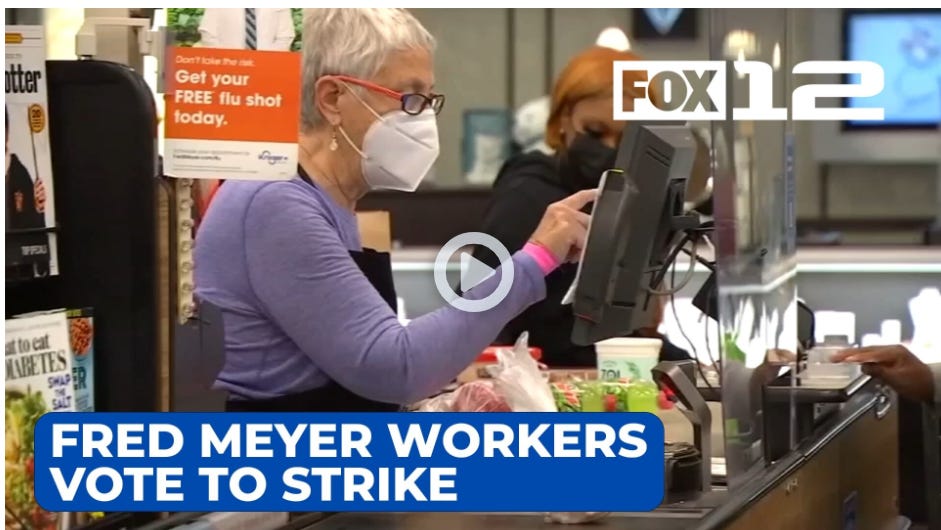
Larson, a writer, academic, and cofounder of the successful activist group Debt Collective, writes in the tradition of workplace classics like Barbara Ehrenreich’s “Nickel and Dimed.” And Larson is no poverty tourist. She found a job at a grocery store in Utah in the fall of 2020 out of economic necessity, and worked there long enough to experience firsthand the struggles endemic to the industry. I spoke to her about class, service industry labor, and the harsh realities behind the smiles of your grocery store cashiers.

On top of a grueling work schedule, you gotta do this?
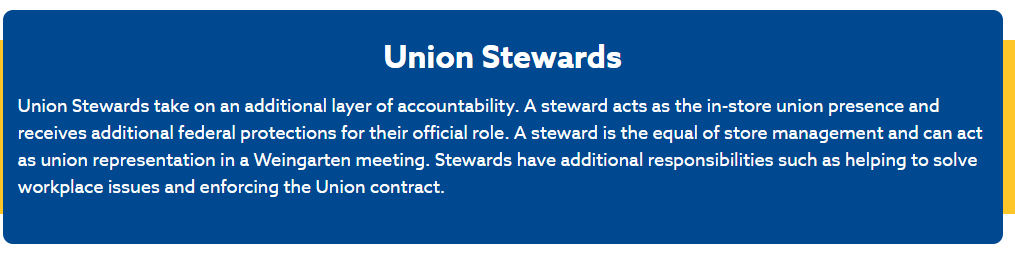
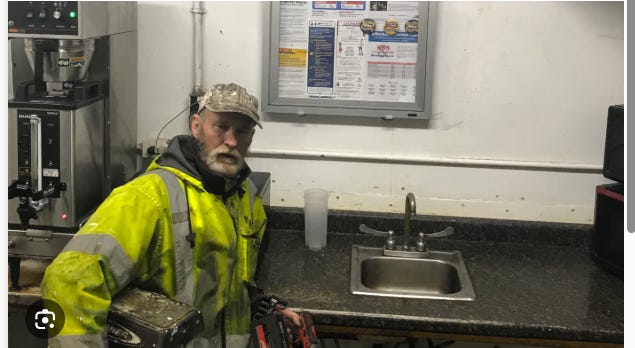
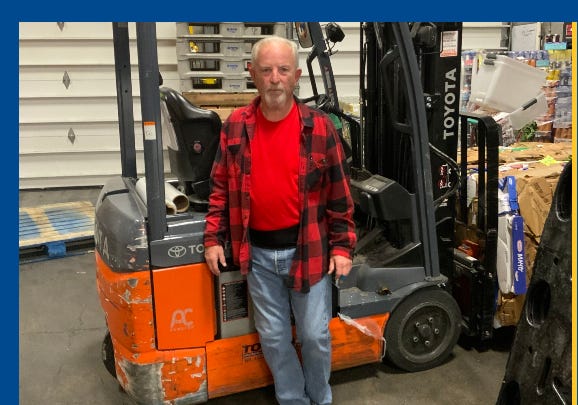
I’ve been working Union retail jobs since the late 70’s and now I’m about to start getting paid my pension for all those years. My Local 555 Rep has been bugging me to call and set myself up to collect my retirement even though I’m still working. He came in this week and wouldn’t leave until we called all the Locals I’ve worked at and started the process to start drawing the pensions I’ve earned in Oregon, California and Arizona. It’s great to know I can take home my pension income while still working full time.
Frank Keeth, South Salem Fred Meyer
So the union rep for Fred Meyer Newport, Oregon, tracked me down August 11, and wanted to know how he could help me with getting my hour lunch break (laugh laugh laugh, what a joke). I had missed two, and missed 10-minute breaks, because they are understaffed, no one wants to be “the cook,” AKA deep fryer guy, and there are customers wanting the deep-fried triple bypass crap, and the demands of each next line up of chicken and crap for outside the kitchen displays had to be prepped and cooked.
Here I was, talking to this guy, and in plain sight, I was handling the customers,, hitting the buttons for ovens and fryers going off, and having to head to the back to bread/oat the next heart attack shit. I told him that it’s the floors, man, and the lack of hood fan, the general workplace lack of safety. He just raised his hand and said, “We can work on getting you the lunch. That’s in our contract. But the workplace safety and food issues, that’s not the union’s department.”
I was a union organizer in Seattle, for SEIU, and we did more than just talk to the rank and file about lunch fucking breaks. We talked about workplace issues, equipment, managers, etc.
DO YOU GET the DEVOLUTION of all systems noted in the headline I wrote for this ABOVE?
WASTE:
Don’t believe the undercounts: U.S. grocery stores discard roughly 30% of their food supply, totaling about 16 billion pounds of waste annually. This happens because stores overstock full displays to attract shoppers, discard items with minor package damage, and struggle with strict cosmetic standards for fresh produce.
IT’S much MORE:
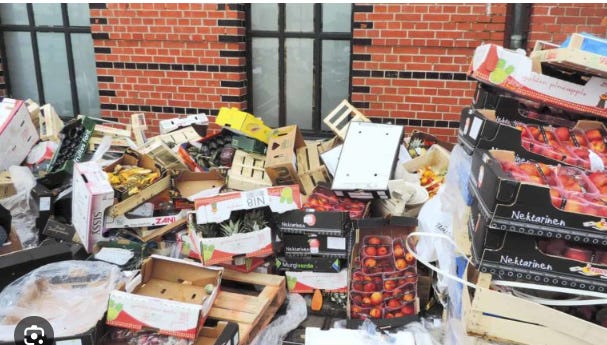
You want to do a life cycle analysis of the packaging, the field and feedlots, the grass and soy for the animals, all the pesticides and herbicides, all the lives damaged in the ag and food biz, all the forests cut down, all the plastics produced, all the shit mined to get that box of pancakes to your grocery store, all the FUEL? See below? Throwaways.
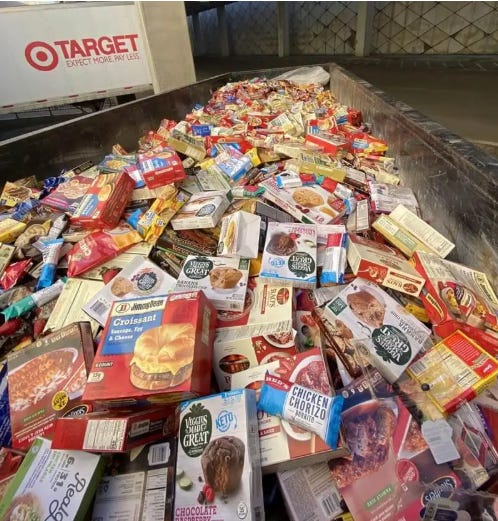
DEVOLUTION, and MADD, man: Mutually Assured Devolution and Dementia!
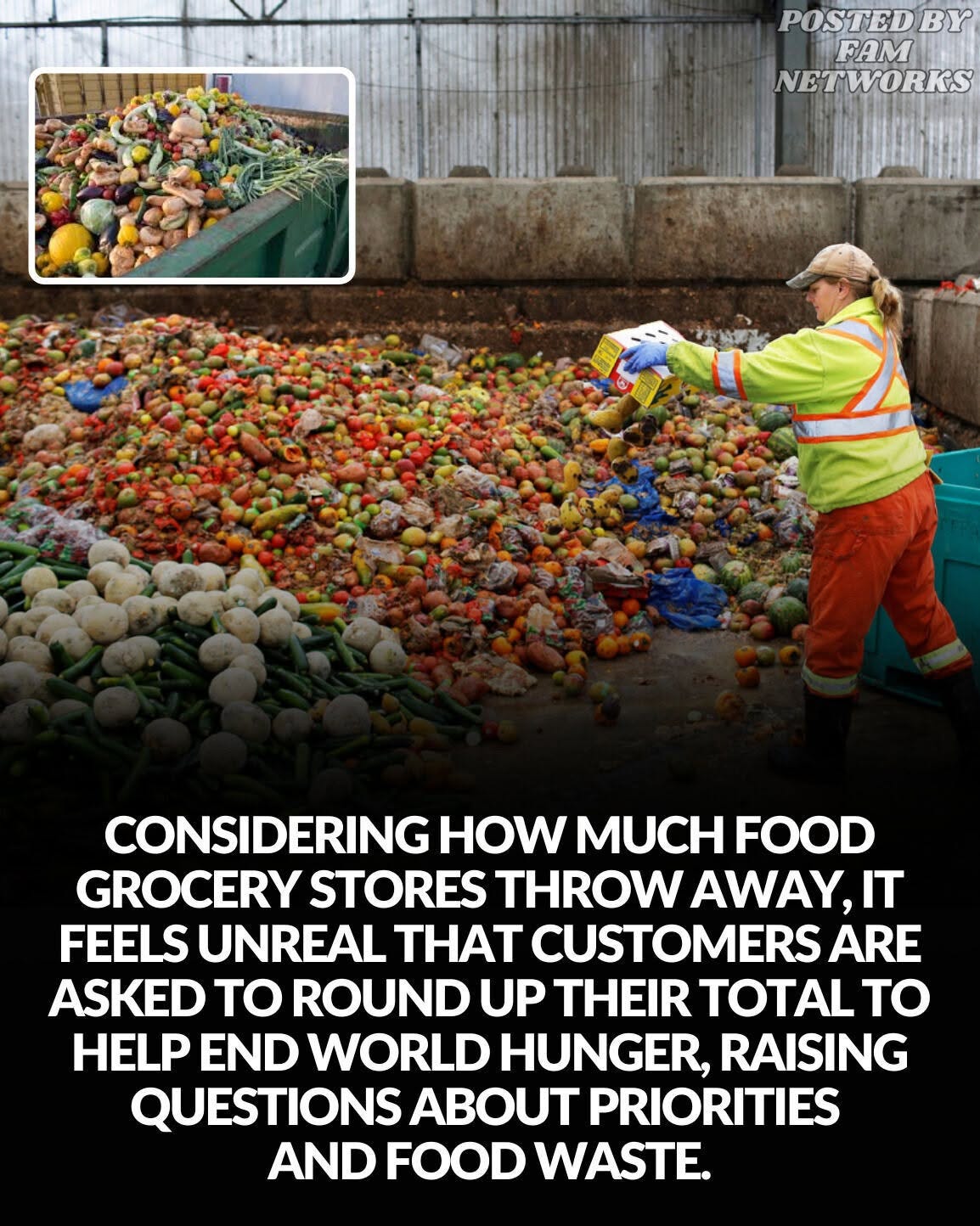
Something about a genocide?
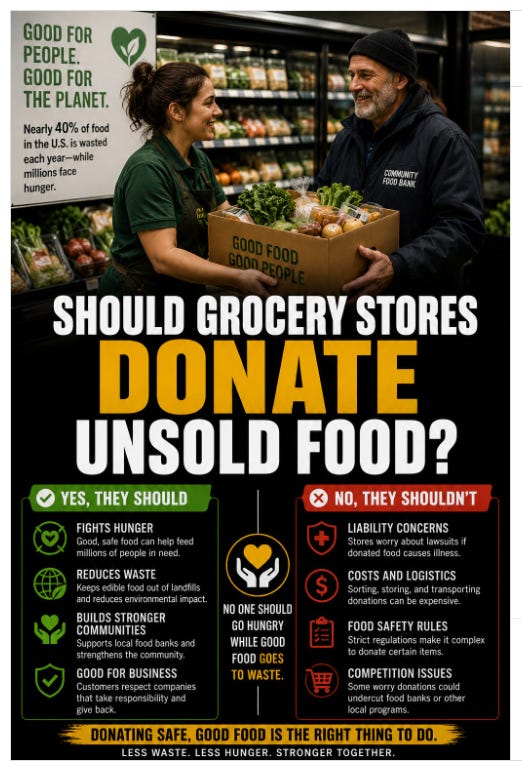
It all comes back to the Digital Gulaging of our workplaces, lives, personal interrelations, everything, and of course, the GAZAFICATION of the mind, which is mindlessness:
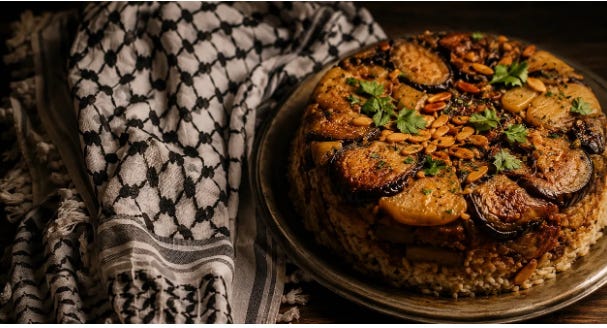
The Keffiyeh Doesn’t Feed the Hungry
On solidarity that ought to cost something
The Sameer Project and Khaled Yousry
Aug 12, 2026
Written by Khaled Yousry
At every occasion the keffiyeh appears across the shoulders, the tray of maqlouba takes center stage in the dinner-party photos, the map-shaped pin glints on lapels, and a small flag settles into the bio beside the emoji. Solidarity with Palestine has become a full aesthetic, with its own wardrobe, cuisine, accessories, and filters. All of it is understandable and human, and perhaps at some moment it was necessary. But it is not support, or at the very least, it is no longer acceptable to call it support and leave it at that.
The symbol that lost its cost
Real solidarity is measured by what it costs you, not by what it adorns you with. The keffiyeh itself was once a symbol with a price. In some capitals, wearing it was an accusation; it meant its wearer had chosen a side in an unsettled fight and might pay for that choice with his job or his safety. Today you can buy it from a global label, wear it to a party, and take it off before dinner. When a symbol loses its cost, it loses its power to change anything, and turns from a stance into a look.
The problem is not the keffiyeh, nor the maqlouba, nor the pin. The problem is that the symbol becomes solidarity’s ceiling instead of its door. When all our support collapses into a flag in a bio or an embroidered dress at an event, the cause itself becomes a consumer identity we put on to feel we are on the right side of history, while nothing in the lives of its people changes.
A ceasefire that doesn’t stop the dying
The ceasefire the world celebrated did not stop the dying; it only slowed its pace. There are still martyrs every day, far from headlines that grew tired of counting. Hundreds of thousands are still living in tents and camps with no homes to return to, in a strip whose cities have mostly been reduced to rubble. But the face of this that appears least in the news bulletins, and is the deadliest over the long run, is that the artery of aid itself has begun to run dry.
The donors withdraw, one after another
Look at what has happened in the past year alone. The examples no longer require analysis, only enumeration.
UNRWA, the backbone of Palestinian relief for seven decades, is operating today with a shortfall of more than two hundred million dollars in its 2026 budget after major donors halted or cut their funding. It has been forced to cut its Gaza staff salaries by twenty percent, reduce working hours, and terminate contracts. All of this comes on top of being barred, since early 2025, from bringing its international staff and its aid directly into the Strip. Last July the UN Secretary-General warned that any further cuts would push the conditions of millions of Palestinians past the point of collapse.
The World Food Programme, which feeds roughly seventy percent of the Strip’s population, halved food rations this summer for two hundred and twenty thousand families and cut cash assistance for seventy-five thousand people. It says it needs more than four hundred and twenty million dollars to keep working through the end of the year, and warns that two-thirds of the population could face acute hunger by the end of 2026 if new funding does not arrive, and that deeper cuts are coming in October.
The United Nations itself announced last December that it was scaling back its 2026 humanitarian appeal, calling its choices “brutal,” after Washington cut its humanitarian funding and Berlin and other Western capitals followed, dropping tens of millions of people in need around the world out of the relief calculations altogether.
Then came early January 2026, when more than 36 humanitarian organizations in Gaza stopped work all at once, among them Doctors Without Borders and CARE, after Israel barred them from continuing under new registration rules the organizations describe as arbitrary. And so the Strip is choked from both ends at once: funding drying up behind it, doors closing in front of it.
Notice the pattern in all of this. Not one of these institutions stopped because the need had ended. They stopped because the money dried up, the lights went out, and the political will evaporated. Hunger did not withdraw from Gaza; the donors did. And here lies the lethal irony: the quieter it gets, the greater the need. The world treats tragedies as trends with a life cycle, while hunger knows nothing of algorithms.
+++—+++
Not a word about Palestine, about the starvation salvos from the West, Israel and EuroTrashLandia and InBred UnUnited Queen-dumb. NOTHING, wherever I go, even (sic) at artsy fartsy events. Not a word, man, fear of instant economic death.
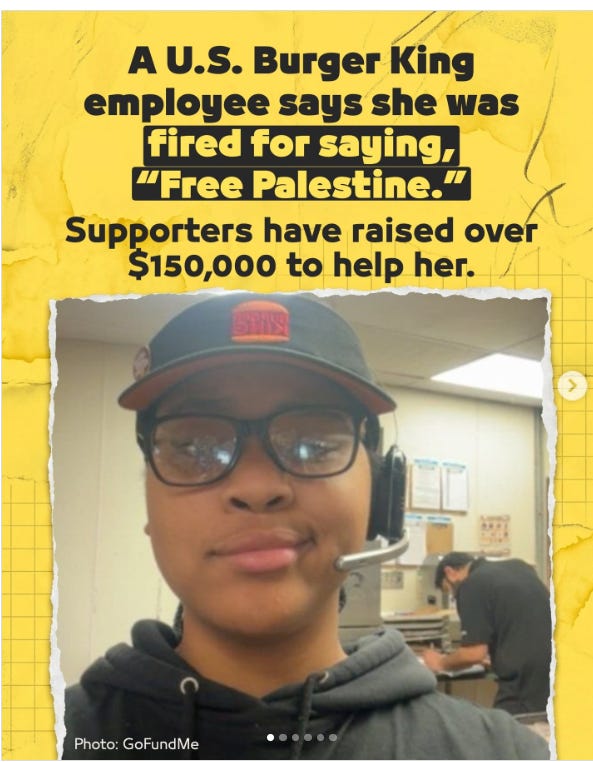
We need her heroism by the MILLIONS:
DEAD in the water with these Jewish Supremacists flooding the land with this crap:

Alas, this is where we are on Planet Homo Consumopethicus run by tech fascists and uniformed mercenaries at every corner.
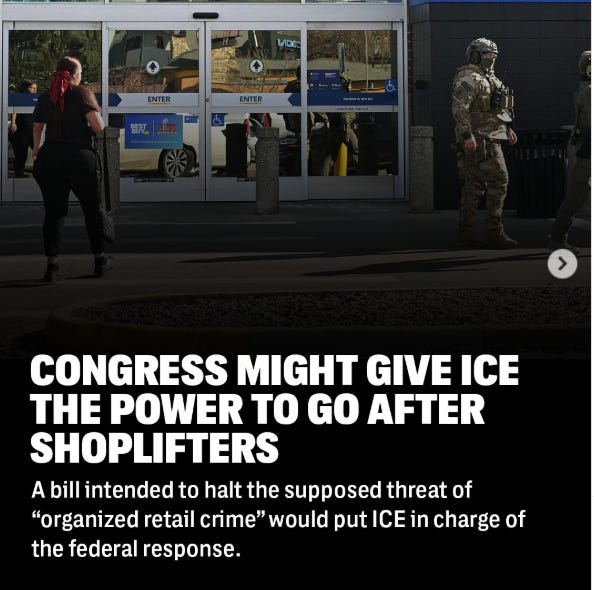
And so the so-called organized shoplifters at Fred Meyer, anywhere, will get shot down by ICE?
I could go on and on about the nickels and dimes — $15.50 an hour, and I fought for more, at a whopping $16.70 an hour. And the employees, associates, complained to me that the oil tubs, the deep fryers, were getting them sick on the chicken.
“No, it’s not your fault, but B— hasn’t done a boil-through. The oil is gummed up with months of chicken fat.”
Ovens that don’t clean, water all over, and the freezer and fridge like a war zone, with boxes piled high for NBA only reach.
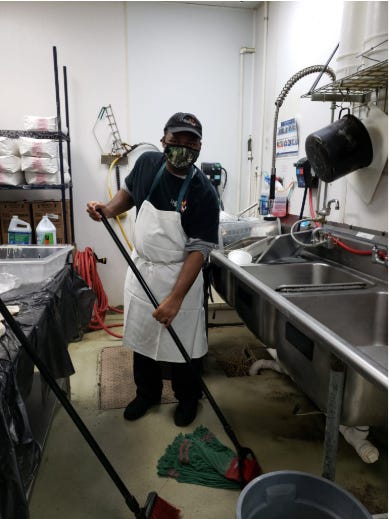
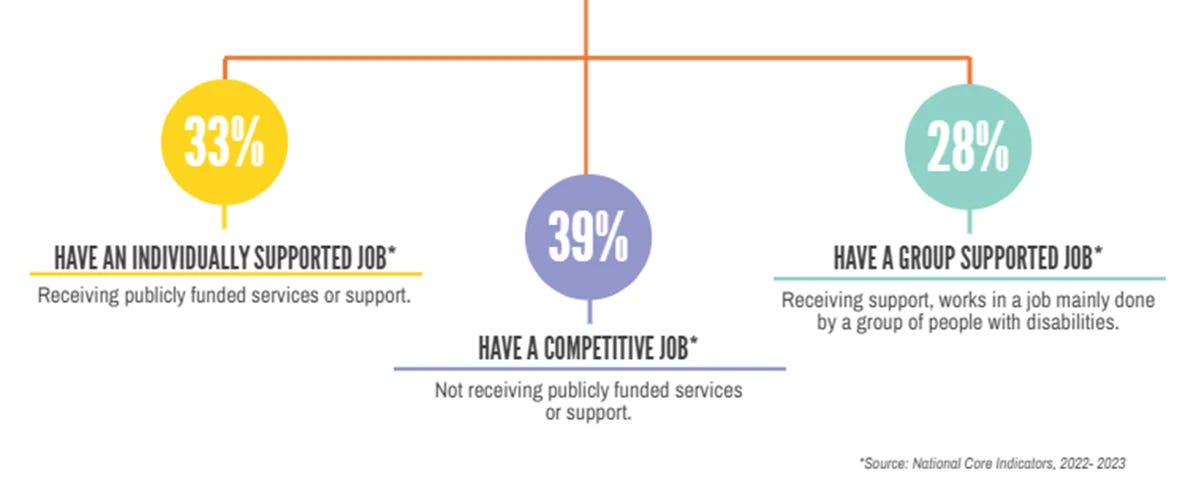
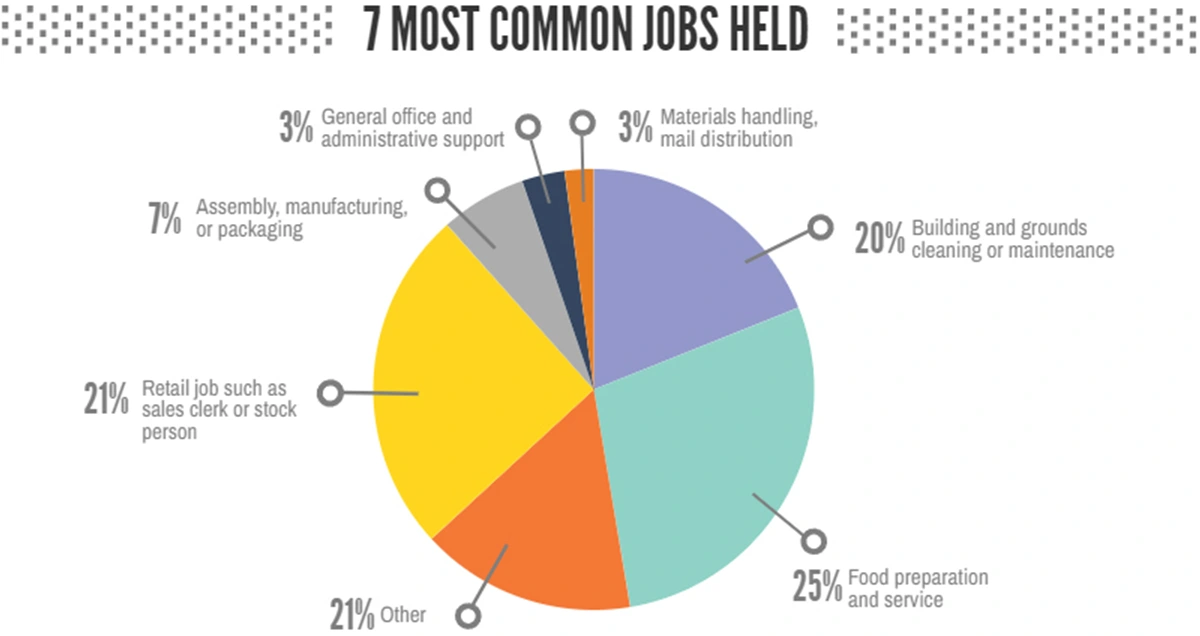
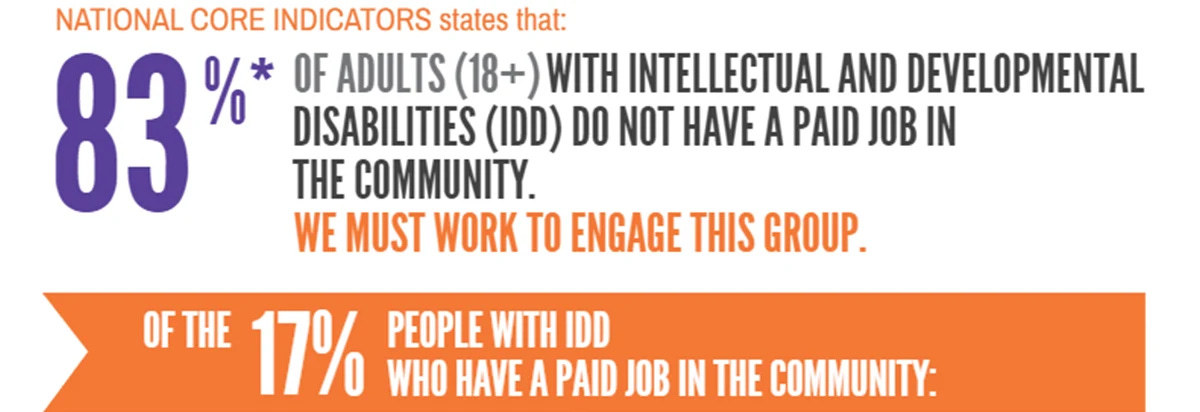
Associates complaining, schedules tweaked not in their favor, and of course, slave labor, in a sense, so there is no solidarity, no empathy, really, and alas, the inner workings of Fred Meyer don’t take ME ground truth for a year or another triple bypass. I worked as a case manager, getting clients who were houseless, who were in treatment programs, who were recently released from gulags, who had felonies or even sexual abuse charges, JOBS. I worked as a job developer and coach in these outfits for several years, getting adults with disabilities the only jobs they could get. Production.
In the ID and DD community, they call it the Five “f’s” —
- Food: Kitchen prep, dishwashing, or fast-food service roles.
- Filth: Janitorial, sanitation, and housekeeping work.
- Flowers: Florist assistance, simple landscaping, and nursery gardening.
- Factories: Light product assembly, packaging, and warehouse sorting.
- Filing / Folding / Fetching: Clerical mail delivery, laundry folding, or errand running
Of course, with this penury and sacrifice zone capitalism, people like me, with college degrees and a shitload of work experience, tons of it, all over the country and within dozens of specialties, well well, we are now the Five F legions, struggling with 300 Percent inflation on many items (never ever believe the Bureau of Stats or whomever’s idea that food has gone up 10 percent or that inflation is 6 percent. Double and triple the costs for SO many things to keep an apartment or household going.)
AND people call me antisemitic for pointing out that there are 320 known Jewish billionaires and millions of Jewish millionaires, pointing to the fact that a small slice of demographic, 19 million worldwide, have an outsized influence on not just my former avocations — journalism, book publishing, editing, higher education, non-profit work, sustainability planning, the arts — but on the average Joe (that’s me, amigos) and Jane’s existence.
My expiration date was August 2020 or 2021, I believe.


This one below might be the last one in the local rag, and certainly I’ve pissed off quite a few around here, so I am unhireable.
Google me, and see how far that gets me a job?
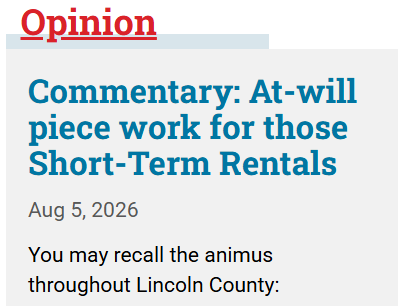
Right to be Fired, or, At-will Piecework for Short-Term Rentals
Go to the Paulokirk Substack. I am busted!


Spill on Aisle Two and the Deep Fryer is Kaput
By Paul Haeder
Aging is not for the faint of heart may have been a popularized saying of Mae West (1883-1980), but in today’s world of 70 percent of Americans with no substantial retirement funds and a less than admirable Social Security check, this statement is magnified in today’s corporate world of usury.
You have few options in Lincoln County if you’re older than 65, in need of income to keep the lights on and the auto running: grocery clerk, associate, server, or worse, short-term rental and hotel bed stripper, AKA maid.
It matters to no one if you have a few decades of high-quality/high-end work experience, or if you have a few college diplomas. These are slim pickings.
Here we are, or I, rather, age 69 and washed out as a driver for Sweet Homes, notorious for high turnover rates because of poor management and the millionaire owners’ cold-cold hearts.
I attempted to do some work at Kroger’s, AKA, Fred Meyer. I applied for the home goods department, was offered the position after an interview, but the “systems” (computerized) never sent me an offer letter.
I called the regional office, and alas, a phone call later, they offered an apology for the laggard response and an offer to work in the “deli,” since the other position had been filled.
I have tons of prime restaurant experience – French, Greek, Italian and Mexican joints. I’ve catered for big venues. The Kroger group said they fought like hell to get me $16.70 an hour, a dollar more than the starting wage.
The closure of Safeway brought dozens of prospective employees over to FM. Yet this company, Kroger, is continuing its multi-year store closing plan.
This national grocery store chain announced in June 2025 that it would shutter 60 stores in less than two years. They call those closures “underperforming.” At the time, Kroger described the closures at a meeting as a way to shift resources away from struggling locations and into stronger markets.
Dirty corporations know little about the community of place – our town is challenged with affordable grocery stores and might end up becoming a food desert if Kroger closes. It’s a Cincinnati-based chain expanding and contracting at the same time.
The bottom line is profits for shareholders, and Kroger’s footprint in 2026 is increasing new store builds by 30%. These are called large-format marketplace stores, slated for Ohio, Texas, and Indiana. The corporation has spent a few billion by acquiring Giant Eagle.
Fred Meyer is “over hiring,” as one manager stated. Many laid-off Safeway workers have come on board. The problem in the deli is that four-letter word – h-e-l-p, or lack thereof.
That also means more work, more chaotic schedules, and a lack of training are part and parcel to what I experienced there. The ovens are leaky, and the hood fan for three ovens and two deep fryers wasn’t working.
Imagine that — customers wanting deep-fried items with one attendant handling those orders as well as back-of-the-house chicken prepping.
Imagine sinks leaking on the workplace floor, clogged drains, a fridge too small for mountains of boxed poultry.
This is not sustainable, and the scoop from fellow workers is that the hours are long and the demands are intense. Lack of complete staffing makes more work. Some associates in other departments told me that they did not want to cross-train because then more demands would be put upon them without any increase in pay.
This job I applied for was to be part-time – less than 32 hours. Each shift I worked was more than that, with two days off. The equipment and training have been faulty. There is no way putting new employees’ feet to the fire or running them through retail bootcamp is conducive to customer service and employee satisfaction.
On a national level, I have heard an author talk about her grocery experience: “Cleanup on Aisle Five: Essential Work, Poverty Wages, and the View from Behind the Supermarket Register” chronicles Ann Larson’s experience working as a cashier during the COVID-19 pandemic at an anonymized major grocery chain in Utah.
She’s been asked: What do you think would need to happen to resolve that tension for retail employees nationwide? Her answer: “Pro-human labor policies like a shorter work week, a predictable schedule, and paid sick and vacation days are a start.”
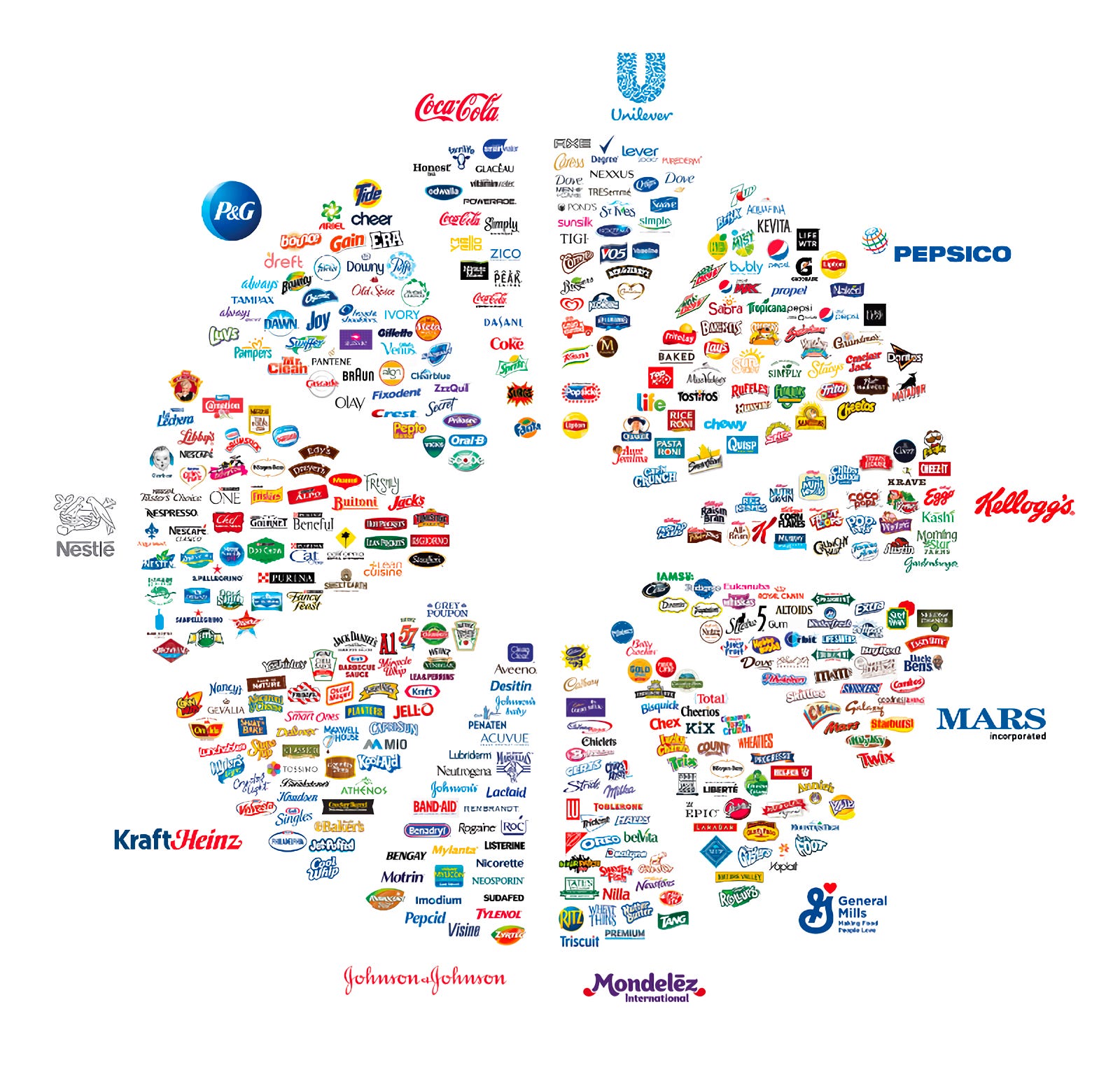
Just five companies already control over 60% of U.S. grocery sales.
First proposed in 2022, a $24.6 billion merger of Kroger’s and Albertsons would have created the largest supermarket monopoly in the US. And the beneficiaries would have been Cerberus Capital Management, the private equity firm that controls Albertsons.
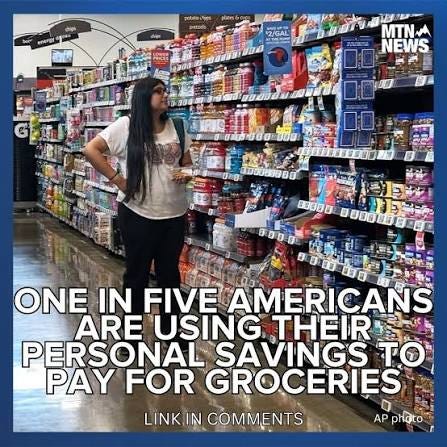
A private equity windfall would come at the expense of shoppers who are already paying 25% more for groceries than four years ago. Analysts say that grocery mergers contribute to price inflation because stores can increase costs when consumers have nowhere else to shop.
The associates and cooks never benefit from these acquisitions, mergers, and closures. These companies are bloodless, for sure, and while most customers understand the hard work and high demands of cooks, servers, and preppers, when staffing is low, managers demand more and more from workers. Vacations are rare. Time off requests are denied.
One fellow at another Fred Meyer stated that he’s been there for 12 years and is at the managerial level. However, if he left for whatever reason for four years and a few months, none of the managerial experience would be counted if he returned. Meaning, he’d start at the minimum wage as a new inexperienced hire would get.
Bloodless.

“While researching the book, I read the French philosopher Simone Weil’s account of working in an auto factory during the 1930s. She concluded that liberty for working people was a ‘search for the material conditions for clear thinking.’ What surprised me the most about writing about the supermarket was how right she was.”

