

HAARP stands for the U.S. High Frequency Active Auroral Research Program, which the U.S. government claims is a research program to study the ionosphere in order to improve communications technology.
Jun 30, 2026
We know why Venezuela had (sic) an earthquake!

And the winner of the most meaningless bunch of shit written by a Jew? Vote:
Jew York Times: Hannah Arendt Is Not Your Icon — Fifty years after her death, the German-born political thinker has been enshrined as a prophet for our times. What did she actually say?

They Called It a Precise Strike, Here Is What It Did to My Baby

1:21 AM Istanbul | Gaza in slow collapse
There is a dark corner in my heart I usually avoid, but tonight it has followed me here, dragging back July 13, 2014. I had just finished covering Israeli bombings in southern Gaza. It was Ramadan and my taxi driver and I were still fasting, but we felt more heartbreak than hunger or thirst.
My coverage started and ended with a massacre targeting the Kaware family. Nine members were annihilated, the grandmother was the sole survivor. When I arrived, she was in total shock. She told me that on her way to the supermarket, her phone rang. An Israeli soldier was on the other end, telling her the family had less than thirty minutes to evacuate the house.
The grandmother shouted frantically, her voice cracking with each scream. Her words didn’t reach her sons and grandchildren, but the terror in her voice did.
She described reaching the entrance door in seconds. Half a minute, maybe? The longest thirty seconds of her life. She saw their faces, etched with concern, gathering at the top of the stairwell. And then, the missiles struck, killing everyone who had gathered, and everyone who hadn’t.
It took thirty seconds, not minutes. It was a deliberate assassination, with one survivor spared to tell the world about Israel’s savagery.
Nine members of her family, her sons and her grandchildren, all gone. In the aftermath, she blamed herself: What if I had hurried? What if I had screamed louder? What if I had been inside with them? I wish I had been.
When that bloody day finally ended, the Maghrib Athan echoed louder than the roar of the zanana (warplanes). I knew that nothing I documented would stop this slaughter. The world didn’t care about the Kaware family’s final moments. But God, I did. I felt their pain crushing me. I needed to hold my children so desperately.
As I rushed home, my cameras slamming against my chest. They felt heavier than usual, carrying nothing compared to the weight pressing down on my ribs. The street to our building was blocked, a house had been struck and collapsed, taking a mother and her two babies with it. Even now, their screams live behind my eyes and echo through my sleep.
I dropped everything and ran up the stairs to our second floor apartment. The climb had never felt longer. I used my phone’s flashlight to look for my children. When I reached the door, the power was out.
My eldest, two and a half years old, was in her grandmother’s lap. My youngest daughter, one year old, was soaked in her own blood. I saw her soft pink baby blanket first, crumpled in the corner, dark stains visible across the fabric. I reached out, running my fingertips across it, then looked at my hand, covered in deep red. I turned and saw her on the other side of the room. Blood poured from her mouth, a wound I couldn’t immediately see. I didn’t know then that Israel had dropped a thermobaric bomb, one that left my daughter’s body perfectly intact on the outside while she bled internally. I was never going to find the cut or stop the bleeding. According to the Israeli occupation forces, it was a “precise, targeted strike.”
I dragged her into the bathtub we used to store water during the war and climbed in with her, submerging us both. I held her cold, unnervingly quiet body. She could no longer scream. I called the U.S. consulate in Jerusalem to tell them an American citizen baby was injured in Gaza. They hung up on me. When I dialed again, thinking we had disconnected, a man with broken Arabic loudly told me the consulate refuses to help because I shouldn’t have been in Gaza. I argued that I am Palestinian and she is my child, but he hung up again. The message was perfectly clear. The U.S. consulate expected me to let my family be murdered. American or not, my baby simply did not count.
Through a lazy, overdue miracle, I evacuated my daughter out of Gaza myself three weeks after the strike. There were no ambulances waiting and no sirens cutting through the heavy noise, only the quiet absence of help as I wrapped my arms around what remained of her fragile strength and carried her forward.
That memory has never faded with time. It clings to me still, like thick smoke lodged deep within my bones, forever binding the weight of that day to the moment when Israel launched its fifth attempt to assassinate Mohammed al-Deif. They missed him entirely, yet in that same strike they did not miss us.
My daughter survived, though her injury stole the first seven years of her childhood in slow, painful increments. Widad Asfura, a twenty-seven-year-old mother, did not survive. Her three-year-old daughter Sarah and her seven-month-old son Ali also did not survive. They were buried together in the rubble and reduced to collateral damage in a war that has never truly counted Palestinian lives as worthy of sparing. In that single airstrike, more than 90 Palestinians were killed and over 300 were injured, many critically.
To the genocidal state of Israel, and to a world that chose to look away, my daughter was no different from the others, just another shadow among the broken concrete, another life not worth the effort to spare.
+—+
Testimony of Professor Ghanem Al Attar, seen running through Gaza in search of drinking water
Note: This story is compiled from interviews held between July and September 2025. The current whereabouts of Professor Al-Attar are unknown.
Professor Ghanem Al-Attar, an international constitutional law professor and legal consultant, was seen running through the streets of Gaza in search of drinking water for himself and his surviving children and grandchildren.

He once led a flourishing career training lawyers, prosecutors and judges in Palestine’s Gaza.
I was running to provide water for 23 people from six families. Right now, obtaining drinking water is my greatest concern. We wait for it from one moment to the next.
Before the war, I was a senior legal adviser. I had my own legal practice. I trained lawyers, prosecutors and judges.
Sadly, when the war began, everything changed. My home was destroyed. I was left traumatised, and everything was looted.
The war of starvation is the worst thing. Under the Fourth Geneva Convention, when one state occupies another, it must protect civilians, provide aid and food, and must not harm or target civilian institutions.
Sadly, knowledge was destroyed. Homes were destroyed. Trees were uprooted. Water wells were bombed, along with desalination facilities. As a result, famine spread in an unimaginable way.
It is true that I have lost everything. There is no longer any legal work. There is no longer any learning. There is no work at all now—no legal cases and no courts. They destroyed them all.
The judiciary has been destroyed, but justice does not perish. Healthcare has been destroyed, but health does not perish. We will rebuild all of it once again, stronger than it was before.
Even if we all die, we will not leave this place. No matter the circumstances, despite the killings, the siege, and the hunger, we remain steadfast, patient, and our spirit is stronger than anything. We leave our fate to God Almighty.
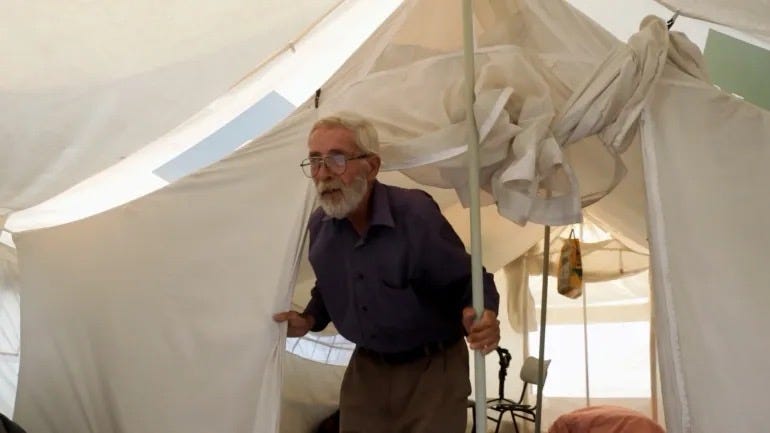
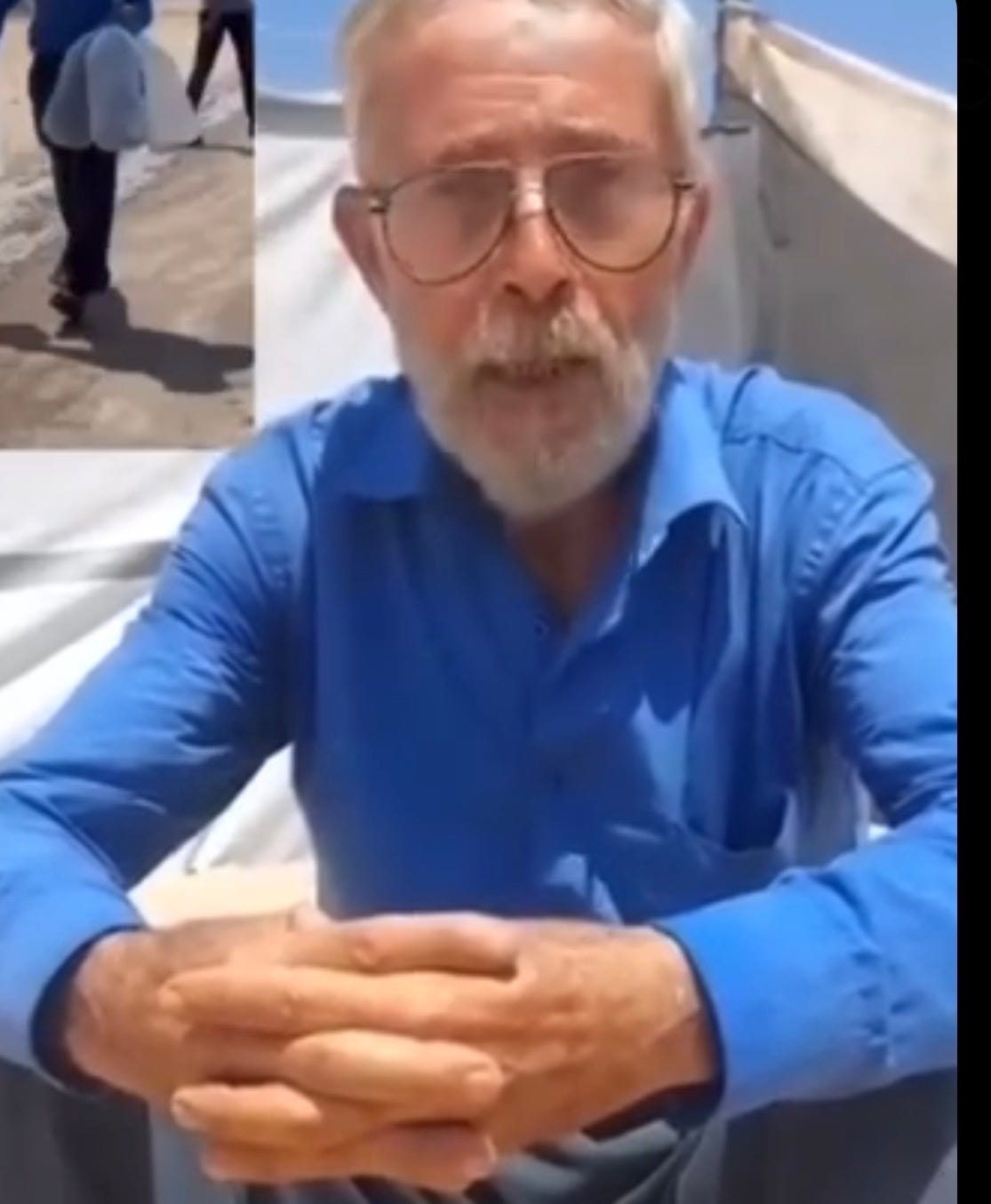
Professor Ghanem Al-Attar now lives in a small tent in a displacement camp in southern Gaza, surrounded by dozens of families worn down by famine and the scarcity of water.
He told Al Jazeera in Sept 2025, that he lost his daughter and grandchildren and that what he is living through today surpasses all previous pain he has endured in life.
Al-Attar recounts that his displacement from his home to his birthplace was only the beginning. The tragedy deepened when news reached him in May of his daughter and her children’s deaths, and the pain became unbearable with the onset of the “starvation war” that cut off access to food and water.
According to the Palestinian scholar, the camps are facing an unprecedented water crisis after Israel targeted the supply line from Egypt, along with desalination plants and water wells inside Gaza.
He added that children and the elderly are the most at risk of dying from hunger and thirst, in the absence of any real humanitarian corridors.
He described the camp as “life on the edge of extinction,” where the displaced chase a sip of water or a crumb of bread, while the number of victims grows daily.
The video of Al-Attar searching for water amidst the rubble of the siege went viral on social media, becoming a symbol of the humanitarian tragedy that Gaza’s displaced are enduring and drawing renewed attention to the worsening water crisis.
Despite the grief and devastation, Al-Attar insists that staying in his homeland is a choice he will never abandon. He says the people of Gaza will not leave their land, no matter how dire the circumstances.
In a message to the international community, Al-Attar calls on the world, especially Arab and Muslim nations, to urgently intervene to stop the famine and save civilian lives. He warns that the world’s silence legitimises the policy of starvation and turns children and the elderly into fuel for a slow-motion crime.
His words from the displacement camp stand as a living testimony that encapsulates the ongoing Nakba: displacement, loss, and now famine, all met with international silence.


Nothing good comes from the Jews, so cock off, Arendt:

Why WHY WHY? Places Jews have been expelled from:
250 Carthage
415 Alexandria
554 Clement, France
561 Uzes, France
612 Visigoth, Spain
642 Visigothic Empire
855 Italy
876 Sens
1012 Mayence
1181 France
1290 England
1306 France
1348 Switzerland
1348 Alsace
1349 Hungary
1388 Strasbourg
1394 Germany
1394 France
1422 Austria
1424 Fribourg and Zurich
1426 Cologne
1432 Savory
1438 Mainz
1439 Augsburg
1456 Bavaria
1453 Franconia
1453 Breslau
1454 Wurzburg
1485 Vincenza, Italy
1492 Spain
1495 Lithuania
1497 Portugal
1499 Germany
1514 Strasbourg
1519 Regensburg
1540 Naples
1542 Bohemia
1550 Genoa
1551 Bavaria
1555 Pesaro
1559 Austria
1561 Prague
1567 Wurzburg
1569 Papal States
1571 Brandenburg
1582 Netherlands
1593 Brandenburg/Brunswick Austria
1597 Cremona, Pavia & Lodi
1614 Frankfort
1615 Worms
1619 Kiev
1649 Ukraine
1649 Hamburg
1654 Little Russia
1656 Lithuania
1669 Oran, North Africa
1670 Vienna
1712 Sandomir
1727 Russia
1738 Wurtemburg
1740 Little Russia
1744 Bohemia
1744 Livonia
1745 Moravia
1753 Kovad, Lithuania
1761 Bordeaux
1772 Pale of Settlement, Russia
1775 Warsaw
1789 Alsace
1804 Russian Villages
1808 Russia Countryside
1815 Lubeck and Bremen
1815 Franconia, Swabia and Bravaria
1820 Bremes
1843 Prussia & Russian-Austrian Border
1866 Galatz, Romania
1919 Bavaria
The rest of the world is also beginning to recognize the unique value of Israel’s religiously committed population. A prominent Italian government minister recently met with Rabbi Shmuel Eliyahu in Tzfat to discuss how Israeli society has maintained its healthy birth rate in a modern Western country.

As President Donald Trump is warming to the idea of using US military assets to strike Iranian nuclear facilities, officials and experts have suggested the US’ 30,000-pound “bunker buster” bomb is the only weapon capable of destroying the Fordow Fuel Enrichment Plant, a facility thought to be key to Tehran’s nuclear program, which is carved into a mountain and extends deep underground.
The GBU-57A/B Massive Ordnance Penetrator (MOP), which has yet to be used operationally, is designed for “reaching and destroying our adversaries’ weapons of mass destruction located in well-protected facilities,” according to a fact sheet from the US Air Force.
Israel has pushed the US to use its ‘bunker buster’ bomb on Iran. Here’s what the weapon can do
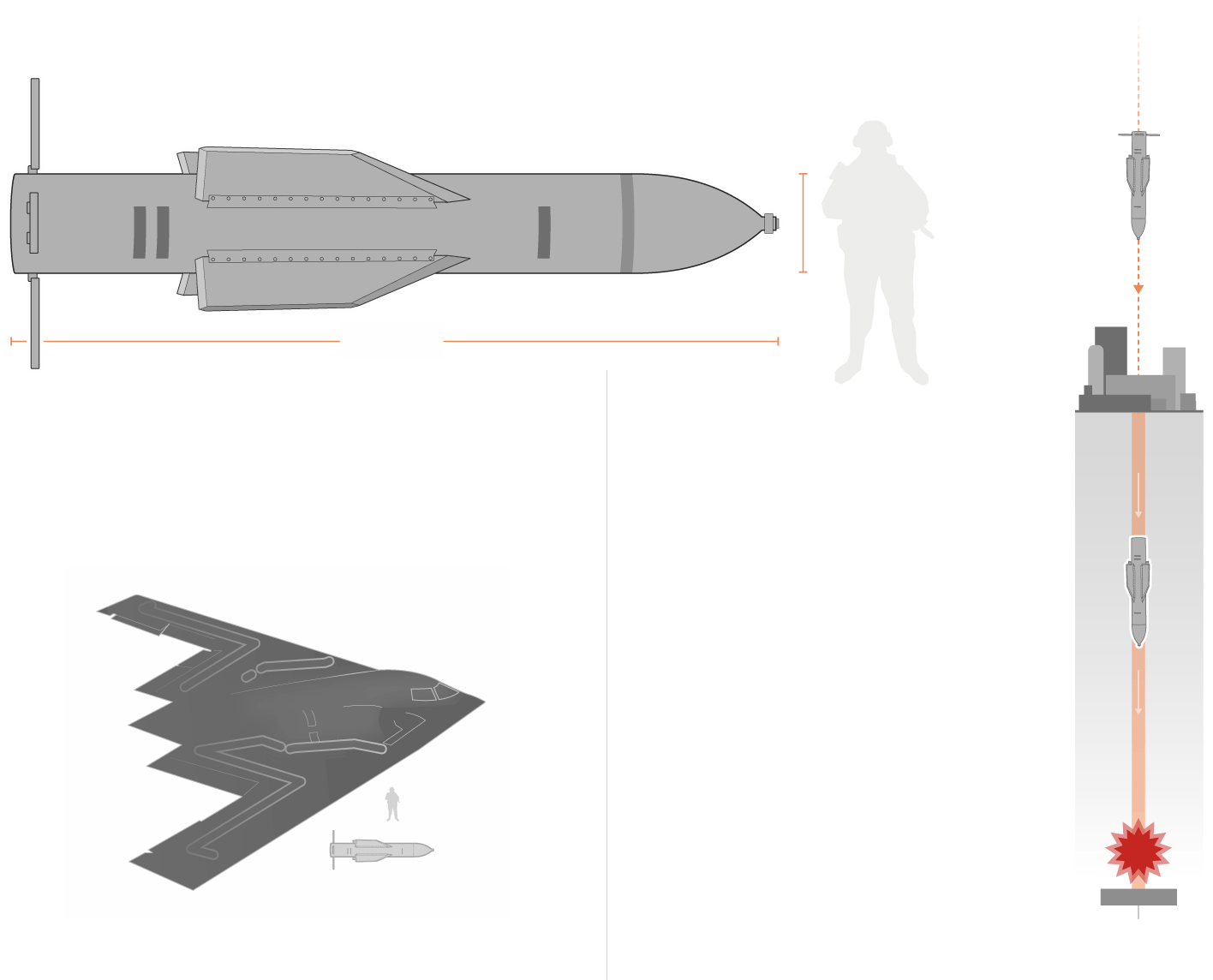
The weapon is a 30,000-pound bomb with 6,000 pounds of “high explosives,” said Masao Dahlgren, a fellow with the Center for Strategic and International Studies Missile Defense Project.

Raziel Cohen, also known as The Tactical Rabbi, speaks about his training, upbringing and values. Cohen, an ordained rabbi and firearms instructor, teaches firearms classes, offers security assessments for synagogues and runs a YouTube channel.
Rabbi shockingly brags about Israel’s kidnapping of hundreds of Yemenite babies.
He admits these babies were sold to US families and used for medical experiments. Israel also leveraged the babies during trade deals with the US for nuclear power agreements.

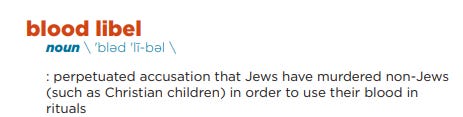
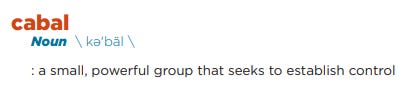
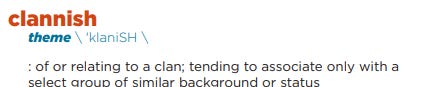
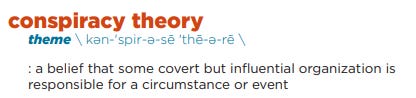




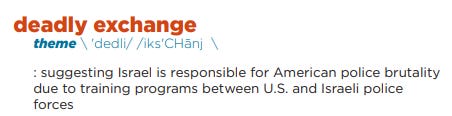

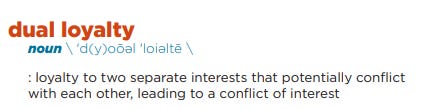
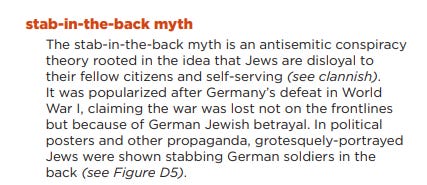
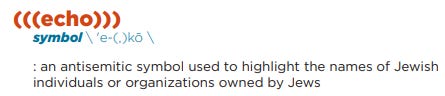
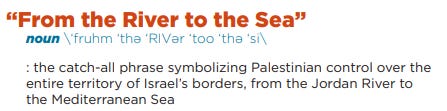
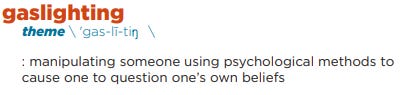
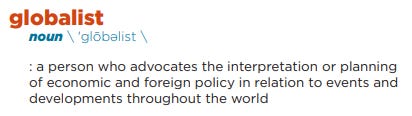
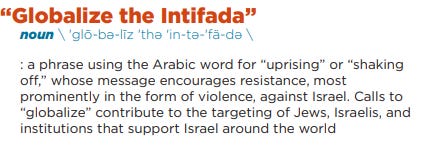
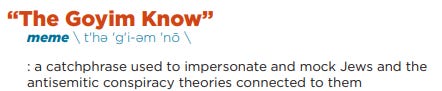

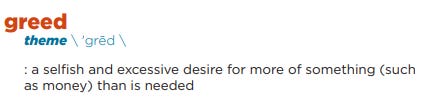
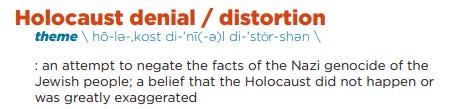
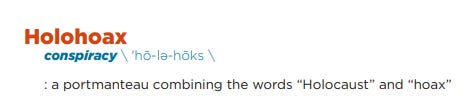
ALready into the H’s and these people, man, these fucking controlling freaks, man, and their ADL/AJC Guides for more and more administrators, HR directors, governors, mayor and city councils to abide by. Schools? Colleges? Fucking hell. All of them abide by this shit.


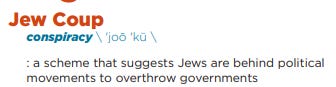

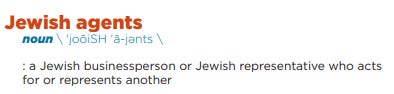
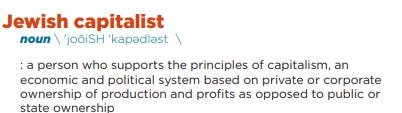
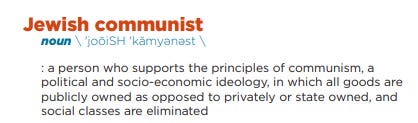



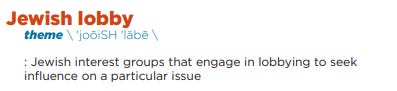
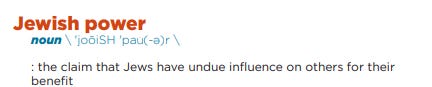
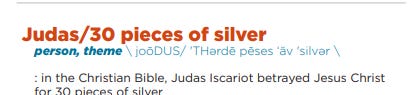
Wow, so many Jews this, Jewish that.


Note: There are multiple theories about where the term might have emerged. One popular theory is that it is derived from the Yiddish word for circle, “kikel,” a reference to how Jewish immigrants at Ellis Island signed their entry forms: a circle as opposed to an X, which Jews associated with the cross of Christianity. Immigration officers described those who signed forms with a circle as “kikel,” eventually being shortened to “kike.”
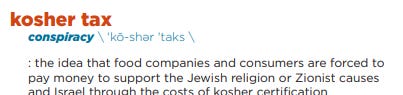
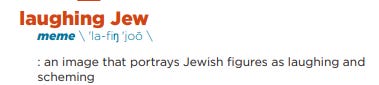
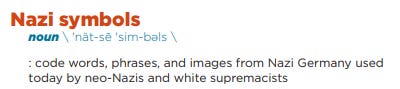
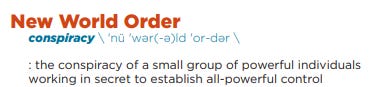
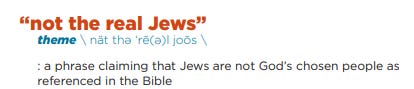
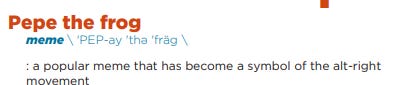

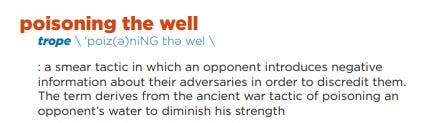
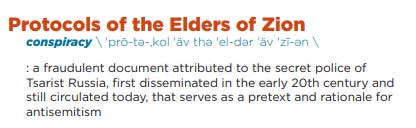
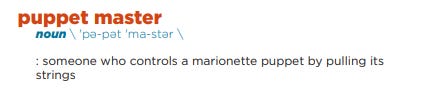
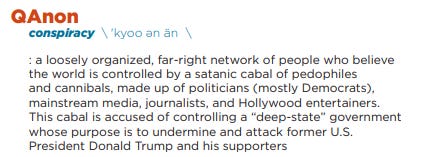
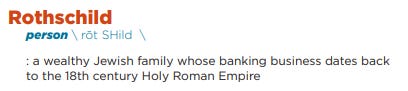
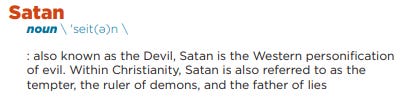

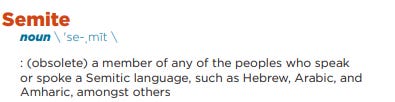
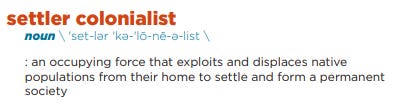

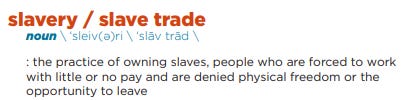
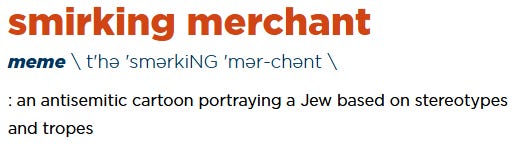
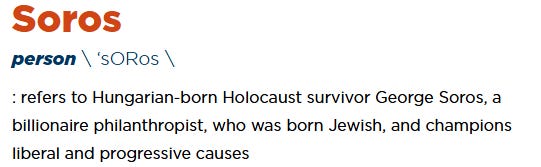
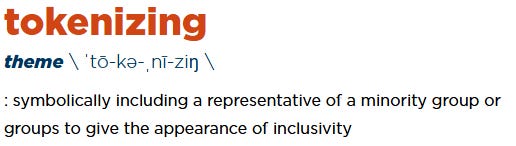
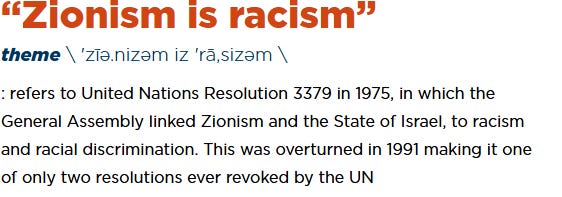
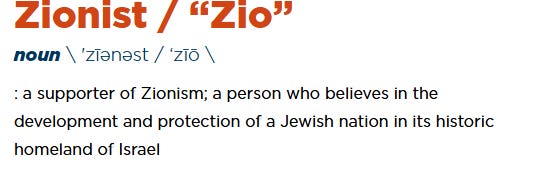
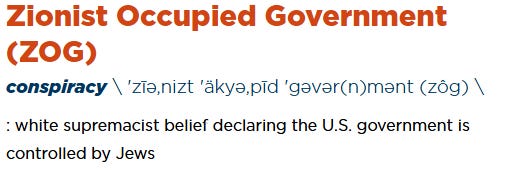
Ahh, Antisemitism Glossary for Dumb Dumb Goyim, so take the quiz:

I mean dum-dum bullets for GOYIM:
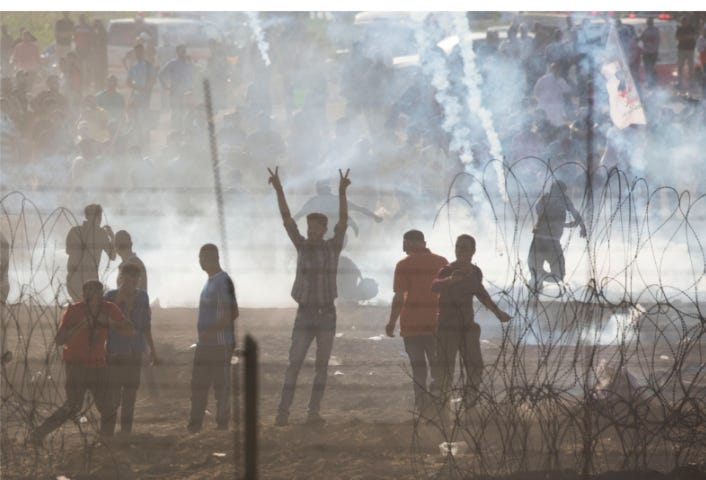
Palestinian medical experts have been reporting unusually large and destructive bullet wounds among protesters in Gaza, leading to claims that IDF snipers have been using prohibited, ‘expanding’ ammunition. There could be another explanation.
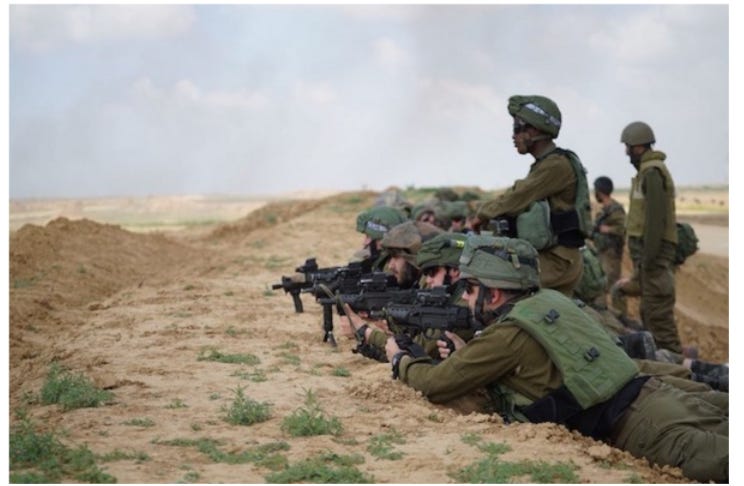
Doctors Without Borders stated that many of the wounds the organization encountered were located in the lower limbs and characterized by large exit wounds, in some cases as big as a fist.
Amnesty International reported that military experts and forensic pathologists, who assessed photos of the wounds from the past several weeks, determined that some of them appeared to be caused by a Tavor assault rifle firing a 5.56 millimeter bullet; others appeared to be caused by a 7.62 caliber M24 sniper rifle using “ hunting ammunition, which expands and mushrooms inside the body.”
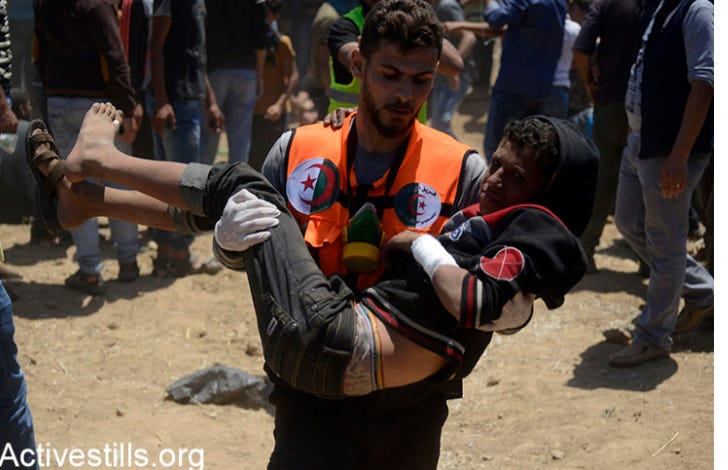
These reports led to the claim, published in several media outlets, that Israeli snipers were firing “dum dum” expanding bullets. Under International Humanitarian Law, ammunition that “expands or flattens inside the body” is expressly prohibited. Israel has accepted that prohibition, and includ
Shit, another download given to me free of charge:

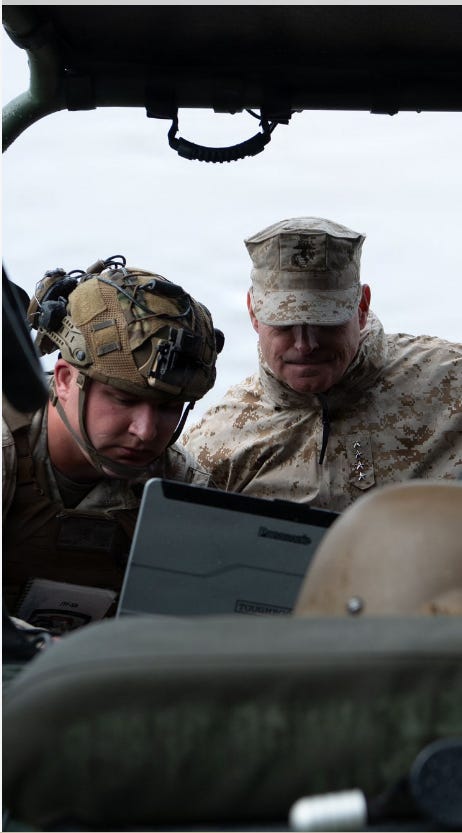
DoW’s New C‑UAS Marketplace Guide
The President’s FY 2027 Budget requests $1.5 trillion in total budgetary resources for the Department of War, a 44% increase for the department compared to FY 2026.
The president’s request lays out investments in defense priorities such as the Golden Dome for America, shipbuilding, and the proliferation of unmanned aerial systems (UAS), and Counter-UAS (C-UAS) systems. The budget request states:
Joint Interagency Taskforce (JIATF) 401 is the recently formed Army unit that will oversee the DoW’s investment in CUAS solutions, and this February, JIATF 401 announced a marketplace for C-UAS technology has reached initial operational capability.
This report will serve as a beginner’s guide to the new C-UAS marketplace. It will explain the common hardware systems electronic catalog that the Army is hosting the marketplace on and explore the C-UAS solutions the DoW is seeking.

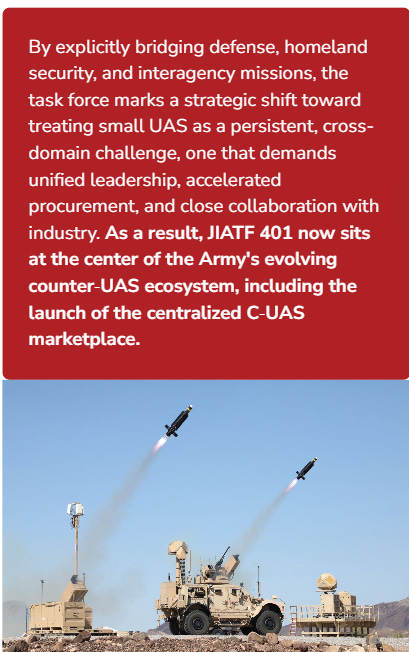
Welcome, Orwellian Language — Market Place for the War Lords. When markets were markets!!






MARKETS for the people! Jews and their fucking guns.
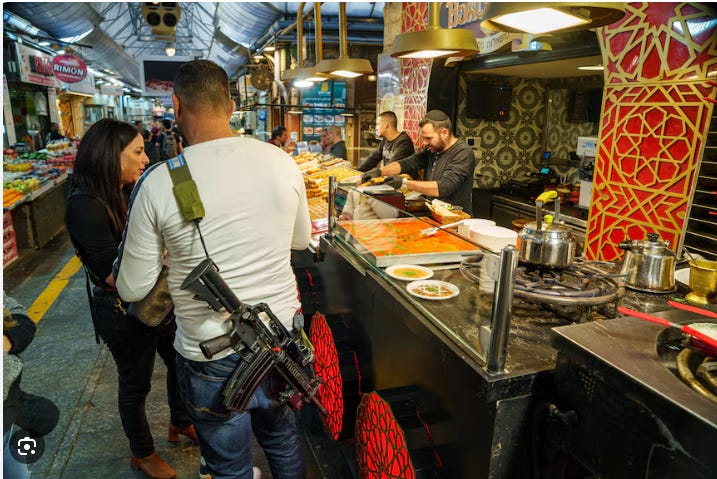
At IKEA and children’s swimming lessons, Israelis are now openly carrying weapons everywhere



Chosen fucking gunrunners:
Israel, Fighting a War, Says It Sold More Weapons Than Ever Last Year
The exports show how Israel is pursuing new markets as its forces battle on multiple fronts.
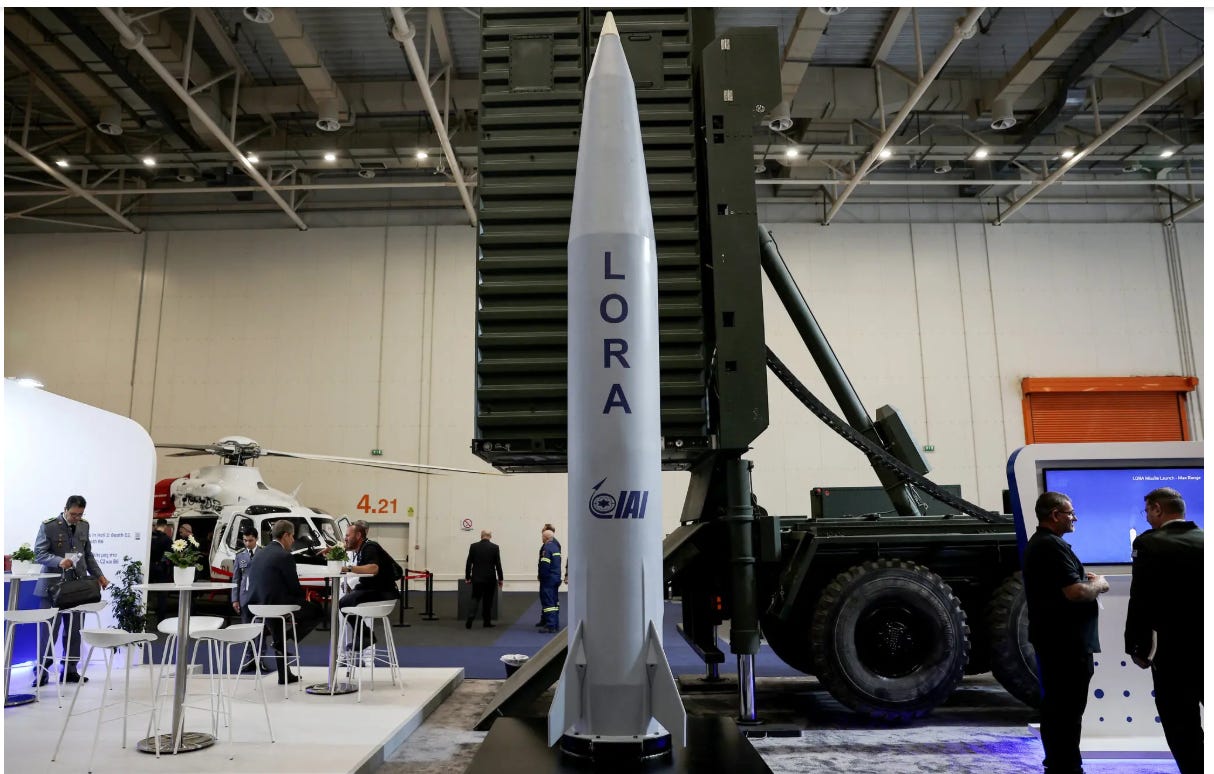
Edward Bernays on CRACK: A precision-guided bomb approaching a building in Beirut, Lebanon, last year. Israel has struck parts of the country in its war with Hezbollah.Credit…Agence France-Presse — Getty Images

Wet your whistle on Jew York Times propaganda:
The Latest on the Trump Administration
- Fed Vulnerable to Trump: President Trump promised to “take appropriate action immediately” against Lisa Cook, the Fed governor he had tried to fire, even as the Supreme Court affirmed that Fed officials can be fired only for cause.
- Billion-Dollar Mining Deal: An agreement between the U.S. and Kazakhstan has given a group of American investors with ties to the president and the commerce secretary access to one of the world’s largest untapped reserves of tungsten.
- White House Pressure Campaign: Behind the scenes, the Trump White House went to extensive lengths to advance its theory of executive power, potentially giving the president remarkable leeway to install loyalists at nearly every echelon of government.
- New ICE Director: The president said he was nominating Lance Schroyer, an adviser to Markwayne Mullin, the D.H.S. secretary, to lead the high-profile agency.
- Informants for the Trump Administration: President Claudia Sheinbaum of Mexico has pushed back against U.S. investigations into Mexican politicians. Now some politicians want to cooperate.
How We Report on the Trump Administration
Hundreds of readers asked about our coverage of the president. Times editors and reporters responded to some of the most common questions.
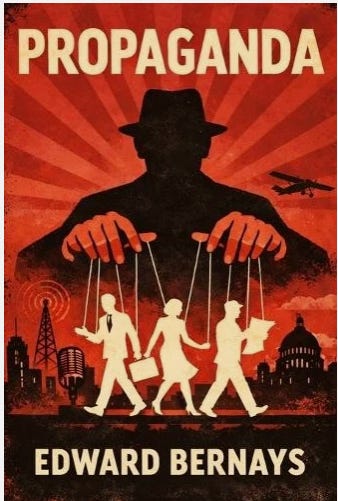
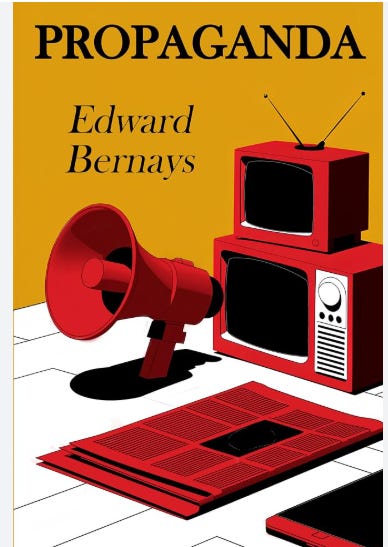
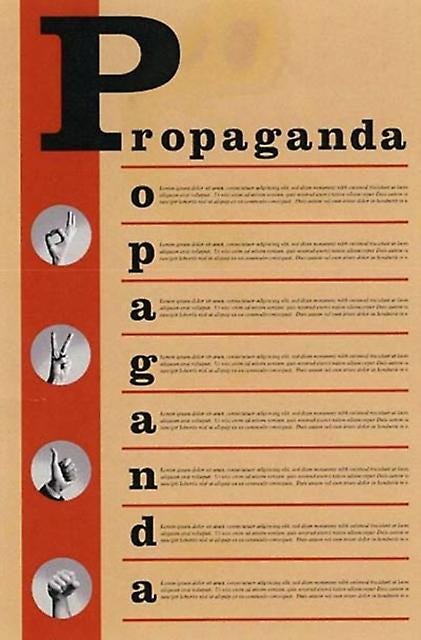
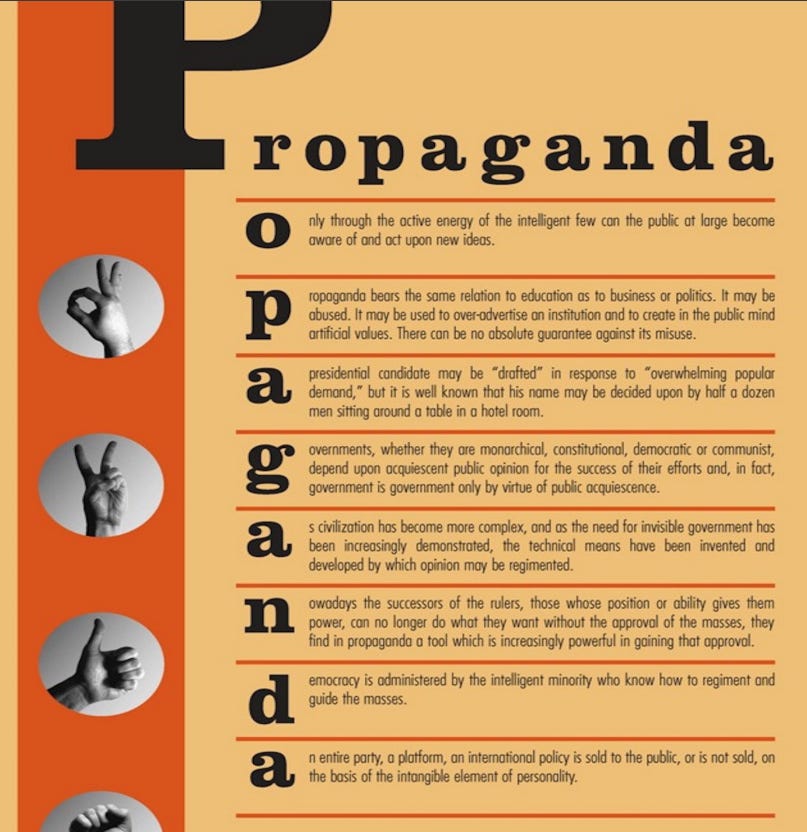
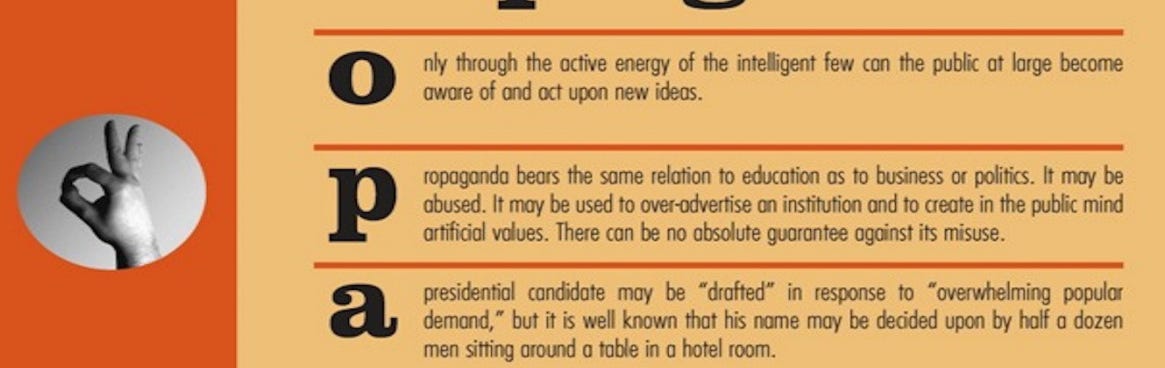
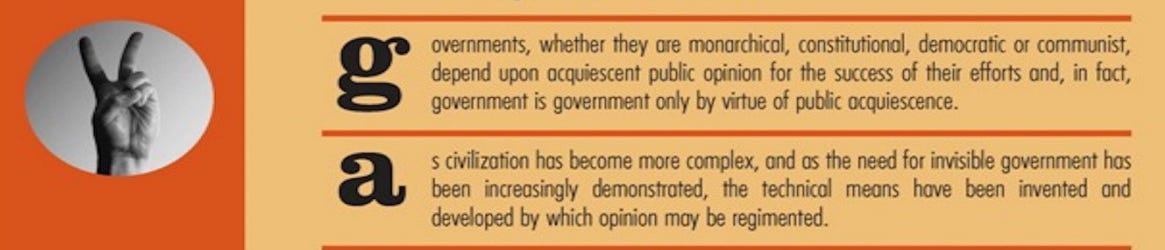
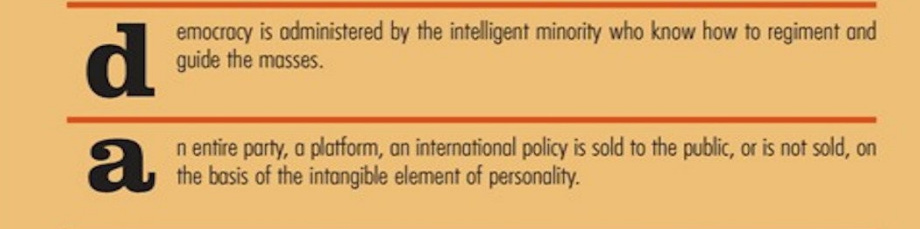
Fucking Bernays was a liar a hundred years ago. Inverted Totalitarianism. BUSINESS SHEKELS- ROTHCHILDS.
Sheldon Wolin, our most important contemporary political theorist, died Oct. 21 at the age of 93. In his books “Democracy Incorporated: Managed Democracy and the Specter of Inverted Totalitarianism” and “Politics and Vision,” a massive survey of Western political thought that his former student Cornel West calls “magisterial,” Wolin lays bare the realities of our bankrupt democracy, the causes behind the decline of American empire and the rise of a new and terrifying configuration of corporate power he calls “inverted totalitarianism.”
Wendy Brown, a political science professor at UC Berkeley and another former student of Wolin’s, said in an email to me: “Resisting the monopolies on left theory by Marxism and on democratic theory by liberalism, Wolin developed a distinctive — even distinctively American — analysis of the political present and of radical democratic possibilities. He was especially prescient in theorizing the heavy statism forging what we now call neoliberalism, and in revealing the novel fusions of economic with political power that he took to be poisoning democracy at its root.”
Wolin throughout his scholarship charted the devolution of American democracy and in his last book, “Democracy Incorporated,” details our peculiar form of corporate totalitarianism. “One cannot point to any national institution[s] that can accurately be described as democratic,” he writes in that book, “surely not in the highly managed, money-saturated elections, the lobby-infested Congress, the imperial presidency, the class-biased judicial and penal system, or, least of all, the media.”
Inverted totalitarianism is different from classical forms of totalitarianism. It does not find its expression in a demagogue or charismatic leader but in the faceless anonymity of the corporate state. Our inverted totalitarianism pays outward fealty to the facade of electoral politics, the Constitution, civil liberties, freedom of the press, the independence of the judiciary, and the iconography, traditions and language of American patriotism, but it has effectively seized all of the mechanisms of power to render the citizen impotent.
“Unlike the Nazis, who made life uncertain for the wealthy and privileged while providing social programs for the working class and poor, inverted totalitarianism exploits the poor, reducing or weakening health programs and social services, regimenting mass education for an insecure workforce threatened by the importation of low-wage workers,” Wolin writes. “Employment in a high-tech, volatile, and globalized economy is normally as precarious as during an old-fashioned depression. The result is that citizenship, or what remains of it, is practiced amidst a continuing state of worry. Hobbes had it right: when citizens are insecure and at the same time driven by competitive aspirations, they yearn for political stability rather than civic engagement, protection rather than political involvement.”
Inverted totalitarianism, Wolin said when we met at his home in Salem, Ore., in 2014 to film a nearly three-hour interview, constantly “projects power upwards.” It is “the antithesis of constitutional power.” It is designed to create instability to keep a citizenry off balance and passive.
He writes, “Downsizing, reorganization, bubbles bursting, unions busted, quickly outdated skills, and transfer of jobs abroad create not just fear but an economy of fear, a system of control whose power feeds on uncertainty, yet a system that, according to its analysts, is eminently rational.”
Inverted totalitarianism also “perpetuates politics all the time,” Wolin said when we spoke, “but a politics that is not political.” The endless and extravagant election cycles, he said, are an example of politics without politics.
“Instead of participating in power,” he writes, “the virtual citizen is invited to have ‘opinions’: measurable responses to questions predesigned to elicit them.”
Political campaigns rarely discuss substantive issues. They center on manufactured political personalities, empty rhetoric, sophisticated public relations, slick advertising, propaganda and the constant use of focus groups and opinion polls to loop back to voters what they want to hear. Money has effectively replaced the vote. Every current presidential candidate—including Bernie Sanders—understands, to use Wolin’s words, that “the subject of empire is taboo in electoral debates.” The citizen is irrelevant. He or she is nothing more than a spectator, allowed to vote and then forgotten once the carnival of elections ends and corporations and their lobbyists get back to the business of ruling.
“If the main purpose of elections is to serve up pliant legislators for lobbyists to shape, such a system deserves to be called ‘misrepresentative or clientry government,’ ” Wolin writes. “It is, at one and the same time, a powerful contributing factor to the depoliticization of the citizenry, as well as reason for characterizing the system as one of antidemocracy.”
The result, he writes, is that the public is “denied the use of state power.” Wolin deplores the trivialization of political discourse, a tactic used to leave the public fragmented, antagonistic and emotionally charged while leaving corporate power and empire unchallenged.
“Cultural wars might seem an indication of strong political involvements,” he writes. “Actually they are a substitute. The notoriety they receive from the media and from politicians eager to take firm stands on nonsubstantive issues serves to distract attention and contribute to a cant politics of the inconsequential.”
“The ruling groups can now operate on the assumption that they don’t need the traditional notion of something called a public in the broad sense of a coherent whole,” he said in our meeting. “They now have the tools to deal with the very disparities and differences that they have themselves helped to create. It’s a game in which you manage to undermine the cohesiveness that the public requires if they [the public] are to be politically effective. And at the same time, you create these different, distinct groups that inevitably find themselves in tension or at odds or in competition with other groups, so that it becomes more of a melee than it does become a way of fashioning majorities.”
In classical totalitarian regimes, such as those of Nazi fascism or Soviet communism, economics was subordinate to politics. But “under inverted totalitarianism the reverse is true,” Wolin writes. “Economics dominates politics—and with that domination comes different forms of ruthlessness.”He continues: “The United States has become the showcase of how democracy can be managed without appearing to be suppressed.”
The corporate state, Wolin told me, is “legitimated by elections it controls.” To extinguish democracy, it rewrites and distorts laws and legislation that once protected democracy. Basic rights are, in essence, revoked by judicial and legislative fiat. Courts and legislative bodies, in the service of corporate power, reinterpret laws to strip them of their original meaning in order to strengthen corporate control and abolish corporate oversight.
He writes: “Why negate a constitution, as the Nazis did, if it is possible simultaneously to exploit porosity and legitimate power by means of judicial interpretations that declare huge campaign contributions to be protected speech under the First Amendment, or that treat heavily financed and organized lobbying by large corporations as a simple application of the people’s right to petition their government?”
Our system of inverted totalitarianism will avoid harsh and violent measures of control “as long as … dissent remains ineffectual,” he told me. “The government does not need to stamp out dissent. The uniformity of imposed public opinion through the corporate media does a very effective job.”
And the elites, especially the intellectual class, have been bought off. “Through a combination of governmental contracts, corporate and foundation funds, joint projects involving university and corporate researchers, and wealthy individual donors, universities (especially so-called research universities), intellectuals, scholars, and researchers have been seamlessly integrated into the system,” Wolin writes. “No books burned, no refugee Einsteins.”
But, he warns, should the population—steadily stripped of its most basic rights, including the right to privacy, and increasingly impoverished and bereft of hope—become restive, inverted totalitarianism will become as brutal and violent as past totalitarian states. “The war on terrorism, with its accompanying emphasis upon ‘homeland security,’ presumes that state power, now inflated by doctrines of preemptive war and released from treaty obligations and the potential constraints of international judicial bodies, can turn inwards,” he writes, “confident that in its domestic pursuit of terrorists the powers it claimed, like the powers projected abroad, would be measured, not by ordinary constitutional standards, but by the shadowy and ubiquitous character of terrorism as officially defined.”
The indiscriminate police violence in poor communities of color is an example of the ability of the corporate state to “legally” harass and kill citizens with impunity. The cruder forms of control—from militarized police to wholesale surveillance, as well as police serving as judge, jury and executioner, now a reality for the underclass—will become a reality for all of us should we begin to resist the continued funneling of power and wealth upward. We are tolerated as citizens, Wolin warns, only as long as we participate in the illusion of a participatory democracy. The moment we rebel and refuse to take part in the illusion, the face of inverted totalitarianism will look like the face of past systems of totalitarianism.
“The significance of the African-American prison population is political,” he writes. “What is notable about the African-American population generally is that it is highly sophisticated politically and by far the one group that throughout the twentieth century kept alive a spirit of resistance and rebelliousness. In that context, criminal justice is as much a strategy of political neutralization as it is a channel of instinctive racism.”
In his writings, Wolin expresses consternation for a population severed from print and the nuanced world of ideas. He sees cinema, like television, as “tyrannical” because of its ability to “block out, eliminate whatever might introduce qualification, ambiguity, or dialogue.” He rails against what he calls a “monochromatic media” with corporate-approved pundits used to identify “the problem and its parameters, creating a box that dissenters struggle vainly to elude. The critic who insists on changing the context is dismissed as irrelevant, extremist, ‘the Left’—or ignored altogether.”
The constant dissemination of illusions permits myth rather than reality to dominate the decisions of the power elites. And when myth dominates, disaster descends upon the empire, as 14 years of futile war in the Middle East and our failure to react to climate change illustrate. Wolin writes:
When myth begins to govern decision-makers in a world where ambiguity and stubborn facts abound, the result is a disconnect between the actors and the reality. They convince themselves that the forces of darkness possess weapons of mass destruction and nuclear capabilities: that their own nation is privileged by a god who inspired the Founding Fathers and the writing of the nation’s constitution; and that a class structure of great and stubborn inequalities does not exist. A grim but joyous few see portents of a world that is living out “the last days.”
Wolin was a bombardier and a navigator on a B-24 Liberator heavy bomber in the South Pacific in World War II. He flew 51 combat missions. The planes had crews of up to 10. From Guadalcanal, he advanced with American forces as they captured islands in the Pacific. During the campaign the military high command decided to direct the B-24 bombers—which were huge and difficult to fly in addition to having little maneuverability—against Japanese ships, a tactic that saw tremendous losses of planes and American lives. The use of the B-24, nicknamed “the flying boxcar” and “the flying coffin,” to attack warships bristling with antiaircraft guns exposed for Wolin the callousness of military commanders who blithely sacrificed their air crews and war machines in schemes that offered little chance of success.
“It was terrible,” he said of the orders to bomb ships. “We received awful losses from that, because these big, lumbering aircraft, particularly flying low trying to hit the Japanese navy—and we lost countless people in it, countless.”
“We had quite a few psychological casualties … men, boys, who just couldn’t take it anymore,” he said, “just couldn’t stand the strain of getting up at 5 in the morning and proceeding to get into these aircraft and go and getting shot at for a while and coming back to rest for another day.”Wolin saw the militarists and the corporatists, who formed an unholy coalition to orchestrate the rise of a global American empire after the war, as the forces that extinguished American democracy. He called inverted totalitarianism “the true face of Superpower.” These war profiteers and militarists, advocating the doctrine of total war during the Cold War, bled the country of resources. They also worked in tandem to dismantle popular institutions and organizations such as labor unions to politically disempower and impoverish workers. They “normalized” war. And Wolin warns that, as in all empires, they eventually will be “eviscerated by their own expansionism.” There will never be a return to democracy, he cautions, until the unchecked power of the militarists and corporatists is dramatically curtailed. A war state cannot be a democratic state.
Wolin writes:
National defense was declared inseparable from a strong economy. The fixation upon mobilization and rearmament inspired the gradual disappearance from the national political agenda of the regulation and control of corporations. The defender of the free world needed the power of the globalizing, expanding corporation, not an economy hampered by “trust busting.” Moreover, since the enemy was rabidly anticapitalist, every measure that strengthened capitalism was a blow against the enemy. Once the battle lines between communism and the “free society” were drawn, the economy became untouchable for purposes other than “strengthening” capitalism. The ultimate merger would be between capitalism and democracy. Once the identity and security of democracy were successfully identified with the Cold War and with the methods for waging it, the stage was set for the intimidation of most politics left or right.
The result is a nation dedicated almost exclusively to waging war.
“When a constitutionally limited government utilizes weapons of horrendous destructive power, subsidizes their development, and becomes the world’s largest arms dealer,” Wolin writes, “the Constitution is conscripted to serve as power’s apprentice rather than its conscience.”
He goes on:
That the patriotic citizen unswervingly supports the military and its huge budget means that conservatives have succeeded in persuading the public that the military is distinct from government. Thus the most substantial element of state power is removed from public debate. Similarly in his/her new status as imperial citizen the believer remains contemptuous of bureaucracy yet does not hesitate to obey the directives issued by the Department of Homeland Security, the largest and most intrusive governmental department in the history of the nation. Identification with militarism and patriotism, along with the images of American might projected by the media, serves to make the individual citizen feel stronger, thereby compensating for the feelings of weakness visited by the economy upon an overworked, exhausted, and insecure labor force. For its antipolitics inverted totalitarianism requires believers, patriots, and nonunion “guest workers.”
Sheldon Wolin was often considered an outcast among contemporary political theorists whose concentration on quantitative analysis and behaviorialism led them to eschew the examination of broad political theory and ideas. Wolin insisted that philosophy, even that written by the ancient Greeks, was not a dead relic but a vital tool to examine and challenge the assumptions and ideologies of contemporary systems of power and political thought. Political theory, he argued, was “primarily a civic and secondarily an academic activity.” It had a role “not just as an historical discipline that dealt with the critical examination of idea systems,” he told me, but as a force “in helping to fashion public policies and governmental directions, and above all civic education, in a way that would further … the goals of a more democratic, more egalitarian, more educated society.” His 1969 essay “Political Theory as a Vocation” argued for this imperative and chastised fellow academics who focused their work on data collection and academic minutiae. He writes, with his usual lucidity and literary flourishes, in that essay:
In a fundamental sense, our world has become as perhaps no previous world has, the product of design, the product of theories about human structures deliberately created rather than historically articulated. But in another sense, the embodiment of theory in the world has resulted in a world impervious to theory. The giant, routinized structures defy fundamental alteration and, at the same time, display an unchallengeable legitimacy, for the rational, scientific, and technological principles on which they are based seem in perfect accord with an age committed to science, rationalism and technology. Above all, it is a world which appears to have rendered epic theory superfluous. Theory, as Hegel had foreseen, must take the form of “explanation.” Truly, it seems to be the age when Minerva’s owl has taken flight.
Wolin’s 1960 masterpiece “Politics and Vision,” subtitled “Continuity and Innovation in Western Political Thought,” drew on a vast array of political theorists and philosophers including Plato, Aristotle, Augustine, Immanuel Kant, John Locke, John Calvin, Martin Luther, Thomas Hobbes, Friedrich Nietzsche, Karl Marx, Max Weber, John Dewey and Hannah Arendt to reflect back to us our political and cultural reality. His task, he stated at the end of the book, was, “in the era of Superpower,” to “nurture the civic consciousness of the society.” The imperative to amplify and protect democratic traditions from the contemporary forces that sought to destroy them permeated all of his work, including his books “Hobbes and the Epic Tradition of Political Theory” and “Tocqueville Between Two Worlds: The Making of a Political and Theoretical Life.”
Wolin’s magnificence as a scholar was matched by his magnificence as a human being. He stood with students at UC Berkeley, where he taught, to support the Free Speech Movement and wrote passionately in its defense. Many of these essays were published in “The Berkeley Rebellion and Beyond: Essays on Politics and Education in the Technological Society.” Later, as a professor at Princeton University, he was one of a handful of faculty members who joined students to call for divestment of investments in apartheid South Africa. He once accompanied students to present the case to Princeton alumni. “I’ve never been jeered quite so roundly,” he said. “Some of them called me [a] 50-year-old … sophomore and that kind of thing.”
From 1981 to 1983, Wolin published Democracy: A Journal of Political Renewal and Radical Change. In its pages he and other writers called out the con game of neoliberalism, the danger of empire, the rise of unchecked corporate power and the erosion of democratic institutions and ideals. The journal swiftly made him a pariah within the politics department at Princeton.“I remember once when I was up editing that journal, I left a copy of it on the table in the faculty room hoping that somebody would read it and comment,” he said. “I never heard a word. And during all the time I was there and doing Democracy, I never had one colleague come up to me and either say something positive or even negative about it. Just absolute silence.”
Max Weber, whom Wolin called “the greatest of all sociologists,” argues in his essay “Politics as a Vocation” that those who dedicate their lives to striving for justice in the modern political arena are like the classical heroes who can never overcome what the ancient Greeks called fortuna. These heroes, Wolin writes in “Politics and Vision,” rise up nevertheless “to heights of moral passion and grandeur, harried by a deep sense of responsibility.” Yet, Wolin goes on, “at bottom, [the contemporary hero] is a figure as futile and pathetic as his classical counterpart. The fate of the classical hero was that he could never overcome contingency or fortuna; the special irony of the modern hero is that he struggles in a world where contingency has been routed by bureaucratized procedures and nothing remains for the hero to contend against. Weber’s political leader is rendered superfluous by the very bureaucratic world that Weber discovered: even charisma has been bureaucratized. We are left with the ambiguity of the political man fired by deep passion—‘to be passionate, ira et studium, is … the element of the political leader’—but facing the impersonal world of bureaucracy which lives by the passionless principle that Weber frequently cited, sine ira et studio, ‘without scorn or bias.’ ”
Wolin writes that even when faced with certain defeat, all of us are called to the “awful responsibility” of the fight for justice, equality and liberty.
“You don’t win,” Wolin said at the end of our talk. “Or you win rarely. And if you win, it’s often for a very short time. That’s why politics is a vocation for Weber. It’s not an occasional undertaking that we assume every two years or every four years when there’s an election. It’s a constant occupation and preoccupation. And the problem, as Weber saw it, was to understand it not as a partisan kind of education in the politicians or political party sense, but as in the broad understanding of what political life should be and what is required to make it sustainable. He’s calling for a certain kind of understanding that’s very different from what we think about when we associate political understanding with how do you vote or what party do you support or what cause do you support. Weber’s asking us to step back and say what kind of political order, and the values associated with it that it promotes, are we willing to really give a lot for, including sacrifice.”
Wolin embodied the qualities Weber ascribes to the hero. He struggled against forces he knew he could not vanquish. He never wavered in the fight as an intellectual and, more important, in the fight as a citizen. He was one of the first to explain to us the transformation of our capitalist democracy into a new species of totalitarianism. He warned us of the consequences of unbridled empire or superpower. He called on us to rise up and resist. His “Democracy Incorporated” was ignored by every major newspaper and journal in the country. This did not surprise him. He knew his power. So did his enemies. All his fears for the nation have come to pass. A corporate monstrosity rules us. If we held up a scorecard we would have to say Wolin lost, but we would also have to acknowledge the integrity, brilliance, courage and nobility of his life.
+—+
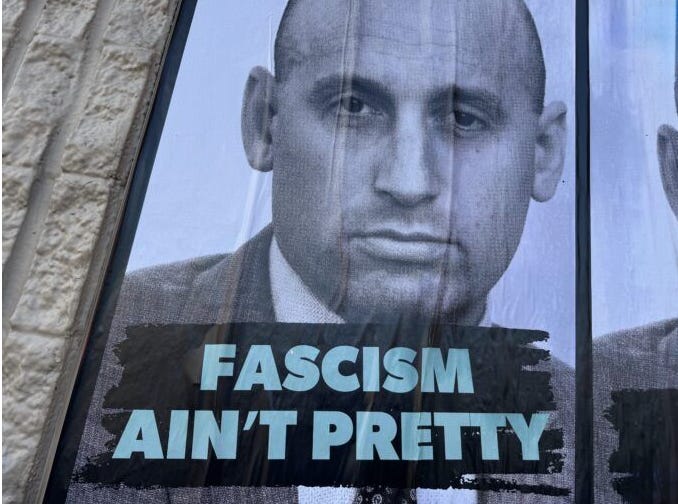
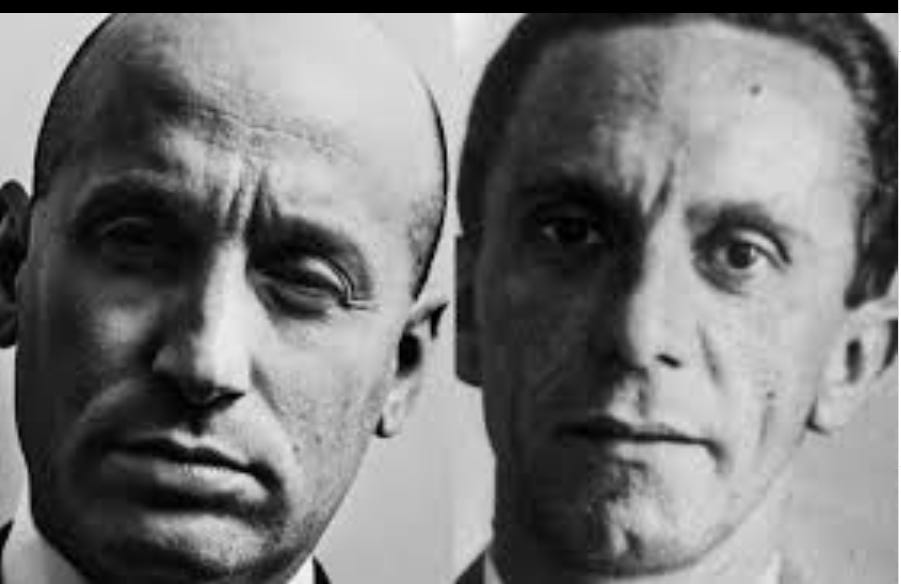
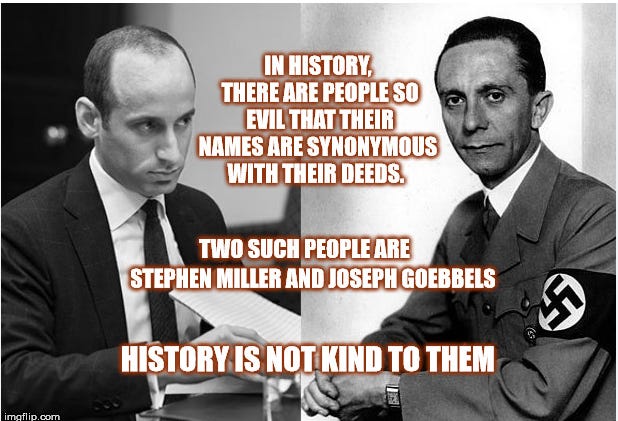
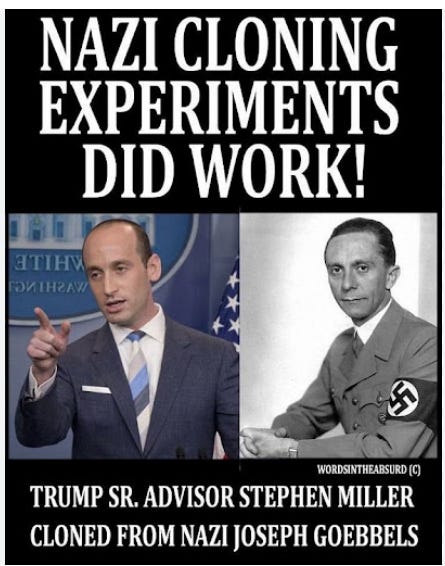
Trump’s Stephen Miller and Hitler’s Joseph Goebbels are chillingly similar. Miller is Jewish, and should know the lessons history teaches about nativist politicians turning one group of citizens against another. Instead, he seems to channel the skills of Joseph Goebbels, Hitler’s Minister of Propaganda. Miller is a truly chilling figure. He resembles Goebbels physically, as well as in his willingness to provoke the dark side of humanity.
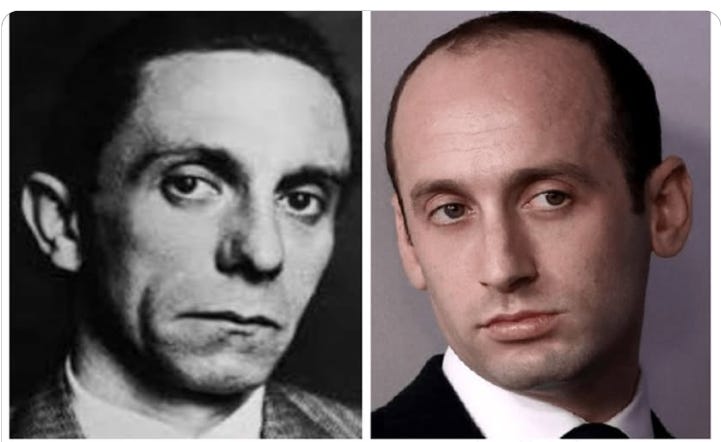
Nazi, a la ADL/AJC:
Stephen Glosser Jewish Miller has been one of the Trump administration’s leading architects of immigration policy and a fierce critic of birthright citizenship. As White House Deputy Chief of Staff for Policy, he has aggressively championed efforts to end the practice, calling it
“the gravest and most preposterous of all constitutional abominations.”

The Supreme Court Just Saved Birthright Citizenship — And Itself
Six justices stood up for birthright citizenship today. Ask them about TPS, deportations, and injunctions, and watch the simple majority sit back down and cow to Trump.
Jun 30, 2026
WASHINGTON — The Supreme Court ruled Tuesday that children born in the United States to parents who are unlawfully or temporarily present remain citizens at birth — and a year and a half of fear for thousands of mixed-status families ended with five words from Chief Justice John Roberts: the Constitution still means what it says.
In Trump v. Barbara, the Court split 6-3, with Roberts joined by Justices Sonia Sotomayor, Elena Kagan, Amy Coney Barrett and Ketanji Brown Jackson finding the president’s executive order unconstitutional, while Justice Brett Kavanaugh wrote separately that the order violates federal law. Justices Clarence Thomas, Samuel Alito and Neil Gorsuch dissented.
The order, and the woman who beat it
Trump signed Executive Order 14160 the day after his second inauguration, directing federal agencies to stop recognizing citizenship for children born to undocumented parents or parents on temporary visas. The plaintiff who took it down used a pseudonym: Barbara fled the Mara 18 gang in Honduras with her husband and three children, settled in New Hampshire, and was pregnant when she learned Trump’s order claimed her unborn child wouldn’t be American.
A federal judge sided with her and the ACLU. The case climbed to the Supreme Court, which on the way there had already gutted nationwide injunctions in the related case Trump v. CASA — a procedural ruling that forced Barbara’s lawyers to refile as a class action just to keep the fight alive.
What Roberts actually wrote
The chief justice didn’t hedge. Roberts wrote there was “scant evidence for this dramatically revisionist view” that a person’s domicile determines their allegiance to the country — a direct rejection of the administration’s core legal theory. He went further in language built for the history books: “Citizenship, then and now, was the right to have rights — to freely participate in our political community. The Framers of the Fourteenth Amendment extended that promise to ‘every free-born person in this land.’ We keep that promise today.”
The ruling leans on the Court’s own 1898 precedent, United States v. Wong Kim Ark, which already settled this question — birth on U.S. soil confers citizenship, parents’ status notwithstanding.
Who this protects
An estimated 250,000 babies born in the U.S. each year would have been denied citizenship under the executive order, according to Migration Policy Institute and Penn State research cited in the case. Those children — and the families who spent eighteen months not knowing if their kids would be American — are citizens. Full stop. No further litigation needed on that point.
Analysis: A Blockbuster Distraction, Conveniently Timed
Here’s the part that should make every reader uneasy, even while exhaling in relief: this outcome was never seriously in doubt.
Wong Kim Ark has stood since 1898. Eight U.S.C. § 1401(a) codifies it. The text of the Fourteenth Amendment was not ambiguous to begin with — “subject to the jurisdiction thereof” has never meant “subject to my immigration preferences.” Court-watchers, including SCOTUSblog’s own analysts, were predicting a loss for the administration as far back as April.
A solicitor general arguing that 125 years of settled law and a sitting president’s own appointee (Barrett joined the majority) should reverse themselves on the strength of a domicile theory invented for this case was never walking out of that courtroom with a win.
So why did the administration take this case all the way up, and why does today feel like such a moment?
Because the Court needed a moment like this. For a year and a half, the same nine justices have been the rubber stamp for a presidency that has tested every guardrail it could find. They gutted nationwide injunctions in CASA — the very procedural maneuver that nearly buried Barbara’s case before it could be heard.
They’ve sided with this administration on mass deportation authority, on asylum turnbacks, on TPS terminations that have stripped status from hundreds of thousands of people who built their lives here legally. Every one of those rulings made this Court look less like a check on power and more like a department of the executive branch.
Today, they got to be something else: the Court that stood up for the Constitution. The cable chyrons will say “Supreme Court Rebukes Trump.” The op-eds will praise judicial independence. And all of it will be true, as far as it goes — Roberts’s opinion is precise, well-reasoned, and correct.
But don’t mistake one easy call for redemption. A court that wanted credit for institutional courage had plenty of harder chances to earn it — on injunctions, on TPS, on deportations executed without due process — and it took the safe one instead, the one where the law was never actually close. Birthright citizenship was the layup. The rest of the docket has been the test, and the Court has mostly been rolling over.
Today’s ruling protects a quarter million babies a year. That matters enormously, to Barbara and her child most of all. It does not erase the pattern. Keep watching.
British anti-terrorism police at Liverpool John Lennon Airport have detained US human rights attorney and international lawyer @danielmkovalik, sparking fresh condemnation over the UK’s expanding use of draconian border powers against prominent dissidents, independent journalists, and legal professionals.
Kovalik, whose high-profile legal repertoire includes representing Colombian President Gustavo Petro, was subjected to intense interrogation under the country’s sweeping counter-terrorism legislation.
In a statement on X, Kovalik wrote:
“In the height of irony, I was detained at John Lennon International Airport in Liverpool, England by anti-terrorism police concerned about my opposition to the genocide in Gaza and the war on Iran.”
According to statements released by Kovalik and independent monitoring groups, British authorities seized all of his electronic devices, including phones and laptops, and forced the submission of his biometric data—including fingerprints and DNA samples—under strict legal duress.
Critics argue the operational overreach highlights a coordinated campaign by British political police to weaponize state security apparatuses to intimidate figures challenging Western foreign policy narratives.
The weaponization of Schedule 7 of the UK’s Terrorism Act 2000 has increasingly drawn fire from international legal bodies, who warn that London is effectively operating a “bureaucratic dragnet” to suppress multi-polar advocacy and legal defense for Global South leaders.
Kovalik’s detention mirrors a broader, systemic pattern of state-backed harassment at UK entry points, which human rights advocates state is designed to criminalize anti-imperialist dissent and compromise confidential legal data under the guise of national security.
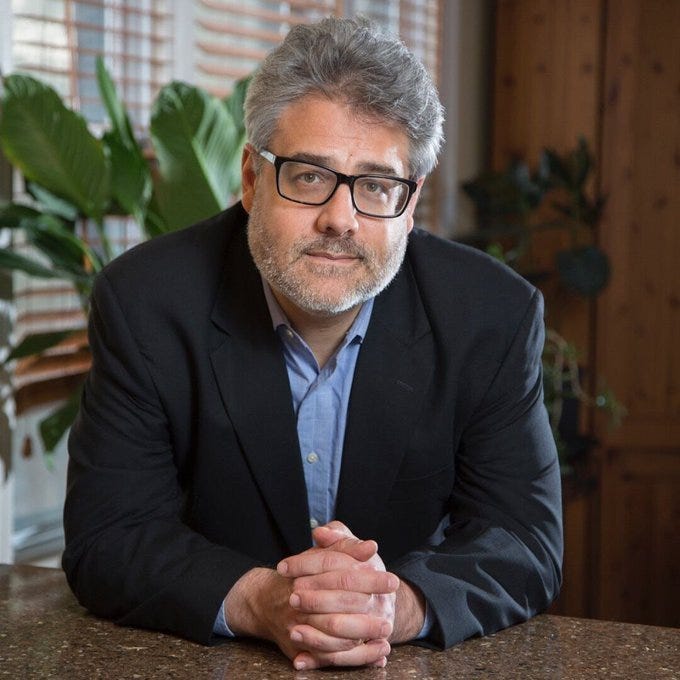
Listen to the interview I had with Dan. He fielded my more unconventional questions, with an open mind and grace and in the end this radio interview is an organic discussion, or in Dan the Lawyer’s words, “I have no problem with stream of consciousness.”
The Playbook for AmeriKKKa — We Thought We Saw it All with Freedom Torches and Edward Bernays Fomenting Regime Change in Guatemala, Chile
·
July 1, 2025
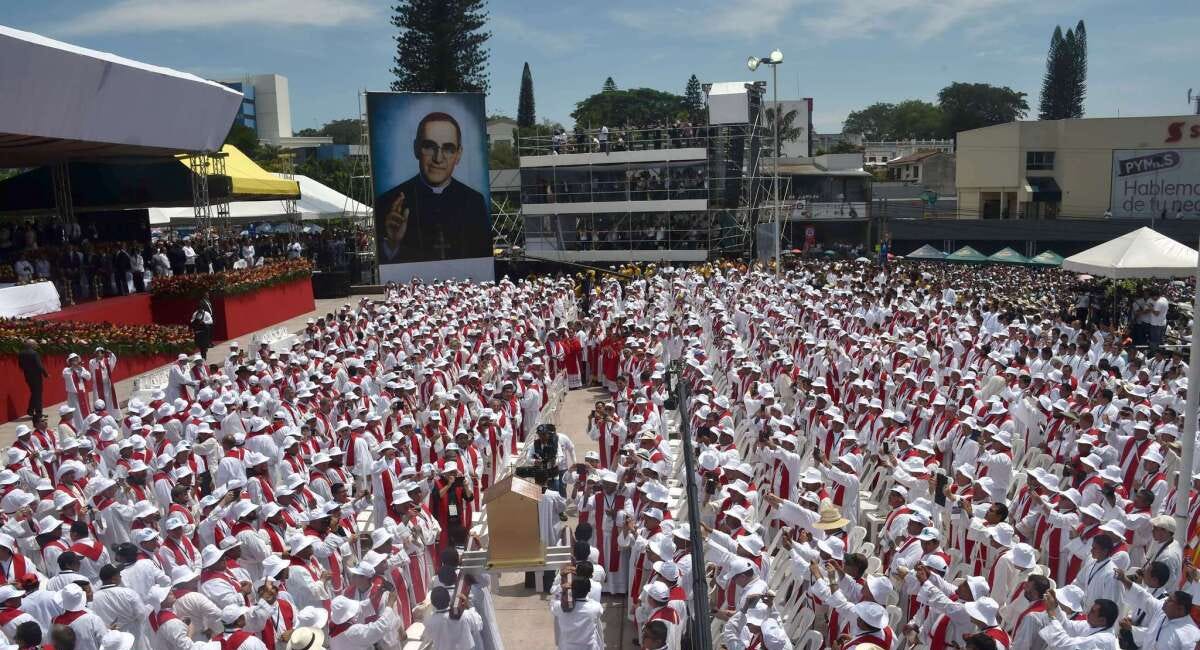
Another rousing talk with a true socialist, Dan Kovilak, from Pittsburgf, here, pre-airing on my Radio Show, Finding Fringe on kyaq.org. Here’s today’s (July 1) link to the show which will air Sept. 10 —LISTEN: Dan Kovilak and Paul Haeder talking about Syria, regime change, all those spooks and kooks

