But I will give you my arm for the 12 months after Christmas for those jab-jab-jabs x 12!
This is the drama played out by the Military Industrial Complex, Big Pharma and the Mengeles in skinny jeans and open pink collars. Do Americans and the world get it yet? Vaccinate the whole world? This is contrary to EVERYTHING about viruses. This fellow, today, Global Justice, wants the world vaccinated!
Here’s that Great White Hope, a Brit, telling the world —
Let’s be honest, experts have been warning us for months now unless we vaccinate the whole world as rapidly and fairly as possible, we are going to see variants arise and some of them risk our own vaccination programs here in Europe and North America. But actually what you’re finding is the companies that made most are doing the least to share their technology. They’re doing the least to vaccinate the world. They have basically put profits before any other consideration. They have sold huge amounts to governments in the Global North. (Nick Deardon)
Here he is on Democracy Now, that sad sack of an un-news source, now that George Soros runs the show and Amy Goodman plays up the lies of Big Pharma.
A thousand bucks a second, those dirty drug dealers make on the mRNA jab — This is just the number eight, here: Pfizer and Moderna shareholders (8!) saw their stock holdings jump $10 billion last week following the “discovery” of the new variant. One of the Global Justice report’s authors tweeted, “When is a new COVID variant good news? When you are a pharma shareholder, obviously.”
Oh. So, this amazingly smart world blames the unvaccinated for Omicron? For Delta? For Variant X and Variant Y. Money, madness, mayhem, chaos and fear.
Again, VACCINATE the world — so how many dogs have Covid-19? How many of those teary-eyed stories about tigers in zoos with Covid-19? How many stories about deer in the wild with Covid-19?
These people are warped and strongly fascist, Republicans on the Christian side, and Democrats and liberal neos too. Vaccinate the entire world?
Another view?
Well, all of that is just fanfare, and the sickness of this neoliberal broken education system of Nanny State on one hand, and then Papa Patriarchial Killers on the other hand. The EU is going to have goon squads forcing jabs into everyone, like New York City.
Rather than calling it what it is – a punitive measure that risks being disproportionate – the government prefers another angle. “It’s not a punishment,” claims the Prime Minister Kyriakos Mitsotakis. “I would say it is a health fee.” For the Greek PM, it’s all numbers, age and a few false comparisons. “Experts estimate that the importance of the vaccine in a 70-year-old person is equivalent to 34 vaccinations of younger ones in terms of public health.”
With such sophistry, it is little wonder he is facing trouble. Yanis Varoufakis, former Greek finance minister and current sitting member, is one promising to make things difficult. As a critic of the punitive policy, he blames himself for having mockingly suggested that odious idea to the Prime Minister. “I had the Prime Minister in front of me in Parliament (two months ago) and … I said, ‘Imagine that you were to introduce a $200 fine every month for the unvaccinated… what effect is this going to have?” (source)
This title is verbotten — “2,809 Dead Babies in VAERS Following COVID Shots as New Documents Prove Pfizer, the FDA, and the CDC Knew the Shots Were Not Safe for Pregnant Women” (Source) Note above, they won’t call it a death fine, but in many of the Great White Saviors’ words, it’s called a health fee. Badges.
But, two days after Xmas, New York City, mandatory jabs for everyone, no exceptions, no exemptions, and that is the word from God, or this freak, de Blasio. It’s the most aggressive vaccine mandate yet by any state or big city in the U.S. Mayor Bill de Blasio said the mandate could help prevent a winter surge of new infections.
Mayor Bill de Blasio: “I describe the actions we’re taking today as a preemptive strike, get ahead of this problem before it deepens, and use the thing that works—vaccination.”
Here, another Nanny Leader — What’s worse than Covid-19? Oh, darn, sanctions, war? Nope! On Monday White House Press Secretary Jen Psaki said the U.S. was prepared to sanction Russia if it launched an invasion of Ukraine. Here, this freak, Jen Psaki: “On financial sanctions, we have consulted significantly with our allies and believe we have a path forward that would impose significant and severe harm on the Russian economy. You can call that a threat. You can call that a fact. You can call that preparation whatever you want to call it.”
“Oh, Cry for Me,” Fort Detrick. DARPA, baby, DARPA. Corona viruses, and mRNA tech.
Images above, from the article, “There’s Something Rotten in Denmark”: Frank Olson and the Macabre Fate of a CIA Whistleblower in the Early Cold War.” By Jeremy Kuzmarov – November 28, 2021 from Covert Magazine.
This is Big Pharma’s history — and it needs to be mainstreamed!
According to Professor Masataka Mori who has studied Unit 731, there are striking similarities between the diseases and weapons used by the Japanese military in China and those said to have been deployed by the United States against targets in northern Korea. “The bombs found on the Korean Peninsula were made of metal, while those used in China were ceramic,” Mori stated, “but the symptoms reported in North Korea are very similar to those witnessed in China.[14]
British author Gordon Thomas reported that Sidney Gottlieb instructed CIA agent Hans Tofte to obtain a selection of Korea’s insect life and small field animals like jungle rats and voles. These were brought back to Fort Detrick where Frank Olson and the other “madmen in the laboratories” tested them on guinea pigs, rabbits, rhesus monkeys, and pigs in order to establish their suitability to form the basis for biological weapons.[15]
Olson is alleged to have subsequently traveled with Dr. Gottlieb to Tokyo to visit the Far East Command’s Unit 406 Medical Laboratory in the Mitsubishi Higashi building where researchers assisted by Japanese scientists were working with plague, anthrax, undulant fever, and cholera to discover their potential for being used as weapons.
And so the HISTORY/CONTEXT/BACKGROUND/FLUID NEWS of what is happening today is long lost, deep-sixed, erased, and forcefully forgotten. Not a peep from mainstream, corporate America, or the rightwing nuts, about this history of poisoning the world with a few sciencey men and women. They ask us not to take the leap to today! So we will vaccinate the world! Wild, domesticated, pet, creatures of the avian, ocean, terrestrial, subsoil variety, all of them! Then, the Big Story, ProPublica, details what? Will there be pitchforks and chainsaws going after these felons? Nope.
Again, back to shit ponds and sewage vats. We will pull all the human feces ponds out, dry them out and spray with vaccines? We will get all the pig and poultry and beef slurries and pile them up into mountains and spray it all with vaccines? The enormity of the lies and the big lie is not lost on me, but the world I live in is collapsing because, again, fined, taxed, penalized, tolled, embargoed, surcharged, triple-gouged is now deep in the mix of living: we all have to be jabbed to be humans in the White Man’s World, and those darker continents, what the hell, they will fall like dominoes too to the Big Pharma Hell Holes planned for the horizon. Again, feces and viruses. Animal scat, and viruses? And, hmm, do viruses have the amazing ability to evolve? In a pile of bat guano? Darn, I suppose we missed virology 101.
Then, the veterinarian, Pfizer CEO Albert Bourla, being questioned last month by CNBC host Joe Kernen.
JOE KERNEN: Do you see this happening every year? We either get a regular booster of the same vaccine or a slightly different vaccine every year to deal with what we are seeing with these mutations? Is that what you foresee? It’s almost like a—for Pfizer, you’d be selling these things every year. Not that you want to do that. I’m sure you’re not hoping for that. But it would be almost like an annuity for Pfizer.
ALBERT BOURLA: I did make a projection months ago that the most likely scenario is that we will need a third dose, annual re-vaccinations against COVID for multiple reasons, because of the immunity that will be waning, because of the virus that I’m sure will be maintained around the world for the years to come and also because of the need of variants that will emerge. I’m more confident right now that this will be the case than I was when I made the projection. I think we are going to have an annual re-vaccination.
Bourla from Wikipedia — [Bourla was born and raised in Thessaloniki, Greece. His parents, who were Sephardi Jews, were among the 2,000 of 50,000 Jews in Thessaloniki to survive the Holocaust; his mother was minutes away from execution by firing squad when she was spared via a ransom paid to a Nazi Party official by her non-Jewish brother-in-law, while his father happened to be out of the Jewish ghetto when the residents were taken to the Auschwitz concentration camp and went into hiding, never to see his parents again.
Bourla joined Sephardic Heritage International in DC (SHIN-DC) on January 28, 2021, where he told his Greek Sephardic family’s story of tragedy and survival at the organization’s Annual Congressional Commemoration for International Holocaust Remembrance Day, alongside remarks from Her Excellency Alexandra Papadopoulou, Ambassador of Greece to the United States. Bourla earned a doctorate in the biotechnology of reproduction at Aristotle University of Thessaloniki’s Veterinary School in 1985. He left Greece with his wife when he was 34 after a promotion within Pfizer and since then he has lived in seven different cities, in four different countries.]
Months ago! Really? This is a bioweapon, either intentionally leaked, or accidently leaked.
The first glaring sign that the virological community had something to hide was the fact that all of the studies covering the notorious 2012 gain-of-function experiments with ferrets and influenza referred to this four amino-acid FCS insert as multi-basic instead of poly-basic, like it was in all of the 2020 studies discussing this feature in the SARS-CoV-2 virus.
Granted scientific writing always has a load of jargon, but this really seemed intentional, to try a little syntactical shield to draw attention away from the serial passage gain-of-function experiments down with ferrets back in 2012 by hiding behind the fact that polybasic was somehow different from multibasic.
However there’s still something that seems to get in the way of tying SARS-CoV-2’s FCS directly to serial passage gain-of-function vaccine work, since there doesn’t appear to be any molecular room for SARS-CoV-2 to have gotten its FCS simply during serial passage as an insert, as it apparently occurs with influenza viruses during serial passage. Based on the genetics involved, there doesn’t appear to be any possible way for SARS-CoV-2 to have gained it’s four amino-acid FCS insert as influenza strains presumably did back in 2012, allowing the virus to molecularly spread its wings and achieve airborne transmission.
So which is it, does the FCS lead us conclusively to a laboratory origin or not? (Source — read it and the past sources)
If this isn’t chilling to all those Democrats, those Biden-Harris fools, then I do not know what is. This man — Bourla — is a veterinarian, and think hard about his family’s past, about forced experiments, forced lockups and lockdowns and Mengele experiments. Try an alternative to the lies of Big Biz/Big Pharma/Big Media:
See below all those stories, which, kind readers, will go nowhere! Money. Money. Money. Total theft. Another Panama Papers, Pandora Papers, come on, ring the bells of the 12 days before Xmas! Then, ending this DIATRIBE, is Chris Hedges, spot on parsing the reality of what is the foundation of the Epstein/Maxwell trial. Rich fucked up men, and the power to corrupt, pollute, colonize and invoke fear!
However, read part one, here, first, from a health practitioner, holistic health expert —
Covid and Social Engineering: The Impact of Fear and Anxiety on the Human Immune System
“The enemy is fear. We think it is hate, but it is really fear”. –Gandhi
The author knows the human body, but in this new neo-fascist Big MIC-Pharma-DARPA-Tech-Political Prostitution world of checked-out Big Media, she is a pariah:
The model used to exclude advocates of natural immunity is known as the ‘spiral of silence’ theory, which had its origins in mass communication. The spiral of silence theory states that a social group or society as a whole might isolate or exclude members due to the members’ opinions. This theory stipulates that individuals have a fear of isolation. The spiral of silence stops people from expressing their opinions on controversial public issues as they believe they may be unpopular and lead to social exclusion. The spiral of silence theory results in populations tending to support majority views, resulting in a homogenisation of public opinion. This model makes me, a Complementary and Alternative Medicine (CAM) consultant, a social pariah. To discriminate against someone because of their gender, marital status, family status, age, disability, sexual orientation, race, religion, or membership of a minority community is not acceptable, however mentioning that you don’t vaccinate provides free rein to discriminate. (Carina Harkin)
Zach Bush MD was on Del Bigtree’s The Highwire a year ago, for his evolutionary discussion on why Coronavirus is here, what it’s trying to tell us, and how we emerge from the darkness. Look at the facts in that interview. Sit through it and see how we all have viruses in our bodies — fragments of HIV and hepatitis, from a Harvard study!
Here, the dirty financial crimes of the Trumps-Bloombergs-Robber Barons alike.
Pitchforks, machetes, clubs, anyone?
These Real Estate and Oil Tycoons Avoided Paying Taxes for Years Donald Trump and other ultrarich Americans have earned billions, but they’ve also managed to repeatedly avoid paying any federal income tax by claiming huge losses on their businesses. by Jeff Ernsthausen, Paul Kiel and Jesse Eisinger
MORE FROM THIS INVESTIGATION How These Ultrawealthy Politicians Avoided Paying Taxes IRS records reveal how Gov. Jim Justice, Gov. Jared Polis, former Education Secretary Betsy DeVos and other wealthy political figures slashed their taxes using strategies unavailable to most of their constituents. by Ellis Simani, Robert Faturechi and Ken Ward Jr.
The Billionaire Playbook: How Sports Owners Use Their Teams to Avoid Millions in Taxes Owners like Steve Ballmer can take the kinds of deductions on team assets — everything from media deals to player contracts — that industrialists take on factory equipment. That helps them pay lower tax rates than players and even stadium workers. by Robert Faturechi, Justin Elliott and Ellis Simani
Why We Are Publishing the Tax Secrets of the .001% We are disclosing the tax details of the richest Americans because we believe the public interest in an informed debate outweighs privacy considerations. by Stephen Engelberg and Richard Tofel
Hedges: American Satyricon
American Satyricon The Maxwell trial will not hold the powerful men complicit in the rape and abuse of countless girls by the Epstein ring accountable or challenge the oppressive systems which fuel the scourge of male violence.
The Epstein case is important because, however much is being covered up, it is a window into the scourge of male violence that explodes in decayed cultures, fueled by widening income disparities, the collapse of the social contract and the grotesque entitlement that comes with celebrity, political power, and wealth. When a ruling elite perverts all institutions, including the courts, into instruments that serve the exclusive interests of the entitled, when it willfully neglects and abandons larger and larger segments of the population, girls and women always suffer disproportionally. The struggle for equal pay, equal distribution of wealth and resources, access to welfare, legal aid that offers adequate protection under the law, social services, job training, healthcare, and education services, have been so degraded they barely exist for the poor, especially poor girls and women.
The rich, the Mengele offspring, the technos and medical mad scientists, no matter their familial origins, no matter their histories, even some with death camp histories, they do not play by the human and humane rules. They are so-so powerful. Above, in Hedges’ piece, look at the information on Trump and his raping of 13 year old girls during the 1990s. And then there is Biden —
Turns out you can’t vaccinate your way out of highly-transmissible RNA viruses in crowded commercial settings, but it also turns out that humans have a little issue trying to play God, and as such so here we are.
They never call that Conflic$ of $ntere$t
Doctors are urging everyone to get vaccinated and boosted as cases of the Omicron coronavirus variant are popping up in more states, but the vaccine may also need to change to keep up with the mutations of the virus.
“It is, probably, one of our worst-case scenarios in terms of the combination of mutations that exist in one variant,” said Dr. Stephen Hoge, president of Cambridge-based Moderna. (source)
Again, this discussion around SARS-CoV2’s origins, and I mean, LAB origins, is so stunted that I have zero faith in the ability of people running the show and those following the show, and those who bombast and tell me to follow the science, to really have the guts and mental acumen to think outside their pathetic boxes. So, getting the lo down from Moderna is not only bizarre, more than the fox watching the hens, but deeper. Here, a wrap up:
Our novel coronavirus is a LAV — live attenuated virus — derived from the work being done at University of North Carolina, the only place on earth trying to make a LAV for SARS-like viruses, which are also obviously not going to be fully acclimated to the human genome like the human influenza virus, which seems to have been with us at least since the Trojan War thousands of years ago.
Until SARS-CoV-2 is understood as a LAV that’s deattenuating towards a highly-pathogenic chimeric coronavirus that’s going through gatekeeping mutations and has no intention whatsoever of following the assumptions drawn from observing natural evolution or even the paths of the H1N1 LAVs which melted back into their original endogenous human hosts – humanity is going to continue to be standing on its head as it attempts to battle this pandemic, and misunderstanding the basic fundamental nature of what its up against.
It’s something we seem to be particularly good at, since all the way back in 1977 when the first H1N1 LAV emerged to a mass global panic, a massive push was made to create and distribute vaccines against what was thought to be a potentially pandemic strain. But it turns out that one of the ways a LAV isn’t a natural virus, is that when you attempt to vaccinate against it, neurological side-effects appear to proliferate among the vaccinated population, as the virus blows through this attempt at protection.
Because unfortunately for all of us, this isn’t the first time we’ve all been down the horrific rabbit-hole of trying to rush out an incredibly profitable vaccine against an enigmatic mystery virus that’s really a military LAV that deattenuated faster than expected. A vaccine which only provides only weak and temporary protection – but also causes wide-spread side-effects because it turns out the pharmaceutical companies were lying about their vaccine studies, and knowingly risked the lives and livelihoods of tens of millions of Americans so they could make as much money as quickly as possible: (Source)
Now, watch an old swine flu paranoia story, 60 Minutes. Above:
So, follow the “other” science, and follow the protests. Marketed as life-saving public health measures, lockdowns triggered death and economic devastation on a global scale while doing little to slow the spread of Covid-19. Now, they’re back with a vengeance. — Grayzone.
Not that Whitney Webb is listened to by the mainstream and left-stream Media —
Moderna attempted to offset the bad press over having to delay the Crigler-Najjar drug with claims that they had developed a new nanoparticle delivery system called V1GL that “will more safely deliver mRNA.” The claims came a month after Bancel had touted another delivery system called N1GL to Forbes. In that interview, Bancel told Forbes that the delivery system they had been using, licensed to them by Acuitas, “was not very good” and that Moderna had “stopped using Acuitas tech for new drugs.” However, as will be explored in detail in this report as well as Part II of this series, it appears that Moderna continued to rely on the Acuitas-licensed technology in subsequent vaccines and other projects, including its COVID-19 vaccine. (Whitney Webb)
Former Moderna employees and those close to their product development were doubtful at the time that these new and supposedly safer nanoparticle delivery systems were of any consequence. According to three former employees and collaborators close to the process who spoke anonymously to STAT, Moderna had long been “toiling away on new delivery technologies in hopes of hitting on something safer than what it had.” All of those interviewed believed that “N1GL and V1GL are either very recent discoveries, just in the earliest stages of testing—or else new names slapped on technologies Moderna has owned for years.” All spoke anonymously due to having signed nondisclosure agreements with the company, agreements that are aggressively enforced.
And so we have the constant un-News from the billionaire class, Big Pharma, and the bought-out (prostituted) media. It is worth looking at this piece’s subheading,
Turns out you can’t vaccinate your way out of highly-transmissible RNA viruses in crowded commercial settings, but it also turns out that humans have a little issue trying to play God, and as so here we are.
…tied to this point by the writer, using Harvard To the Big House as his moniker:
It’s probably worth a brief moment to consider that every major industrial poultry farm on earth is stuffed to the wattles with potential viral hosts which are unable to self-segregate when they get sick like they are in wild populations, and so despite the fact that modern poultry farms have vaccination programs with 100% genomic coverage, 100% compliance, and 100% surveillance – a perfect experimental situation with far more controllability that human societies – the emergence highly-pathogenic influenza strains that easily cull half the flock in a matter of days and sometimes result in 100% mortality are a constant threat. (Bottling-Up the Quasispecies Origins of SARS-CoV-2’s Enigmatic Furin-Cleavage Site)
It’s worth reading this piece, and try to not multitasking why reviewing it, since there are genomics and virology and basic and mid-genetics cited. But you all are caring, smart and patient readers. I know. The reality is, there are no jobs in Oregon now that do not require the jab, and, for me, 64, over-educated, overly socialistic, well, how can I get a job when, well, this is what is typical of Indeed and other staffing sites put down right up front before a job description:
The State of Oregon requires all executive branch employees to complete their COVID-19 vaccination series or have an approved exception to the requirement due to a medical condition or sincerely held religious belief. Successful candidates for this position must submit vaccination documentation or be approved for an exception prior to their first day of employment. Failure to provide proof of full documentation or receipt of an approved exception will lead to withdrawal of the job offer. For more information, visit our policy listed here.
And whas is a “vaccination” series, then? Is it two-three-four or every-three months a jab mentality? Is my age, 64, the kicker? Do I get to opt out of two-three-infinity shots? How easy is it to get an exception for whatever course of jabbing the state of Oregon requires, per the “Chosen Few” in the VaX Biz$, such as, well, here, December 4, 2021, DV covers one of these fellows, still alive, chosen, this elite “chosen few” — ‘Meet the “Godfather of Vaccines”’: Stanley A. Plotkin? (see Mickey Z!)
Is this existential the entire disaster and disaster mismanagement/management? A thought experiment? Ground-truthing? Or, something else?
The consciousness that biodiversity collapse is anthropogenically caused and in manycases avoidable prompts frequent use of the rhetoric of disaster to portray the human-inducedshock to earth’s ecosystems. Amid such environmental distress, the collapse of biodiversity,global warming, melting glaciers, peak extraction of natural resources, structural poverty, intense pollution, high impact industries, and large zones of monocropping anticipate thescenario of a planet becoming orphaned of life. The main risks are created and increased inconsequently by men, in their infinite saga of nature domination (of which they are part, even when they do not realize it). The culture of immediacy pushes society to forget the past and to not care about the future. (Disasters, pandemic and repetition: a dialogue with Maurice Blanchot’s literature)
Look, I was on a Zoom call two days ago. Again, environmental topic, i.e. delta-wetlands “expert” zooming 41 folk. Amazingly flat, dead, and the Q & A, almost like putting in a number for the DMV. I don’t think the people running the show really get the colonization of science and outdoors sciences by this stupidity? In the Oregon-State? Making more and more people suspicious of each other, the Omicron Paranoia.
Estuaries are not only federally designated as Essential Fish Habitat, they’re a Habitat Area of Particular Concern (HAPC). The HAPC designation is for high priority areas for conservation, management, or research because they are important to ecosystem function, sensitive to human activities, stressed by development, or are rare. Habitat types within estuaries vary substantially and consist of either natural (seagrass, large woody debris, natural rock, etc.) or man-made structures. Research from OSU over the last two decades indicates that (1) the fish communities in Oregon estuaries are changing, and (2) natural estuary habitats, particularly seagrasses, play an outsized role in the feeding and growth of juveniles fishes, particularly in years of poor ocean conditions. Given that ocean conditions on the west coast are changing, maintaining healthy natural habitats may become even more important in the future.
Interesting to read Alison McDowell’s latest, Wrench in the Gears. She opened up the Pandora’s box of blockchain connections to military-money-medical madness two years ago.
Check her work — She’s burnt out, and now, reenergized with Texas, where she was recently. Texas at the petri dish for all of the 5G/6G world of digital wallets, digital medicine, digital Gulag.
I am convinced Texas is in the crosshairs of a program of blockchain human capital predation that has been in the works at least since the 1950s. They’re coming in the back door with digital identity tied to electronic government, precision medicine, personalized learning, and equity-based workforce re-skilling tied to the Dallas Federal Reserve. Academic institutions pumped up with government life science grants and defense sector partnerships are in on it, as well as back-slapping non-profits waiting on their next philanthrocapitalist cardboard check. I have seen the web of this agenda. I have mapped a good bit of it. I’ve been caught up in it too, in the enormity of it. Now I finally think I’ve mustered up the psychic energy and clarity to deconstruct it and lay the parts out for all to see. Teasing apart the Texas blockchain web might help me regain my sense of purpose, which started to slip away these past few months. (Source)
Interesting fellow, just interviewed on a Covid-19 series, and that’s not available yet for public dissemination, but here he is in an older video. Covid-Revealed. His talk here on this 13 hour series is pretty clarifying. He does know his virus history, and he is anti-Empire, and this is usually not something these doctors who question the lack of treatments, the mRNA vax, etc. question. Many of the experts figthing the vaccination narrative and the rise of the corona paranoia yammer about socialism, how the WEF and Fourth Industrial Revolution is about global socialism. WHICH it is NOT. The rich — filthy Eichmann Types below them — are not gaming the system to have truly socialism for-by-because of the people, bottom up. Try and find the series, Covid Revealed. Of course, I am watching free, but with a timeframe, and then it is for sale! Capitalism, uh?
Here, Zach Bush, Jan. 2021, on viromes and viruses. The entire kitchen sink of microbiome.
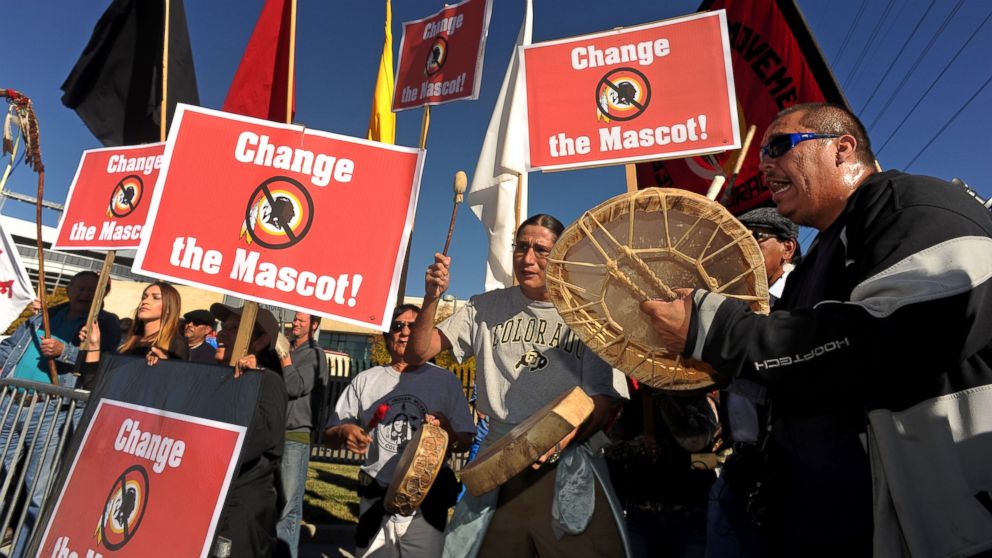
With the Branch Covidians and their Draconian Digital Dungeon, we who resist this maximum jab-jab-jab mentality — forced medical procedures — are to be put where? Repurposed Indian Boarding Schools? FEMA camps? Think about that. No job, no home, no unemployment, no humanity!
Gov. Sisolak apologizes for Nevada’s role in relocating Native American children
“They ripped babies from the arms of my ancestors and brought them thousands of miles to this campus,” Stacey Montooth, executive director of the Nevada Indian Commission and a direct descendant of a Stewart student, said. “The intent was to absolutely remove all aspects of Native American culture, but I’m still here.
“Keep in mind, it was not Uncle Sam’s priority to keep track of the Native people they sent here. There were bounties put out on little Indian children. … In 2021, we’d call it kidnapping.”
An estimated 20,000 students from at least 200 tribal nations attended Stewart between 1890 and 1980, including plenty from far-flung tribes based in New Mexico, Arizona, California, Oregon, Washington and Idaho. The boarding school was just one of more than 350 such institutions once propped up by the federal government.
Some families sent their children to the school to get an education, but many were snatched off the road unbeknownst to their parents, according to Bobbi Rahder, director of the Stewart Indian School Cultural Center and Museum. (Source)
Interesting, Zach Bush looks at the political fight, the elections, as imflammation, looking at how as the candidates move closer toward the election their bodies, and their souls, are actually worn and show major breakdown of their mind-body connection. He discusses bacteria, looks at the sterilization aspect of modern medicine at war with viruses and not understanding the human microbiome — 10 to the 15th power the number of viruses in our body. Lining up for vaccines to rely on antibodies? It is not right, and it’s all tied to germ theory not being right. Listen to him, and it’s easy, and goes to biodiversity on many levels, and the air pollution, the cyanide taken into the human cell. Listen hard to the one above and then this one. It isn’t so difficult.
Wolf I am, Everything in darkness Will be good In light because Maheo Wherever I search Protects us Wherever I run Ea ea ea ho.
– Song of a Cheyenne scout..
Just a quick post. I rarely listen, but I caught yet more of the false balance, the Oregon Public Broadcasting runs a story on wolves, but it just can’t let it sit with one person talking about her studies and that person is with the Center for Biological Diversity.
They call it, Think Out Loud, and this piece is typical of the conservative and off-kilter PBS-NPR. Here, “Federal attorneys say wolves are resilient and stable enough to not need federal protections, but environmentalists argue these canines are vulnerable without them. They say wolves are a vital part of ecosystems and have growing concerns with increased wolf hunting. Ranchers, on the other hand, have seen livestock killings and argue wolves put their cattle at risk. We’ll hear from two advocates on different sides of the wolf debate, Amaroq Weiss, senior wolf advocate with the Center for Biological Diversity and John Williams, incoming wolf committee chair for Oregon Cattlemen’s Association.”
Now, I never hear the “otherside” of, well, capitalism, military, space, economy, mandates (vax) and the lockdowns. This is the lie of these conservative liberals, these people who can’t have a debate — both people on at the same time. What we get is, well, people looking deeply at the value of wolves and apex predators, and then the cattle industry, this John Williams, who does get the last word. The questions this moderator asks him, well, are embarrassing — uninformed, fearful of the East Oregon Conservatives, and in the end, NPR is all about unfettered capitalism, and they love to see CBD and what he calls “environmentalists and advocates” put on the hot seat.
The piece is here, Wolves spark debate as environmentalists want protections and ranchers want to keep their cattle safe. Here.
Fuck it. I have been on this for 45 years, and this wise misuse and these ranchers and massive ag have the last word because their lobbies and mafia coalitions have big money and big media support-bribes behind them.
I taught this book, and others:
Here’s the table of contents. Beyond Beef — The Rise and Fall of the Cattle Culture.
He’s onto other stuff these days, and some is interestingly odd.
“There are currently 1.28 billion cattle populating the earth. They take up nearly 24% of the land mass of the planet and consume enough grain to feed hundreds of millions of people. Their combined weight exceeds that of the human population of earth” – Jacket summary from Beyond Beef.
And more —
A 212-page online report published by the United Nations Food and Agriculture Organization says 26 percent of the earth’s terrestrial surface is used for livestock grazing. One-third of the planet’s arable land is occupied by livestock feed crop cultivation. Seventy percent of Brazil’s deforested land is used as pasture, with feed crop cultivation occupying much of the remainder. And in Botswana, the livestock industry consumes 23 percent of all water used. Globally, 18 percent of greenhouse gas emissions can be attributed to the livestock industry—more than is produced by transportation-related sources. And in the United States, livestock production is responsible for 55 percent of erosion, 37 percent of all applied pesticides and 50 percent of antibiotics consumed, while the animals themselves directly consume 95 percent of our oat production and 80 percent of our corn, according to the Sierra Club.
The United Nations report warns that “(l)ivestock’s contribution to environmental problems is on a massive scale” and that the matter “needs to be addressed with urgency,” and a report from the Worldwatch Institute says that “…the human appetite for animal flesh is a driving force behind virtually every major category of environmental damage now threatening the human future…”
And these so fragile cattlemen and cattlewomen want wolves DOA. They want them gone, and their grazing and their leasing of our lands, well, they want wolves dead because they do not believe any of the other science, but do believe their own cherry-picked “science.”
Going, going…but not yet gone: The Amazon rainforest, one of the most beautiful and important ecosystems on the planet, is being sacrificed for the cattle industry. The developed world’s appetite for beef is driving the destruction, with cleared lands often used to grow livestock feed crops for export. Photo courtesy of Flickr user leoffreitas
Gray wolf stripped of federal protectionsThursday, October 29, 2020
Today the U.S. Fish & Wildlife Service finalized a rule removing protections for all gray wolves in the lower-48 states except for a small population of Mexican wolves in Arizona and New Mexico. OPS joins the chorus of conservation organizations that denounce this attack on science and wildlife.
The rule, proposed last year, outraged Americans, with approximately 1.8 million comments submitted by the public opposing delisting. Additionally, 86 members of Congress (in both the House and Senate), 100 scientists, 230 businesses, and 367 veterinary professionals submitted letters opposing the wolf delisting plan. Today Dr. Jane Goodall released a video in response to the decision. Even the scientific peer reviews commissioned by the Fish and Wildlife Service itself found that the agency’s proposal contained numerous errors and appeared to come to a predetermined conclusion, with inadequate scientific support. Despite this public and scientific outcry, the rule issued today removes all federal protections from gray wolves.
A traveler wearing a hazmat suit walks through the arrivals area at Los Angeles international airport on 30 November. Photograph: Jae C Hong/AP
I just can’t sputter more than a few, however — that straw, greasy hair, man. Wonderful breeding ground for the Biden-Fauci Omicron. It’s just too much to comment on without losing my breakfast. The virus that respects boundaries. #Metoo Omicron. #PC Omicron.
From RFK, Jr’s new book — Introduction:
CEO Satya Nadella boasted that Microsoft, by working with the CDC and the Gates-funded Johns Hopkins Center for Biosecurity, had used the COVID pandemic to achieve “two years of digital transformation in two months.”[49]
Microsoft Teams users ballooned to 200 million meeting participants in a single day, averaged more than 75 million active users, compared to 20 million users in November 2019,[50] and the company’s stock value skyrocketed. Larry Ellison’s company, Oracle, which partnered with the CIA to build new cloud services, won the contract to process all CDC vaccination data.[51]
Ellison’s wealth increased by $34 billion in 2020; Mark Zuckerberg’s wealth grew by $35 billion; Google’s Sergey Brin by $41 billion; Jeff Bezos by $86 billion; Bill Gates by $22 billion[52] and Michael Bloomberg by nearly $7 billion.[53]
Ellison, Gates, and the other members of this government/industry collaboration used the lockdown to accelerate construction of their 5G network[54] of satellites, antennae, biometric facial recognition, and “track and trace” infrastructure that they, and their government and intelligence agency partners, can use to mine and monetize our data, further suppress dissent, to compel obedience to arbitrary dictates, and to manage the rage that comes as Americans finally wake up to the fact that this outlaw gang has stolen our democracy, our civil rights, our country, and our way of life—while we huddled in orchestrated fear from a flu-like virus.
I wonder if that Velcro Hazmat (sic) suit that passanger at LAX has any other barriers to truth and reconciliation?
I doubt that.
“For example, the [National Institutes of Health] owns thousands of medical patents, including half of the patent for the Moderna vaccine,” Kennedy said. “So Tony Fauci’s agency stands to make billions and billions of dollars. And Fauci was able to choose four of his high-level employees who each get their own individual patent shares and who’ll collect $150,000 per year for life.”
Corbett said the chapter of Kennedy’s book he found the “most difficult to read through” was the one titled, “Dr. Fauci, Mr. Hyde: NIAID’s Barbaric and Illegal Experiments on Children,” which details the role of Fauci and the organization he heads up — the National Institute of Allergy and Infectious Diseases — in illegal experiments on foster children.
“In this case [Fauci] was able to get control of different foster homes in seven states and essentially turn these pharmaceutical companies loose onto these children,” Kennedy said. “The experiments were absolutely barbaric … the children were tortured and they did not have legal representation.”
Kennedy added: “The children who stopped taking the drugs because they were making them sick were sent to Columbia Hospital to have feeding tubes installed so the drug companies could [continue testing on them] even when they fought back. At least 85 of these kids died.”
Here you go, the complete introduction of Kennedy’s book, free! Introduction to The Real AnthonyFauci. Hell, here it is:
Introduction:
I wrote this book to help Americans—and citizens across the globe—understand the historical underpinnings of the bewildering cataclysm that began in 2020. In that single annus horribilis, liberal democracy effectively collapsed worldwide. The very governmental health regulators, social media eminences, and media companies that idealistic populations relied upon as champions of freedom, health, democracy, civil rights, and evidence-based public policy seemed to collectively pivot in a lockstep assault against free speech and personal freedoms.
Suddenly, those trusted institutions seemed to be acting in concert to generate fear, promote obedience, discourage critical thinking, and herd seven billion people to march to a single tune, culminating in mass public health experiments with a novel, shoddily tested and improperly licensed technology so risky that manufacturers refused to produce it unless every government on Earth shielded them from liability.
Across Western nations, shell-shocked citizens experienced all the well-worn tactics of rising totalitarianism—mass propaganda and censorship, the orchestrated promotion of terror, the manipulation of science, the suppression of debate, the vilification of dissent, and use of force to prevent protest. Conscientious objectors who resisted these unwanted, experimental, zero-liability medical interventions faced orchestrated gaslighting, marginalization, and scapegoating.
American lives and livelihoods were shattered by a bewildering array of draconian diktats imposed without legislative approval or judicial review, risk assessment, or scientific citation. So-called Emergency Orders closed our businesses, schools and churches, made unprecedented intrusions into privacy, and disrupted our most treasured social and family relationships. Citizens the world over were ordered to stay in their homes.
Standing in the center of all the mayhem, with his confident hand on the helm, was one dominating figure. As the trusted public face of the United States government response to COVID, Dr. Anthony Fauci set this perilous course and sold the American public on a new destination for our democracy.
This book is a product of my own struggle to understand how the idealistic institutions our country built to safeguard both public health and democracy suddenly turned against our citizens and our values with such violence. I am a lifelong Democrat, whose family has had eighty years of deep engagement with America’s public health bureaucracy and long friendships with key federal regulators, including Anthony Fauci, Francis Collins, and Robert Gallo.
Members of my family wrote many of the statutes under which these men govern, nurtured the growth of equitable and effective public health policies, and defended that regulatory bulwark against ferocious attacks funded by industry—and often executed by Republican-controlled congressional committees intent on defunding and defanging these agencies to make them more “industry friendly.” I built alliances with these individuals and their agencies during my years of environmental and public health advocacy. I watched them, often with admiration. But I also watched how the industry, supposedly being regulated, used its indentured servants on Capitol Hill to systematically hollow out those agencies beginning in 1980, disabling their regulatory functions and transforming them, finally, into sock-puppets for the very industry Congress charged them with regulating.
My 40-year career as an environmental and public health advocate gave me a unique understanding of the corrupting mechanisms of “regulatory capture,” the process by which the regulator becomes beholden to the industry it’s meant to regulate. I spent four decades suing the US Environmental Protection Agency (EPA), and other environmental agencies to expose and remedy the corrupt sweetheart relationship that so often put regulators in bed with the polluting industries they regulated. Among the hundreds of lawsuits I filed, perhaps a quarter were against regulatory officials making illegal concessions to Big Oil, King Coal, and the chemical and agricultural polluters that had captured their loyalties. I thought I knew everything about regulatory capture and that I had armored myself with an appropriate shield of cynicism.
But I was wrong about that. From the moment of my reluctant entrance into the vaccine debate in 2005, I was astonished to realize that the pervasive web of deep financial entanglements between Pharma and the government health agencies had put regulatory capture on steroids. The CDC, for example, owns 57 vaccine patents[1] and spends $4.9 of its $12.0 billion-dollar annual budget (as of 2019) buying and distributing vaccines.[2][3] NIH owns hundreds of vaccine patents and often profits from the sale of products it supposedly regulates. High level officials, including Dr. Fauci, receive yearly emoluments of up to $150,000 in royalty payments on products that they help develop and then usher through the approval process.[4] The FDA receives 45 percent of its budget from the pharmaceutical industry, through what are euphemistically called “user fees.”[5] When I learned that extraordinary fact, the disastrous health of the American people was no longer a mystery; I wondered what the environment would look like if the EPA received 45 percent of its budget from the coal industry!
Today many of my liberal chums are still crouched in a knee jerk posture defending “our” agencies against Republican slanders and budget cuts, never quite realizing how thoroughly the decades of attacks succeeded in transforming those agencies into subsidiaries of Big Pharma.
In this book, I track the rise of Anthony Fauci from his start as a young public health researcher and physician through his metamorphosis into the powerful technocrat who helped orchestrate and execute 2020’s historic coup d’état against Western democracy.
I explore the carefully planned militarization and monetization of medicine that has left American health ailing and its democracy shattered. I chronicle the troubling role of the dangerous concentrated mainstream media, Big Tech robber barons, the military and intelligence communities and their deep historical alliances with Big Pharma and public health agencies. The disturbing story that unfolds here has never been told, and many in power have worked hard to prevent the public from learning it. The main character is Anthony Fauci.
During the 2020 COVID-19 pandemic, Dr. Fauci, who turned 80 that year, occupied center stage in a global drama unprecedented in human history. At the contagion’s beginnings, the US still enjoyed its reputation as the universal standard-bearer in public health. As the world’s faith in American leadership dwindled during the Trump era, the singular US institutions that were seemingly immune from international disillusionment were our public health regulators; HHS—and its subsidiary agencies CDC, FDA, and NIH—persisted as role models for global health policies and gold standard scientific research. Other nations looked to Dr. Fauci, America’s most powerful and enduring public health bureaucrat, to competently direct US health policies, and rapidly develop countermeasures that would serve as state-of-the-art templates for the rest of the world.
Dr. Anthony Fauci spent half a century as America’s reigning health commissar, ever preparing for his final role as Commander of history’s biggest war against a global pandemic. Beginning in 1968, he occupied various posts at the National Institute of Allergy and Infectious Diseases (NIAID), serving as that agency’s Director since November 1984.[6] His $417,608 annual salary makes him the highest paid of all four million federal employees, including the President.[7] His experiences surviving 50 years as the panjandrum of a key federal bureaucracy, having advised six Presidents, the Pentagon, intelligence agencies, foreign governments, and the WHO, seasoned him exquisitely for a crisis that would allow him to wield power enjoyed by few rulers and no doctor in history.
During the epidemic’s early months, Dr. Fauci’s calm, authoritative, and avuncular manner was Prozac for Americans besieged by two existential crises: the Trump Presidency, and COVID-19. Democrats and idealistic liberals around the globe, traumatized by President Trump’s chaotic governing style, took heart from Dr. Fauci’s serene, solid presence on the White House stage. He seemed to offer a rational, straight-talking, science-based counterweight to President Trump’s desultory, narcissistic bombast. Navigating the hazardous waters between an erratic President and a deadly contagion, Dr. Fauci initially cut a heroic figure, like Homer’s Ulysses steering his ship between Scylla and Charybdis. Turning their backs to the foreboding horizon, trusting Americans manned the oars and blindly obeyed his commands—little realizing they were propelling our country toward the desolate destination where democracy goes to die.
Throughout the first year of the crisis, Dr. Fauci’s personal charisma and authoritative voice inspired confidence in his prescriptions and won him substantial—though not universal—affection. Many Americans, dutifully locked in their homes in compliance with Dr. Fauci’s quarantine, took consolation in their capacity to join a Tony Fauci fan club, chillax on an “I heart Fauci” throw pillow, sip from an “In Fauci We Trust” coffee mug, warm cold feet in Fauci socks and booties, gorge on Fauci donuts, post a “Honk for Dr. Fauci” yard sign, or genuflect before a Dr. Fauci prayer candle. Fauci aficionados could choose from a variety of Fauci browser games and a squadron of Fauci action figures and bobbleheads, and could read his hagiography to their offspring from a worshipful children’s book. At the height of the lockdown, Brad Pitt performed a reverential homage to Dr. Fauci on Saturday Night Live,[8] and Barbara Streisand surprised him with a recorded message during a live Zoom birthday party in his honor.[9] The New Yorker dubbed him “America’s Doctor.”[10]
Dr. Fauci encouraged his own canonization and the disturbing inquisition against his blasphemous critics. In a June 9, 2021 je suis l’état interview, he pronounced that Americans who questioned his statements were, per se, anti-science. “Attacks on me,” he explained, “quite frankly, are attacks on science.”[11]
The sentiment he expressed reminds us that blind faith in authority is a function of religion, not science. Science, like democracy, flourishes on skepticism toward official orthodoxies. Dr. Fauci’s schoolboy scorn for citation and his acknowledgement to the New York Times that he had twice lied to Americans to promote his agendas—on masks and herd immunity—raised the prospect that some of his other “scientific” assertions were, likewise, noble lies to a credulous public he believes is unworthy of self-determination.[12][13]
In August 2021, Dr. Fauci’s acolyte—CNN’s television doctor, Peter Hotez—published an article in a scientific journal calling for legislation to “expand federal hate crime protections” to make criticism of Dr. Fauci a felony.[14] In declaring that he had no conflicts, Dr. Hotez, who says that vaccine skeptics should be snuffed out,[15] evidently forgot the millions of dollars in grants he has taken from Dr. Fauci’s NIAID since 1993,[16] and more than $15 million from Dr. Fauci’s partner, Bill Gates, for his Baylor University Tropical Medicine Institute.[17][18]
As we shall see, Dr. Fauci’s direct and indirect control—through NIH, Bill & Melinda Gates Foundation, and the Wellcome Trust of some 57 percent of global biomedical research funding[19]—guarantees him this sort of obsequious homage from leading medical researchers, allows him to craft and perpetuate the reigning global medical narratives, and can fortify the canon that he, himself, is science incarnate.
High-visibility henchmen like Hotez—and Pharma’s financial control over the media through advertising dollars—have made Dr. Fauci’s pronouncements impervious to debate and endowed the NIAID Director with personal virtues and medical gravitas supported by neither science nor his public health record. By the latter metric, his 50-year regime has been calamitous for public health and for democracy. His administration of the COVID pandemic was, likewise, a disaster.
As the world watched, Tony Fauci dictated a series of policies that resulted in by far the most deaths, and one of the highest percentage COVID-19 body counts of any nation on the planet. Only relentless propaganda and wall-to-wall censorship could conceal his disastrous mismanagement during COVID-19’s first year. The US, with 4 percent of the world’s population, suffered 14.5 percent of total COVID deaths. By September 30, 2021, mortality rates in the US had climbed to 2,107/1,000,000, compared to 139/1,000,000 in Japan.
Anthony Fauci’s Report Card
After achieving these cataclysmicly awful results, “Teflon Tony’s” media savvy and his skills for deft maneuvering beguiled incoming President Joe Biden into appointing him as the new administration’s COVID Response Director.
Blinded by generously stoked fear of deadly disease against which Dr. Fauci seemed the only reliable bulwark, Americans failed to see the mounting evidence that Dr. Fauci’s strategies were consistently failing to achieve promised results, as he doggedly elevated Pharma profits and bureaucratic powers over waning public health.
As we shall see from this 50-year saga, Dr. Fauci’s remedies are often more lethal than the diseases they pretend to treat. His COVID prescriptions were no exception. With his narrow focus on the solution of mass vaccination, Dr. Fauci never mentioned any of the many other costs associated with his policy directives.
Anthony Fauci seems to have not considered that his unprecedented quarantine of the healthy would kill far more people than COVID, obliterate the global economy, plunge millions into poverty and bankruptcy, and grievously wound constitutional democracy globally. We have no way of knowing how many people died from isolation, unemployment, deferred medical care, depression, mental illness, obesity, stress, overdoses, suicide, addiction, alcoholism, and the accidents that so often accompany despair. We cannot dismiss the accusations that his lockdowns proved more deadly than the contagion. A June 24, 2021 BMJ study[22] showed that US life expectancy decreased by 1.9 years during the quarantine. Since COVID mortalities were mainly among the elderly, and the average age of death from COVID in the UK was 82.4, which was above the average lifespan,[23] the virus could not by itself cause the astonishing decline. As we shall see, Hispanic and Black Americans often shoulder the heaviest burden of Dr. Fauci’s public health adventures. In this respect, his COVID-19 countermeasures proved no exception. Between 2018 and 2020, the average Hispanic American lost around 3.9 years in longevity, while the average lifespan of a Black American dropped by 3.25 years.[24]
This dramatic culling was unique to America. Between 2018 and 2020, the 1.9 year decrease in average life expectancy at birth in the US was roughly 8.5 times the average decrease in 16 comparable countries, all of which were measured in months, not years.[25]
“I naïvely thought the pandemic would not make a big difference in the gap because my thinking was that it’s a global pandemic, so every country is going to take a hit,” said Steven Woolf, Director Emeritus of the Center on Society and Health at Virginia Commonwealth University. “What I didn’t anticipate was how badly the US would handle the pandemic. These are numbers we aren’t at all used to seeing in this research; 0.1 years is something that normally gets attention in the field, so 3.9 years and 3.25 years and even 1.4 years is just horrible,” Woolf continued. “We haven’t had a decrease of that magnitude since World War II.”[26]
Cost of Quarantines—Deaths
As Dr. Fauci’s policies took hold globally, 300 million humans fell into dire poverty, food insecurity, and starvation. “Globally, the impact of lockdowns on health programs, food production, and supply chains plunged millions of people into severe hunger and malnutrition,” said Alex Gutentag in Tablet Magazine.[27] According to the Associated Press (AP), during 2020, 10,000 children died each month due to virus-linked hunger from global lockdowns. In addition, 500,000 children per month experienced wasting and stunting from malnutrition—up 6.7 million from last year’s total of 47 million—which can “permanently damage children physically and mentally, transforming individual tragedies into a generational catastrophe.”[28]
In 2020, disruptions to health and nutrition services killed 228,000 children in South Asia.[29] Deferred medical treatments for cancers, kidney failure, and diabetes killed hundreds of thousands of people and created epidemics of cardiovascular disease and undiagnosed cancer. Unemployment shock is expected to cause 890,000 additional deaths over the next 15 years.[30][31]
The lockdown disintegrated vital food chains, dramatically increased rates of child abuse, suicide, addiction, alcoholism, obesity, mental illness, as well as debilitating developmental delays, isolation, depression, and severe educational deficits in young children. One-third of teens and young adults reported worsening mental health during the pandemic. According to an Ohio State University study,[32] suicide rates among children rose 50 percent.[33] An August 11, 2021 study by Brown University found that infants born during the quarantine were short, on average, 22 IQ points as measured by Baylor scale tests.[34] Some 93,000 Americans died of overdoses in 2020—a 30 percent rise over 2019.[35]
“Overdoses from synthetic opioids increased by 38.4 percent,[36] and 11 percent of US adults considered suicide in June 2020.[37] Three million children disappeared from public school systems, and ERs saw a 31 percent increase in adolescent mental health visits,”[38][39] according to Gutentag. Record numbers of young children failed to reach crucial developmental milestones.[40][41] Millions of hospital and nursing home patients died alone without comfort or a final goodbye from their families. Dr. Fauci admitted that he never assessed the costs of desolation, poverty, unhealthy isolation, and depression fostered by his countermeasures. “I don’t give advice about economic things,”[42] Dr. Fauci explained. “I don’t give advice about anything other than public health,” he continued, even though he was so clearly among those responsible for the economic and social costs.
Economic Destruction and Shifting Wealth Upward
During the COVID pandemic, Dr. Fauci served as ringmaster in the engineered demolition of America’s economy. His lockdown predictably shattered the nation’s once-booming economic engine, putting 58 million Americans out of work,[43] and permanently bankrupting small businesses, including 41 percent of Black-owned businesses, some of which took generations of investment to build.[44] The business closures contributed to a run-up in the national deficit—the interest payments alone will cost almost $1 trillion annually.[45] That ruinous debt will likely permanently bankrupt the New Deal programs—the social safety net that, since 1945, fortified, nurtured, and sustained America’s envied middle-class. Government officials have already begun liquidating the almost 100-year legacies of the New Deal, New Frontier, the Great Society, and Obamacare to pay the accumulated lockdown debts. Will we find ourselves saying goodbye to school lunches, healthcare, WIC, Medicaid, Medicare, university scholarships, and other long standing assistance programs?
Enriching the Wealthy
Dr. Fauci’s business closures pulverized America’s middle class and engineered the largest upward transfer of wealth in human history. In 2020, workers lost $3.7 trillion while billionaires gained $3.9 trillion.[46] Some 493 individuals became new billionaires,[47] and an additional 8 million Americans dropped below the poverty line.[48]How Fauci Fooled America
The biggest winners were the robber barons—the very companies that were cheerleading Dr. Fauci’s lockdown and censoring his critics: Big Technology, Big Data, Big Telecom, Big Finance, Big Media behemoths (Michael Bloomberg, Rupert Murdoch, Viacom, and Disney), and Silicon Valley Internet titans like Jeff Bezos, Bill Gates, Mark Zuckerberg, Eric Schmidt, Sergey Brin, Larry Page, Larry Ellison, and Jack Dorsey.
The very Internet companies that snookered us all with the promise of democratizing communications made it impermissible for Americans to criticize their government or question the safety of pharmaceutical products; these companies propped up all official pronouncements while scrubbing all dissent. The same Tech/Data and Telecom robber barons, gorging themselves on the corpses of our obliterated middle class, rapidly transformed America’s once-proud democracy into a censorship and surveillance police state from which they profit at every turn.
CEO Satya Nadella boasted that Microsoft, by working with the CDC and the Gates-funded Johns Hopkins Center for Biosecurity, had used the COVID pandemic to achieve “two years of digital transformation in two months.”[49]
Microsoft Teams users ballooned to 200 million meeting participants in a single day, averaged more than 75 million active users, compared to 20 million users in November 2019,[50] and the company’s stock value skyrocketed. Larry Ellison’s company, Oracle, which partnered with the CIA to build new cloud services, won the contract to process all CDC vaccination data.[51] Ellison’s wealth increased by $34 billion in 2020; Mark Zuckerberg’s wealth grew by $35 billion; Google’s Sergey Brin by $41 billion; Jeff Bezos by $86 billion; Bill Gates by $22 billion[52] and Michael Bloomberg by nearly $7 billion.[53]
Ellison, Gates, and the other members of this government/industry collaboration used the lockdown to accelerate construction of their 5G network[54] of satellites, antennae, biometric facial recognition, and “track and trace” infrastructure that they, and their government and intelligence agency partners, can use to mine and monetize our data, further suppress dissent, to compel obedience to arbitrary dictates, and to manage the rage that comes as Americans finally wake up to the fact that this outlaw gang has stolen our democracy, our civil rights, our country, and our way of life—while we huddled in orchestrated fear from a flu-like virus.
With fears of COVID generously stoked, the dramatic and steady erosion of constitutional rights and fomenting of a global coup d’état against democracy, the demolition of our economy, the obliteration of a million small businesses, the collapsing of the middle class, the evisceration of our Bill of Rights, the tidal wave of surveillance capitalism and the rising bio-security state, and the stunning shifts in wealth and power going to a burgeoning oligarchy of high-tech Silicon Valley robber barons seemed, to a dazed and uncritical America, like it might be a reasonable price to pay for safety. And anyway, we were told, it’s just for 15 days, or maybe 15 months, or however long it takes for Dr. Fauci to “follow the data” to his answer.
Failing Upward
Dr. Fauci’s catastrophic failure to achieve beneficial health outcomes during the COVID-19 crisis is consistent with the disastrous declines in public health during his half-century running NIAID. For anyone who might have assumed that federal and public health bureaucrats survive and flourish by achieving improvements in public health, Dr. Fauci’s durability at NIAID is a disheartening wake-up call. By any measure, he has consistently failed upward.
The “J. Edgar Hoover of public health” has presided over cataclysmic declines in public health, including an exploding chronic disease epidemic that has made the “Fauci generation”—children born after his elevation to NIAID kingpin in 1984— the sickest generation in American history, and has made Americans among the least healthy citizens on the planet. His obsequious subservience to the Big Ag, Big Food, and pharmaceutical companies has left our children drowning in a toxic soup of pesticide residues, corn syrup, and processed foods, while also serving as pincushions for 69 mandated vaccine doses by age 18—none of them properly safety tested.[55]
When Dr. Fauci took office, America was still ranked among the world’s healthiest populations. An August 2021 study by the Commonwealth Fund ranked America’s health care system dead last among industrialized nations, with the highest infant mortality and the lowest life expectancy. “If health care were an Olympic sport, the US might not qualify in a competition with other high-income nations,”[56] laments the study’s lead author, Eric Schneider, who serves as Senior Vice President for Policy and Research at the Commonwealth Fund.
Following WWII, life expectancy in the US climbed for five decades, making Americans among the longest-lived people in the developed world. IQ also grew steadily by three points each decade since 1900. But as Tony Fauci spent the 1990s expanding the pharmaceutical and chemical paradigm—instead of public health— the pace of both longevity and intelligence slowed. The life expectancy decrease widened the gap between the US and its peers to nearly five years,[57] and American children have lost seven IQ points since 2000.[58]
Under Dr. Fauci’s leadership, the allergic, autoimmune, and chronic illnesses which Congress specifically charged NIAID to investigate and prevent, have mushroomed to afflict 54 percent of children, up from 12.8 percent when he took over NIAID in 1984.[59]
Dr. Fauci has offered no explanation as to why allergic diseases like asthma, eczema, food allergies, allergic rhinitis, and anaphylaxis suddenly exploded beginning in 1989, five years after he came to power. On its website, NIAID boasts that autoimmune disease is one of the agency’s top priorities. Some 80 autoimmune diseases, including juvenile diabetes and rheumatoid arthritis, Graves’ disease, and Crohn’s disease, which were practically unknown prior to 1984, suddenly became epidemic under his watch.[60][61][62] Autism, which many scientists now consider an autoimmune disease,[63][64] [65] exploded from between 2/10,000 and 4/10,000 Americans[66] when Tony Fauci joined NIAID, to one in thirty-four today. Neurological diseases like ADD/ADHD, speech and sleep disorders, narcolepsy, facial tics, and Tourette’s syndrome have become commonplace in American children.[67]
The human, health, and economic costs of chronic disease dwarf the costs of all infectious diseases in the United States. By this decade’s end, obesity, diabetes, and pre-diabetes are on track to debilitate 85 percent of America’s citizens.[68] America is among the ten most overweight countries on Earth. The health impacts of these epidemics—which fall mainly on the young—eclipse even the most exaggerated health impacts of COVID-19.
What is causing this cataclysm? Since genes don’t cause epidemics, it must be environmental toxins. Many of these illnesses became epidemic in the late 1980s, after vaccine manufacturers were granted government protection from liability, and consequently accelerated their introduction of new vaccines.[69]
The manufacturer’s inserts of the 69 vaccine doses list each of the now-common illnesses—some 170 in total—as vaccine side effects.[70] So vaccines are a potential culprit, but not the only one. Other possible perpetrators—or accomplices—that fit the applicable criterion—a sudden epidemic across all demographics beginning in 1989—are corn syrup, PFOA flame retardants, processed foods, cell phones and EMF radiation, chlorpyrifos, ultrasound, and neonicotinoid pesticides.
The list is finite, and it would be a simple thing to design studies that give us these answers. Tracing the etiology of these diseases through epidemiological research, observational and bench studies, and animal research is exactly what Congress charged Dr. Fauci to perform. But Tony Fauci controls the public health bankbook and has shown little interest in funding basic science to answer those questions.
Is this because any serious investigation into the sources of the chronic disease epidemic would certainly implicate the powerful pharmaceutical companies and the chemical, agricultural, and processed food multinationals that Dr. Fauci and his twenty-year business partner, Bill Gates, have devoted their careers to promoting? As we shall see, his capacity to curry favor with these merchants of pills, powders, potions, poisons, pesticides, pollutants, and pricks has been the key to Dr. Fauci’s longevity at HHS.
Is it fair to blame Dr. Fauci for a crisis that, of course, has many authors? Due to his vast budgetary discretion, his unique political access, his power over HHS and its various agencies, his moral authority, his moral flexibility, and his bully pulpit, Tony Fauci has more power than any other individual to direct public energies toward solutions. He has done the opposite. Instead of striving to identify the etiologies of the chronic disease pandemic, we shall see that Dr. Fauci has deliberately and systematically used his staggering power over Federal scientific research, medical schools, medical journals, and the careers of individual scientists, to derail inquiry and obstruct research that might provide the answers.
Dr. Phauci’s Pharmanation
While some Republicans bridled warily at Dr. Fauci’s accumulating power and seemingly arbitrary pronouncements, the alchemies of political tribalism and the relentlessly stoked terror of COVID-19 persuaded spellbound Democrats to close their eyes to the damning evidence that his COVID-19 policies were a catastrophic and dangerous failure.
As an advocate for public health, robust science, and independent regulatory agencies—free from corruption and financial entanglements with Pharma—I have battled Dr. Fauci for many years. I know him personally, and my impression of him is very different from my fellow Democrats, who first encountered him as the polished, humble, earnest, endearing, and long-suffering star of the televised White House COVID press conferences. Dr. Fauci played a historic role as the leading architect of “agency capture”—the corporate seizure of America’s public health agencies by the pharmaceutical industry.
Lamentably, Dr. Fauci’s failure to achieve public health goals during the COVID pandemic are not anomalous errors, but consistent with a recurrent pattern of sacrificing public health and safety on the altar of pharmaceutical profits and self-interest. He consistently priortized pharmaceutical industry profits over public health. Readers of these pages will learn how in exalting patented medicine Dr. Fauci has, throughout his long career, routinely falsified science, deceived the public and physicians, and lied about safety and efficacy. Dr. Fauci’s malefactions detailed in this volume include his crimes against the hundreds of Black and Hispanic orphan and foster children whom he subjected to cruel and deadly medical experiments and his role, with Bill Gates, in transforming hundreds of thousands of Africans into lab rats for low-cost clinical trials of dangerous experimental drugs that, once approved, remain financially out of reach for most Africans. You will learn how Dr. Fauci and Mr. Gates have turned the African continent into a dumping ground for expired, dangerous, and ineffective drugs, many of them discontinued for safety reasons in the US and Europe.
You will read how Dr. Fauci’s strange fascination with, and generous investments in, so-called “gain of function” experiments to engineer pandemic superbugs, give rise to the ironic possibility that Dr. Fauci may have played a role in triggering the global contagion that two US presidents entrusted him to manage.
You will also read about his two-decade strategy of promoting false pandemics as a scheme for promoting novel vaccines, drugs and Pharma profits. You will learn of his actions to conceal widespread contamination in blood and vaccines, his destructive vendettas against scientists who challenge the Pharma paradigm, his deliberate sabotaging of patent-expired remedies against infectious diseases, from HIV to COVID-19, to grease the skids for less effective, but more profitable, remedies. You will learn of the grotesque body counts that have accumulated in the wake of his cold-blooded focus on industry profits over public health.
All his strategies during COVID—falsifying science to bring dangerous and ineffective drugs to market, suppressing and sabotaging competitive products that have lower profit margins even if the cost is prolonging pandemics and losing thousands of lives—all of these share a common purpose: the myopic devotion to Pharma. This book will show you that Tony Fauci does not do public health; he is a businessman, who has used his office to enrich his pharmaceutical partners and expand the reach of influence that has made him the most powerful—and despotic—doctor in human history. For some readers, reaching that conclusion will require crossing some new bridges; many readers, however, intuitively know the real Anthony Fauci, and need only to see the facts illuminated and organized.
I wrote this book so that Americans—both Democrat and Republican—can understand Dr. Fauci’s pernicious role in allowing pharmaceutical companies to dominate our government and subvert our democracy, and to chronicle the key role Dr. Fauci has played in the current coup d’état against democracy.
*
Our thanks to the Unz Review
Note to readers: Please click the share buttons above or below. Follow us on Instagram, @crg_globalresearch. Forward this article to your email lists. Crosspost on your blog site, internet forums. etc.
[7] Adam Andrezejewski, “Dr. Anthony Fauci: The Highest Paid Employee in the Entire U.S. Federal Government,” FORBES (Jan. 25, 2021), https://www.forbes.com/sites/ adamandrzejewski/2021/01/25/dr-anthony-fauci-the-highest-paid-employee-in-the-entire-us-federalgovernment/?sh=5ed2512386f0
[13] Tiana Lowe, “Fauci lies about lying about the efficacy of masks,” MSN (Jun. 21, 2021), https://www. msn.com/en-us/health/medical/fauci-lies-about-lying-about-the-efficacy-of-masks/ar-AALhCrp
[22] S H Woolf, et al, “Effect of the covid-19 pandemic in 2020 on life expectancy across populations in the USA and other high income countries: simulations of provisional mortality data,” BMJ 2021;373:n1343 (June 24, 2021), https://www.bmj.com/content/373/bmj.n1343
[24] S H Woolf et al, “Effect of the covid-19 pandemic in 2020 on life expectancy across populations in the USA and other high income countries: simulations of provisional mortality data,” BMJ 2021;373:n1343 (June 24, 2021) https://www.bmj.com/content/373/bmj.n1343
[27] Alex Gutentag, “The War on Reality,” TABLET MAGAZINE (June 28, 2021), https://www. tabletmag.com/sections/news/articles/the-war-on-reality-gutentag
[31] Francesco Bianchi, Giada Bianchi, and Dongho Song, “The Long-term Impact Of The Covid-19 Unemployment Shock On Life Expectancy And Mortality Rates,” National Bureau of Economic Research (Dec. 2020, rev. Sep. 2021), https://www.nber.org/system/files/working_papers/w28304/w28304.pdf
[32] Ohio State University, “A third of teens, young adults reported worsening mental health during pandemic,” OSU Press Release (Jul 12, 2021), https://www.eurekalert.org/news-releases/545757
[33] CDC, Emergency Department Visits for Suspected Suicide Attempts Among Persons Aged 12–25 Years Before and During the COVID-19 Pandemic—United States, January 2019–May 2021, (Jun. 18, 2021), https://www.cdc.gov/mmwr/volumes/70/wr/mm7024e1.htm
[34] Sean CL Deoni et al, Impact of the COVID-19 Pandemic on Early Child Cognitive Development: Initial Findings in a Longitudinal Observational Study of Child Health,medRxiv 2021.08.10.21261846; doi: https://doi.org/10.1101/2021.08.10.21261846
[36] CDC Health Alert Network, Increase in Fatal Drug Overdoses Across the United States Driven by Synthetic Opioids Before and During the COVID-19 Pandemic, CDC (Dec. 20, 2020), https://emergency.cdc.gov/han/2020/han00438.asp
[38] Rebecca T. Leeb et al, Mental Health–Related Emergency Department Visits Among Children Aged <18 Years During the COVID-19 Pandemic — United States, January 1–October 17, 2020, CDC (Nov. 13, 2020), https://www.cdc.gov/mmwr/volumes/69/wr/mm6945a3.htm
[43] Nigel Chiwaya & Jiachuan Wu, Unemployment claims by state: See how COVID-19 has destroyed the job market, NBC NEWS (Apr. 14, 2020, updated Aug.27, 2020), https://www.nbcnews.com/ business/economy/unemployment-claims-state-see-how-covid-19-has-destroyed-job-n1183686
[44] Anne Sraders & Lance Lambert, Nearly 100,000 establishments that temporarily shut down due to the pandemic are now out of business, FORTUNE (Sep. 28, 2020), https://fortune.com/2020/09/28/ covid-buisnesses-shut-down-closed/
[52] Chase Petersen-Withorn, How Much Money America’s Billionaires Have Made During The Covid-19 Pandemic, FORBES (Apr. 30, 2021), https://www.forbes.com/sites/chasewithorn/2021/04/30/ american-billionaires-have-gotten-12-trillion-richer-during-the-pandemic/?sh=461b1067f557
[57] Kaitlin Sullivan, U.S. Life Expectancy Decreased by an ‘alarming’ amount during pandemic, NBC NEWS ( Jun. 23, 2021), ttps://www.nbcnews.com/health/health-news/u-s-life-expectancydecreased-alarming-amount-during-pandemic-n1272206
[69] Michael E. McDonald and John F. Paul, Timing of Increased Autistic Disorder Cumulative Incidence, ENVIRONMENTAL SCIENCE & TECHNOLOGY, (Feb 16, 2010). https://pubs.acs.org/doi/abs/10.1021/es902057k
so on Amy Goodman, the African-French journalist and two women in the driver’s seat of Democracy Now do not discuss this far-right racist’s own religious heritage?
So, they are trying to elevate France recognizing Josephine Baker as a hero, yet, oh, yet, Amy Goodman has the ability — and whatever else is going on with the Black journalist she interviews, French journalist Rokhaya Diallo — to sidestep the tribal and religious and historical and intellectual identity of this French monster, Éric Zemmour.
He’s Jewish and he openly uses his Jewishness as a cuddle to get where he is today — published writer and candidate for office? Where is the money trail, that is the question. I ask this as I did get a reader’s comments (from the Dissident Voice blog I publish at) who is from California but has lived in New Zealand for 25 years. He’s a businessman, in hospitality, and he writes me from time to time. He is concerned with employees from South America, in his New Zealand restaurant, still skeptical of the Pfizer and how the NZ government makes it illegal to work without a series of jabs — booster madness is what 2022 will be. Just a little research on NZ —
“The corporate press is correct that Tarrant and Breivik follow the practices of the anti-Islam xenophobic movement on the rise in Europe, North America and now Oceania, but the key element they deliberately avoid mentioning is their strong collective affinity for the state of Israel.”
You know, the Christian Identity politics in the world, well, of course they are tied to Identity, and that is Christianity. The Jewish Identity politics (an entire country, Israel, Jewish, and like In God We Trust USA Christian nation) tie into of course, Jewish-ness. Zionism Identity, well, of course, Zionism is the identifier. Why would Jewish Amy Goodman not mention this person’s — Zemmour’s — Jewish identity? He’s anti-Muslim, and he’s a proponent of murder and mayhem. He’s misogynistic as HELL.
Oh, Josefine Baker —
‘Baker wrote about the injustices she had witnessed for a French paper, France-Soir. From Montevideo to Copenhagen, she gave talks about the evils of US segregation, and on 28 August 1963, she was the only official female speaker to speak alongside Martin Luther King at the March on Washington. In her French military uniform, Baker spoke about her own struggle for justice to a quarter of a million people. Looking out at the mix of races in the crowd, she declared: “Salt and pepper — just what it should be.”
Yet these actions did not go down well with the FBI, who had a file open against her since 1951 because of her “anti-United States statements and her fight for racial equality”. For 15 years, until Baker’s 60th birthday, they recorded her actions and called her a Communist Party apologist, not least because she occasionally partied with the Castro brothers in Cuba.’
Being the first black woman to become a global celebrity and to star in a major feature film – 1934’s Zouzou undoubtedly made Josephine Baker an influential cabaret siren and fashion icon. Yet she was also so much more. A Second World War spy for the French Resistance, a civil rights activist, a suspected communist sympathiser, and a single mother to twelve adopted children from all over the globe, Baker refused to dance to anyone’s drum but her own.
Her words still resonate today: “Surely the day will come when colour means nothing more than the skin tone, when religion is seen uniquely as a way to speak one’s soul, when birth places have the weight of a throw of the dice and all men are born free.”
(Ailsa Ross is a journalist living in the Canadian Rockies. She’s the author of The Woman Who Rode a Shark: And 50 More Wild Female Adventurers [AA Publishing, 2019])
So, how do we frame all of this through the lens and looking glass of racism and bigotry, a real foundation of Zionism, which is the founding force of the state of Israel? This by, Yoav Litvin, an Israeli-American doctor of psychology/neuroscience, a writer and photographer. His work can be found at yoavlitvin.com.
Early Zionists syncretised many aspects of European fascism, white supremacy, colonialism and messianic Evangelism and had a long and sordid history of cooperating with anti-Semites, imperialists and fascists in order to promote exclusivist and expansionist agendas.
In fact, throughout the past century, anti-Semites and Zionists have worked towards the mutual interest of concentrating Jews in Israel; the former as a means of scapegoating and expelling an unwanted population, and the latter to combat the “demographic threat” posed by native Palestinians. Further, both anti-Semites and Zionists construct Jews as a biological race, which needs to be segregated as part of a utopia of global apartheid.
Zionism is a racist and settler colonialist movement, which opportunistically coopts aspects of Judaism in an attempt to justify its criminal practices of apartheid and genocide of indigenous Palestinians. White supremacy is dominant within Israeli society, which privileges white-skinned Ashkenazi Jews at the expense of dark-skinned African Jews, Sephardi and Mizrahi Jews as well as African refugees. African/black Jewish communities are often denied recognition by Israeli authorities with some members even deported.
Zionism is based on a distinctly secular outlook, which embraces aggression and expansion as an acceptable response to trauma and denounces the traditional Jewish pacifist approach of viewing hardship as divine punishment for sins. The Israeli regime capitalises on a dynamic of violence and inequality reinforced by fear-mongering and the rewards of resource acquisition to promote a privileged ruling class at the expense of colonised Palestinian people. Zionist strategists manipulate the past traumas Jews have endured to galvanise support for aggressive policies that disenfranchise Palestinians.
They call it double punishment, or at least that’s what Yonathan Arfi, vice president of the Representative Council of French Jews, describes it. False narratives from Jews, and then coming from people who are Jewish. Stephen Miller, anyone? Remember his prominence in Trump-Alt-Hatred politics? So, Zemmour is Jewish, espouses supremacist views of whites (Jews over Goyim, but he doesn’t yammer too much on that), and he thinks all women are baby breeders and do not have the capacity for politics and can’t be geniuses. So, the legitimacy he claims as a Jew with his Nazi patina, well, that is the double take, double tap, double punishment.
So many will question how much Zemmour truly engages with his Jewish identity – but, as philosopher Bernard-Henri Lévy argues, that has become irrelevant. Despite rigorous criticism from the Jewish community, “what Mr Zemmour does, whether he likes it or not, [is] in the Jewish name”. (source)
They all do land with parachutes, pariahs and war criminals, one and all.
Israeli military hegemony is indeed no long-term guarantee of US interests in the region, but the scale of the US-Israel military relationship and the close synchronization of US and Israeli strategy down to the present are determined by a strategic calculus, not by sentiment. Kissinger’s comments do reflect an important shift in US policy at this time, towards greater reliance on compliant Arab regimes to preserve the status quo. But Israel’s function as a “strategic asset” is no mere rhetorical flourish of Ronald Reagan’s campaign. US policy, in 1975 as now, aimed to enhance Israel’s strategic capacity in the region, consolidate friendly Arab regimes, and to isolate and debilitate the Palestinian movement.
“Kissinger Memorandum: “To Isolate the Palestinians”,” Middle East Report 96 ( ).
In a recent interview with the New York Times, Pulitzer-prize winner Alice Walker caused much controversy by recommending David Icke’s book And the Truth Shall Set You Free, claiming it was “a curious person’s dream come true”.
Many reacted sharply to Walker’s endorsement of what is widely considered to be an anti-Semitic book, accusing her of embracing Icke’s racist conspiracy theories; others, like Palestinian-American writer Susan Abulhawa, defended Walker, claiming her ideas are anti-Zionist and not anti-Semitic. In her article, In defence of Alice Walker, Abulhawa claimed Palestinians are “killed, humiliated and destroyed in visible and invisible ways by Israel’s notions of Jewish supremacy”.
This, Alice Walker, or . . .
Kissinger and the Tribe . . .
Remember Daniel Pipes?
Despite my many criticisms, large and small, of Zemmour, I would vote for him were I a French citizen. That’s because he grasps an essential truth, that France faces a scourge from immigration, that the country needs more babies, and that the elements which made France great are in peril of being overwhelmed by alien cultures.
He speaks these realities eloquently and fearlessly, hoping thereby to revive a country that otherwise is heading toward a self-imposed crisis.
Zemmour’s chances of reaching the second round of the presidential election are poor and his chance of prevailing in that second round are even smaller. In short, he is highly unlikely to become France’s next leader.
But he is, in a way unparalleled anywhere else among politicians in Western Europe or North America, raising and articulating civilizationist issues that need to be heard and that must, eventually, be addressed. Therein lies his role and his importance.
[Daniel Pipes, the director of the neo-conservative Middle East Forum and a vociferous supporter of the invasion of Iraq, is not an inconsequential figure in the American political establishment. His writings consistently articulate and refine the views of the extreme right in the United States, a layer that exerts considerable influence over the policies of the Bush administration. It is therefore noteworthy when such an individual begins publicly arguing that a sectarian civil war in Iraq would be to the strategic advantage of US imperialism. One can conclude that similar views are prevalent in Washington’s corridors of power.]
Today, December 2, DemocracyNow — Read the transcript and see more of Diallo’s words.
We go now to France where we are joined by French journalist and filmmaker Rokhaya Diallo. Her latest op-ed for the Washington Post is headlined Josephine Baker enters the Panthéon. Don’t let it distract from this larger story. Thank you so much for joining us, Rokhaya. Why don’t you start off by telling us that larger story and then go into the significance of Josephine Baker being recognized?
ROKHAYA DIALLO: Thank you so much for inviting me. I am very happy—to me, it’s very good news to finally have a woman of color in the Panthéon, which is, as you said, one of the most prestigious places to welcome the most revered French figures. It is something that is very meaningful, because as well as being an entertainer, she was also a hero of resisting during the Second World War but also took part to the March on Washington. As you said, she was the only woman.
But there are two things that left me with mixed feelings. First, the fact that France tends to use the fact that it has been very welcoming to African Americans throughout the 20th century to picture itself as a very open and welcoming country. But the thing that we tend to forget is that while Josephine Baker was celebrated and dancing on Parisian stages, France was a very violent colonial power, so it was also colonizing Africa and Asia and also the Caribbean, and perpetrating very much violence to people who were colonized and also displaying them in what was called at that time the Colonial Exhibitions, which were basically human zoos where you could see people coming from the colony to be seen by visitors from Paris and from other regions of France.
So there was a double standard with African Americans being welcomed because they were American and didn’t have any historical agreement to settle with France. At the same time, other people of color were actually submitted to the French state.
I go back to New Zealand, because it is very easy to believe New Zealand is this great, well-run, law abiding, great place!
attempting critical thinking in an unthinking era is suicide . . . or, the mediators are the message
I’m working on a novel — Viva Pancho Villa Inside the Drawing Room of a Wild West Sanatorium.
It is an act of insanity. An act of desperation. Add to the mix the novel’s highly experimental overlay (not really): three main characters, a host of others, pinned to the same plot of trying to unload a Picasso and Kahlo. Starts in El Paso, and ends up in Chihuahua. Yeah, dead people talk, and so do horses, or at least they think. Then, the nagging narrator — the writer — coming into the plot, as he is culled by the shape of his world now, 2021, Love and Death in a Time of Covid. The storyline is set in the 1980s, and, well, the narrator is sort of me, but not, but is. The characters are ghosts from my past, and, who knows what the allure might be for people to stick to this short novel, when it’s done. Who knows in this world of Netflix and Hulu and to be truthful, the crap out there in literary circles, and this new normal of what is or is not acceptable writing.
Fiction.
At least I am having some fun, but like the narrator, I am being sucker punched daily with the news, and the news is more than Branch Covidian Central. The news is an unwinding squid from the depth with a thousand tentacles. Sure, that sea creature would be fascinating, for sure, but this concomitant contamination of the general discourse and the very specific economics of my world is as scary as it gets. Carcinogenic capitalism, and now the most bizarre Building Seven collapse seemingly every week.
This vaccine (sic) over that one, and, deaths in the millions, and co-morbities, and then really what is a variant, and who is controlling the fear and the needle? How many more dictums will be announced daily, in a nanny state, but one that is holding the purse strings. This or that Big Pharma bad guy with this or that makeover, but the problem is there are few seeing the problem with taxpayers paying for the research and the work, and then being triple tapped with billions thrown at the big drug pushers.
It is cognitive dissonance but also Stockholm Syndrome en mass, and Collective Anxiety Disorder. Baselines have shift, almost weekly, and the lack of questioning the narratives, the spiels, the mainstream and bizarre stream media, the empty calories of higher education, the faltering (quickly) K12 industrial school/prison system, and the entertaining and misdirection of the general populous to death is what I, and then that stinking narrator, the author, is concerned with in this process of writing about things 40 years ago.
We are not talking about historical times, but given 40 years passed, from my point of view — not just genealogically speaking — there have been huge shifts in the general mental and intellectual health of Americans. I mean, now, as opposed to 1980, there are fewer and fewer people who read, care about fiction, and, then today, there is a know-it-all, put-them-all-down, snarkiness that is obscene.
The paymasters have set out to have it this way, and I am not just speaking of psychological divide and conquer and triangulating out alternative voices. I am not just talking the straight news, or what a former journalist, me, might be getting out of newshounding. The entire mess in the media — print, social, digital, motion pictures, textbooks — has quickened the fractures.
Thusly, what seems like a misplaced wrongheaded rationale — blaming the reader for the lack of MY audience — has some interesting roots. The superstructure is, well, albeit, almost impenetrable.
It is observation, and research, sure, and personal experience in the literary and publishing worlds, and, well, I am not calling for some action, but the reality is, I am floating in between so many mistruths and realities — both groupings not my own.
Here, the canards, and it is an odd article, no:
The plot of Zach Braff’s new movie, Wish I Was Here, is indebted to the structure of the 1927 talkie sensation The Jazz Singer, which told the story of an entertainer (Al Jolson) choosing between the religious way of his father or secular life. The script also refers to an idea that dates back to the silent-movie era: the alleged Jewish control of Hollywood.
At one point in Wish I Was Here, the main character’s adolescent daughter Gracie is asked by a gentile neighbour why she had to drop out of private school, and she explains the family’s straitened means. “But I thought the Jews ran Hollywood?” says the boy. “Me too,” says Gracie mournfully. (The thought might have occurred to Braff, who is Jewish yet was compelled to finance his movie outside the studio system.)
That old “Jews control Hollywood” saw just won’t go away. It was a favourite theme of the ravingly anti-Semitic claims by the Henry Ford-owned Dearborn Independent back in the 1920s. Every few years, it pops up again. Just last month, English actor Gary Oldman was quoted in Playboy magazine saying that Mel Gibson was being punished “in a town that’s run by Jews” for his infamous anti-Semitic comments in 2006. Oldman has since apologized.
And last year, the Academy Awards and host Seth MacFarlane were criticized by the Anti-Defamation League (a century-old organization that was created to refute these kinds of attacks) and the Simon Wiesenthal Centre for the use of “Jews run Hollywood” jokes. Jokes about Jewish control and a “secret synagogue,” they said, perpetuated a dangerous negative stereotype about Jews in Hollywood for a global audience.
There was no Jewish media consensus on the risk of MacFarlane’s jokes. The columnist in the right-of-centre Commentary magazine was more offended by the appearance of the U.S. First Lady, Michelle Obama, on the show. The Jewish Journal dismissed the condemnations as missing the satiric point. In Jewish Daily Forward, J.J. Goldberg (author of Jewish Power: Inside the American Jewish Establishment) noted that with Jews occupying 84 per cent of the president and chairman jobs at the major studios, the controversy raised an interesting discussion.
What is agreed is that Jewish people hold many important jobs in Hollywood. The Anti-Defamation League website quotes a 1995 article by Steven G. Kellman, a professor at the University of Texas in San Antonio, who at one point writes: “Boosters and anti-Semites agree: Jews have been prominent and predominant in all phases of the [motion picture] business: production, distribution and exhibition.” Kellman’s conclusion was that “though individual Jews control Hollywood, Jewishness does not.”
Historically, though, the studio owners’ Jewishness did influence movie content, though hardly in a pro-Jewish way. The argument of Neal Gabler’s 1988 book An Empire of Their Own: How the Jews Invented Hollywood (later made into a Canadian-produced documentary called Hollywoodism: Jews, Movies and the American Dream) is that the uneducated Eastern European merchants who came to California in the late-1910s and ’20s, and who established the major Hollywood studios, had an agenda. They wanted to excel in an unrestricted line of enterprise and keep the anti-Semites at bay. So they “created their own America,” that was much more tolerant, integrated and idealistic than the social reality. As a compromise, they largely effaced representations of Jewish life in America.
In the post-Second World War era, institutionalized anti-Semitism decreased and Jewish artists came out of hiding through the sixties and ’70s. Jewish directors (Woody Allen, Steven Spielberg) and stars (Elliot Gould, Barbra Streisand, Dustin Hoffman, George Segal) emerged into the spotlight, even as the movie business became departments of multinational conglomerates. And the “Jewish control of Hollywood” canard seemed to belong to the sort of conspiracy paranoia associated with people who wear tinfoil hats.
And of course there was Marlon Brando. In a 1996 interview with Larry King, Brando, a long-time supporter of Jewish causes, complained about how the studios perpetrated negative stereotypes of some minorities, and asserted once again that “Hollywood is run by Jews.” He then cried the next day when he apologized for his comment. To put the matter to rest, 60 Minutes even did an investigation on the subject of Jewish Hollywood stereotypes.
Screenwriter-actor and conservative Ben Stein wrote for E! Online about how he had been asked by 60 Minutes to refute the charges. The editor said their research showed that “only” about 60 per cent of the top positions in Hollywood were occupied by Jews, but Stein said that that if Jews, who represent about 2.5 per cent of the U.S. population had 60 per cent of the top movie jobs, that was certainly prominent. His comment, he says, was not politically correct enough for the program.
The more important question, Stein asked, was why does anyone care? “I marvel that when people criticize the auto industry for making trucks that catch fire when they are struck, and cars that turn over on a turn, no one ever says, ‘The gentile auto industry.'”
This point was made again, with more satirical bite, in 2008 by columnist Joel Stein (no relation), writing in the The Los Angeles Times (Who Runs Hollywood? C’Mon!). Stein begins by describing how upset he was by a poll that shows only 22 per cent of Americans now believe “the movie and television industries are pretty much run by Jews,” down from a lofty 50 per cent in 1964.
“As a proud Jew,” complains Stein, “I want America to know about our accomplishment. Yes, we control Hollywood. Without us, you’d be flipping between The 700 Club and Davey and Goliath on TV all day.”
After fencing with Anti-Defamation League head Abraham Foxman about why the phrase “Jews control Hollywood” is considered dangerous in a world where most Americans still view Hollywood “values” with deep suspicion, Stein ends his column with this mischievous flip of the bird.
“But I don’t care if Americans think we’re running the news media, Hollywood, Wall Street or the government. I just care that we get to keep running them.”
Well, well, the point of even bringing this up is the value of devaluing people, and the devaluing of discourse and, well, even characters who might not be PC, or Woke or whatever. The news feeds, and the Big Pharma feeds (oh, the drug companies DO control much of the media, and Bill Gates DOES fund a lot of media — Revealed: Documents Show Bill Gates Has Given $319 Million to Media Outlets
Now, of course, this is not a “Jewish” problem, but one of the elite, the supersaturated rich, the ones in the Top 100 Schools, or what have you. It is the concentration of publishers and media folk in limited places. It is their upbringing, their friends, their associations, their worldviews. It is not a Jewish thing, but also a rich and elite thing. The Faux Generosity of the Super-Wealthy: Why Bill Gates is a Menace to Society It is what you can write about, or how you write about it. It is an industry of pundits, media moguls, and reviewers. It is the tragically so so hip, or the tragically so so stuck in their ways.
It is making a dollar out of a penny. Or a fraction of a penny. It is about this or that set of awards, and the recognition. It is not about rag-tag, unruly, profane, oppositional people running in this field. Believe you me. And, it is about writers, who for the most part, are, well, warped on so many levels. Art for art’s sake. You ain’t in this for the money.
You understand. Or maybe you do not.
Just thinking out loud — until I have to face the page, the fiction, the long intervals on my own, in my head, and doubting. Oh the doubting. Cloistering myself is not an option. In fact, the story is about that uncloistered view, where the writer-narrator interjects, falls prey to his own meanderings. Will the book ultimately make it? Will anyone stand it?
Yah. Oh the optics of it all, no?
So, Tel Aviv is the most expensive city in the world, and, alas, rising costs of everything, including housing, booze and transportation. Imagine that, and yet, and yet, the US gives how much to “Israel” in direct welfare payments? During Fiscal Year 2020, the U.S. is providing Israel with at least $10.5 million per day in military aid and $0 in military aid to the Palestinians.
What does the USA taxpayer get in return?
Believe you me, that spying also is captured in who gets tenure, and who gets a Hollywood contract or Simon and Schuster book deal. That is the point of this rambling, really. What is publishing, what is entertainment, what are the literary arts? Who are the gatekeepers, and the sculptors of the discourse, and what is or what is not “in”?
The amount of amnesia, and outright smoke and mirrors and juking the people, for and by and with the corporation at the helm, it is almost a death sentence trying to be a creative writer — a bloody novelist, no less — in this world of mass hysteria, a thinner door creaked open for legit novelists, and, well, all the world is a stage — podcast, TikTok, blog, e-zines, and on and on and on, as that Amazon Vanity Press is the new normal of those who want to get “published.”
This below is not really a joke, hence, the Omega Variant, and the SARS-CoV2 Endemic, and the new and beautiful new gain of function viruses coming to a local county soon.
Yet, how many times does it take to repeat — Zinc, Vitamin C, E, and other highly needed anti-oxidants and other amazing natural products, synthesized, yes, like Thiamine, TTFD being the higher potency, and more, as in open windows, piped in breezes and a product called SaNoTize, the nitric oxide nasal spray that should be in everyone’s lunchbox.
Yet, we have Fauci the Faustian Mafioso, and the concomitant of scientism lovers, all those germ theory scared cats, running the show. Any news about other pandemics, or global threats to humankind, well, nope, not on the playbill.
You think of forced chemical jabs, you think of forced travel restrictions, forced nasal tests, forced urine tests, blood tests, hair tests, corneal scans, fingerprints, and the like, until you go back and see how human beings have been passported into various forms of hell by the overlords of empire, resource theft, war, financial loansharking, and more. pre
Then, all that Big Brother/Big Nanny in our lives, yet, yet . . . diets. All those full-spectrum empty calories, all those dyes, synthetic brews, added salts, sugars and fats, all those preservatives and enhancers and flavor poppers. That, of course, is LEGAL, accepted, taken for granted by the Capitalists, and Fauci’s job is all about Why there are so many chronic illnesses, so many gut and brain diseases, so many allergies, so many ticks, tremors, jerks, pacing, foggy brains, nervous blurts. Nope.
So, where are the parallels to the Big Pharma Giveaway-Grand Vaccine Theft-Perennial Gouging-Endless Non-cures in other arenas of this sick society?
Well, it is the brain, but it all starts in the gut. You know that, the Madmen sell that, and the MDs and scientists have tested that. But simple rules and regulations — brakes on more pandemics — no possible in the disease management/disease profit industrial complex.
As a nutritional psychiatrist, faculty member at Harvard Medical School and author of “This Is Your Brain on Food,” I study how our gut bacteria can trigger metabolic processes and brain inflammation that impact memory. Existing studies point to the idea that we may be able to reduce the possibility of dementia by avoiding foods that can compromise our gut bacteria and weaken our memory and focus.
Well, this is on NBC, no less, in between the newsfeeds on NFL wins and losses, new Omni Variant, money thrown at this or that undeserving sociopath-coach-athlete-movie star, all the flooding and fires and bus-plane-train crashes. All those stories of passengers on planes going drunken berserk, and well, there are still dog trick stories in between 20 or 30 refugees drowning in the Channel and all the anti-China news (sic) shit.
Fried Foods, Added Sugars, High Glycemic Load Carbohydrates, Alcohol, Nitrates. She’s a Harvard (big effing deal) Med School nutritional psychiatrist. All those potatoes, those hot dogs, those beers, those frosted flakes, those fried clams and shrimps, darn, adding to depression, bipolar disorders, dementias, and constant brain fog and lethargy and then, well, obesity, all of that, could be reversed if we, well, reversed the social contract that capitalism has in place for the profiteers, the making money any way you can philosophy.
Choice, that’s what they will say. We have choices to grab an apple or a McDonalds deep-friend fritter. Choices, right? As the advertising is a constant over and subliminal and habituating frame for us, from cradle to grave.
Now, we know about strokes, diabetes and cardio vascular disease. We know that that triumvirate is the real Monster on the Block. Here, good scientific reading, not on Fauci’s or Trump’s or Biden’s of CNN’s or FOX’s reading list:
Abstract
Atherosclerosis is considered a chronic inflammatory disease and an intervention targeting the inflammatory process could be a new therapeutic strategy for preventing atherosclerotic cardiovascular diseases (CVD). We hypothesized that the intestine, which is considered the biggest immune organ in the human body, could be a therapeutic target for preventing CVD. We demonstrated that oral administration of anti-CD3 antibody or an active form of vitamin D3 reduced atherosclerosis in mice via induction of regulatory T cells and tolerogenic dendritic cells in the gut-associated lymphoid tissues. Similar to regulatory immune responses achieved by oral tolerance, our method had systemic effects that ultimately contributed towards atherosclerosis reduction. Recently, we have been interested in the gut microbiota, which have been reported as highly associated with intestinal immunity and systemic metabolic disorders, including obesity and diabetes. Notably, the guts of obese individuals are predominantly colonized by Firmicutes over Bacteroidetes. The association between atherosclerosis and microbiota has been attracting increased attention, and gut microbiota have been shown to participate in the metabolism of a proatherogenic compound called trimethylamine-N-oxide (TMAO) and aggravate CVD. Our investigation of the relationship between susceptibility to CVD and the gut microbiota revealed a characteristic flora type. Here, we discuss the evidence for the relationship between the gut microbiota and cardiometabolic diseases, and consider the gut microbiota as new potential therapeutic targets for treating CVD. (Intestinal Immunity and Gut Microbiota as Therapeutic Targets for Preventing Atherosclerotic Cardiovascular Diseases)
And it’s that simple, that complicated — gut-brain science, and naturopathy:
The case has been made that the microbiome constitutes an endocrine organ in itself due to its ability to produce a wide range of compounds that regulate distant cells, organs, and systems. These compounds include neurotransmitters and short-chain fatty acids, in addition to regulators of cortisol, ghrelin, leptin, secondary bile acids, and others. Further, the microbiome can make changes in its composition that are adaptive for the host – changes that can take place within a single day of altering the macronutrient content of the diet. It will revert back to its original composition within 2days of ending the trial diet. There are numerous examples of the microbiota remodeling itself in order to utilize dietary constituents for the benefit of the host . (SIBO as an Adaptation- A Proposed Role for Hydrogen Sulfide)
Then, we have to wonder where those Fauci Types are in the realm of inflammatory diseases, all the pathogens and toxins from industrial and internal combustion processes, all those additives and pesticides and fungicides and the like in baby’s food and mamma’s milk? What’s up with all that brain power on all those patents Fauci has his fingers wrapped around (3,500). How is that public health, how is that the servant of the people? Here, RFK, Jr. and Dr. David Martin.: Watch. Or, watch this: The REAL Anthony Fauci with Robert F. Kennedy, Jr.
Read Mars Chandler, PhD., over at Hormones Matter, a place for which I have published lightly: Paul Haeder.
Reset Poem #4: We declare our right on this earth to be a man, to be a human being, to be respected as a human being, to be given the rights of a human being in this society, on this earth, in this day, which we intend to bring into existence by any means necessary.
— Malcolm X
Oakies strong-armed away from California, deputized citizens spying out any grapes of wrath
the reset smells of retro-set Americana retrograde regressive land, updated just enough for more accumulation of wealth
dream hoarders galore pummeling Japanese stripping of property suspected enemy of the state of Capitalism eminent domain pressed into service
Exclusion Act, China first now happy-go-lucky shoppers see Chinese invasions lurking under tables pressed into new use, duck and cover
Commies galore, associations the crème de la crème even books read, newspapers subscribed, anything to alien-ize counter-intuition
all hands on deck follow the recalcitrant hack the doubters call them haters, shift the left asshole to the right asshole
reset, reconstruct, realign reunify, repress, retreat reinvent, redress, reconcile all to the tune of agnotology the people are the enemy and the state is CEO Autocratica, hawking dreams now in full-spectrum nightmares
fondly, land of cross burning, village pillaging, grand theft treaties, lies triple raised chasing in truth chips
masters of illusion running us into recalibration resetting, extortion
rackets oh so slick Vogue model smooth Time-Warner deft-defining resetting life death, yours and mine
Yet, they still say, Happy Thanksgiving, and they still believe it’s about the turkey, pies and Black Friday plans!
Yep, a broken record, or to update, another one of a million cries in the dark to relearn history, and unlearn the rotten past.
But it doesn’t matter, especially in a time of Branch Covidians and the Trump-Biden-Obama-Clinton-Bush-Carter-Nixon-Ford-LBJ Days of Wine and Roses. Full of military industrial complex disease, and forget about American Indian Movement or Joan Baez or Leonard Peltier or even that guy, Marlon Brando.
Forget about the PhDs and MDs and leaders and elders alive today from the many diverse tribes of Turtle Island.
Retail, and weepy, “oh, cherish the time, the Thanksgiving, with family, oh cherish these holiday days with family gathered around the consumer kitchen and the fine eye for a deal tables. A day of pulling out all the paper and digital flyers to see where old Saint Nick will be going FRIDAY.
Even lowly Time Magazine, tries to grapple with something tied to the 1863 start of Thanksgiving: “What Thanksgiving Means Today to the Native American Tribe That Fed the Pilgrims”
“I personally think that it’s just another reminder of all the horrible things that this nation has done to not only us, but all native people,” the Chairman of the Mashpee Wampanoag tribe, 29 year-old Brian Weeden tells TIME of that “first” Thanksgiving, adding that he and his tribe feel largely forgotten. Courtesy of the Mashpee Wampanoag Tribe
That is 2021, November, in Time Magazine, the led, as they say. We’ll see what the Matt Taibbi sorts, or Carlson types, or Trump lovers, or even all those on the Blue side of racism have to say, do, and how to act. Because, alas, as the Catholic Church is begrudgingly paying out for abuse in places like France, the rest of the white organized criminal-religious enterprises will be wringing their hands, but not righting the wrongs.
Note what Brian Weeden says in the next citation:
“For this nation to right a lot of their wrongs, they’re gonna have to own up to their racism, which they don’t want to do.”
Oh, the theater is set — presidential pardon for a Tom Turkey, and the homilies by Biden and Jill, the perennial kindergarten teacher who is a college faculty member (so many of them, democrats, and white women like Jill Biden are in the end, wannabe Special Ed teachers, but in the classrooms of college students!). Yeah, Kyle Rittenhouse is with Donald LLC Trump, not in Black Face this time, but in the skin of their old favorite team, The Washington Redskins. White psychopath kid is being wined and dined by white psychopath geriatric. The irony, well, there is none.
The optics are amazing, and right on line for 2024, for sure. This kid has a job in the Trump LLC Republican Party juggernaut. And, they are having a great good white ugly boy-man time. Imagine the potential for an SUV, with Trump 2024 stickers on the bumpers and Stars and Bars noose flags on the double anntenae, going for a group of protestors like these:
Yet, we still have those Nazi types, pulling from their book of sayings — this in response to my op-ed in the local conservative rag acknowledging National Native American Heritage Month — at DV, “Another Genocide Month: Plying the Ignorance of K12, USA Lower/Higher Ed.” I’ll quote this Lincoln County fellow, here:
“By all means, let’s teach history in its fullness of truth, as we ourselves learn and free ourselves from bias. The basic fact is, Stone Age tribes were crushed by more advanced and more powerful tribes, and we’re all still dealing with the outcome of the shattering of those societies.
The fact is, genocide was sporadic and not generally practiced or effective. Displacement and an often cruel paternalism was the rule. The pre-Columbus Americas were not a rustic paradise.
These were societies with their own particular pluses and minuses. When we teach the revised histories now, may it be said that among Northwest tribes, at potlatch gatherings, arich chief might kill one or two slaves, just to demonstrate his immense wealth? (Something like the modern cliché of a rich businessman lighting his cigar with a $50 bill.) May we say that in the Four Corners area of the Southwest, villages raided other villages, killing and sometimes cannibalizing their victims? That the Aztec gods demanded bloody sacrifice of thousands of captives each year, and that the victims were cannibalized? That scalping existed in southwest and eastern North America before the entry of white settlers?”
That is the old canard, the old Mel Gibson fun in his Maya-land Holly-Dirt lies. Oh, just teach the youth ALL of each and every detail, no? Thank goodness we have this response to my article in the Newport News Times:
I appreciated Paul Haeder’s commentary (“Native American Heritage Month”) in the News-Times’ Nov. 12 “Viewpoint” on the Opinion page. I agree, our education system has not provided a very accurate view of Native American history in this country. In the early ’70s, I read Vine Deloria’s Custer Died For Your Sins. This book gave me a new historical perspective of Native American history, written by a Native American.
The Oregon public school system would benefit from exposing its teachers to the history of the Siletz Tribe of Western Oregon. It is available in the book “The People Are Dancing Again,” by Charles Wilkinson. I suggest that reading parts of this history should be required reading for Oregon high school students. As Oregonians, we should have at least a basic understanding of the history of what the Native Americans experienced when westward expansion crossed the Cascade Mountains.
As a resident of Lincoln County, I often read of how the Siletz Tribe gives back to this community, donating hundreds of thousand of dollars to coastal social programs. The Siletz and other tribes are writing their own history. They are alive and well, going forward, and we should celebrate that.
The writer is referencing the staid short piece I did for the News Times — “Native American Heritage Month.” This is the caliber of the responses on both sides of the historical line. Talking about the sacred sites is important, and recovering the sacred, is the only way to bring these sites into the mindset of youth after youth. Vine:
A Lakota Sioux, Vine Deloria, Jr. is one of the most outspoken figures in Native American affairs. His works promote Native American cultural nationalism and a greater understanding of Native American history and philosophy. In his work, Deloria fights prejudice against American Indians while addressing current issues, such as political and treaty rights. He is also concerned with the struggle between a religious view of life and the secularization that science and industry promote. He warns that people need to re-evaluate their stance to planet earth or humans may be one of the few species that has permanently ruined their habitat.
“In a time of global turmoil, our planet needs the wisdom of people who remain one with their land. The Sacred Land Film Project gives voice to guardians of sacred sites around the world, offering hope for a new path forward.”
—Peter Matthiessen
He talks about how the Indian names are tied to bears — bears all over the plains, mountains, valleys. Bears are part of healing and prophecy. So are buffalo. Listen to him in the latter part of the talk above.
So, this Biden, yaks about “I stand with Mashpee” during his failed campaign for his failed presidency in 2020. It’s all political theater, which is a nice term for bold faced lies, and there are plenty of lies tied to Native Americans, at contact, and during those crazy fictional writings called Thanksgiving.
This May 16, Weeden became the youngest person elected chairman of the Mashpee Wampanoag, a tribe of 2,600 enrolled citizens. This tribal center is in Mashpee, Massachusetts. He and his tribe believe the biggest issue any tribe faces today— is land, holding onto it, getting it back.
I think that a lot of politicians say whatever they want to say to get elected. When they get there, it’s a whole different story. I was [part of the] White House Tribal Nations summit, and there really weren’t a lot of opportunities for leadership to address the administration. To add insult to injury, he’s going to be in Wampanoag territory on [Thanksgiving]—the supposed holiday that we don’t celebrate.
Oh Biden, part of that Inquisition:
Or, some days, he’s Jewish:
Or, is he that Redskin guy?
On Monday night, CNN aired Fight for the White House: Joe Biden’s Long Journey, a special program on the Democratic nominee’s career that included a popular photograph of Biden and one of his sons at what looks like a sports stadium (it’s not clear whether the son pictured is Hunter or Beau, who died in 2015). In the original photograph, which Biden himself posted on social media earlier this year, the kid pictured is wearing a maroon hat with the logo of the Washington football team which, until recently, used the Native American slur “Redskins” for its name. In the image that CNN includes in its documentary, the team logo has been entirely removed.
That is it in a nutshell, no? America whitewashing everything, even their own white washing.
Here, ending with the Time Magazine article:
Time: What’s the biggest issue the Mashpee Wampanoag tribe is currently facing?
29 year-old Brian Weeden: The biggest issues facing the Mashpee tribe right now are with our land, the health and general welfare of our tribal citizens, and climate change and environmental impacts. We were fine living off the land; we were smart people to the point where we knew how to navigate this world. Had people listened to us, I don’t think we’d be in the situation that we are in with global warming and everything else. But I think the biggest [singular] struggle right now for our tribe is our struggle with the federal government, which has been a battle for over 400 years.
“When we try to pick out anything by itself, we find it hitched to everything else in the Universe.” — John Muir
“All things are connected like the blood that unites us. We do not weave the web of life, we are merely a strand in it. Whatever we do to the web, we do to ourselves.” – Chief Seattle
The proof is in the pudding, or in this case, the soda pop! It’s complicated, but also not. When a second country to me, Mexico, is colonized by Capitalism, the results are as clear as what the billionaire class, the Bill and Melinda Gates Foundation class, call for — more slow death, more vulnerabilities, more money thrown at, well, shit. In this case, sugar. Fructose. Things go better with diabetes — soda.
Yes, BMGF has tens of millions invested in sugar, PepsiCo, Coca Cola, McDonald’s, Monsanto, etc. They are here for philanthropy pimping, for sure.
A picture is worth a million deaths. And, this is from rightwing, commercial loving, anti-socialism, BBC…. [‘Coca-Cola controls 73% of the Mexican fizzy drinks market, compared with only 42% in the US.’ Photograph: Alamy]
And, it is the Covid-19 narrative, man, that is cutting the brain cells of people — talk about stopping a global crisis! Defunding those stock holders and the millionaires and billionaires making money on, NAFLD, cancer, diabetes: sugary death.
The global prevalence of non-alcoholic fatty liver disease (NAFLD) is approximately 25%, with Hispanic populations at greatest risk. We describe the prevalence of NAFLD in a cohort of Guatemalan adults and examine whether exposure to a protein-energy supplement from conception to two years is associated with lower prevalence of NAFLD.
This is the value of human life to the Warren Buffets, the Soros Klan, the Gates and Bezos Klans, Zuckerberg, and you then can name all those investment funds. All those retirement funds. All those investment portfolio holders. ALL of us, who have a thread of money tied to well, sugar, Coke, Pepsi, Booze, Sweetened foods. Hell, add the oil (food) and salt (food) purveyors. And we are in a time of Covid-19. It is blasphmany.
How many sugar tax bills have been shuttled by the thugs of concentrated sugars, High Fructose Corn Syrup, etc.? How many Yankees and others say that capitalism is about wonderful choices, and kids and families have a “choice” not to drink sugar drinks. Buck up and eat healthy!
This is how they think, the dirty marketers, the swines of swindles. I’ve seen sugar tax bills die in El Paso (89 percent Hispanic) and in Washington/Seattle, and in Oregon, too. Medical people, including doctors, nurses, hospitals, insurance mavens — they all invest in sugar, diabetic death.
This is emblematic of the problem — white woman, head of medicine, Mexico — [“Dr Mercedes Juan López, Mexico’s health secretary, argued against the soda tax. Photograph: Carlos Tischler/Demotix/Corbis”] If this is not part of the Eichmann Racist Evil, emanating from your heart, then you, reader, are not human!
We know it is all about Covid-19, that is, STAT, global lockdown, the end of us all, that coronaviral flu — Yet, we can harken back to Edward Bernays and his hawking cigarettes for women, pregnant ones, too. Now, Mister Frued’s Nephew Harbinger of the Worst of the Worst Propagandists, Swindler Swine Facilitator. Then, or death president, one of the dozens, Ray-gun —
Oh, hell, how about that Mexican president — “Vicente Fox, former president of Mexico, was once a Coca-Cola delivery worker.”
Okay, okay, it goes way back, selling sweet death — The Future President’s Future ex-Wife —
And, alas, if a K12 teacher, teaching social studies, history, or, hell, biology, were to go into the ill-effects of refined and non-refined sugar on the child, how HFCS is a huge issue tied to not just overweight childhood syndrome, or obesity, but all these dozens of chronic illnesses adult, and the brain fog, fatigue, hunger pangs, and how it feeds the medical fraud system called Medicine, well, that lesson would be Cancel Culture Central since, hmm, Pizza Hut (Pepsi) and Taco Bell (Pepsi) and Minute Maid (Coke) and so many other “programs, or giveaways” are tied to supporting the Swine Swindling Capitalists’ right to hook anyone on their nefarious services, products, poisons.
If you want to get rid of premature death (Covid-Coke, anyone?), then you go full communist-socialist-communitarian-It Takes a Village on the purveyors of slow, agonizing death, no? Mandatory seat belts and chairs upright and trays put away on those aluminum and plastic cigars of death, airplanes, and if you resist that, you are deep-sixed from travel on the airlines, but god forbid we put brakes and seat belts on our children’s health, and their future lives. God forbid we force food makers to make food, no poison delivery systems!
So, Fourth Industrial Revolution is real, but the anti-global confrontation of these colluding problems, it is wrong. Anything that prefigures not helping youth, and having a democratic socialist-communist form of local and national governments to clean up the air, water, education, medicine, aging, life, this is not about big brother screening your TV choices, though we know TV and Holly-Dirt has done a miraculous job of brainwashing and inciting stupidity and murderous thinking. Working globally is the only answer. Democratically. Yet, we will continue to have story after story, report after report, showing how nefarious the global capitalist, transnational penury, the trans-capital thievery, the few that own the man, unless we burn it all down.
FRUCTOSE CONSUMPTION HAMPERS GASOTRANSMITTER PRODUCTION by Elena Fauste Cristina Donis María Isabel Panadero Paola Otero Carlos Bocos, Facultad de Farmacia, Universidad San Pablo-CEU, CEU Universities, Boadilla del Monte, Madrid, Spain. Gasotransmitters are gaseous molecules enzymatically produced by mammalian cells with a wide range of molecular and cellular effects. They are permeable to cell membranes and their levels, although low, must be strictly regulated since they work as messengers, are involved in signal transduction cascades and have specific targets in the cell (1). The first gasotransmitter described was nitric oxide (NO) as a regulator of vascular tone and macrophage activation, and later two others gases were added to the list: carbon monoxide (CO) and hydrogen sulde(H2S) (2). Recently, ammonia (NH3) has also been proposed as a new gasotransmitter (3).Gasotransmitter concentrations must be regulated within a specifc range as they are toxic for the cell at high levels. Indeed, it has been proven that NO, CO and H2S inhibit cytochrome coxidase (CcOx) (4-6) and hyper ammonemia causes brain damage (7). According to the World Health Organization (WHO), non-communicable diseases are the main cause of death worldwide, with all of them sharing modifable risk factors such as smoking, unhealthy diets, sedentarism and excessive alcohol consumption (8). In fact, unhealthy diets such as the Western diet (high in added sugars, salt and saturated fats (9)) have been related to a higher likelihood to undergo metabolic diseases such as obesity, diabetes type 2,cardiovascular diseases and hypertension (10). Fructose, as high-fructose corn syrup (HFCS) or sucrose, has been used as added sugar in sweetened beverages, processed foods and juices due to its higher water solubility and sweetening power (11), and it has been related to the increase in obesity (12), metabolic syndrome (13), non-alcoholic fatty liver disease (NAFLD)(14) and insulin resistance (15). In the last decades, we and others have studied the mechanisms involved in fructose-induced metabolic disturbances and, in recent years, their connection with gasotransmitter metabolism and signaling has also become more and more evident.
Nope, you will not get this in the Build Backwards Better or Republican/Libertarian Reap Thy Profits Anyway You Can projects. Nope. How dare we even talk about messing with Swine Swindlers of Capitalism and their legions of shysters, snake salesmen/women, and reaping of profits anyway they can. It’s everywhere, those poisons, and Coke is just emblematic and axiomatic of the disease of consumer-rape with one system, when there are thousands of systems of extracting life from the planet. Now, of course, the fact there are no great water systems in Mexico, no plumbing, no graywater, or storm water or sewage water collection and treatment plants, those are not the real issues — hint-hint! The fact that there are no free water wells, water delivery systems, no, not the problem. All of these deficits and thefts brought to us/them by Neoliberalism, the Swine Swindlers, those who let the top soda and beer and booze outfits run across lands globally and steal watersheds globally. STEAL. And, then, pollute bodies, at a very young age, and that is in the baby’s bottle, Coca Cola. But, then, the dirty water, microbe born, death waters, black pools of the twin plants, all the hard poisons leeching into Mexico’s water supplies. No, let’s serve Coke instead of fixing our human right to water.
But we have Killer Coke/Minute Maid:
You’ve seen this graphic above, and this one, too — that is the disease of Swindling Swines of Capitalism:
And, sure, tons of college campuses, including all those I taught at, had campaigns against Killer Coke, and in my case, I was the instigator of this as a part-time/adjunct/freeway flyer faculty member. These are teachable moments, not grand strategies to actually hobble Killer Coke and the Swine Swindlers of Capitalism. But, here, old Coke tries to buy off not just the schools and college/university campuses, but the activists — “How Coca Cola Tried to Buy Off Ray Rogers and End the Campaign to Stop Killer Coke”
It’s worth putting down the entire short piece here, quoting the above source:
Rogers says it’s a campaign to hold Coca-Cola Company, its bottlers and subsidiaries accountable and “to end the gruesome cycle of violence and collaboration with paramilitary thugs, particularly in Colombia.”
“These atrocities include the systematic intimidation, kidnapping, torture and murder of union leaders and members of their families in efforts to crush their unions,” Rogers says. “In countries like Colombia and Guatemala, a strong union can mean the difference between life and death for people who dare to challenge corporate and political abuses.
In 2006, a Financial Times story labeled Rogers Coca Cola’s “fiercest foe.” Rogers and the Campaign to Stop Killer Coke are featured in a full-length documentary, The Coca-Cola Case.
Rogers says that in 2010, the U.S. Chamber of Commerce agreed to pay him $15,000 to be the keynote speaker ata luncheon in Washington, D.C. since his strategies and campaigns in fighting big business have been “so alarming and effective.”
Rogers says that Coca-Cola, a major sponsor of the U.S. Chamber, pressured the Chamber to rescind the invitation and Ray was paid a $3,000 cancellation fee which went to support the Campaign to Stop Killer Coke.
Rogers reports that in 2016 and 2017, Coca-Cola’s then CEO Muhtar Kent suggested he and Rogers should meet privately to discuss how they could resolve their differences.
“Two lengthy, no holds barred, but cordial private meetings at Coca-Cola’s office in New York City happened in May 2016 and January 2017,” Rogers’ Corporate Campaign reported last month. “Both Rogers and Kent, unbeknownst to each other, brought gifts. In the first meeting, Rogers presented Kent a container of Trader Joe’s dark chocolate coffee beans and a bottle of pomegranate juice and Ray was given a lovely handbag made by a woman in Brazil, who as part of a collective, made a living recycling Coke can flip tops as artwork ornaments in creating designer-type handbags. In the second meeting, Ray presented dark chocolate and natural juice and received bottles of extra virgin olive oil produced from Kent’s olive orchards.”
“Numerous discussions also took place with another high level Coca-Cola representative through April 2017.”
“It was made clear to Rogers that if he would ‘get off Coke’s Back’ and end the Campaign to Stop Killer Coke, he would have plenty of money to carry on whatever work he decided to do and that Coke would be willing to fund a large no-kill animal shelter in NY City which Ray wanted as his reward to end the campaign.”
“Rogers made it clear that he could not be hired by, bought off or co-opted by Coca-Cola. The only way the campaign would end, he told Coke, is if justice was served relating to Coke’s complicity in well-documented human rights abuses in Colombia, Guatemala, Mexico and the U.S. Those issues have yet to be resolved.”
Coca-Cola did not return calls seeking comment for this story.’
+–+ end story
So, above, you can’t find the trailer of The Coca-Cola Case anywhere, and you can’t stream it, and YouTube has scrubbed it. HMMM. These links are dead in the sugary ocean!
Here is the Trailer on iTunes! Now how does this all relate to Big Pharma/Big Medicine/Big Finance/Big Food/Big Retail/ Big Ag?
How many times in one day do we need to make the analogy of Capitalism as Cancerous Disease? Or, Capitalism as Pollution? Capitalism as War Lord? Capitalism as Survival of the Fittest? Capitalism as Eugenics 201?
Or, Capitalism as the Value of Nothing Being A Lot?
How about, Capitalism as Inflammatory Disease? Check it out, even though on George Soros’ Democracy Now:
Yes, the Covid-19 story is not handled well, in part of this DN piece, for sure, but again, so much bandwidth, man, the bandwidth — the ideas of this book are powerful, and old for us lefties, us commies.
Boldly original, Inflamed takes us on a medical tour through the human body. Unlike a traditional anatomy book, this groundbreaking work illuminates the hidden relationships between our biological systems and the profound injustices of our political and economic systems. Decolonizing heals what has been divided, reestablishing our relationships with the Earth and one another. (source)
A better analysis of vaccinations versus immunization, germ theory versus terrain medicine theory, go here:
Again, highly refined and deep analysis of the Vaccination Pogrom — “Vaccination: Most Deceptive Tool of Imperialism.” Read and follow the end notes/bibliography.
The real underlying cause of deaths in epidemics is the dysfunctional health care system brought about by chronic socio-economic underdevelopment characteristic of a semi-feudal and semi-colonial society victimized by imperialism, not the loss of vaccine confidence due to the “Dengvaxia scare”. Corporate hijacking of the health care system with the complicity of government, international institutions, mainstream medicine and various cohorts deprived the people of their right to health. Profit has become the primary driving factor in addressing a public health problem, not public welfare. Deregulation, privatization and liberalization, the hallmarks of corporate globalization, the new face of imperialism, have practically wiped-out whatever remaining affordable basic needs and social services, especially health services, are available to the majority of the population. Worse, under the guise of economic development, big business juggernaut in mining, plantations, coal, dams and other environmentally destructive and socially disruptive mega-projects have devastated community-empowering and truly sustainable, poverty alleviating, health promoting and climate resilient initiatives. The concomitant and worsening assaults (including extrajudicial killings) on fundamental human rights have subjected marginalized people to extreme physical, biological, psychological and social stress and have repeatedly been forced to be displaced from their land, homes, crops and other means of survival. Under these circumstances, infectious disease epidemics and other serious health problems are bound to arise and worsen. The root cause of epidemics in this country is imperialism. Liberation is the answer, not vaccination.
Here is Raj’s latest documentary, a good one, in fact — I watched it through CAGJ (Community Alliance for Global Justice strengthens the global food sovereignty movement through community education and mobilization), “After a special virtual screening of The Ants & the Grasshopper, CAGJ held a Q&A session with co-director and co-producer Raj Patel. About the film : “Anita Chitaya has a gift; she can help bring abundant food from dead soil, she can make men fight for gender equality, and she can end child hunger in her village. Now, to save her home from extreme weather, she faces her greatest challenge: persuading Americans that climate change is real. Traveling from Malawi to California to the White House, she meets climate sceptics and despairing farmers. Her journey takes her across all the divisions shaping the US, from the rural-urban divide, to schisms of race, class and gender, to the thinking that allows Americans to believe they live on a different planet from everyone else. It will take all her skill and experience to help Americans recognize, and free themselves from, a logic that is already destroying the Earth.” Raj Patel co-directed and co-produced the film with Steve James, among others; James is renowned for his 1992 documentary Hoop Dreams. Learn more about the film:
So, for vapid, checked-out, colonized, Swine Swindling Bastards and Bitches, the reality is sugar is just ONE of a million ways the Capitalist Criminals hook death, disease, penury, fear, miseducation, agnotology and violence into the mass population. Taxing Coke and sugary drinks? Hmm, how about building water systems, and Socialism, and working on the problems from a holistic and systems approach, as in disease prevention (this is anti-capitalist in every sense of these Swine Swindlers’ brains), is the only way. And abolishing poisons writ large.
Back to the BBC story! Ending this piece with facts!
Mexicans are the thirstiest consumers of sugary drinks in the world. Each gets through an estimated 163 litres (36 imperial gallons) on average per person every year – 40% more than an average American (who drinks 118 litres, or 26 gallons).
And this, says the government and the health campaigners, is a serious problem.
All too often, the headlines coming from Mexico focus on the country’s bloody drugs war – which has claimed over 100,000 lives in the past decade. Type 2 diabetes, on the other hand, kills 70,000 per year.
So acute is the problem that two years ago, in January 2014, Mexico introduced a national tax on sugary drinks and junk food – a 10% tax on every litre of sugar-sweetened drinks and an 8% tax on high-calorie food.
The effect of these on children is a particular concern – according to Mexico’s Health Ministry, the country leads the world in childhood obesity.
“About 10% of kids are being fed soda from zero to six months of age,” says Dr Salvador Villalpando, a childhood obesity specialist at the Federico Gomez children’s hospital in Mexico City.



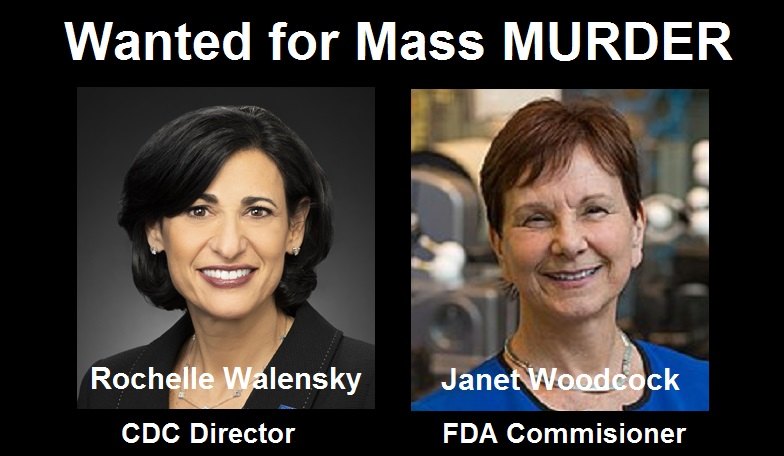


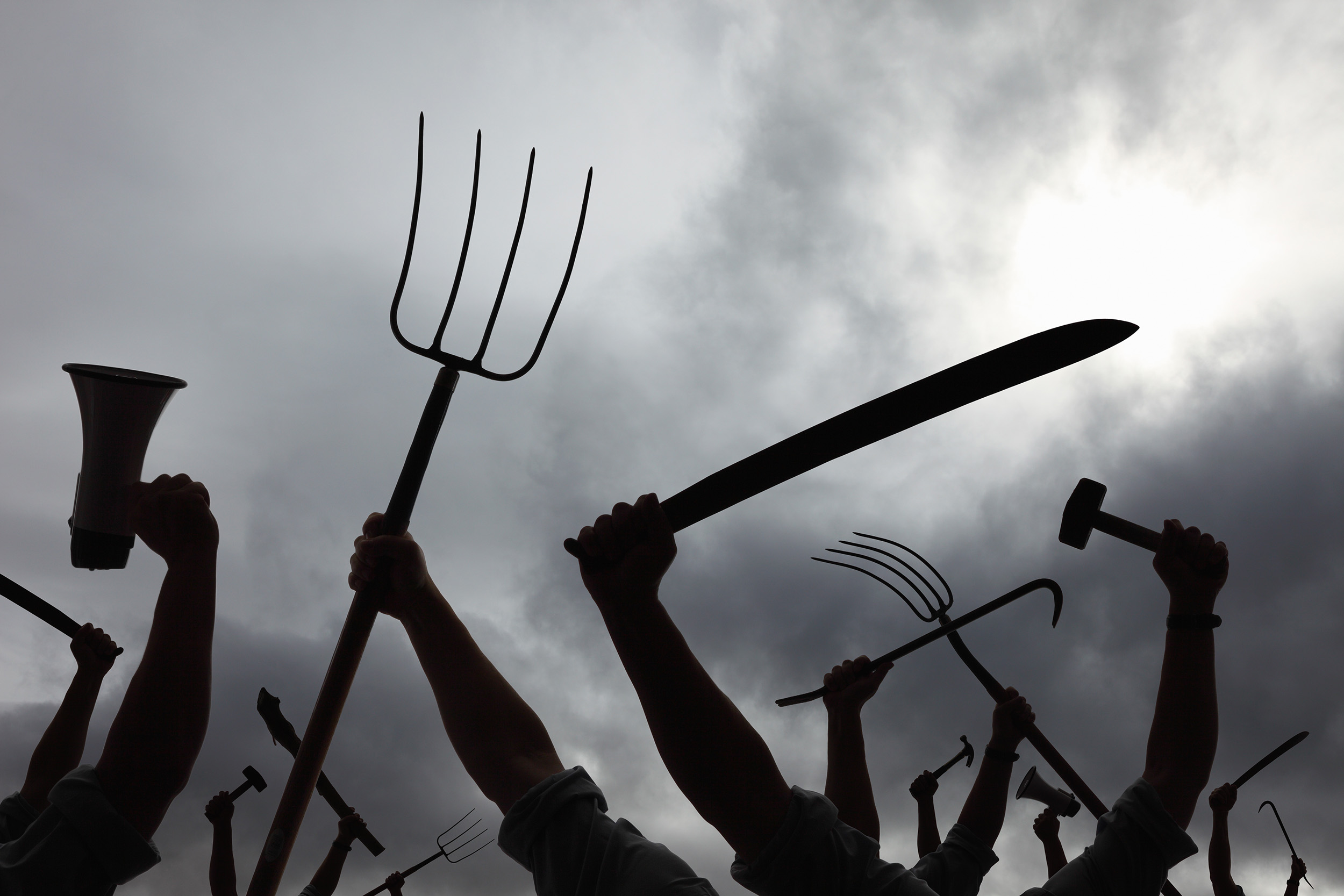

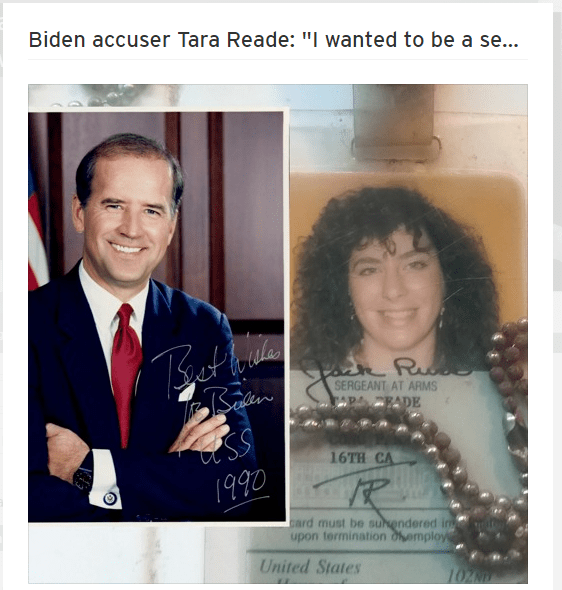
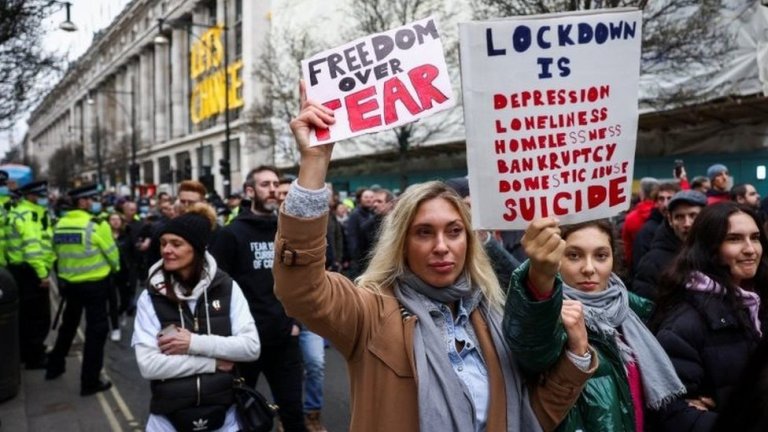










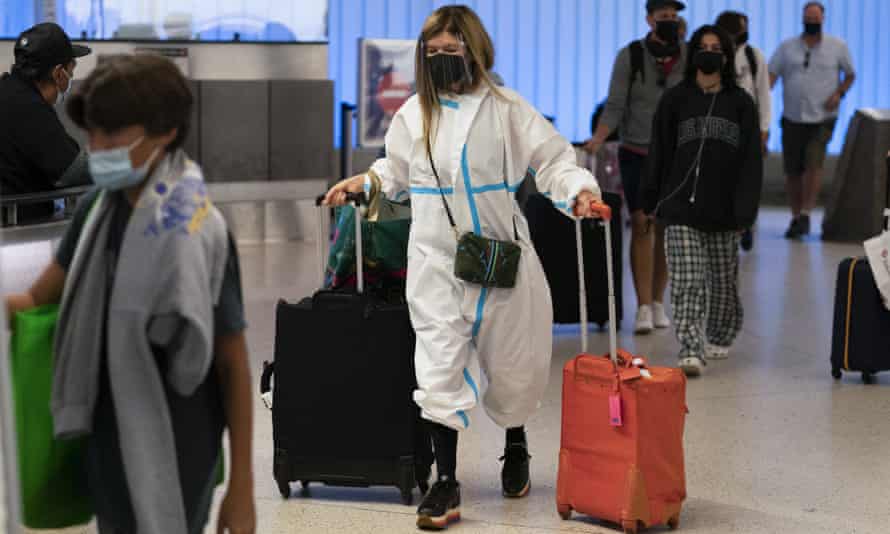


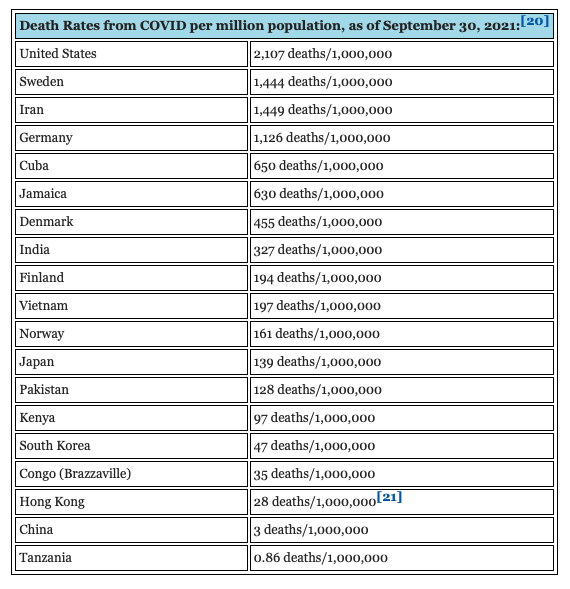

/cdn.vox-cdn.com/uploads/chorus_image/image/69994902/1936_Josephine_Baker___Romain_Maes___Sylvere_Maes.0.jpg)