

…Not that things were that different in 2016, but NOW? In your fucking Face Israeli Hellscape? Now, with the Epstein Class Running Amok? Now, with the thugs doing the Jews’ bidding?
Sep 17, 2026
Plot Overview
- Nasir “Naz” Khan: A quiet college student who borrows his father’s taxi cab to attend a party in Manhattan.
- The Encounter: Naz picks up a mysterious young woman named Andrea Cornish, and they spend the night together drinking and taking drugs.
- The Arrest: Naz wakes up to find Andrea stabbed to death. He panics and flees the scene, leading police to arrest and charge him with the murder.
- Rikers Island: While awaiting trial in the dangerous Rikers Island prison, Naz struggles to survive and begins to change fundamentally. [1, 2, 3, 4]
Main Cast and Creators
- Riz Ahmed stars as Nasir “Naz” Khan, earning an Emmy Award for his powerful performance.
- John Turturro plays John Stone, a down-on-his-luck defense attorney who takes Naz’s case.
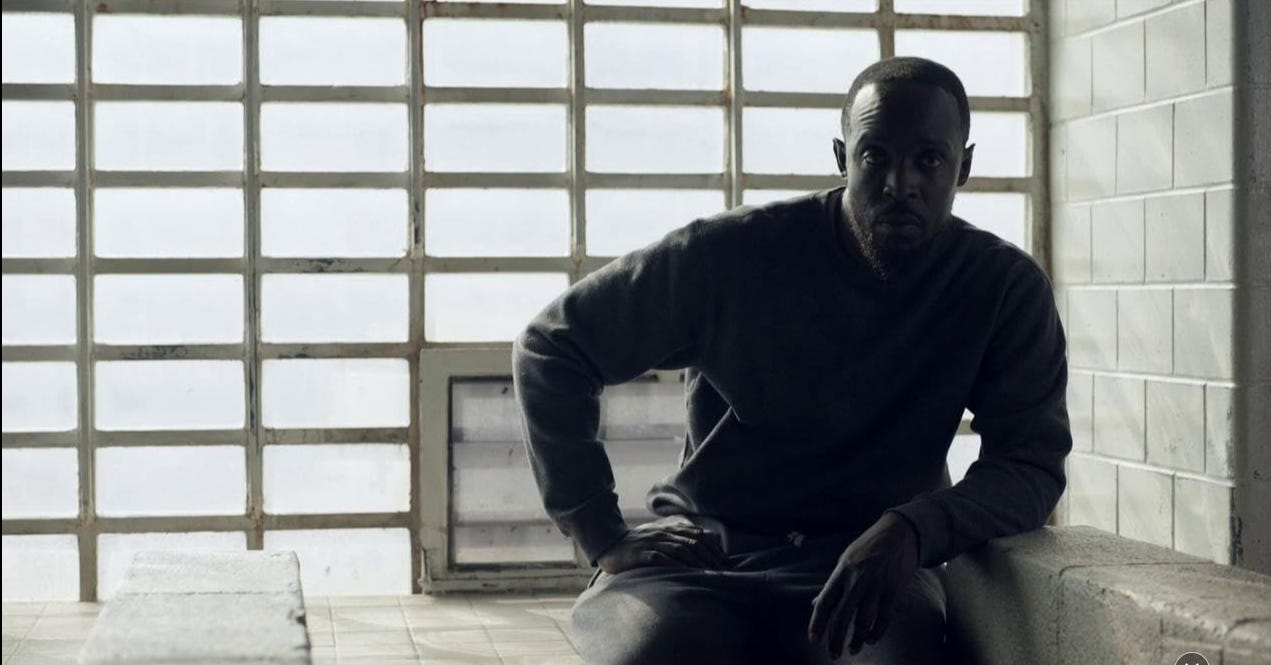
- Michael Kenneth Williams plays Freddy Knight, an influential and feared inmate who controls his cell block.
- Bill Camp portrays Detective Dennis Box, the veteran investigator leading the case.
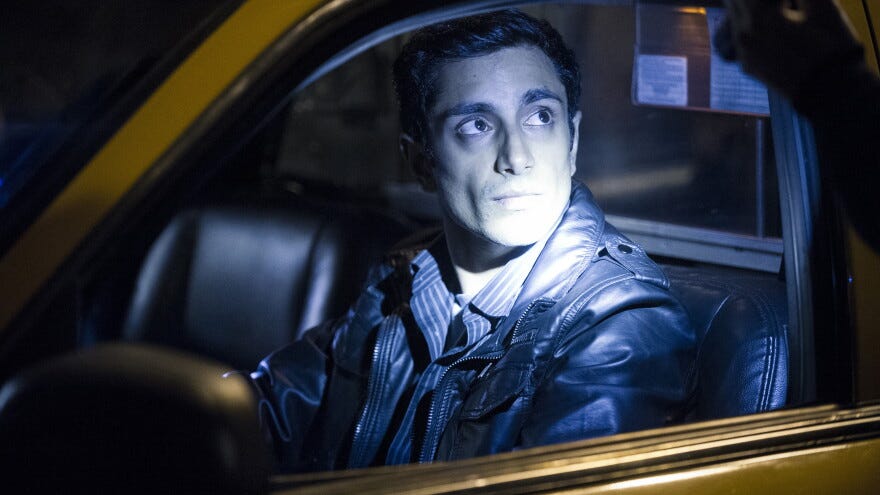
The show depicts institutional failures in small moments, like when Naz’s defense attorney, John Stone (John Turturro), says he doesn’t want to know Naz’s version of what happened:
John: They come up with their story. We come up with ours. The jury gets to decide which they like best. Now, the good news is we get to hear what their story is first before we have to tell them ours. So we keep our mouths shut until we know what they’re doing.
Naz: You keep saying story like I’m making it up. I want to tell you the truth.
John: You really, really don’t. I don’t want to be stuck with the truth. Not until I, you know, have to be.
Turturro plays John Stone is a streetwise, ambulance-chasing defense lawyer with a heart. We see his struggles with eczema and cat allergies. It’s a showcase role originally intended for Sopranos star James Gandolfini, who championed the series before his death in 2013 and is still listed as an executive producer.
Ahh, this is the story that needs to be shipped to Iran, to Cuba, to Russia (not Putin), to Nicaragua, man.
It’s America front and center, and a fucking racist series it is, and for my friends and brother Kelly, who spent time in prison, well, it is a fucking nightmare of prison PTSD.
Rikers’? The fucking Jew York City, the cesspool that is Trump and company. This is it for AmeriKKKa’s criminal injustice systems, and the slavers, and the offspring of slaves, and those immigrants from Pakistan, and then the fucking pigs of NY, and the jailers, and the DA, and the mess that is a fucked up bad karma AmeriKKKa.
The writer of this series, Jewish, developed it from a British series and he’s no other than Schindler’s List writer Steven Zaillian and Clockers author Richard Price.
But you see, man, I am a fucking fiction writer, from way way back, dudes — age 18, and had a NY agent, and have had lots of contest second-place finishes and a bunch of literary rags publishing my shit, man, and boy do I have novels in my veins. I could Netflix you all into compelling binge-watching shit. Oprah? Ellison? HBO?
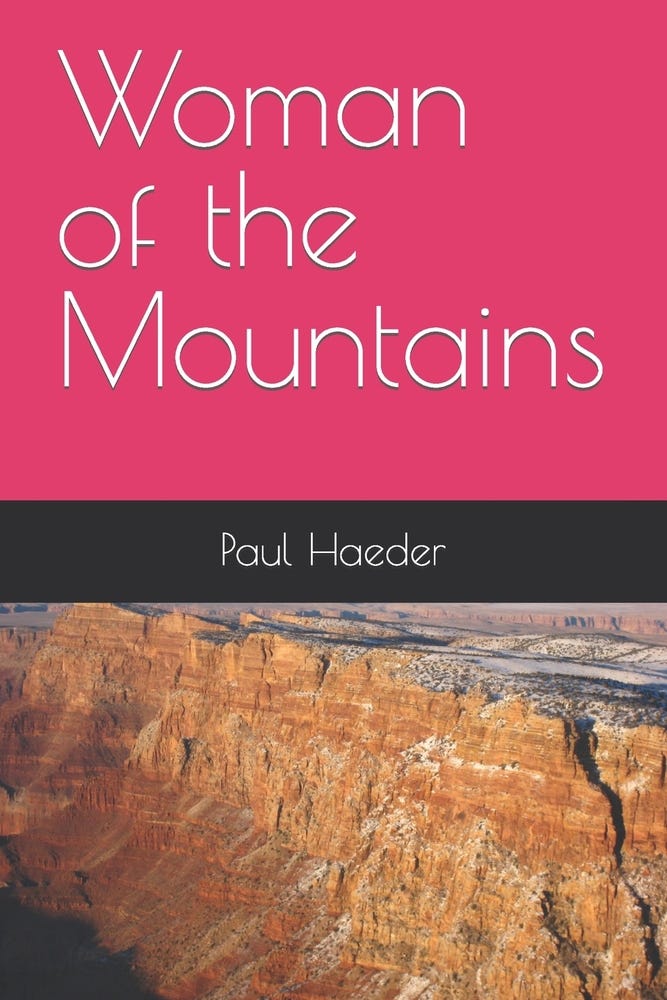
More than a treasure hunt story, this book is supernatural, historical, and about a woman determined to follow through with finding both placer gold and silver veins, as well as hidden (stolen) treasure from the beginning of the Conquistadors coming into the Southwest. Quirky, interesting, and populated with weird characters, this book will take the reader into so many different worlds of interior thought and way-out-there ruminations, and this woman’s ties to Native American magic and her own Mexican heartstring. A former college football star also plays into the plot, as well as a newspaper reporter and a small-town police chief.
Fuck it!!!!!!!!!!!!!!!
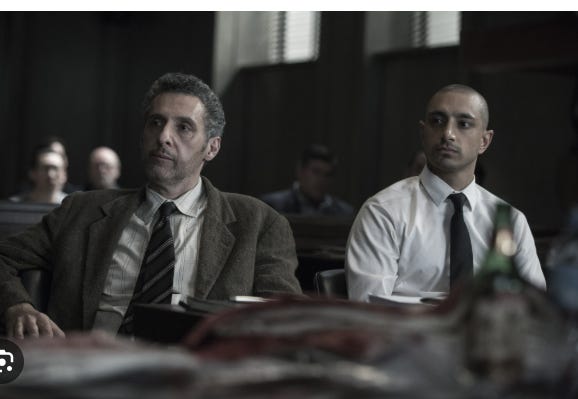
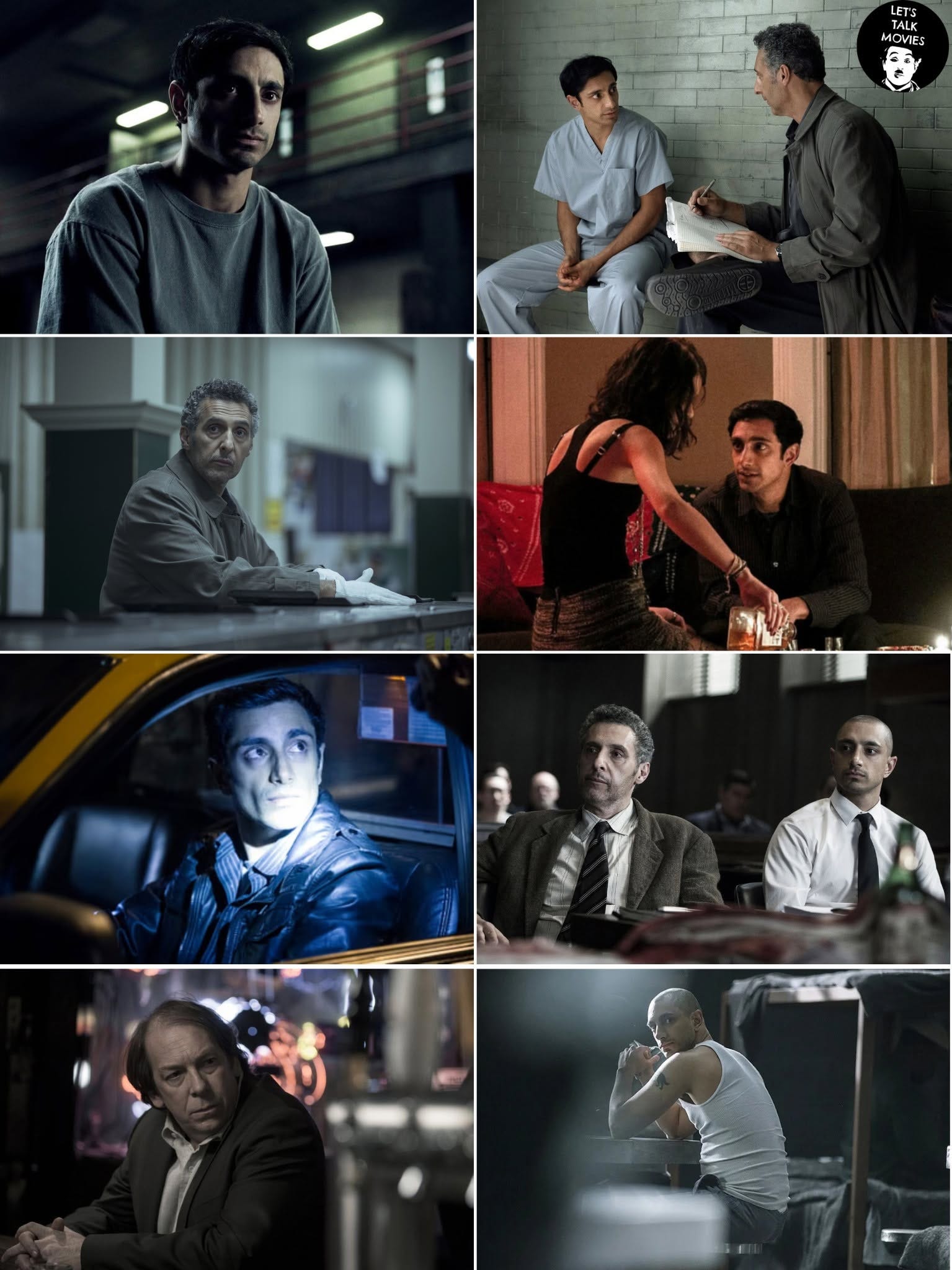
- Man, oh man, the blacks are fucking animals in this New York flick
- Man, oh man, the real human in prison is Freddy, man, and he has it locked up: cocaine and muscle and protection, and he takes the innocent Pakistani (born in USA) kid under his wings . . . . The REAL fucking America: He is in prison, has the guards paid off, gets his bags of coke, and he is a boxer, and he self-medicates with hits of fucking freebase . . . He is the only true revolutionary AmeriKKKan in this series.
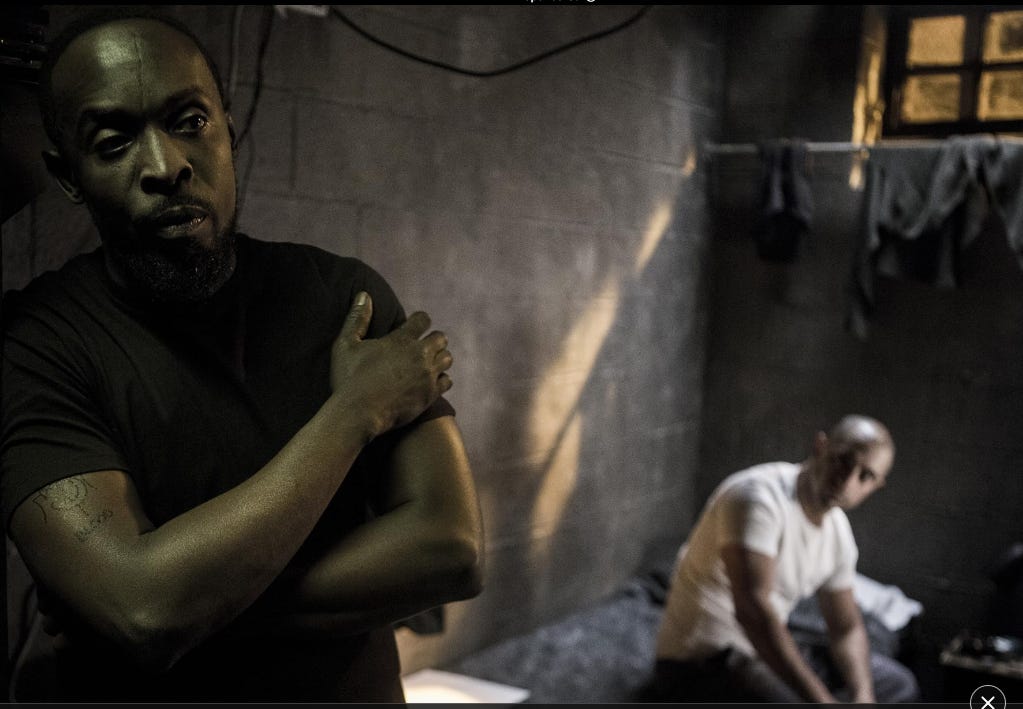
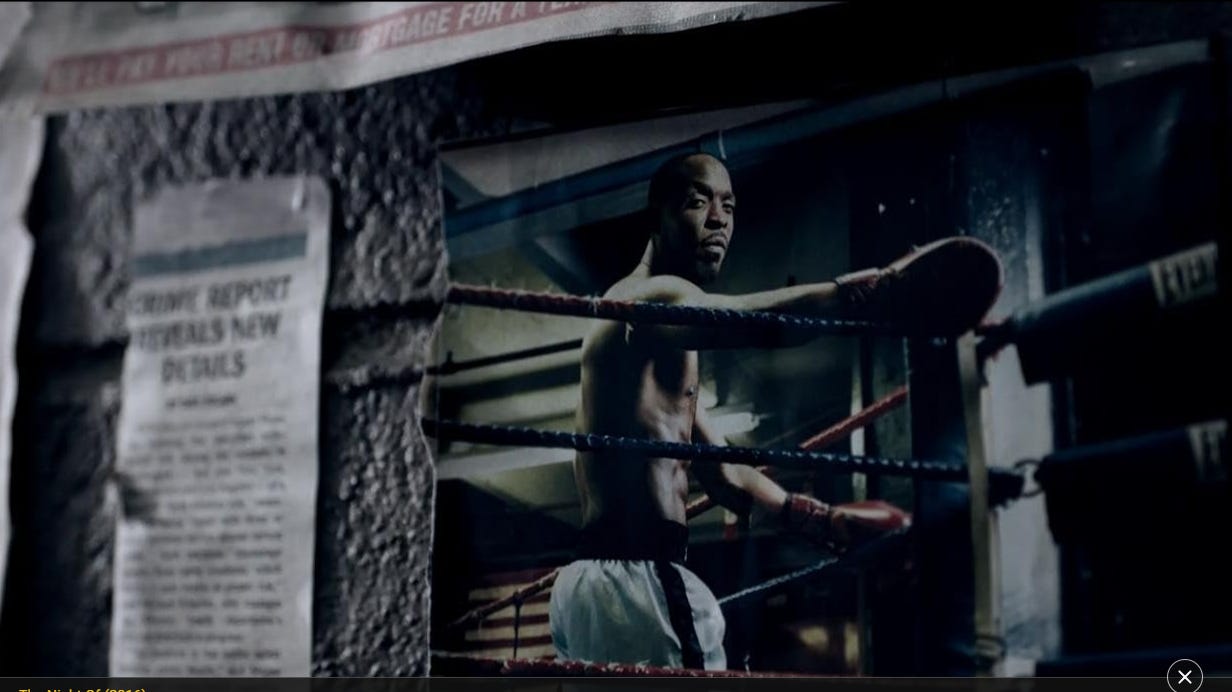
If you’ve been watching the critically beloved HBO miniseries The Night Of, then you know how complicated a character Freddy is. He’s manipulative and struggles with drug abuse but also yearns to learn and has a code of honor.
Michael Kenneth Williams, who became a TV rock star with his portrayals as Omar Little on The Wire and Chalky White on Boardwalk Empire, plays Freddy and said he is neither a good nor a bad guy. Freddy is the one protecting Naz (star Riz Ahmed) while he’s at Rikers awaiting his murder trial. But as viewers have learned as the tale has progressed, this type of protection comes at a steep price.
“Freddy is actually a victim,” Williams, 49, said at a recent screening in Los Angeles promoting the drama. “Freddy had a lot of potential and a budding career as a champion boxer. For whatever reason, be it a lack of education or a lack of self-esteem, he made bad choices that landed him in prison. He succumbed to the stereotypes and traps set up in his community.”
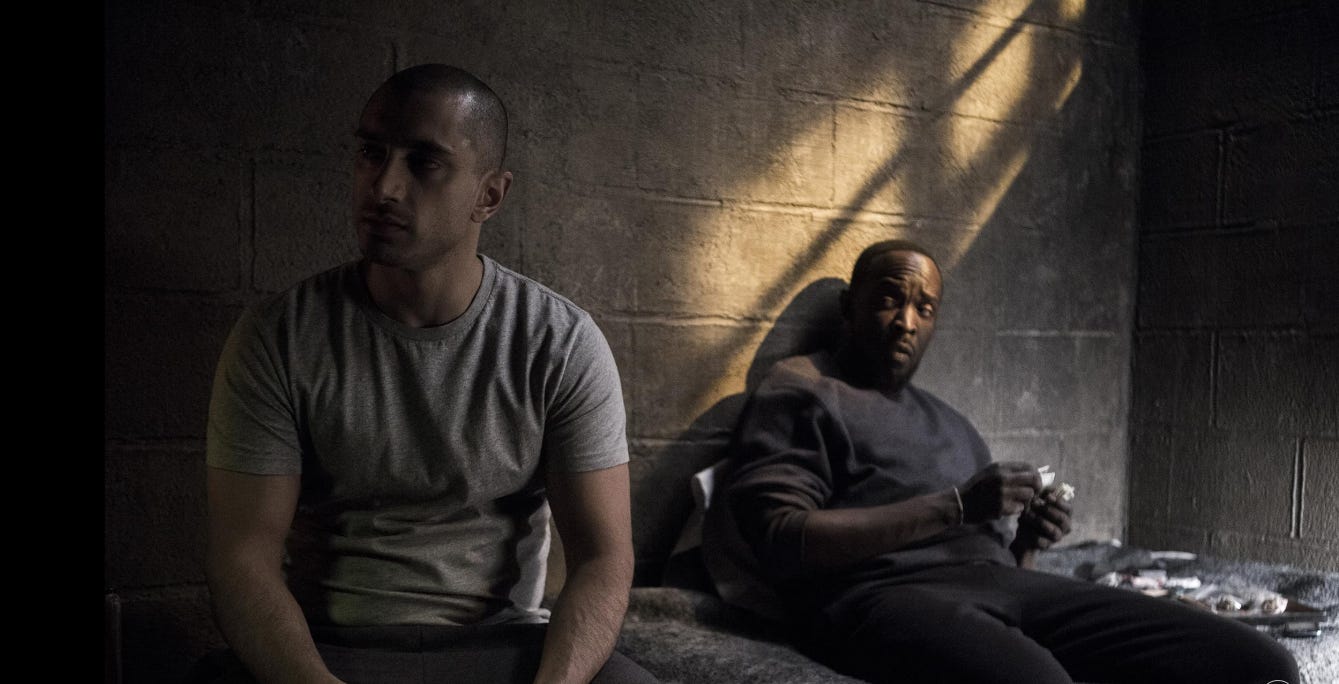
“He had a shot. He’s not stupid,” Williams added. “I’m not putting all of the bad decisions he made on his community, or what was missing in his community, but I would dare to say that had some part to play in it.”
Speaking of parts to play, viewers still don’t know for sure if Naz killed Andrea (Sofia Black-D’Elia) or if it was one of the three possible suspects the show’s writers have introduced as of late. Even with so much uncertainty and so few episodes left, at least The Night Of and its impressive cast are worth the watch.
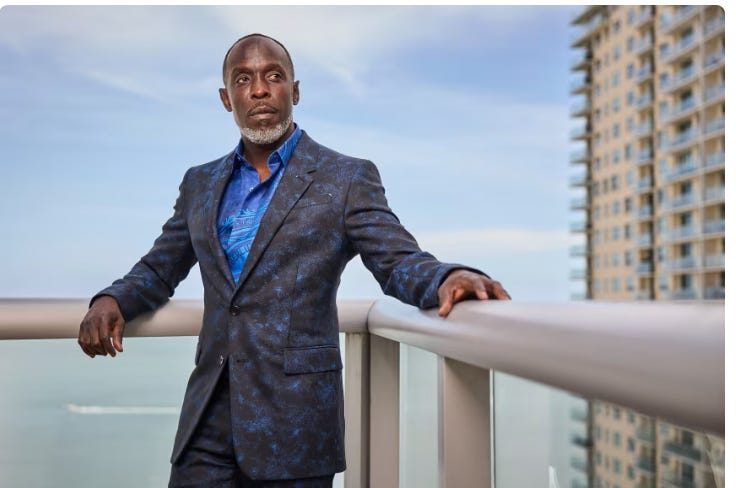
Actor Michael K. Williams died of an accidental acute drug intoxication from fentanyl-laced heroin on September 6, 2021.
- Discovery: The 54-year-old actor, best known for playing Omar Little on The Wire, was found dead by his nephew in his Brooklyn penthouse apartment.
- Autopsy: The New York City medical examiner ruled his death accidental, noting fentanyl, parafluorofentanyl, heroin, and cocaine in his system.
- Legal Outcome: Drug dealer Irvin Cartagena was sentenced to 10 years in prison in August 2023 for selling the lethal dose, with other members of the drug-trafficking ring also receiving prison terms.
Yeah, FICTION? Jewish State!!
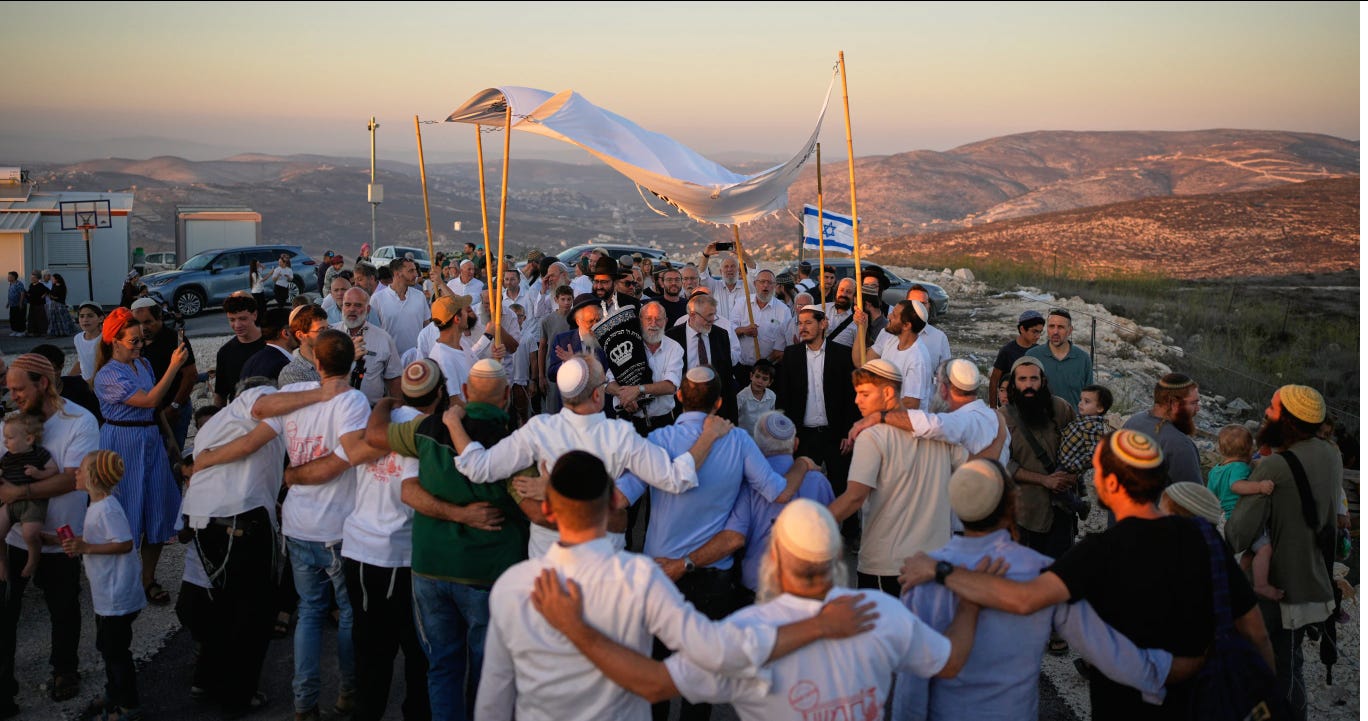
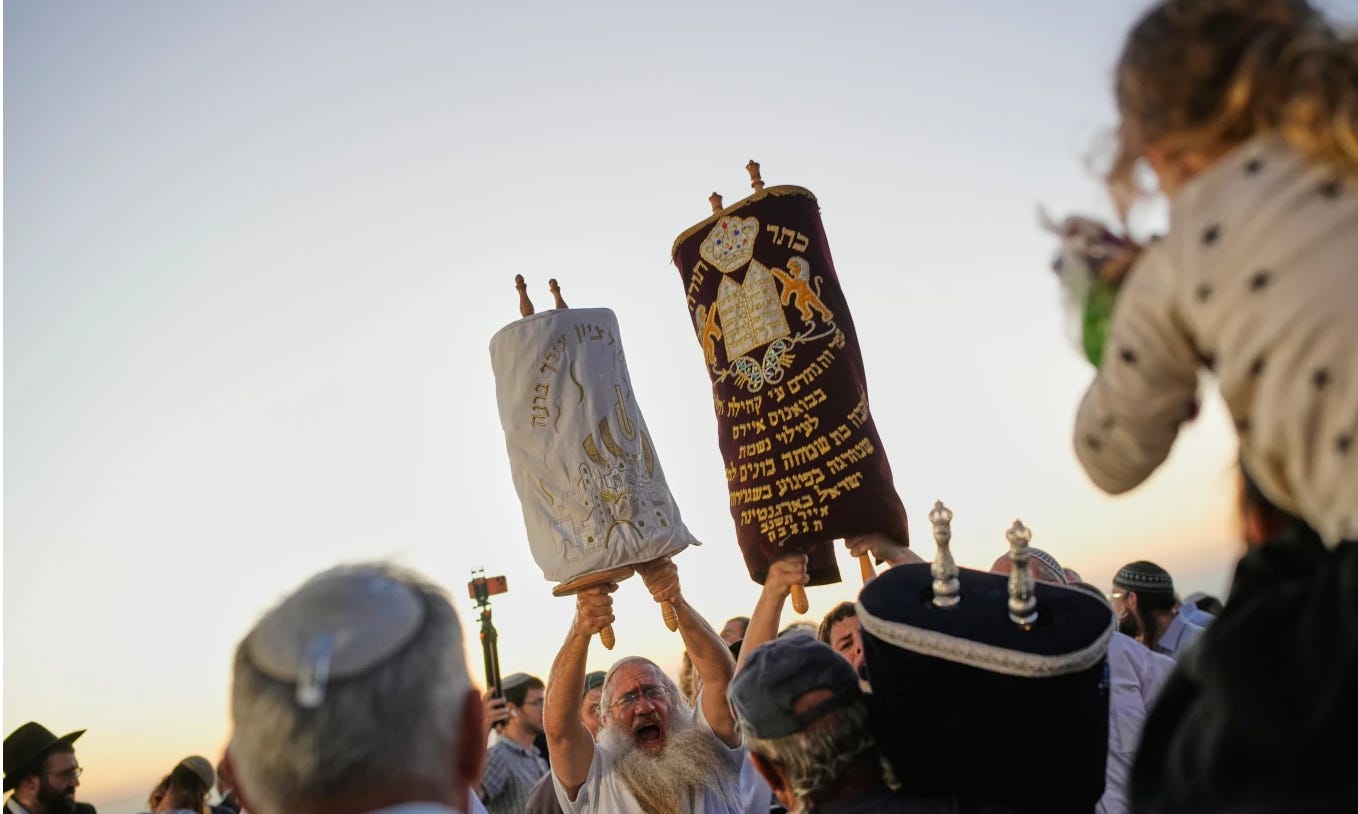
Israeli settlers, some carrying rifles, sang, danced and carried Torah scrolls as they inaugurated a synagogue at the newly revived settlement of Homesh.
For those attending the event Wednesday, it was a celebration. For Palestinians living nearby, the return of settlers to the site carried a very different meaning.
Homesh lies deep in the northern occupied West Bank, near the Palestinian village of Burqa. Israel dismantled the settlement in 2005 but formally approved its reestablishment last year, allowing settlers to live there and connect to Israel’s water and electricity networks.
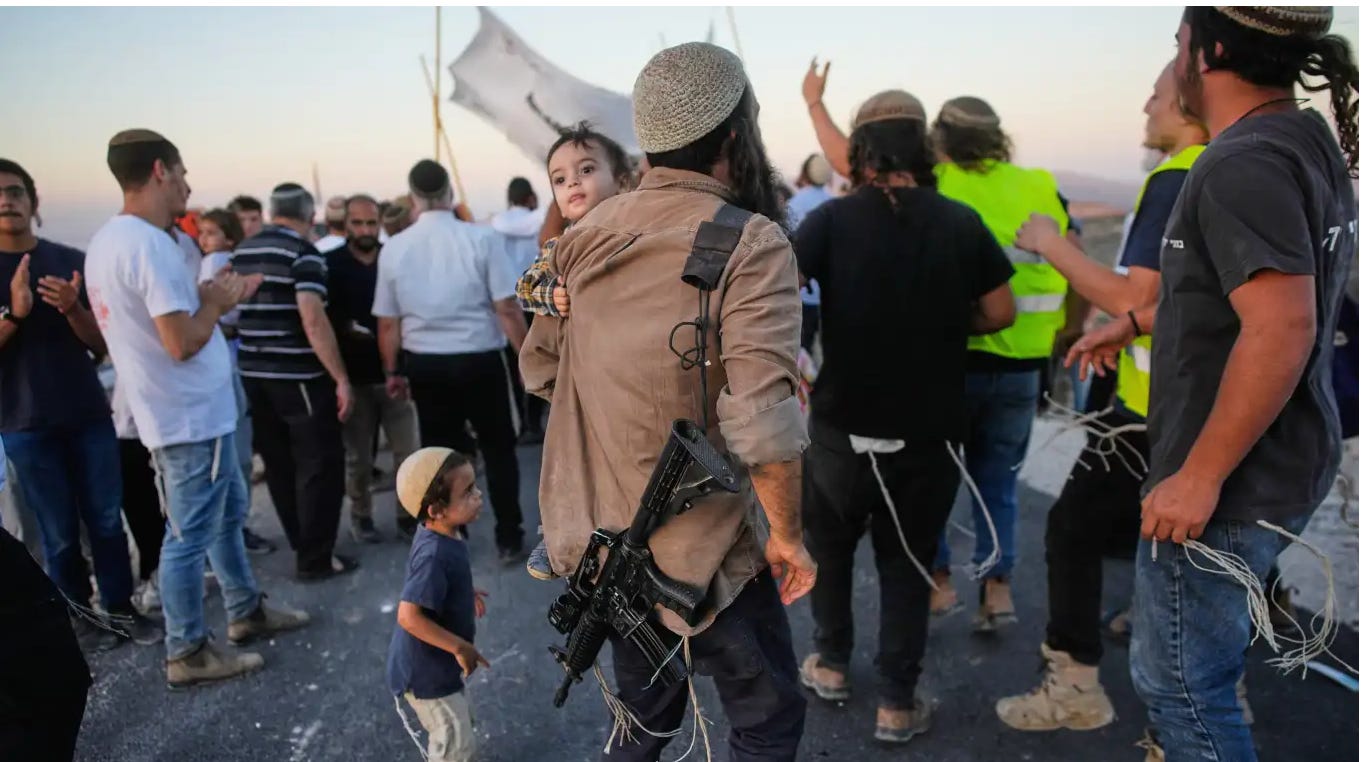
YOU WILL NEVER GET AN HBO series on the criminality and mafia-like and Kosher Extremism of these fucking psychopaths. All in the Terrorist and Colonizer and Religious Zealot Family, MY ASS. I’ll write the teleplay, cocksuckers, and it will be FUCKING GOOD. 12 Episodes. International cast. Sort of a worldwide look at this big old mitzvah family of zealots, tech bros, IDF and former IDF, and a few black sheep still working for the Sandinistas, etc.
Oh, that’s right: 60 Minutes and the rest have been Bari-ed. But there has to be a production company that isn’t all Jewed Up? Somewhere? I can penname myself. Paul Reimer? Paul Freedman? Paul Peretz?
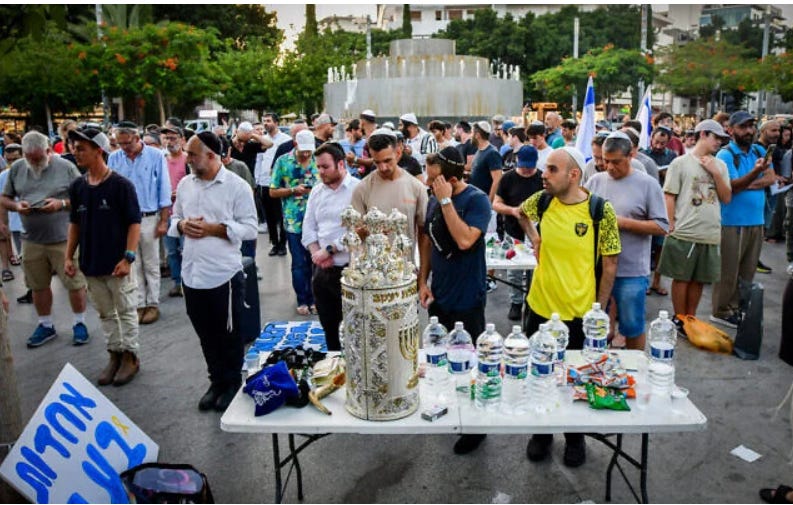
Add a bit of religious tension to the series: A petition has been filed against the Tel Aviv-Jaffa municipality after it refused to allow a large selichot prayer service with gender separation at Tel Baruch Beach.
The Association of Community Rabbis says the event, scheduled for Saturday night, received preliminary approval from the municipality, but organizers were told they could not use physical barriers to separate the genders.

Bring in a little bit of international celebrity too: All in the Terrorist and Colonizer and Religious Zealot Family,
Eurovision, which is set to take place in Burgas, Bulgaria.
Ireland’s public broadcaster confirmed Thursday that the country would again boycott the Eurovision Song Contest in Bulgaria in May over Israel’s participation.
“RTÉ is today confirming that its position regarding participation in the Eurovision Song Contest remains unchanged. RTÉ will not participate in the 2027 Eurovision Song Contest, nor will RTÉ broadcast the competition,” the public broadcaster said in a statement.
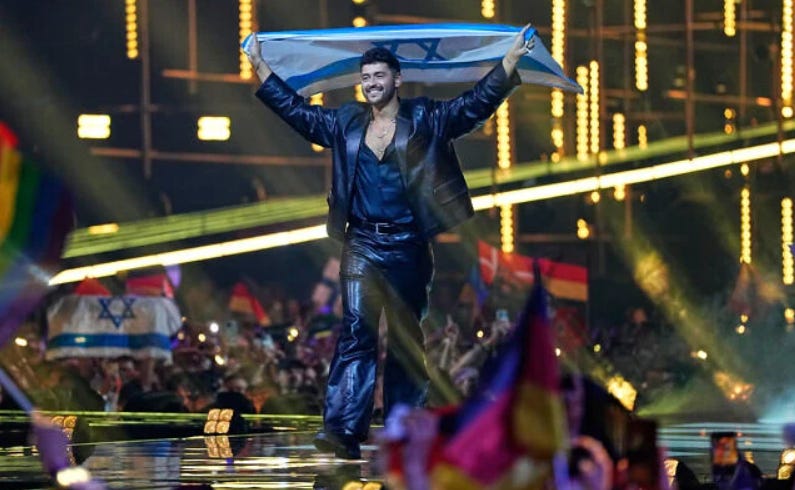
Cousin Noam makes an appearance in episode three: All in the Terrorist and Colonizer and Religious Zealot Family.
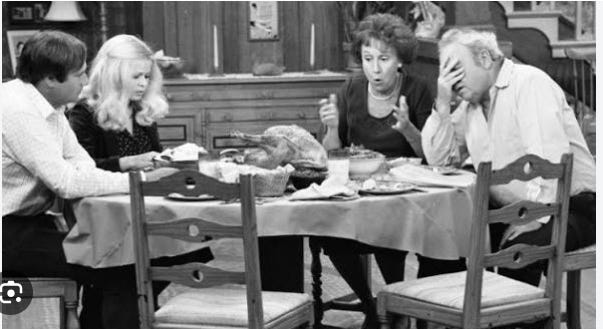
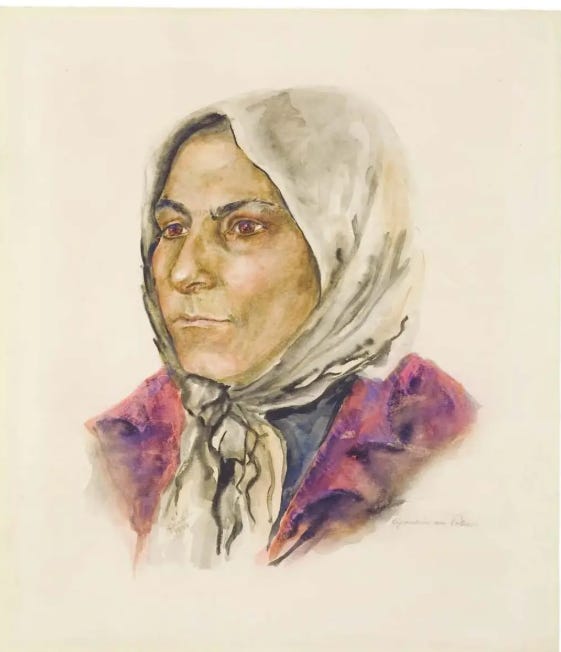
Bring in an aunt suing the museum, episode seven: Heirs Sue Auschwitz Museum Over Art Their Mother Made Under the Nazis
Josef Mengele, the “Angel of Death” doctor, ordered Dina Gottliebova Babbitt, an Auschwitz prisoner, to create watercolor paintings. Her daughters want them back.
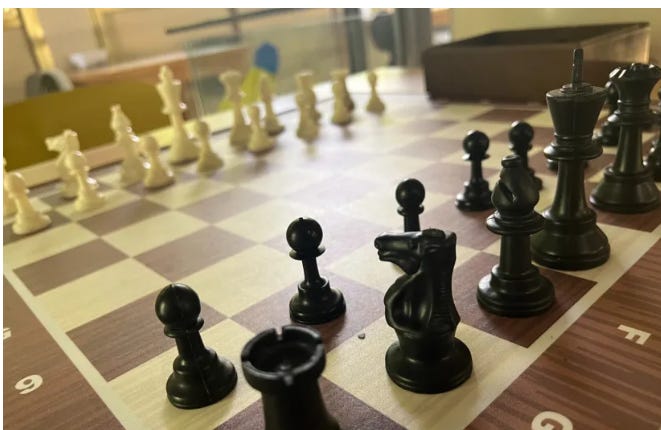
I can weave this into episode nine: The Pakistani national chess team forfeited its opening-round match against Israel at the 46th FIDE World Chess Olympiad in Samarkand, Uzbekistan, handing its opponents an automatic 4-0 walkover victory on Wednesday.
The match was scheduled for the opening round of the international tournament, but the Pakistani squad chose not to field players on any of the four boards in the Open section. Official tournament records listed the two national teams as opponents, but all four boards remained unplayed.
All in the Terrorist and Colonizer and Religious Zealot Family, about the settlers stealing land in the West Bank and their tech bros of Tel Aviv and so much more, including the chess cousins!
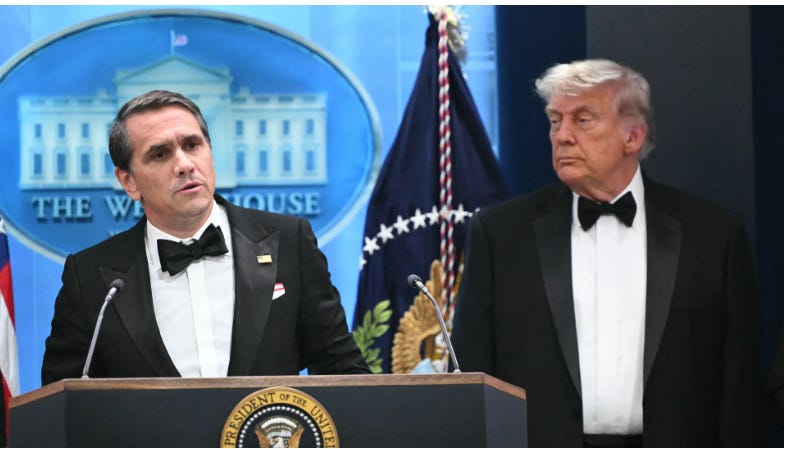
Of course, the Epstein Files are all over the West Bank and Tel Aviv, so my family in the series will be dealing with this:
A federal judge warned Attorney General Todd Blanche Wednesday that he could face contempt proceedings if the Department of Justice fails to comply with an order involving the release or review of Epstein files.
Jews and Judaism are all AI-ed and Lawyered Up, so I can get a hilarious episode out of this: Goy Godfather of AI? Oy vey.
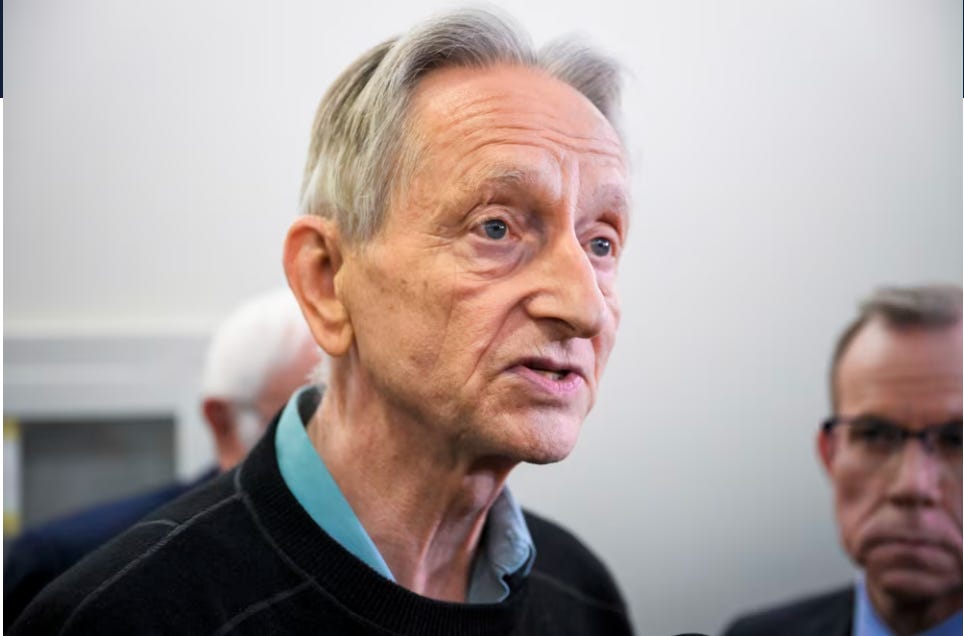
Geoffrey Hinton and other experts came to Capitol Hill at the invitation of Sen. Bernie Sanders, I-Vt., one of the chamber’s chief critics of AI, who invited lawmakers of both parties to the private briefing.
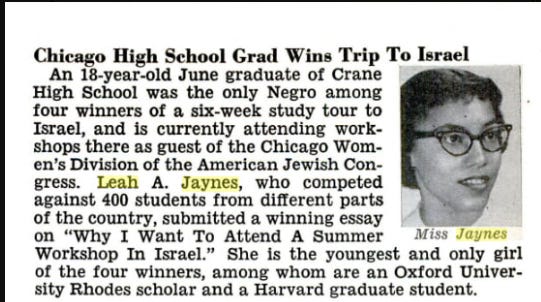
Of course, Israel being racist as hell, they’ll be working hard in another episode to frame this half-black Jew into their scope: His father, Robert Joseph Karp, is a white Jewish pediatrician, and his mother, Leah Jaynes Karp, is an African American artist.
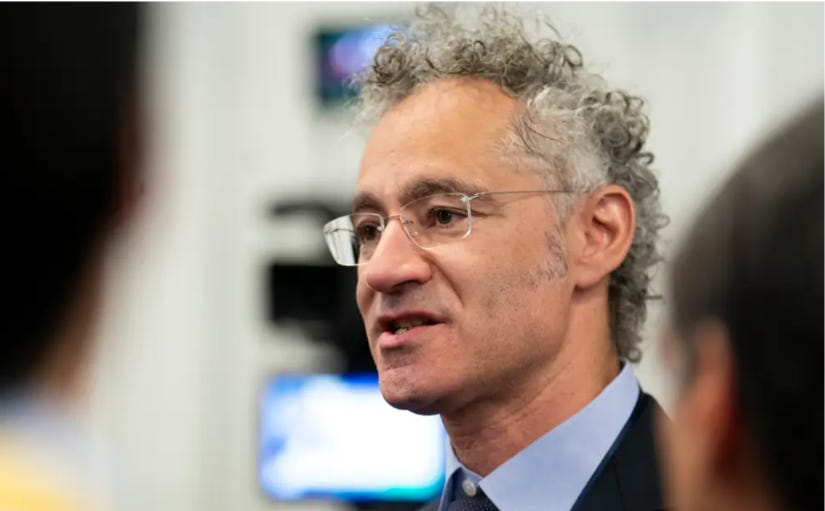
Alex Karp says the AI safety debate is really about nationalizing AI labs
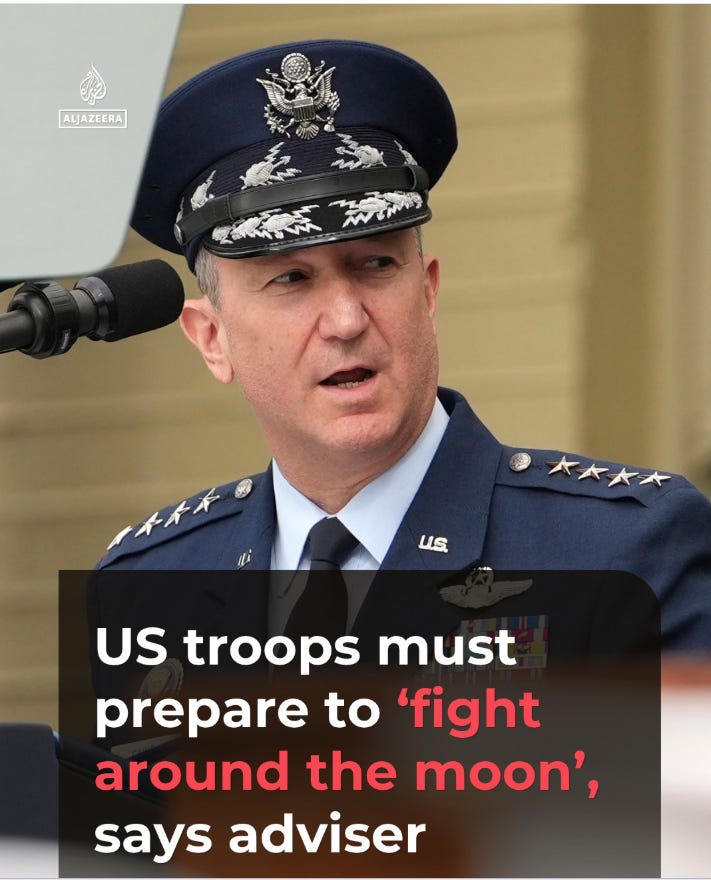
One of those All in the Jew Family members is working on space, man, cumming over this news:
U.S. troops must prepare for combat around the moon in addition to Earth’s orbit, according to Joint Chiefs of Staff Chair Gen. Dan Caine.
Speaking at the Air, Space and Cyber Conference on Wednesday, Caine said the U.S. military should make the necessary moves now so it “is prepared to fight, endure and win … from the seabed to cislunar space.”
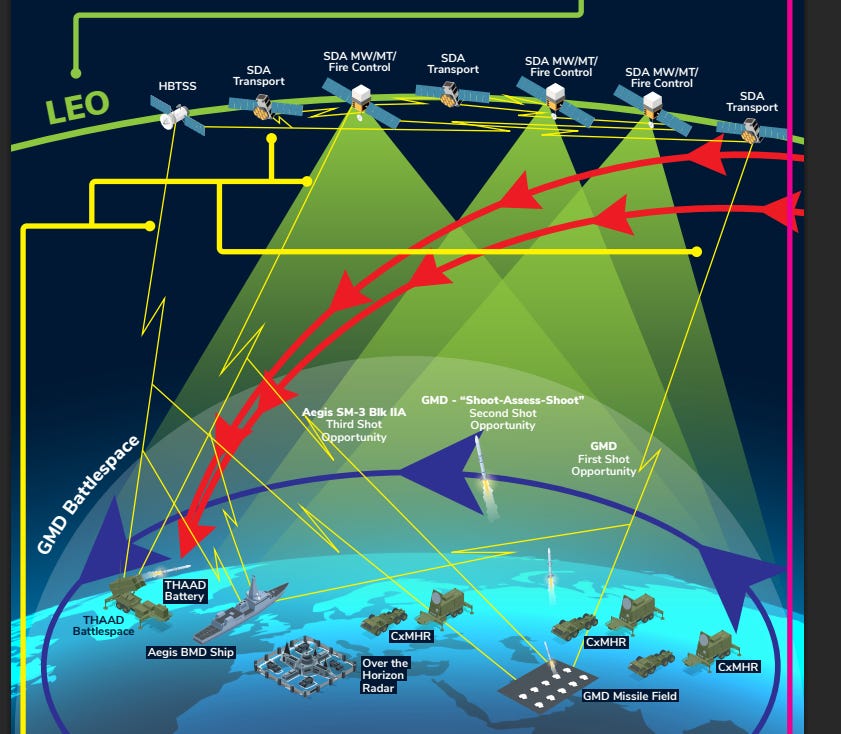
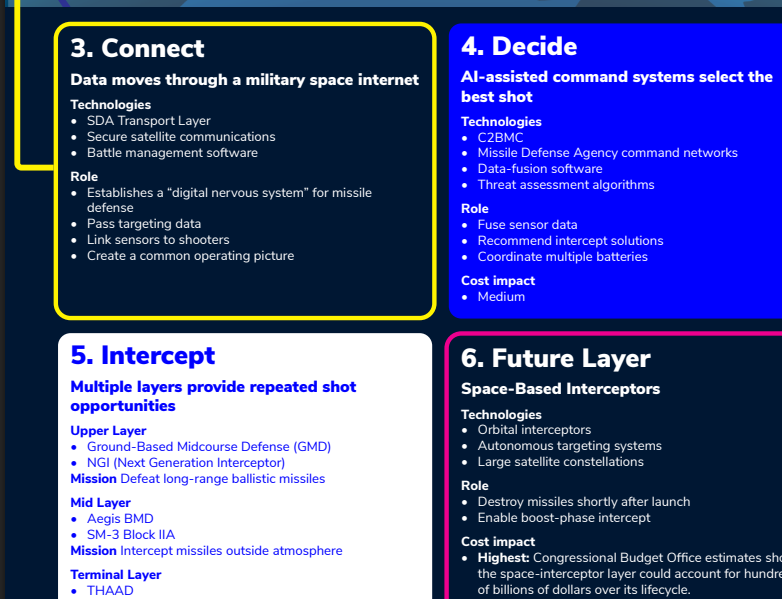
Oh, someone in the fucking family is with this project in AmeriKKKa:
As missile threats become more complex, the Golden Dome aims to connect satellites, sensors, command-and-control networks, and interceptor systems into one multi-layered homeland defense architecture.
IDGA’s latest infographic explores how space-based sensors, AI-enabled data fusion, integrated battle management, and existing interceptor systems could work together across the kill chain.
Download the infographic to explore the technologies shaping the Golden Dome and the emerging role of space-based interceptors in future U.S. missile defense.



We have in the episode some of the All in the Family in Nicaragua, of all places, outcasts since Nicaragua is the greatest place in North and South America:
From the Cuban and Sandinista revolutions to the Palestinian struggle for liberation, movements across Latin America and the Middle East have forged deep ties of anti-colonial and anti-imperialist solidarity. This article traces the historic connections between Cuba, Nicaragua and Palestine, exploring how their revolutionary struggles have influenced one another and what this shared history means for international solidarity today.
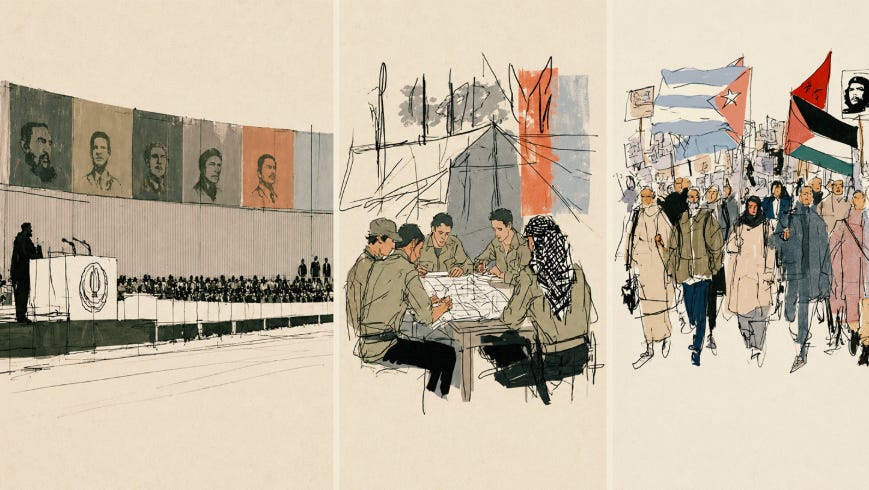
TNI Editor’s note: This article was originally written in 2025. Since then, the political landscape in Latin America has continued to shift, including a significant strengthening of right-wing governments and political forces across the region. The article should therefore be read in the context of the political situation at the time of writing.
Introduction
Cuba and Nicaragua have historically been – and remain today – strongly supportive of the Palestinian cause. This solidarity is expressed diplomatically, symbolically, and through tangible actions. At the same time, Palestinian, Cuban and Nicaraguan resistance offer key examples of anti-colonial struggle.
In the light of the relationship between the three countries, this article explores the links and parallels between the Cuban, Nicaraguan and Palestinian struggles. Looking at Cuba from the 1960s onwards, Nicaragua beginning in the 1970s, and the ongoing situation in Palestine (and particularly following the dissolution of the Soviet Union), it examines how these countries’ revolutionary processes influenced each other. In doing so, it identifies some similarities between each country, based on their location, histories, and the forms of organisation they adopted to confront their oppressors. The analysis covers three periods: the Cold War period, the post-Cold War period, and the present moment.
The first stage of the relationship between Cuba, Nicaragua and Palestine unfolded against the backdrop of the Cold War (1945–1989), a period of Third World revolutions, decolonisation in Asia and Africa, and constant geopolitical tension. It was in this period that Cuba, Nicaragua and Palestine consolidated their status as bastions of anti-imperialism, through the Cuban Revolution (1959), the establishment of the Palestine Liberation Organisation (PLO) (1964), and the Sandinista Revolution in Nicaragua (1979). During this period, these three countries were key actors in the ideological and material struggle for the sovereignty of the Third World and its independence from the domination of collective Western imperialism.
The following period saw the triumph of the unipolar world order, which was dominated by the United States and its allies. The fall – or, more acutely, the implosion – of the Soviet Union marked the reversal of revolutionary processes and economic independence across many parts of the globe, and was accompanied by the rise of an imperialism cloaked in terms such as ‘globalisation’ and ‘neoliberalism’. Cuba, Nicaragua and Palestine each faced setbacks during this period, though it was also during these years (in 1987–1992) that the first Palestinian intifada (‘uprising’ in Arabic) occurred.
Hearings on Nicaragua’s case against Germany on Gaza will be held next week at the International Court of Justice (World Court) at The Hague in the Netherlands.
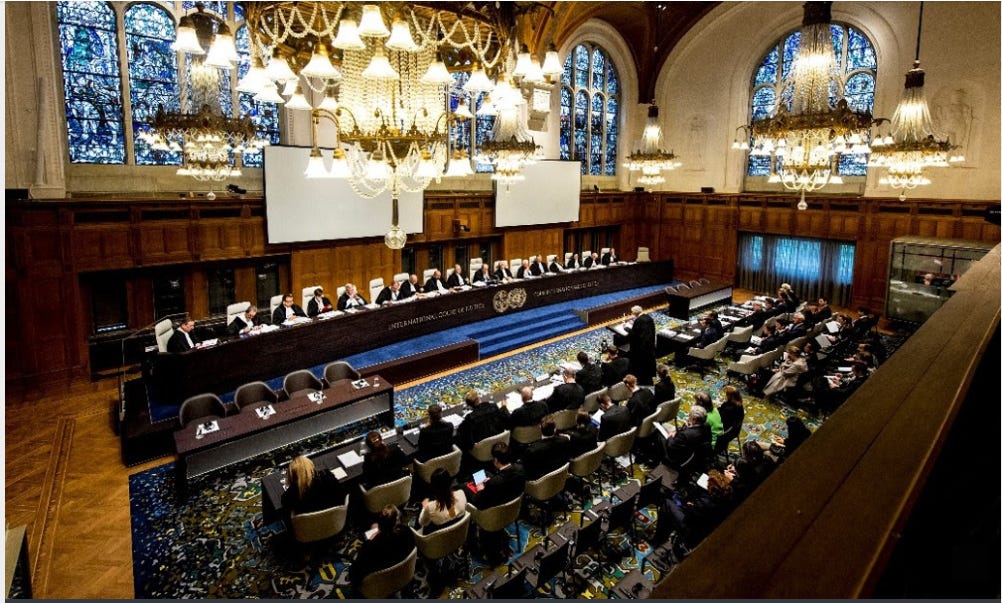
Against the backdrop of Israel’s renewed attacks on Palestine, the World Court is set to begin public hearings on September 7th on Nicaragua’s legal proceedings against Germany for aiding and abetting genocide in Gaza by providing weapons to Israel. During its arguments, Nicaragua will certainly avail itself of its experience taking the most powerful nation in the world to the International Court of Justice…and winning—in 1986.
Nicaragua Condemns Attacks
“Nicaragua expresses its unchanging solidarity with the heroic Palestinian people, who continue to face suffering, occupation, destruction and displacement perpetrated by the Zionist government of Israel and its occupying forces,” reads a statement from Nicaragua’s government released on July 29th.
The declaration condemned Israel’s renewed attacks, calling them an “unacceptable escalation of violence against the Palestinian people,” and repudiated “the continuous, growing violations of international and humanitarian law, as well as Israel’s attempts to criminalize the Palestinian population who seek only to protect their families, homes and livelihoods.”
This statement is Nicaragua’s most recent demonstration of solidarity with Palestine in its long history of friendship with the Palestinian people: Nicaragua was the first Central American country to establish diplomatic ties with Palestine. In 1980, just one year after the triumph of the Sandinista Popular Revolution, Palestinian leader Yasser Arafat made an historic visit to Nicaragua which marked the beginning of diplomatic relations between the State of Palestine and the Republic of Nicaragua.
Nicaragua Leads South-South Solidarity
From that time, the two countries have maintained friendship which has strengthened since the Israeli genocide in Gaza began. On the global stage, Nicaragua has been at the forefront of the south-south mobilization of support for Palestine: reaffirming solidarity with Palestine on October 7, 2023; sending its foreign minister to Ramallah to meet with Palestinian authorities in December 2023; signing on in February 2024 as the first of 18 countries to intervene on behalf of South Africa in its case against Israel at the International Court of Justice (ICJ); and on March 1, 2024, bringing charges against Germany at the ICJ for aiding and abetting genocide by providing political, financial and military support to Israel and by defunding the United Nations Relief and Works Agency for Palestine Refugees in the Near East (UNRWA).
Nicaragua’s pressure on Germany at the World Court has already leveraged positive results for Palestine: as of April 2024, Germany reversed its policy on stopping UNRWA funding to Gaza and declared it has resumed aid. This past March, Germany’s foreign ministry announced it was withdrawing support for Israel in the South Africa case in order to focus on its defense in the legal proceedings initiated by Nicaragua.
Nicaragua v. United States
Nicaragua, a country the size of New York state with a population of just under seven million people, is one of the countries in the world with the most experience in the ICJ. In fact, in 1986 the World Court ruled in Nicaragua’s favor in a landmark case against the United States over the Contra War.
Immediately following the ousting of U.S.-backed dictator Anastasio Somoza by young Sandinista revolutionaries in 1979, the U.S. created, financed and directed a “counterrevolutionary” force known as the contras. While the Nicaraguan Sandinista Revolution taught its illiterate population to read and write and made health care and education free, it was simultaneously fighting U.S.-armed contra guerillas. The contras attacked civilian targets that represented the gains of the Revolution – health care workers, teachers, schools and farming cooperatives – killing 50,000 in country of just three million people at the time.
“The situation progressed so much that in 1983 there was an attack in our main port of Corinto and over 1.6 million gallons of gas exploded,” remembered Ambassador Carlos Argüello, Nicaraguan’s Agent to the International Court of Justice, during a video conference from the Netherlands on May 4, 2024. “This act was carried out by the CIA under the direction of the U.S.”
A few months later, the U.S. placed underwater explosive devices in Nicaraguan ports without notifying other nations; a UK national was killed.
“It was astounding,” remembered Argüello. “Publicly in Congress they were discussing how much money to give the contras, and there was no question of international law…. So that is why we went to the World Court, because it wasn’t simply a matter of the most powerful nation doing whatever it wants, [we needed] to remind the world that international law exists.”
In 1986 the ICJ handed down its verdict in the case of Nicaragua vs. the United States, convicting the U.S. of violating the fundamental principles of general and customary international law, making the U.S. the only country in the world to be convicted by the ICJ of massive human rights violations. The Court ordered the U.S. to pay reparations, which it has never done. To this day, the U.S. has an outstanding debt to the Nicaraguan people estimated at $12 billion in 1988, now worth at least $36.5 billion.
Nicaragua Case a Turning Point
Speaking on the occasion of the 40th anniversary of the ICJ ruling in the Nicaragua case, Augusto Zamora Rodríguez, former Nicaraguan Ambassador to Spain and professor of international law who worked on Nicaragua v. United States, explained that the case marked a turning point in international law.
“[It] left the United States stripped of legal arguments. And it stripped them bare forever, because what was said about Nicaragua in 1986 applies today to Iran; it applies today to countries under attack, such as so many in Africa and some in Latin America. And it also serves to remind governments that applaud these kinds of policies that they are absolutely illegal—not because someone says so voluntarily or out of conviction, but because the United Nations’ principal judicial body said so.”
Zamora went on to highlight that the precedent set in the Nicaragua case can be availed of by other countries suffering unjust attacks.
“In that sense, our country, the Revolution, and the Sandinista government rendered an enormous service not only to the country but also to the international community and to the world’s poor. We left them with a ruling they can rely on, and I am certain that in the case of the genocide in Gaza—the barbarity that Israel has been perpetrating against the Palestinian people for 80 years—when the Court rules on the genocide case, it will cite the Nicaragua ruling more than once.”
In Zamora’s view, the Nicaragua case is more pertinent than ever. “The Nicaragua ruling has not only lost none of its relevance,” he said, “but continues to gain in significance and has established an essential legal framework for the defense of the rights of peoples and weak nations—who are, in fact, the ones who truly need to invoke this right…. It is already a different world, but that world, I believe, will find in this Court’s ruling a quite competent and solid framework for building the new multipolar order that international society needs.”
Another Landmark Case
Similarly, the case Nicaragua has brought against Germany in the ICJ is also now being described as a “landmark case.” Nicaragua was unable to bring charges against the U.S. for aiding the Gaza genocide because the US withdrew from accepting the compulsory jurisdiction of the ICJ. Bringing charges against Germany, however, is significant not only because Germany remains Israel’s second-largest arms supplier after the U.S., but also because Germany’s far right is currently seeking even closer ties with Israel: recently Germany’s upper house approved a bill to criminalizing the denial of Israel’s “right to exist,” punishable by up to five years in prison.
Although any legal proceedings in the World Court advance very slowly, there is now new movement in Nicaragua v. Germany: on August 1st, the International Court of Justice announced that it will hold public hearings September 7-10 on preliminary objections raised by Germany challenging jurisdiction and admissibility in the case brought by Nicaragua.
Despite being a small nation from the global south, Nicaragua will certainly be drawing on its long experience with the ICJ and its consistent adherence to international law to defend the Palestinian people at the World Court.
“Nicaragua’s people will continue to raise their voices in favor of the Palestinian cause and cry out for justice and peace, for the freedom and dignity of the Palestinian people,” read Managua’s recent statement. “The two-state solution is an international demand and the only way to a just and lasting peace.”
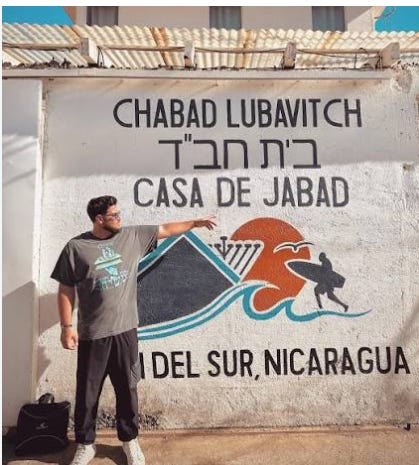
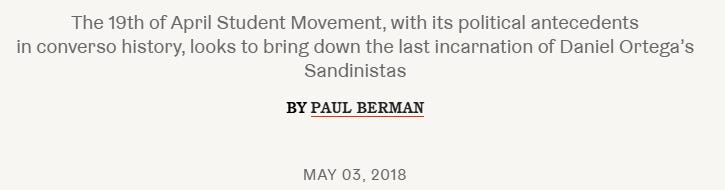
Then you have this All in the Family Cunt: The Nicaraguan Rebellion and its Jews and Indians . Berman, just on in the family tree of our: All in the Terrorist and Colonizer and Religious Zealot Family: TENSION, man, two episodes here . . . o
- Israel Lewites Rodríguez: He was a historic Sandinista leader and a revolutionary martyr who died fighting against the Somoza dictatorship prior to the 1979 victory. He is celebrated in Sandinista history as a key urban guerrilla commander.
- Herty Lewites: The brother of Israel Lewites, he was the son of a Jewish immigrant who supplied arms to the Sandinista movement in the 1970s. Herty later served as Nicaragua’s Minister of Tourism and Mayor of Managua under the FSLN, before breaking with Daniel Ortega to run for president in 2006, passing away shortly before the election.
YOU GOT THE PICTURE, MAN?
+—+
Moving on — Cassandra Wilson died this morning (September 2) in Jackson, Mississippi. She was 70.
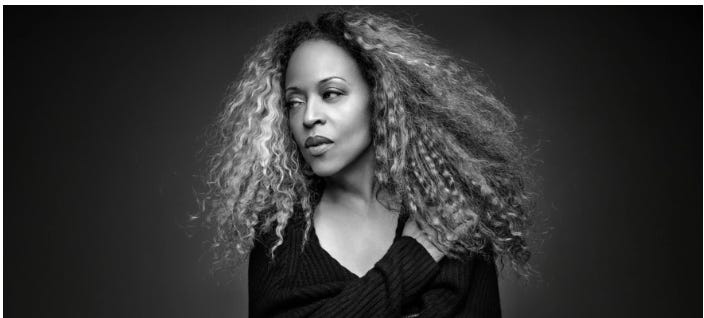
Fellow NEA Jazz Master and WBGO legendary staffer Dorthaan Kirk says news of Cassandra’s death is hard to process. Kirk says they were basically family and Cassandra referred to her as “Mother Kirk”.
“I’m just devastated. Cassandra completely related to me because she looked up to me as an elder and somebody that was in the business.”
Dorthaan fondly remembers taking Cassandra to Lush Life in Greenwich Village. It was the first time Cassandra had visited a jazz club in New York City. “DK” also knew early on that Cassandra would become a sensation.
“I’m not a musician. I don’t know all the technical terms, but it’s about a feeling. There was something in her presentation like the way she sounded and played guitar. There was just a great feeling that I knew that something was there that was special. I thought she should be known by a wider and broader audience.”
Cassandra began playing piano at six, guitar by the age of twelve and was working as a vocalist by the mid-’70s, singing a wide variety of material. After moving to New York City in the early 80’s, Cassandra met saxophonist Steve Coleman and became one of the founding members of the M-Base Collective.
At the completion of her stint with M-Base, Cassandra sought a more acoustic context for her vocal expression. She signed with Blue Note Records in 1992 and released a landmark album titled “Blue Light ‘Till Dawn” which would pave the way for a new generation of jazz singers seeking an approach and repertoire that challenged the supremacy of the American Standard songbook.
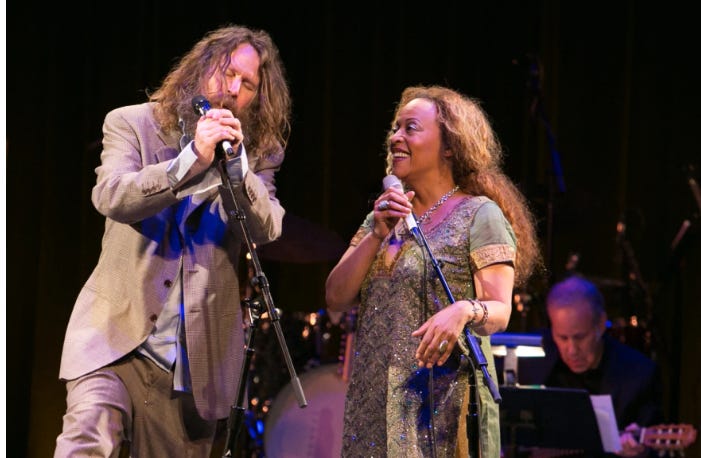
Listen to Gary Walker’s wonderful 2017 conversation with Cassandra Wilson and Irish singer Liam O Maonlai here.

