

Neuromarketing of a Genocide by the Neuroperverse Jewish MIND
Aug 09, 2026
The New York-based Center for Art Law estimates that between 1933 and 1945, Nazis either stole or forced the sale of 650,000 artworks. Researchers at California-based Santa Clara University have joined the quest to repatriate the 100,000 looted relics still at large by creating the A.I. Provenance Assistant, a new chatbot trained to comb convoluted records for leads.
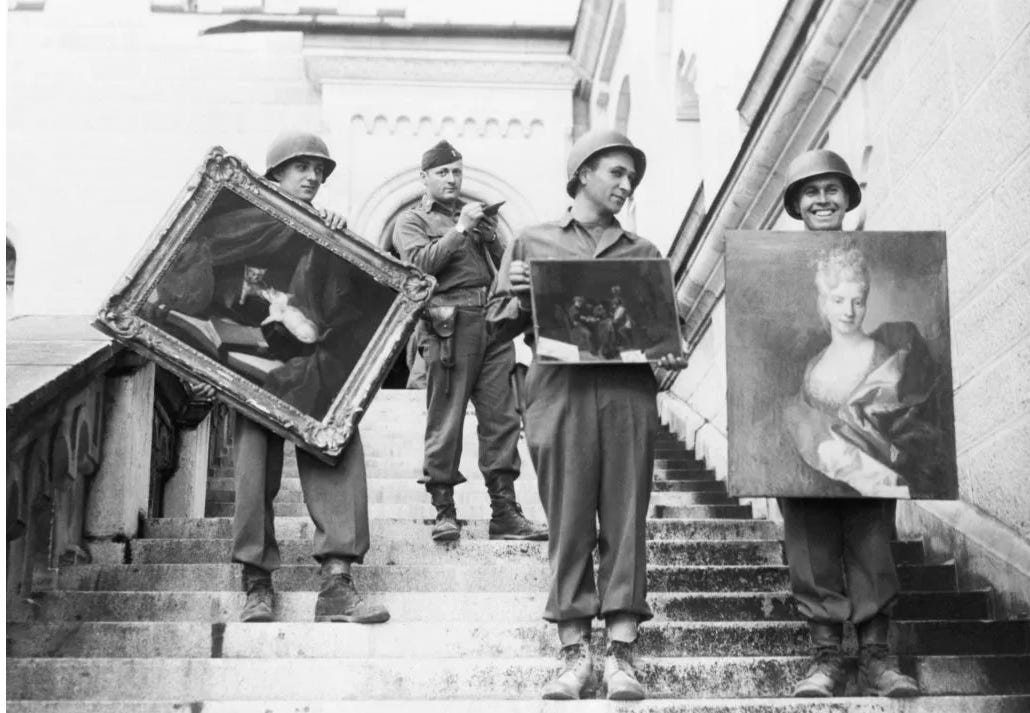
As momentum builds to recover artworks stolen during World War Two by the Nazis, researchers have created an AI chatbot that aims to trace the ownership and location history of works of art.
Jewish Public Broadcasting System — NPR: How AI is being used to track art stolen by the Nazis by Chloe Veltman/ NPR/ All Things Considered.

Experts estimate that the Nazi regime stole or forced the sale of roughly 600,000 to 650,000 works of art from Jewish families and collections across Europe during World War II. This mass plunder accounted for roughly one-fifth of all the Western art in Europe during that era.

How much is one olive tree worth in terms of production and spiritual value over its lifetime, JEWS?
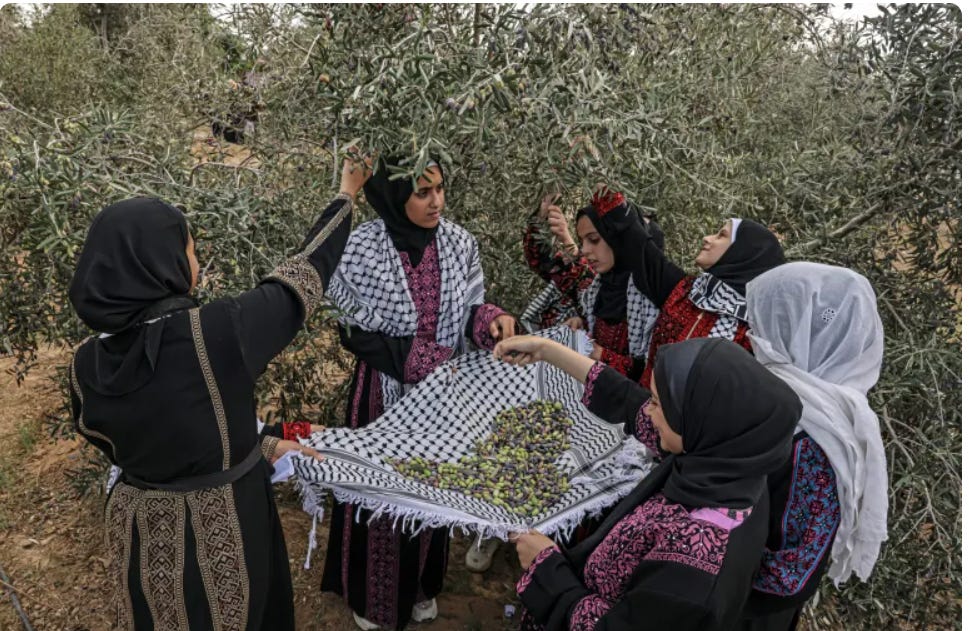
The olive harvest, known as “mawsim al-zaytoun”, begins in October, with preparations starting in September.
Families ready their tools as the first September rains, talat al-matar, soften the soil, wash the trees and, as many Palestinian proverbs say, bring “barakeh” (blessings) for the harvest and the year ahead.
More than 100,000 families rely on the harvest for their income. It runs through to November and brings together the entire community.
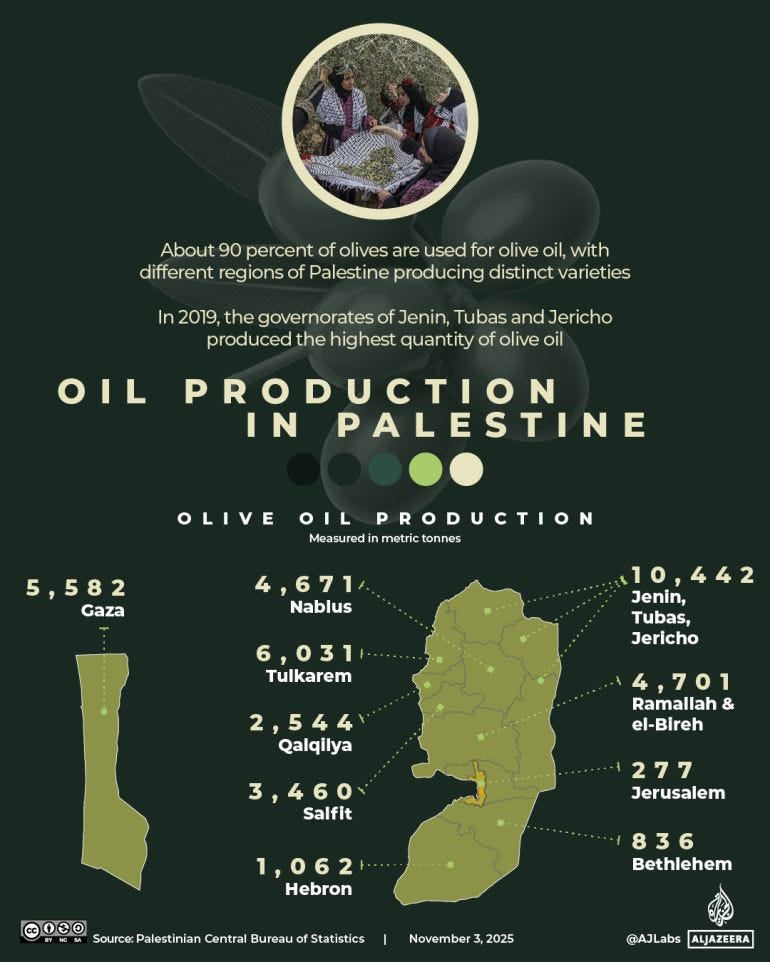
In the years before Israel’s war on Gaza began in October 2023, almost half of all cultivated land across the occupied West Bank and the Gaza Strip was planted with an estimated 10 million olive trees.
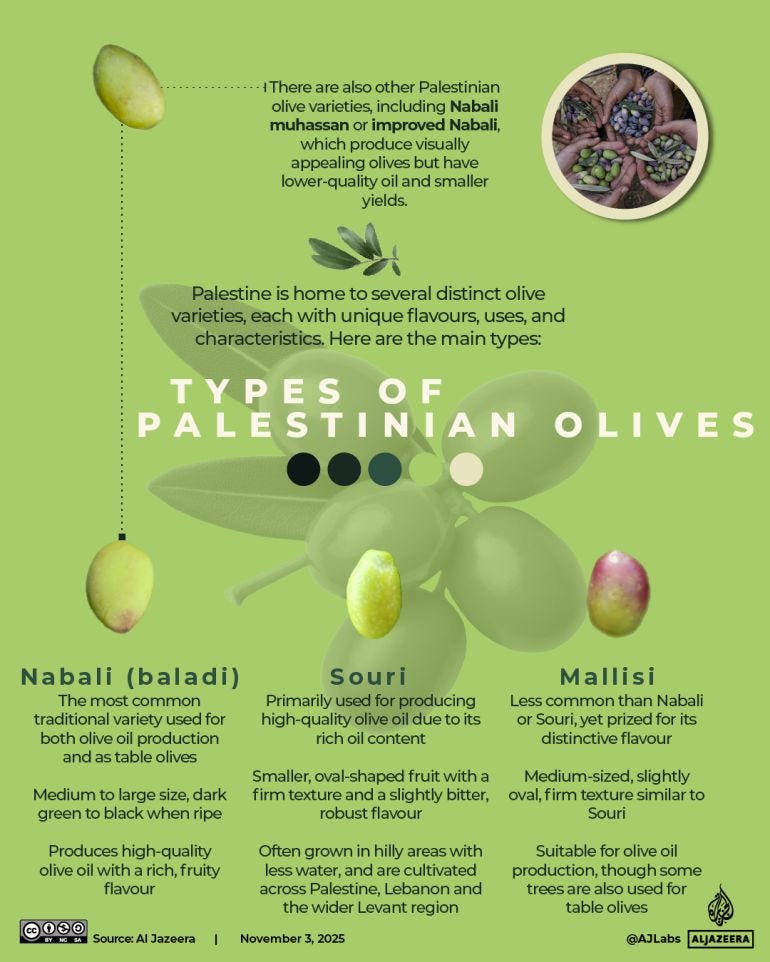
Palestinians use olives predominantly for oil, but every part of the tree finds a purpose:
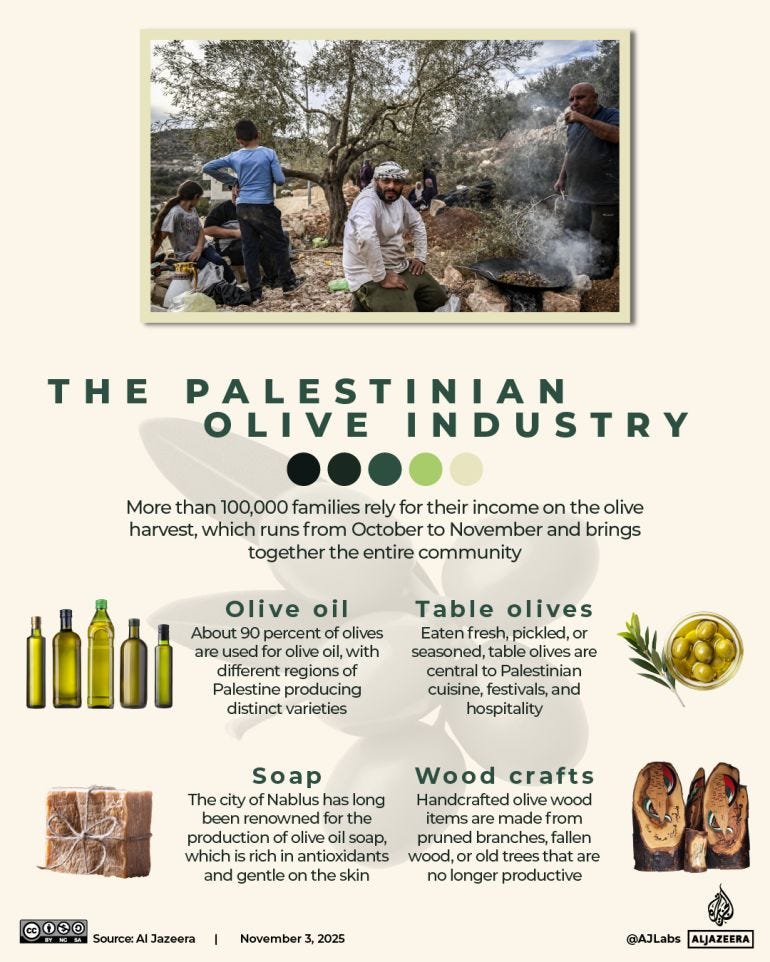
One thousand years, JEWS. For one tree!
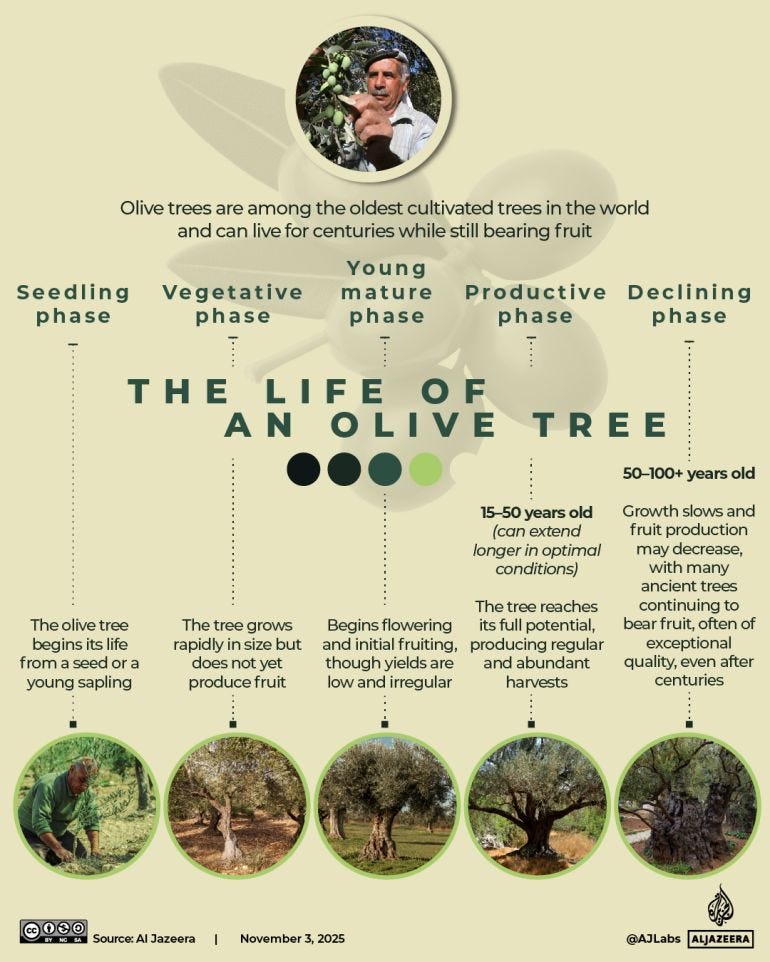
Many olive trees in Palestine are more than 1,000 years old, while a few are believed to be older than 3,000 years.
Olive trees flourish in a Mediterranean climate and, once established, are highly resilient and drought-tolerant.
Olive trees usually alternate between “heavy” years with abundant fruit and “light” years with less olives, a cycle influenced by climate, soil and tree care.
The graphic below illustrates the development of an olive tree, from a fragile young sapling to a fully mature and resilient tree.
Ahh, this is such a fucked up Jewified world, man, that you can’t go anywhere on the globe without running into their parasitic subhuman ways.
Looted dirty fucking art my ass:
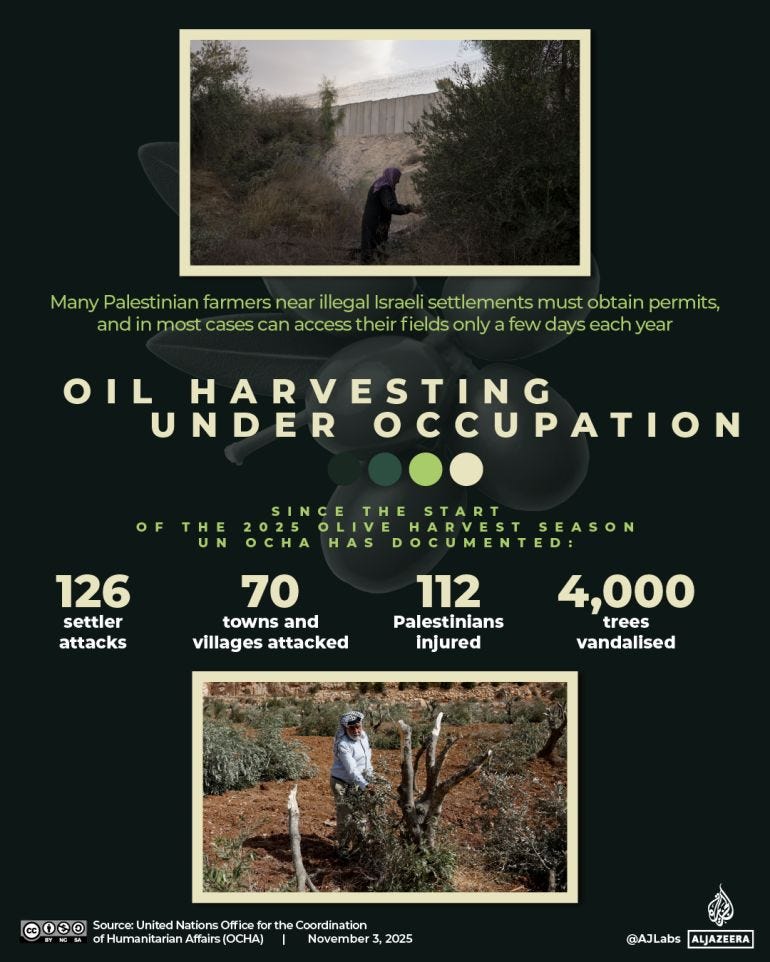
Since 1967, the Israeli authorities have uprooted 800,000 Palestinian olive trees in the occupied West Bank.

IOF in Mississippi:
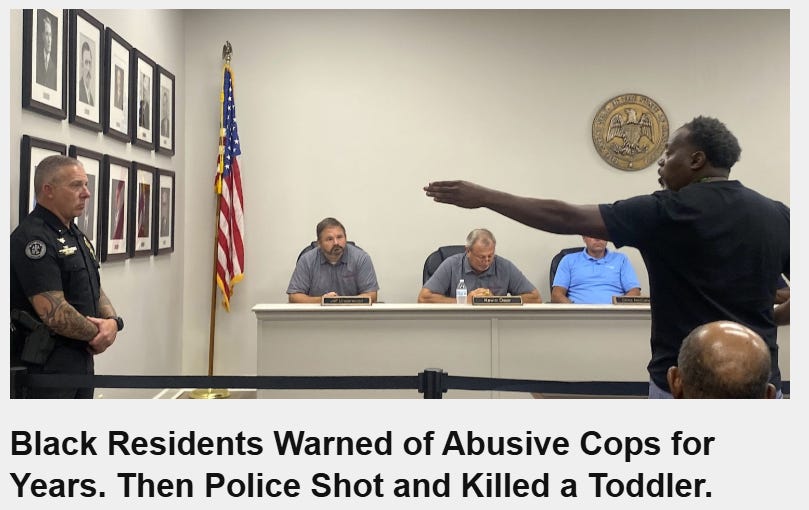
Gazafication, man, the Jewification of ICE:
Congress Might Give ICE the Power to Go After Shoplifters
A bill intended to halt the supposed threat of “organized retail crime” would put ICE in charge of the federal response.

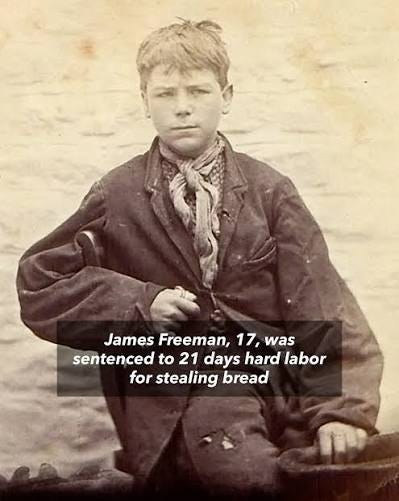
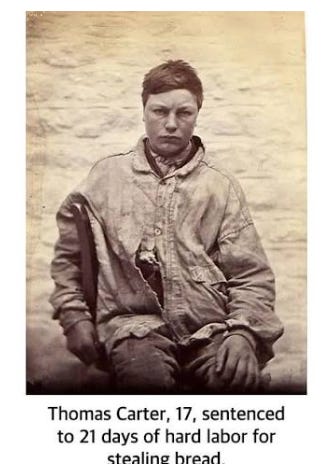
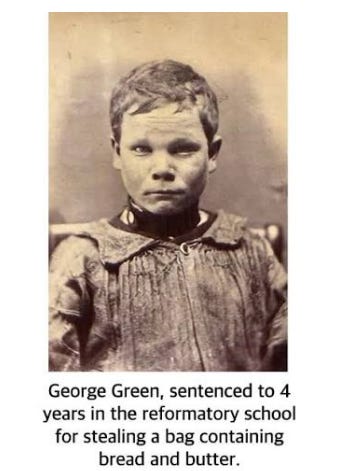
There you go, the prison time for a loaf of bread stolen from a store:
The Combating Organized Retail Crime Act, or CORCA, was introduced by Sen. Chuck Grassley, R-Iowa, last year with wide bipartisan support. The bill is aimed at limiting coordinated retail theft and shoplifting, which lawmakers allege is happening at “unprecedented levels” as organized criminal gangs steal merchandise from stores and resell the goods online. According to the legislation, the perpetrators “are often polycriminal organizations, using profit from the reselling of stolen goods to support crimes involving drugs and weapons trafficking” while facilitating “human smuggling,” all of which is “funding nefarious groups and activities and threatening the integrity of the international economy.”
The bill would give Immigration and Customs Enforcement authority to coordinate federal efforts against large-scale shoplifting. ICE would establish a so-called “Organized Retail and Supply Chain Crime Coordination Center” that would bring under one roof analysts and agents from myriad agencies, including the FBI, Drug Enforcement Administration, U.S. Customs and Border Protection, and Secret Service. The goal is to centralize investigative data and establish “a secure system for sharing information regarding organized retail and supply chain crime threats by leveraging existing information systems at the Department of Homeland Security and the Department of Justice.”
It’s unclear if ICE agents themselves would have the authority to confront alleged suspects. DHS and ICE did not immediately respond to a request for comment.

[John Webb 13, was given 21 days hard labour at Wandsworth prison for stealing 4 loaves of bread and a pot of jam. 1872]
Civil libertarian groups are disturbed by legislation they say constitutes a major expansion of domestic surveillance and policing by DHS, which was founded largely to tackle matters of counterterrorism, civil defense, and other matters of national safety, and ICE, whose purview is immigration enforcement and transnational crime.
Jina John, senior policy counsel for AI, privacy, and technology at the ACLU, told The Intercept the bill could grant DHS increased surveillance powers. “This would formalize a mechanism for retailers to share data about consumers with DHS as well as state and local authorities relating vaguely to ‘threats,’” she said. “The risk here is that when retailers share information, it’s not a specific clip of footage related to a specific theft, in practice, they are sharing continuous footage. That means access to FLOCK license plate readers in retail parking lots and surveillance cameras at stores and malls.”
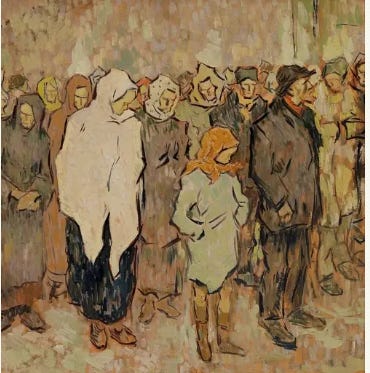
JEWS man, fucking JEWS:
- The Customer: Rami Feinstein, an Israeli-American singer-songwriter, stated he was ordering food for his family when the exchange occurred. [1]
- The Employee: Arianna Hamilton, a crew member at the restaurant, engaged in the verbal exchange caught on video. [1, 2]
- The Trigger: Feinstein stated he was from Israel and revealed a Star of David necklace, prompting Hamilton to say “Free Palestine”. Feinstein recorded her repeating the phrase, requested a refund, and left. [1, 2]
- The Complaint: Feinstein posted the video online, questioning whether Burger King was a safe environment for Jewish customers. [1]

FUcking 19 million rats, man, these fucking home-wrecking, fucking supremacist JEWS:
Burger King later issued a statement saying it was “very sorry” about the experience and that its restaurants are a place “where everyone should feel welcome, respected, and free from discrimination”.
“We have no tolerance for antisemitism, hate, or discrimination of any kind. We are working with the franchisee that owns and operates this restaurant to address this situation,” the statement continued, appearing to conflate Hamilton’s words on Palestine with anti-Jewish rhetoric.
Hamilton, who was fired from her job over the incident, took to social media to give her own account. In the video, Hamilton said that her question was not about the customer’s nationality.
“That man did come in very aggressively. I did not ask him where he was from… like, originated from. I asked him where is he from, from the Lehigh Valley. We get a lot of people from a lot of different places: New York, New Jersey,” she said in the video posted to Instagram.
“He did originally say he was from New Jersey, and we stopped it at that, until he took out the Star of David from his shirt and said, ‘I’m Israeli. I’m from Israel’. And that is what got me to say ‘Free Palestine,’” she continued.
Hamilton added that she was did not want to be silenced on the matter.
“Absolutely, I wasn’t going to back down on “Free Palestine” when he put the camera in my face. That’s just not who I am. I will forever speak on my views. Just… and I will never be scared to say what I think.” she said.
Accompanying the post was an appeal by Hamilton for donations to help cover her living costs while out of work.
By the time of publication, the fundraiser had amassed more than $127,000, with supporters on social media urging more support for the former Burger King employee.
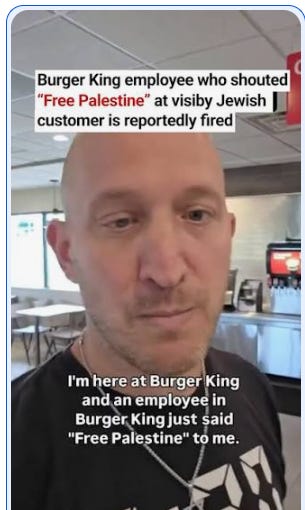
PARASITE! Most look the same without pulling out their fucking star of genocide.

She is a hero (note the fucking white monster bitch trying to stop the hero, white ghost with her slave owning face!)

Two of the Jews’ biggest anal cavity receptors:

Rubio Is Trying to Keep Leftists Out of U.S. by Banning Supporters of “Economic Sabotage”
Matt Sledge
A new State Department policy about “far-left terrorism” could spark a crackdown on Boycott, Divestment, and Sanctions activists.

You got these cunts, man, these fucking cunts:
Democrats say the Trump administration’s new Medicaid work requirements — especially the narrow definition of who can get an exemption for medical reasons — are way too harsh.
Conservatives contend they’re not tough enough, and have convinced some Republican-led states to be even stricter.
Note the fucking MORMON country:
The federal government gave states the option of allowing people to stay on Medicaid through 2027 if they declare themselves too sick to work, with verification starting in 2028. But at least eight states are rejecting that grace period and demanding proof earlier. Starting in January, Arkansas, Idaho, Indiana, Iowa, North Carolina, North Dakota, Ohio, and Utah will impose work rules stricter than those the administration is requiring.
Their decision underscores many conservatives’ belief that the expansion of Medicaid under Obamacare covered too many people that they consider unworthy of support, such as non-disabled, working-age adults without children. Democrats and advocates for low-income people say the harsher enforcement will cause many more sick people to join the ranks of the uninsured faster, putting the burden of caring for them on already-strained emergency rooms and public health clinics.

Hilarie Matlock, the policy director for the advocacy group Idaho Voices for Children, said uninsured sick people will face a Catch-22: they can’t get Medicaid without first seeing a doctor to get proof of their condition, but they can’t afford to see a doctor without insurance.
Self-attestation, she noted, has long been accepted in Medicaid for things such as income, and she disagrees with conservative advocates who view it as a loophole.
“It is not simply taking a person’s word for it,” said Matlock. “It is a sworn statement made under penalty of perjury.”
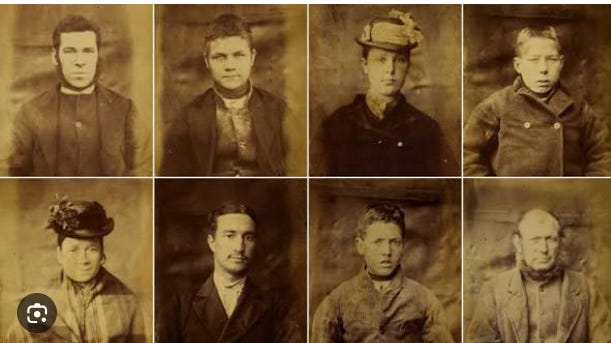
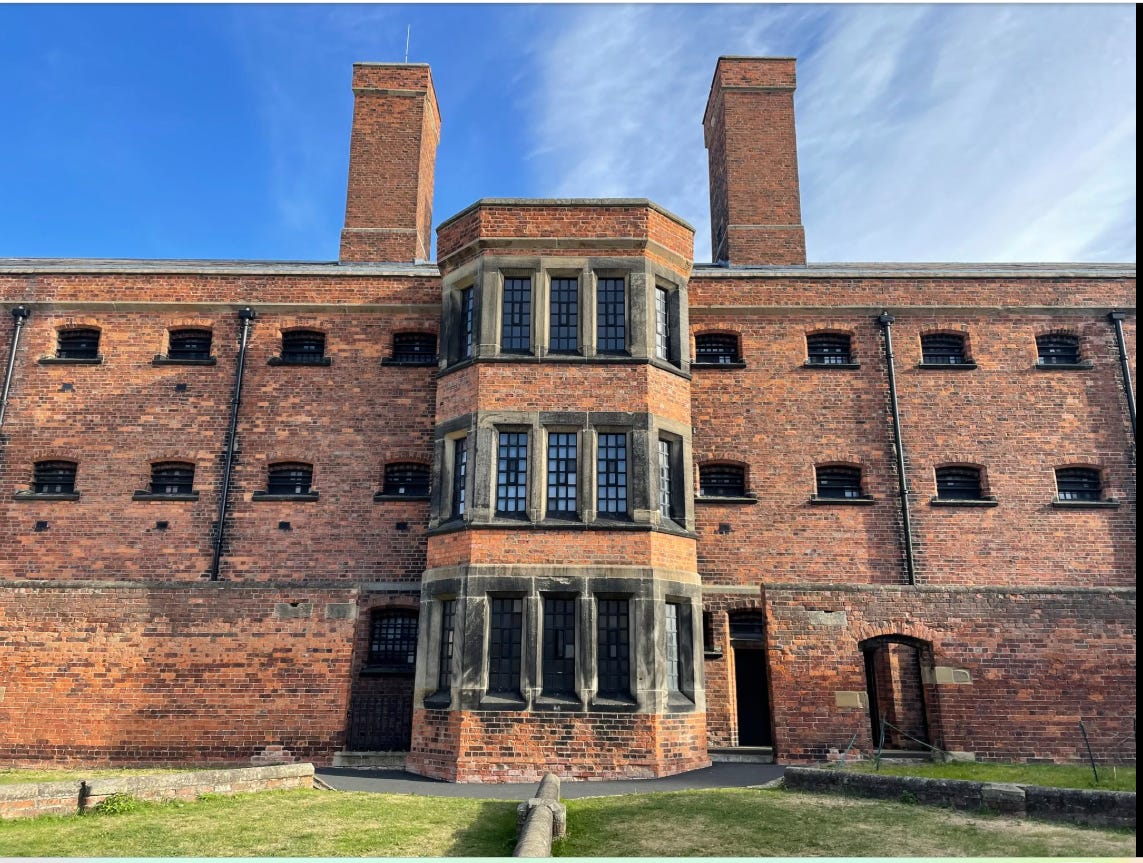
Lincoln Castle in UnUnited InBred Queen-dumb.
Did you know that children were also held here in the Victorian Prison?
William Maxstead was only 10 years old when he was imprisoned here for 24 hours and received 10 lashes of the rod. His crime was stealing some eggs.
“Purchase a Castle Day ticket this half term and discover the stories of some of our prisoners. Enter the cells, and find out more about life behind bars in the Victorian Era.”
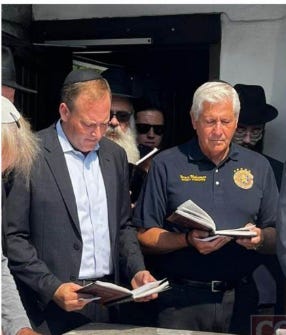
Here’s another fucking parasitic Jew:
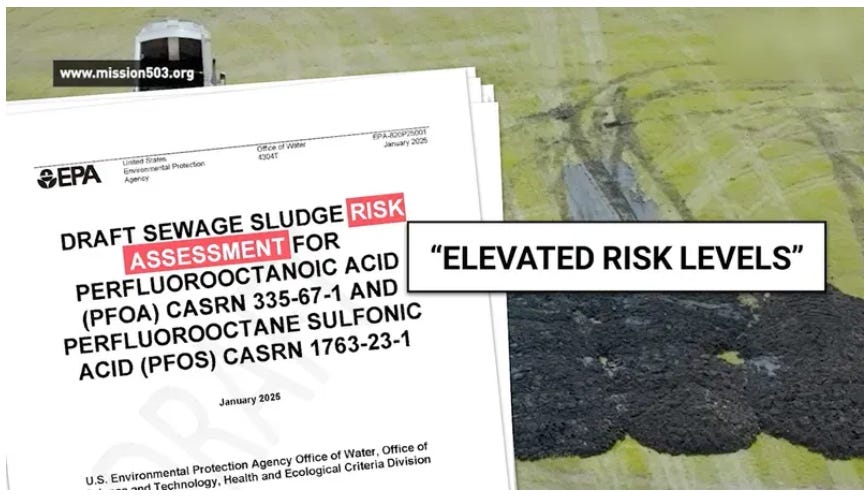
What drove EPA to toss its own risk assessment of PFAS toxins in sludge? We found out

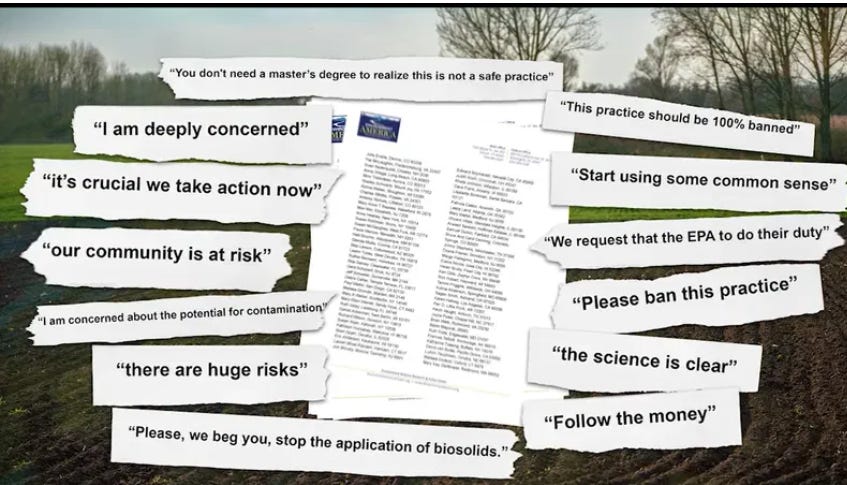
The comments urging the EPA to keep or even strengthen its risk assessment came primarily from farmers, individuals, environmental organizations, and included letters representing more than 15,000 members of the public.
This JEW, how much in reparations, in the trillions, for his perverse decision?
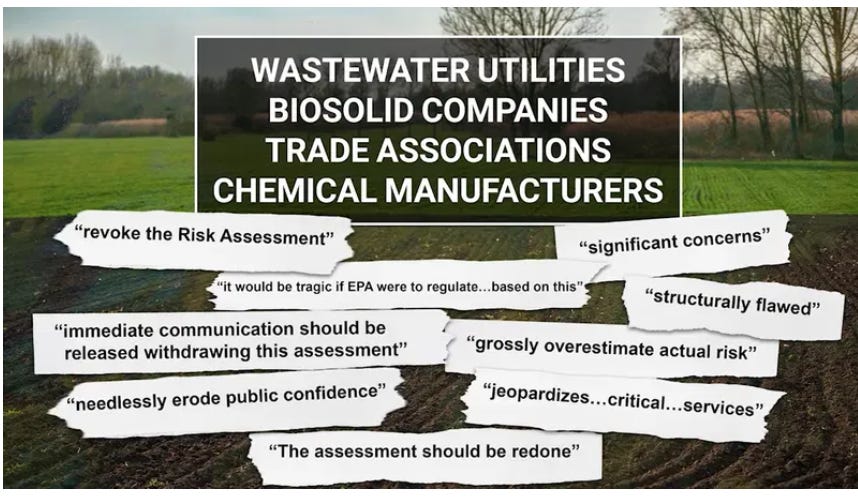
The divide couldn’t have been clearer, and in the end, the EPA adopted the position industry had been urging. The risk assessment was scrapped.
It was a troubling development for Bennett, who spent 10 years inside the EPA, and today, and now leads science policy with Public Employees for Environmental Responsibility.
By withdrawing the risk assessment that was done under the Biden administration, they are delaying any kind of real regulatory action,” Bennett said.
We asked her what Lee Zeldin meant when he said the agency was listening to public comment.
“I think what they care about is industry,” she replied. “And I think that’s despicable because EPA’s mission is supposed to be to protect human health in the environment.”
ASK Jew-oogle AI what the long-term health implications and COSTS this Jew’s actions will unleash? You won’t get an answer.

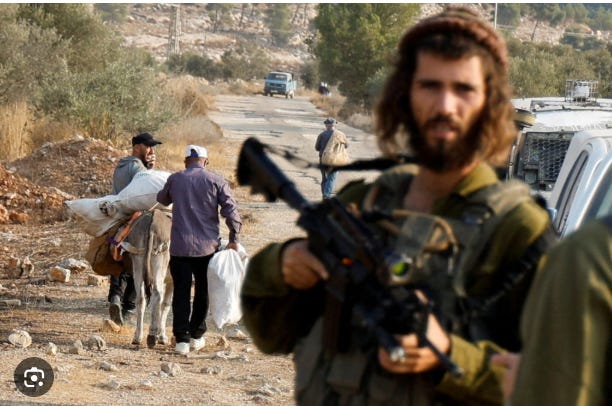
IDF soldiers who served in the West Bank tell Haaretz how settlers in local army battalions, though formally subordinate to the military, are using IDF operations to actively fuel friction with Palestinians.

‘Lords of the Land’: Israeli Soldiers Describe How Settlers Manage Military Reality in the West Bank
GOD. ENOUGH of GABOR and MAX Blumenthal. ALL fucking Israeli Jews are the sign of the devil, the darkest perversions on earth. Goddamn, Jew Mate, shut the fuck up.
Netanyahu is “one of the darkest minds on the world stage right now”
Renowned physician and author Dr Gabor Mate appeared on The Grayzone to give his opinion on Israel’s ongoing assault on Gaza, occupied Palestine.
He criticised Prime Minister Benjamin Netanyahu’s calling Israel’s war on the besieged strip “a struggle between the children of light and the children of darkness”.

“Israel has no interest in Gaza being rebuilt; it is better for us that it be destroyed for generations to come.”
A former head of Israel’s National Security Council has called for Gaza to remain devastated for decades, openly presenting Palestinian despair and destruction as desirable outcomes after Israel’s genocide in the enclave.

-[Three fucking miysvah amigos.]
Retired Major General Giora Eiland told Israel’s 103FM radio station on Sunday that rebuilding Gaza would run against Israeli interests.
“Israel has no interest in Gaza being rebuilt; it is better for us that it be destroyed for generations to come,” Eiland said.
“The greater the despair in Gaza and the greater the destruction, and the greater the monument to what they did on October 7, years to come, that is good” he added.
Eiland, a secular Israeli nationalist aligned with opposition politician Avigdor Lieberman, opposes Prime Minister Benjamin Netanyahu politically.
Yet his prescriptions for Gaza have frequently gone beyond Netanyahu’s publicly declared policies.

The face of Palantir is the Mitzvah Monster Karp!!


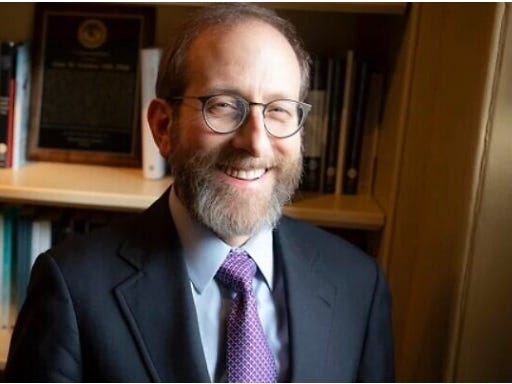
Jews: Harvard’s New President is a Jewish Doctor – Atlanta Jewish Times.
Harvard withheld annual raises and performance bonuses from unionized academic workers across the University this summer, prompting Harvard Law School clinical instructors to file an unfair labor practice charge late last month alleging the move violated federal labor law.
Union representatives said they knew of no Harvard Academic Workers-United Auto Workers members in the Faculty of Arts and Sciences, Harvard Medical School, or Harvard Divinity School who received the raises awarded to non-union employees.
At the Wyss Institute for Biologically Inspired Engineering, employees represented by HAW-UAW were informed by the institute’s human resources department that they would not receive the annual performance bonus or the July 1 salary increase, according to an email obtained by The Crimson.
The charge, submitted on behalf of HLS clinicians in the smaller of two bargaining units within HAW-UAW, accuses Harvard of unilaterally changing established wage practices more than two years into negotiations for an initial contract.
Note: Always the word “zionist” when in fact, 320 Jewish Billionaires are in on this one.

The success of the noxious Millennial Reich politics that’s now being pushed by the Zionists depends on politically conscious Americans staying divided and inert. For the imperialist regime to recalibrate after Iran’s victory, and pivot towards a new offensive on China, it will need to redirect popular discontent so that nothing comes from all the present outrage. The masses as a rule are against bankers’ wars; the elements pushing the assault on China are the amoral tech nerds, the Israeli transplants who need a distraction from the Gaza genocide, and the petty-bourgeois boomers who never gave up the War on Terror ideology. Therefore the only way to implement the plans for ramping up Washington’s global offensive is through rolling over what the bulk of the people want. Dissent must be crushed, and the conscious masses must not be allowed to gain collective organization.
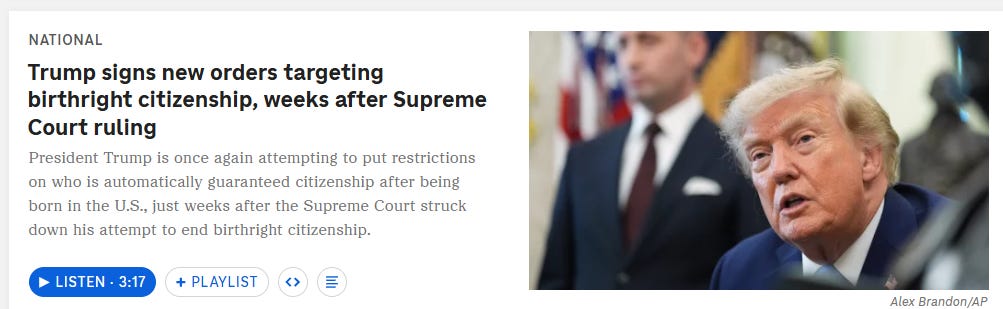
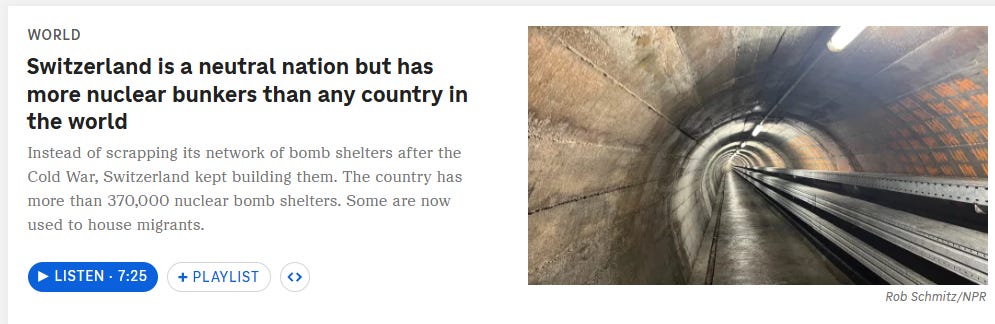
WINNERS take all. And something about the Republicans and Trump LLC and VD Vance are cowering? The white man’s sickness a la Switzerland.
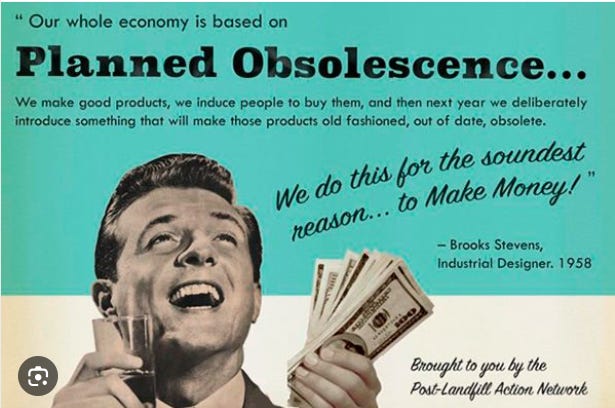

Real estate broker Bernard London coined the term “planned obsolescence” in his 1932 pamphlet, Ending the Depression Through Planned Obsolescence, intending it as a government-forced mechanism for replacing worn goods. Although industrial designer Brooks Stevens later popularized a consumer-driven definitioReal estate broker Bernard London coined the term “planned obsolescence” in his 1932 pamphlet, Ending the Depression Through Planned Obsolescence, intending it as a government-forced mechanism for replacing worn goods. Although industrial designer Brooks Stevens later popularized a consumer-driven definition in 1954, London is credited with the original concept during the Great Depression.n in 1954, London is credited with the original concept during the Great Depression.

As one looks to the future, it is possible to see that consumer Behaviour will be driven by three trends converging at once: the further embedding of AI decision-making into our lives, the growing psychological imperative for human connection in a world that is increasingly digitally saturated, and the growing imperative for consumers to support brands that contribute to our individual well-being, not exploit our psychological weaknesses.
Neuromarketing and Behavioural economics will continue to have more influence on how brands shape their digital environments, but only those brands that utilize this information for ethical purposes to help reduce friction and deliver actual value to consumers will be successful. Consumers of the coming years will not only reward ethical brands, but they will also punish unethical ones to the point of abandonment.
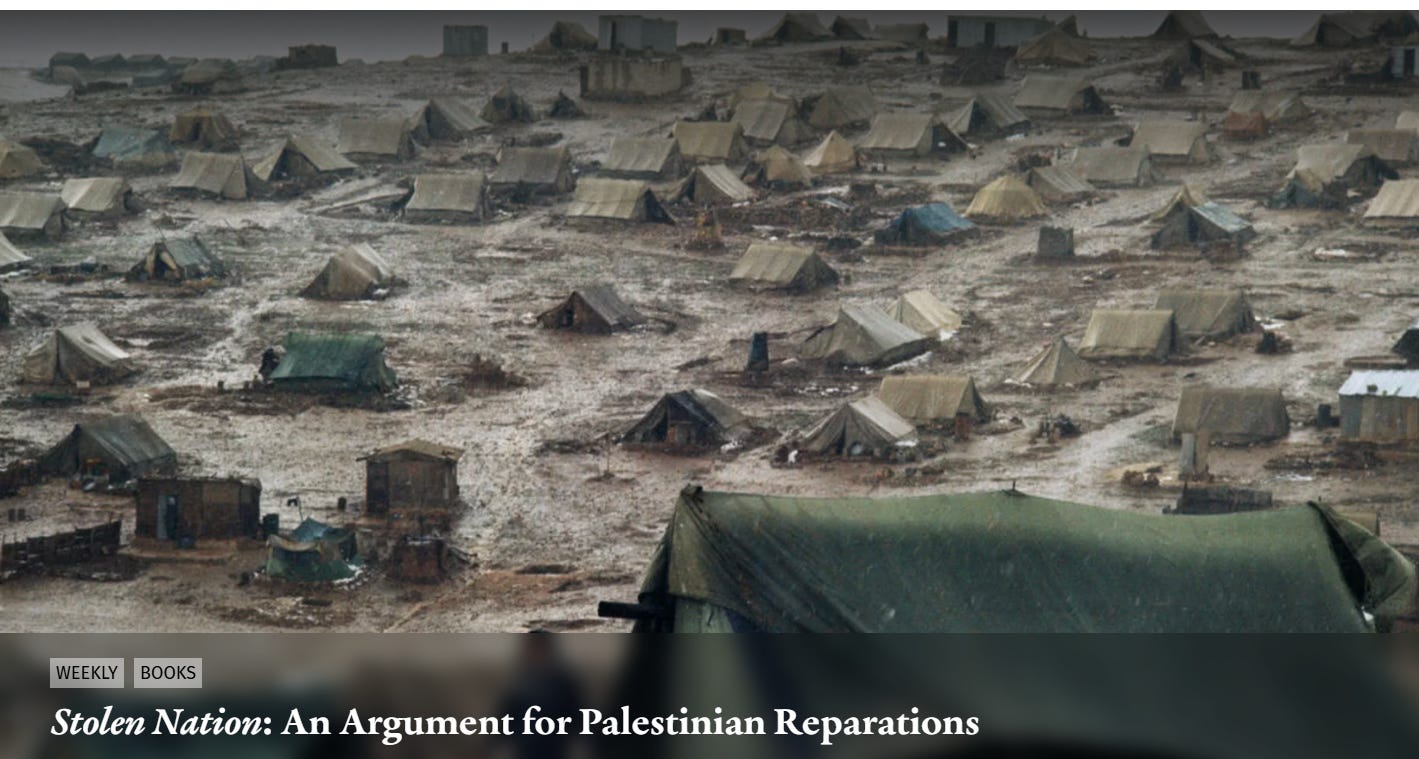
The JEWS have stolen for centuries. Thousands of years…..
Historically, Palestinian refugees have been treated as an afterthought, or worse, an inevitability.
Between 1948 and 1967, the Palestinian struggle was commonly referred to in the West as “the Arab refugee problem,” as though it were nothing more and nothing less than a question of humanitarian aid and resettlement programs, required for an amorphous group of people in the region. UNWRA was then, as it is now, almost 80 years later, the lifeline of support for around 750,000 Palestinians forcibly displaced by the Nakba of 1948, with 325,000 joining their ranks in the Naksa of 1967.

The past 15 years have seen a staggering rise in the number of refugees and forcibly displaced persons globally, with 123.2 million people having been displaced (1 in every 67 people) by the end of 2024, a figure that includes 42.7 million refugees displaced across borders. Back in 2003, Al-Awda, The Palestinian Right to Return Coalition, reported that “one in three refugees worldwide is Palestinian.” This is probably no longer the case, not because the number of Palestinian refugees globally is lower (it is estimated now that there are 5.9 million who are eligible for UNWRA services alone), but because the global picture in general has become mind-blowingly worse.
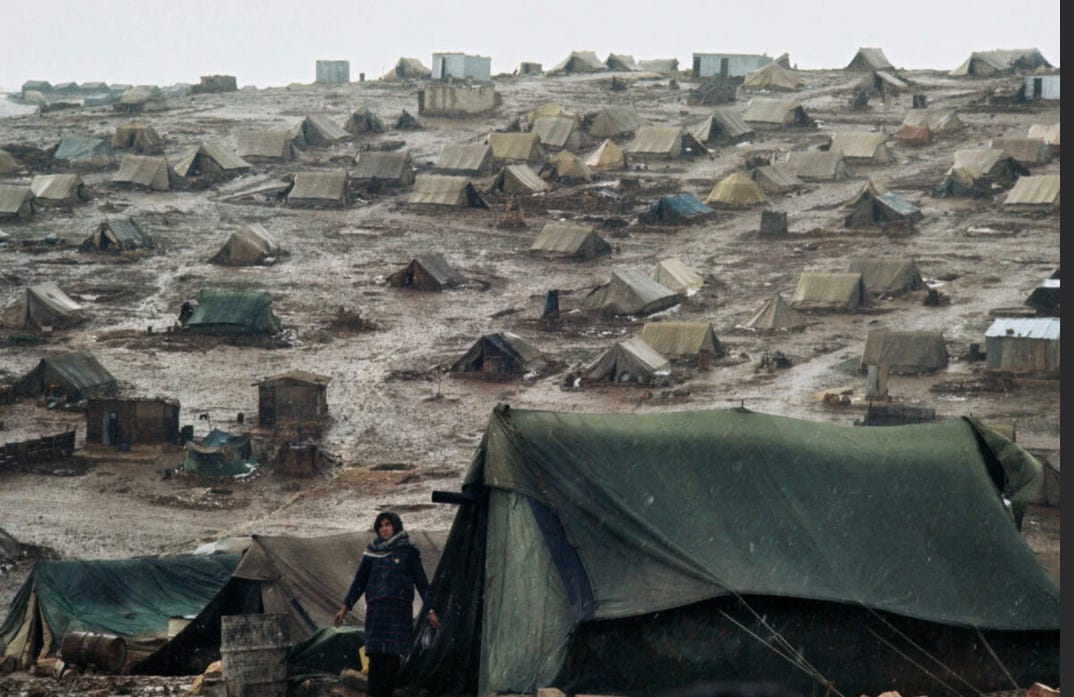
When it comes to negotiations over Palestine, however, several decades of refugee rights have been shunted aside. During the Oslo peace process, they were relegated to final status negotiations, dealt with pragmatically and then abandoned. While some fine reports and studies were prepared for the negotiations, these never got off the ground. The “issue” of millions of lives, their rights, losses, and aspirations have been kicked into the long grass. The cramped and insalubrious conditions in the 58 camps in the West Bank, Gaza Strip, and neighboring Arab states, where nearly six million Palestinians eke out a precarious existence, have deteriorated year by year. The vulnerability of Palestinian refugees is as pronounced as the intransigence in resolving their fate.
Violence and sieges have led to mass displacement at Nahr el Bared in northern Lebanon in 2007 (home to 31,000 refugees), as have massacres in Yarmouk camp in Syria in 2015 (home to 18,000), and recent killings in Ein el Helwah camp in southern Lebanon, where many residents of Nahr el Bared had already been displaced in 2007. This is without even mentioning the decimation of camps (Jenin, Tulkarem, Nablus) in the West Bank since 2023 and the genocide in Gaza, where 66% of the population are refugees.
Resettlement, or “tawteen” in Arabic, became a dirty word, as it was construed as a negation of a right of return.
In its most recent report of July 2025, UNWRA detailed the “devastating Israeli response” following October 7, 2023, “and resulting humanitarian catastrophe” in which “at least 315 UNWRA personnel have been killed in Gaza and over 300 installations have been damaged or destroyed.” The report goes on to list additional Israeli measures to throttle the agency: the closure of the East Jerusalem office, the imposition of a “no-contact” policy, the exclusion of staff, and obstruction of aid delivery. The current funding crisis is of a radically different magnitude, following the suspension or reduction of funding by several key donors, the report continues soberly. What is being described here is a liquidation policy, not just of an agency, but of the people who have no option but to be dependent upon it. As I write, US plans for Gaza are cutting UNWRA out of humanitarian relief proposals for the Strip.
Historically, solutions for Palestinian refugees have fallen into two main camps: return or resettlement. Both options have met with considerable political intransigence. While Israel has rejected the idea of return outright, the states where most of the refugee camps are based have, in the main, prohibited resettlement. Resettlement, or “tawteen” in Arabic, became a dirty word, as it was construed as a negation of a right of return. The Arab League took a stand in the 1950s, declaring that Palestinians have both the aspiration and the right to return to their land, thus giving Arab host states an ideological basis for not naturalizing Palestinians. The idea was to keep their political identity distinct while at the same time affording them economic and social rights in their Arab host countries. And yet most states have frequently fallen short of honoring the latter part of this commitment. Jordan alone chose to grant nationality to most of the Palestinians living within its borders.
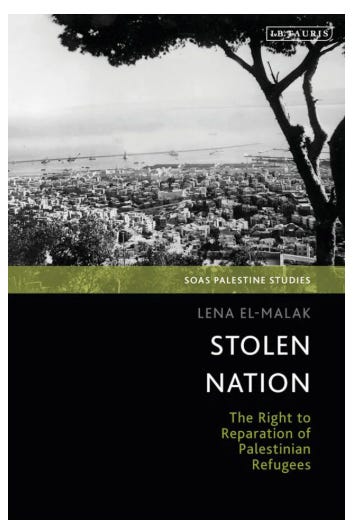
Against this background, Lena El-Malak’s Stolen Nation is a refreshing, robust, and comprehensive examination of one neglected and frequently misunderstood aspect of the Palestinian refugee “question”: that of reparations. The book builds, in part, on Sami Hadawi’s 1988 work, Palestinian Rights and Losses in 1948, as well as Salman Abu Sitta’s various works mapping the possibility of return. El-Malak uses Atif Kubursi’s valuation of Palestinian material losses, which he put at US $22.5 billion in 2000. Raja Shehadeh’s seminal studies of Israeli laws that affect land expropriation in Palestine are also drawn from in the earlier chapters.
El-Malak, a technology and data privacy attorney in London, is also an expert in public international law and refugee law. She clearly delineates the focus of her research in the introduction. Only refugees from 1948 are to be considered and the questions are set out as follows:
How did Israel proceed to expropriate property belonging to 1948 Palestinian refugees? What are the legal grounds for the Palestinian refugees’ right to reparation for loss of, or damage to, property? Which legal avenues can be used by these refugees, or their legitimate representative, the observer State of Palestine, to invoke the right to reparation? What are the forms of reparation available under international law, and what are the legal obstacles to the enforcement of a right to reparation? And finally: How have Israeli-Palestinian negotiations addressed the issue of Palestinian refugee property claims?
The two main forms of reparation for property losses are restitution and compensation, with restitution being the preferred option under international law. Compensation “can only be considered an alternative to restitution if the refugees voluntarily choose compensation over restitution or when restitution is ‘factually impossible,’” writes El-Malak. And yet, she goes on to argue that “Israel’s resistance to implement return-based restitution, and the international community’s unwillingness to support restitution rights do not automatically make compensation an acceptable alternative to property restitution.”
The right to restitution goes beyond the original property owner and is passed on to their descendants. El-Malak refers here to the UN High Commissioner for Refugees (UNHCR) Pinheiro Principles, which urge states to include in their property laws all claimants legally entitled to the restitution of their housing, land, and property, including subsidiary claimants, such as “resident family members at the time of displacement, spouses, domestic partners, dependents, legal heirs, and others.” Examples as to when these principles have been applied include Bosnia, Kosovo, and South Africa. As for how reparations mechanisms might be used, El-Malak points out that mass claims tribunals offer the best venue for resolving Palestinian refugees’ property claims. The chapters of the book that focus on the implementation of property restitution, and the possibilities and challenges, and that provide various levers available to claimants, including potential lawsuits, are informative and serve as a basis for further research.
The legal obstacles are not insurmountable, says El-Malak, but it is the “political and ideological obstacles to return-based restitution that are much harder to overcome, particularly as Israel’s settler ideology continues to be one of territorial expansion and transfer.” Setting a precedent in eroding the Palestinian right to restitution risks compromising the rights of other dispossessed communities. Conversely, the provision of reparations can act as a deterrent to further injustice globally.
There are many admirable aspects of this densely researched book, not simply that the subject alone embodies an optimism of the will, given that it was published in the midst of the Gaza genocide. El-Malak untangles the Israeli government’s approach to the Nakba and expulsions of 1948, which are complicated to say the least. Israeli officials both deny and celebrate the Nakba at the same time, often using it as a threat of more to come, saying that they will have to “finish off the job.” Recently, international legal scholar Rabae Eghbariah argued that the ongoing Nakba provides a legal framework for Palestinian self-determination. Eghbariah insists on returning to the roots of the issue, pointing out that while 1948 may be receding temporally, it is more relevant now than ever. Lena El-Malak seems to agree. By contrast, the recent UNWRA report of July 2025 omits any mention of 1948, pointing not only to the scale of the divide between even sympathetic UN agencies and Palestinian claims, but also to the chasm between Palestinian legal aspirations and the overt hostility of the US government, which has openly pitted itself against the UN generally and UNWRA specifically.
Reparations should form a critical part of the Palestinian fight for international recognition, self-determination, justice, and liberation, which in turn means reinforcing the idea of the Nakba as the original wrong that needs to be righted. El-Malak’s book — to date the most comprehensive contemporary study of the subject — argues that even if international law prefers restitution over compensation as a reparation for property losses, the political refusal to allow for restitution, “does not automatically make compensation an acceptable alternative.” And “this is particularly true when the displacement and dispossession of refugees were part of a wider campaign of ethnic cleaning.” In those situations, she writes, “every effort to secure return-based restitution and reverse ethnic cleaning must be exhaustively exercised before pursuing any subsequent efforts which may rely on compensation based durable solutions to displacement.”
At a time when there is little evidence of any political will to find a solution that includes the Palestinians as equal partners in the search, many readers may question the relevance of international law at all. El-Malak anticipates this hesitation. “One of the aims of this book,” she writes, “is to draw international law into a realpolitik negotiation framework on the rights of Palestinian refugees, though international law and politics are inevitably intertwined. This is not to argue that international law is the magic formula that will bring about liberation. In fact, there is a lot of skepticism on the role of international law and valid criticism of the way in which it is used as a tool for the oppressor. It is, however, a tool that needs to be deployed more effectively, and it cannot be marginalized in the context of ‘peace’ negotiations, if and when these resume under the pretext of political realism.”
Stolen Nation deserves a wide audience, not just for those concerned with Palestine and dispossessed communities, but also for non-legal readers seeking inspiration for new routes for developing justice mechanisms in an increasingly violent and racist world. It is written with a succinctness and clarity that belies the extensive sources utilized to reach its conclusions. Restitution, El-Malak argues, is a claim that should be made, evidenced, and argued for. As El-Malak sets out, the erosion of these rights for Palestinians will have far broader consequences for global order as enshrined by international law. Which makes Palestinian rights an issue of fundamental importance throughout the world.

