

“Who doesn’t resist is closer to death.”
Apr 17, 2026
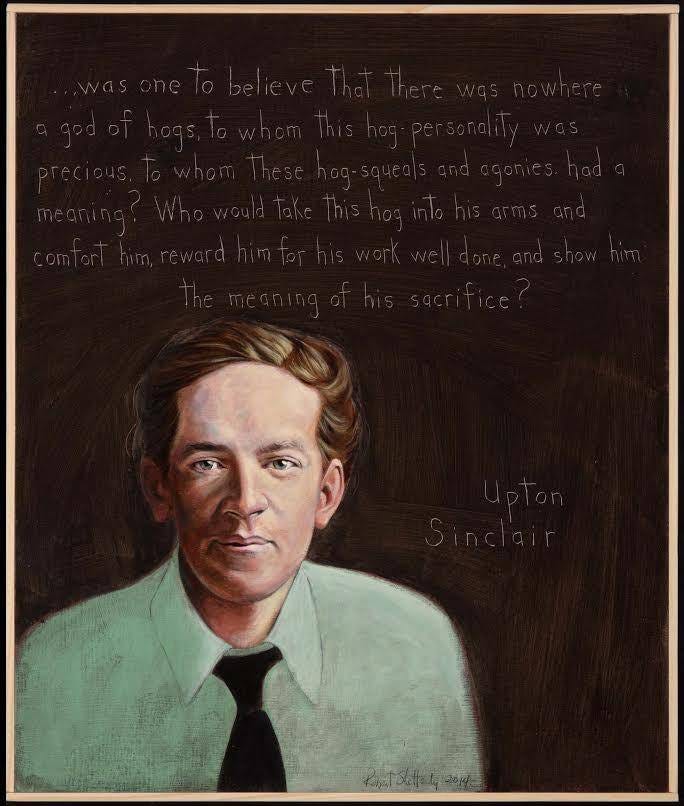
Of course, the US military machine is mean, not-so-lean, and so full of Eichmanns and Faustians, and those jobs, man, not just the missile warehouse and fancy office jobs, cut all the tertiary jobs and majors in universities, that’s why there will be continued fucking death in West Asia. A pause? No, strategy. Proving grounds, crash test dummy exploration, war and Iran and dead children fatigue, and alas, we got fucking the 250 years of lies USA birthday bash, so, DEI these death machine making operations:
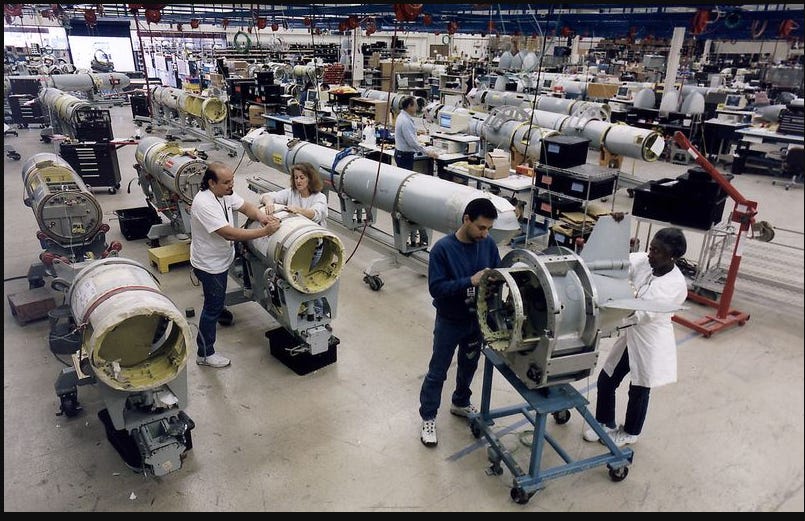
Fancy fancy Tucson, Arizona workplace:
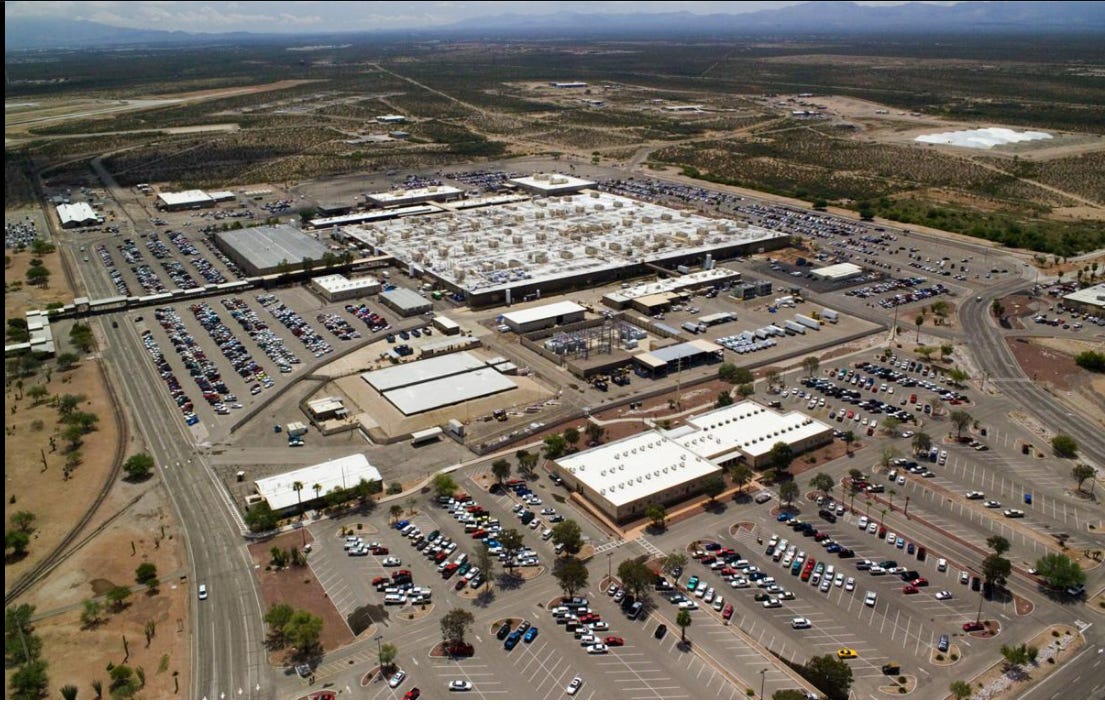
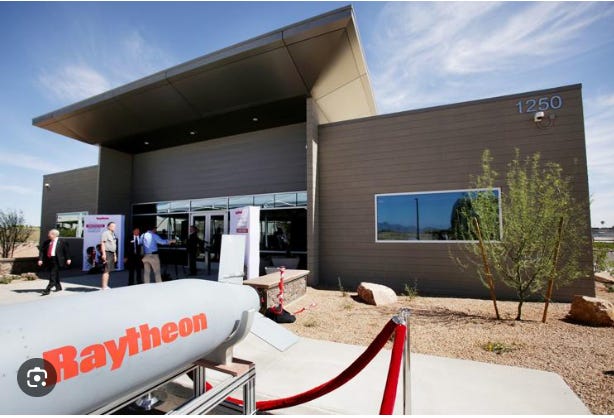
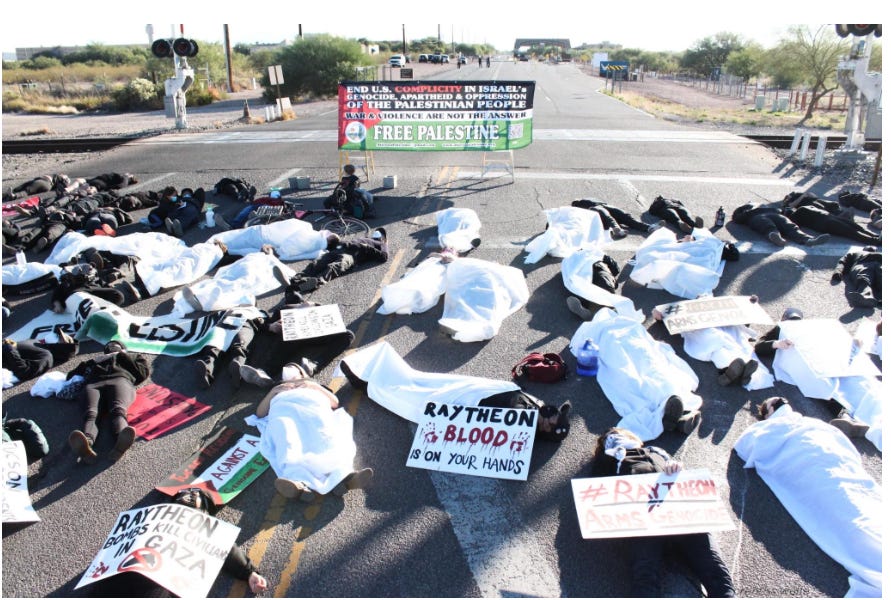
Raytheon, a subsidiary of RTX Corp., employs approximately 13,000 people in Tucson as of April 2026. It is the city’s largest private employer, with its operations centered primarily at the Tucson Missile Plant near Tucson International Airport.
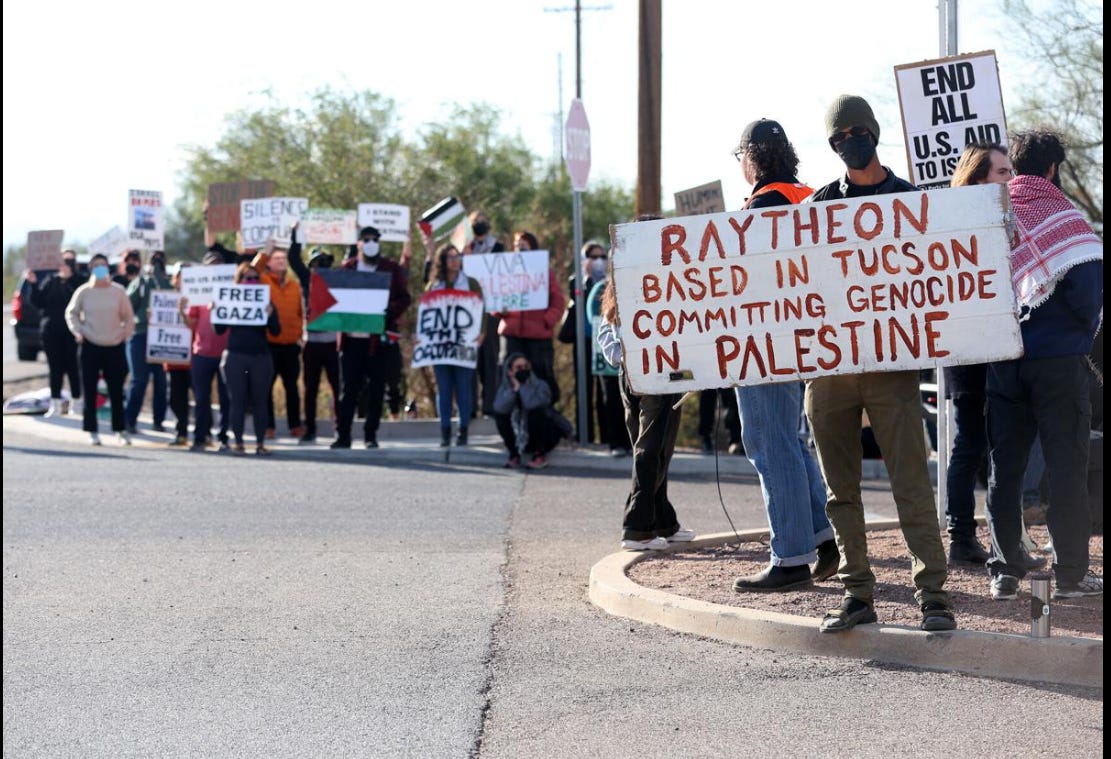
- Arizona Presence: Across the state, Raytheon employs roughly 15,000 workers, with the vast majority based in the Tucson area.
- Expansion Plans: Recent initiatives, such as a $20 million facility expansion announced in late 2025, are expected to add at least 150 new engineering jobs by mid-2026.
- Job Types: Approximately half of the workforce consists of engineers. Other roles include technicians, assembly operators, and administrative staff focused on precision weapons like the Tomahawk and AMRAAM missiles.
- Wages: The median wage for employees at the Tucson site is estimated at $71,800 per year
Professor Mohammad Marandi of the University of Tehran, who has close ties to the Iranian government, posted on X Friday that he believes there is a high probability that the U.S. and Israel will renew the war by blaming Iran for not honoring the agreement that Tehran never agreed to in the first place.
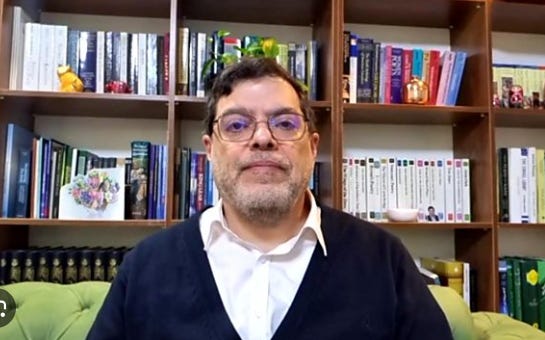
He posted on X: “Personally, I believe Trump is probably saying all this nonsense about agreements with Iran so that he can later claim, ‘Iran didn’t keep its promises’ – promises Iran never made. The chances of renewed murderous aggression from Trump and Netanyahu are high.”
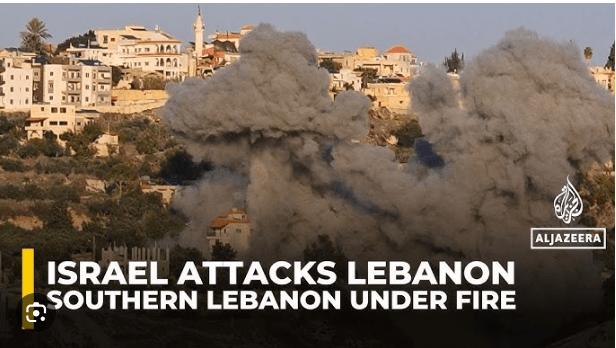
Top U.S. cities for military weapons manufacturing are concentrated in Texas, Arizona, and the Northeast, driven by major contractors like Lockheed Martin, Raytheon, and Boeing. Key hubs include Dallas-Fort Worth, TX; Phoenix, AZ; and Washington D.C./Arlington, VA, which anchor large-scale production for aerospace, missile, and defense systems.
Top Military Manufacturing Hubs
- Dallas-Fort Worth, TX: A dominant defense hub with over billions in contracts. It houses Lockheed Martin (Fort Worth/Grand Prairie), Raytheon (Dallas), and Bell Boeing.
- Phoenix, AZ: A fast-growing aerospace/defense hub with workers. Major employers include Honeywell Aerospace, Raytheon, and Boeing.
- Washington D.C. / Arlington, VA: The center for defense contracting, hosting major firms and agencies like DARPA.
- Colorado Springs, CO: Focuses on aerospace, defense, and NORAD support, with over 150 aerospace/defense companies.
- Groton, CT: A major center for naval defense, specifically submarine manufacturing by General Dynamics Electric Boat.
- Watervliet, NY: Home to the Watervliet Arsenal, the Army’s oldest active arsenal, known as “America’s Cannon Factory”.
Key Trends & Factors
- Relocation South/West: Gun and defense manufacturers are increasingly moving to Texas, Tennessee, and Florida, citing lower taxes, fewer regulations, and better business climates.
- Top States by Contract Spending: Texas (led by Lockheed Martin), Virginia, and California dominate Department of Defense (DoD) spending.
- Specialized Manufacturing: Connecticut remains a hub for high-end defense components, including helicopters (Sikorsky) and jet engines (Pratt & Whitney).
- Ammunition Production: Missouri (ATK/Vista Outdoor) is a key site for small-caliber ammunition production.
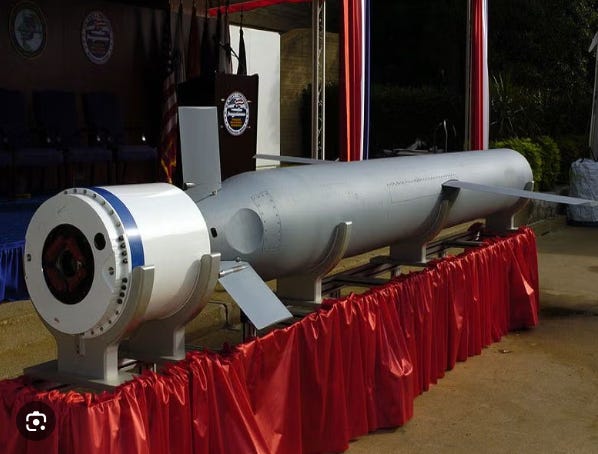
Key missile manufacturing locations include:
- Camden, Arkansas (Lockheed Martin): A major hub for producing PAC-3, THAAD, and GMLRS missiles.
- Pike County, Alabama (Lockheed Martin): Manufactures Javelin, JASSM, and THAAD missiles.
- Huntsville/Redstone Arsenal, Alabama (Raytheon/Boeing/Lockheed Martin):Produces Standard Missile-3 (SM-3) and Standard Missile-6 (SM-6).
- Tucson, Arizona (Raytheon): Hub for Tomahawk cruise missiles and other advanced systems.
- Courtland, Alabama (Lockheed Martin): A “digital factory” specializing in hypersonic strike production.
- Rocket Center, West Virginia (Northrop Grumman): Produces rocket motors and components at the Allegany Ballistics Laboratory.
- Louisville, Kentucky (Raytheon): Produces Phalanx, SeaRAM, and Rolling Airframe Missile launchers
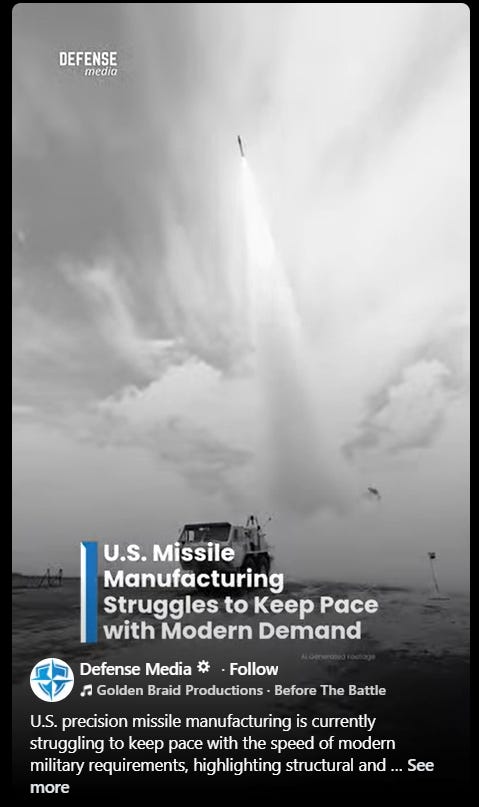
Military industrial complex? Uniforms or no uniforms?
Major Wars and Military Interventions
- Korean War (1953): Fulfilling a campaign promise, Eisenhower secured an armistice in July 1953, effectively ending the active combat that had begun in 1950 [11, 24].
- Suez Crisis (1956): After Britain, France, and Israel invaded Egypt to regain control of the Suez Canal, Eisenhower used diplomatic and economic pressure to force their withdrawal, avoiding a larger conflict with the Soviet Union [5, 24].
- Lebanon Crisis (1958): Under the Eisenhower Doctrine, which promised aid to Middle Eastern nations threatened by communism, Eisenhower deployed 15,000 U.S. Marines to Lebanon to stabilize a pro-Western government during internal strife [24, 28].
- Vietnam and Indochina: While he did not commit combat troops, Eisenhower provided massive financial and military aid to the French in the First Indochina War and later supported the new state of South Vietnam with billions in aid and military advisors [24, 33].
CIA-Orchestrated Coups and Covert Actions
Eisenhower authorized several covert operations through the CIA to overthrow regimes he perceived as pro-communist or threatening to Western interests:
- Iran (1953) – Operation Ajax: The CIA helped overthrow Prime Minister Mohammad Mossadegh after he nationalized the Iranian oil industry, reinstating the Shah to ensure Western oil interests [13, 16, 31].
- Guatemala (1954) – Operation PBSUCCESS: A CIA-sponsored coup ousted democratically elected President Jacobo Árbenz after his land reforms impacted the American-owned United Fruit Company [13, 31].
- Cuba: In his final years, Eisenhower authorized the training of Cuban exiles for an invasion to topple Fidel Castro, a plan that eventually became the failed Bay of Pigs Invasion under President Kennedy [5, 24].
- Congo(1960): The administration authorized covert operations in the newly independent Congo to counter Soviet influence, which included planning for the assassination of Prime Minister Patrice Lumumba [10, 22].
+—+
No school needed, cuz the offensive weapons companies will pay you on the spot:
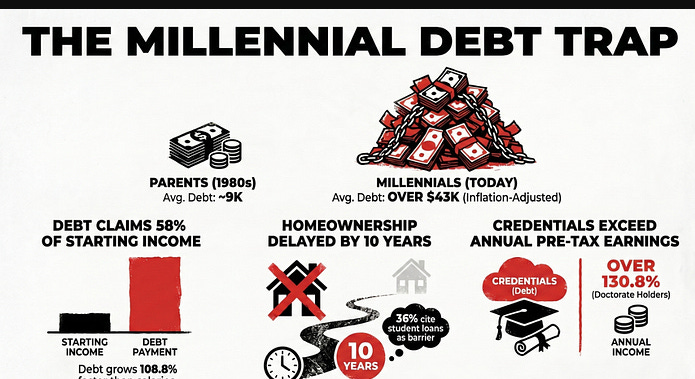
The average federal student loan balance for a Millennial borrower in 2026 is $40,438.
For borrowers in the 35–44 age bracket — Elder Millennials who took on debt before the 2008 financial crisis and have had less earning time to reduce principal — the average climbs to approximately $43,438.
Millennials as a cohort hold 46.6% of all outstanding student loan debt in the United States, despite representing a single generational slice of the borrowing population.
For comparison, inflation-adjusted tuition and borrowing costs in the 1980s placed the average student debt load for that era’s graduates at roughly $9,000–$12,000 in today’s dollars.
The jump from $9,000–$12,000 to $40,000–$43,000 is where the 430–480% figure comes from.
That range shifts toward 500% when using the upper end of current Millennial averages against the lower end of historical baselines.
Sources
- Education Data Initiative — Student Loan Debt by Generation (Feb. 2026)
- Education Data Initiative — Student Loan Debt Statistics (Feb. 2026)
- Education Data Initiative — Student Loan Debt by Income Level (Mar. 2026)
- Student Loan Planner — 2026 Debt Levels by Age
- Fidelity 2026 State of Student Debt Study
- Federal Student Aid — Repayment Assistance Plan
HR STUDIOS — Creating Award Winning Journalism
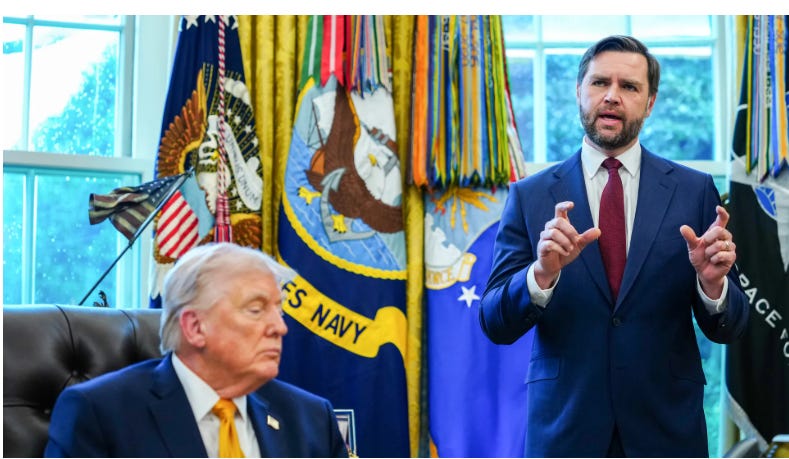
Deals Deals Deals —
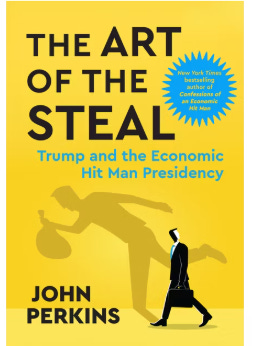
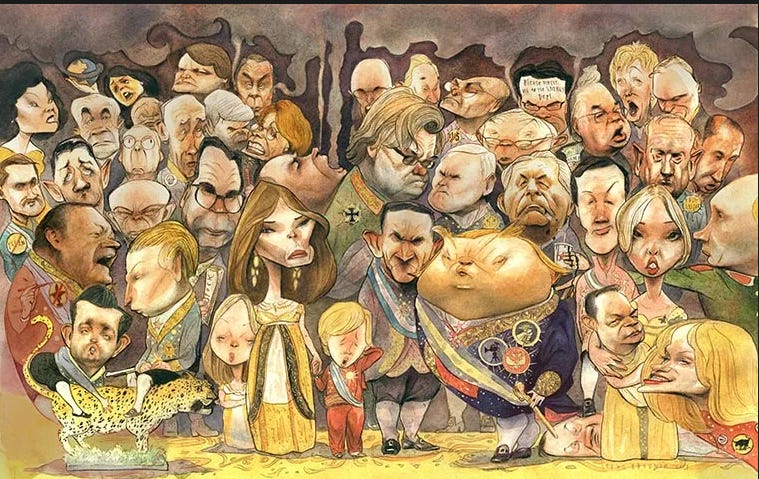
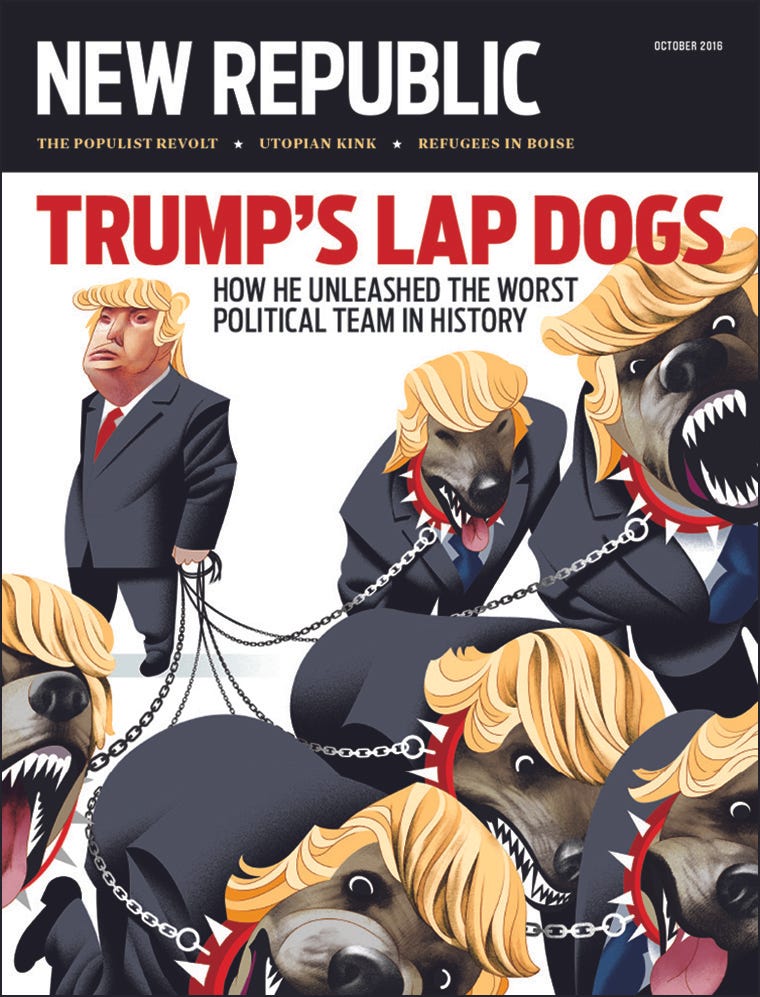
The Trump administration is working on a deal that would have Iran surrender its stockpile of enriched uranium in exchange for roughly $20 billion in previously frozen assets.
That’s a significant concession from Trump, who has been looking for a way to end his war as gas prices skyrocket and the November midterms draw ever closer.
Here’s what’s actually on the table. Iran is sitting on nearly 2,000 kilograms of enriched uranium, It’s not weapons-grade, but it’s close. The U.S. wants it shipped out of the country entirely. Iran has pushed back, preferring to “down-blend” it under international monitoring. The current compromise would send some of it to a third country and down-blend the rest.
The moratorium on enrichment is another sticking point. The U.S. started by demanding 20 years. Iran countered with five. They haven’t bridged that gap yet.
After the story broke, Trump posted on Truth Social that “no money will change hands,” though he didn’t specifically address the idea of unfreezing Iranian assets. That’s a pretty notable omission.
There are hawks on both sides who want this to fail. And some in Washington are already comparing any deal to Obama’s 2015 nuclear agreement that only gave Iran $1.7 billion, which Trump spent years attacking.

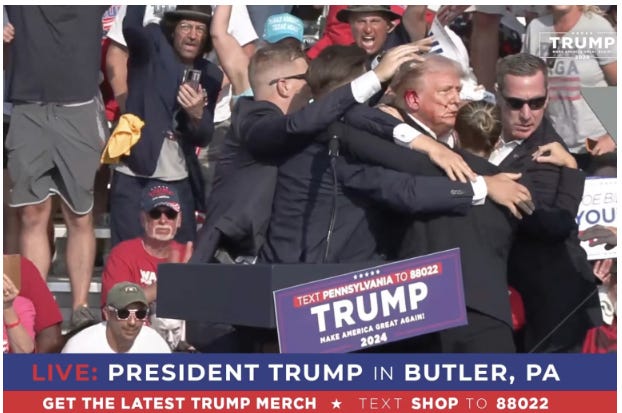
Something unusual is happening inside Trump’s base. A growing number of MAGA figures, including some who were once among Trump’s most loyal supporters, are starting to publicly entertain the idea that the 2024 assassination attempt in Butler, Pennsylvania, was staged.
This didn’t come out of nowhere. It started after Trump’s former National Counterterrorism Center Director Joe Kent, who resigned over the Iran war, went on Tucker Carlson’s show and suggested that investigations into the shooting had been shut down prematurely.
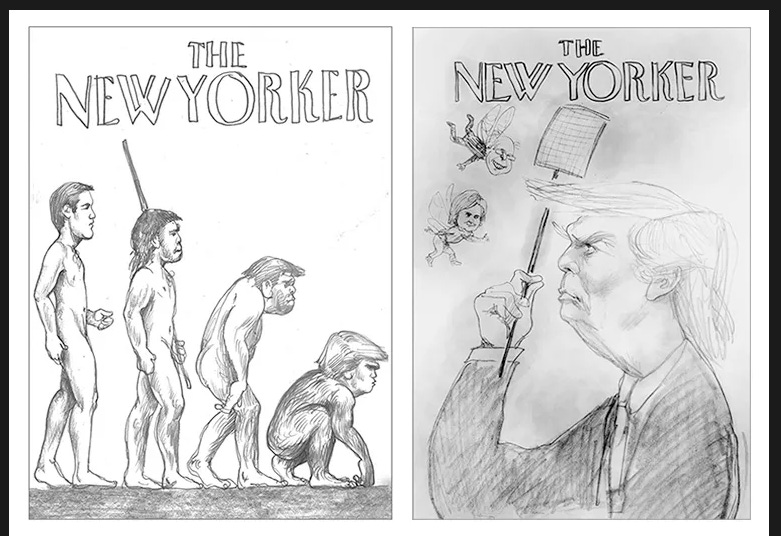
A Texas delegate from the 2024 Republican National Convention posted on X that Trump “has shown no interest in investigating what really happened.” She noted that Trump rarely mentions it anymore.
Comedian Tim Dillon, who had JD Vance on his podcast, said he thinks “maybe it was staged.” Candace Owens, who has completely broken with Trump, claimed billionaire Republican donor Miriam Adelson was behind the attempt because Trump hadn’t followed through on promises related to Israel. And Ali Alexander, the Stop the Steal architect, wrote on Telegram that the attempt was a sign Trump is the Antichrist, citing the Book of Revelation.
This is what a coalition looks like when it starts to fall apart.
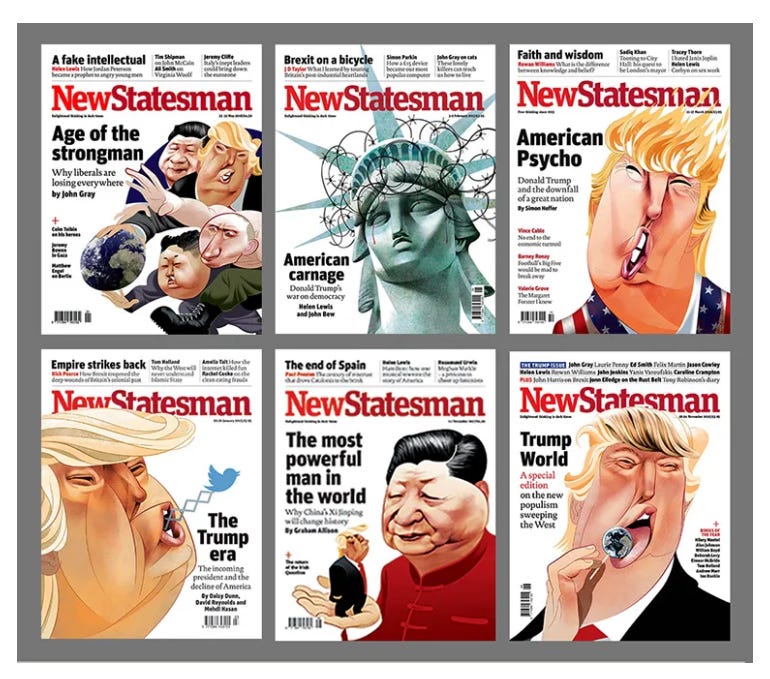
Trump’s decision to enter the Iran war, his attacks on the Catholic Church, and recent remarks that seemed to compare himself to Jesus Christ have all created real cracks. These aren’t just fringe voices anymore. They’re Republican convention delegates and former administration officials.
Ghislaine Maxwell’s Lawyer Expects Trump Pardon
Even though Ghislaine Maxwell is a convicted child sex trafficker serving a 20 year prison sentence, her attorney, David Oscar Markus, is confident that Trump will eventually pardon her.
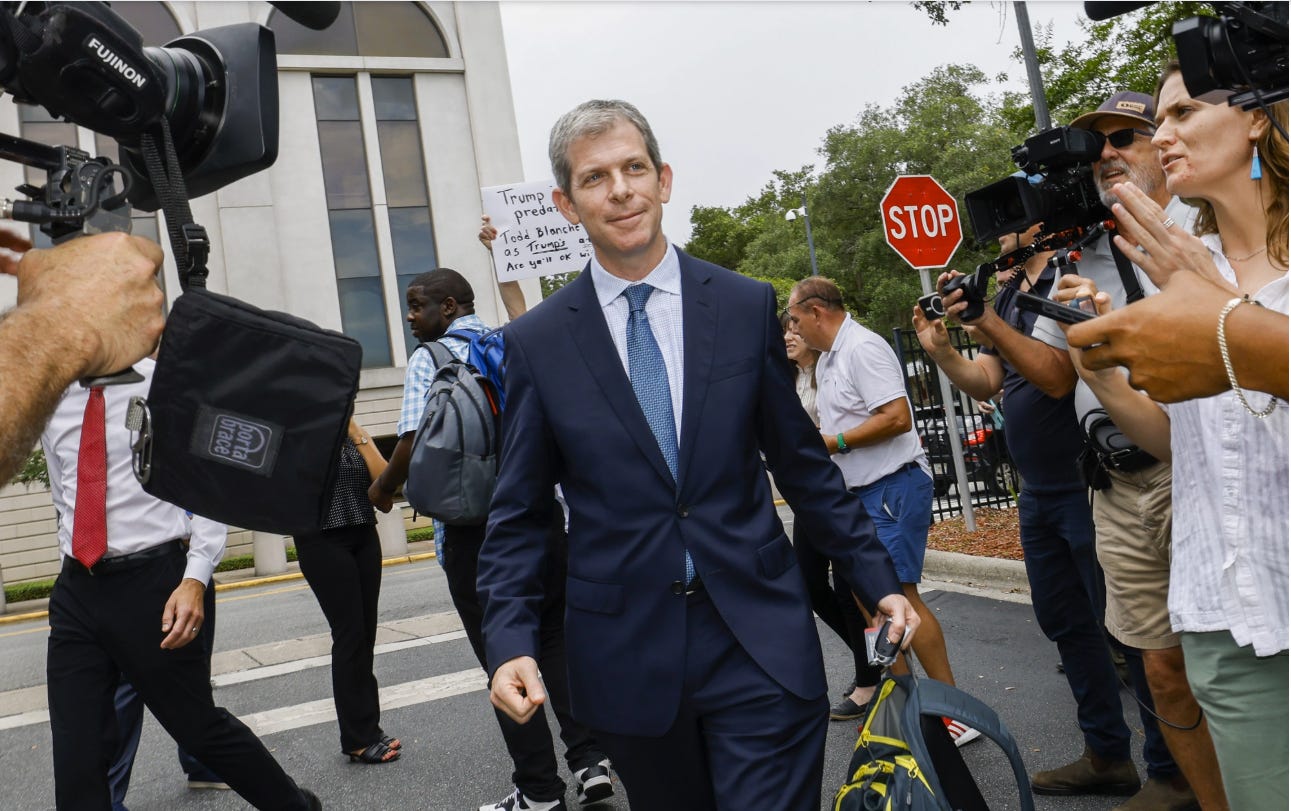
Markus is playing a central role in Maxwell’s communication with senior Justice Department officials, including acting Attorney General Todd Blanche, who is also Trump’s former personal criminal defense lawyer.
Last July, Blanche personally traveled to Tallahassee to meet with Maxwell for two days. She was granted limited immunity for the meeting. Afterward, Maxwell was transferred to a minimum-security facility in Texas, where Theranos fraudster Elizabeth Holmes is also housed. Democratic lawmakers questioned whether that transfer was a reward.
Maxwell has not yet been granted clemency, and Markus says now isn’t the right time to push hard for it given the political firestorm over the Epstein files. Congress is still investigating. Former AG Pam Bondi was pushed out in part because of how badly the administration handled the release of those files.
But Markus doesn’t hide his optimism. Asked about the chances of a pardon, he said: “There’s a good chance and for good reason that she would get a pardon.”
That’s a remarkable statement about someone convicted of sex trafficking a minor.
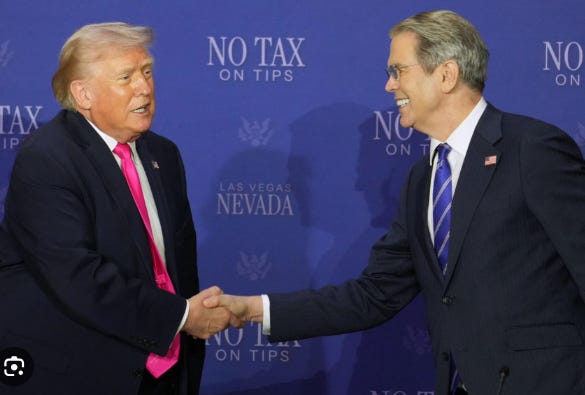
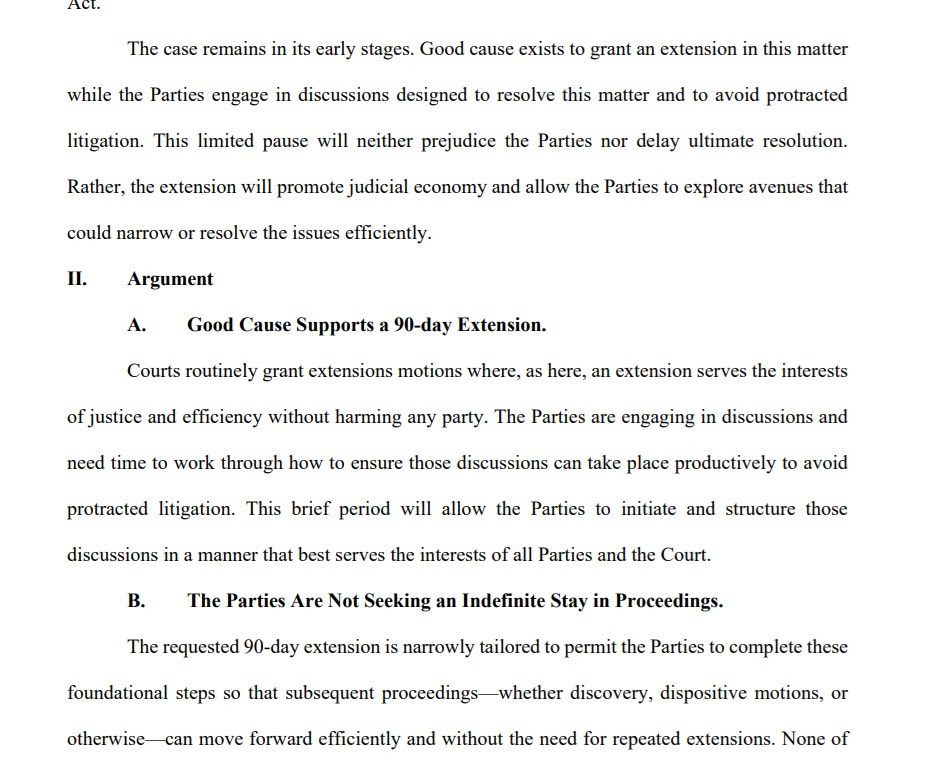
Trump’s $10 billion lawsuit against the IRS. A new legal filing indicates he is in discussions with the IRS to try to resolve the case. The talks are intended to avoid a prolonged court battle and will ensure that the President gets likely billions of dollars in his own pockets. The situation underscores the unusual dynamic of Trump negotiating with a federal agency he once oversaw.
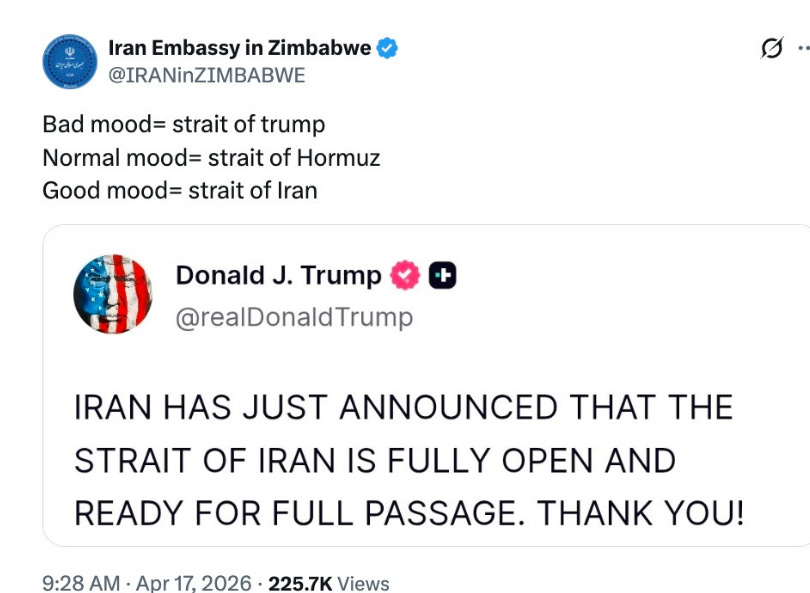
The Strait of Hormuz is not fully open in practice, as ships must follow routes controlled or approved by Iran, while a U.S. naval blockade is still in effect. Meanwhile, falling oil prices are driven less by actual changes in conditions and more by market expectations that a U.S.-Iran nuclear deal may happen soon. Those expectations may be overly optimistic given ongoing uncertainties and unresolved tensions. Iran is trolling the President this afternoon.
When the system breaks, what happens to resistance?
A court rules Palestine Action’s proscription unlawful. Arrests should stop. They don’t. Power shifts, reverses, and reasserts itself. This isn’t dysfunction. It’s how power operates—entrenched, unaccountable, and built to resist challenge.
In this episode of The Tea, we sit down with hip-hop legend and political powerhouse Lowkey, one of the UK’s most uncompromising voices. From West London to the world stage, he has spent two decades dismantling empire through music — and challenging the idea that art can ever be neutral.
From Gaza to Grenfell, from direct action targeting arms factories to the widening crackdown on dissent, we dig into what happens when anger meets silence—or repression.
Also in the show:
⚡ Music as resistance to propaganda
⚡ Raucous Records & Rupert Murdoch’s orbit — the business of “conscious rap”
⚡ “Music is not apolitical” — why artists must reflect their times
⚡ Stormzy and the McDonald’s backlash
⚡ Attempts to silence Lowkey — pro-Israel lobbying and censorship
⚡ Universal Music Group & the Israeli lobby—a family affair
⚡ Zionism and the origins of an ethnocratic project
⚡ Iran’s historical pro-Palestinian stance explained
⚡ Israel’s “Unit 8200” — from military tech to private power
⚡ The Grenfell tragedy —a textbook case of corporate impunity
⚡ Tony Blair —a love affair with the Israeli lobbies
⚡ Kanye West and the politics of cancellation
Lowkey argues that real change doesn’t come from within the system — but from applying pressure outside it. And as repression grows, so does resistance. As he puts it, “who doesn’t resist is closer to death.”
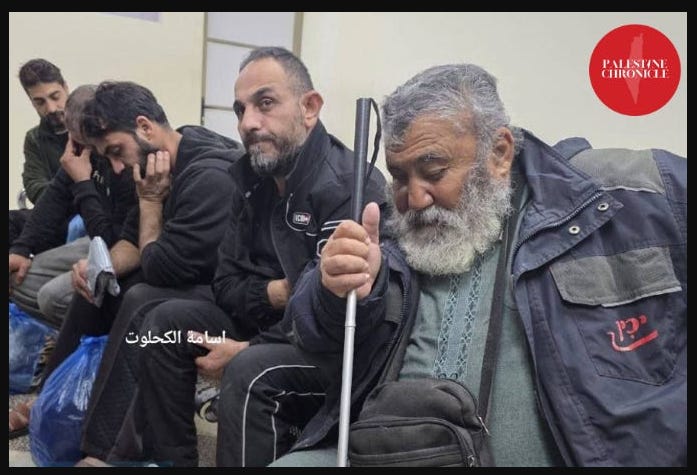
Jews, and they are winning:
Key Facts
- More than 9,600 Palestinians are currently held in Israeli prisons, according to latest available figures.
- At least 350 children and 86 women are among the detainees.
- 3,532 Palestinians are held under administrative detention without charge or trial.
- 1,251 detainees are classified as “unlawful combatants,” allowing detention without standard legal protections.
- Large numbers of detainees from Gaza remain uncounted and are held in military facilities outside the formal prison system.
- Reports document widespread use of solitary confinement, physical and psychological abuse, and medical neglect.
- Family visits and communication are frequently restricted or denied, particularly since the escalation of war on Gaza.
- The issue of prisoners has remained central to the Palestinian struggle for decades and is commemorated annually on April 17.
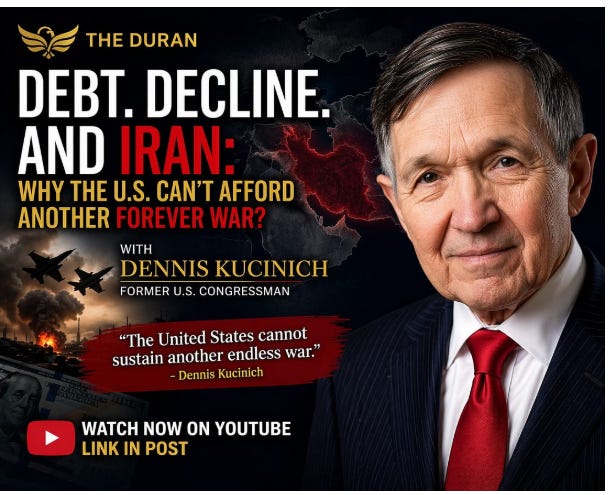
Oh, fucking Dennis. There is zero relationship between USA bombing Vietnam and Iran, or anything tied to Iraq. Jews and Israel and 319 Jewish Billionaires, Mister Ohio.
Kucinich draws direct parallels between the current moment and past wars, particularly Vietnam and Iraq. He recalls how the United States entered those conflicts without fully understanding the consequences, only to become trapped in prolonged, costly engagements that failed to achieve their stated aims. The language of “quagmire” and “credibility gap,” once associated with Vietnam, is now resurfacing, signaling a repetition of history rather than a departure from it.
The Iraq War, which Kucinich led the opposition to while in Congress, serves as a particularly stark warning. Built on false premises and sustained by political inertia, it cost trillions of dollars and countless lives. He suggests that the rationale for confronting Iran, including renewed fears around weapons programs, echoes those earlier justifications, raising serious concerns about truth, accountability, and intent.
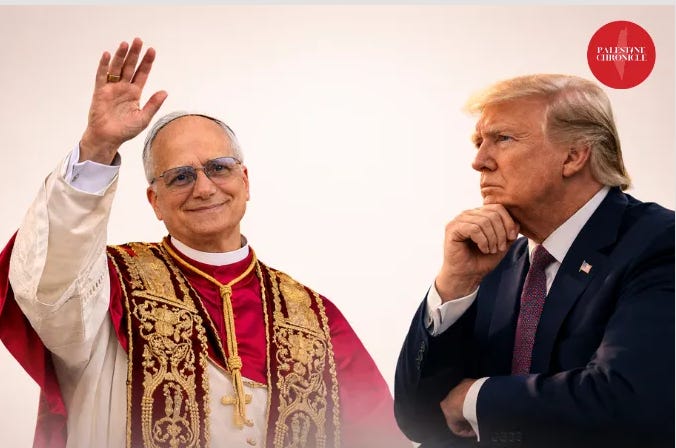
To accuse the Pope of weakness borders on the ridiculous, especially when such criticism comes from a president who, in recent times, has shown himself completely subservient to the Israeli government.
The instability in the Middle East is today more than ever a matter of pressing relevance: Jerusalem stands at the center of the world. It is precisely there—where Christ himself was born, lived, died, and rose again—that the destiny of all humanity is being shaped.
This instability, partly natural and inherent to the coexistence of different peoples, is also artificially fueled by global powers, with Israel and the United States acting in coalition and at the forefront.
In the face of the immense suffering endured by the countries involved in confrontations with Israel—a constant affecting all neighboring states, which suggests a clear primary responsibility of this state in the painful instability afflicting the region—an authoritative voice rises and echoes across the world: the voice of the Roman Pontiff.
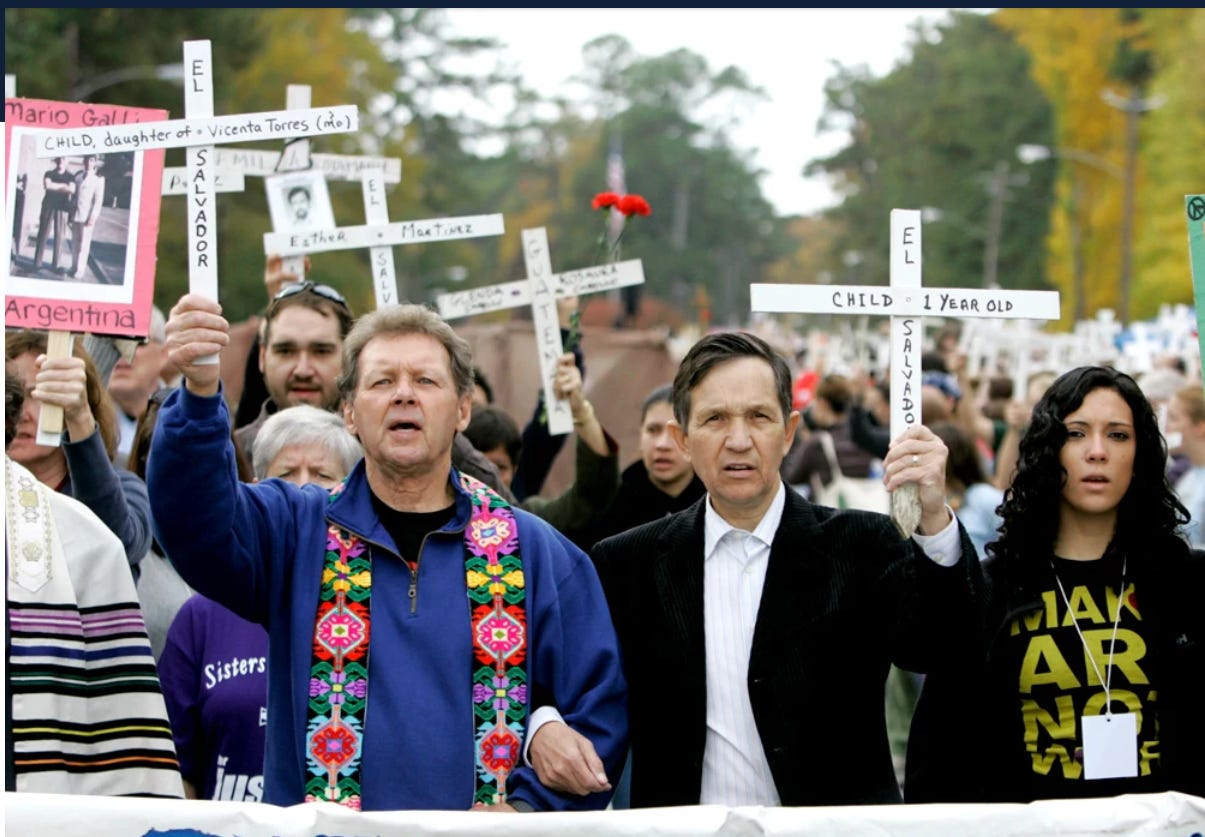
Dennis Kucinich is a lifelong Roman Catholic who describes his faith as a “private practice” that includes attending Mass, though he has noted he does so “not often” in recent years. While his upbringing and education are rooted in the Church, his public identity often blends traditional Catholicism with “deep spirituality” and various New Age influences.
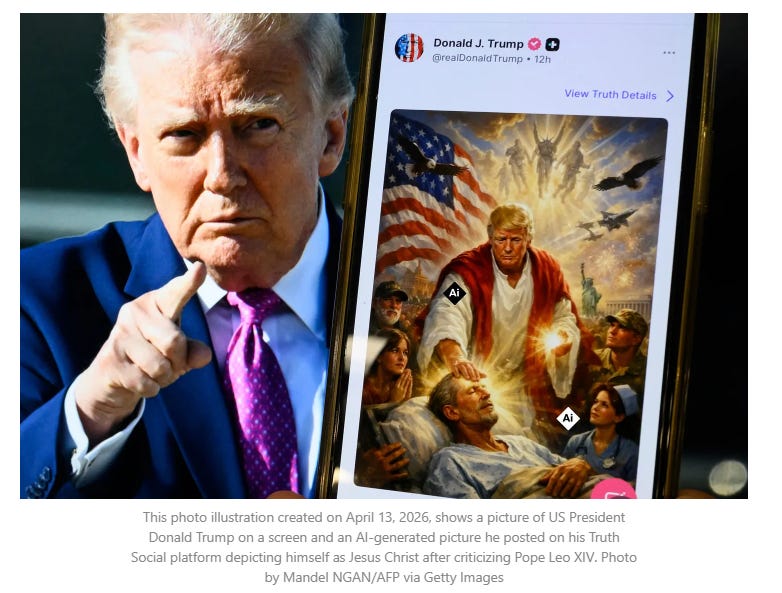
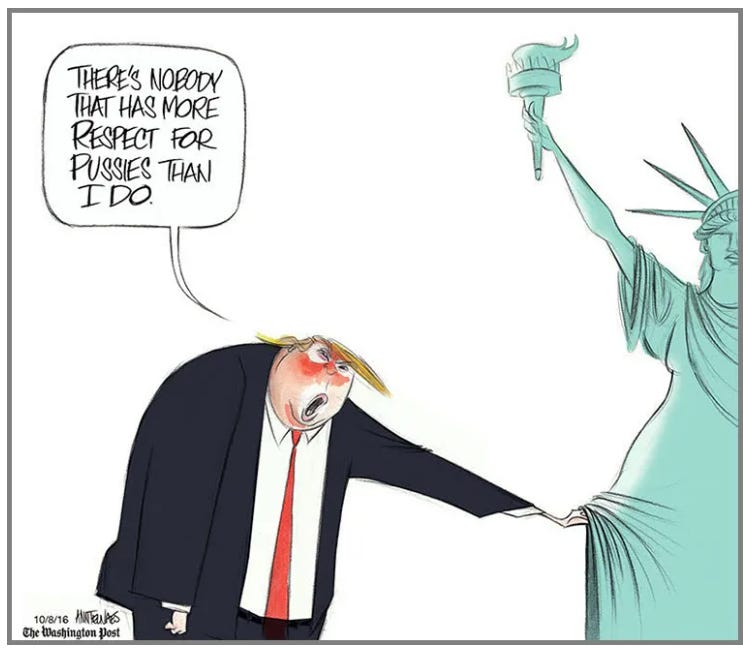
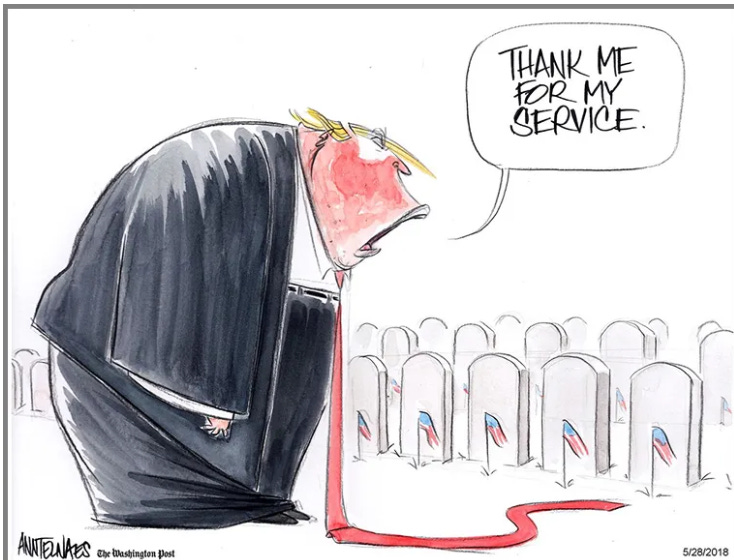
As we know far too well, when Donald Trump doesn’t get his way, he lashes out – and this week was no exception.
Trump and his cronies criticized judges, went after a whistleblower, and ridiculously lectured the… pope. Trump’s Truth Social tirades may seem like toddler-like tantrums, but they have real-world consequences, including hurting what’s left of the US’s standing in the world and harming what’s left of American democracy.
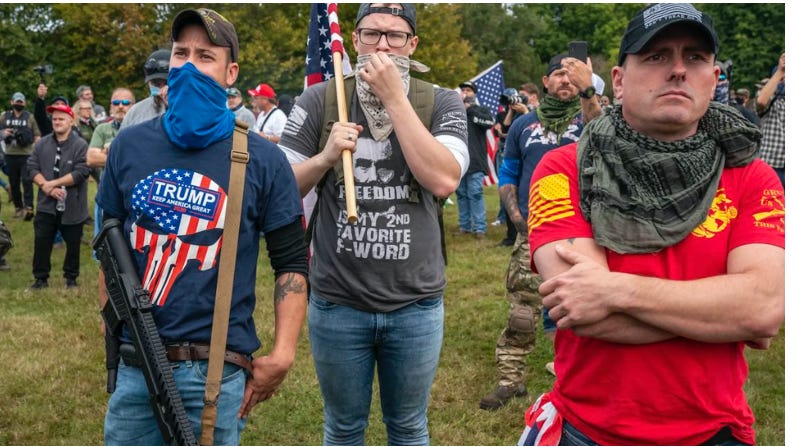
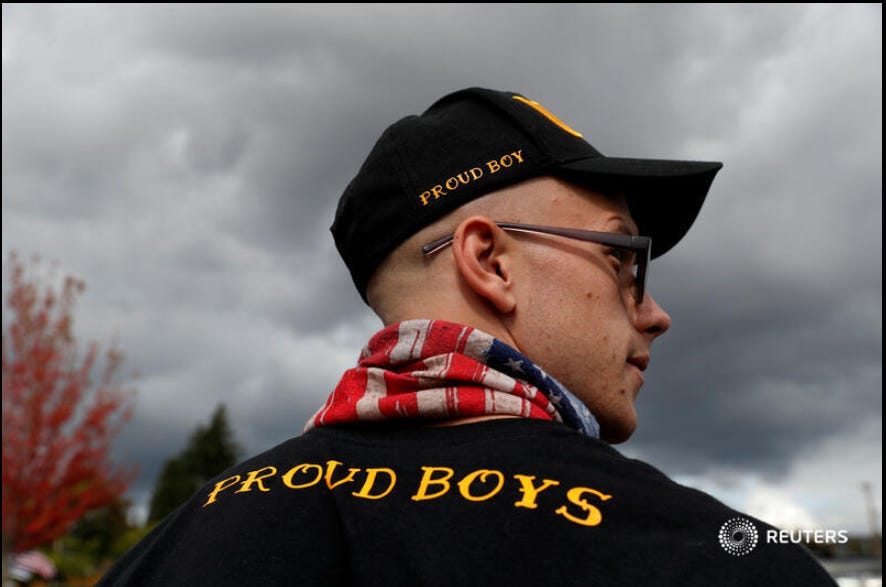
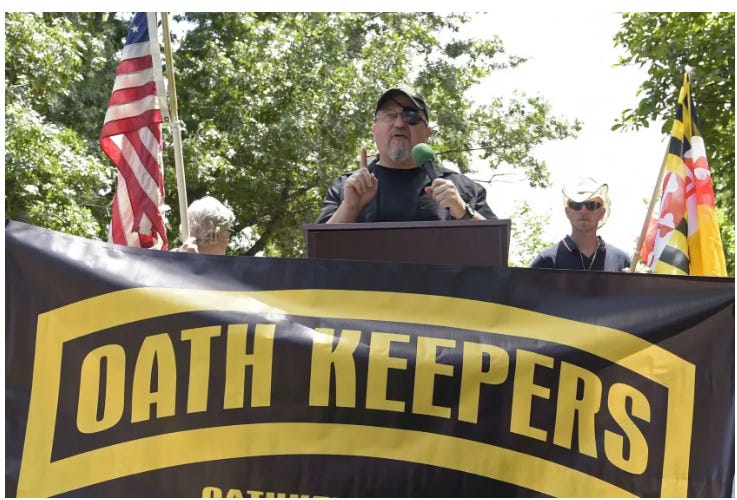
From firing judges for doing their jobs to removing the lead prosecutor from a probe investigating one of Trump’s political enemies to backing the far-right Proud Boys and Oath Keepers, here’s just a taste of what Trump and his allies did this week that undermines the Constitution, hurts democracy, and harms the world:
What Bombs Cannot Kill. Part III: The World That Burns and the Questions That Remain By Amir Nour and Laala Bechetoula.
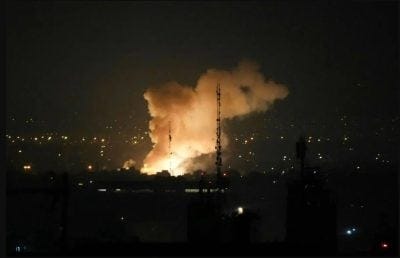
It is spring 2026. Since February 28, Iran has faced what Washington calls Operation Epic Fury and Tel Aviv Operation Roaring Lion. An American-Israeli military coalition of an amplitude unprecedented since the Second World War. Strikes on the nuclear installations at Natanz, Fordow, and Isfahan. Massive cyberattacks on infrastructure. An economic war added to four decades of sanctions. And, in the background, the question that no one in Washington or Tel Aviv wants to formulate aloud: What if Iran resisted—truly?
Iran is winning the strategic war.[1] Not because its missiles are more precise than the adversary’s. But because Iran possesses what we call civilizational endurance: the capacity of an ancient civilization, forged over 5,000 years of history, to absorb blows without dissolving.
Trump and the Self-fulfilling Prophecy
The Trump administration has developed what we have called geopolitical-theological framing, that is, reading Middle Eastern conflicts as the fulfillment of biblical prophecies[4], as a cosmic combat between Good and Evil, in which Israel plays the role of divine instrument and Iran that of the Antichrist. Shariati had precisely analyzed this mechanism—but from the Islamic side. What he denounced in Safavid Shiism, the mobilization of the sacred in service of power and passivity, we see at work today in the so-called Judeo-Christian evangelical discourse that provides the moral and spiritual legitimacy for the bombings. The prophecy, used as a political weapon, transcends religions. It is universally lethal. But beneath the prophecy lies the oldest motive of all: as Michel Chossudovsky formulated it, the true engine of this war is the hegemonic battle for energy, namely the acquisition of oil and natural gas reserves worldwide.[3] Also, during the 2018 Kuala Lumpur Conference, he said, “The ultimate objective is world conquest under the cloak of human rights and Western democracy.”[4] This is not a war against terrorism. It is a war for the control of resources—the same war that colonial powers have always waged, under different names throughout the centuries. Shariati would have recognized the formula without hesitation. It is al-istikbar—the arrogance of the powerful, the pride of the pharaoh—dressed in UN clothing.
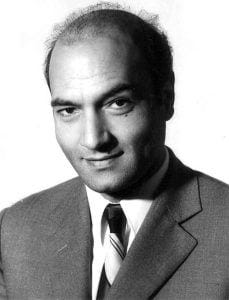
What is to be done with Shariati, then? We are not among those who believe a 20th-century thinker can provide ready-made answers to 21st-century problems. History is not an instruction manual. Revolutions cannot be photocopied, and yesterday’s prophets do not govern tomorrow.
But we believe—and it is the conviction of entire lives devoted to the history of oppressed peoples—that great thoughts survive their contexts because they pose universal questions in a particular language. And the questions Shariati posed remain unanswered, urgent, and subversive in their refusal of simplicity:
How does a civilization rise without betraying itself? How does one reconcile faith and freedom of conscience without one suffocating the other? How does one resist the empire—military, economic, cultural, prophetic—without reproducing its methods? And how does one make a revolution without creating a new tyranny that bears the name of the old freedom?
Khomeini did not answer those questions. He evaded them, and post-revolutionary Iran still bears the scars. Trump erases them, reducing all complexity to a tweet while eight million of his own people march in the streets. Netanyahu drowns them in the blood of the innocent while legislating in a bunker and standing trial for the 79th time. Reza Pahlavi sidesteps them elegantly, proposing to replace “theocratic subjugation” with geopolitical subjugation—and calling it freedom.
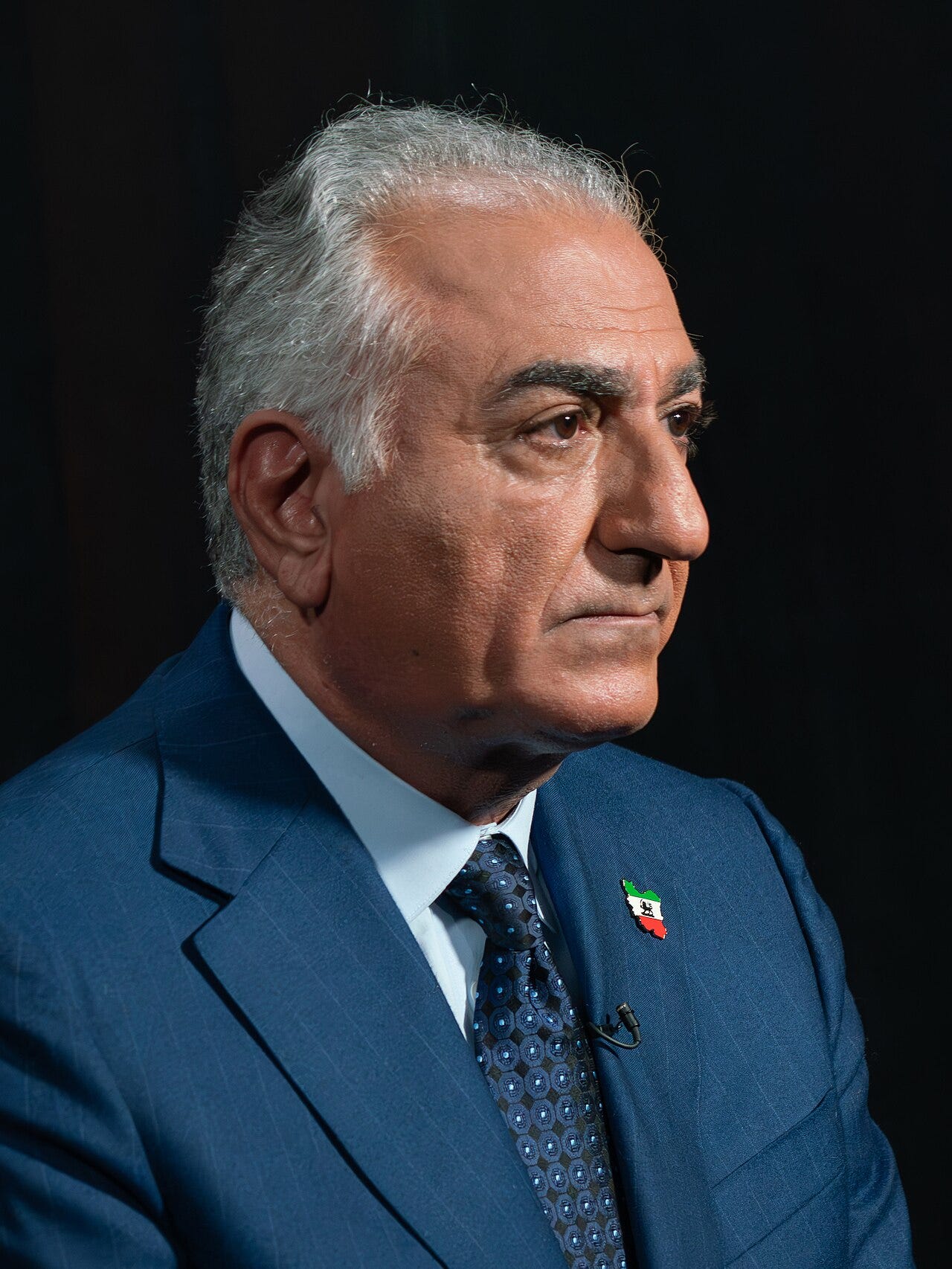
Shariati posed them. That is all. And that is already enormous—immense. In a world where everyone claims to have prefabricated answers, those who know how to formulate the right questions have become the true revolutionaries.
He died at 43, three weeks after his arrival in exile, under circumstances no one has ever truly elucidated. He is buried in Damascus, near the shrine of Sayyida Zaynab—where rests the memory of refusal, of dignity preserved in defeat, of a word carried to the end even when nothing justifies continuing except truth itself.
We think of him often when we walk through Laghouat in Algeria and pass the house of martyr Ahmed Chatta, abducted in 1958 by French colonial forces during the war of liberation, whose body was never recovered. Disappeared as men were made to disappear in that era: those who refused. We know he was killed, because that was the time when those who refused were killed. But his death has no place, no date, no grave. Only an absence that still inhabits the walls of that house and that we carry with us everywhere I go.
We think of those men who refused. Who said no. Who paid with their lives for that one-syllable word that the powerful cannot bear to hear — because that word, spoken by enough mouths, is capable of toppling thrones.
Shariati also said no. To the tyranny of the Shah. To the opium of Safavid Shiism. To Islam without thought and thought without roots. To colonization from within. And today, from his tomb in Damascus, he would say no to the Shah’s son returning in the baggage train of the bombers; no to the global war dressed as liberation; and no—above all, no—to all those who believe, through cynicism or naivety, that one can liberate a people with foreign bombs bearing the name of humanitarian aid.
And he would say one final thing to Algeria—to this country he loved, whose revolution formed him, whose diplomats may have saved his life, and whose best son died trying to save the peace: Rise. Speak. The world is waiting.
Bombs can destroy Natanz. They cannot destroy ideas. Sanctions can asphyxiate an economy. They cannot asphyxiate a civilization that has decided to live standing upright.
Georg Wilhelm Friedrich Hegel, the great philosopher and major figure in the tradition of German idealism, once argued that “History begins with the Persians.” Indeed, “there were three significant Persian empires before people in Britain had got rid of the Romans and started making up stories about King Arthur. The first Persian Empire, from 559 BC to 330 BC, made famous by Cyrus, Darius, and Xerxes, was the earliest example of universal, imperial rule,” Tom Holland and Dominic Sandbrook wrote.[9] Darius the Great, the fifth-century BC ruler, said he was Achaemenid by family, Persian by tribe, and Iranian in terms of his people.
All the above should give the presidents of the newest of empires something to think about whenever they interact with the Iranians.

[Children gesture from a vehicle as displaced people make their way to return to their homes after a 10-day ceasefire between Lebanon and Israel went into effect, near Tyre, Lebanon, 17 April.]
The deeper question is not simply why Israel continues to strike, but what this reveals about the current state of international order. Is security to be pursued through the reshaping of territory and the displacement of populations? Or can a framework be sustained in which even the most acute threats are addressed within the bounds of law and restraint?

