
The Butterfly Effect? A Cornell University study showed that monarch larvae fed milkweed leaves heavily dusted with pollen from Bt corn suffered higher mortality, ate less, and grew slower.
Sep 07, 2026
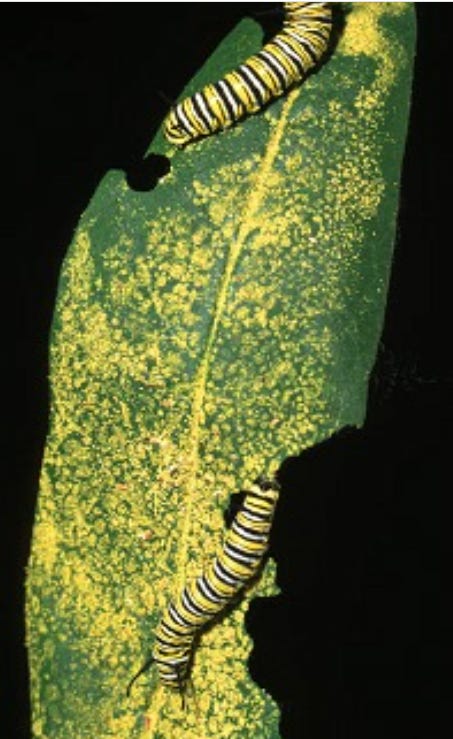
Bt-modified corn produces pollen containing crystalline endotoxin from the bacterium genes. When this corn pollen is dispersed by the wind, it lands on other plants, including milkweed, the exclusive food of monarch caterpillars and commonly found around cornfields.
Says John E. Losey, Cornell assistant professor of entomology and the primary investigator on the study: “We need to look at the big picture here. Pollen from Bt-corn could represent a serious risk to populations of monarchs and other butterflies, but we can’t predict how serious the risk is until we have a lot more data. And we can’t forget that Bt-corn and other transgenic crops have a huge potential for reducing pesticide use and increasing yields. This study is just the first step, we need to do more research and then objectively weigh the risks versus the benefits of this new technology.”
Everywhere I go in America, I hear this:
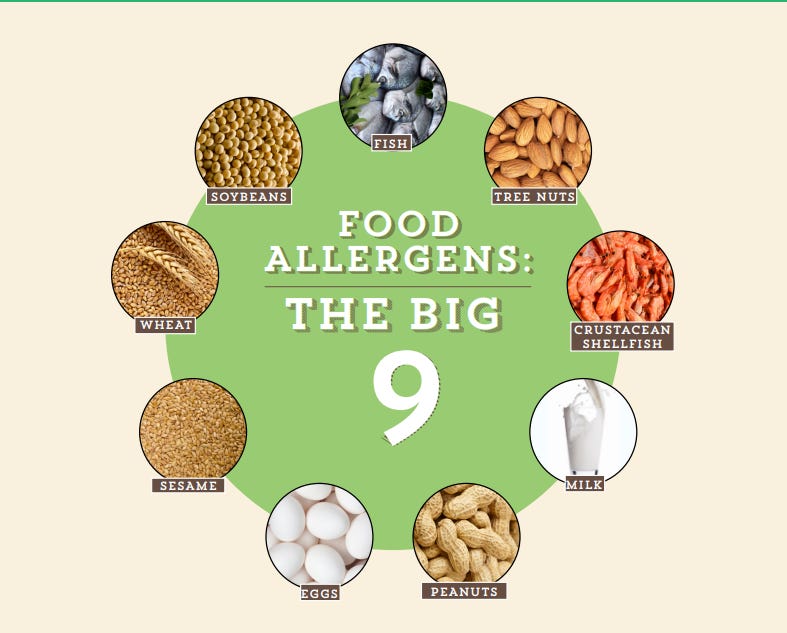
“Oh, I can’t eat that; I have Crohn’s disease, or Cushing’s, or Hashimoto’s, or IBS or leaky gut syndrome or diabetes or celiac’s or allergies to soy, corn, eggs, fish, nuts, milk, melons, blueberries, vegetables of all kinds, and cold air.”
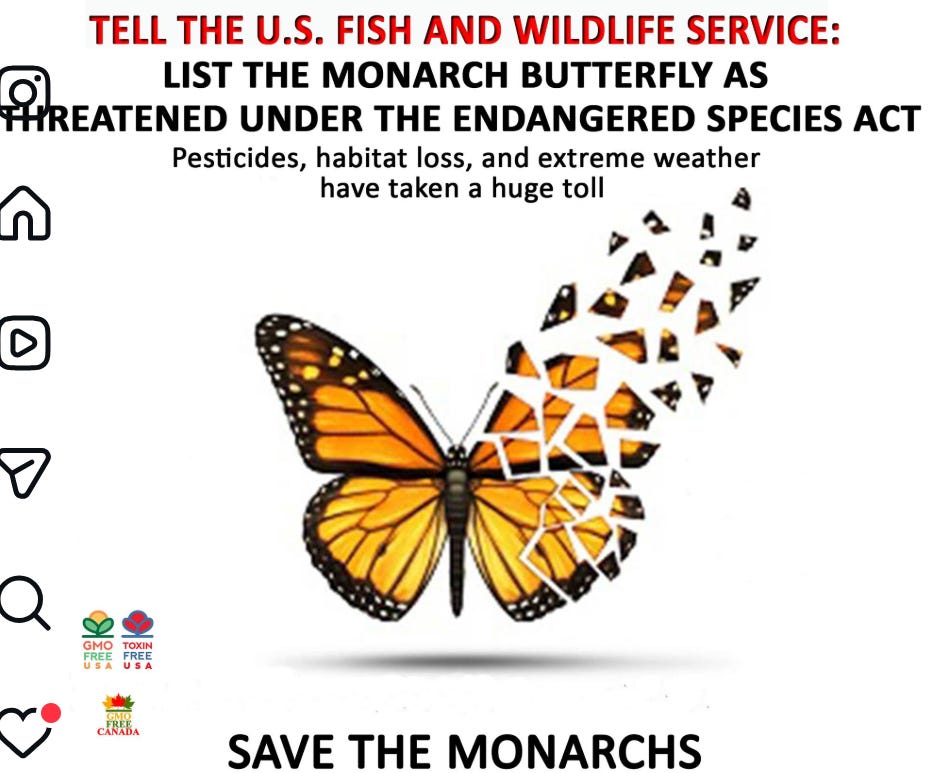
The butterflies overwinter in Mexico and by the spring begin migrating north. The first generation of the year crosses into Texas, other Gulf Coast states and Florida, seeking milkweed on which to lay their eggs and feed. By late May or early June, the second generation of adults has emerged and heads north to areas including the Midwest Corn Belt. Monarch caterpillars are feeding on milkweed during the period when corn is shedding pollen, Losey says. Thus “they may be in the right place at the right time to be exposed to Bt-corn pollen.”
Chronic disease touches nearly every American household — across every age, community, and corner of the country.
The numbers are striking:
▪️ 76% of U.S. adults have one or more chronic diseases
▪️ 51% have two or more chronic diseases
▪️ 194 million Americans are living with at least one chronic condition
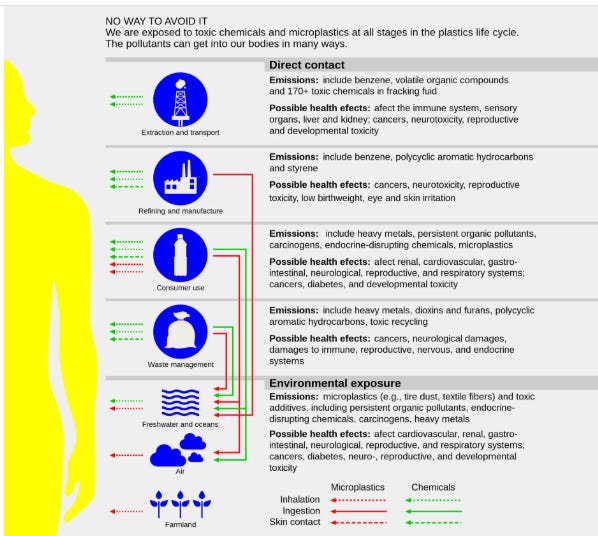
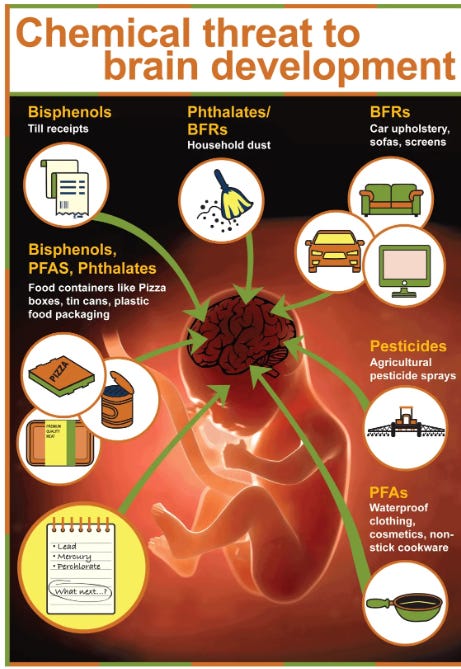

Poison by any other name is still POISON.
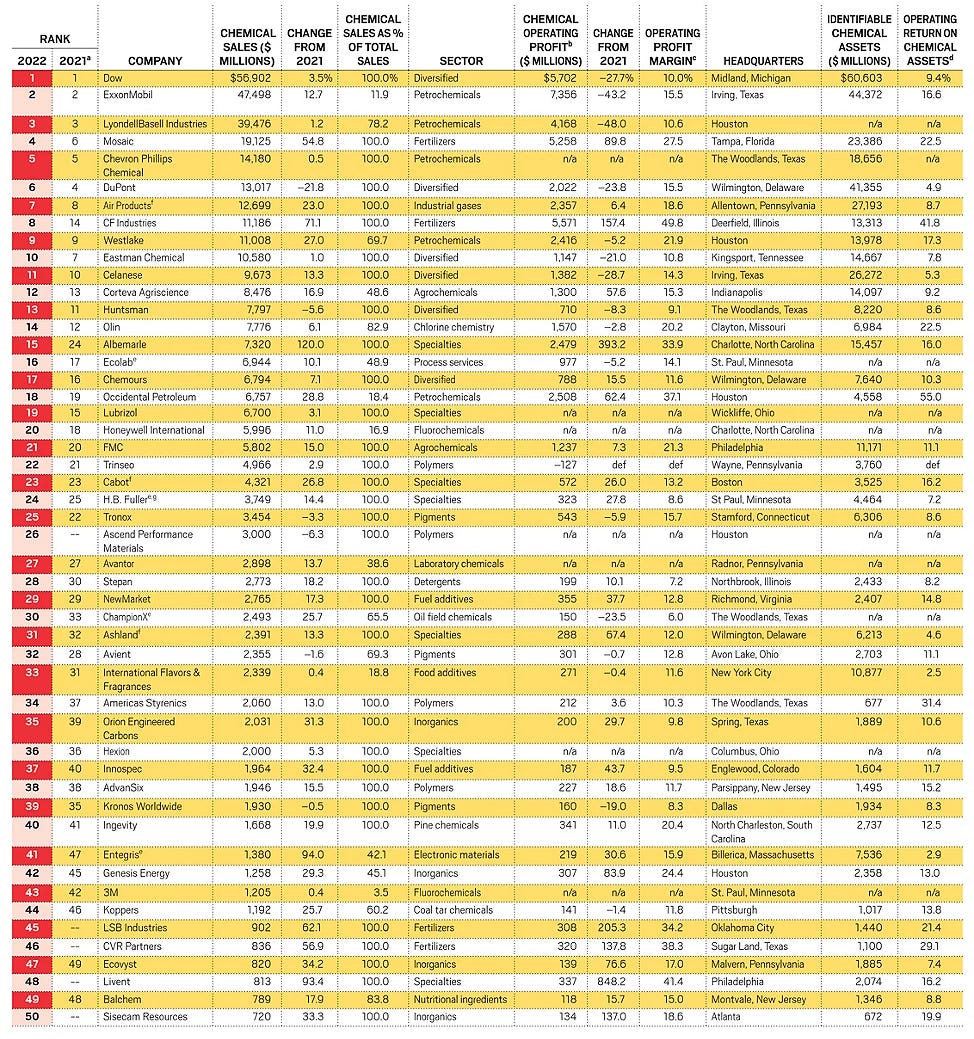
Despite headwinds like the war in Europe, high inflation, and the lingering effects of the COVID-19 pandemic, the US chemical industry made it out of 2022 in relatively good shape. That is one interpretation of the results of C&EN’s new survey of the top 50 US chemical producers, which is based on these firms’ financial results for 2022.
These 50 chemical makers posted combined sales of $376.7 billion, an 11.4% increase from a year ago and a new record for the annual survey. Only six firms posted a sales decline.
But for the 43 firms that disclose profit figures, combined chemical operating profits fell 4.8%, to $55.2 billion. Sixteen firms posted an earnings decline. One company, Trinseo, posted a loss.
Many of those that reported reduced profits—Dow, ExxonMobil, LyondellBasell Industries, and Westlake—are large petrochemical makers. The petrochemical industry built a lot of capacity in recent years, and the sector is in a cyclical downturn. In addition, energy prices rose sharply in 2022 because of the war in Ukraine. Oil prices spiked by 33% in the first half before settling down.
In contrast, fertilizer makers had a tremendous year. Sales at Mosaic, which makes phosphate fertilizers, rose 54.8%, lifting the firm to number 4 in the US top 50. Sales at the nitrogen fertilizer maker CF Industries skyrocketed 71.1%, propelling it to number 8.
But even those gains are modest compared with the jump at Albemarle, a major supplier of lithium for electric car batteries. Its sales more than doubled, launching it from 24 in last year’s ranking to 15 this year.
Spending on the future was mixed at chemical firms. The 42 companies that disclose capital spending figures reported a combined rise of 22.2%, to $20.1 billion. Some 26 firms report R&D spending. Their combined total was $3.2 billion, a 1.0% decline.
Many firms departed this year’s US top 50. Kraton was acquired in March 2022 by South Korea’s DL Chemical for $2.5 billion. The polymer and pine chemical firm was number 34 in last year’s survey. The electronic materials maker CMC Materials, number 42 last year, was acquired in July 2022 by Entegris—ranked 41 this year—for $5.7 billion.
In April 2022, the industrial conglomerate Prince International, backed by the private equity firm American Securities, bought Ferro, number 43 in last year’s ranking, for $2.1 billion. Prince and Ferro then merged with Chromaflo Technologies to form Vibrantz Technologies. As a private company, Vibrantz does not publicly report financial results.
Minerals Technologies and Goodyear Tire & Rubber, last year’s numbers 49 and 50, respectively, didn’t have enough revenues to make the cut this year.
Debuting in the ranking at a hefty number 26 is Ascend Performance Materials. The nylon 6,6 business, once part of Solutia, is owned by the private equity firm SK Capital and is now disclosing its annual sales.
Other newcomers are firms riding a wave of high commodity prices. LSB Industries and CVR Partners, numbers 45 and 46, respectively, are both nitrogen fertilizer producers. Livent, the lithium business that spun out of FMC in 2019, nearly doubled sales in a single year and comes in at number 48. Sisecam Resources, wrapping up the list at number 50, makes soda ash.
The C&EN ranking includes only companies that publicly report sales from chemicals. Some large companies would likely make the list if they disclosed these figures. For example, Invista, a polymer and fiber business owned by the privately held Koch Industries, would easily be on the list, possibly near the top. SI Group and TPC Group, two other private firms, would also probably make the survey. In addition, some diversified public firms don’t break out chemical sales—for example, Procter & Gamble with its oleochemical business.
By highlighting some of the worst offenders on the market, EWG’s Dirty Dozen Guide to Food Chemicals shows you which chemicals in food to avoid:
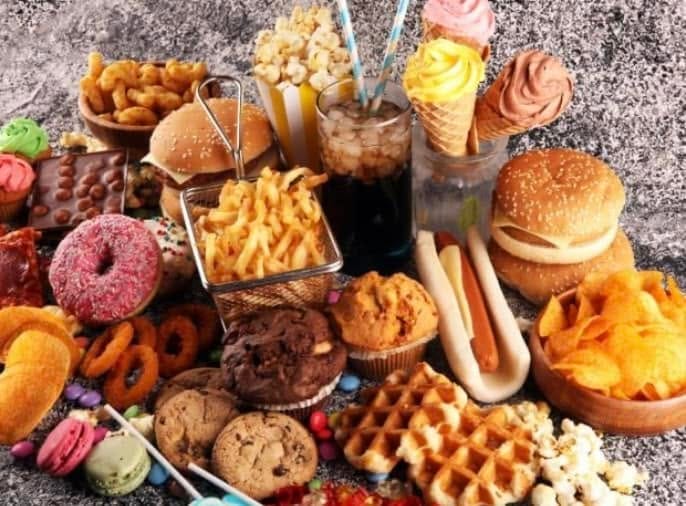
Potassium bromate
Potassium bromate is a possible human carcinogen added to flour used in packaged baked goods.
Propylparaben
Propylparaben is a preservative used in pastries and some tortillas. It causes developmental and reproductive harm.
BHA
Butylated hydroxyanisole, better known as BHA, is a preservative used in cured meats and other foods. Multiple sources have identified it as a possible human carcinogen.
BHT
Butylated hydroxytoluene, also called BHT, is a preservative found in cereals and other foods. It’s a chemical cousin of BHA and is a possible human carcinogen.
Titanium dioxide
Titanium dioxide is a color additive used mostly in candy. It may damage DNA.
Seven artificial dyes
Synthetic food dye can be found in many types of food and beverages. It can affect development and cause behavioral difficulties in children. There are seven dyes that are especially concerning: Red 3, Red 40, Yellow 5, Yellow 6, Blue 1, Blue 2 and Green 3.
Aspartame
Aspartame is an artificial sweetener that can affect the hormones that regulate metabolism and have a negative effect on weight control. It has also been linked to heart disease and increased risk of cancer.
ADA
Azodicarbonamide, or ADA, is used as a dough conditioner and strengthener, as well as a bleaching agent in breads and pastries. ADA has been linked to an increased risk of cancer. It may also cause liver and kidney injury and affect the blood and the nervous and respiratory systems.
Propyl gallate
Propyl gallate is a preservative used in vegetable oil, meat products and chewing gum, among other products. It may cause hormone disruption and has been linked to an increased risk of asthma, hyperactivity and even cancer.
Sodium benzoate
Sodium benzoate is a preservative used mostly in carbonated drinks, fruit juice, salad dressing and fermented foods. When combined with ascorbic acid, citric acid and vitamin C, it has been linked to an increased risk of cancer. The reaction between sodium benzoate and any of these three compounds forms benzene, a chemical associated with blood cancer.
Methylene chloride, trichloroethylene and ethylene dichloride
Methylene chloride, trichloroethylene and ethylene dichloride are solvents used in the production of decaffeinated coffee and tea and certain spices. These three chemicals are linked with an increased risk of cancer.
Sodium nitrite
Sodium nitrite is an additive used to preserve meat. When added to processed foods, nitrites are associated with an increased risk of cancer.
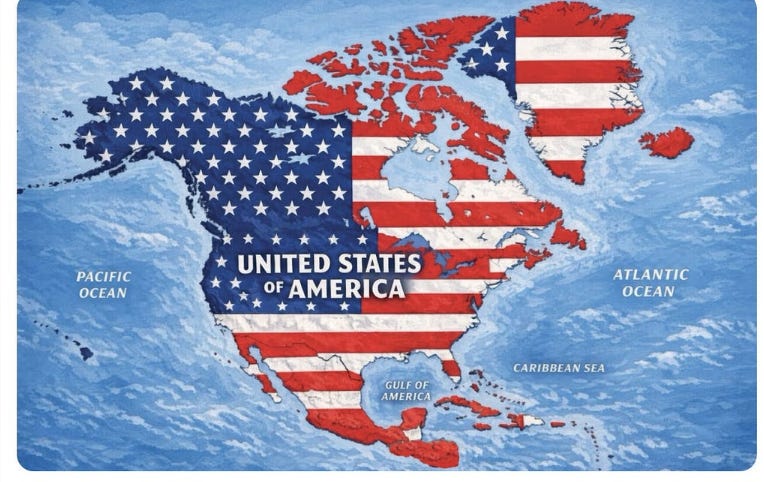
Tip of the fucking iceberg, but this Jew, man, Satan on Crack:

Yeah, butterflies:

Nine-year-old Wafaa Akila was killed with her father in Gaza City after leaving school to buy supplies for the new year.
Key Developments
- Wafaa Yousef Akila, nine, had just begun the new school year in Gaza after prolonged disruption caused by Israel’s genocidal war.
- After classes, she went with her father, Yousef, to buy notebooks, pens and other school supplies when an Israeli strike hit their car.
- Wafaa and her father were killed in the Al-Nasr neighborhood of Gaza City, while others were wounded in the attack.
A First Day of School
Wafaa Yousef Akila was nine years old when she began what should have been a new chapter in her childhood.
Like thousands of children across Gaza, she was returning to school after a prolonged interruption caused by Israel’s genocidal war on the Strip.
Her expectations were those of any child beginning a new academic year: notebooks, pens, a school bag and the chance to see classmates again.
On Sunday, Wafaa attended her first day of school. After classes, she left with her father, Yousef, to buy the school supplies she still needed for the days ahead. It was supposed to be an ordinary family errand marking the beginning of a school year.
Instead, it became their last journey together.
This Substack is reader-supported. To receive new posts and support my work, consider becoming a free or paid subscriber.
Killed While Buying School Supplies
According to Palestinian sources cited by Al-Jazeera, an Israeli missile struck the car carrying Wafaa and her father in the Al-Nasr neighborhood of Gaza City.
Both were killed in the attack, while others were wounded. The strike turned the objects associated with Wafaa’s return to school, notebooks, pens and supplies, into part of the scene of destruction.
Gaza Health Ministry Director General Munir al-Barsh drew attention to the circumstances of her killing, asking what threat a school bag, notebook or pen could represent.
Wafaa never returned for her second day of school.
A Story beyond One Child
Wafaa’s killing resonated widely because it reflected a much larger reality confronting Gaza’s children.
The new school year has begun amid widespread destruction, displacement and the deaths of thousands of children and family members throughout the Israeli war.
For many students, returning to classrooms has meant returning without parents, siblings or classmates who were killed during the genocide.
Since October 7, 2023, Israel’s genocidal war on Gaza has killed more than 73,000 Palestinians and wounded over 174,000.
Thousands of children are among those killed, while much of Gaza’s educational infrastructure has been destroyed or damaged, leaving an entire generation of Palestinian children to pursue their education amid death, displacement and destruction.
(PC, AJA, Palestinian media)

Two Jews in a pod:
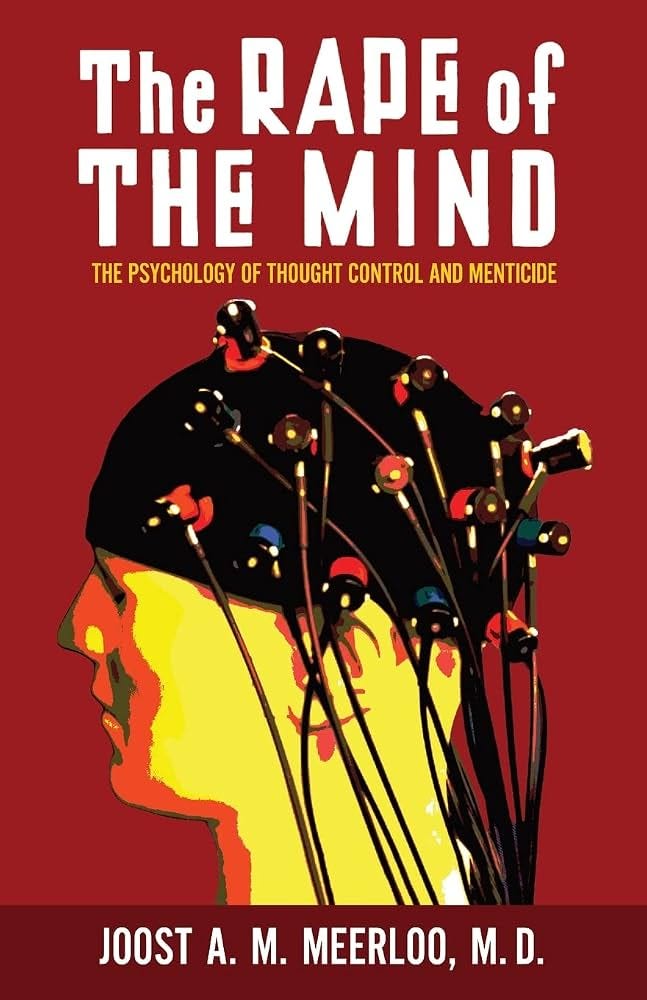
The Rape of the Mind is a 1956 book by Dutch-American psychoanalyst Joost Meerloo that examines how totalitarian regimes use brainwashing, coercion, and psychological torture to control human thought. Edward Bernays was an American pioneer in public relations and mass propaganda who applied psychology to shape public opinion and consumer behavior.
While Meerloo focused on the defensive analysis of authoritarian “menticide” (the killing of the spirit), both figures explored how mass psychology can be deployed to manipulate the human mind.
- Shared Territory: Both Meerloo and Bernays recognized that the conscious mind is vulnerable to hidden psychological triggers and mass suggestion.
- Opposing Lenses:
- Bernays treated psychological manipulation as a practical craft to be utilized for commerce and political steering.
- Meerloo viewed those very same techniques as a dangerous pathology—a form of spiritual violation that strips away human dignity and democratic freedom.
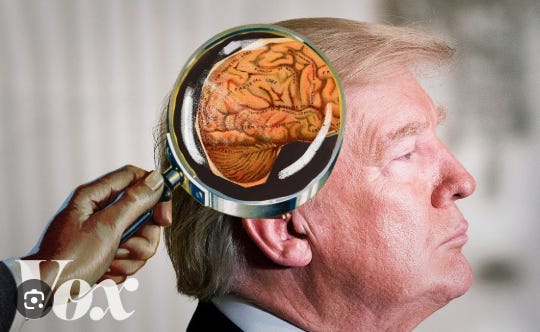
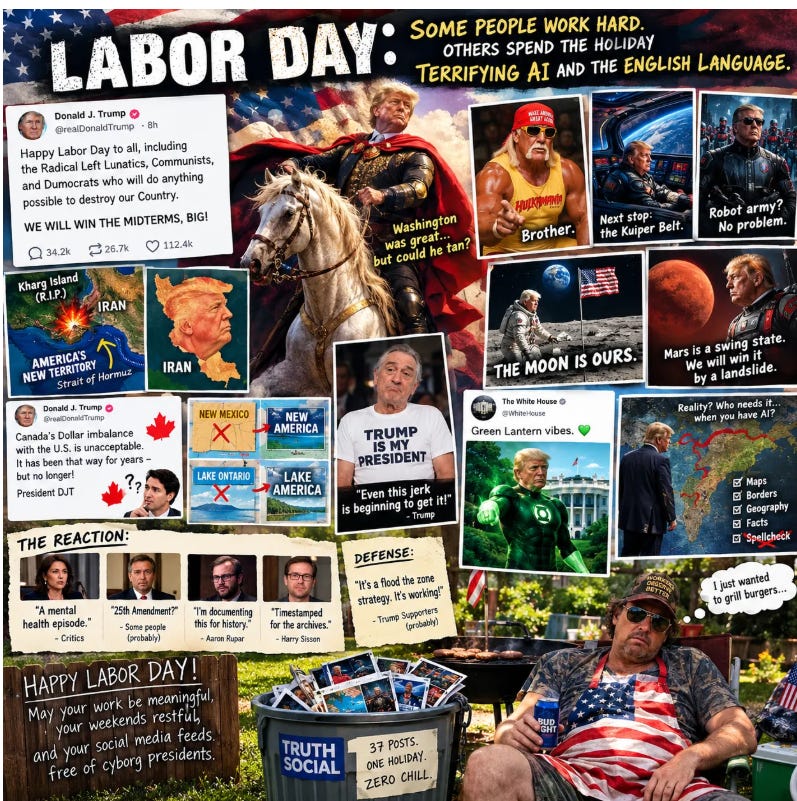
He has trouble completing a thought’: bizarre public appearances again cast doubt on Trump’s mental acuity
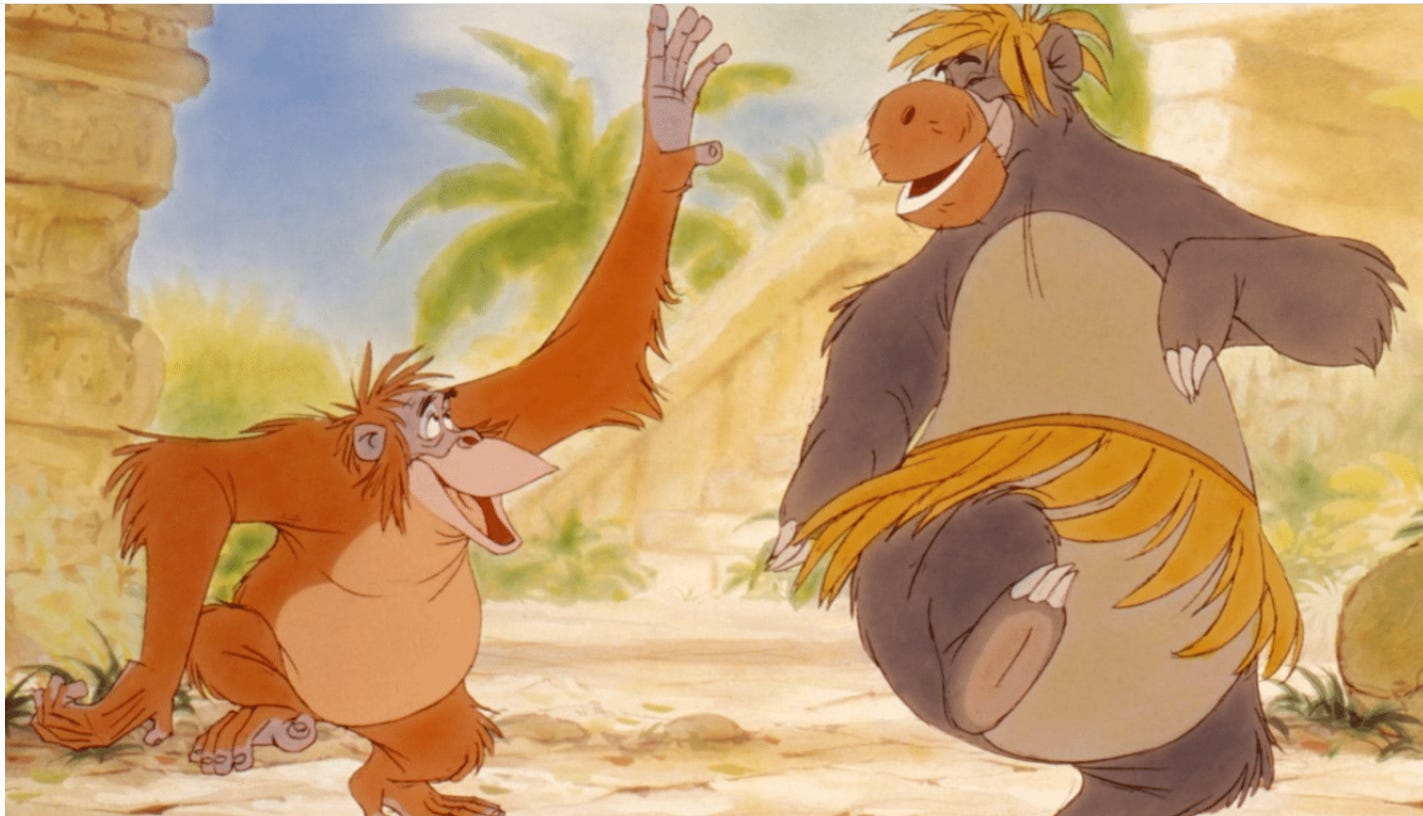
Viewers who elect to watch certain innocuous classic films on Disney’s streaming service, Disney Plus, will find themselves confronted by the following statement:
This program includes negative depictions and/or mistreatment of people or cultures. These stereotypes were wrong then and are wrong now. Rather than remove this content, we want to acknowledge its harmful impact, learn from it and spark conversation to create a more inclusive future together.
It’s a relief to know that the Disney corporation has such a powerful sense of moral responsibility. Absent this forewarning, defenseless children might find themselves exposed to subtle messages of oppression and hatred in films like Dumbo or Aladdin or Peter Pan. Or, at least, they might if Disney had not taken the additional precaution of removing these titles from children’s accounts altogether. Apparently, it is fine for minors to be exposed to quite frightening recent films like Raya the Last Dragon (2021), but a film like the original Aladdin (1992) is an altogether riskier proposition.
What makes these classic films so dangerous is sometimes difficult for even the alert and socially conscious adult to discern. Aladdin, online commentators have explained, features a villain whose nose is larger than that of the protagonist. In The Jungle Book (1967), the orangutan King Louie sings jazz and risks being perceived as a racist caricature (even though he was voiced by the Italian American musician, Louis Prima). Other films do include more obvious transgressions: the Native Americans in Peter Pan (1953) are a stock collection of prominent stereotypes, and the friendly crows in Dumbo (1941), one of whom is called Jim Crow, feature in scenes reminiscent of minstrel shows.

FAQ
Why do narcissists infantilize others?
Narcissists infantilize others to assert their dominance and maintain a sense of control, even if this control is imagined. Because narcissists are motivated to make themselves feel a sense of importance over others, infantilizing someone is an easy way to accomplish this.
Are Millennials infantilized?
Yes, any adult can be infantilized. Millennials represent roughly people born between 1981-1996, so they are old enough to be infantilized. Infantilizing young people often functions to devalue or undermine their knowledge and experience based on presumptions relating to age.
What does infantilization mean in sociology?
In sociology, infantilization refers to the practice of treating an adult like a child as it relates to the social structures between the actors. In other words, the sociological understanding of infantilization examines the existing power structures, sociocultural categories (e.g. race, age, status, etc.), and social norms of the system in which the infantilizing occurs.

It seems that throughout the stages of our lives, our perceived maturity level is a parabola.
At birth and infancy, we are at our lowest level of perceived maturity, slowly rising as we grow into adolescence and adulthood, and peaking when we reach what is deemed “middle-aged.” However, the curious part is where the dip occurs. Despite the steady rise seen for the first part of our lives, the fall seems to be abrupt and unexpected as we reach geriatric ages. As infants, we are, naturally, taken care of and spoken to in a tone and cadence that to any other age group would come across as patronizing. However, even though it seems like society would naturally view elderly people as the most mature group, it is often the opposite that happens: infantilization.
It seems that as an elderly person, you fall into one of two groups or typical tropes: infantilization or vilification. It has been repeatedly seen and reinforced in the media that almost all of these characters fall into one of the two. They are either deemed “cute” and in many ways treated similarly to how we treat babies, or they are seen as grouchy, rude, and made to be vilified by their age.
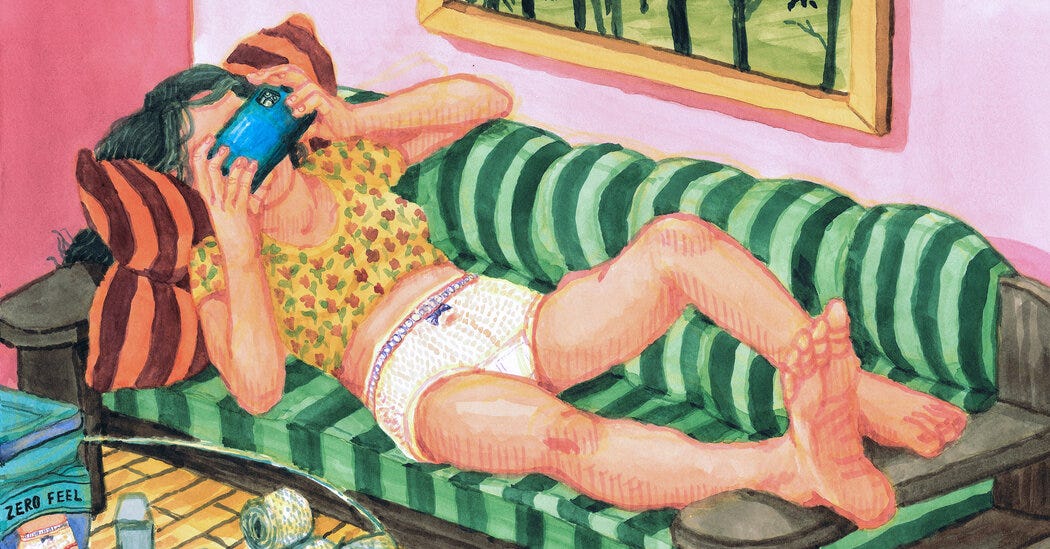
The diaperfication of the fucking Crocodile Tears All for the Red White and Blue Camo Mercenaries..
You know about the missing trillions, right? You know, the $2.3 trillion missing from the Pentagon’s coffers that was announced to the public on September 10, 2001, and then never mentioned again? …Of course, if that IS your understanding of the missing trillions story, then you don’t know the missing trillions story. Join James for today’s Corbett Report deep dive into the real story of the Pentagon’s missing trillions and how many trillions are missing today.

MAGA madness . . . Trump promised to Save Your Job. John Deere Moved It to Mexico Anyway.
More Perfect Union’s investigation, “Trump Says He Will Save American Jobs. John Deere Is Calling His Bluff,” has the full reporting: John Deere has announced more than 1500 layoffs in the last year. Deere and Case New Holland used to employ generations of union workers across the Midwest. Now they’re slashing American jobs and moving to Mexico. We investigated what’s behind it — and how to bring those jobs back.








How much information can the 3rd-grade reading level Trump take, or the 7th-grade reading level of most Americans absorb?
What does insect collapse mean?
It’s hard to grasp the extent of insects’ impact on our daily lives, but loss of these species would be catastrophic for our planet.
They’re the most diverse form of life on Earth, making up 75% of all species and outnumbering humans 200 million to one. While there are only 5,416 mammal species, there are about 1 million insect species we know exist – and experts believe there are millions more yet to be discovered by humans.
Insects not only pollinate many of the plants we eat, but they help decompose matter, control weeds, and provide food for other forms of life. Without insects, entire ecosystems would collapse. How would that affect us? Well, it would drastically alter our current food systems, for a start.
Is insect collapse really happening?
The findings of the research are shocking, and The Guardian has proclaimed that insects could “vanish within a century”.
However, others express skepticism that this simply isn’t possible because of insects’ sheer numbers and their diversity, which makes them more resilient to disasters that could wipe humans off the planet. In addition, much of the data from the study was drawn from North America and Europe, with limited data from insect populations around the rest of the world.
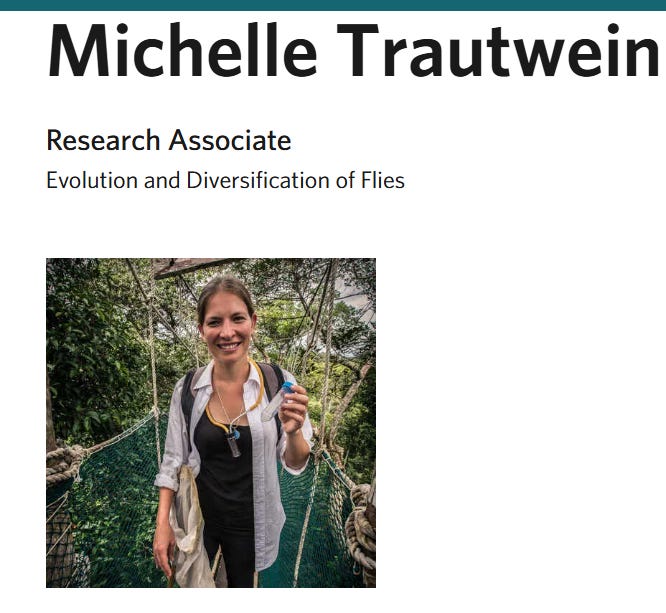
But experts such as Michelle Trautwein from the California Academy of Sciences say that while the data isn’t spotless, the warning is legitimate, and we should take this information as an opportunity to figure out how serious the threat of insect collapse really is.
The 9 species under most threat
1. Butterflies
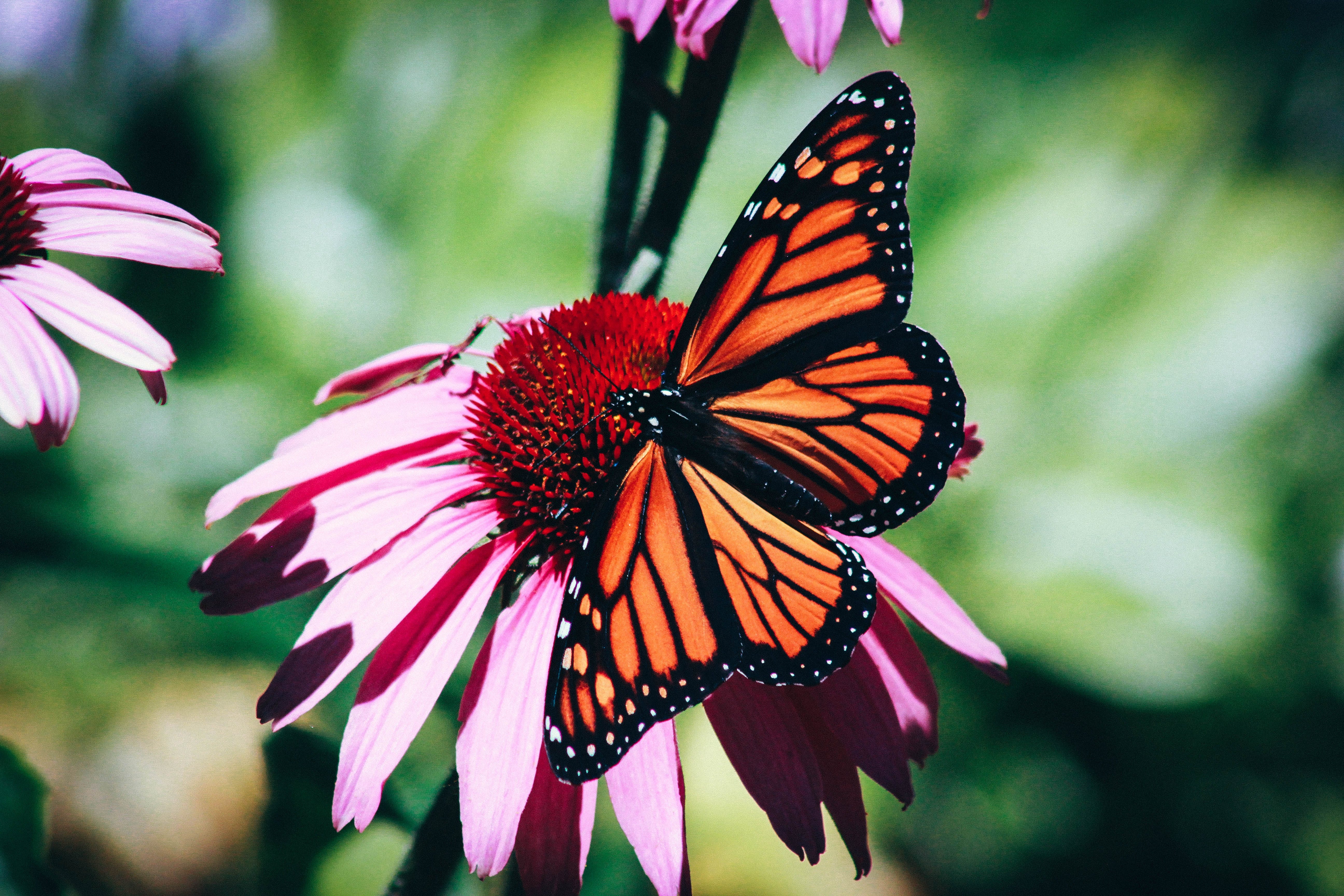
Photo by Erin Wilson
Butterflies, like many of the insects on this list, are indicators of environmental health. If we lost them, we may lose a key marker of the state of our environment.
Urbanisation seems to be playing a big role in their decline, as scientists found that butterfly species in cities and towns were declining at a much higher rate than their countryside counterparts (at 69% to 45%) – air pollution, loss of green spaces, paving of gardens, neglecting of parks and loss of brownfield sites were all cited factors.
The Monarch butterfly in the US is particularly under threat – scientists believe this could be due to the herbicide Roundup, which kills Milkweed – the Monarch caterpillar’s only food source.
What can you do to help the butterflies?
- Be aware that most pesticides (even organic ones like insecticidal soap or neem oil) will still kill or harm butterflies – avoid using pesticides in your garden; if you must, be sure to shield flowers from the sprays (further reading: How to Garden Organically.)
- Try to buy organic produce (discover boxes from your local organic farmer here), and grow your own organic food as much as possible (This action can help every insect in this list).
- Plant a butterfly garden, using wildflowers and grasses that supply nectar from April to October, and leaving areas of tall grass in your garden; as the RSPB reminds, don’t forget about feeding caterpillars, too!
2. Moths
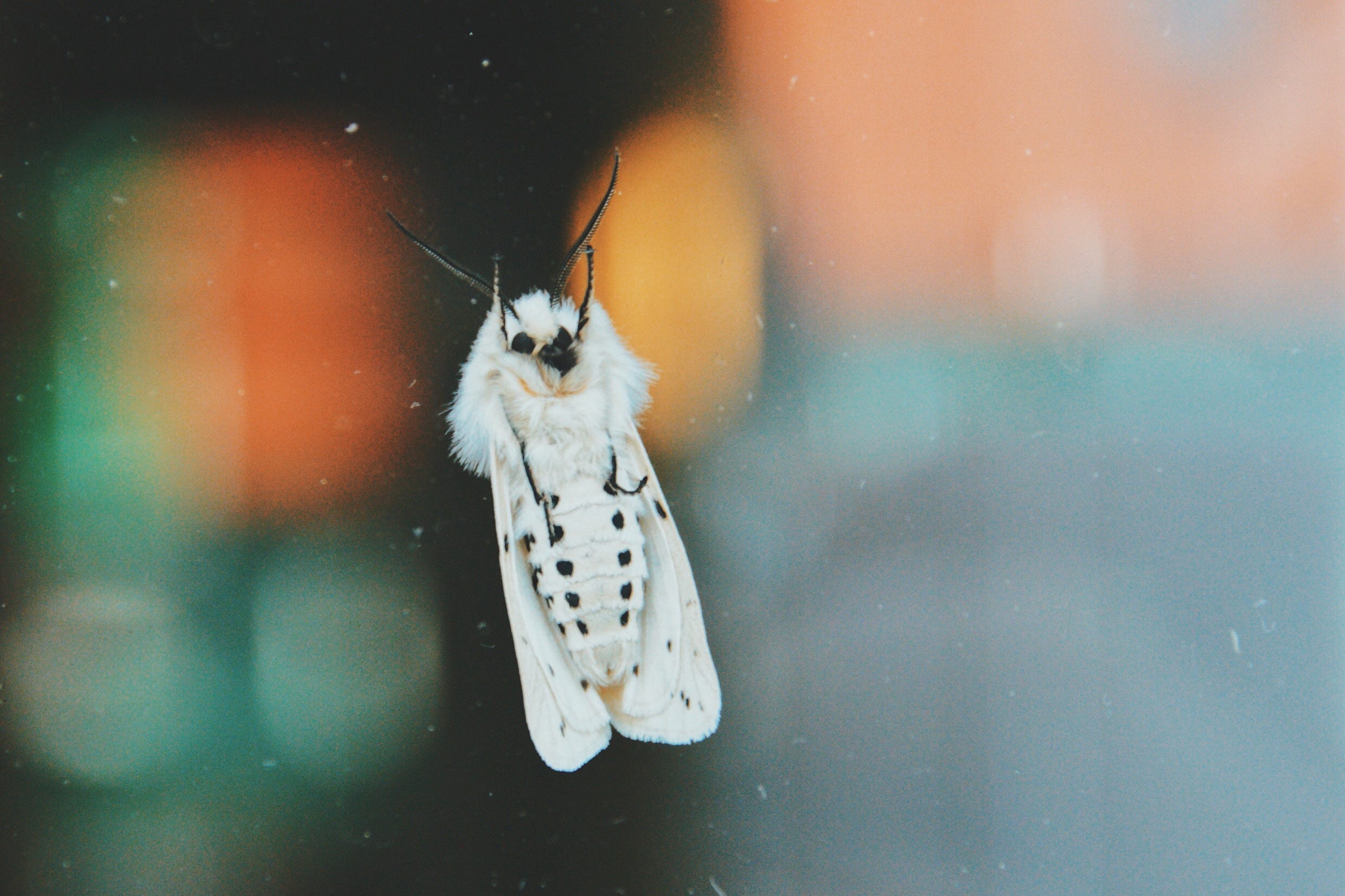
Photo by Tim Goedhart
Moths are important because they provide food for other insects, spiders, frogs, toads, lizards, shrews, hedgehogs, bats and birds – especially baby birds. Britain’s Blue Tit chicks are estimated to eat 35 billion of them a year.
If we lost moths, we’d lose pollinators for important plants and, like butterflies, essential clues to the state of our own environment. Moths also seem to be in danger from urbanisation and pesticides – they’re also particularly affected by artificial lighting, which can alter their reproductive and pollinating behavior. Climate change seems to be a more cited factor for the decline of moths than of butterflies
Some numbers show that the moth population has declined by nearly 50% in Scotland. In England, two-thirds of 340 moth species declined from 1968-2003.
What can you do to help the moths?
- Plant a moth garden, with plenty of wild spaces, weeds and plant debris. The RSPB recommends piling up any dead wood you have lying around to make a little moth heaven.
- Reduce your carbon footprint – think minimising traveling and using less energy (that artificial lighting!) (This action can help every insect in this list).
- Become a volunteer moth (or butterfly) recorder – anyone can take part, from complete beginners to veteran lepidopterists!
3. Bees
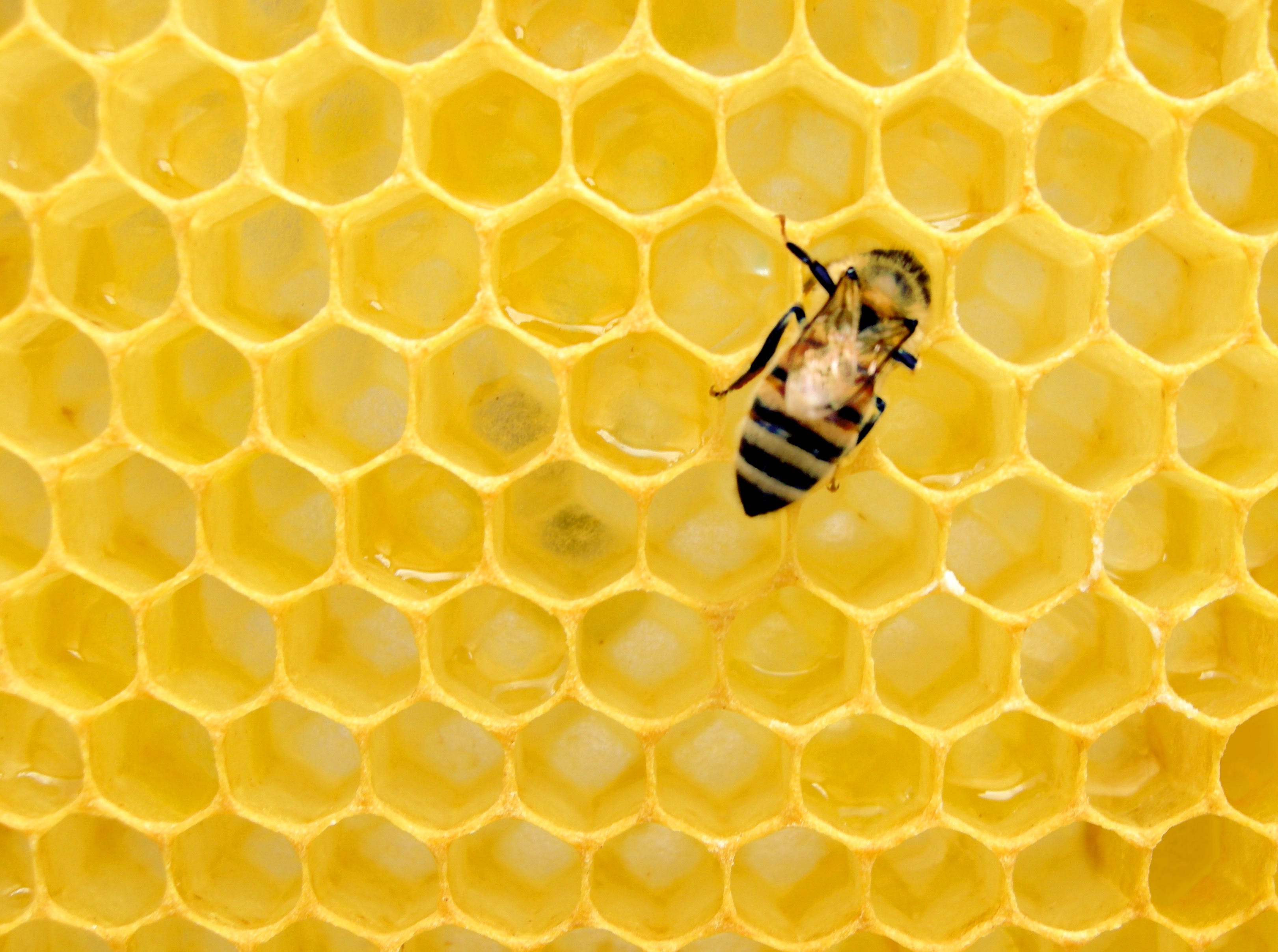
Photo by Matthew T Rader
Of all the species on this list, you’ve probably heard most about the worrying decline of bees.
Bees pollinate an estimated one-third of the food we consume; without bees, many plants would die, triggering further extinctions of dependent organisms. For us, it wouldn’t mean all-out famine; but it would radically alter existing food systems, with many fruits and vegetables unable to be grown at large scale (for example, blueberries and cherries rely on honeybees for 90% of their pollination).
Bees are disappearing as a result of colony collapse disorder – in which the majority of worker bees spontaneously abandon a hive, leaving behind their queen. Its cause is mysterious, but is suspected to be due to pesticide poisoning and habitat change.
One-third of the United Kingdom’s bee population has disappeared just in the last 10 years, and 24% of Europe’s bumblebees are under threat of extinction.
What can you do to help the bees?
- Plant bee-friendly flowers and herbs – just a few pots on the windowsill will do. And on hot days you can even leave out a little bit of water in a saucer for them!
- Make a hotel for solitary bees – this can be as simple as a cardboard tube.
- Join one of the many campaigns: Save Our Bees, The Bee Cause, Save the Bees Project, Save the Bees.
- Sign petitions to stop bee-killing pesticides from being used on our food: one started by Avaaz was signed by 5 million people, and pushed Europe to vote for a ban on the pesticides. Petitions can really work!
For more detailed information, check out: 8 Simple Things You Can Do To Help The Bees
4. Dragonflies
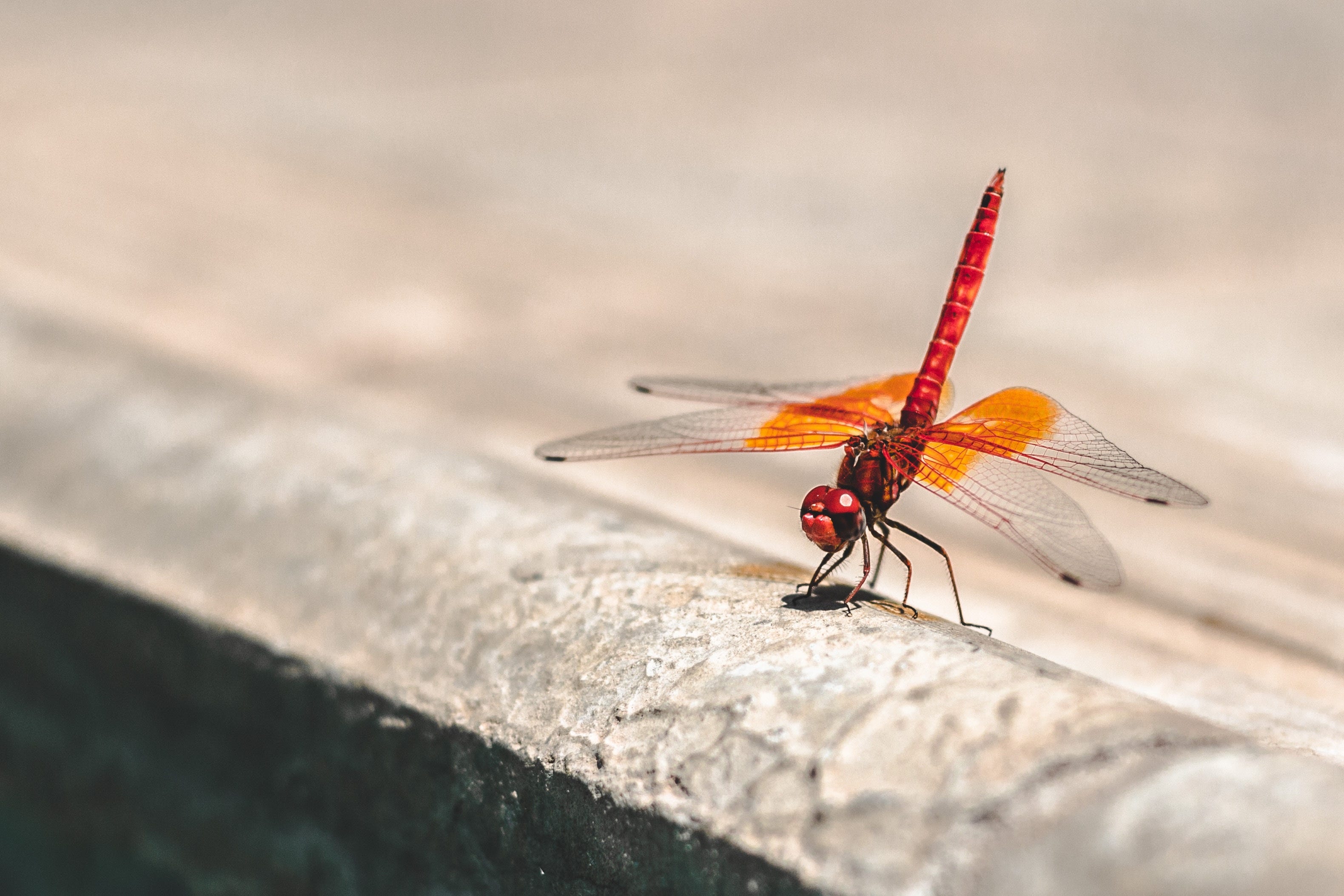
Photo by Florian van Duyn
According to the research, 15% of all dragonfly species may be threatened. Dragonflies eat mosquitoes, and can be top predators in fishless wetlands. In turn, they provide food for fish and other amphibians, birds, bats, and spiders.
How can you help the dragonflies?
- Drive at the speed limit! Dragonflies are often killed by cars, but conservational biologists from South Dakota found that dragonflies survived colliding with cars at speeds below 35mph!
- You can also make a dragonfly garden, by introducing any kind of water source to your garden, and ensuring there’s a diverse selection of native plants.
5. Leafhoppers
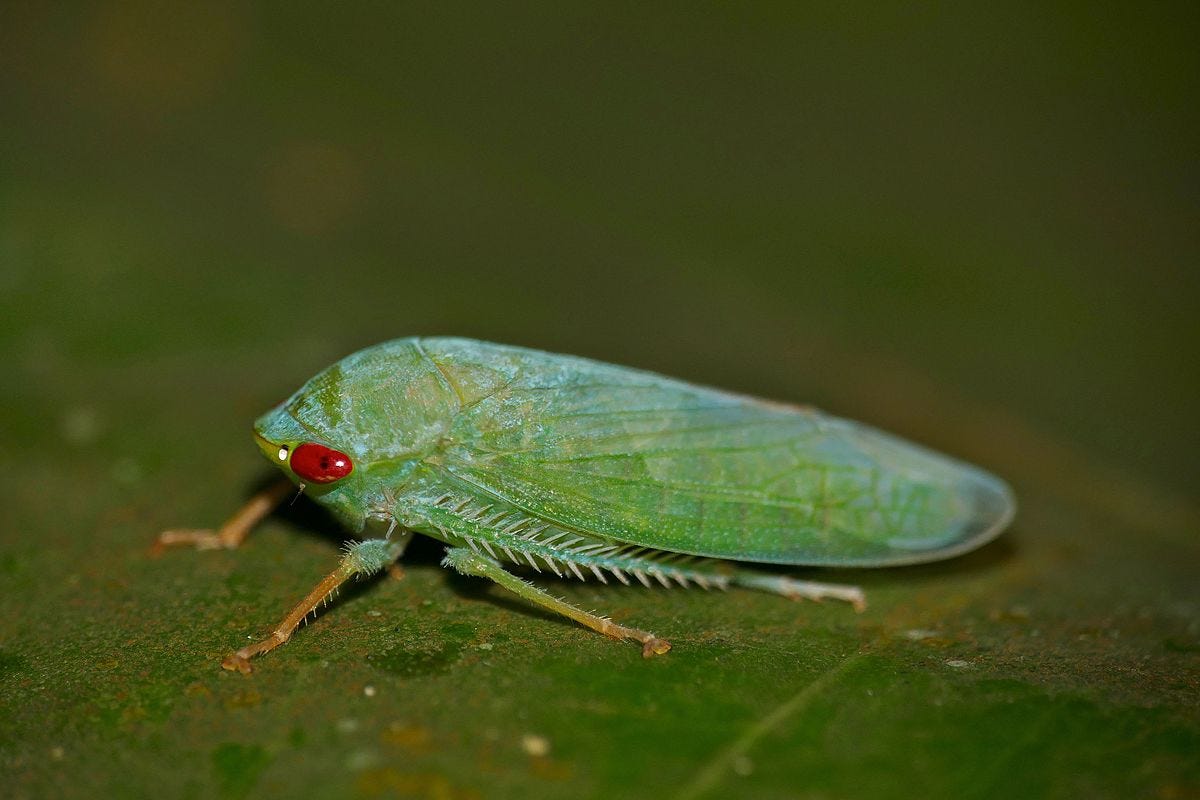
Photo by Bernard Dupont
Leafhoppers are part of a larger class of insects called Cicadellidae, and look amazingly similar to leaves. Leafhoppers feed on a wide variety of plants; because they’re one of the most common and abundant herbivorous insects, they’re an important food source for birds and lizards.
One study shows that the number of leafhoppers in Germany plunged by 66% in the 50 years up to 2010. Social acidification due to heavy fertiliser use is suspected to be the main factor in their declining numbers.
How can you help the leafhoppers?
- It’s the same story: buy and eat organic.
6. Ground Beetles
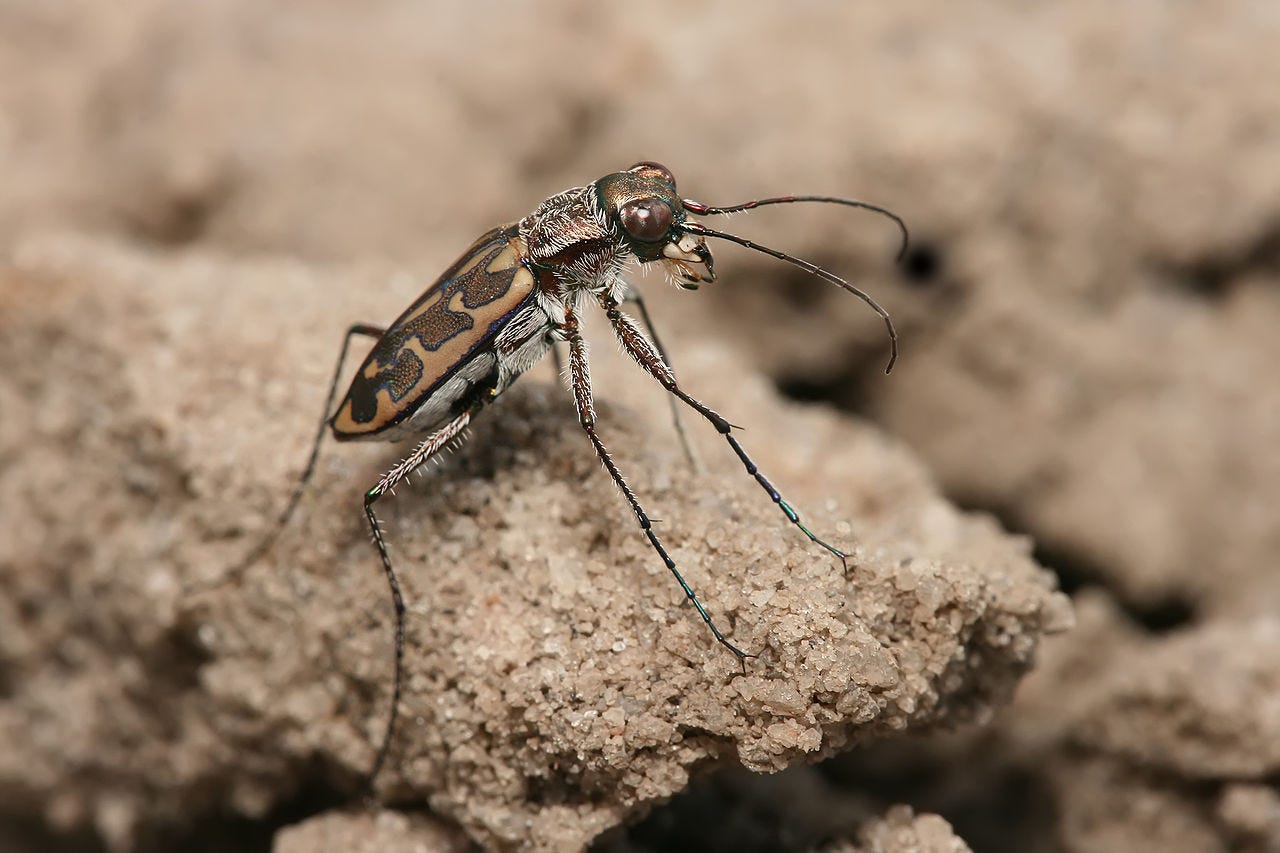
Photo by Muhammad Mahdi Karim
I don’t like beetles for a bunch of reasons (for starters, they’re just too freaking fast. Some can run 9 km/hour, making them one of the fastest land animals on earth in relation to their size). But ground beetles are far more important than my dislike for them!
They eat other bugs, including maggots, and will also eat the seeds of weeds, which helps to regulate weed population. Without ground beetles, we’d have more pests and weeds (which some people would then, in turn, attempt to kill with even more harmful chemicals). But in the UK alone, huge declines in ground beetles have been seen in three quarters of the 68 carabid species studied from 1994-2008.
How can you help the ground beetles?
- First, recognise them as a helpful aide and not a pest, and encourage others to do the same. They’re not harmful to people (despite their alarming speed…).
- Next, you can make safe places for beetles in your yard or garden by placing rocks; you can even create, “beetle banks”: raised beds of perennial grasses and flowers complete with rocks and plenty of places to hide.
- Whenever you spot a stag beetle, be sure to report a sighting to the People’s Trust for Endangered Species using this quick form!
7. Caddisflies
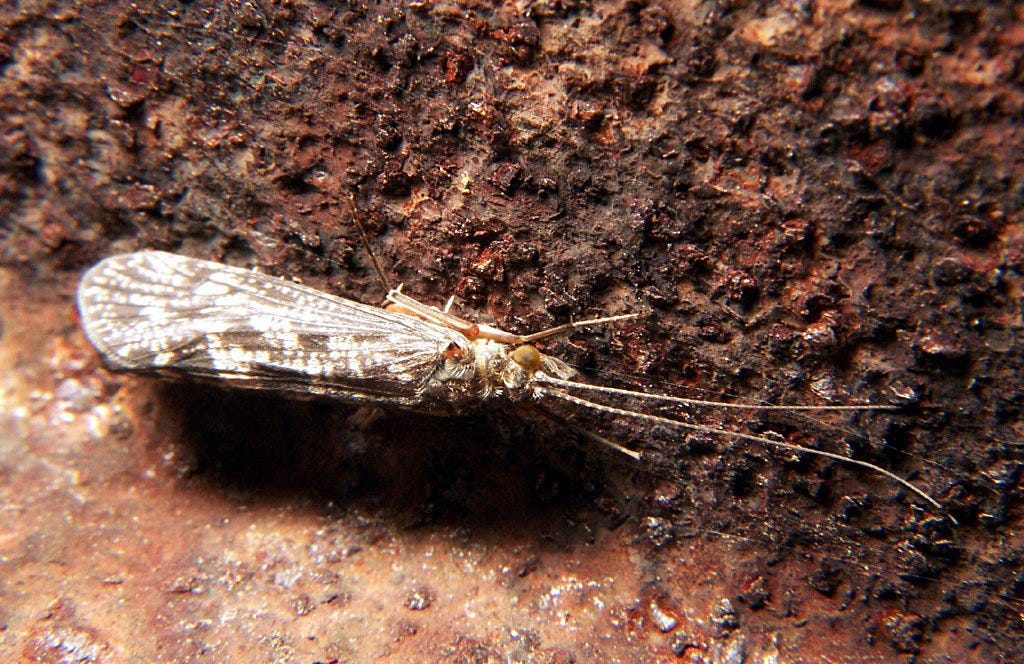
Photo by Bruce Marlin
Caddisflies resemble moths, and live near freshwater like lakes and rivers. They play an important role in aquatic ecosystems – fish and birds eat them, and their larvae even help control algae populations.
Caddisflies are very sensitive to water pollution, especially from human origin, according to the research. The removal of trees also threatens this species. 68% of caddisfly species are now considered to be threatened.
What can you do to help the caddisflies?
- Plant trees (caddisflies enjoy cool shade); if you don’t have space in your own garden, you can use a proxy like search engine Ecosia, which uses your searches to plant trees!
- To prevent freshwater pollution, recycle appropriately, and encourage your local authorities to properly manage storm runoff in your city.
8. Mayflies
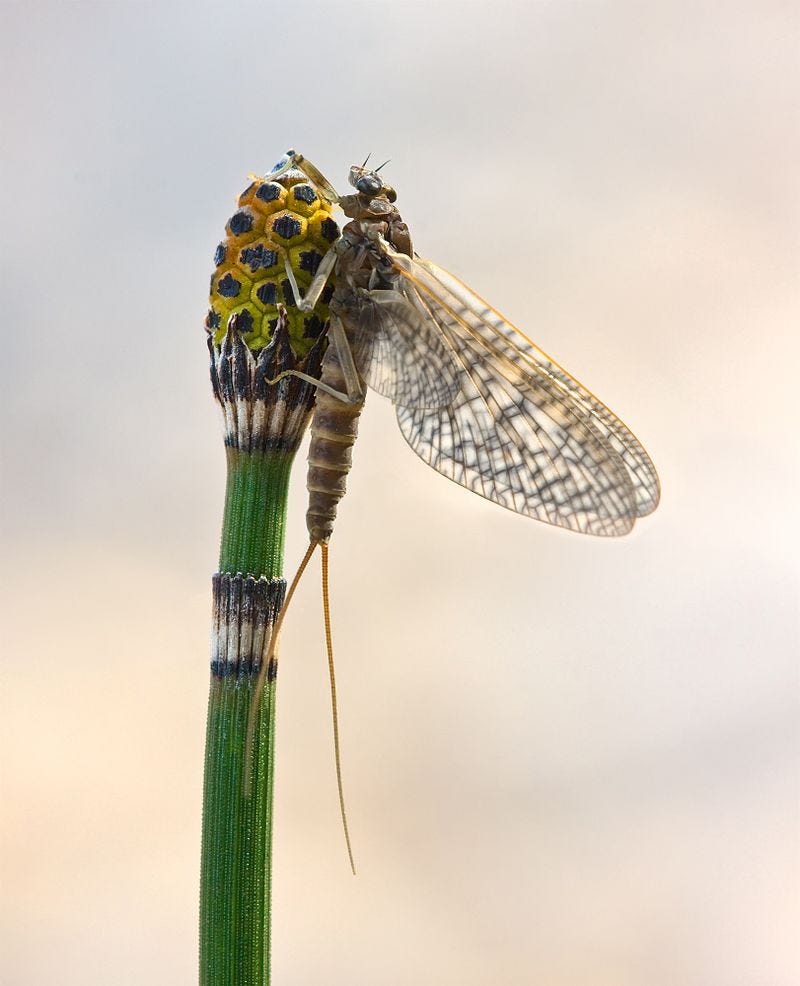
Photo by Richard Bartz
Mayflies are one of the oldest-known winged insects in existence. They hatch in fresh water and only live for about 24 hours.
Mayflies are active in the warmer months and are found in almost all types of water. What’s the point of saving them if they only live for a day, you ask? Well, during their brief time on earth, they provide food for dragonflies and other insects and mammals, including flying squirrels and fish.
Acidification of water, through industrial chemicals for example, is killing mayflies. 37% of mayfly species are considered to be under threat.
What can you do to help the mayflies? See the above section on caddisflies.
Another tip: mayflies are known to swarm, but don’t be alarmed by them – they’re completely harmless!


_(23740032502).jpg)


