

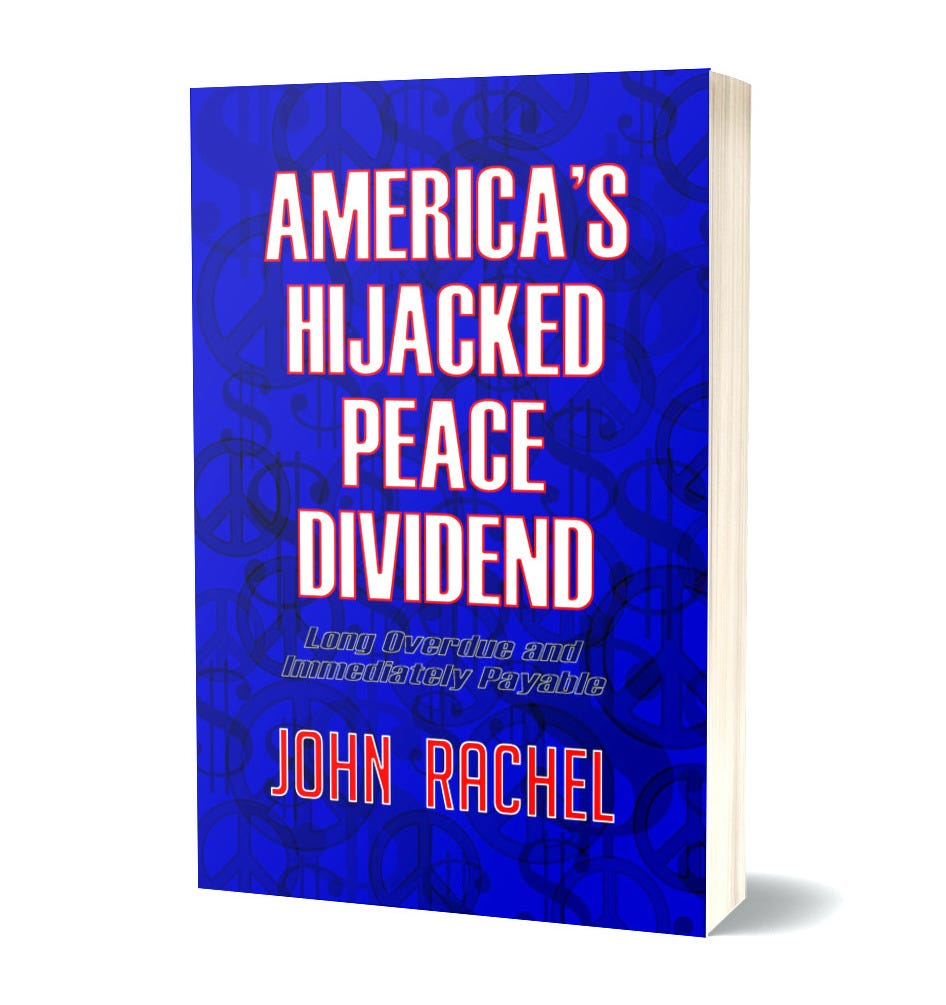
John Rachel has been writing books on how the population of the USA can take back democracy and how to defund the Military Monster Machine
Sep 05, 2026

I decided to give him an email, John Rachel, after reading Covert Action Magazine’s feature on his new book:
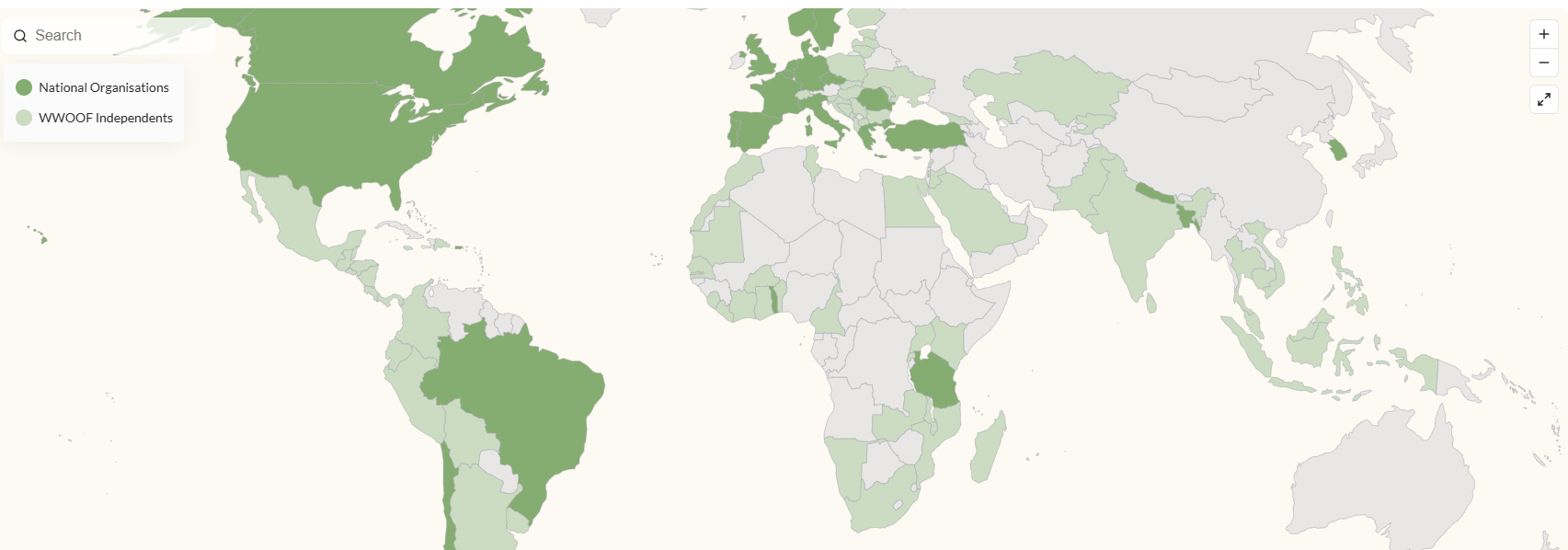
And he was open to my inquiries about his narrative — from Michigan to LA, as a music recording honcho, and then his 12 years in Portland, and then his WWOOFing, where he ended up working and living in 34 countries, before settling in Japan.
LISTEN HERE.
Worldwide Opportunities on Organic Farms (WWOOF)

He is full of ideas, and it was a pleasure to course through many topics with John.

Introduction: “We the people . . .”
We the People of the United States, in Order to form a more perfect Union, establish Justice, insure domestic Tranquility, provide for the common defense, promote the general Welfare, and secure the Blessings of Liberty to ourselves and our Posterity, do ordain and establish this Constitution for the United States of America.
That’s the Preamble to the Constitution. Notably, it does not say . . . we the oligarchs.
Or . . . we the plutocrats.
Or . . . we the ruling elite.
Or . . . we the aristocrats.
Or . . . we the CEOs.
Or . . . we the Wall Street speculators.
Or . . . we the war profiteers.
Or . . . we the political class.
Or . . . we the technocrats.
Or . . . we the military.
Granted, “the people” has undergone quite a substantial evolution over the 250-year history of our nation. Originally, some “people” had more say over the affairs of the U.S. than others.
Women weren’t allowed to vote until August 18, 1920, with the ratification of the 19th Amendment to the Constitution.
Slaves were not people at the founding; rather, they were property. Until 1863, they were non-citizens and had zero rights. Even for apportioning congressional districts — done by population — a slave was constitutionally deemed as 3/5th of a person. They were finally freed from bondage when Lincoln signed the Emancipation Proclamation on January 1, 1863. The 13th Amendment made that constitutionally binding, the 14th Amendment made former slaves full citizens, and the 15th Amendment gave blacks the right to vote.
There have been other notable shifts toward inclusivity.

He’s asking what many have asked for: Contract for American Renewal.
– Minimum wage $20/hour –
– High-quality, inexpensive health care for all –
– Expand Social Security and Medicare –
– End the wars and reduce military spending –
– Money out of politics –
Nuts and bolts?
- Minimum Wage: Immediately raising the minimum wage to $20.00 per hour.
• Health Care: Instituting Medicare-For-All and/or single-payer health insurance; paid family and medical leave; coverage for dental, eye, and hearing; lowering prescription drug prices; guaranteeing universal, high-quality health care.
• Job Guarantees: Trade policy and labor reform guaranteeing a full-time job, paying a livable wage and providing adequate family and medical leave, paid vacations, and retirement security, for every person who wants to work.
• Immigration: Initiate a comprehensive immigration policy which: Monitors and controls the number and quality of immigrants entering the U.S.; guarantees humane treatment and respect for the rights of those applying for entry or admitted with official approval into the country; and creates a sensible, expedient, judicious mechanism to award citizenship in a timely manner to immigrants now living amicably in America.
• Getting Big Money Out of Politics: Overturning Citizens United and related judicial decisions and immediately initiating comprehensive campaign finance reform banning big money in politics, especially targeting “dark money” and corporate contributions.
• Campaign Financing: Only accepting contributions from individual donors. Campaign contributions and “dark money” from major corporations, special interest groups, or other organizations, e.g., AIPAC, will not be allowed.
• Expanding Social Security: Making no reductions of current benefits or raising the eligibility age; expanding Social Security by increasing or eliminating the cap on taxable income; increasing benefits by at least 10% for all eligible recipients.
• Reducing Military Budget: Ending the undeclared wars and unnecessary military exploits across the globe, except where absolutely required to protect the safety of American citizens and to defend the nation from overt, verifiable aggression.
Limiting presidential deployment of military assets, except in cases of absolute emergency, by requiring informed congressional approval.
• Crime and Criminal Justice Reform: Reforming our criminal justice system, focusing on our racially biased, for-profit incarceration system. At the same time, investing in effective crime prevention programs and community policing.
• Tuition-Free College: Making tuition free at public colleges and universities throughout America.
• Environment: Implementing bold measures to mitigate the negative impact of climate challenges and to protect the environment from human-caused degradation, pollution, depletion of the oceans, deforestation, and desertification.
• Fair Individual Tax Policies: Instituting fair tax policies to relieve the onerous tax burden now borne by the middle and lower classes; closing tax loopholes, especially targeting tax avoidance using offshore tax havens; introducing appropriate parallel increases to capital gains tax rates.
• Fair Corporate Tax Policies: Eliminating tax loopholes, unnecessary tax credits and corporate subsidies, and barring use of corporate funds to lobby Congress; requiring corporations to contribute their fair share to federal revenue needs.
• Electoral System Reform: Reforming our entire electoral system making voting easier and more accessible, establishing secure and effective mechanisms for reflecting and realizing the priorities and choices of U.S. citizens, including but not limited to: requiring valid voter ID; making election day an official holiday; amending the Constitution such that the President is elected by popular vote; permitting same day voter registration; standardizing procedures on a national level for determining electoral outcomes, instituting fully transparentprotocols for a timely recording, collecting, storing, counting and recounting of votes.
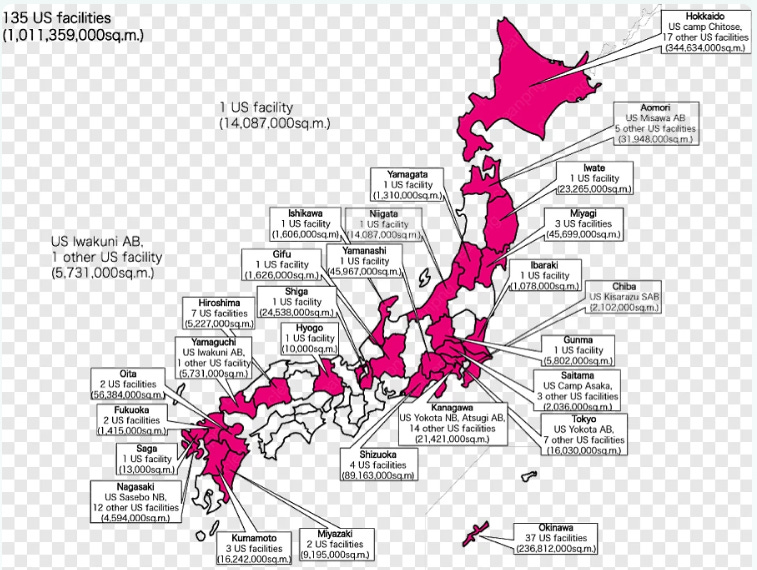
We had some fun, though, with the fact that he loves Japan, but knows Japan is colonized with over 55 military bases(135 facilities total) of the United Snakes of AmeriKKKa.
Remembering victory, guarding peace: Japan’s remilitarization raises concerns
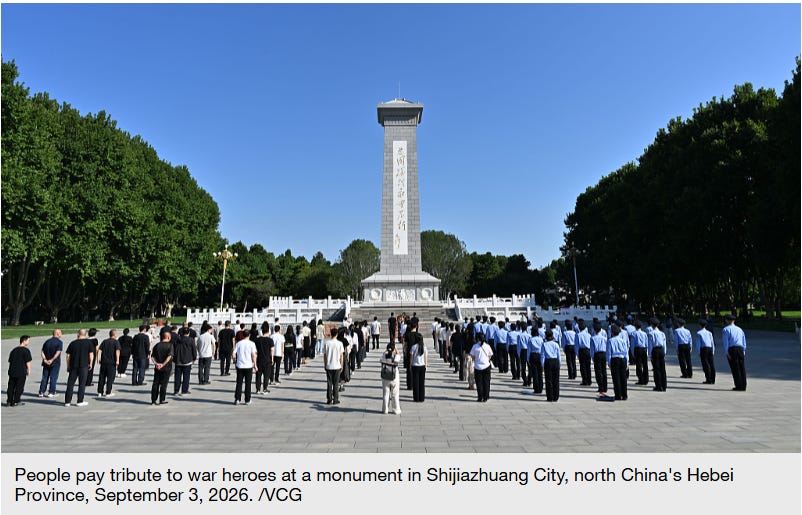
China on Sept. 3, 2026, marked the 81st anniversary of the victory of the Chinese People’s War of Resistance Against Japanese Aggression and the World Anti-Fascist War.
The date carries profound historical significance. On August 15, 1945, Japan announced its unconditional surrender. On September 2, it formally signed the Instrument of Surrender aboard the USS Missouri in Tokyo Bay, bringing World War II to an end in the Asia-Pacific. China designated September 3 as Victory Day to commemorate its victory in the War of Resistance Against Japanese Aggression.
The Chinese People’s War of Resistance Against Japanese Aggression was an important part of the World Anti-Fascist War. On the main Eastern battlefield, Chinese soldiers and civilians made enormous sacrifices and tied down a large proportion of Japan’s ground forces, creating strategic space and valuable time for the Allied war effort.
The postwar international order also established a legal framework for addressing the legacy of aggression. The Cairo Declaration, the Potsdam Proclamation and other international documents affirmed key principles of the postwar settlement, including Japan’s surrender and the restoration of territories seized through aggression.
Eighty-one years later, however, the effort to uphold historical justice and prevent the distortion of wartime history remains unfinished, as Japan’s security and defense policies undergo profound changes.

In August, Prime Minister Sanae Takaichi avoided explicit references to “reflection” and “lessons” regarding Japan’s wartime aggression at the National Memorial Ceremony for the War Dead. She also made a monetary offering to the Yasukuni war shrine, which honors convicted Japanese war criminals.
At the ceremony marking the 81st anniversary of the atomic bombing of Hiroshima, Takaichi also refrained from saying whether her government would continue to uphold Japan’s Three Non-Nuclear Principles.
Meanwhile, a proposed revision to explanatory texts at the Nagasaki Atomic Bomb Museum has drawn attention after reports that references to the “Nanjing Massacre” would be changed to “Nanjing Incident” from March next year.

An Iron Lady in Japan? Comparing Margaret Thatcher and Takaichi Sanae
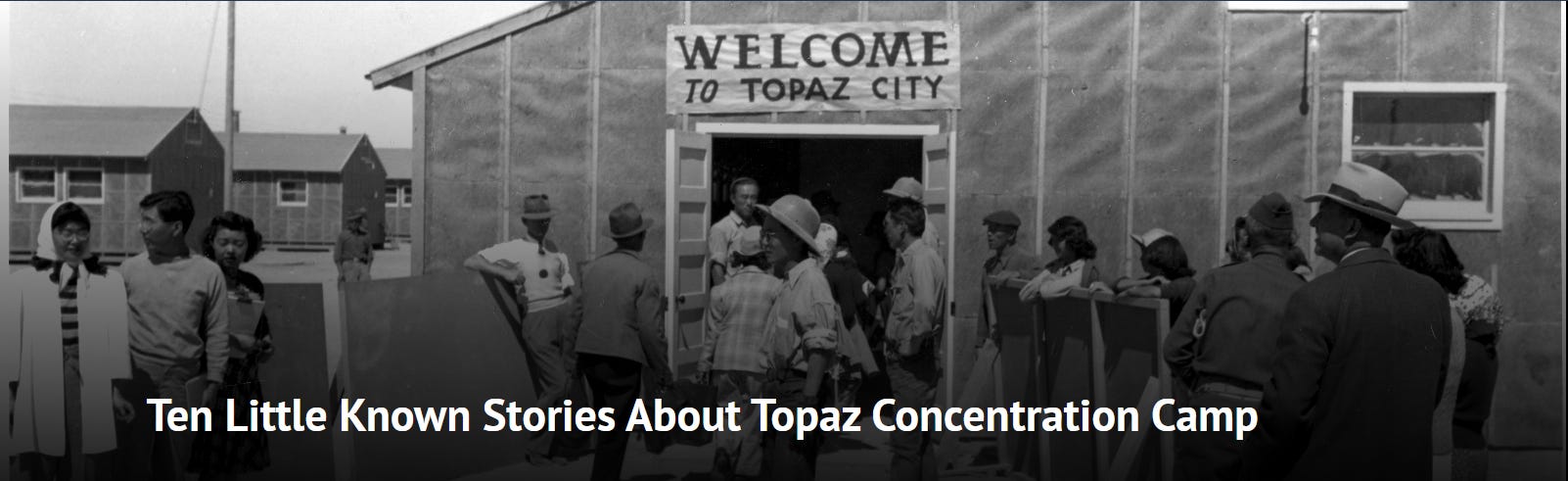
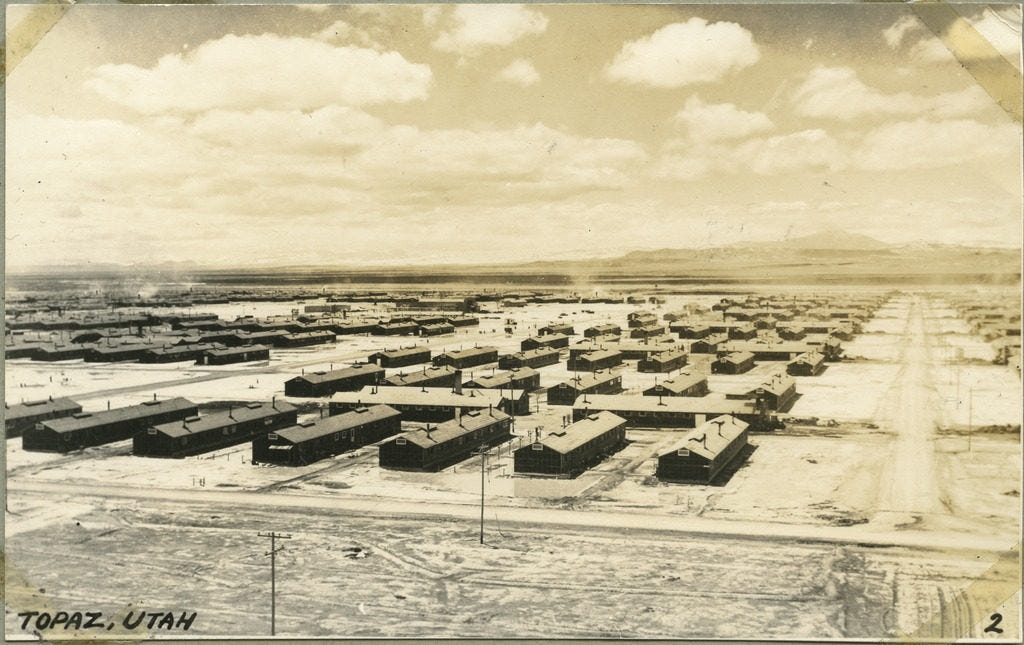
I mentioned my own connection to Japanese people in Seattle, and then one of my first episodes of this new radio show venture was all about internment: Japanese Internment — Topaz Utah, with a Caucasian Family Assisting Farming
He was a bit blown away by my interview style, alluding to the fact that “you make me sound like a centrist . . . it’s refreshing to talk to someone who understands the complexities of our time.”
Ahh, will I be debanked and taken out by a disgruntled Americano? He’s worried. And yet, she has to have armed police watch her house and her family. So what do I have to worry about?
Some candidates fit Rachel’s bill, including a friend of mine who I got to know a while back in Seattle when I was union organizing and teaching part-time,
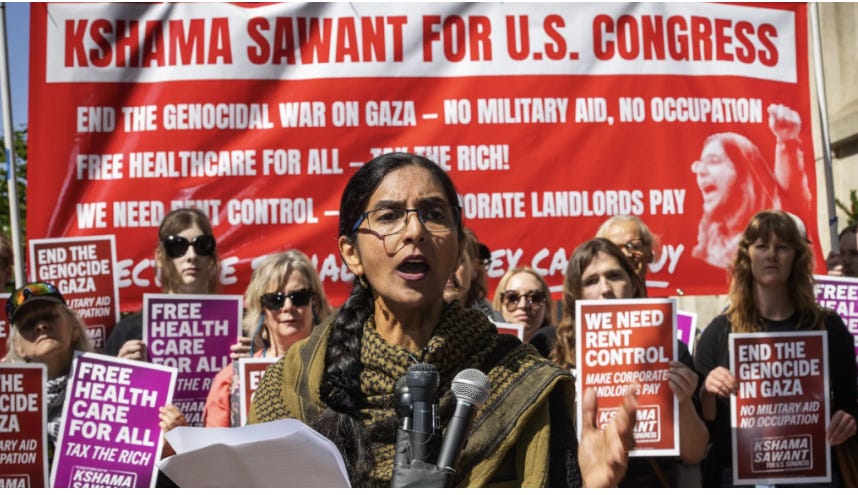
In 2013, Sawant became Seattle’s first socialist city councilmember in generations and spent a decade in office using it as an organizing platform. In office, she fought for the country’s first $15 minimum wage, the first tax on Amazon, as well as for a ceasefire resolution against Israel’s genocide in Gaza, calling for an end to all U.S. military aid to Israel. In the midst of the George Floyd protests in 2020, Sawant also let protesters into City Hall, where they demanded the resignation of Mayor Jenny Durkan and cuts to police funding. In the face of these attacks, both big business and the Democratic establishment joined forces and spent heavily to recall her in 2021 — a campaign that she mobilized to beat, before leaving voluntarily at the end of 2023.
Her congressional run carried much of the same politics onto a larger stage. She ran a campaign to tax the rich to fund healthcare for all, to end U.S. military aid to Israel, to stop the growth of data centers and AI layoffs, to take Big Tech and the energy giants into democratic public ownership, to build millions of affordable homes, and to stop deportations and shut down detention centers. Notably, she ran as an independent, launching what she billed as a “working-class, antiwar, anti-genocide” campaign. Her program stood in stark contrast to that of Smith, who’s a senior member of the Armed Services Committee and voted for the Iraq War, voted to create ICE, and has voted to send tens of billions of dollars to arm Israel’s assault on Gaza.
With more than 800 volunteers, Sawant’s campaign raised about $645,000, most of it in small donations at a median of about $25. She out-raised everyone else in the field, including Basler and the other Democrat, Melissa Chaudhry, but was still outspent roughly three to one by Smith, who raised close to $1.9 million. Against the wider progressive slate now sweeping Democratic primaries, hers was a lean operation. Abdul El-Sayed raised more than $12 million for his Michigan Senate bid, Francesca Hong raised more than $1.1 million for her Wisconsin governor race, and Mamdani’s New York mayoral run mobilized tens of thousands of volunteers and maxed out the city’s matching funds.
This gap points to the other half of the story: despite the space for new ideas, the hurdles for Sawant’s campaign were significant. Endorsements came from the activist Left like the Washington Green Party, The Stranger, Mumia Abu-Jamal, and the Seattle Gay News. The institutions with real muscle — the unions, the big progressive groups, and DSA — stayed on the sidelines. In March, Seattle DSA’s convention voted 91 to 67 to not even reopen consideration of endorsing her, with critics inside DSA citing a long, fractious relationship and accusing her camp of “entryism.” The real debate that Sawant’s campaign posed, however, was that instead of continuing with DSA’s longstanding strategy of using the Democratic Party ballot line and attempting to transform it into a vehicle for the working class and the Left, there exists an actual space to fight for class-independent politics.
We barely scratched the surface of his latest book:
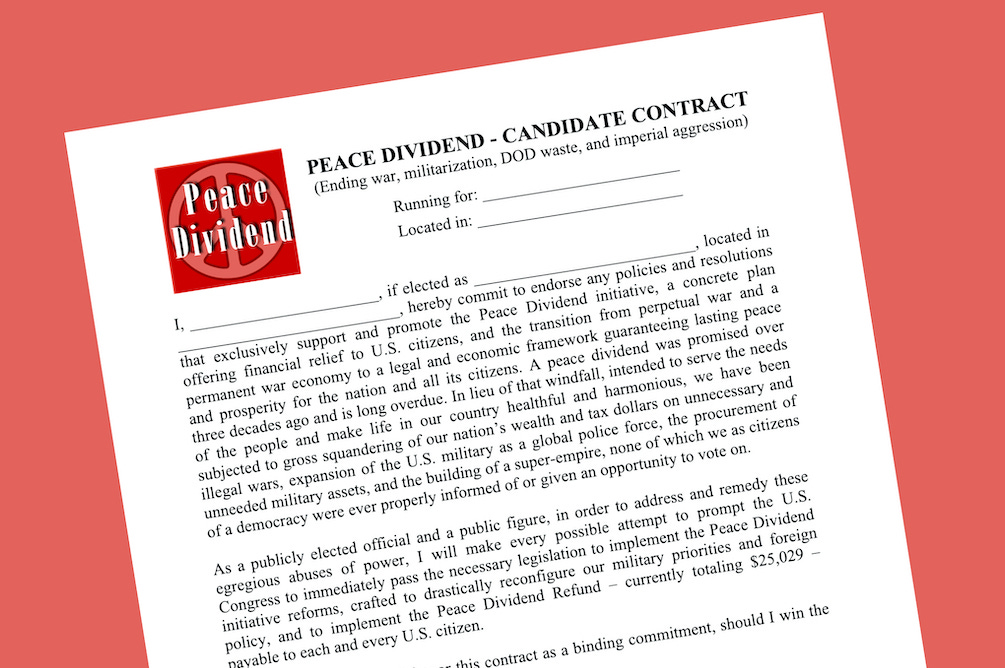
Rachel points out $9.12 trillion was not used to defend the U.S. from any real foreign enemies but went “directly from people’s pocketbooks, wallets and family budgets into the coffers of major corporations…and bank accounts of their rich and powerful investors.”
According to Rachel, “all the unnecessary wars, 700+ military bases, and upgrade of the nuclear arsenal” were “not the result of honest mistakes or miscalculations or errors in judgment. No. They were all intentional, carefully cultivated fruits of calculated deceptions, patently misleading propaganda, shrewdly designed ruses, pre-meditated lies, false narratives, disinformation campaigns, massive brainwashing, serving shrewd priorities and agendas we the people certainly never voted for.”

Rachel highlights how the U.S. government issued Liberty Bonds to raise money for both World Wars I and II, and specifies that, “if we can raise money for war, we sure as hell can raise money for peace.”
I’ve had Abbey on my show, covered at DV, too. I believe the actual damage of US military expenditures and the actual kinetic and economic hits the US has perptrated, and that includes the 14 Eyes and Israel, that the total costs to humanity, to the lives lost, families torn apart, the PSTD, the harm to cities, schooling, just cultures, plus all the dual and triple use of the military budgets infecting schools, universities, corporations, all of that to include lives interrupted, dreams crashed, economies crashed, we are talking tens of trillions of dollars, if you can put prices on blown up wedding parties and the psychic and vicarious trauma of it all.
A good start, but like everything in transactional and non-nuancing America, UNDERCOUNTS:
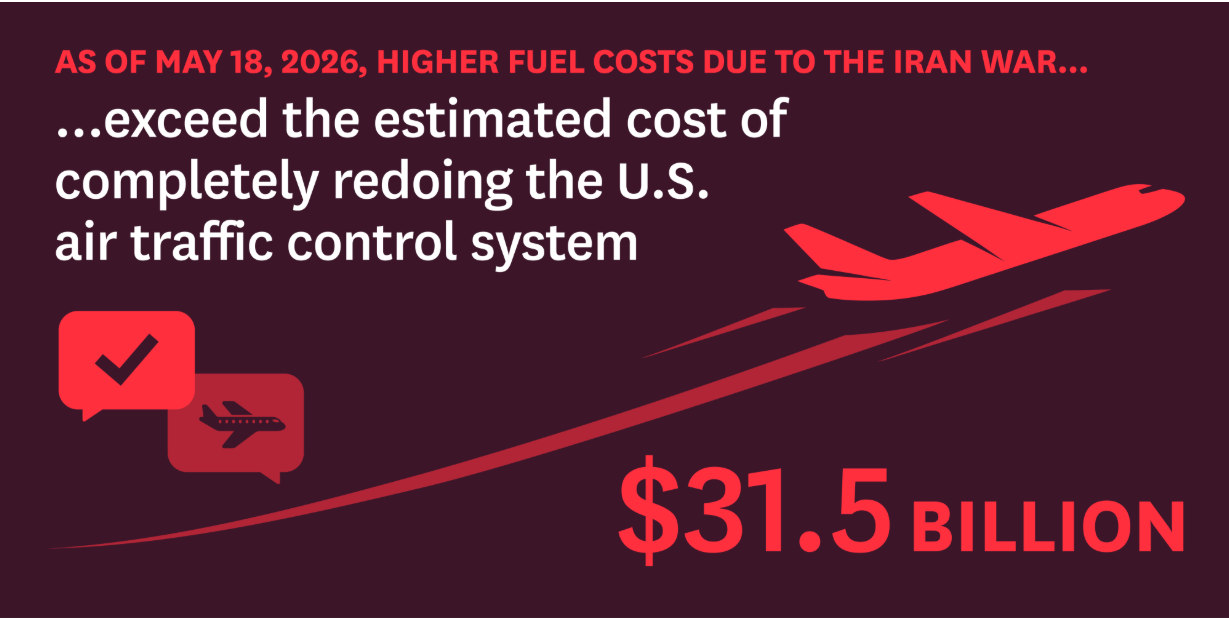
The United States’ aggregate extra fuel costs since February 28:
● Could pay for the entire federal Bridge Investment Program announced in 2024 to repair, restore, and modernize over 10,200 of the nation’s bridges
● Exceed the estimated cost of completely redoing the U.S. air traffic control system ($31.5 billion)
● Are twice (2x) the cost of the Federal EV Charging and Electrification Programs proposed under two laws passed during the Biden administration ($18.9 billion)
Again, LIVES, villages, the trauma. Wedding parties?
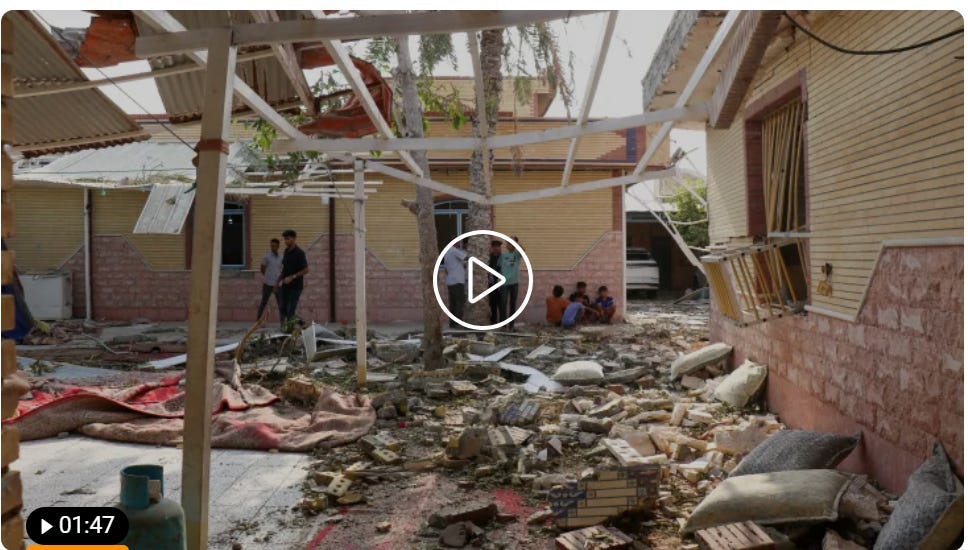
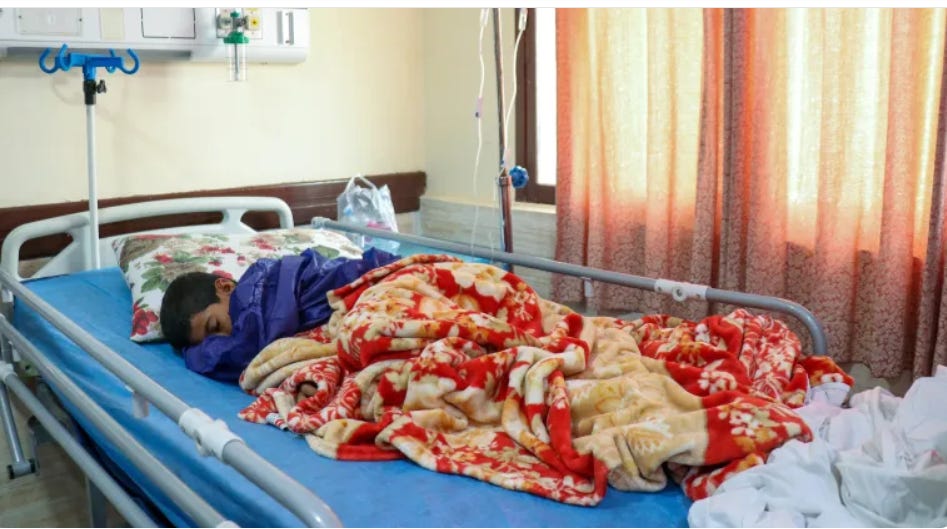
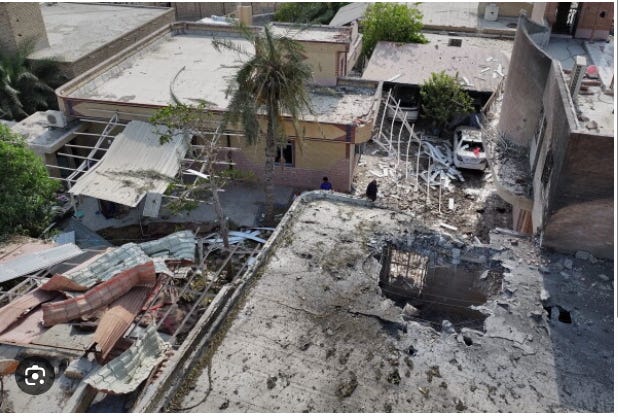
Iran Red Crescent urges ICC probe into deadly US strike on wedding party
Outrage grows over US strike that killed four people and wounded 67 at a wedding party in Kuhestak.
The premise and basic arguments of the Peace Dividend strategy and for the Peace Dividend Refund are simple and straightforward:
1) All of the wars of the past three decades were based on lies, distortions of reality, hiding of facts, intentionally and by carefully concocted calculation, to misinform and mislead the American public.
2) Threats and enemies were created where none had existed. The need for interventions, regime changes, deploying military force, even initiating entire wars was fabricated out of whole cloth to enlist the support of the public for inflated defense budgets and endless wars.
3) These calculated deceptions constituted criminal fraud and the theft of trillions of dollars which should have been available to American citizens to put to better use.
4) The result was a gigantic transfer of wealth. Literally, it took money from the individual and family budgets of everyday people and gave it to corporations, Wall Street, hedge funds, and the already incomprehensibly wealthy.
5) This fraudulent seizure of funds and abuse of power also consolidated the control by ‘neocons’ over America’s policymaking institutions. Neocons are firmly entrenched in our government. Their agenda is making the U.S. the most powerful, feared empire in history, in order to ruthlessly rule over every other nation on the planet.
6) The American people never voted for any of this at any level. Candidates for office never discussed it.
7) Nor do American citizens, as polls show, now approve of endless wars, limitless military expansion, and America becoming an empire.
8) The U.S. did and could now maintain a sufficient and formidable military on the baseline DOD budget of 1992, which was $325,030,000,000.
9) Any expenditure in subsequent years in excess of this baseline was and is unnecessary. All such expenditures represent a fraudulent appropriation, literally a theft.
10) This theft of money from American citizens constitutes a criminal abuse of power on the part of those in the U.S. government who were and are responsible for such policies.
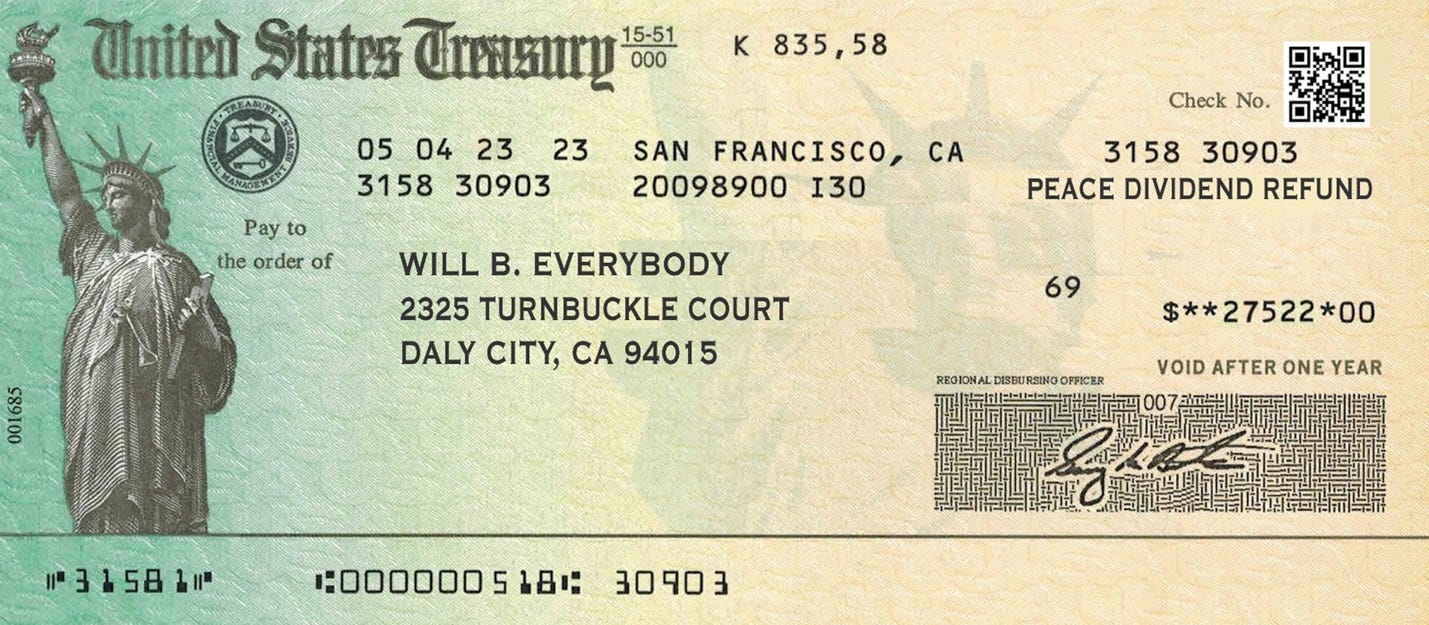
11) The minimum remedy for rectifying this crime against the American people — the potential for criminal prosecution aside — is a refund of all the funds appropriated under false pretenses.
12) This refund now totals $9.12 trillion, representing 34 years of theft from everyday citizens. The refunded money will be distributed equally to every living U.S. citizen. As of this writing, it comes to $27,522 per person.
+—+

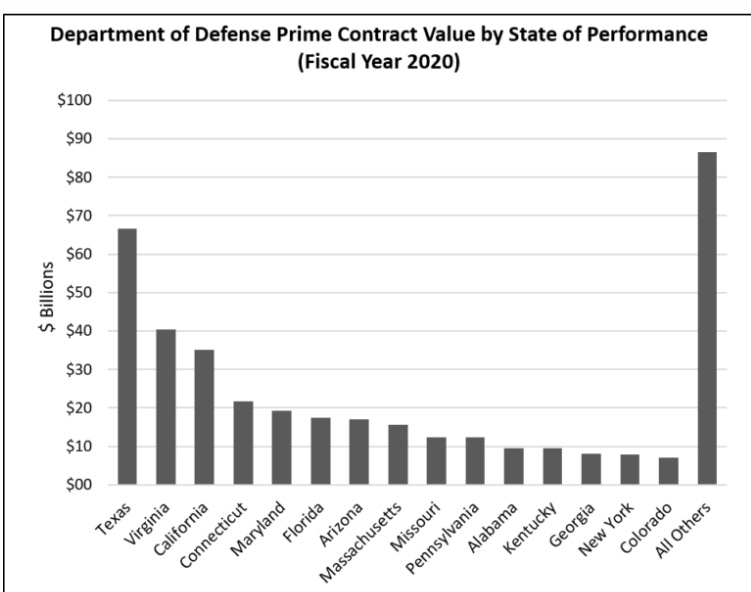
Nah, so every citizen gets $27k? Bezos? The millions of millionaires and hundreds of billionaires? Nah. How many are directly and indirectly making money off of death? U.S. defense industrial base is approximately 1.1 million workers. When combining broader aerospace and national security roles across the complete supply chain, the industry supports 2.1 to 2.2 million jobs.
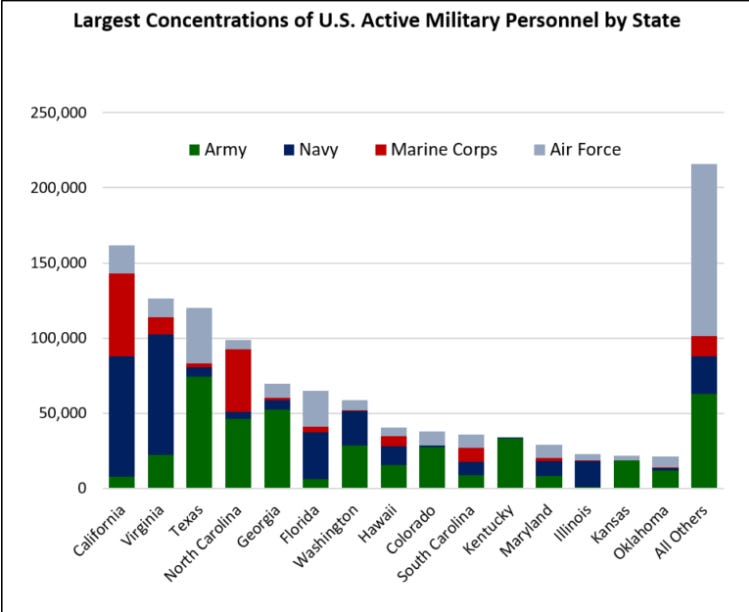
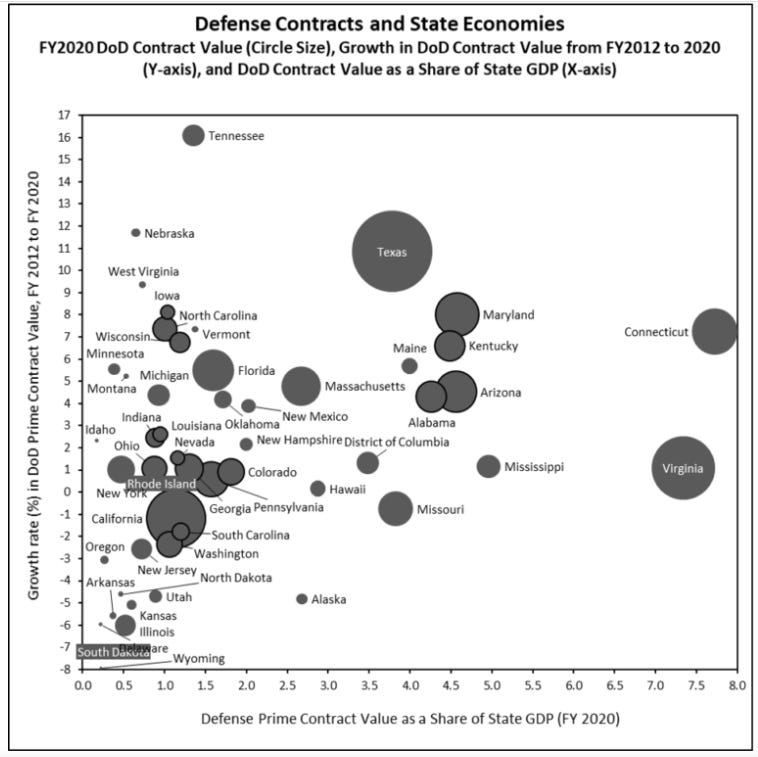
Nah. Every fucking Gestapo and SS and uniformed and un-uniformed mercenary and Raytheon employee and military family member getting a piece of the dividend? All the trades in offensive weapons and services and other technologies? Nah, not a cent to them.
This is the infection of the military in businesses, real estate, schools, medicine, you name it . . . .
“More generally, the Pentagon has a potential strategic imperative to connect with a broader array of Americans, fewer and fewer of whom have served in the military. At a time when commercial technologies and non-traditional suppliers are increasingly vital to maintain U.S. military technical primacy, the Department of Defense has had a harder time attracting new entrants to the defense supply base. The increasing concentration of the U.S. defense industrial base thus appears to be both a symptom of a broader trend — the isolation of the Defense Department from broader American society — and a critical source of risk: If the established defense industrial base grows more concentrated in fewer areas, then accessing the kinds of commercial technologies, processes, and business models that will be needed in the coming era of great-power competition could grow more challenging.” — The Evolving Geography of the U.S. Defense Industrial Base

Our talk airs Sept. 30 at 8 pm, Wednesday, and rebroadcasts Thursday at 3 pm.
LISTEN HERE.
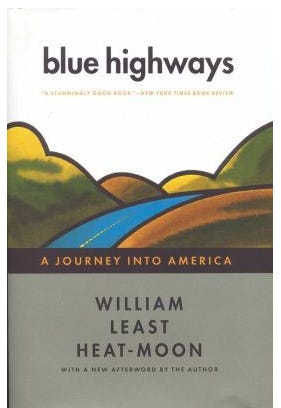
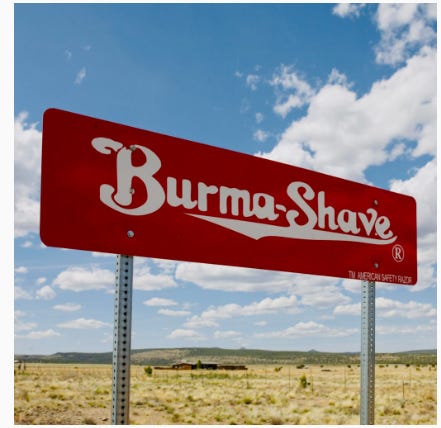
I did bring up Blue Highways, and Leas Heat-Moon’s journey across the US on non federal roads and highways, looking to see if he could get a bead on the American soul. That was 44 years ago.
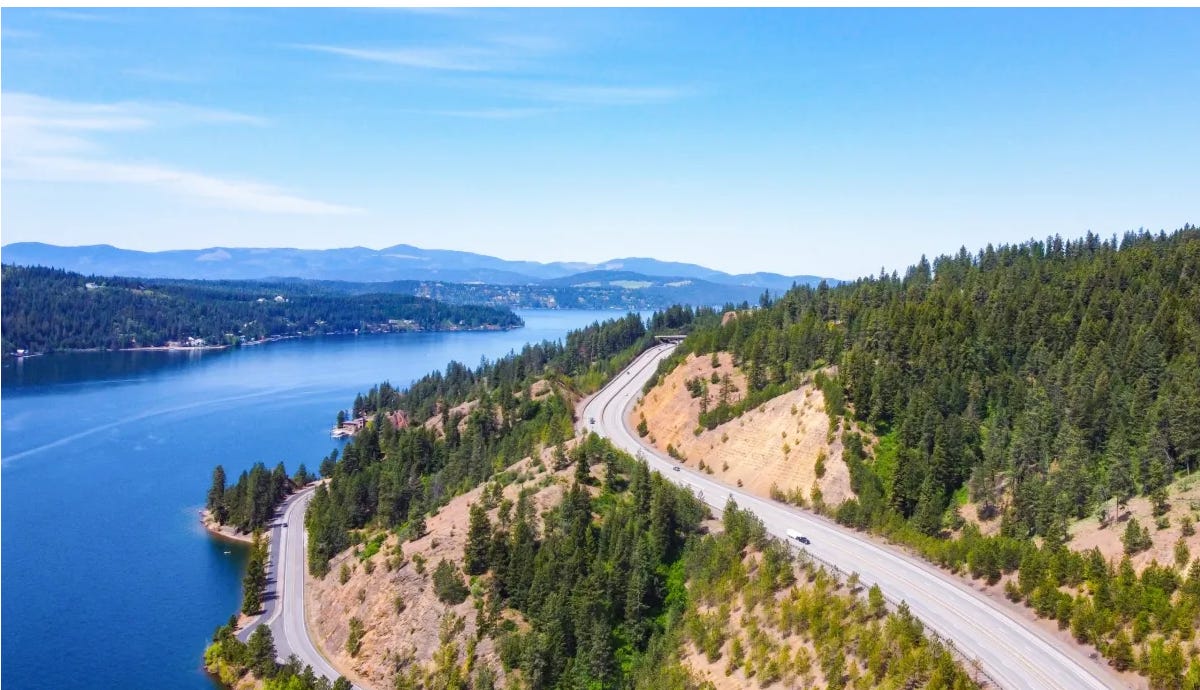
The year of his journey was 1978. He was Bill Trogdon, or William Least Heat-Moon, according to his Osage lineage. He was 38 then, on an extended road trip in a Ford van following a somewhat circular route around the United States, sticking to the highways marked in blue on his old road atlas.
This is how he memorably put it, at the start, from behind the wheel:
“The first highway: Interstate 70 eastbound out of Columbia, Missouri. The road here follows, more or less, the Booneslick Trail, the initial leg of the Oregon Trail; it also parallels both the southern latitude of the last great glacier in central Missouri as well as the northern boundary of the Osage Nation.”
Least Heat Moon is often an outstanding writer. Look at this portrait of a woman in Nevada playing a slot machine like a zombie.
“… a woman, face as blank as a nickel slug, pulling dutifully on the slot handles. She had stood before the gears so many times she herself had become a mechanism for reaching, dropping, pulling. Her eyes were dark and unmoving as if unplugged. The periodic jangle of change in the winner’s cup moved her only to reach into the little coffer without looking and deposit the coins again.”
I have seen this woman a thousand times, and such men, too. The passage is uniformly good prose, but the key piece of genius is “gears.” About to describe the woman as an automaton, he places the word “gears” right where it will have the maximum effect on the quality of the passage.
Or this:
“A car whipped past, the driver eating and a passenger clicking a camera. Moving without going anywhere, taking a trip instead of making one. I laughed at the absurdity of the photographs and then realized I, too, was rolling effortlessly along, turning the windshield into a movie screen in which I, the viewer, did the moving while the subject held still.”
+—+
Maybe John Rachel was looking for that blue highway experience, some America from Rockwell’s day, somewhere, to prove America was once a great country, one of inspiration for the rest of the world.
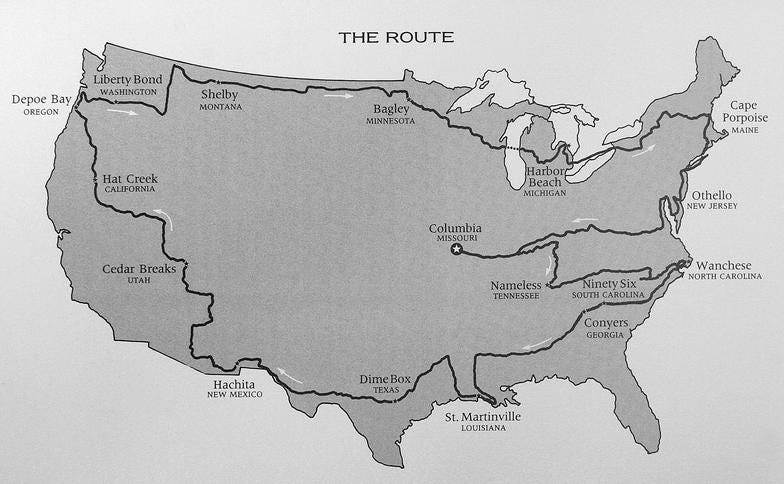
Blue Highways Revisited Slideshow
Book Quote
“’The sea never forgets where it’s been, and it’s been over that land many times. We haven’t had a major hurricane in nearly twenty years, when we used to have a hard blow every few years. New people don’t know that. They come in and see open beach and figure they’ve found open land. But the Banks aren’t ordinary islands, and that’s why they’ve been left alone. People didn’t used to build much they couldn’t afford to see washed away, because sooner or later most most things out there get washed away. I know — I’ve lived there. It’s always been a rough place. Land pirates, sea pirates. Blackbeard was killed down at Ocracoke where my family comes from. One of my ancestors was on the Arabian ship that wrecked and spilled the Banks ponies that used to run wild.’”
Unnamed man in Manteo, North Carolina, quoted in Blue Highways: Part 2, Chapter 8
Studs Terkel:

