

Ahh, the Odyssey of it All, what an odyssey of odiousness!
Jul 25, 2026
This is so fucking sick. Fucking goes back to BlackHeartRock.
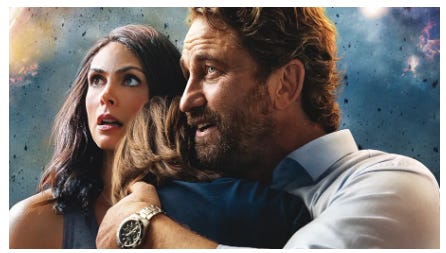
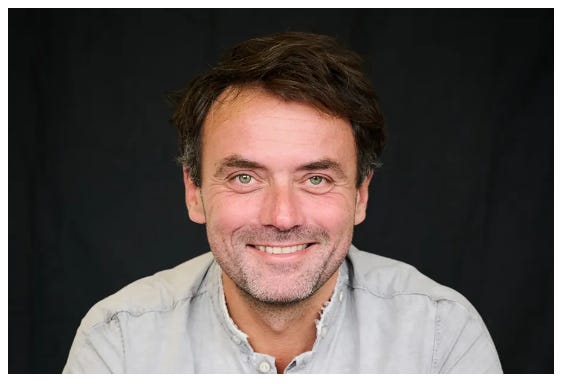
How Anton’s Sébastien Raybaud Plans to Accelerate Film Output of ‘Greenland’ Producer Thanks to Game-Changing BlackRock Investment. Dogs…………..
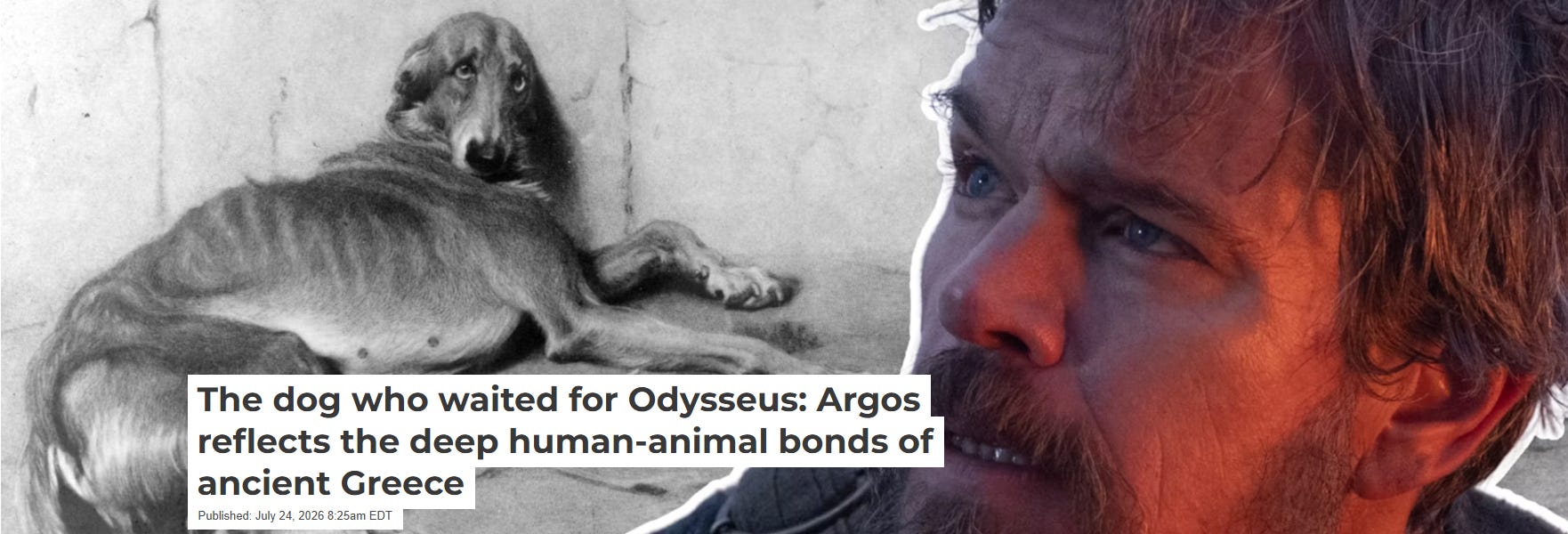
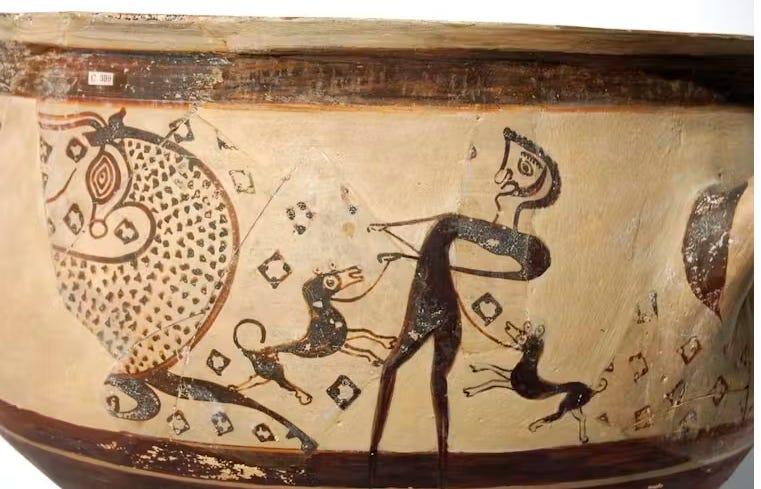
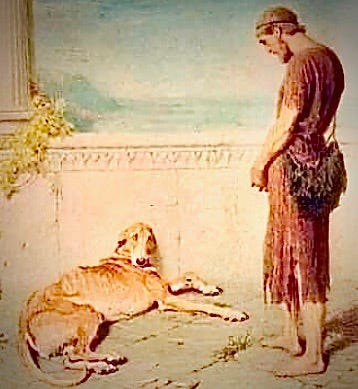
For many readers, the most moving scene in all Homeric epic is not the deaths of Patroclus or Hector or the truce between Achilles and Priam, but the story of Odysseus’s dog Argos. Yesterday was International Dogs’ Day; but I did not want to post this heartbreaking passage on a day designated as a celebration of canine joyfulness.
After accompanying the Greeks to Troy and fighting for ten years until the city’s fall, Odysseus wanders the seas for a further ten years before eventually returning to his homeland, Ithaca. In his absence, greedy local noblemen have descended on his palace and, as suitors for the hand of his wife, the queen Penelope, they resist the prospect that Odysseus will one day return.
Odysseus disguises himself as a beggar and, unrecognised, is befriended by the swineherd Eumaeus. As they walk towards the palace, Odysseus sees the hunting-dog Argos that he had reared as a pup, now old and weak, lying neglected on a pile of manure. Argos instantly recognises him, but for fear of betraying his true identity Odysseus cannot reciprocate the dog’s attempt to welcome his master.
One of the most effective translations of the scene is that composed in rhyming couplets by Alexander Pope (1726).
Abandoned in neglect poor Argos lay,
unhoused, uncared for, on the public way;
and where the heaps of rank manure were spread
a-swarm with fleas, he made his filthy bed.
As they conversing to the city drew.
the faithful dog his ancient master knew:
and recognising well his voice and tread,
pricked up his ears and raised his heavy head.
Seeing Odysseus, him he strove to meet,
and tried in vain to crawl and lick his feet;
but strength alone he had to wag his tail
to greet his master, though to no avail.
Deep pity touched Odysseus to his soul,
and down his cheek a tear unbidden stole;
but unperceived he turned his head, and dried
the falling drop, while silently he cried.
“What sorry beast in this abandoned state,”
he asks, “lies helpless at Odysseus’ gate?
His bulk and beauty speak no vulgar praise.
I warrant such a hound saw better days.”
To him the older man his head inclined
and said: “He served one of a noble kind –
now long since perished on a distant shore –
who will, alas, behold him nevermore.
You should have seen dear Argos bold and young,
swift as a stag, and as a lion strong!
Now time has sapped him, with his master lost
and many years on stormy oceans tossed.”
So said Eumaeus, and strode on ahead;
and faithful Argos dropped his tired head.
Though twenty long and dismal years had passed,
he’d lived to see his lord again at last.
Now night descends upon his weary eyes:
he wags his feeble tail for joy, and dies.
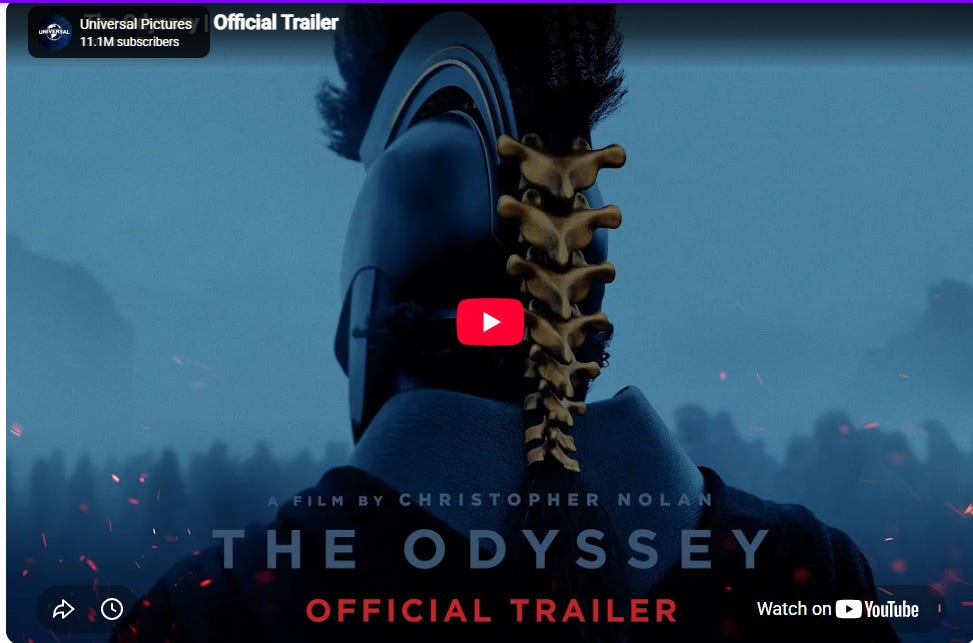
Make this MOVIE, NOLAN: Strait of Hormuz!!!!!!!!!!!!!!!!!!!
Elon Musk was a man on a mission. Yes, he’s supposedly intent on colonizing Mars, or the moon, or maybe, if you give him some more time to move the goalposts, just a really, really tall mountain, but this spring, a more pressing task presented itself, a sequel to his early-2026 mission to post white supremacist rhetoric: take down Christopher Nolan’s The Odyssey, which he decided was the latest of “woke Hollywood’s” attempts to spread racial animus (towards white people, of course) and win Oscars while doing so. Nolan, Musk explained to the trade publication Variety, was “pissing on Homer’s grave”, referring to the author of the film’s epic-poem source material.
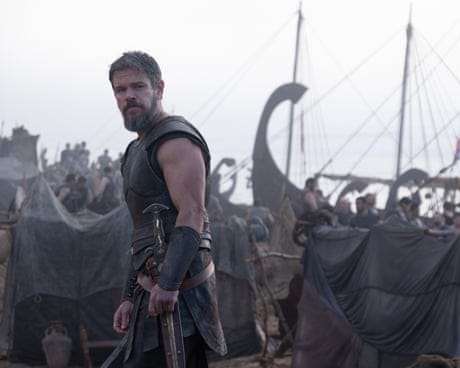
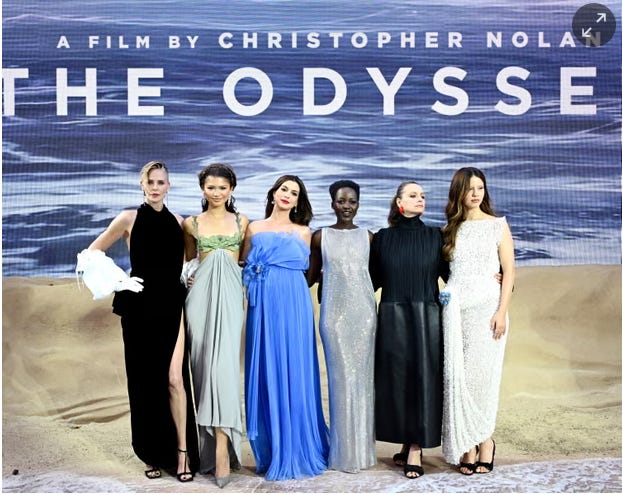
As the final phases of the movie’s promotional campaign ramped up, Musk posted dozens of times on his self-owned social media platform with grievances related to the casting of Lupita Nyong’o (a Black woman) and Elliot Page (a trans man) in the movie, often spreading false statements about this casting existing to satisfy new Oscar requirements. (As detailed here, those new Oscar diversity requirements are extremely flexible, and often satisfied by studio-wide programs that have nothing to do with casting. The Odyssey did not need to hire Oscar winner Nyong’o to be eligible for awards.) Musk may be a divisive-at-best figure who large swaths of the population do not take seriously, but he commands enough attention and adulation from a vocal minority that plenty of online accounts were soon parroting his willful misunderstanding of Hollywood and The Odyssey. Many of them abruptly and hilariously zeroed in on the 2004 movie Troy – which the right flank of social media suddenly decided was a beloved masterpiece, rather than its own, far greater distortion of Homer’s epic poem The Iliad.
This story has an ending even more familiar than a Musk-branded rocket crash: after weeks to months of rightwing outrage about the failure to select an exclusively Greek cast for a movie that also features a cyclops, sea monsters and a witch who turns men into pigs, The Odyssey has become one of the biggest hits of the summer, with over $260m in the bank already, well on its way to outgrossing the inflation-adjusted totals for Troy. (In raw dollars, it’s already made more in the US.) The rallying cries of “go woke, go broke” have been drowned out by demand to see Nolan’s fusion of old-fashioned Hollywood spectacle with less traditional forms of filming, editing and, yes, casting.
5.3 billion US dollars according to Forbes, Steven Spielberg who is a movie director is believed to be the richest celebrity in the world. His movie genre is sci-fi(Science Fiction), adventure and fantasy film. He is currently 78 years old. He started making movies as a teenager
Look, when you look at the monarchs in the Persian Gulf, in the Arab Zionist countries of the Persian Gulf, they’re not really educated people. And they have a problem understanding raw politics. Someone like Mohammed bin Salma is… I mean, he has different issues, right? Aside from his snorting and everything, he has different issues. For example, he was talking about bringing the war to Iran, right? And when he says that, it’s one thing to listen to him, to his transcript being translated to English; it’s another thing to listen to him in Arabic, right? As some kind of- because, as you know, the Sassanid Empire was invaded by the Arabs, right? But there is this underlying feeling in people like Mohammed bin Salman that they have a duty in order to fight the Persians. They still see it as in that context. It’s a cultural thing, right? One thing that I know, and it’s very sad, I don’t know why Saudi Arabia, Kuwait, all these countries do this to themselves.
So UAE and Israel, they had a joint plan. As you know, UAE has this rivalry with Saudi Arabia, right? So they’re trying to eclipse them in order to put more pressure on them. UAE and Israel were working on plans in order to cut off the access of Saudis To Bob Al-Mandab and straight off almost. They were actually working on this, right? And seeing that now as a result of the attack that has happened on Iran and Yemen, the Saudis themselves have walked into that kind of program. It really makes you question as to what Mohammed bin Salman actually thinks. But again, the problem is that the prejudice, the hostility in that historic context clouds the judgment of people like Mohammed bin Salma.
We had the Beijing Accord with Saudi Arabia in which Iran and Saudi Arabia, they sort of had a rapprochement. But it didn’t last because the Saudis are not serious. I think that they thought that they could get away with it, that if they got rid of Iran, they could become the hegemon in this region.
I mean, the truth is that Israel is playing all of them against one another, the same UAE that has been given carte blanche in different parts of the world in order to carry out atrocities. It will only be used as long as it contains Saudi Arabia. Once Iran is gone and they inflict the kind of damage that they want to inflict on Saudi Arabia, the UAE itself will become more unstable.
We’re talking about seven cities. The UAE, United Arab Emirates, it’s just seven cities. It’s very small. But they don’t understand that you don’t, and apologies for saying this, you don’t defecate where you eat. You don’t defecate where you sleep. You know, you look at the Europeans. The Europeans go to Africa and start wars there. But this is not the mentality in these Arab Zionist countries.
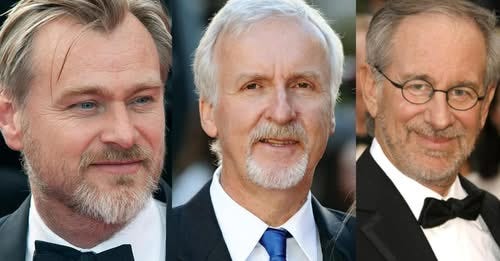
MURDER MURDER MURDER, and this is it? Christopher Nolan vs James Cameron vs Steven Spielberg: Who’s the RICHEST filmmaker? THIS IS WHAT AMERICANS love…

How’s this film? MAKE IT. Drama, heroes, exotic places, tension, empathy, “action.”
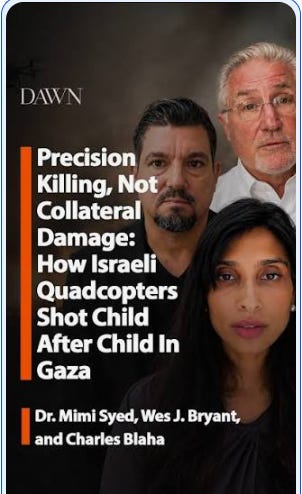
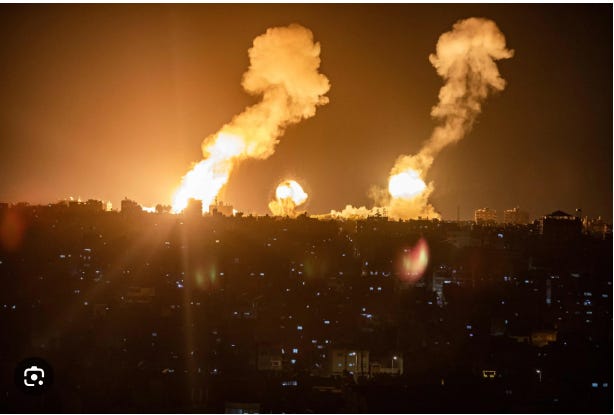
In theory, precision drone warfare is designed to reduce collateral damage and civilian casualties. In Gaza, evidence indicates the opposite has occurred.
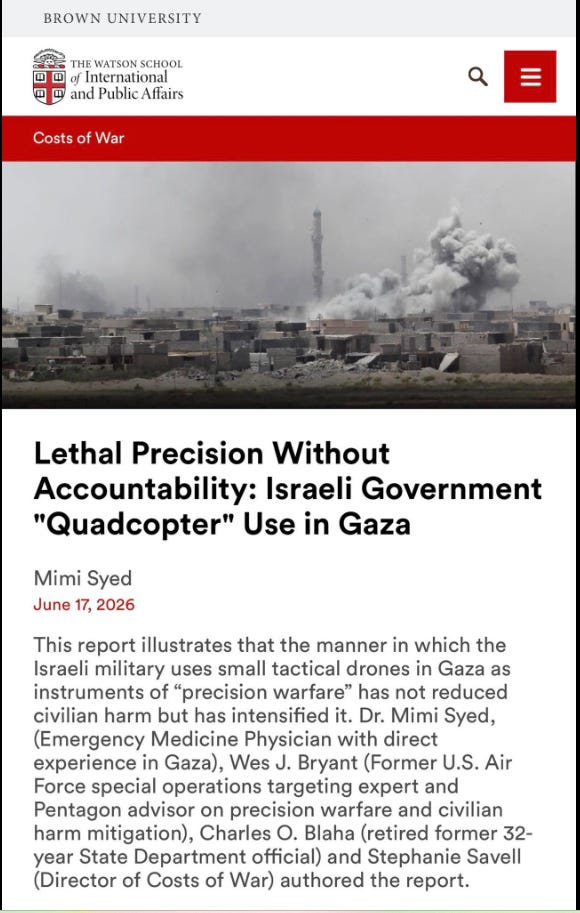
This is the damning core claim of a study by Brown University’s Costs of War Project, titled ‘Lethal precision without accountability: Israeli Government “Quadcopter” use in Gaza’.
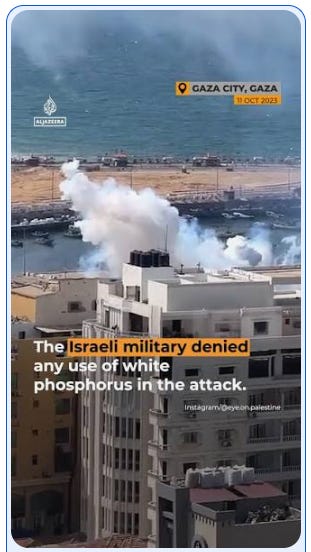
The Israeli army flatly rejects that it deliberately targets civilians or children.
But a team of researchers – including an American ER doctor who worked inside Gaza, a former Pentagon targeting chief and a 32-year State Department director – say the Israeli military has been using a new class of cheap, single-soldier drones to shoot people at close range in Gaza, including – fatally – children.”
The IDF’s use of tactical drones in Gaza is part of a pattern of systemic civilian casualties in this war. The U.S. and the international community would do well to pay attention to quadcopter technology, at the very least to promote measures that incorporate this emerging technology into systems of international humanitarian law that are intended to protect civilians. (Specific policy recommendations from a military perspective are listed in Appendix A). More broadly, as Neta Crawford contends,65 attention should be focused on the organizational and political structures that enable widespread civilian harm.

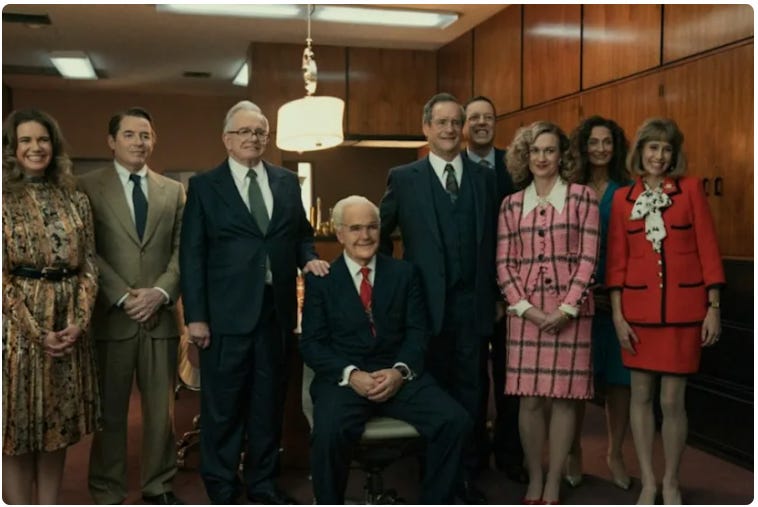
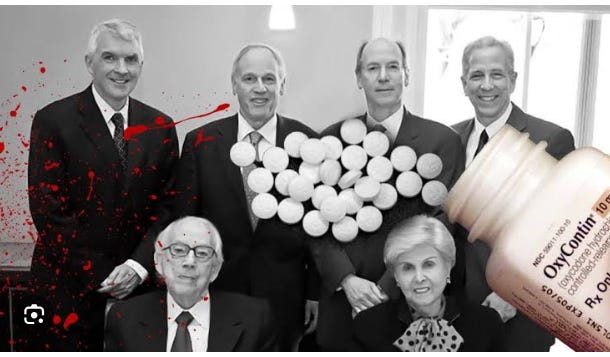
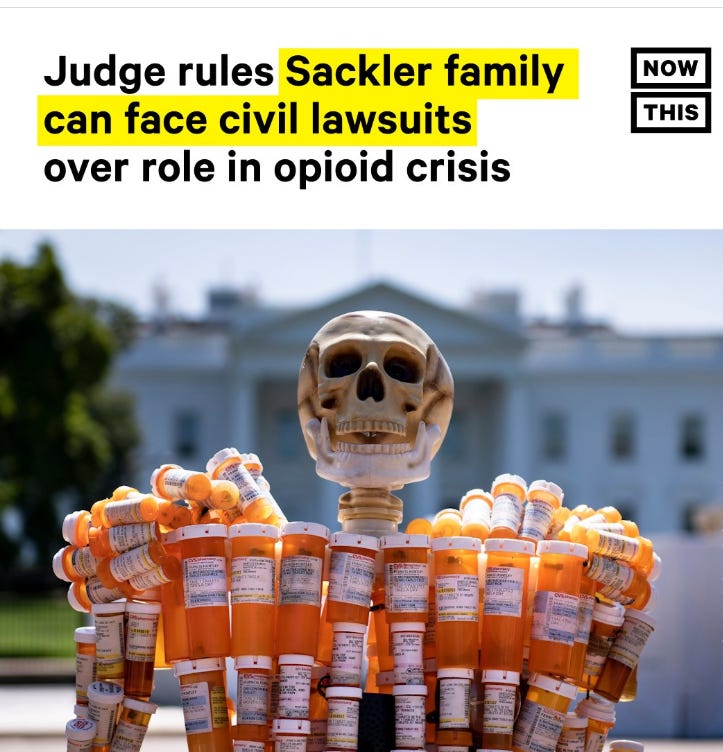
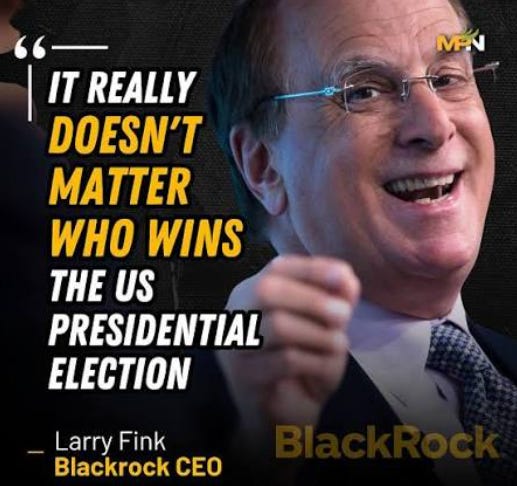
How about this movie, Nolan, Cameron, Spielberg? A true MONSTER, The Fink Family. Makes Sacklers look like Fred Rogers relatives…..
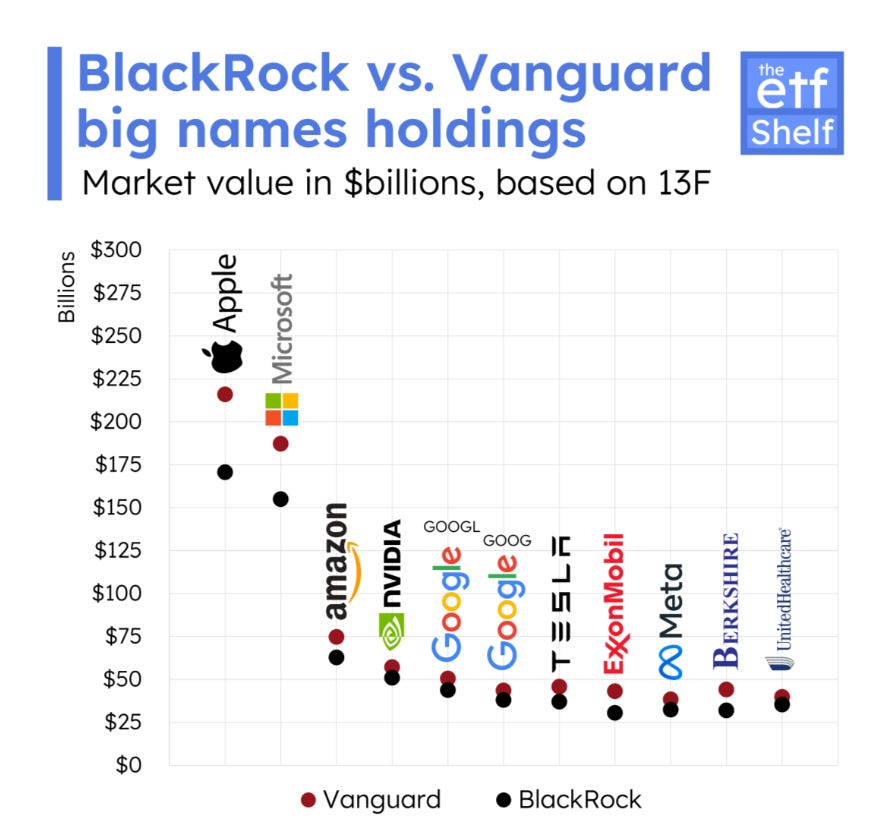
BlackRock and Vanguard, the world’s top two asset managers, oversee a whopping $18 trillion in global assets. Based on their recent filings, here’s a glimpse of the high-profile stocks they own.
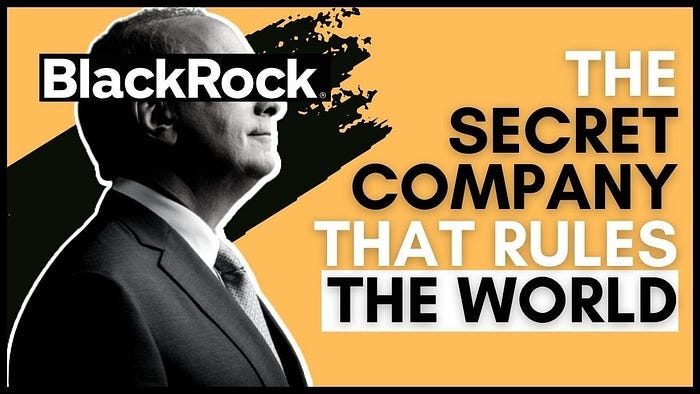
A virtually unregulated investment firm today exercises more political and financial influence than the Federal Reserve and most governments on this planet.
The firm, BlackRock Inc., the world’s largest asset manager, invests a staggering $9 trillion in client funds worldwide, a sum more than double the annual GDP of the Federal Republic of Germany.
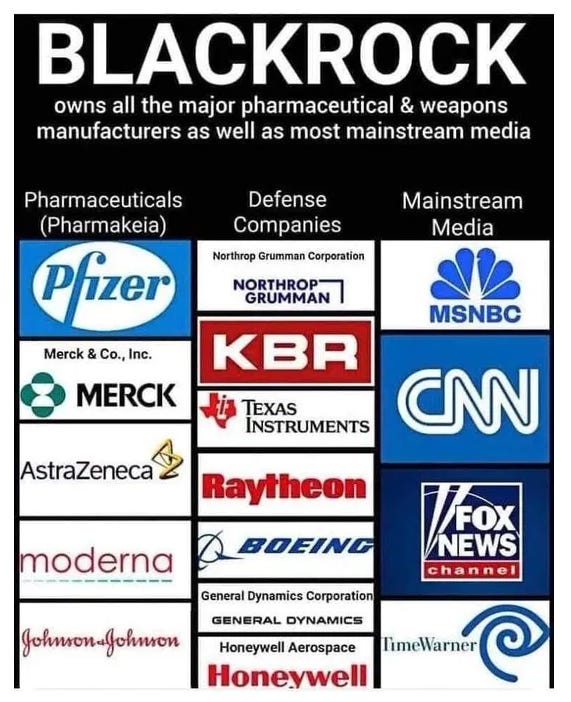
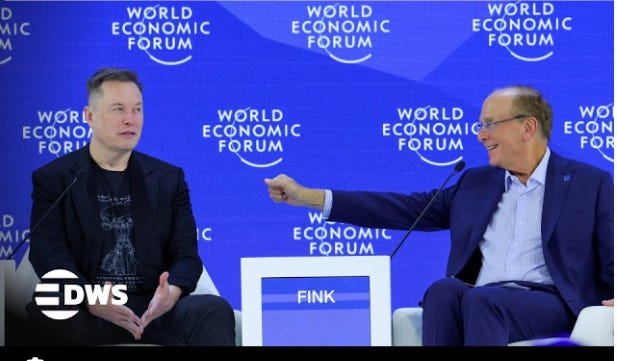
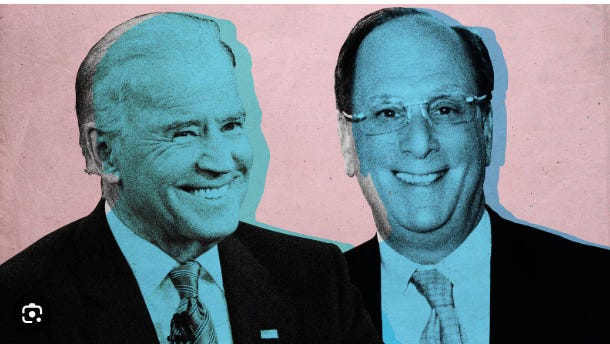
This colossus sits atop the pyramid of world corporate ownership, including in China most recently. Since 1988, the company has put itself in a position to de facto control the Federal Reserve, most Wall Street mega-banks, including Goldman Sachs, the Davos World Economic Forum Great Reset, the Biden Administration and, if left unchecked, the economic future of our world. BlackRock is the epitome of what Mussolini called Corporatism, where an unelected corporate elite dictates top-down to the population.
‘Colossal Financial Pyramid: BlackRock and The WEF “Great Reset’” By F. William Engdahl Global Research, July 21, 2026
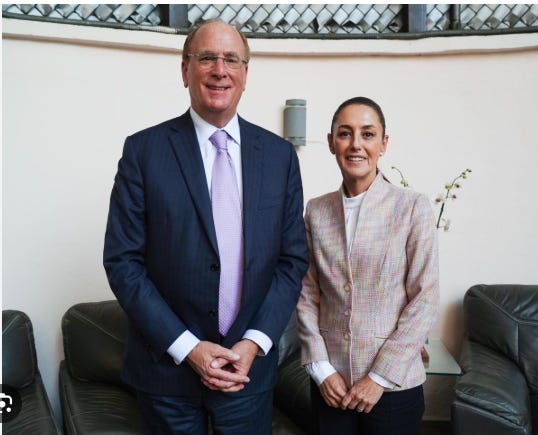
[Fucking Jews, man, always STICKING together. This is a global problem.]
A Very BlackRock in Mexico
BlackRock’s murky history in Mexico shows that conflicts of interest and influence-building with leading government agencies is not restricted to just the USA. PRI Presidential candidate Peña Nieto went to Wall Street during his campaign in November 2011. There he met Larry Fink. What followed the Nieto victory in 2012 was a tight relationship between Fink and Nieto that was riddled with conflict of interest, cronyism and corruption.
Most likely to be certain BlackRock was on the winning side in the corrupt new Nieto regime, Fink named 52-year-old Marcos Antonio Slim Domit, billionaire son of Mexico’s wealthiest and arguably most corrupt man, Carlos Slim, to BlackRock’s Board. Marcos Antonio, along with his brother Carlos Slim Domit, run the father’s huge business empire today. Carlos Slim Domit, the eldest son, was Co-Chair of the World Economic Forum Latin America in 2015, and currently serves as chairman of the board of America Movil, where BlackRock is a major investor. Small cozy world.
The father, Carlos Slim, at the time named by Forbes as World’s Richest Person, built an empire based around his sweetheart acquisition of Telemex (later America Movil). Then President Carlos Salinas de Gortari, in effect, gifted the telecom empire to Slim in 1989. Salinas later fled Mexico on charges of stealing more than $10 billion from state coffers.
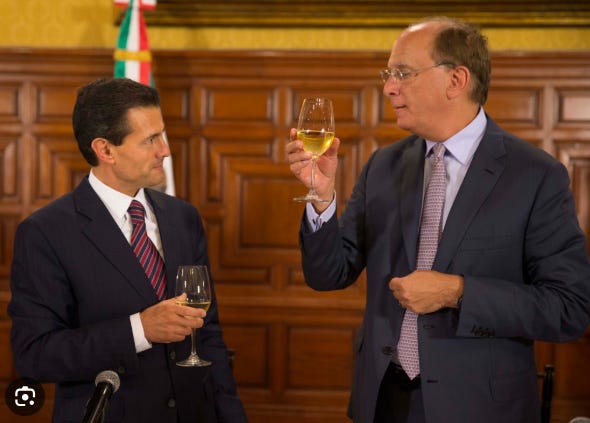
As with much in Mexico since the 1980s, drug money apparently played a huge role with the elder Carlos Slim, father of BlackRock director Marcos Slim. In 2015, WikiLeaks released company internal emails from the private intelligence corporation, Stratfor. Stratfor writes in an April 2011 email, the time BlackRock is establishing its Mexico plans, that a US DEA Special Agent, William F. Dionne confirmed Carlos Slim’s ties to the Mexican drug cartels. Stratfor asks Dionne, “Billy, is the MX (Mexican) billionaire Carlos Slim linked to the narcos?” Dionne replies, “Regarding your question, the MX telecommunication billionaire is.” In a country where 44% of the population lives in poverty, you don’t become the world’s richest man in just two decades selling Girl Scout cookies.
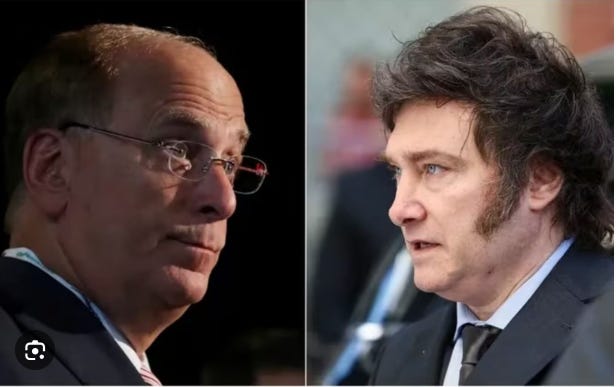
Fink and Mexican PPP
With Marcos Slim on his BlackRock board and new president Enrique Peña Nieto, Larry Fink’s Mexican partner in Nieto Peña’s $590 billion Public-Private Partnership (PPP) alliance, BlackRock, was ready to reap the harvest. To fine-tune his new Mexican operations, Fink named former Mexican Undersecretary of Finance Gerardo Rodriguez Regordosa to direct BlackRock Emerging Market Strategy in 2013. Then in 2016, Peña Nieto appointed Isaac Volin, then head of BlackRock Mexico, to be No. 2 at PEMEX, where he presided over corruption, scandals, and the largest loss in PEMEX history, $38 billion.
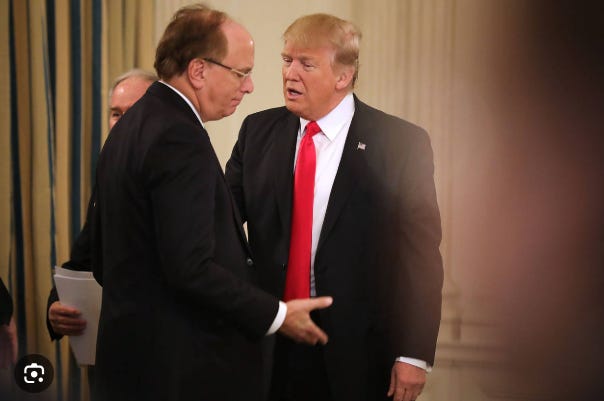
Peña Nieto had opened the huge oil state monopoly, PEMEX, to private investors for the first time since nationalization in the 1930s. The first to benefit was Fink’s BlackRock. Within seven months, BlackRock had secured $1 billion in PEMEX energy projects, many as the only bidder. During the tenure of Peña Nieto, one of the most controversial and least popular presidents, BlackRock prospered through cozy ties. It soon was engaged in highly profitable (and corrupt) infrastructure projects under Peña Nieto, including not only oil and gas pipelines and wells but also toll roads, hospitals, gas pipelines, and even prisons.
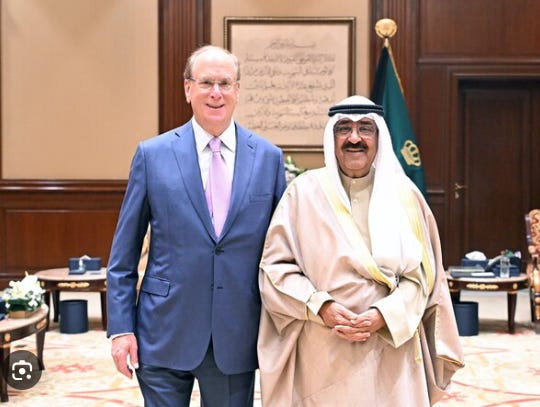
Notably, BlackRock’s Mexican “friend” Peña Nieto was also “friends” not only with Carlos Slim but with the head of the notorious Sinaloa Cartel, “El Chapo” Guzmán. In court testimony in 2019 in New York, Alex Cifuentes, a Colombian drug lord who has described himself as El Chapo’s “right-hand man,” testified that just after his election in 2012, Peña Nieto had requested $250 million from the Sinaloa Cartel before settling on $100 million. We can only guess what for.
A real movie:
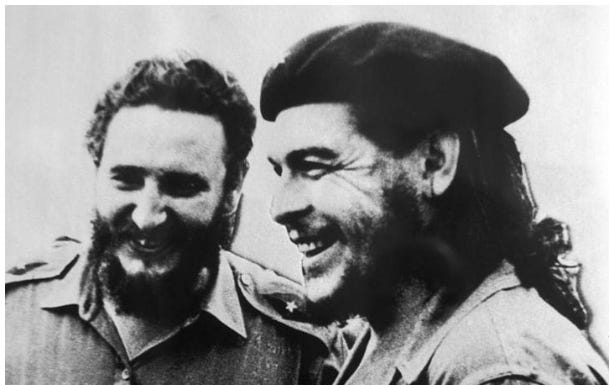
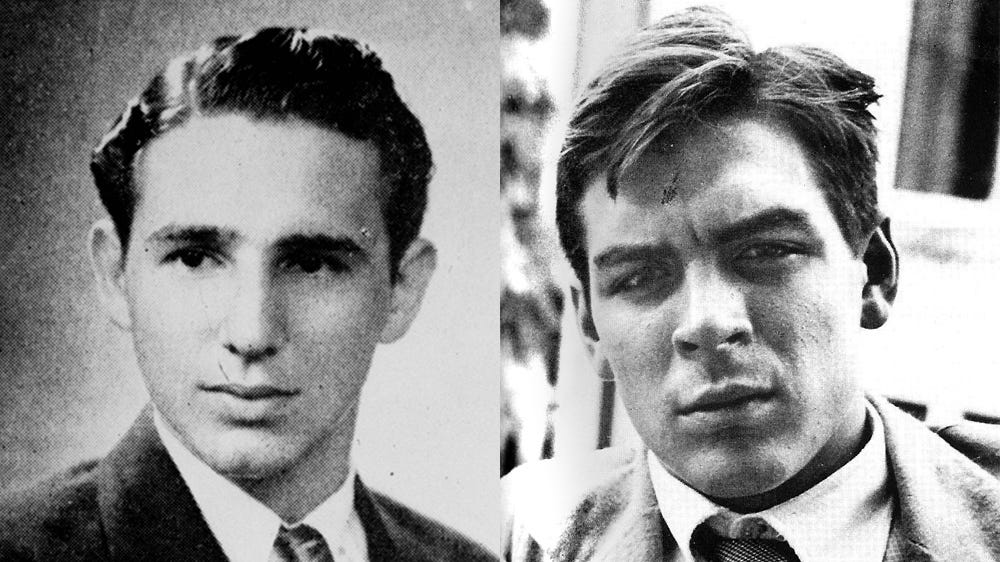
In the fall of 1955, an event occurred that would significantly shape the course of Cuban history. Two future great revolutionaries, Ernesto Che Guevara and Fidel Castro Ruz, met at Maria Antonia’s home in Mexico City after being released from a Cuban prison and arriving in Mexico.
Their conversation lasted all night, and by morning, Ernesto was accepted as a doctor and lieutenant into the expeditionary force aimed at overthrowing the pro-American regime of Fulgencio Batista.
“He will make a revolution, and I will always be ready to assist a man like him in everything,” this is how Ernesto Che Guevara expressed his attitude towards Fidel Castro some time later.
However, from the very beginning, he set one condition: after the victory of the Cuban revolution, he insisted that state affairs should not become an obstacle to his desire to go to one of the Latin American countries, most likely Argentina, to continue his struggle for the revolution’s victory across the entire continent.
From the very beginning, he wanted there to be no misunderstandings between them and considered it necessary to warn his new comrade about what he was going to dedicate his life to after their common triumph, which, apparently, he had no doubt about.
In any case, each of these outstanding individuals found in the other something like a previously missing link in their lives and destinies. And, presumably, the strength and potential of each of them did not double but rather increased tenfold.
“By the time we met, he was already a Marxist in his thoughts and a more advanced revolutionary than I was,” Fidel would later say about his friend.
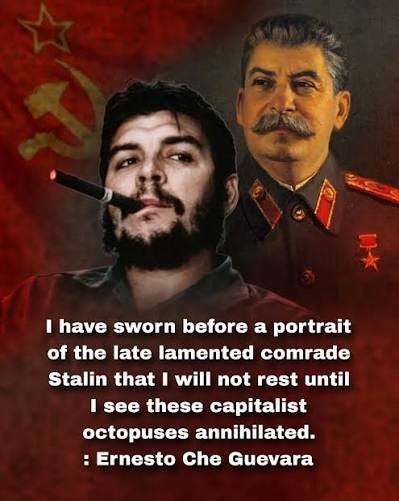
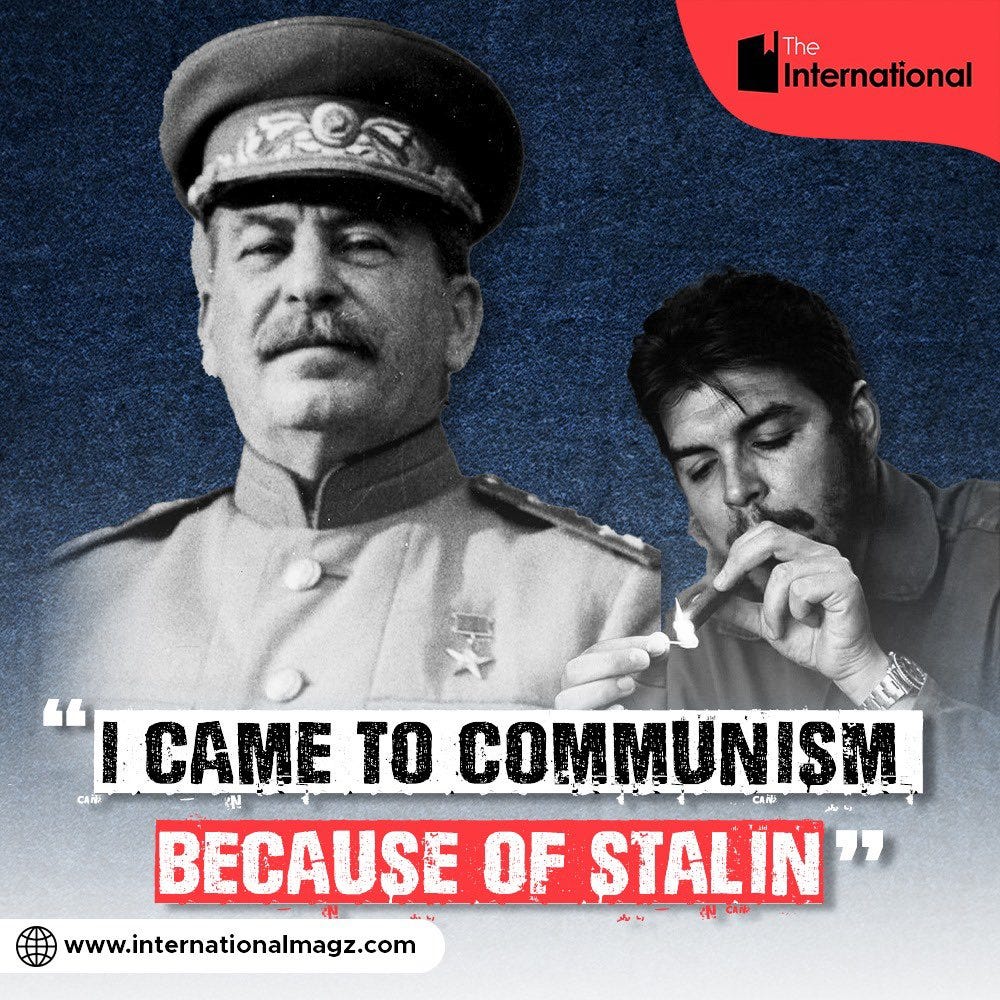
In a letter to his mother, Ernesto wrote: “How I long to get to Havana! Cuban landscapes and Lenin’s articles—that’s what I constantly contemplate.” Che Guevara signed his letters ‘Stalin II’.
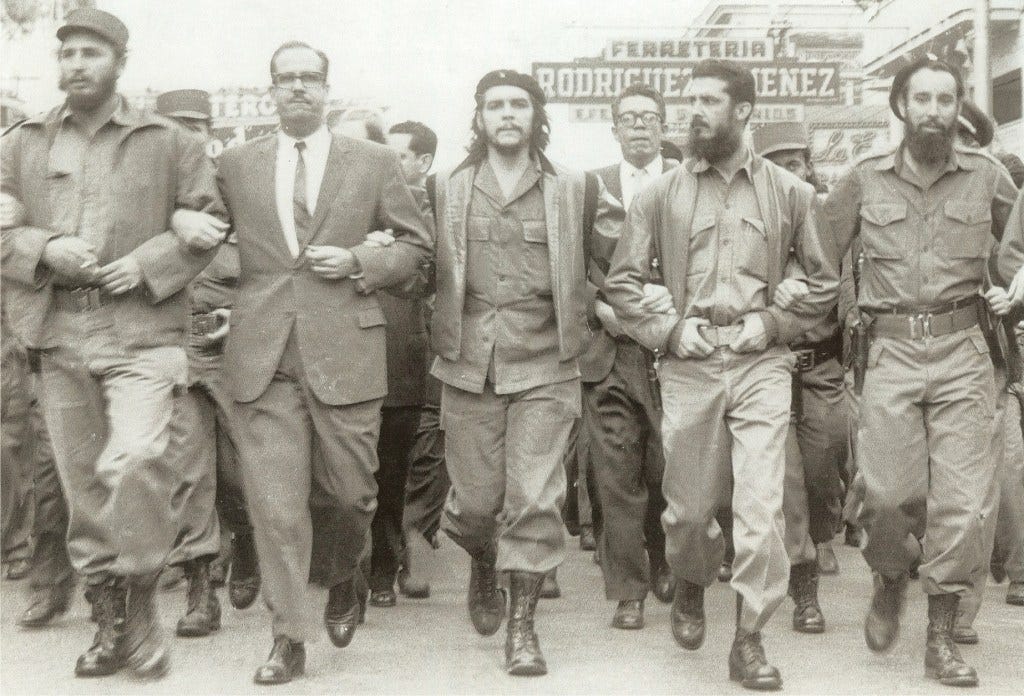
‘Because of the circumstances in which I travelled, first as a student and later as a doctor, I came into close contact with poverty, hunger, and disease; with the inability to treat a child because of lack of money; with the stupefaction provoked by continual hunger and punishment, to the point that a father can accept the loss of a son as an unimportant accident… and I began to realize that there were things which were almost as important to me as becoming a famous scientist or making a significant contribution to medical science; I wanted to help those people.’ (Che Guevara, 1960, speaking on revolutionary medicine).
Ernesto ‘Che’ Guevara was a communist revolutionary, a social philosopher, a medical doctor and became an international figurehead for the communist cause. His dream was to change Latin America into a socialist utopia and end US imperialism there as well as helping the rest of the developing world free themselves of oppression. When I first read about Che, I was blown away, his life, his ideals, a tear came to my eye when I read about his final hour and his murder in Bolivia. From the moment he agreed to join Castro’s revolution, he dedicated his life to the communist cause , his determination was unbelievable. In my opinion there was a number of key points on how Che became the man he was and why he is such an icon to so many today.
Che, in his travels, for example, came into contact with an old woman, who was asthmatic, with a heart condition. This woman couldn’t pay her way.
‘It is then, at the end, that we see the profound tragedy which circumscribes the life of the proletariat the world over. In these dying eyes there is a humble appeal for forgiveness and also, often, a desperate plea for solace which is lost in the void’
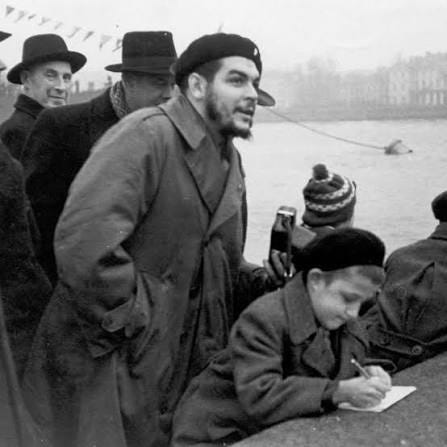
To destroy the current system and once and for all bring social justice, an end to capitalism. To finish that quote with which Che showed his anger at the system:
‘How long this present order, based on absurd idea of caste, will last I can’t say, but it’s time governments spent less time publicizing their own virtues and more money – much more money – funding socially useful projects.’
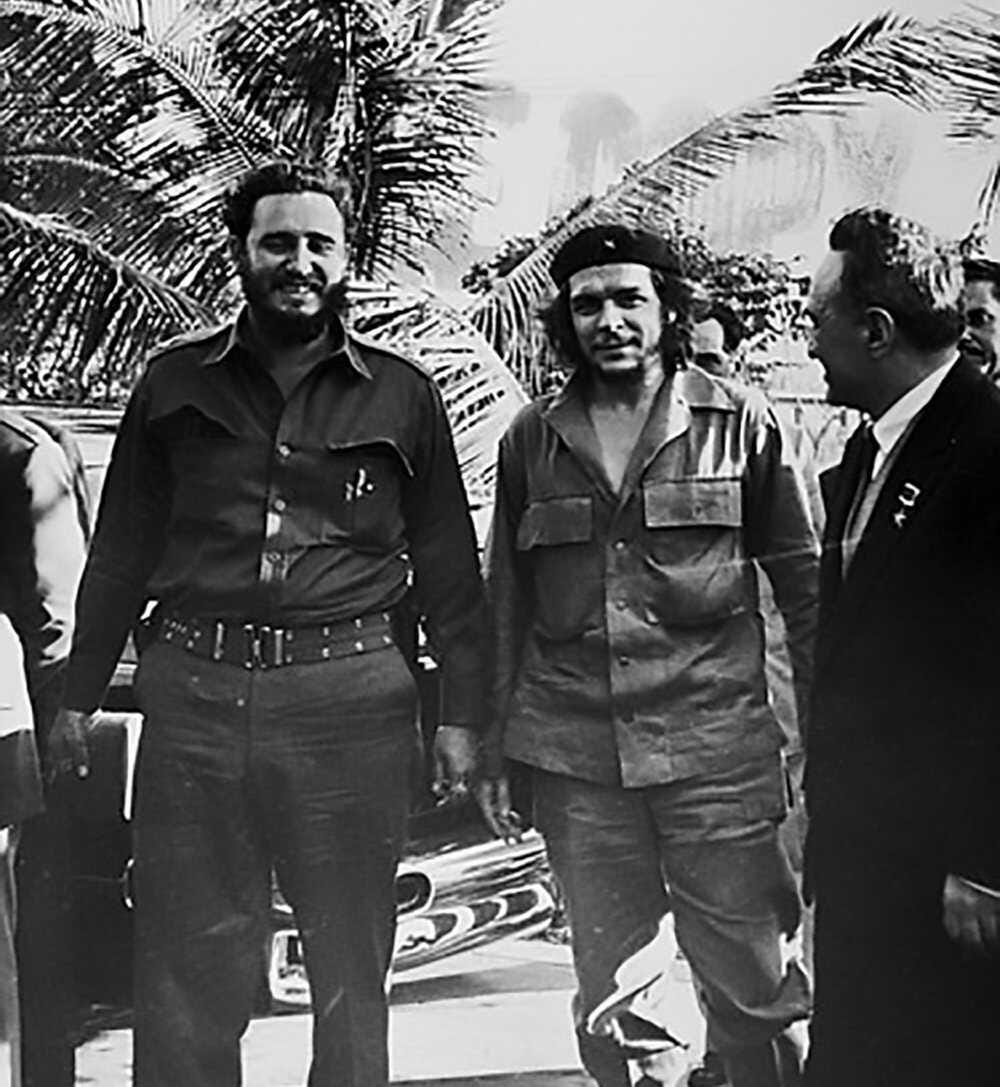
Che, he had found his leader for a revolution, in Che’s own words after meeting Fidel:
‘an extraordinary man. He confronted and solved the most impossible problems. He had an unshakeable faith that once he left exile in Mexico and arrived in Cuba he would fight, and would win that fighting. I shared his optimism. It was imperative to do something, to struggle, to achieve. It was imperative to stop crying and fight!’
He left a letter for his children, to be opened if he was killed:
Dear Hildita, Aleidita, Camilo, Celia and Ernesto,
If you read this letter one day, it will mean that I
am no longer alive. You will hardly remember me,
and the smallest among you will have entirely
forgotten me.
Your father was a man who acted as he thought
best and who has been absolutely faithful to his
convictions.
Grow up into good revolutionaries. Study hard to
master technique, which gives you mastery over
nature. Remember that it is the Revolution which
is important and that each of us, taken in
isolation, is worth nothing.
Above all be sensitive, in the deepest areas of
yourselves, to any injustice committed against
whoever it may be anywhere in the world.
Yours always, my children. I hope to see
you again.
A big strong kiss from
Daddy.
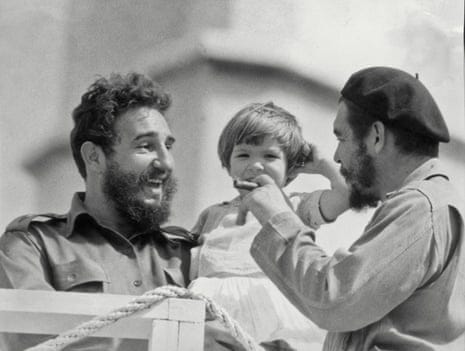
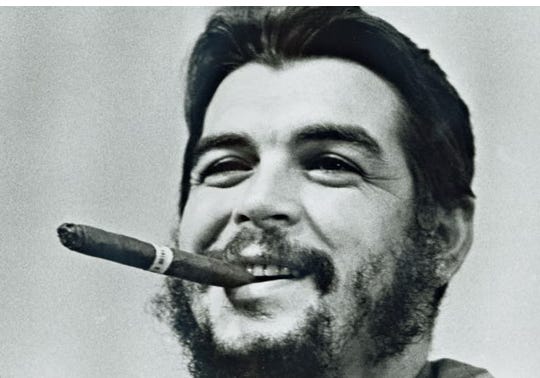
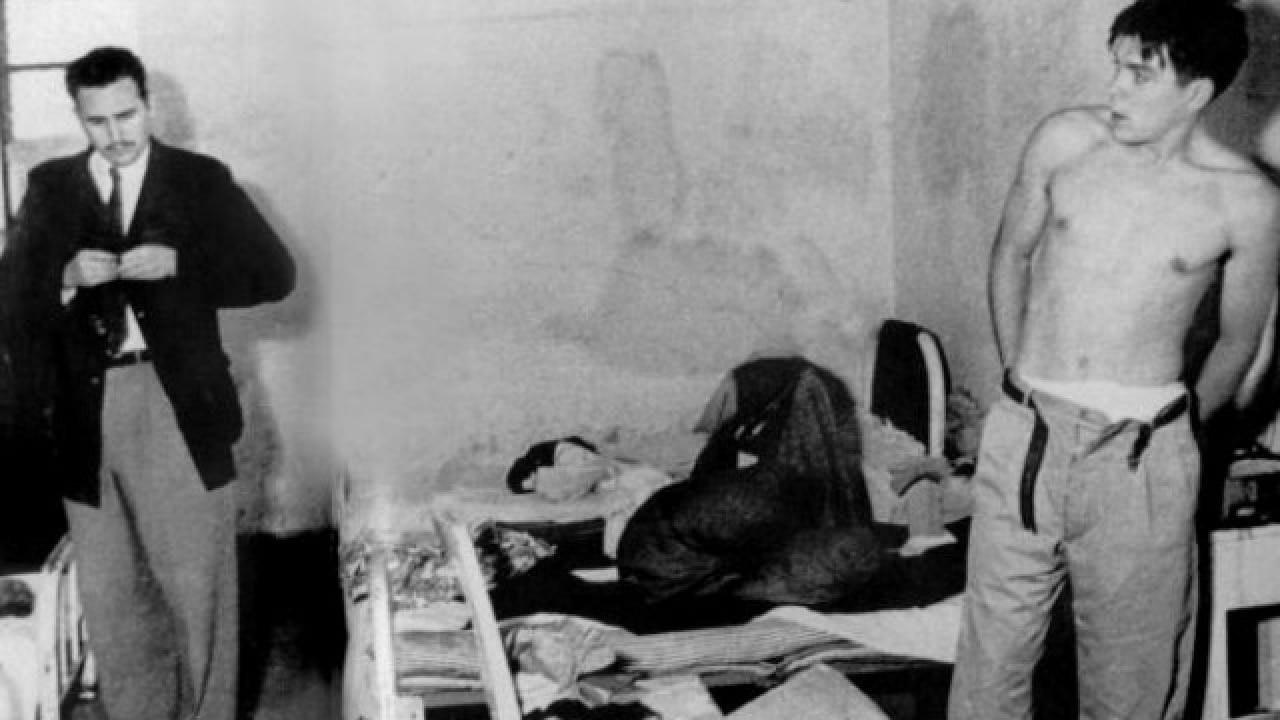
On the right is my father, cigar in hand, talking to his lifelong friend Fidel Castro, a fellow communist revolutionary. The angle makes it look like my father is holding out his cigar to me, but that’s not the case. It was unusual that he’d smoke around me. I don’t remember this picture being taken, or by whom; I was too young. I’d have been around three at the time. I was born in November 1960, and I’ve since been told it was 1964 in Plaza de la Revolución in Havana.
I’m the eldest of Che’s four children with my mother. Papi was known around the world as the Argentine revolutionary, a guerrilla leader and major figure of the Cuban revolution, but we were just a normal family. I never felt special as his daughter. Where I did feel special was as the child of a couple who loved each other dearly.
We were just a normal family’: Che Guevara’s daughter remembers her father
This article is more than 8 years old
Aleida Guevara with her father Che Guevara and Fidel Castro, Havana, 1964
Fri 8 Dec 2017 09.00 EST
Share
On the right is my father, cigar in hand, talking to his lifelong friend Fidel Castro, a fellow communist revolutionary. The angle makes it look like my father is holding out his cigar to me, but that’s not the case. It was unusual that he’d smoke around me. I don’t remember this picture being taken, or by whom; I was too young. I’d have been around three at the time. I was born in November 1960, and I’ve since been told it was 1964 in Plaza de la Revolución in Havana.
I’m the eldest of Che’s four children with my mother. Papi was known around the world as the Argentine revolutionary, a guerrilla leader and major figure of the Cuban revolution, but we were just a normal family. I never felt special as his daughter. Where I did feel special was as the child of a couple who loved each other dearly.
As children, we enjoyed Papi very little. I was only six when he was executed in Bolivia 50 years ago, on 9 October, 1967. Our mother formed our values and kept him alive in our memory long after he died. She never used him as a way to tell us off or threaten us. Papi was always the good guy.
We never enjoyed any privileges: my father was opposed to that, and my mother maintained the line. When she became a widow with four small children, my father’s friends wanted to help. They couldn’t replace the affection that had been lost, so tried to give us material things. My mother wouldn’t permit anything at all. She told us, “You must have your feet firmly on the ground, and let pass everything you haven’t earned yourselves.” That was an important lesson.
We went through difficult periods. In my teenage years, she’d make trousers for my brothers with material from her old blouses. But we were happy: we’d play, we’d laugh. We grew up like Cuban children, alongside the people in our community.
I was close to Fidel and comfortable with him. I have very fond memories – I would call him “mi tío”, which means “my uncle”. I maintained a relationship with him right up until the end of his life last year. He’s holding me and I’m relaxed, smiling. My father and Fidel were always happy and joking together; there was much mutual respect and confidence there.
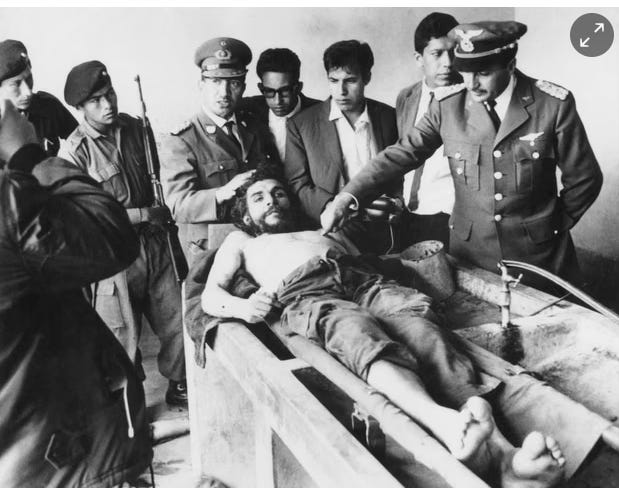
Fidel wanted to break the news to us children when Papi died, but my mother insisted it was her duty. But he told us that Papi had written a letter saying that if one day he fell in combat, we were not to cry for him: when a man dies trying to achieve what he wants to achieve, one doesn’t need to. The next day, I was called in to see my mother, who was in tears. She sat me on the bed and pulled out the farewell letter from Papi.
“When you see this letter,” it said, “you will know that I am no longer with you.” I started crying, too. The letter was very short. It ended with the words: “Here is a big kiss from Dad.” I understood I no longer had a father.
I still live and work in Havana, as a paediatrician, and feel hopeful for the future of Cuba. Do I have hope for humanity? None of us has a crystal ball, but if we want a different world, we need to work to achieve it. We can’t wait for it to fall out of the sky. We have a duty to forge that future ourselves.
From 1776 To The Pentagon: 250 Years Of US G*nocide & Imperialism | KJ Noh & Radhika Desai.
Using Nukes on China to THIN out their troops.This is the MOVIE, NOLAN, no? How about scaring the shit out of your audiences with the real Cyclopes — USA-Israel.
George Washington launched the USA’s imperial trajectory by proposing to swindle the Indians out of their land with treaties that his new nation (which Washington called an infant empire) would never honor. It is history’s greatest swindle, as it led to the theft of a continent. That strategy has been swept under the imperial carpet to this day. Over the next century, the USA completed the theft.
Key Aspects of Their Connection
- The Propaganda Model: Frazier heavily utilizes Herman and Chomsky’s Propaganda Model. He frequently references Herman’s breakdowns of corporate media ownership, advertising reliance, and the systematic filtering of dissenting voices to explain why breakthrough alternative technologies are suppressed or ignored.
- Intellectual Collaboration: Throughout his writing career, Frazier maintained contact with Herman, exchanging research on geopolitics and media biases. Frazier has written extensive biographical tributes and analyses honoring Herman’s structural critiques of Western foreign policy and corporate influence.
- The Global Energy & Economic Narrative: While Herman focused strictly on the political economy of mass media and corporate power, Frazier extends these models into macro-history. He weaves Herman’s media analysis into a larger narrative regarding humanity’s historic energy transitions and the systemic barriers preventing a shift toward free energy.
“Democracy in America was never the same as Liberty in Europe. In Europe Liberty was a great life-throb. But in America Democracy was always something anti-life. The greatest democrats, like Abraham Lincoln, had always a sacrificial, self-murdering note in their voices. American Democracy was a form of self-murder, always. Or of murdering somebody else… The love, the democracy, the floundering into lust, is a sort of by-play. The essential American soul is hard, isolate, stoic, and a killer. It has never yet melted.” — D.H. Lawrence, Studies in Classic American Literature

