

because endless tinkering and Satan’s workshops continue building the killing fields tools until a people, Persians, cry uncle after all water is strafed, hospitals imploded, food contaminated
Jul 17, 2026
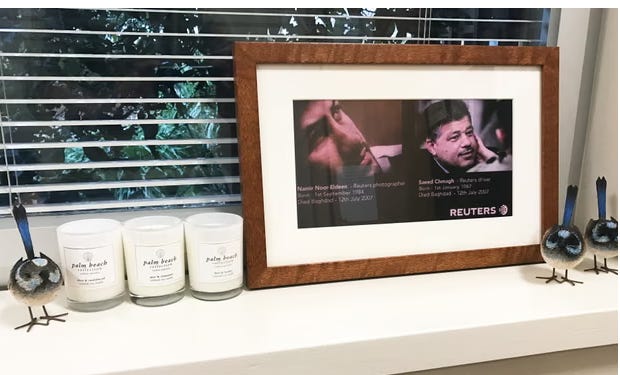
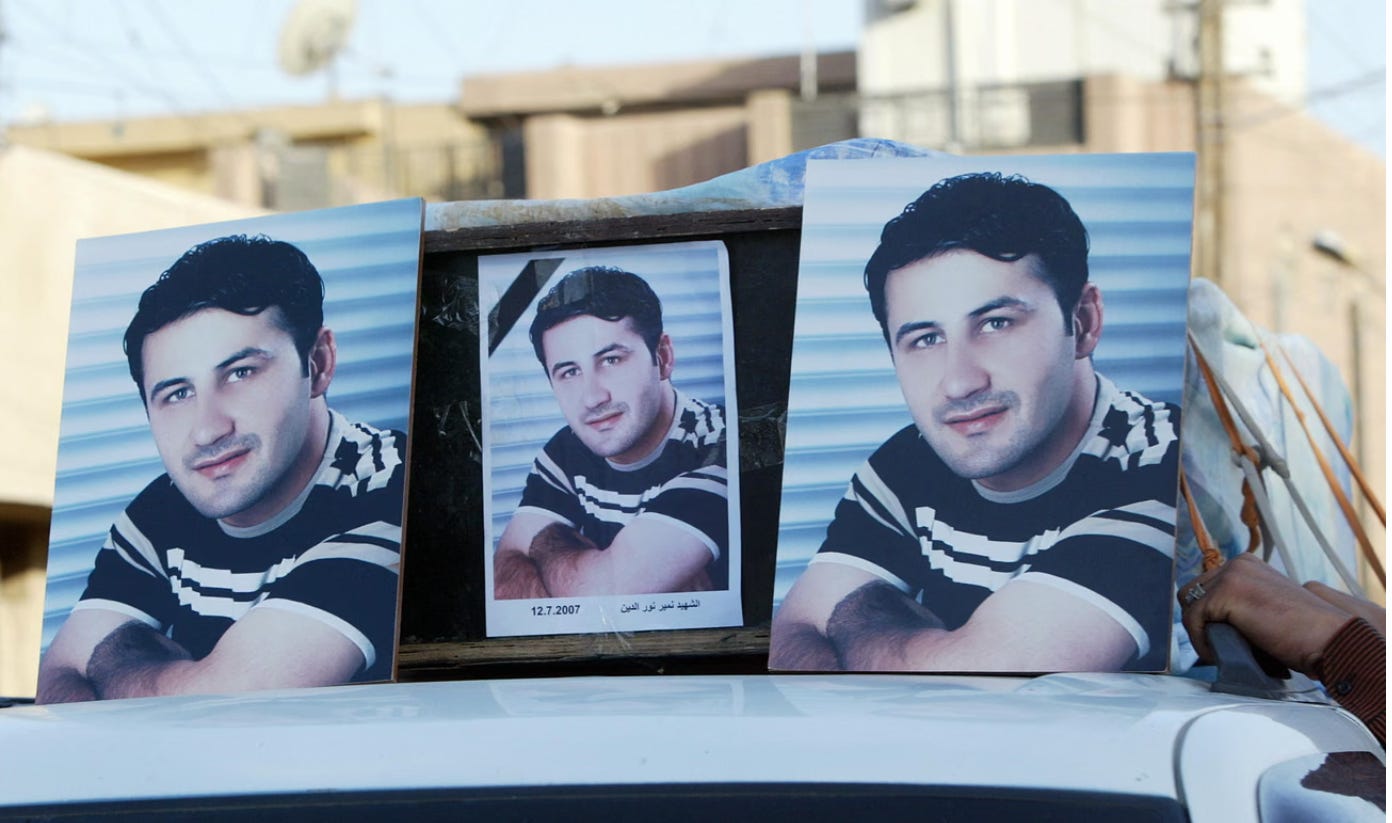
[Dean Yates’ framed photos of his colleagues. ‘The words that kept forming on my lips were “cold-blooded murder”.’ Photograph: Dean Yates]
Always the “good ex-mercenary Colonels, Captains, Majors.”
While reports say that President Trump is considering escalating the illegal U.S. war of aggression against Iran by attempting “the potential seizure of Kharg Island and other territory along the Strait of Hormuz using U.S. troops,” all signs point to the fact that it would end in catastrophe for the U.S.
Lt. Col. Daniel Davis, a U.S. Combat Veteran and National Security Analyst [always the fucking good guy to interview once the fucker is out in civilian life….], noted that the war in Iran has been an “abject humiliation” for the U.S. Military, which is at its most “incompetent” point in its history. Any attempt at a ground invasion would lead to failure, and send thousands of American soldiers home in body bags.
[He’s so fucking wrong, it is PATHETIC.]
Iran doesn’t have Tom Cruise! The Jewish Strategy.
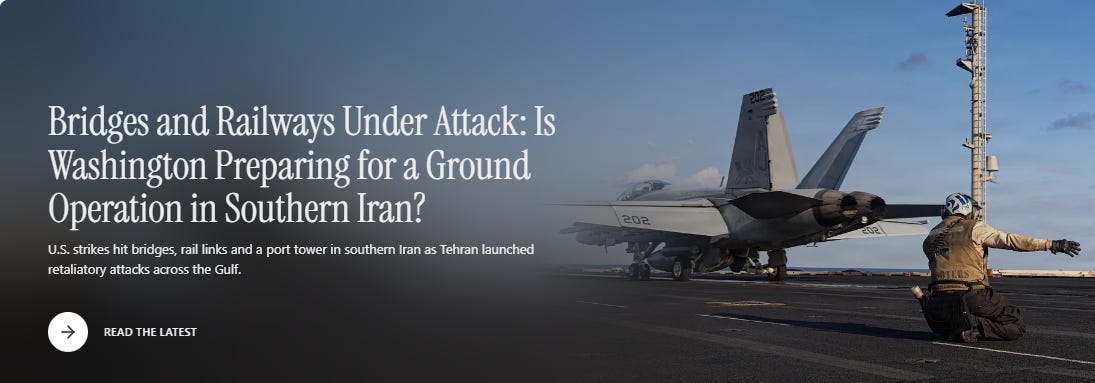
U.S. forces launched a concentrated series of overnight strikes across southern Iran, targeting bridges, railway links and coastal facilities as Washington expanded its continuing military campaign against Tehran.
A senior U.S. official told The Wall Street Journal that the attacks were designed to disrupt supply routes leading to Bandar Abbas, a strategically important port city that hosts a major naval base used by Iran’s Islamic Revolutionary Guard Corps.
The base serves as a central hub for Iranian operations around the Strait of Hormuz, one of the world’s most important energy shipping routes.
The latest targets suggest that the U.S. campaign is increasingly focusing on Iran’s military logistics network as well as its missile, air-defense and maritime capabilities.

Testosterone, man, White Fucking Jesus Crusader Testes: Hegseth Wants to Test Troops’ Testosterone Levels. It’s Absurd—and Dangerous.

I can’t believe his testosterone testing proposal isn’t a parody.
“I think it’s indicative of the fact that there are so many people in this administration that have some weird, like, intense homoerotic feelings towards men while also being incredibly homophobic,” Balint told reporter Scott MacFarlane with MeidasTouch. “And not just homophobic, but like hate-mongering, fear-mongering about the LGBTQ community.”
Balint, who is openly gay, said that she does not find the homoeroticism to be “the weird part.”
“The weird part is that they pretend that that’s not what it’s about,” the lawmaker continued. “And so, Pete Hegseth is like the example of this manly, manly, rugged, macho man.”

According to CENTCOM, fighter aircraft, drones and warships struck dozens of military targets, including coastal surveillance positions, air-defense systems, logistics infrastructure and Iranian maritime capabilities.
The United States has also intensified enforcement of its maritime blockade. American forces said they redirected three commercial vessels, disabled another vessel that refused to comply with instructions and boarded a tanker as part of inspection operations.
The latest campaign follows previous attacks against an Iranian facility used to support submarines and unmanned maritime vessels.
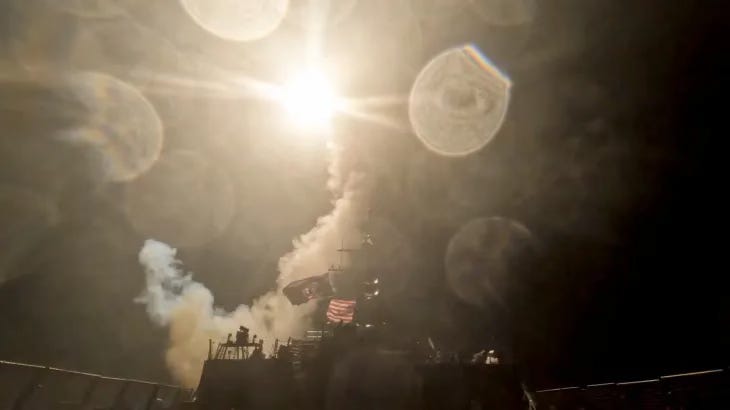
Nah, this is it for breaking news? That piece of paper digitally signed by the feces-dripping president was ALWAYS a fucking LIE, but we had millions of gigabytes expended on it . . . ? The MoU Is Officially Over, As The U.S. War On Iran Continues To Escalate. There Is Little Chance Of The U.S./Iran MoU Continuing.
THE US MUST BE BOMBED in EVERY FUCKING CITY.
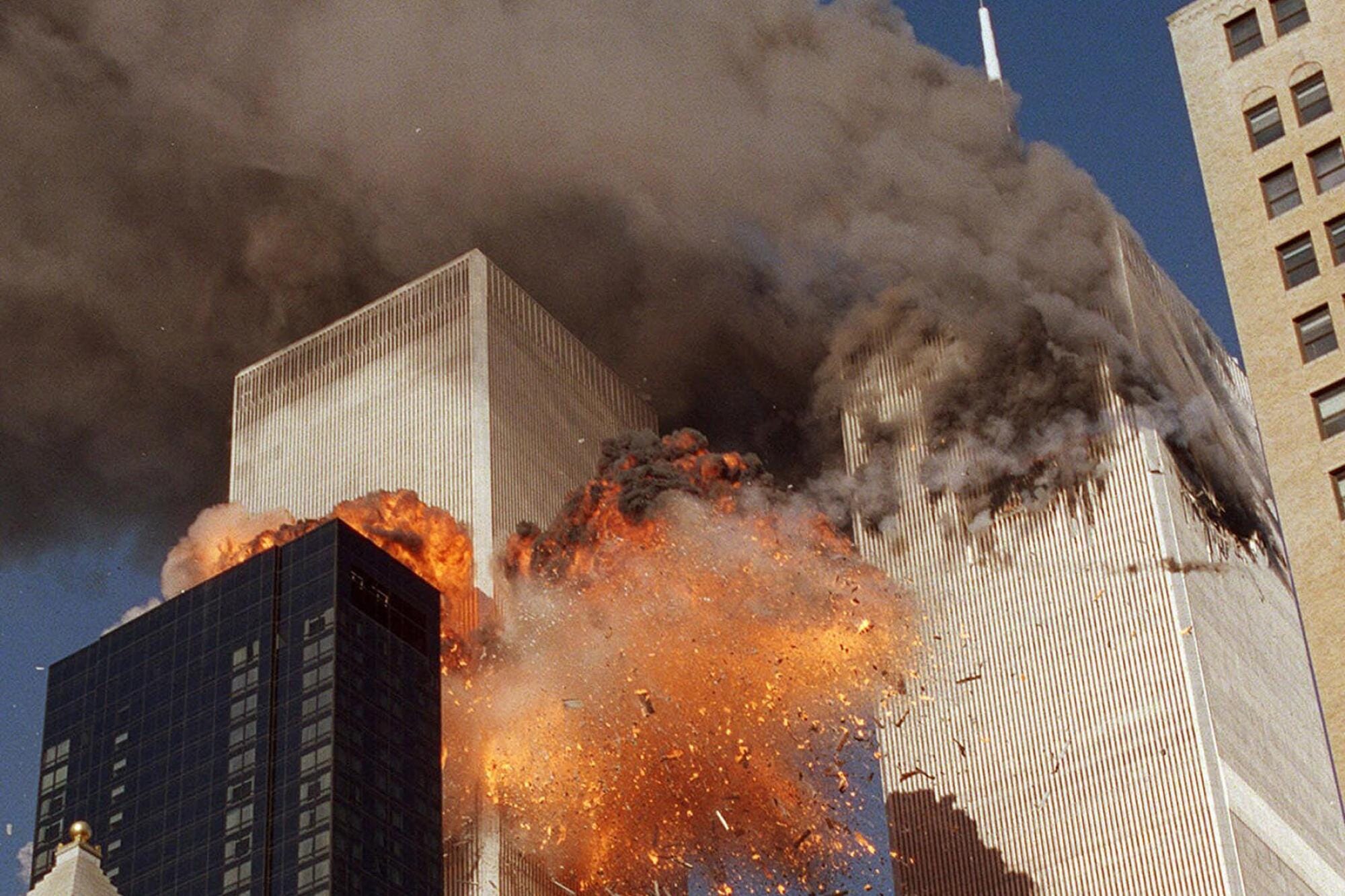
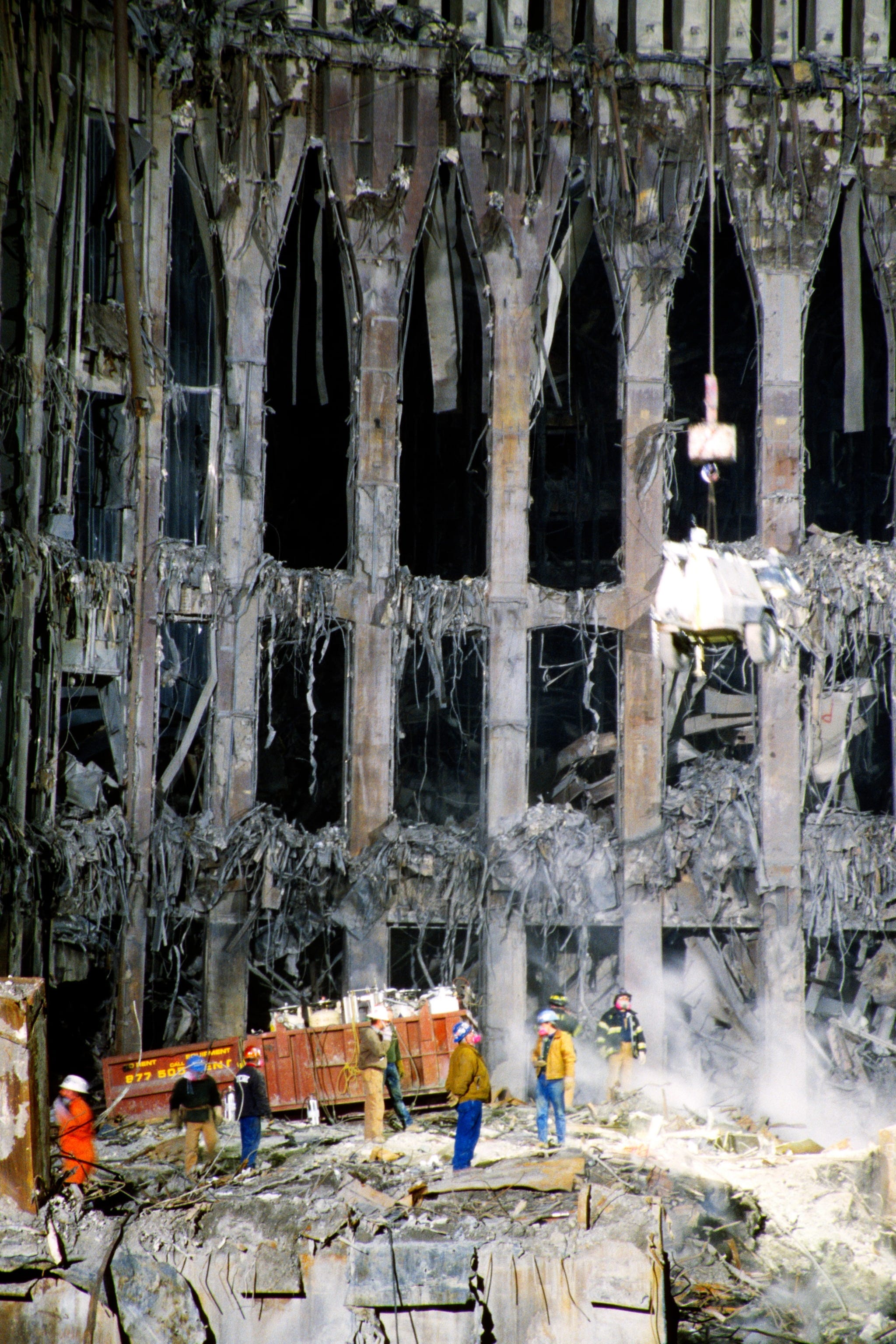
“Iran’s leaders suspected that the MoU was a temporary retreat by the US, intended to relieve pressure on the global economy and prepare for another round of war” the Johns Hopkins University professor and Iran expert Vali Nasr noted in the Financial Times.
As he noted, “US vice-president JD Vance even suggested publicly that President Donald Trump liked the agreement because it would give America time to replenish its dwindling strategic oil reserves.”
As Vali Nasr noted, the United States was not willing to follow through on any of the concessions it was forced to give Iran during the negotiations that led to the singing of the MoU.
As he noted:
There was no unfreezing of Iranian assets; a US-brokered deal between Israel and Lebanon disregarded Iran’s demands for ceasefire there; more US military assets began to arrive in the Gulf region; and Washington encouraged commercial vessels to disregard Tehran’s instructions to co-ordinate with its authorities and navigate through Iranian channels as they transited the Strait of Hormuz. Some ships then passed through channels close to the Omani shoreline instead. Washington expected that this would weaken Iran’s claim of control of the strait and ability to enforce it.
Each of these on its own may not have been major violations of the MoU, but together they represented a concerted effort to erode the leverage Iran had gained during the war and reflected in the ceasefire agreement.
When Iran responded to the U.S. provocations in the Omani shoreline, the U.S. restarted the war, bombing Iran for six consecutive days.
And recent U.S. escalation shows there is little to no chance of diplomacy returning any time soon.
The United States has begun striking critical Iranian civilian infrastructure , including by “hitting more bridges, energy sites and collapsing a tower at a key Iranian port”.
There was a systemic attack on the Iranian civilian infrastructure this time. We’re talking about bridges, railways, and airports.
Seven bridges were hit, and six of them are in Bandar Khamir. Most of these bridges connect the ports, and Bandar Abbas also, to nearly 200 miles inland, meaning these are quite important.
Bandar Khamir is a small town, pretty much close to Qeshm Island, the biggest island in the Gulf. These bridges are quite important for the movement of people, for fuel, and, of course, for military ammunition as well.
And then the Bandar Abbas railway was also hit. It is quite an important one, because that is simply connecting the country’s largest port to central Iran, particularly to cities such as Shiraz.
These attacks are aiming to cut off the southern part of the country from the mainland, and that is quite a huge concern for Iranians.
So another target that was hit is a railway and airport facility close to the Pakistani border. There are some separatist groups there fighting against the Iranian army for decades. So, degrading the IRGC’s capacity there could lead to insurgency.
It amazes me that the Iranians, or anyone bombed and murdered by the Jews of USA or Isr-RAW-Hell, never ever get quoted as saying:
“YOU FUCKING rejoice in the murdering of our people, our children, our citizens, our mothers, and the leveling of our electrical plants, our gasoline stations, our grocery stores, our dams and bridges and roads and hospitals and schools, so we shall too rejoice American CITIZENS when your schools and hospitals and bridges and power plants and data centers and apartment blocks and suburbs ARE BOMBED.”

Lies Dwight told the world:
Seventy-three years ago today, three months into his presidency, Dwight Eisenhower stood before a room full of newspaper editors and said something no one expected a general to say:
“The cost of one modern heavy bomber is this: a modern brick school in more than 30 cities.
It is two electric power plants, each serving a town of 60,000 population.
It is two fine, fully equipped hospitals. It is some 50 miles of concrete highway.
We pay for a single fighter plane with a half million bushels of wheat.
We pay for a single destroyer with new homes that could have housed more than 8,000 people.
This, I repeat, is the best way of life to be found on the road. the world has been taking.
This is not a way of life at all, in any true sense. Under the cloud of threatening war, it is humanity hanging from a cross of iron.”
The speech became known as “The Chance for Peace.”
As we prepare to carry Eisenhower’s legacy into the next 250 years of the American experiment, this speech is worth reading in full. The complete text and audio recording are available in our archives at eisenhowerlibrary.gov.

2007: Nearly a quarter of American adults (23%) say they mostly (14%) or completely (9%) agree that American lives are worth more than the lives of people in other countries according to the most recent Pew Social Values Survey; those most likely to take this view include white men (30%), persons ages 18-29 (29%) and self-identified conservative Republicans (28%).
As one digs deeper into the national character of the Americans, one sees that they have sought the value of everything in this world only in the answer to this single question: how much money will it bring in?
Jew-oogle says: Because the U.S. has a high Gross Domestic Product (GDP) and higher income levels, federal agencies like the EPA or FEMA mathematically value an American statistical life higher (often around $10 million) compared to the metrics used in lower-income countries. This is a cold financial calculation based on earning potential and cost of living, rather than a moral judgment on human worth
Whoops: ‘Benjamin Netanyahu’ says that one Israeli life is equivalent to 40 American lives.
from Reddit, verbatim:
An average american life has more value than any other country life.
While I am not american I have this view based on what I learned in history and from current incidents where an american is a victim in comparison to another citizens from others countries.
From history I observed that america puts their perceived interest, freedom, security and profit above everyone else. I got this view mostly because of their involvement in another countries regimes This made me get the idea that other people lives lost in that process were acceptable since america mostly paid no repercussions from those actions.
There were some incidents in current events that made me saw a difference of how governments react to americans being victims on their country (specially developing nations), mainly the resources directed to solve those crimes are way higher than local cases, and they are seemed to be treated as a diplomatic problem, something that is not generally reciprocated from cases happening in america.
Another current event is the terrorist attacks. It seems to me that the numbers of civilian lives lost on those attacks do not match the amount of civilian lives lost from american incursions and the resulting destabilization. Making me think that the value of an average civilian american life cannot be the same of another country. Since if it was the same it seems that another approaches would be safer for civilians instead of the incursions.
From the economic side I get the idea that even if the products being consumed in america are harmful to civilians from other countries it does not stop the sales, making me think that their suffering is an acceptable price from a reduction of price.
In addition not only the products but even american companies have being able to do terrible actions, such as pushing dangerous banned medicines to developing nations, harmful monopoly practices, destruction of the local ecosystems, intimations and etc. [This may be true to companies from all around the developed nations, but the repercussion of those actions seems to be taken more seriously if they are from other countries beside america]
+—+
Response, verbatim:
Those points made me get this idea that not only america values more the american lives but even the world too.
I don’t know whether or not this could change your view, but I think your understanding of this is slightly off (or maybe mine is off!):
It’s not that an American life has more value, it’s that the death of an American is more consequential than the death of a person from any other nation.
People everywhere value the lives of their neighbors more than the lives of people in other parts of the world. Similarly, the death of someone they know, who looks or sounds like them, or who otherwise is part of their in-group, will evoke more emotions, bring more potential for change, etc. The unique thing about an American life in terms of international relations is that the loss of one brings a higher likelihood of misery or even death to the people who are responsible for an American casualty (or the people who are near the people responsible). If a group of Americans is on a tour of a spot somewhere else in the world, locals don’t consider the Americans to be sacred. If that same group is attacked and killed though, locals likely know that they’re now in danger of being blown up by other Americans.
So, it’s not really American lives that have more value; it’s American deaths.
Scholars have described the law of targeting as lying at the heart of the law of armed conflict (LOAC). Within the law of targeting, the rule of proportionality requires military planners, commanders, and those executing attacks to assess whether the expected harm to civilians and civilian objects is excessive in relation to the anticipated military advantage. However, while academic literature often examines the civilian harm considerations, it lacks a thorough analysis of the military advantage. Professor Yoram Dinstein noted that the “military advantage may not always be easily gauged. In many instances, the benefits accruing from an attack against a military objective depend on the interpretation of the operational picture at the time of action” (para. 543).
Jews, man: Yoram Dinstein was an Israeli scholar and professor emeritus at Tel Aviv University. He was a specialist on international law and an authority on the laws of war. He served as President of Tel Aviv University from 1991 to 1998 and won the 2023 Israel Prize for law research.

Read the cold hard facts of Uniformed Mercenaries: An Operational Perspective of Military Advantage and Proportionality
The principle of proportionality prohibits attacks against military objectives which are “expected to cause incidental loss of civilian life, injury to civilians, damage to civilian objects, or a combination thereof, which would be excessive in relation to the concrete and direct military advantage anticipated”.
In other words, the principle of proportionality seeks to limit damage caused by military operations by requiring that the effects of the means and methods of warfare used must not be disproportionate to the military advantage sought.
I. Philosophy of International Humanitarian Law
Introductory text
International Humanitarian Law (IHL) can be defined as the branch of international law limiting the use of violence in armed conflicts by:
- sparing those who do not [1] or no longer [2] directly [3] participate in hostilities;
- restricting it to the amount necessary to achieve the aim of the conflict, which – independently of the causes fought for [4] – can only be to weaken the military potential of the enemy. [5]
It is from this definition that the basic principles of IHL may already be drawn, namely:
- the distinction between civilians and combatants,
- the prohibition to attack those hors de combat,
- the prohibition to inflict unnecessary suffering,
- the principle of necessity, and
- the principle of proportionality.
This definition nevertheless also reveals the inherent limits of IHL:
- it does not prohibit the use of violence;
- it cannot protect all those affected by an armed conflict;
- it makes no distinction based on the purpose of the conflict;
- it does not bar a party from overcoming the enemy;
- it presupposes that the parties to an armed conflict have rational aims and that those aims as such do not contradict IHL.
It always goes back to the old Mafia:
Cicero pleaded, “… silent enim leges inter arma”
(translated as “In times of war, the law falls silent”) during his defense of his friend Titus Annius Milo in 52 BC. He argued that normal judicial processes cannot operate when violent force and weapons are actively being used.
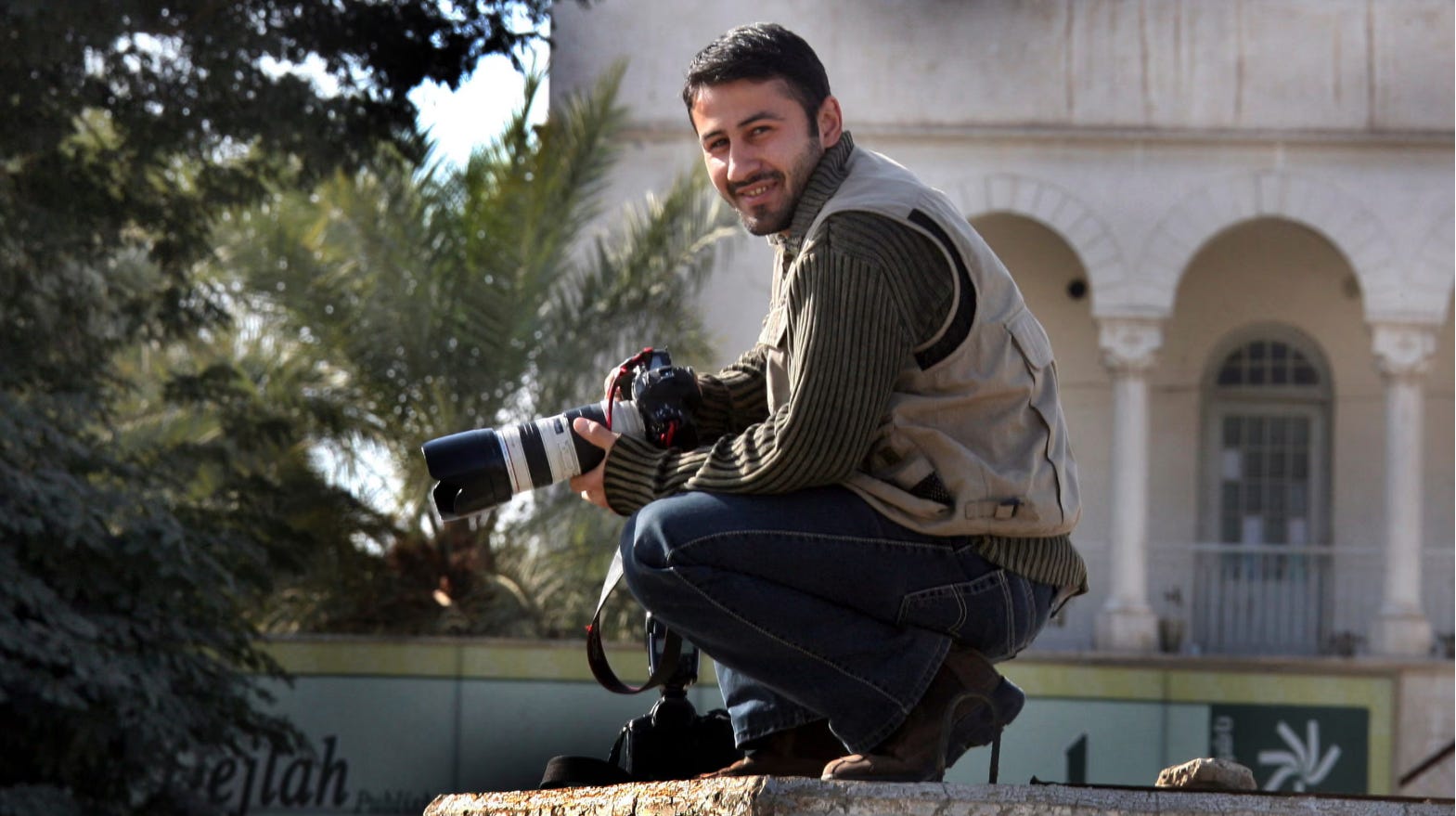
For all the countless words from the United States military about its killing of the Iraqi Reuters journalists Namir Noor-Eldeen and Saeed Chmagh, their colleague Dean Yates has two of his own: “All lies.”
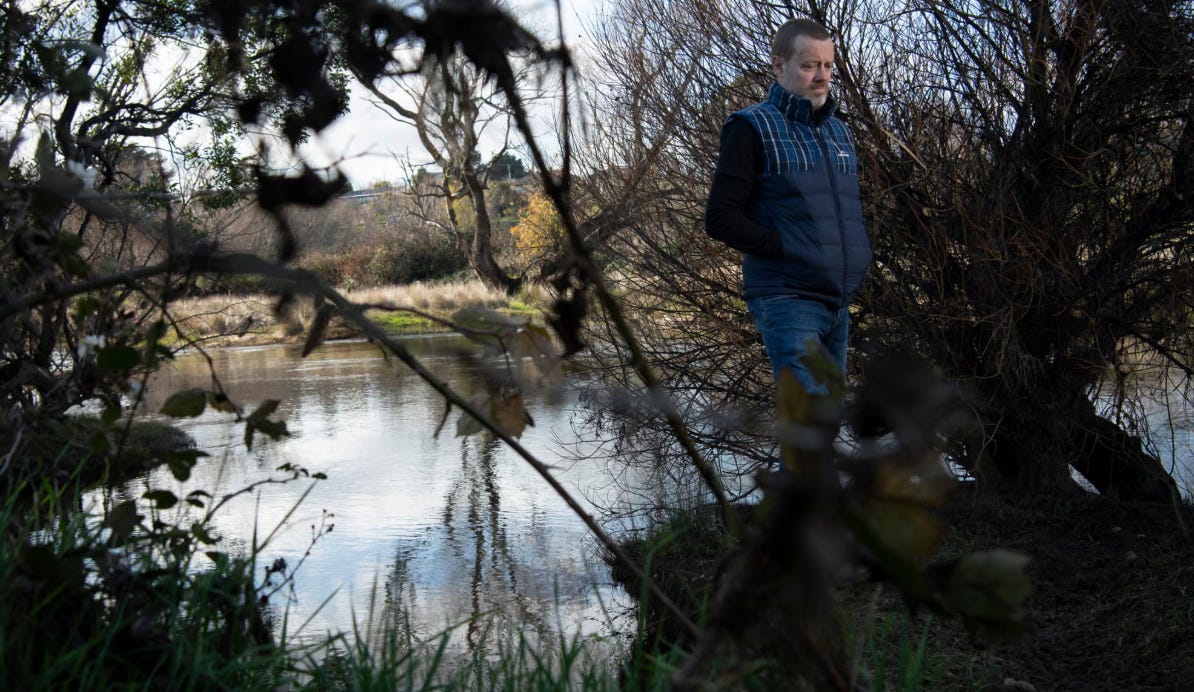
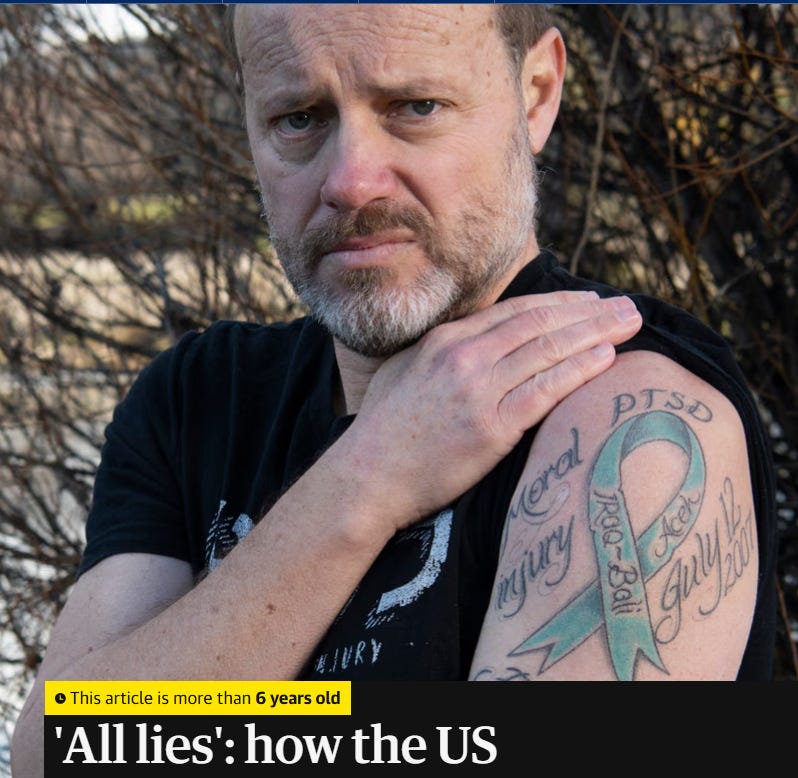
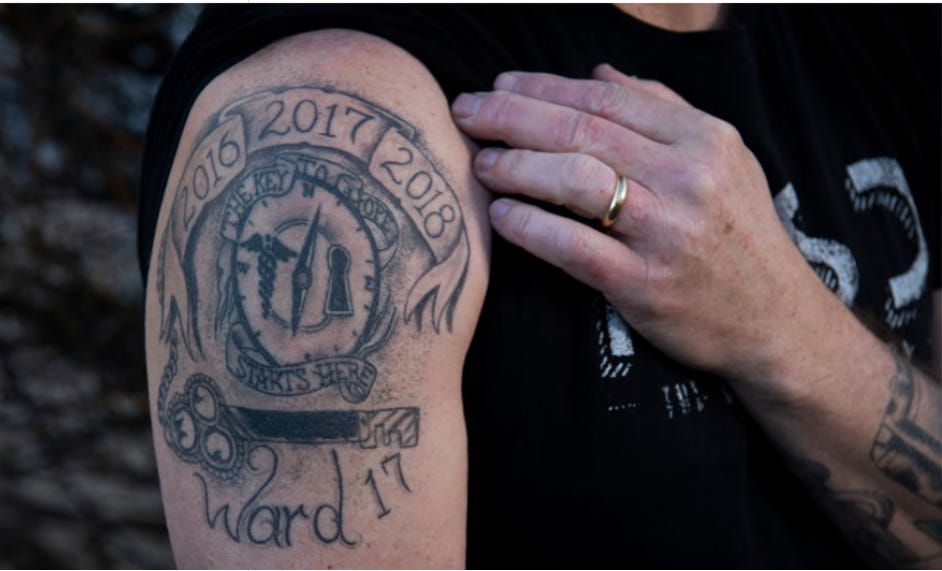
The former Reuters Baghdad bureau chief has also inked some on his arm – a permanent declaration of how those lies “fucked me up”, while he blamed first Namir – unfairly – and then himself for the killings.
The tattoo on his left shoulder features a looped green ribbon bearing the words Iraq, Bali and Aceh. At opposite points of the ribbon is etched PTSD and Fight Back, Moral injury and July 12 2007.
Yates’s experiences covering the 2002 Bali bombings and the Boxing Day tsunami of 2004 seeded his post-traumatic stress, but 12 July 2007 is the day that changed his life irrevocably – while violently ending Namir’s and Saeed’s. It’s also the day that linked him by a thread of truth to the WikiLeaks co-founder Julian Assange, who would, three years later, become the world’s most infamous hacker-publisher-activist with his release of thousands of classified US military secrets.

On 15 July the US military returned Namir’s cameras. Namir had photographed the aftermath of an earlier shooting and, a few minutes later (just before his death), US military Humvees at a nearby crossroads. There were no frames of insurgent gunmen or clashes with US forces. Date and time stamps show that three hours after Namir died his camera photographed a US soldier in a barrack or tent. The troops who mopped up the killing scene evidently messed around with his cameras afterwards.
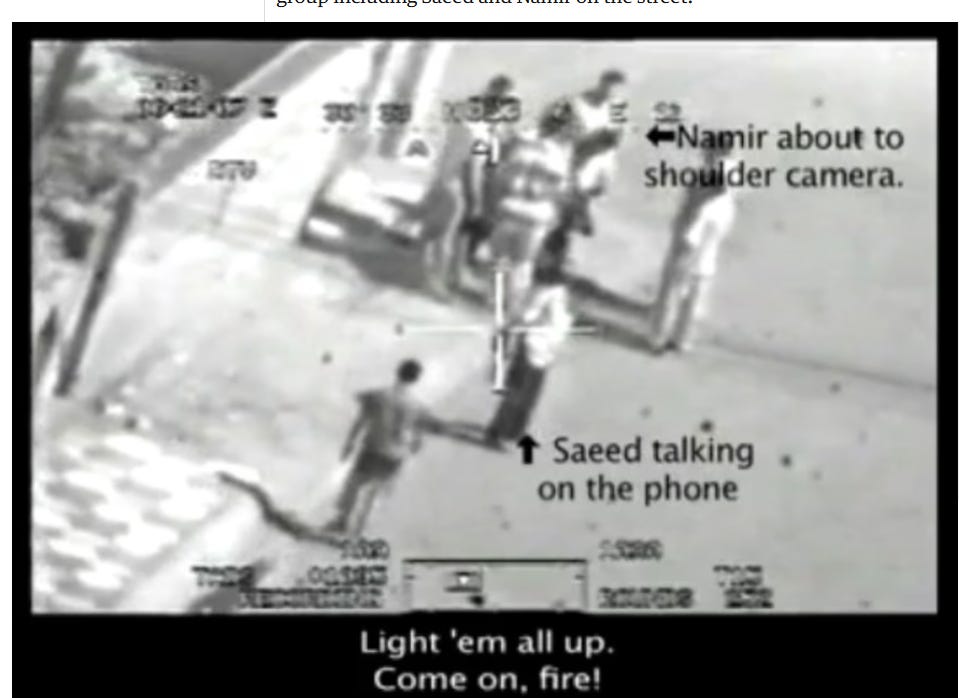
On 5 April 2010, when Wikileaks released Collateral Murder at the National Press Club in Washington, rendering himself and WikiLeaks household names (and exposing how the US prosecuted the Iraq war on the ground), Yates was off the grid,walking in Cradle Mountain national park on a Tasmanian holiday with his wife, Mary, and their children.
Namir and Saeed would have remained forgotten statistics in a war that killed countless Iraqi combatants, hundreds of thousands of civilians and 4,400-plus US soldiers had it not been for Chelsea Manning, a US military intelligence analyst in Baghdad. In February 2010 Manning, then 23, discovered the Crazy Horse 1-8 video and leaked it to WikiLeaks. The previous month Manning had leaked 700,000 classified US military documents about the wars in Iraq and Afghanistan to WikiLeaks. Assange unveiled the Crazy Horse 1-8 footage (a 17-minute edited version and the full 38-minute version remain on WikiLeaks’ Collateral Murder site). The video was picked up by thousands of news organisations worldwide, sparking global outrage and condemnation of US military tactics in Iraq – and launching WikiLeaks as a controversial truth-teller, publisher and critical enemy of state secrecy. WikiLeaks later made public the cache of 700,000 documents.
‘Look at those dead bastards’
Collateral Murder is distressing viewing. The carnage wrought by the 30mm cannon fire from the Apache helicopter is devastating. The video shows the gunner tracking Namir as he stumbles and tries to hide behind garbage before his body explodes as the rounds strike home.
The words of the crew are sickening.
There is this, after Namir and others are blown apart:
“Look at those dead bastards.”
“Nice.”
And this:
“Good shoot’n.”
“Thank you.”
Saeed survives the first shots. The chopper circles, Saeed in its sights, as he crawls, badly injured and desperate to live.
“Come on buddy … all you got to do is pick up a weapon,” the gunner says, eager to finish Saeed off.
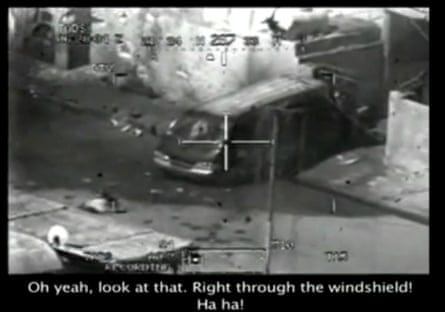
The attack on the van that stopped to help the journalists. Photograph: WikiLeaks
A van pulls up. Two men, including the driver (whose children are in the back), help the dying Saeed get in.
There is more urgent banter in the air about engaging the van. Crazy Horse 1-8 promptly attacks it.
“Oh yeah, look at that. Right through the windshield.”
Two days after Assange released the video, Yates emerged from Cradle Mountain. It was hours before he turned on his phone and checked emails, finally learning of Collateral Murder in a local newspaper.
“I thought, ‘No, this can’t be the same attack … that leads on to all this other stuff that we never knew about’ … This was the full horror – Saeed had been trying to get up for roughly three minutes when this good Samaritan pulls over in this minivan and the Apache just opens fire again and just obliterates them – it was totally traumatising.”
Yates immediately thought: “They [the US military] fucked us. They just fucked us. They lied to us. It was all lies.”
The day Collateral Murder was released, a spokesman for US Central Command said an investigation of the incident shortly after it occurred found that US forces were not aware of the presence of the news staffers and thought they were engaging armed insurgents.
“We regret the loss of innocent life, but this incident was promptly investigated and there was never any attempt to cover up any aspect of this engagement.”

