

Subterranean Stack, Fuck You Book, Jew-oogle, (L)Finked-In, Twa(i)tter, the lot of them: flagging any verbiage with certain keywords for review for “antisemitic or anti-Israeli bias”
“The Jewish Mob has already infiltrated K12, junior college, community colleges, universities, workplaces, and even your fucking dreams — Israel is a Terrorist State! Verboten!
May 28, 2026
[Note — this is a long one, so, take it in strides, with grains of fucking salt or crack coke, whichever makes you get through the White Man’s Minyan House Day!]
Wisconsin: Meth, alcohol, fentanyl, developmental disabilities, fetal alcohol-chemical-trauma syndrome, and we have that Badge Curd State’s real problems — THE JEWS.
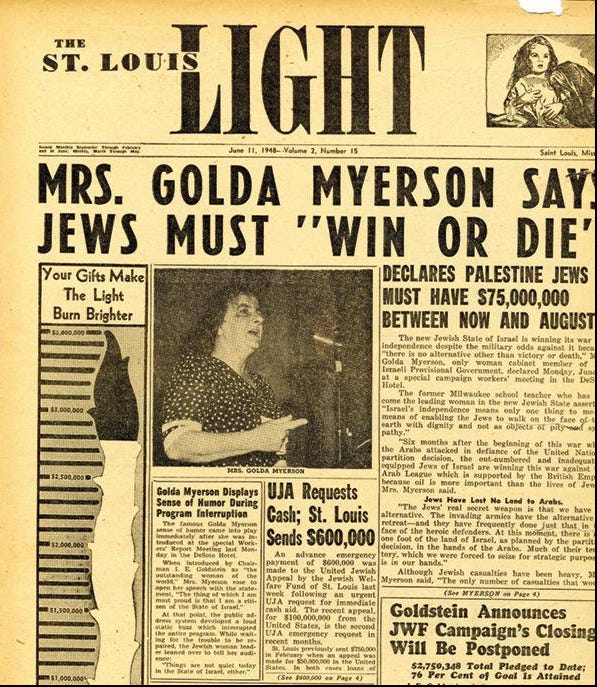
Rep. Lisa Subeck, D-Madison, co-sponsored the bill. She said the bill is needed to combat rising antisemitism following the beginning of the Israel-Hamas war in October 2023.
“It sets some guidance to be considered when determining whether or not something is antisemitism,” Subeck said to the Assembly in February.
The law also incorporates examples that the International Holocaust Remembrance Alliance considers to be antisemitic, including drawing comparisons between contemporary Israeli policy and that of Nazi Germany. The definition also says calling the state of Israel a racist project would qualify as antisemitic, by “denying the Jewish people their right to self-determination.”
An open letter from more than 30 Wisconsin organizations, including the state chapter of the American Civil Liberties Union and Jewish Voice for Peace Action, urged Evers to veto the bill.
The letter cited instances of alleged censorship in states like Kentucky or Florida that have adopted the definition. In Kentucky, a professor faced disciplinary action for speech criticizing Israel. In Florida, the state’s university system flagged any courses with certain keywords for review for “antisemitic or anti-Israeli bias” following the adoption of this definition in 2024.
“Wisconsin should reject any effort that codifies a framework that allows similar enforcement or censorship against students, faculty, journalists, or advocates exercising their First Amendment rights,” the letter read.
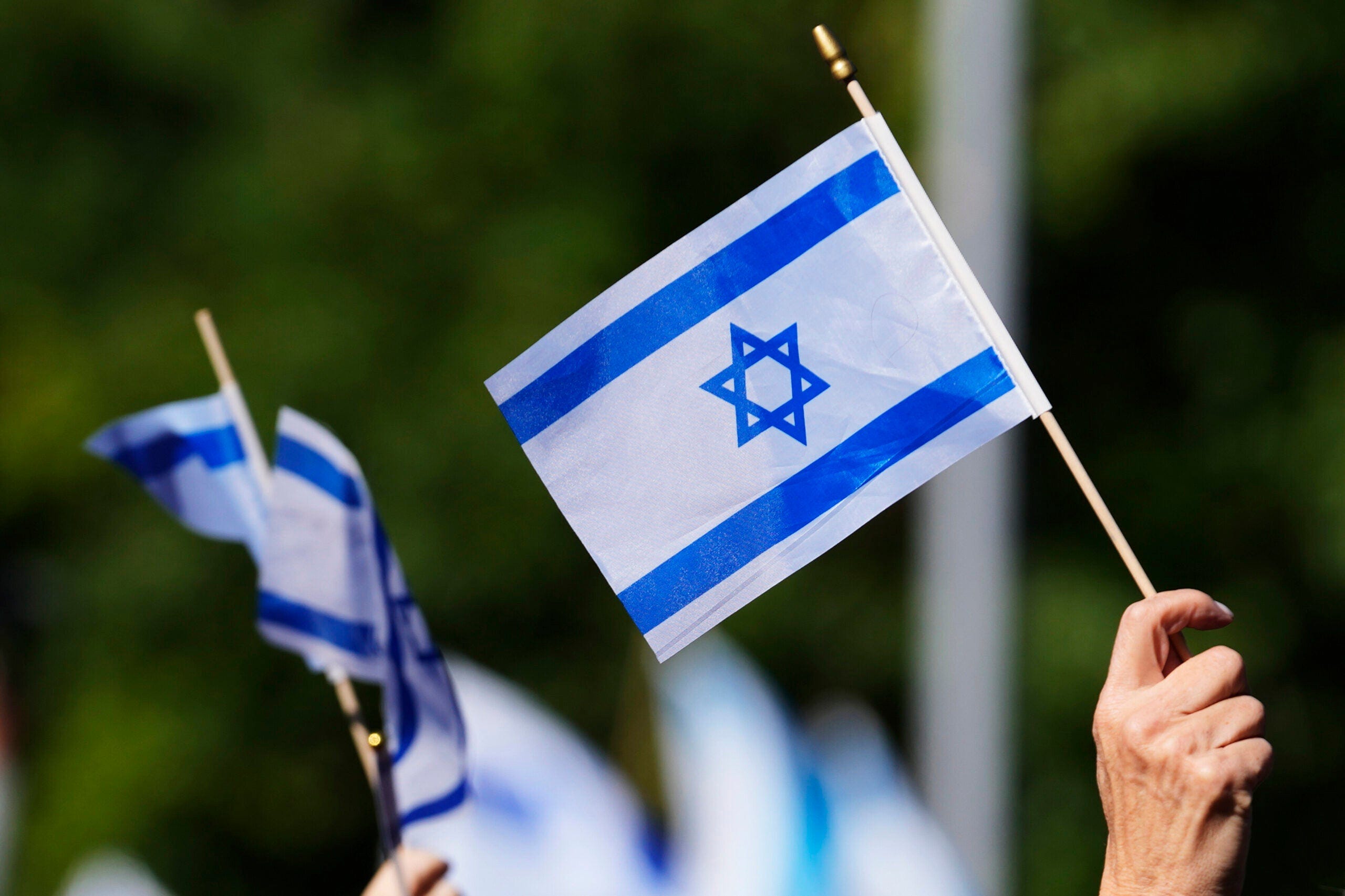
A breakdown of the Badger State’s most notable Jewish figures highlights the following standouts:
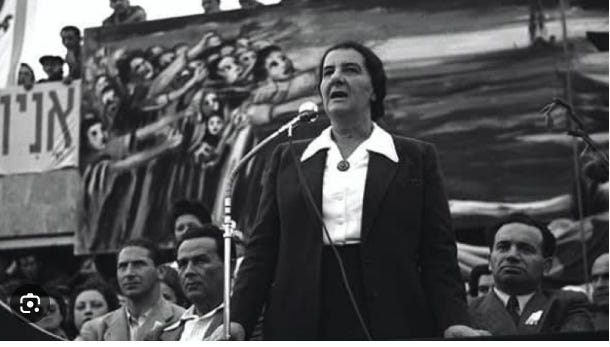
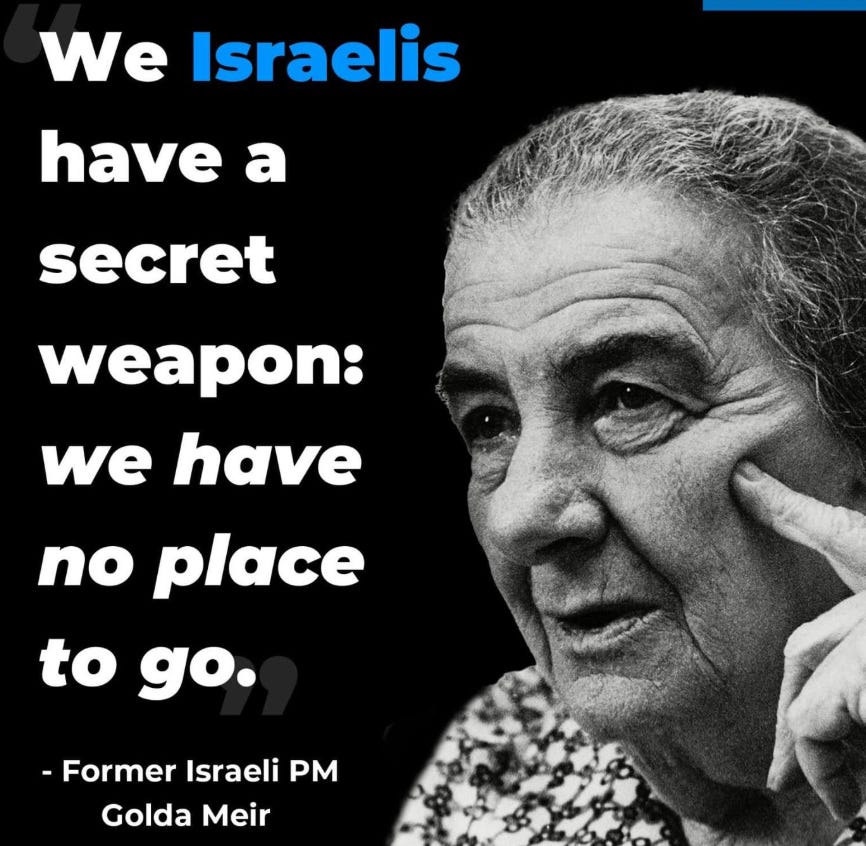
- Golda Meir: Born in Kyiv, she immigrated to Milwaukee as a child and attended the Fourth Street School. She lived in the city into adulthood before eventually making aliyah and becoming the fourth Prime Minister of Israel.
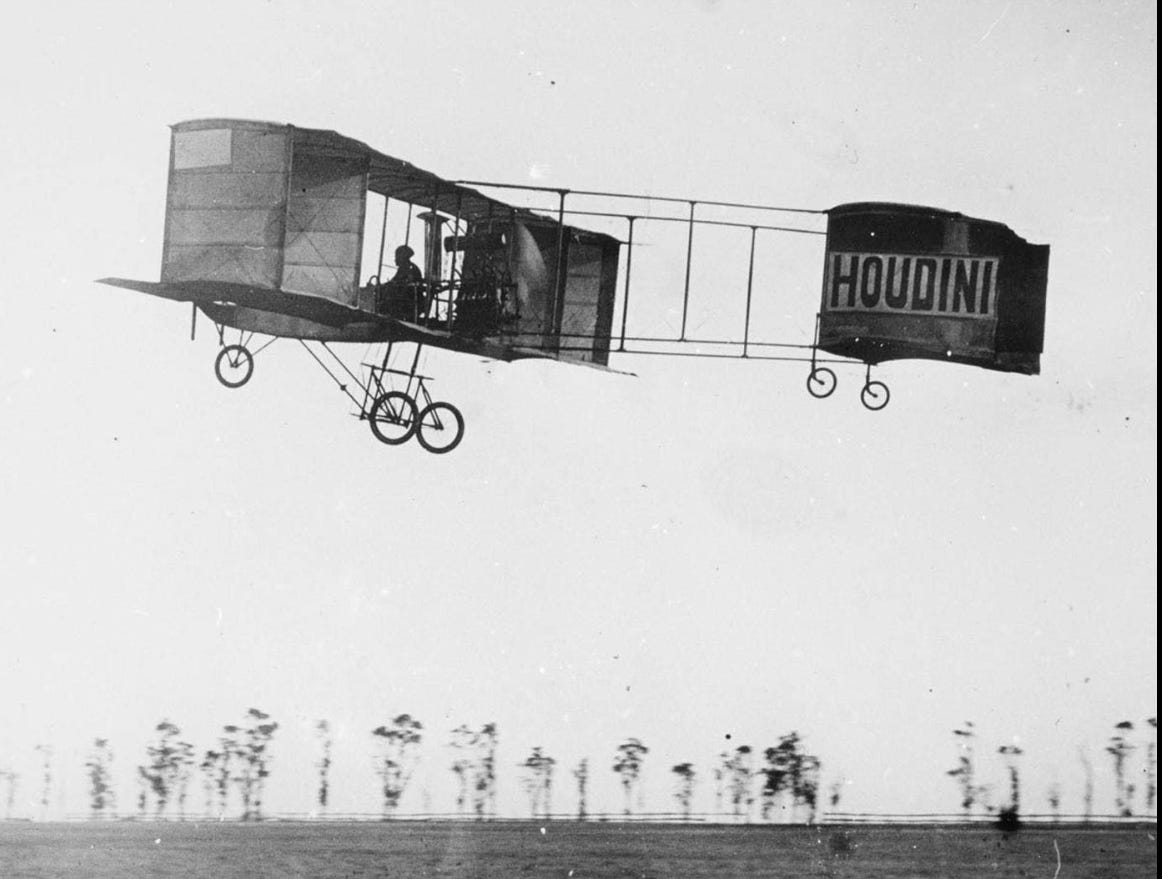
- Harry Houdini: Born Erich Weiss in Budapest, he spent his formative years in Appleton and Milwaukee, working odd jobs before pursuing his legendary career in magic and escape artistry.
- Gene Wilder: Born Jerome Silberman in Milwaukee, the beloved comedic actor—famous for his iconic roles in Willy Wonka & the Chocolate Factory and Young Frankenstein—got his start acting in local Milwaukee theater.
- Allan H. “Bud” Selig: The Milwaukee native served as the Commissioner of Major League Baseball and was instrumental in bringing the Milwaukee Brewers to the state.
- Herb Kohl: A lifelong Milwaukee resident, he founded the Kohl’s department store chain and went on to serve as a U.S. Senator for Wisconsin.
- The Zucker, Abrahams, and Zucker Trio: The comedy filmmaking team responsible for iconic spoof films like Airplane! grew up in the Milwaukee suburb of Shorewood.
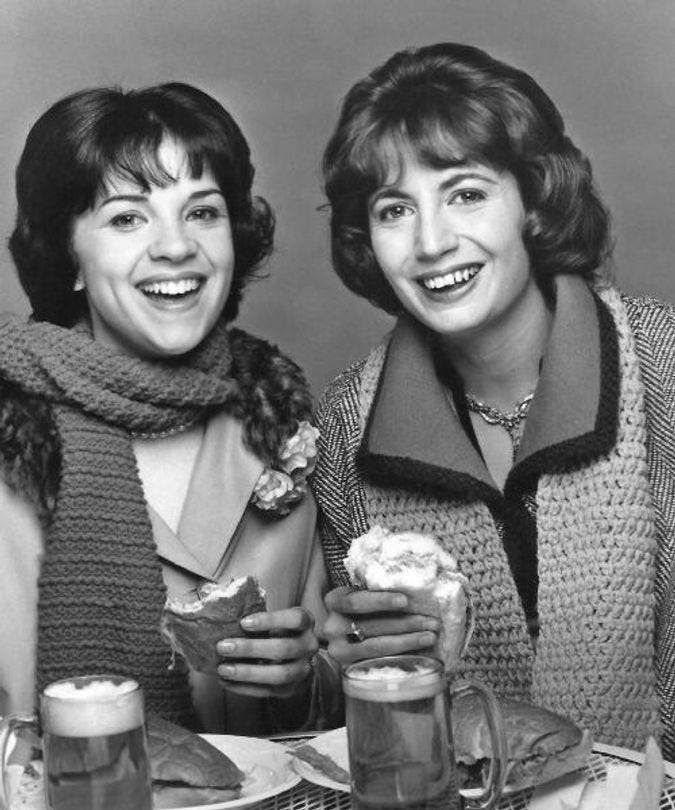
- Charlotte Rae: Born Charlotte Rae Lubotsky, the actress best known for her role as Mrs. Garrett on the hit 80s sitcom The Facts of Life was raised in Shorewood.
- Elmer Winter: The Milwaukee lawyer co-founded ManpowerGroup in 1948, eventually building it into one of the largest employment services agencies in the world.
- Harry Soref: He founded the Master Lock company in Milwaukee in 1921, revolutionizing padlock security.
Fucking 200 nukes, man, pointed at the Goyim Cities of EuroTrashLandia!
And fucking Jew-Loving Putin, the man with 99 Bottles of Red-lines Crossed Beers on the Wall?
Russian Officials Walk-Back Threats of ‘Systematic’ Devastation of Kiev ‘Decision-Making Centers’?
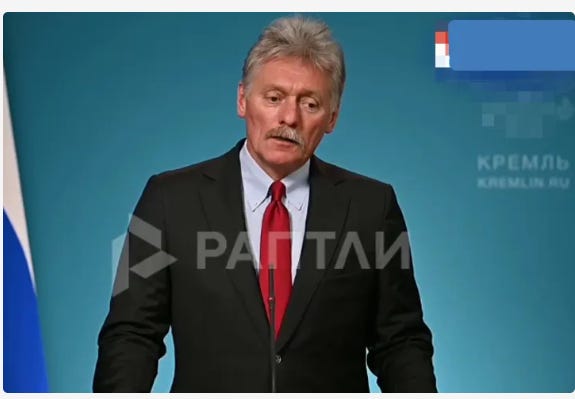
The Kremlin appears to have somewhat walked back its threats of systematic strikes on Kiev via a series of ‘clarifications’ issued by Peskov and Chairman of the State Duma Defense Committee Andrey Kartapolov.
Zelensky is the head JEW of Slav/Slave/Land. [Note: see another, yet ANOTHER, former Colonel’s take on things BELOW.]
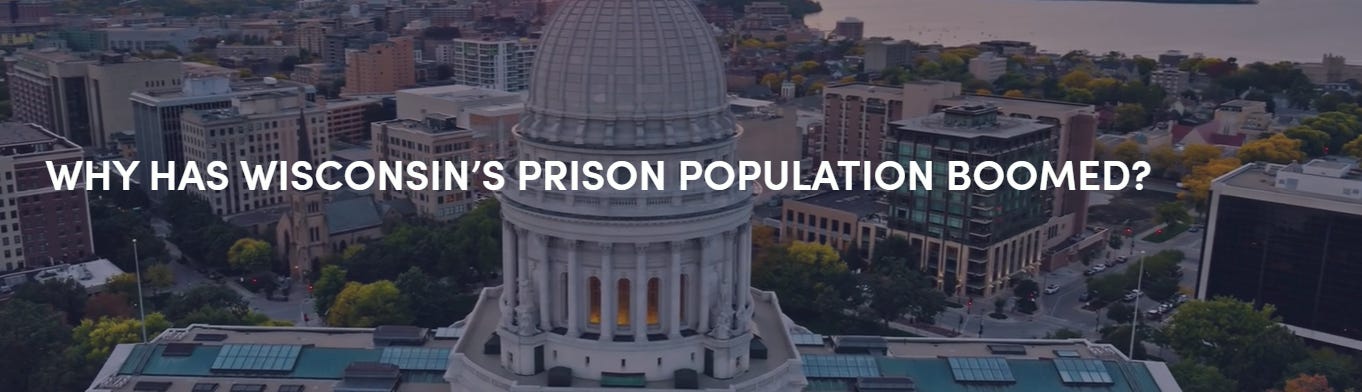
While Wisconsin does not have the highest number of prisons per capita, it has historically maintained among the highest rates of Black incarceration in the United States and incarcerates a higher percentage of its residents than most democracies.
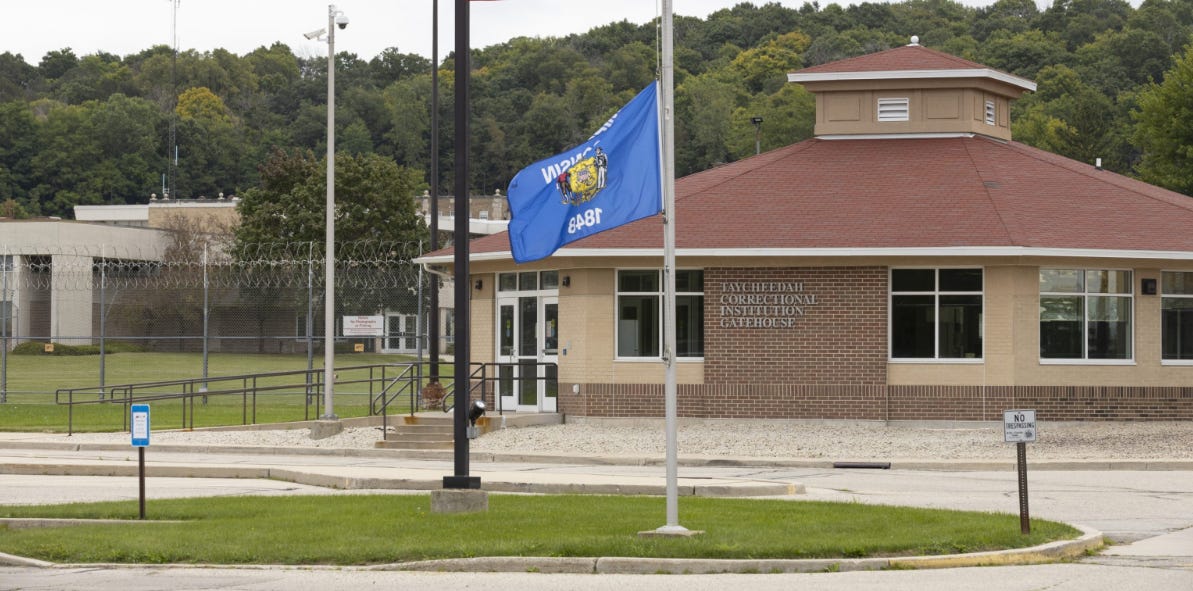
[Taycheedah Correctional Institution, seen on Aug. 29, 2024, in Fond du Lac, Wis., is about 60% over capacity as of the most recent Department of Corrections prison population report. A Wisconsin Watch analysis of the state’s prison population found that women’s facilities are the most crowded.]
“They just cram us in wherever they can, it’s sad,” wrote Sarah Buckingham, who is currently incarcerated at Robert E. Ellsworth Correctional Center, a minimum-security facility in Racine County that now houses more than twice as many people as it was designed for.
Across the system, the rising number of prisoners and a shortage of staff have strained resources. Prisoners often wait months or years for limited spots in treatment, education and work programs, the very programs designed to prepare them for release. That, advocates say, could mean people wait longer to get out, or even end up returning to prison — making facilities even more crowded.
Wisconsin’s prison system is currently at about 133 percent of capacity. Since 1990, the total number of prisoners has roughly tripled, from about 7,000 inmates to 23,775 in 2018. Experts estimate that the state’s prison population will reach 24,350 by the end of 2021. This in a state that the U.S. census estimated had a population of about 5.8 million as of 2019.
What is causing Wisconsin’s prison population explosion? One major factor is the revocation-only system of criminal justice.
What does ‘revocation-only’ incarceration mean?
Besides incarceration, Wisconsin’s criminal code offers probation and parole. These are both types of supervised release. Probation allows someone convicted of a serious crime to avoid jail or prison, and parole gives a prisoner the chance to serve the balance of their sentence on the outside.
Being on probation or parole is far from being free. State law imposes a minimum of 18 rules that individuals must follow, such as meeting with their probation agent regularly and limits on how much cash they are allowed to carry. In some cases, the law will impose even more rules. Violating a rule can send you back to prison without being charged with or convicted of a new crime.
Differences based on race
Of Wisconsin’s 23,775 prisoners in 2018, about 37 percent were behind bars were there due to one of these revocation-only admissions. Black Wisconsinites are particularly affected by this system. The Census states that fewer than 7 percent of state residents identify as black. But from 2000 through 2018, 60 percent of prison inmates there for a revocation-only violation were black.
It might seem logical that an increase in Wisconsin’s prison population over the last 30 years is the result of increased crime. But the numbers dispute this. For instance, the property crime rate in the state has dropped since 2013, and is 27 percent lower than the national average. Violent crime is also 21 percent below the U.S. average. Instead, it appears that social problems that disproportionately affect black Wisconsinites, such as unemployment, untreated mental illness, and lower wages, could be larger factors.
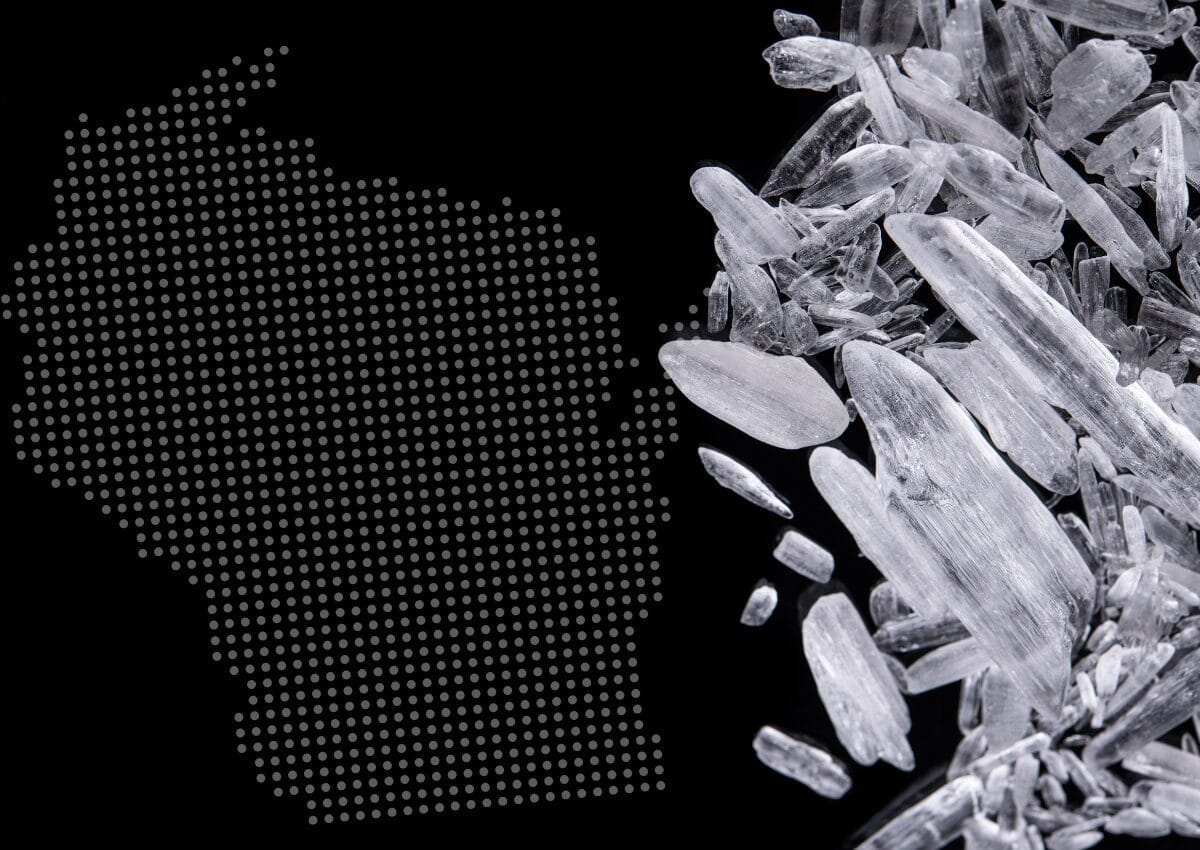
- The “Shadow” of Opioids: Because opioids and fentanyl have historically dominated headlines and state funding, meth has quietly proliferated with less public and financial intervention.
- Polysubstance Overdoses: While meth users previously died less frequently from overdoses compared to opioid users, stimulant-involved fatal overdoses—particularly from meth combined with fentanyl or cocaine—are sharply rising.
THAT’s right, the fucking JEWS, and their crime-baby, cry-baby, cunt-baby lives are more important than tackling. . .
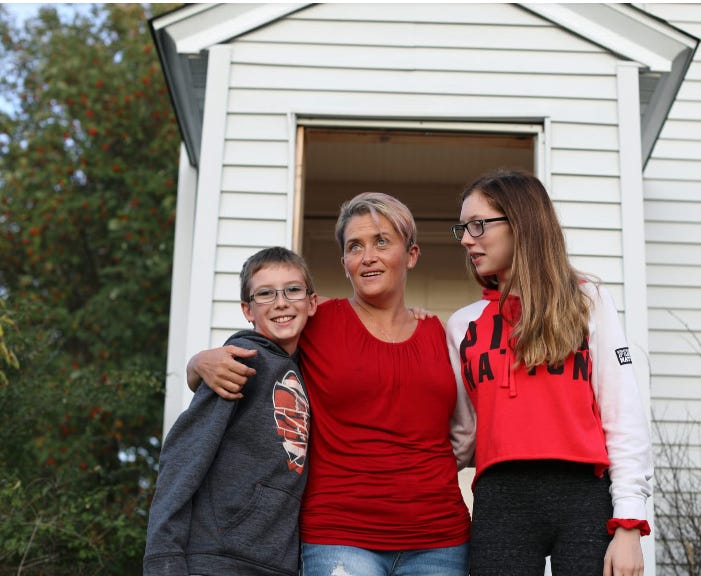
[Jess Przybylski started using methamphetamine after the father of her children died in a car crash. After completing intensive treatment in 2016 as a condition of her sentence, she got her children back. She is now an advocate for meth recovery and a member of the Take a Stand Against Meth Campaign. Przybylski is pictured outside of her home in Chippewa Falls with her children Zander, left, and Peyton.]
Like other amphetamines, meth elevates dopamine levels in the brain, creating a rush. But it is significantly more powerful than stimulants like cocaine, said Timothy Easker, director of Chippewa County Department of Human Services.
Meth can keep individuals awake for days on end, causing psychosis and even organ failure.
While the widely known opioid epidemic killed 3,800 people in Wisconsin between 2014 and 2018, a surge in meth use has quietly supplanted opioids in western and northern parts of the state, according to service providers and public health officials.
The State Crime Laboratory handled 1,452 meth cases in 2018 — an increase of more than 450 percent since 2008. The number far exceeded the 1,055 heroin cases handled by the lab that year.
On Oct. 4, federal authorities in Madison announced 16 people from Wisconsin and Minnesota were charged with state and federal counts of allegedly distributing meth in the Wausau area.
Unlike some Midwestern states, where police shut down hundreds of meth labs a year, in Wisconsin, the problem is more hidden. Much of the meth used here originates in Mexico and is transported to the Twin Cities, according to a 2016 analysis of methamphetamine use and trafficking compiled by federal and state law enforcement officials.
The drug can be in the form of powder, crystals or pills and can be smoked, snorted or injected.
Sheila Weix, director of substance abuse services at Marshfield Clinic’s Family Health Center, said when she started treating addiction in central and northern parts of the state in the 1980s, alcohol, “nerve” pills, marijuana, cocaine and heroin were the most common. Then, in the early 1990s, meth appeared. Its prevalence rose, then ebbed when the opioid epidemic hit.
Now she is again seeing increasing numbers of people with meth addictions.
Robert Morrison, executive director of the National Association of State Alcohol and Drug Abuse Directors, said meth’s resurgence reminds him of the movie “Groundhog Day.” Ironically, some people are using meth to help with withdrawal from opioids. Others are using it because it is cheap and available.
“It’s about the buzz,” Easker said. “People use drugs for the buzz, and people get the most bang for their buck with (meth).”
“There is a lot of violence associated with it,” said Walensky. “They are so jacked up and it lasts so long in their bodies.”
Walensky says it seems like everyone he runs into has a little meth on them.
In 2023, the drug most often identified in samples sent by law enforcement to the State Crime Lab was meth, which accounted for 1,378 of the 4,805 samples tested — more than cocaine or heroin or fentanyl or even THC, the active ingredient in cannabis. Cops and prosecutors don’t send all the drugs they recover to the lab, and pot usage, rarely prosecuted nowadays, is surely much more prevalent in the state than meth usage. But meth, at least by the one measure of Crime Lab analysis, may be more widely abused than any of the other harder drugs.
PUT fucking “Wisconsin” into the Paulokirk search, and you will get:
Four years AGO, my Wisconsin brother and I… Mister Fish, Kelly.
Now, he rides around River Falls with Eldee, the weiner dog, on an electric tricycle, with that big old righteous flag:
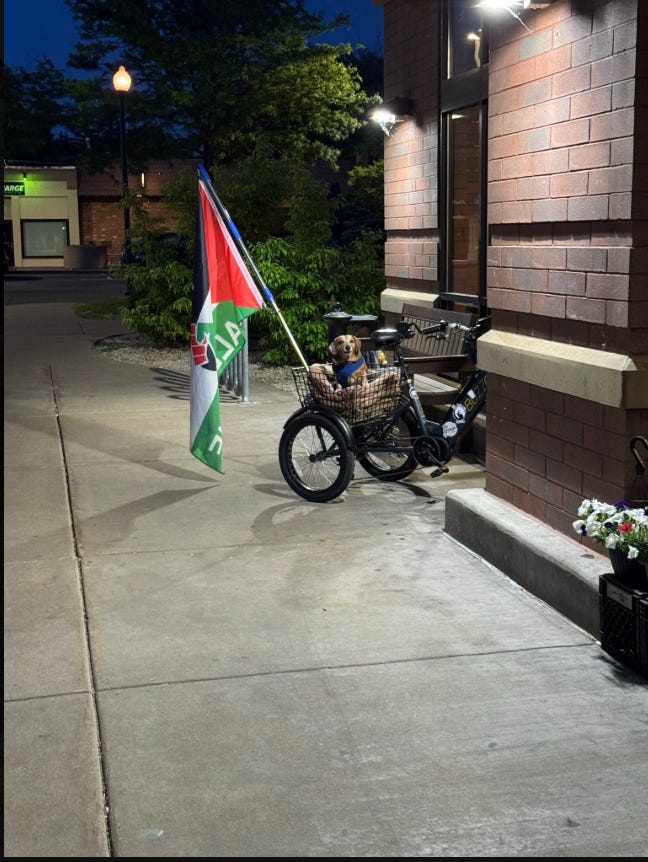
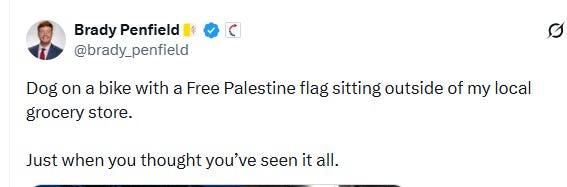
Read the methed-out or soon-to-be methed-out or just fucking beer drinking cuntsd of the WISCONSIN MAGA maggot brand comments — posted YESTERDAY, man…
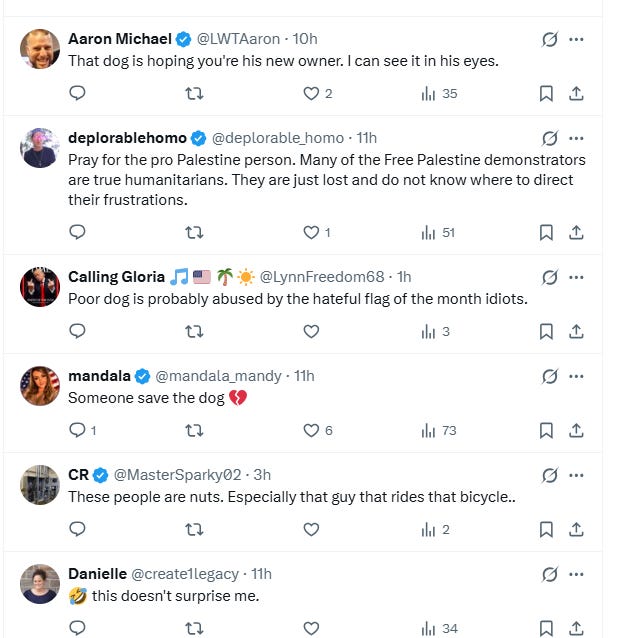
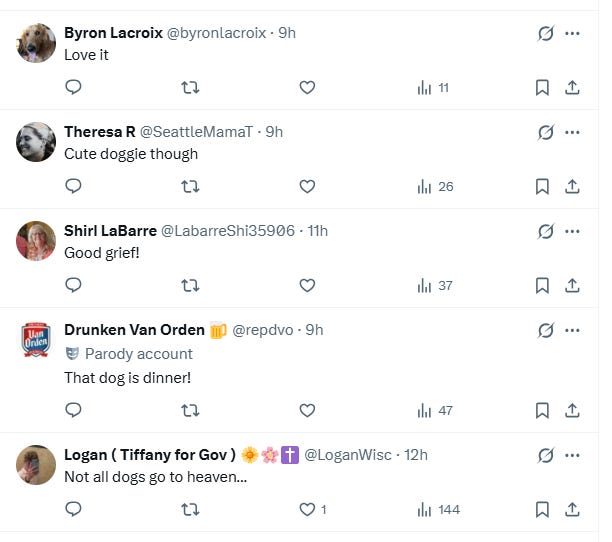
Brady Penfield🇻🇦@brady_penfield

7:21 PM · May 27, 2026 · 1.05K Views
“Are you the people with that black pick-up with the white camper?”
He’s a short red-bearded white cop standing over me and my friend, KK (initials to be revealed soon). We are in KK’s hometown, Merrill, Wisconsin, population 9,300.
“What’s up, officer?”
“We have a complaint from a resident who says you were on his property taking pictures of his house and his juvenile daughter.”
So begins the morning in Merrill, or at least, after a few hours of photographing with a borrowed Canon KK’s old haunts, his schools, churches, and, yep, the house he grew up in. It was 9 am when I got him to stand on the sidewalk to photograph KK in front of the small house where he spent his youth. It was his grandparents’ home. Small, sort of shotgun clapboard style no with faded vinyl siding.
Four shots, and we took off, turned for some of the street scenes where he played, and, then we moved on with the pick-up and my shutterbug disease.
I call these drive-by shoots, so we drove and then stopped, posed, and then shot film. He is a 65-year-old whom I met on the “internet” who has been a good friend, a good reader of my stuff, including books, for more than a year. His wife died in October 2022, in River Falls, where they moved decades before leaving both of their hometowns, Merrill. Merrill is his and his deceased wife’s birthplace and family locales. Bad memories for KK, and I don’t know about his wife, Cheri.
“The owner of the home accused you of trespassing, stepping on his lawn, and photographing his teenage daughter. He wants you arrested.”
Welcome to America, and sure, I knew I’d get out of this stupidity, but what flashes in my mind is the mindlessness of America, the flyover states’ policing and politics, the rural places with contradictory “values,” old sagging towns with closed businesses, tired homes, and more, which I will cover in this series. Lots of strip malls and drive-thru food joints you see all over America.
“I’m a journalist, and I have been taking photos of Merrill the past few hours, and I can tell you we did not go on the lawn, and I was photographing KK, who is from Merrill. I saw no girl in a window, and there is no girl in a window in the four shots I took of a guy out in front of his childhood house.”
“The house owner said his daughter was upstairs, wondering what you were photographing, and said you photographed her.”
The conversation went from here and there, and we gave up our IDs, and alas, yeah, KK is an ex-con (with air quotes), ten years behind bars total, six in prisons throughout Wisconsin. He’s known in these parts, and he’s still on paper, which means he is on “supervision,” not allowed to leave the state, and his name and his “crimes” would be coming up on the ID check.
I went outside, to the camper, and pulled out the Canon. The shots showed I was on the public access, sidewalk, and road, and there is no peeping woman in any photograph looking at these aliens. KK stayed on the sidewalk. I shot him there.
America. The big, burly guy/father followed the cops who went around town looking for this camper/pick-up truck combo, a unique-looking rig. They spotted us at the local restaurant, The Pine Ridge.
America. This guy came up to me, as the cop was facing me, and while I showed him the photos in question, this guy, the so-called victim, pulled out his phone camera and started filming the cop and me.
America. “I’m telling you if they come back and start photographing my house, I will shoot them. I’ll shoot anyone coming onto my property.”
“Well, we’ll deal with that if that happens.”
“I’m not fucking joking. I will get my rifle and shoot the sons of bitches.”
America. After he went back to the five other police vehilces, I gave the cop the old thought exeperiment: “So, in this little Wisconsin town, you have people shooting anyone going onto lawns, with all these homes with no fences, no signs about no tresspassing, you really think I am supposed to believe you can arrest me for stepping on a lawn and photographing my friend’s old childhood home?”
America. “Well, it is trespassing.”
“So you have a lot of shootings in Merrill? Especially in the summertime when kids and teens and their dads and aunts and uncles might be throwing frisbees and balls for dogs and then errant throws and tosses might get a ball or frisbee near the house and some innocent ball player retrieving it by some window or wall?”
America. “It’s trespassing to step on someone’s property, and you can get arrested.”
America. “So Merrill has a lot of arrests for kids and dads trespassing? You bust dogs pooping on property, too?”
America. “So, you did background checks on us. What about this guy?”
“Yes.”
“And, you found some ‘interesting’ things in his background?”
The cop smiled. “Yep, there are some rough things in his past.”
America. “So, put the shoe on the other foot. Now, if I were in this parking lot, and say, none of this happened, but I started photographing the parking lot, the cool sign, and then this guy with his Duck Dynasty beard, I know this asshole would go after me hard, no questions asked. I’ve been around the block, around many parts of the world, worked in prisons, and I KNOW for a fact this punk would go after me for photographing him in a public place. Just like he just did with me.”
America. The cop smiled and nodded his head. “Look, think about it, officer. If I was in Madison, on a street around the university, and had buddies and me tossing footballs, and maybe me photographing them, and then one ball ended up on a lawn, the homeowner/resident could call the cops and have us arrested? And then this shoot-to-kill crap, you think in a university town the cops would be allowing this? The city’s lawmakers, they’d be okay with college students or faculty or whoever getting arrested for going after a loose beachball or softball off the lawn?”
America. “I’ve never been a policeman anywhere but here, in Merrill. I don’t know about other cities’ ordinances.”
America. Ahh, imagine the headlines: “Trick or Treaters Shot in Merrill, Wisconsin, after a dozen home renters pulled out AR-15s and Glocks and started firing away.” Or, “Local Photographer Dies after Homeowner Plugs him Between the Eyes for Photographing old Historic Home.”
America. And, it only gets worse. “Look, we will be keeping him here until you all get on your way to make sure he doesn’t follow you. Are you done photographing in that area of town?”
America. “I am photographing bridges, pubs, old fronts of buildings, and more. And, we have a graveside service at the cemetery at one. His wife just passed away last October and there is a marble monument bench in the graveyard and 20 family members showing up. I’m officiating it.”
America. “Well, we’ll keep him here. You should be fine. The cemetery is a good mile from his house.”
America. “So, this guy wanted to have you ticket us?”
“Actually, he wanted us to arrest you both for trespassing and stalking his daughter.”
America. “You know this is bullshit, really. Smalltown, Wisconsin, and I take other small towns in this cheesehead state have similar values, similar ‘shoot first, ask questions later’ ordinances.”
“Well, he lives in a sketchy part of town and they are worried about their stuff in the yard and on porches.”
America. Shoot to protect the barbecue and patio furniture.
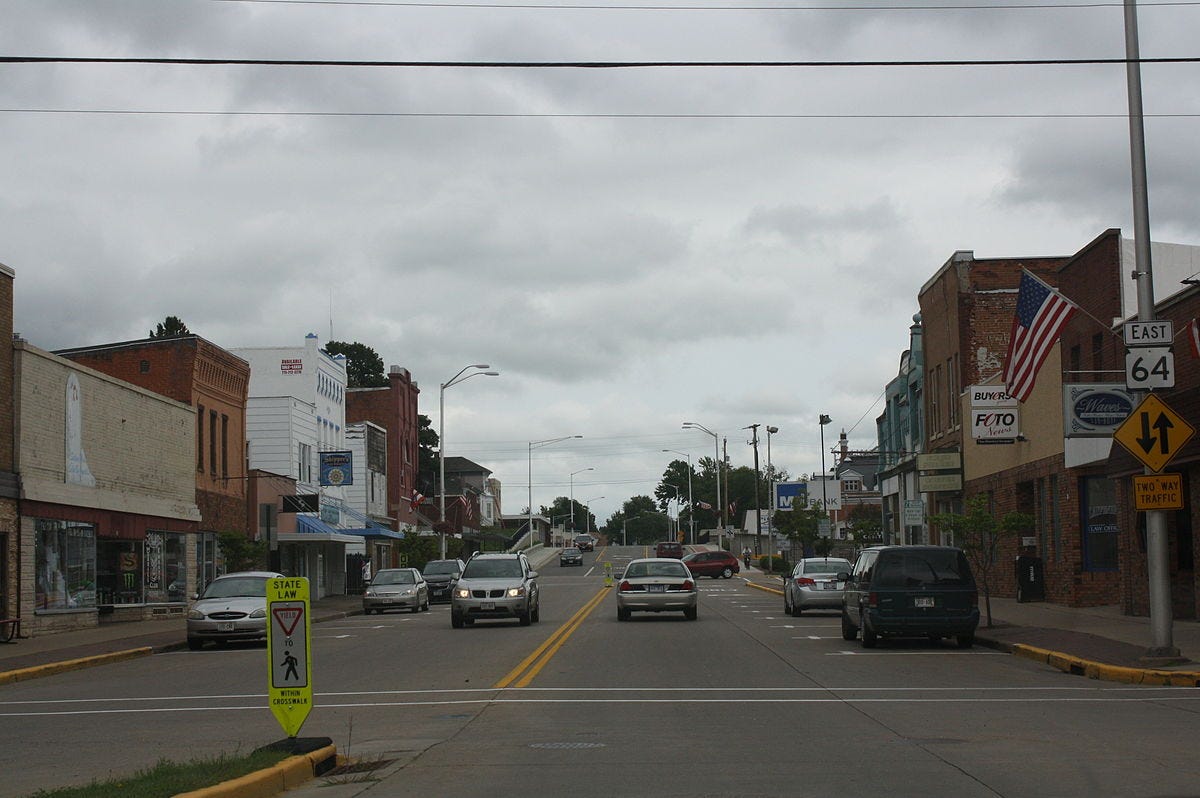
City of Parks. Well, the next iteration of this first part deals with the City of Bars.
“At one time, there were 53 bars in Merrill,” KK said. “I knew them all. That’s what people did when I was growing up. They still do, but there aren’t that many now. Many closed up.”
Bars and churches, on every street corner. All Aboard, Gesundheit, and so many run-down joints and holes in the wall, even back when KK was taking fast cars and noisy motorcycles through town to push the oppressiveness out of his skin. His first take-down by the law was when he was 16. Booze.
America. The Chatterbox, Hub Inn, Newwood Tap, Ali Baba’s, Dee’s Bear Den, Northway Club, Hinz’s Cork and Dine, 1-900 Club, Beacon Bar, Dick and Shirl’s, Victory Lane.
The victory in this town is working in bone-numbing mill jobs, living in a town of killing deer and yanking walleyes from the lakes and rivers, beatings at home, knuckling the young ones in the head, and, drinking at those favorite watering holes.
America. The best Friday Fish Fries are had at those booze joints. Hamburger runs, deep-fried Wisconsin cheese curds, and puffy fries. Bars. Pubs. Clubs. Lounges.
America. In Eagle River, north of Merrill, we have the Pioneer, where you pay a buck for an ashtray to smoke inside, so the collected tray fees are used if the bar gets cited for allowing cigs and combustion inside.
America, the land of Disney thinking, cutesy names, and one’s legacy emblazoned on some Blatz or PBR lighted sign, passed from generation to generation.
Merrill, America: Plowman’s Playhouse, Mid-City Tap, Frish’s Place, Clubs 64 or 107, Club Morder, Gail’s Place, Urban Darlene’s, E and K Tap, The Robber’s Roost, Corner Bar, Avenue Bar, Gil’s Bar, Ballyhoo’s, Trophy Bar, Legion Lounge, Rock Island Resort and we can’s forget S & S Bar — Social and Sick. This one gives money gained from liver damage and all night with the boys and a $100 tab to the local hospital. You know, smoke up a pack of Kools, down whiskey a-go-go, and then at the end of the year, S & S’s proprietors hand over some of that mullah go to cancer education, treatments, what have you.
America. Drink, carouse, stay away from the kids, pound back the beers and shots, yell at the top of your lungs how you are right, and America is about might makes right, and then, maybe, just maybe, a head-on collision with a tree. Or pond. Death by exposure, drowning, all in a night’s bar hopping.
KK got wrapped up in drinking young. Nature and nurture. He’s more than just a smart guy, and he holds a boyhood with no interest in school, a whipper snapper in math, and alas, that teacher who wacked him on the head many times while he struggled to do division. That was grade three.
Imagine, years later, he’s working as a CNA, and lo and behold, this monster teacher is in memory care, in need of bathing and all that. She called him “my sweet Kelly.” All those math division wacking sessions long dust to the wind roiling her Merrill brain. From a sadistic teacher to a broken-brained old lady dying in a care facility.
So when we traversed this town, one he moved away from decades ago, the lights of nostalgia and nightmares came pulsating out. He knows every nook and cranny, every business that was, every place where he hung out at after ditching school. And the bars.
So when the fuzz came buzzing into our Pine Ridge Diner, more than just flashbacks were surfacing. He, KK, had been fighting the law all his life, with a total of 10 years behind bars. He shook his head and laughed.
Since I was the accused perpetrator — photographer — I calmly dealt with the cops and their stupidity. Five or six cop vehicles, and big bearded bruisers holding onto their flak jackets and holsters.
Yeah, the illogic of having cops tell me I should have knocked on the guy’s door at 8:30 am on a Saturday, well, this is America. Imagine I shot 130 pics in a two-hour period. Courthouse, churches, cool architecture, funky yards, Trump and Go Brandon signs next to a white cross, you know, all that artsy fartsy stuff. The thought experiment is this: So, a photographer has to knock on what, a dozen, two dozen, more doors? Ask permission to shoot a man standing in front of the old broken-down home?
I’ve talked with a few people about this, and hands down they say this is absurd, and then all the photos they took in places like Juarez or throughout the world. Kids and chickens. Three-legged dogs next to a woman hanging out clothes. Vietnam or Venice.
America. You will have the cops come blazing in to interrogate you about photo shoots. We are talking shoot and dash.
Yeah, the guy’s got a rough background, i.e., criminal background. But still, an ex-con was yelling and spitting that he wanted me arrested. A 66-year-old guy from Oregon.
America — Friendliest place on the planet.
A sidenote to this is I just opened up my phone call log, and there is a message from the investigating officer. He wanted to let me know that when we drove off by him standing with the accuser, it was the pissed off father who returned back and wanted to apologize for his threats and bullshit. He was, again, Duck Dynasty addled, and no matter how many people reading this think I should have or could have might have done this or not done that, it’s all in a day’s work for me, and while the dramatic overtones may sound as if I am frazzled, well, I am not.
America. Within thirty minutes of the guy’s threats and his bullshit filming me with his toy phone, well, he apologized, and wanted the cop to let me know he was just overprotective and that there was a past, that is, some past incidents with his two daughters. I just listened to the cop’s message, two days later.
America. Triggered. Triggers. Trigger locks. Unlocked trigger locks. Rapid-fire triggers. Triggers all lined up while the weeds take over the yard and the Walmart shit piles up.
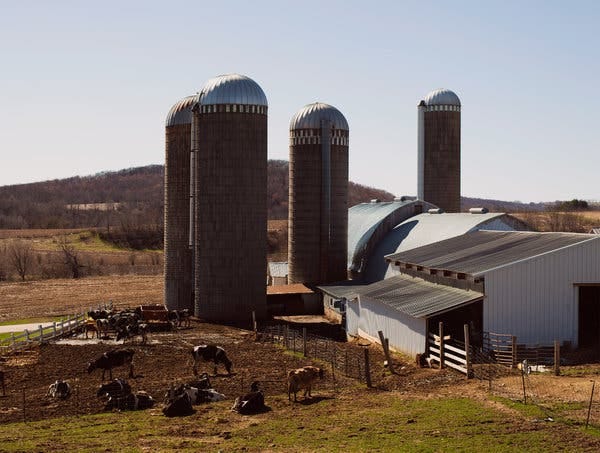
America. Wisconsin. Shooting ranges all over the place. Golf courses and shooting ranges. And a shitload of shit factories, that is, dairies.
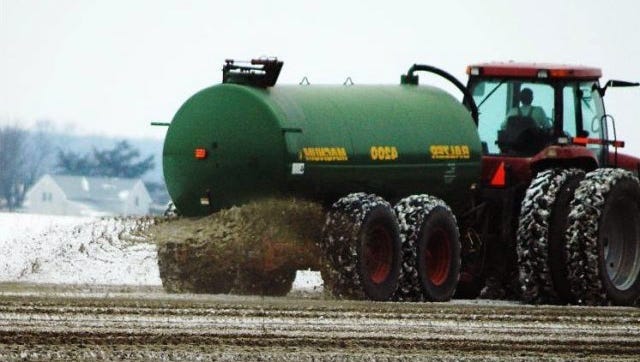
America. Dairies and fields of GMO corn and soy. You gotta get the cows fed. Shit factories, those dairy cows. America. What to do with the shit? America. America Don’t Take No Shit from Anyone (bumper sticker I saw on the highway).
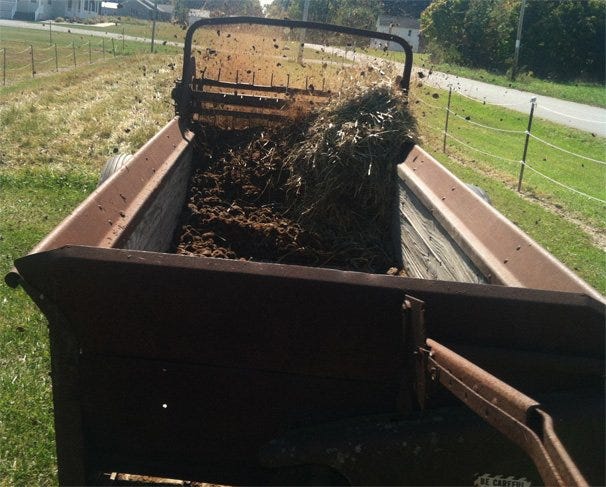
America. Hair triggers and trigger brains. Lots of shit.
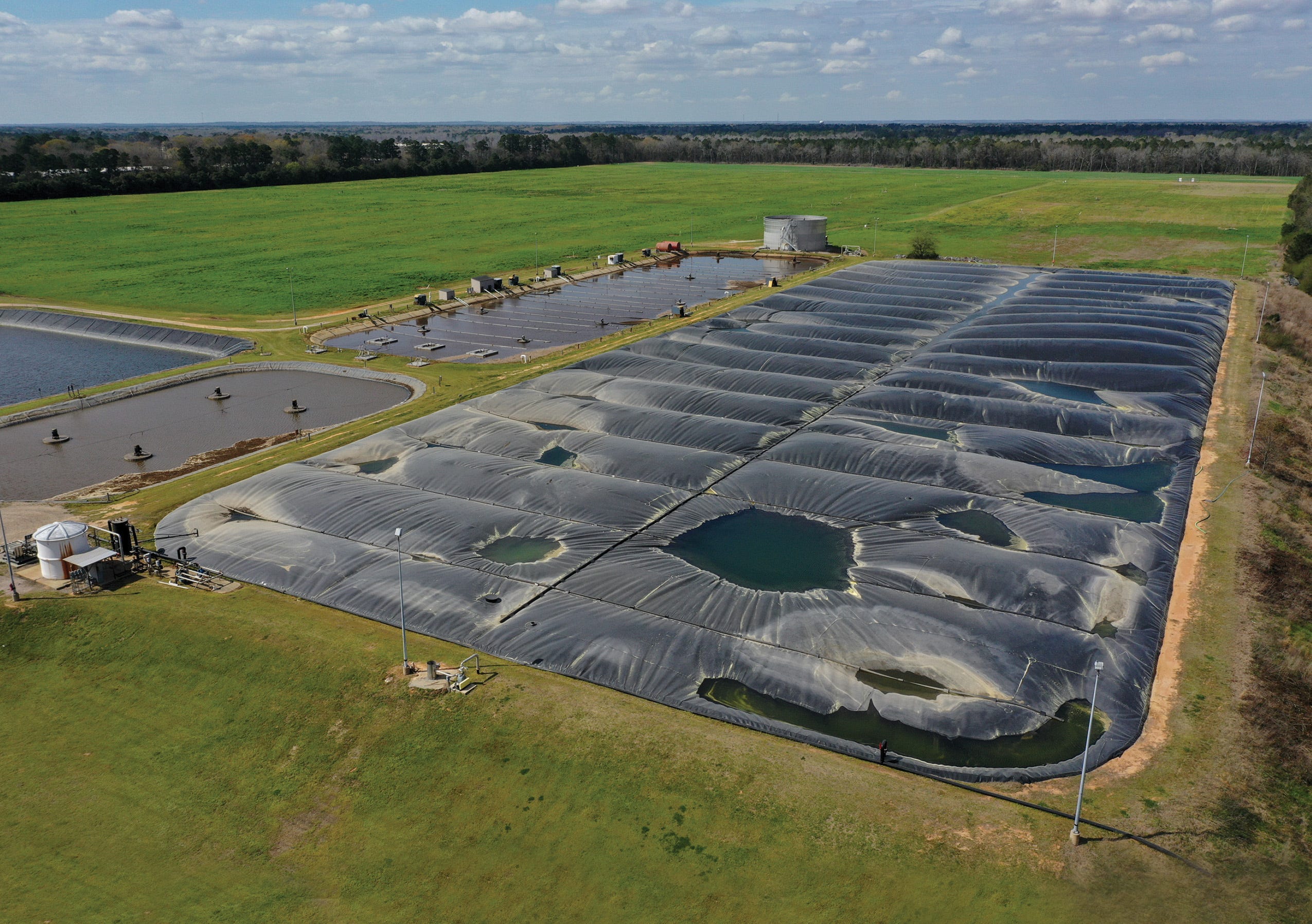
Graveyards and dairies. So, some of those 53 Merrill haunts are gone, turned into chiropractor offices. One’s a florist. Old, sagging, boarded up. You have to look closely for a bright beacon coming from a foggy window. “No Coors Served Here!”

Those cemeteries are loaded with German and Polish names. Wisconsin, the state with the most beer:
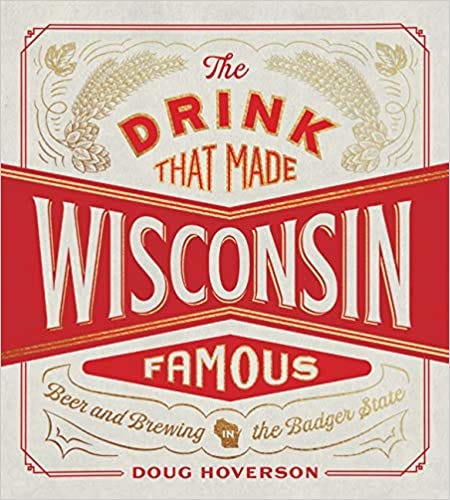
From grain to glass—a complete illustrated history of brewing and breweries in the state more famous for beer than any other
Few places on Earth are as identified with beer as Wisconsin, with good reason. Since its first commercial brewery was established in 1835, the state has seen more than 800 open and more than 650 close—sometimes after mere months, sometimes after thriving for as long as a century and a half. The Drink That Made Wisconsin Famous explores this rich history, from the first territorial pioneers to the most recent craft brewers, and from barley to barstool.
From the global breweries that developed in Milwaukee in the 1870s to the “wildcat” breweries of Prohibition and the upstart craft brewers of today, Doug Hoverson tells the stories of Wisconsin’s rich brewing history. The lavishly illustrated book goes beyond the giants like Miller, Schlitz, Pabst, and Heileman that loom large in the state’s brewing renown. Of equal interest are the hundreds of small breweries across the state started by immigrants and entrepreneurs to serve local or regional markets. Many proved remarkably resistant to the consolidation and contraction that changed the industry—giving the impression that nearly every town in the Badger State had its own brewery. Even before beer tourism became popular, hunters, anglers, and travelers found their favorite brews in small Wisconsin cities like Rice Lake, Stevens Point, and Chippewa Falls. Hoverson describes these breweries in all their diversity, from the earliest enterprises to the few surviving stalwarts to the modern breweries reviving Wisconsin’s reputation as the place to find not just the most beer but the best.
Within the larger history, every brewery has its story, and Hoverson gives each its due, investigating the circumstances that meant success or failure and describing in engaging detail the people, the technology, the marketing, and the government relations that delivered Wisconsin’s beer from grain to glass.
America. Americana: things associated with the culture and history of America, especially the United States.
This is part one of KK’s magical mystery re-tour of Merrill, the roots of where the hell started for him. I’ve been in small towns in Mass. and Delaware and New Jersey, for sure, and the bars and pubs and reckless legacy of cops owning booze joints, all of that, it’s been taught to me early. As a traveler. I’ve seen the idiocy of men and women plastered in Edinburgh and Dublin. And in Hamburg and Munich.
Limey monsters in British Honduras and now Belize, slamming drinks and spewing the shit of military men high on rum and beer. Yeah, one of the worst times was when my former wife and I were in Athens, and the four Brits — military on R & R — in the room adjoining went from toasting and hoisting to singing and yelling to actually beating the shit out of each other, the walls pounding, some of the pictures in our hotel room crashing down.
KK isn’t that kind of a drinker, but the drinking started for a dark, hidden reason, and that too will be explored in part two. Booze, meth, fentanyl, the whole nine yards of America.
Small towns in rural America are shuttering some of their businesses. Farms going belly up. Big bruiser Germanic men, brothers and fathers, working the manure and the milking machines. Endless winds and chill and snow and rain. Hot as hell in the summer. A lot of flat land. Marshy land and swamps all over.
Guns and butter, Wisconsin. America. One kid with higher ambitions, locked into a mold for a while, a product of father beatings as a kid, beatings by teachers, the kid, KK, always throwing in to protect the bullied fat boys. Wisconsin. Ten years behind bars in more than a dozen shitholes, from county lock-ups to state correctional institutions.
KK fought the law, and the law waylaid him.
I met KK a year ago when he tracked me down via email. Reading my stuff over at DV, and alas, I learned about his River Falls life, his wife of 41 years, struggling with small-cell lung cancer. And she eventually succumbed to the cancer. More about that in parts two and three.
“How did you meet him?” some have asked. “You are flying all the way to Wisconsin for eight days to see a fellow you never met, some guy with a shady past?”
Yeah, and that’s also in parts two and three. Why I came, and what transpired, again, more microcosm of the flagging United States of Go Find Bradon and Trump Derangement Syndrome . . . America, my first time in Minnesota and Wisconsin.
America. Trigger warnings. Meth and cancer, family estrangement, pedophilia, violence, hoarding what you have, endless cycles of have’s and have-nots.
America. On the surface, all fine and dandy in those cul-de-sac hoods and on those thousand-acre farms. Soy and corn. A belly full of toxins and a belly full of Friday Fish Fry and Old Milwaukee. But boy, so many addiction clinics, so many lost grandkids on meth.
America. Where oh where are the Red Nations?
• Brothertown Nation
• Forest County Potawatomi
• Ho-Chunk Nation
• Menominee Indian Tribe of Wisconsin
• Stockbridge-Munsee Community Band of Mohican Indians
• Oneida Nation
• Bad River Band of Lake Superior Chippewa
• Lac Courte Oreilles Band of Lake Superior Chippewa
• Lac Du Flambeau Band of Lake Superior Chippewa
• Red Cliff Band of Lake Superior Chippewa
• Sokaogon Chippewa Community (Mole Lake Band of Lake Superior Chippewa)
• St. Croix Chippewa Indians of Wisconsin
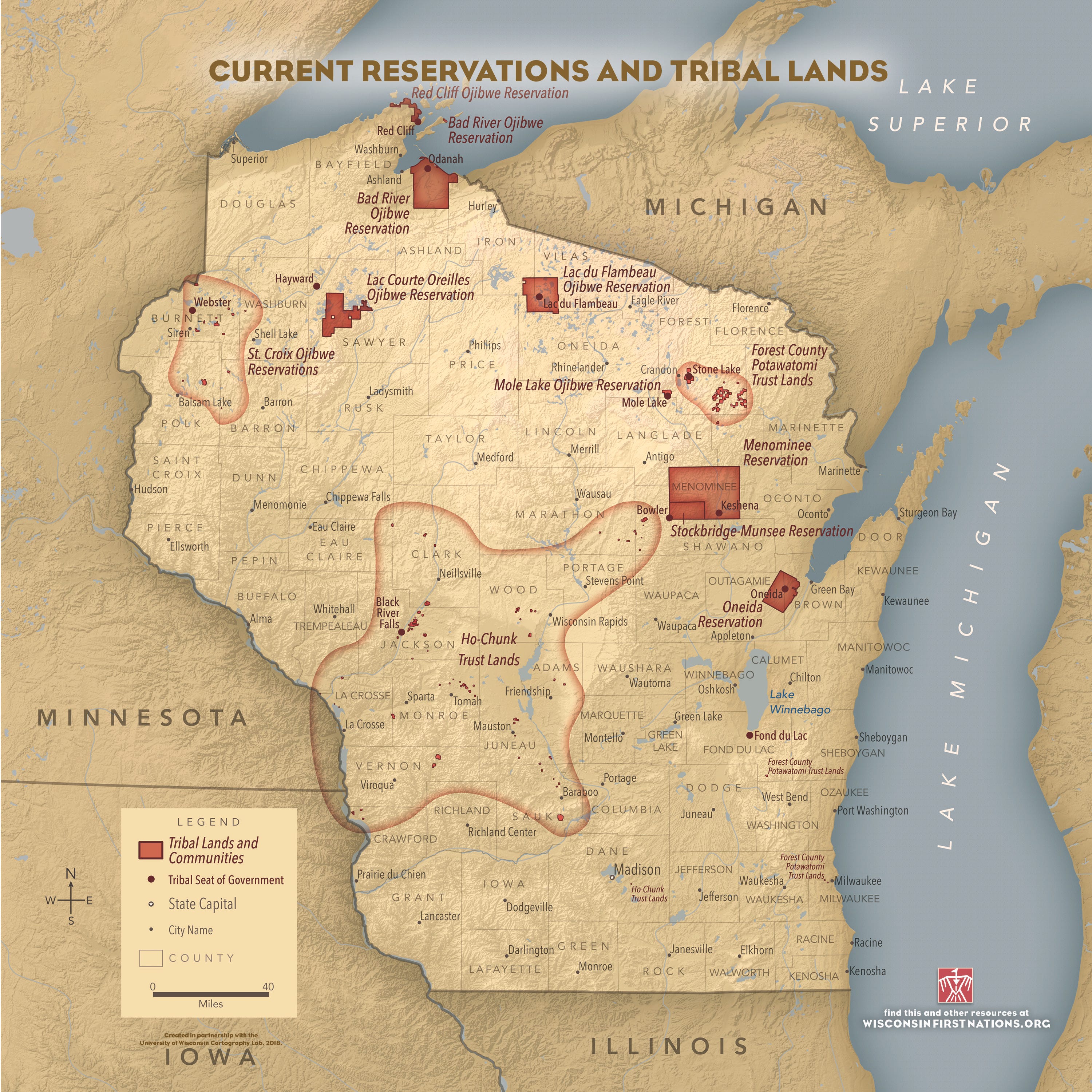
That’s a whole other story, Red Nations, USA. America. Trigger Warnings. Tribes. Prisons and PBR. Endless mud pits and manure ponds. Wisconsin Cheese, the Best in Show. Where are the tribes?
+—+
Okay, then, will this Wisconsin law go after those on house arrest probation, still on paper? Kelly, weigh in please!
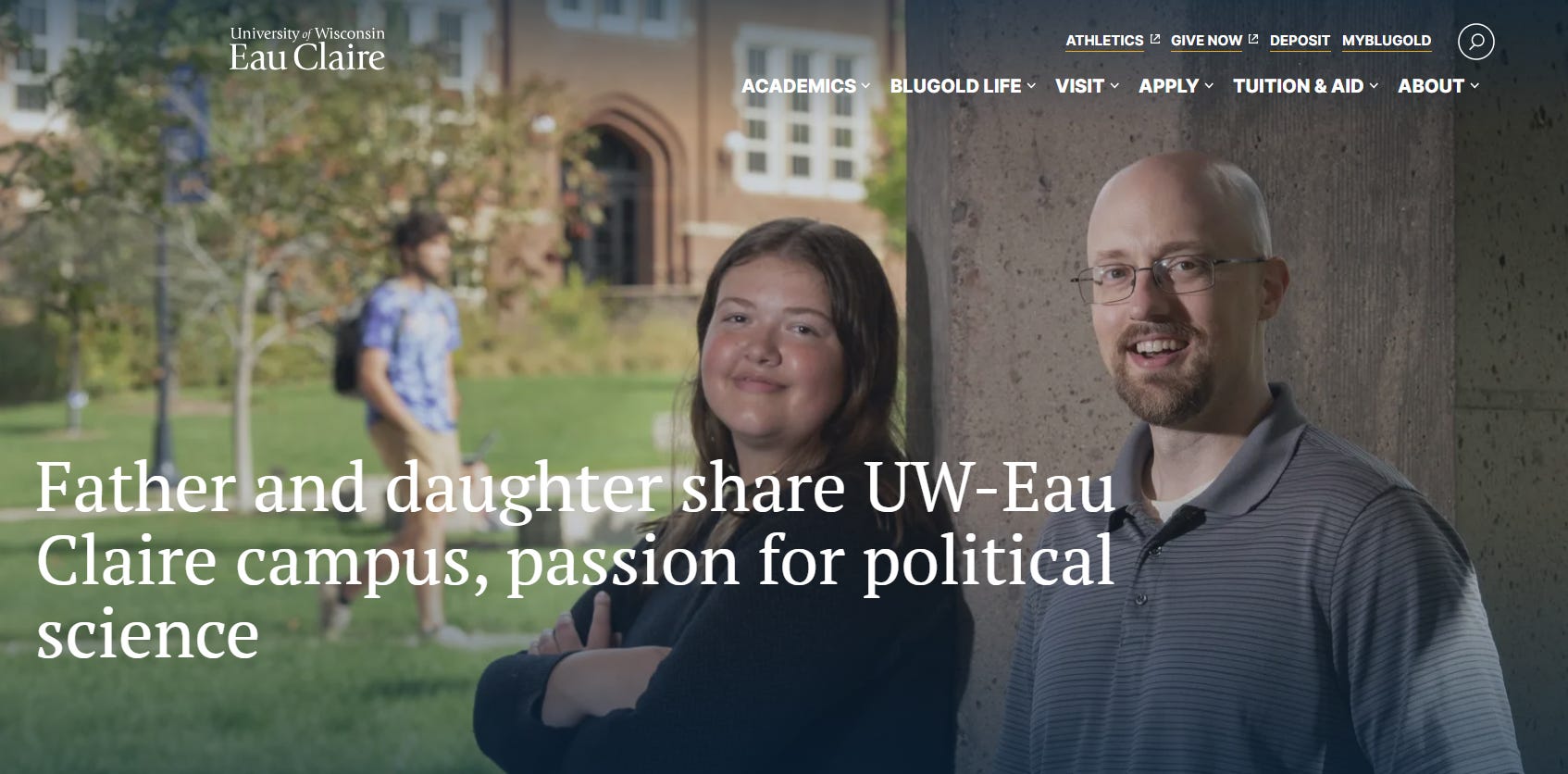
Eric Kasper is a professor of political science at UW-Eau Claire. He told WPR’s “Wisconsin Today” the examples written into law raise questions about potentially chilling free speech, leaving unclear what kind of speech is prohibited and what isn’t.
“The speech itself in a public forum would have a broad amount of protection on the First Amendment,” Kasper said. “The law itself comes down to: When there has been a claim of some sort of discrimination, or there’s begun a prosecution for criminal conduct, can the statements here be used as examples of that biased motivation or that biased intent?”
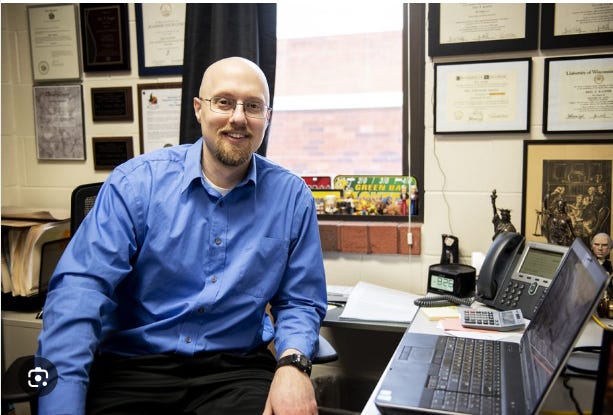
Kasper said there is a “very real possibility” of court cases challenging definitions like this.
“If you’re going to see that put to the test, it would be in some sort of case that arises because there’s been a claim of discrimination,” Kasper said. “It raises the question of: Do (certain statements) rise to the level of proving discriminatory intent … and do they have the chilling effect on expression — that people will be afraid to say things that would otherwise be protected speech because it could be used against them to prove some other underlying conduct?”
The Jews going after his daughter, Kasper’s that is?
[Note — Larry Wilkerson!]
Go to 5:40 into the interview, and Larry says the obvious, but not so obvious coming from out of the anal mouths of FOX Fake News or mainstream cancerous news — highly sophisticated and experimental weapons used on the Russian civilians who are conscripts in Putin’s fool’s deadly errand, that’s the Jewish ticket, and Goyim Luckey Palmer’s, too… Proving Grounds. Zelensky and Israel, the Mengeles of Military Equipment….
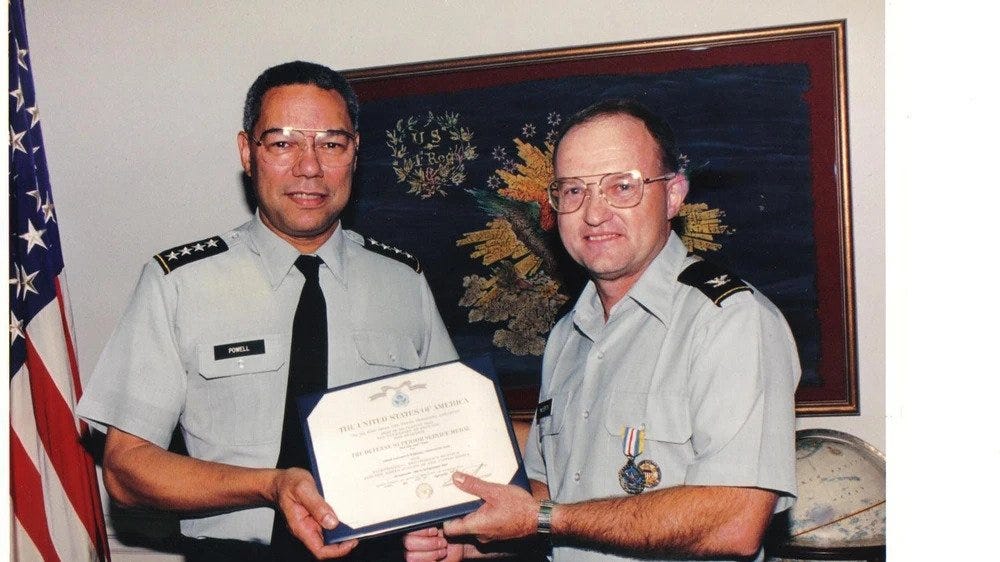
“To enter directly into the conflict in Ukraine would be tantamount to starting World War III,” says Colonel Wilkerson, former COS to Colin Powell.
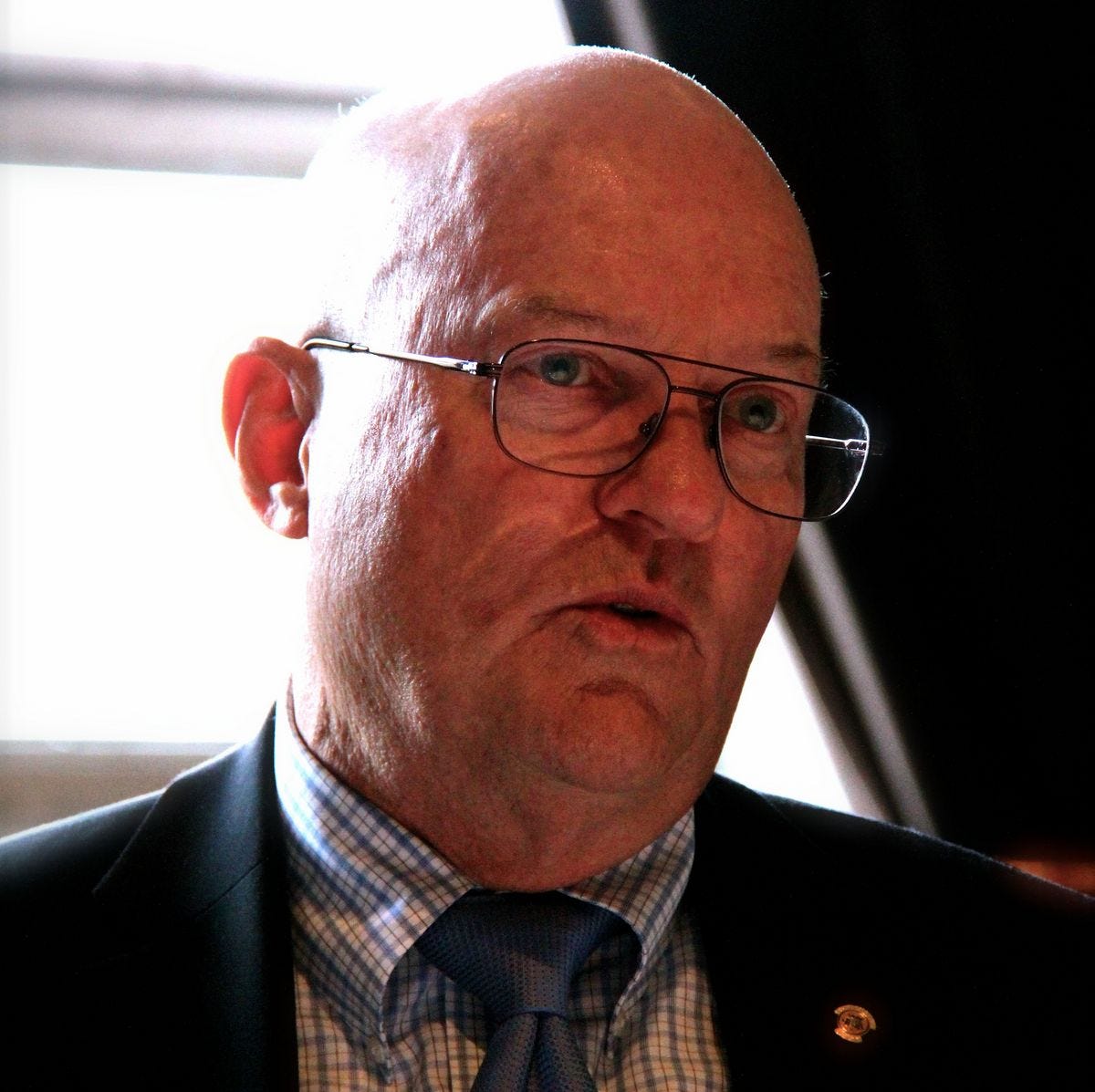
Lawrence Wilkerson in 2014 (photo credit: Wikimedia Commons/public domain)
The catastrophic Russian incursion in Ukraine seems never-ending. Seven months ago in February, however, most Western policymakers and the intelligence community could not have anticipated the continuation of such full-blown warfare between the two sovereign states. Even as Moscow launched its initial attack in February, no one believed the event would take the devastating course the world has since witnessed.
With the North Atlantic Treaty Organization (NATO) and the United States reluctant to commit ground troops in Ukraine and the West’s multiple failed attempts at brokering a peace deal, Kyiv is confronting a remarkably tough situation. While Ukrainian President Volodymyr Zelenskyy displays a firm commitment to defending his motherland, Russian President Vladimir Putin‘s aggression appears to heighten daily, as illustrated by his recent nuclear threat and ruthless land grab.
The international community, including both warring states, has been pondering when and how this cataclysmic conflict could be brought to an end.
JAPAN Forward recently took advantage of an opportunity to interview (virtually) Lawrence Wilkerson, retired US Army Colonel and former chief of staff to United States Secretary of State Colin Powell. Colonel Wilkerson shared his reflections on this and other matters contributing to the critical security crisis our world faces today.
Colonel Wilkerson’s military career spans over 30 years, from voluntary service in Vietnam to deployment in United States Navy’s Pacific Command in South Korea, Japan, and Hawaii. He currently works as a defense analyst and distinguished professor of government and public policy at the College of William Mary.
Excerpts of the interview follow.
What is Vladimir Putin’s ultimate motive? How will this war play out in the coming weeks, and will it ever end?
While no one can truly know his true motives ー other than Putin himself ー there is reason to think that, yes, what he has wanted since 24 February, when he launched the invasion, was the oblasts in eastern Ukraine where most of the Russian-speaking people reside. However, by taking this specific action, which the majority of the world views as illegal under international law, Putin has solidified his pariah status within the world community.
Even China and India have backed away from this action. China’s policy has always been that territorial integrity and the accompanying sovereignty are sacrosanct in international law. It is, after all, Beijing’s principal argument for its “ownership” of Taiwan.
Nonetheless, if the West is wise ー admittedly a huge “if” ー led by the United States and other long-standing NATO members, it will move to diplomacy with Russia and halt this needless carnage in the heart of Europe. Even if it has to drag Zelenskyy kicking and screaming to the negotiating table.
There are far more important challenges in the world today than Ukraine. And the conflict there is diverting attention from, and indeed increasing the existential nature of, two of these challenges: nuclear weapons and the evolving climate.
Russia has indicated its willingness to use the nuclear option, if necessary, to protect its perceived territorial integrity. Is Russia’s use of tactical nuclear weapons plausible?
No, it’s not. I won’t rule out such an insane action if Putin senses he might fall from power if he doesn’t “win” in the Ukraine conflict. But I don’t believe it will happen.
The very fact that it could happen, however, should sober all those in charge of the Western governments, as well as the Duma members in Moscow, and all Russian citizens.
Some experts, noticeably John J Mearsheimer, have accused the West of fostering a hostile environment since 2008, eventually leading to Putin’s aggression. What is your take on this view?
John is fundamentally correct. The reckless expansion of NATO, started by US President Bill Clinton and continued by every president afterward, was the principal reason for Putin’s invasion of Ukraine.
The president whom I directly served, George W Bush, even traveled to Tbilisi, Georgia, and in public there declared that Georgia would be a member of NATO in the future. This declaration was pure idiocy and extremely unwise.
You will recall that Putin immediately took military action. In 2021, the European Court of Human Rights ruled that Russia still retained direct control over some of this territory.
Putin cited the “Kosovo precedent” to justify Russia’s full-fledged support for the independence of Donetsk and Luhansk, and said the United States created a “nuclear precedent” by bombing Japan. Are the misdeeds in American history backfiring in recent years?
To a degree supported by history, yes, Putin does have a point on both issues.
First, the Kosovo precedent ー again the fault of President Bill Clinton ー stands out as a flagrant slap in the face to Moscow. Moreover, Kosovo is little more than a basket case of crime and corruption today and hardly an example of state-building success by the US, NATO, or the United Nations.
The Serbs virtually own the northern portion of Kosovo and the unrest there could erupt in major bloodshed at any time. Russia is a major supporter of those Serbs.
As to the end of WWII, there is clear archival evidence that the United States’ use of two nuclear weapons, on Hiroshima and Nagasaki, might have been unnecessary to the surrender of Japan. That the weapons were primarily a demonstration to intimidate Stalin and stop his forces from going any further toward the English Channel in 1945, looms large in some historians’ minds as well.
Regardless of how one feels about such comparisons, Washington has very little, if any, empathy for other world leaders and their populations, particularly if we have declared them our enemies. Often [Washington’s] perception of events is their reality. But we rarely recognize that fact.
Even if such perceptions are untrue, or are more complex than people’s beliefs, they still color majorly others’ perceptions of America.
Some experts warn that Russia’s incursion in Ukraine encourages like-minded regimes to take similar actions. What lessons are other similar regimes (that is, North Korea, Iran, China) acquiring from the Ukraine crisis?
I don’t think the Ukraine conflict encourages any other state to embark on such an endeavor, despite the disaster it is for Moscow. If anything, it likely discourages such actions.
North Korea, as evidenced by its missile firings such as the most recent ones over Japan, is seeking attention ー such as it received under US President Donald Trump. Since then, North Korea has been largely ignored.
Kim Jong-un cannot tolerate being ignored, so he is doing all he can to gain the world’s attention again, particularly Washington’s.
Iran’s government is perhaps fighting for its life at the moment after the brutal death of the young Kurdish woman, Mahsa Amini, at government hands. Besides, Iran has not executed an unprovoked attack on any state since the 1979 revolution established the present state.
The United States has refused to commit any ground troops in Ukraine and take any direct military actions in the conflict. NATO has shown equal reluctance to commit its armed forces. What impact does this have on America’s traditional allies in East Asia, particularly Taiwan?
I don’t believe it has any impact other than to convince them at the least of the pragmatism of the present government in Washington. To enter directly into the conflict in Ukraine would be tantamount to starting World War III.
US actions in Ukraine are pragmatic, not reluctant. In fact, short of sending its own military ー a surefire way to start WWIII ー the United States has held almost nothing back, particularly dollars and high-tech armaments.
Again, nothing that would threaten Russia directly, such as long-range bombers, but much else. It’s a balancing act to avoid threatening Russia directly while at the same time giving Ukraine enough to preclude Russia’s achieving its objectives inside Ukraine.
Taipei should be pleased because, like not provoking Russia to widen the war in Europe, Taipei does not want the US to provoke China to use military force to compel it to do Beijing’s wishes. There the similarities fade because Taiwan is not Ukraine and would be much more difficult than Ukraine if China were to use military force. People who compare the two situations know little about either.
Given the European Union’s failed attempt at brokering peace, and NATO’s failure to prevent interstate war, are supranational entities becoming obsolete? What security apparatus should liberal democratic states in East Asia strive for?
Not necessarily. It’s probably more accurate to say “certain present alliances, in some instances like NATO.”
The United Nations too is bordering on ineffectiveness, and that organization desperately needs to be reformed dramatically if it is to regain some usefulness.
I believe, however, that the Japan-US security relationship still has great utility for both countries.
The US-ROK alliance needs readjusting somewhat. For example, the ROK armed forces can take care of their country quite adequately. So there needs to be serious discussion of just why US troops remain on the Peninsula.
Finally, the effectiveness of new groups such as the QUAD is questionable. They seem more like weak efforts to threaten China than meaningful security groupings.
Will the upcoming US midterm elections in November and presidential election two years after change America’s current stance on Ukraine?
Here it is anyone’s guess. It depends on which political party’s candidate is elected president [in 2024] and which political party controls the US Congress, particularly the Senate. If my party, the Republicans, achieve both the White House and [both chambers of] Congress, I believe the US could be in deep trouble.
With the present Democratic Party, there is no viable presidential candidate whom I can see on the horizon [for the 2024 election]. And it’s difficult to say whether or not that party will remain in control of the Senate in the midterm election. I think they will lose control of the House.
Whoever controls the government will determine which direction the US takes. And that is largely a new phenomenon for America because, since 1945, both political parties had largely pursued the same security and foreign policy.
+—+
Melting Pot? Nah, Jew Pot!
“Wisconsin should reject any effort that codifies a framework that allows similar enforcement or censorship against students, faculty, journalists, or advocates exercising their First Amendment rights,” the letter read.
- German: ~40.5% (Widely distributed, but highly concentrated in eastern Wisconsin and Milwaukee)
- Irish: ~10.9% (Notable populations in Beloit, Fond du Lac, and Sturgeon Bay)
- Polish: ~9.3% (Major communities in Milwaukee and Stevens Point)
- Norwegian & Scandinavian: ~8.5% (More concentrated in the western and southern parts of the state)
- Other European Roots: Significant communities of English, Italian, French, Dutch (Sheboygan area), and Belgian (Door Peninsula area) descent.
- Hispanic/Latino: Growing rapidly (up over 380% in recent decades), now making up about 7.6% to 9% of the population.
- Asian: Making up about 3-4% of the population, with the state boasting one of the largest Hmong populations in the United States, alongside significant Indian and Southeast Asian communities.

