

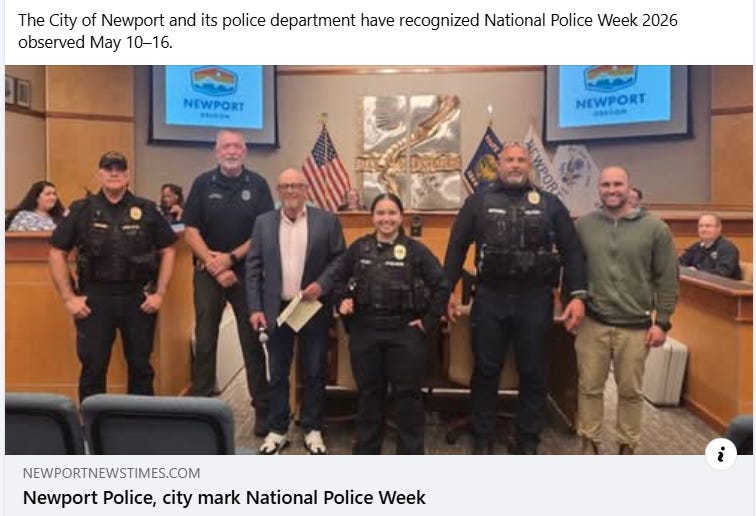
… and leave it to Podunk and large Podunk towns to play this infantilized pomp and circumstance with trained killers in SWAT gear at the county and city government halls getting laurels
May 16, 2026
They’ll come knocking on my door or following me around the county, man, for the comments just posted on Fuck You Book. Fucking infantilized cunt-tree!
Paul Haeder comments —
Thugs? Many critics—including members of the law enforcement community—express frustration that the solemn intent of the week is sometimes overshadowed by heavy drinking, property damage, and disruptive behavior by visiting officers in host cities like Washington, D.C.
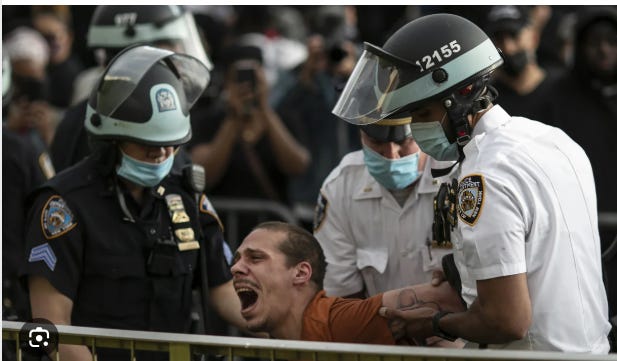
You don’t need to know anything about the origins of National Police Week to know that the police in America aren’t hated. They are revered and honored even when they don’t deserve it. Our laws have been bent to excuse their repeated misuse of deadly force, our public events are smothered in benedictions to those in blue, and our politicians continue to trip over one another claiming that the police, that most venerated of professions, represent instead some tortured minority needing even more legal protection than they already get.
Police in America are as safe as they have been in a generation working jobs that are far safer than jobs in many other American industries. Until they stop complaining about how the world is against them, until they start holding each other accountable for the misconduct in their ranks, Police Week will be just another reminder of what divides cops from their communities.
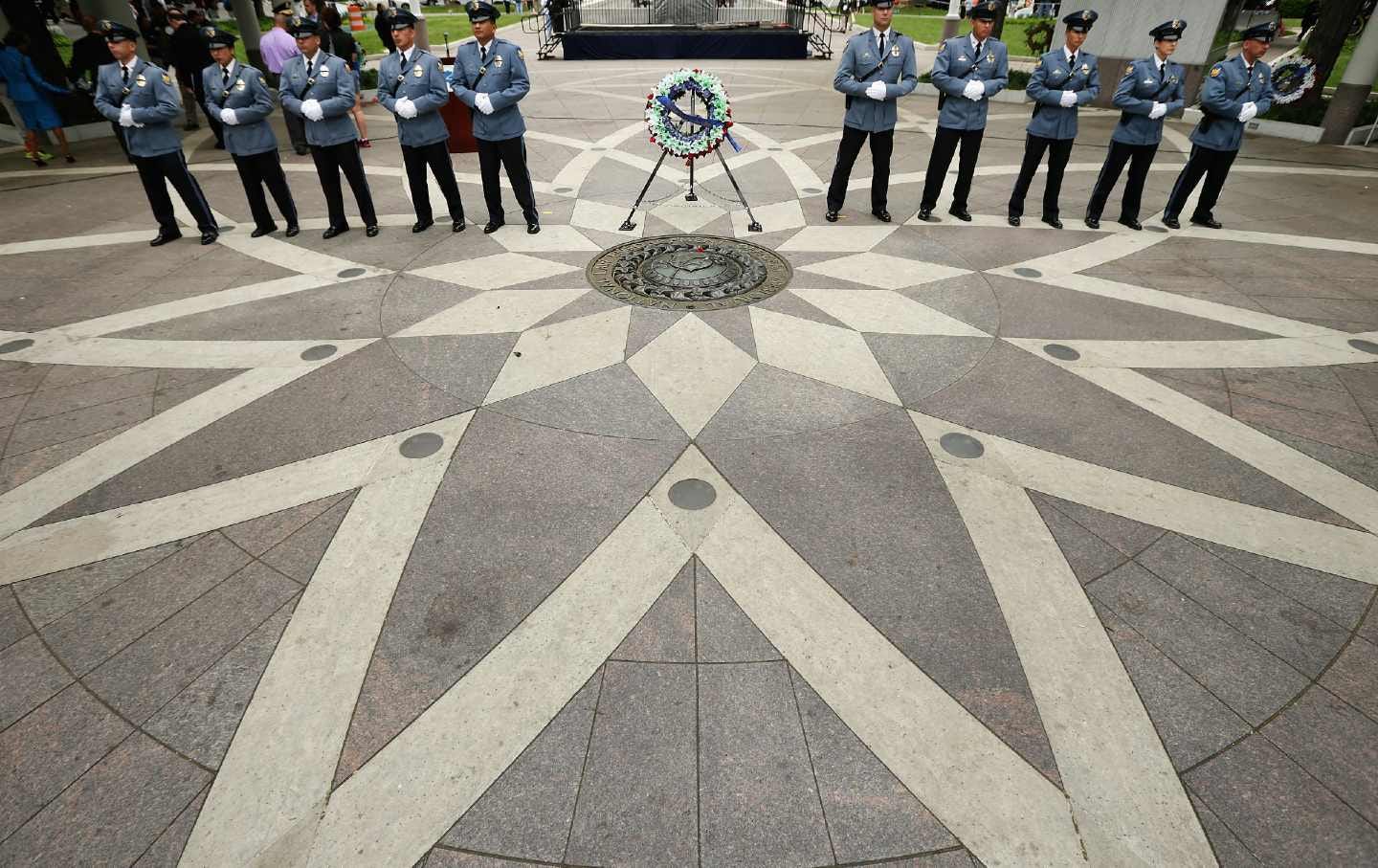
Underwritten by the National Law Enforcement Memorial Fund (NLEOMF), the week’s capstone event is scheduled for Tuesday evening, May 13, when a swelling crowd will overflow the east end of the National Mall to hear the roll call of on-duty officers who died last year. Their names will be added to the 24,067 already chiseled into the marble walls of the National Law Enforcement Officers Memorial in Judiciary Square, a short walk from the US Capitol. Homeland Security Secretary Kristi Noem will be the keynote speaker.
Despite the potent propaganda function of National Police Week and the NLEOMF, journalists, historians, and activists have failed to scrutinize the origins and significance of either. Having built the Judiciary Square memorial and its adjacent National Law Enforcement Museum, the NLEOMF is a powerful public relations machine that bolsters police solidarity through a steady drumbeat of messaging that theirs is an unfairly maligned and martyred profession. Both the museum and the group’s online stores sell all manner of merchandise stamped with the “Thin Blue Line” American flag—a controversial emblem decried by many as a white supremacist symbol.
National Police Week emerged from Jim Crow South Carolina as the handiwork of Olin Dewitt Johnston, a three-term governor elevated to the US Senate in 1944 months after the US Supreme Court struck down the white primary in Smith v. Allwright. As a defiant son of the Palmetto State, Johnston called the state legislature into extraordinary session and, in a torrent of hellfire, conjured the looming specter of a second Reconstruction: “Where you now sit,” he warned, “there [once] sat a majority of negroes. They left a stench in the nostrils of the people of South Carolina that will exist for generations to come.”
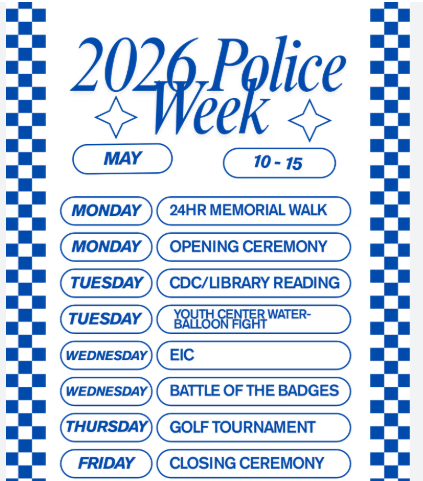
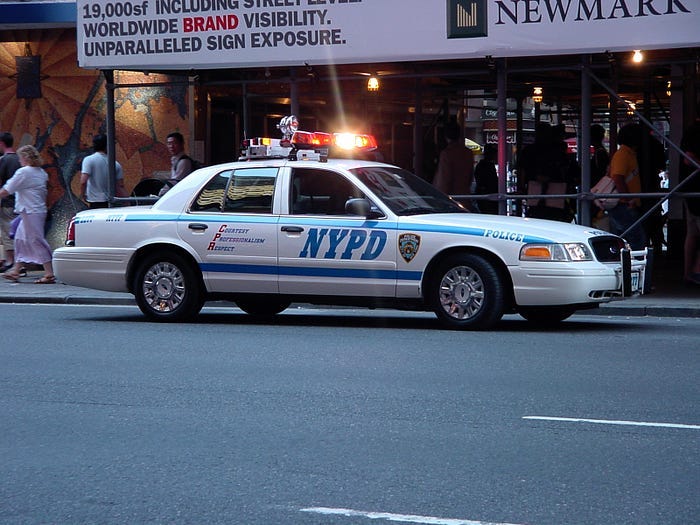
It’s Police Week in DC, which apparently means daily motorcades of ear-splitting, migraine-inducing sirens, blacked-out SUVs, and officers doing 50 in a 25 like it’s Grand Theft Auto: Patriot Edition.
At this point, it feels less like honoring service and more like a taxpayer-funded intimidation tour. Just another symptom of the rising authoritarianism in America, supercharged under Trump’s second term.
Two years ago:
This week is National Police Week. Last week, apparently, also was: it seems fitting that police would give themselves an even longer recognition week than others, even though they reliably get what they want out of elected officials at all levels.
The Republican House celebrated by passing two bills that would ultimately harm public safety.
The first, named the “Police Act,” would make being charged (charged, not even convicted) of “assaulting a law enforcement officer” a deportable offense. Assaulting a law enforcement, a charge that is often abused and overused by cops, is already a punishable crime. Aggravated felony convictions are already deportable offenses for undocumented immigrants.
As Judiciary Chairman Jerry Nadler noted in the minority report on the bill, “This bill applies largely to people who have been lawfully admitted
to the country, people who have set down roots and established themselves in the United States. For years, we have had a bipartisan understanding that individuals like these should only be deported for a serious offense. This bill breaks down that understanding.”
Moreover, because of the bill’s intentionally broad drafting, it could lead to the deportation of individuals who did nothing even close to a violent crime. There is neither a requirement that physical harm was caused or that the individual was convicted of the alleged crime. As Nadler further explains, “Without any limitations, this could lead to absurd results. For example, under the terms of this bill, a green card holder in a fire who pushes a firefighter out of the way of a falling beam would have committed assault and would become deportable. Likewise, if a foreign student whose religion prohibits blood transfusions is receiving medical care from an Emergency Medical Technician (EMT) and he swats the EMT’s hand away because she is trying to give him a blood transfusion, that student will have committed the elements of an assault on a law enforcement officer and become deportable under this bill.” (emphases added)
During the committee markup of the bill, Republicans rejected amendments by Nadler to require an element of intent (that the person actually intend to harm a law enforcement officer) and Rep. Pramila Jayapal to require a conviction before a person can be deported, both on party line votes.
When the bill was brought to the floor, the House shamefully passed it 255 to 175, with 36 Democrats joining Republicans.
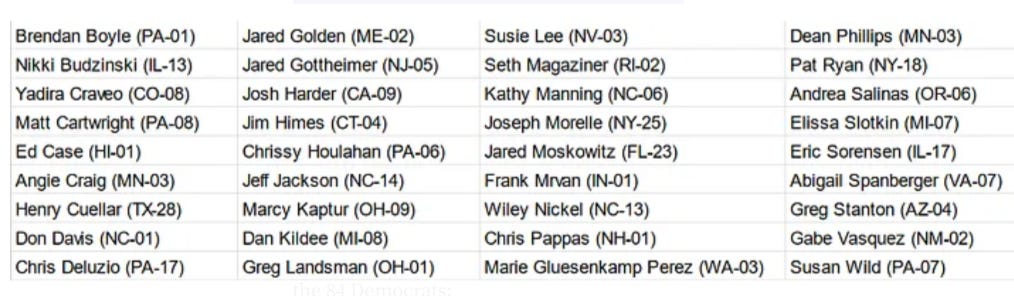
Republican extremist Lauren Boebert (CO-03) offered an amendment to require the Depart of Homeland Security to publish an annual report on the number of undocumented immigrants deported under the law, an attempt to fear-monger about immigrants. 84 Democrats joined Republicans in this xenophobic display, enabling the amendment to pass 303 to 126. Here are the 84 Democrats:
The other bill passed yesterday was the Federal Law Enforcement Officer Service Weapon Purchase Act, which allows federal agencies to sell a retired handgun to a federal law enforcement officer rather than destroy the handgun without conducting a background check as otherwise required by law.
This bill passed 232 to 198, with 13 Democrats joining Republicans.
The 13 Democrats were Sanford Bishop (GA-02), Jim Costa (CA-21), Angie Craig (MN-02), Henry Cuellar (TX-28), Don Davis (NC-01), Jared Golden (ME-02), Vicente Gonzalez (TX-34), Hank Johnson (GA-04), Marcy Kaptur (OH-09), Wiley Nickel (NC-13), Chris Pappas (NH-01), Marie Gluesenkamp Perez (WA-03), and Dean Phillips (MN-03).
Democrat Sara Jacobs (CA-51) sought to improve the bill with an amendment by defining the bill’s “good standing” prerequisite by requiring each federal agency to establish formal criteria, ensuring that agency standards are consistent with the federal background check system. It failed 216 to 219, with two Republicans — Brian Fitzpatrick (PA-01) and Jen Kiggans (VA-02) — joining Democrats in support of it.
The House narrowly passed an amendment from Republican Matt Rosendale (MT) to allow semiautomatic assault weapons, sniper rifles, and military-grade weaponry to be purchased without a background check. It passed 218 to 217, with 3 Republicans — Lori Chavez-DeRemer (OR-05), Brian Fitzpatrick (PA-01), and Thomas Kean Jr. (NJ-07) — joining Democrats in voting no.
Republican Morgan Luttrell (TX-08)’s amendment to extend the law to retired federal law enforcement officers passed 232 to 202.
13 Democrats joined Republicans in voting for it: Sanford Bishop (GA-02), Yadira Caraveo (CO-08), Lou Correa (CA-46), Jim Costa (CA-21), Angie Craig (MN-02), Henry Cuellar (TX-28), Don Davis (NC-01), Vicente Gonzalez (TX-34), Chrissy Houlahan (PA-06), Marcy Kaptur (OH-09), Dean Phillips (MN-03), Abigail Spanberger (VA-07), Susan Wild (PA-07). Republican Brian Fitzpatrick (PA-01) voted no.
Republican Richard McCormick (GA-06)’s amendment to subsidize these gun sales to federal police (reducing the sale price from “fair market value” to “salvage value”) passed 248 to 184.
Three Republicans voted against it: Brian Fitzpatrick (PA-01), Young Kim (CA-40), and Jay Obernolte (CA-23).
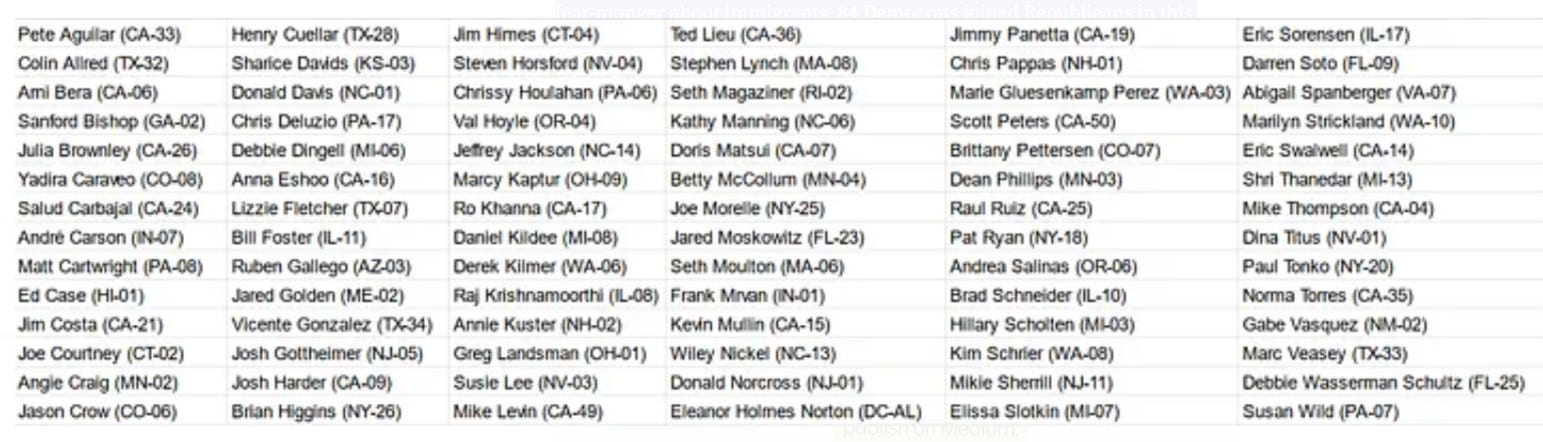
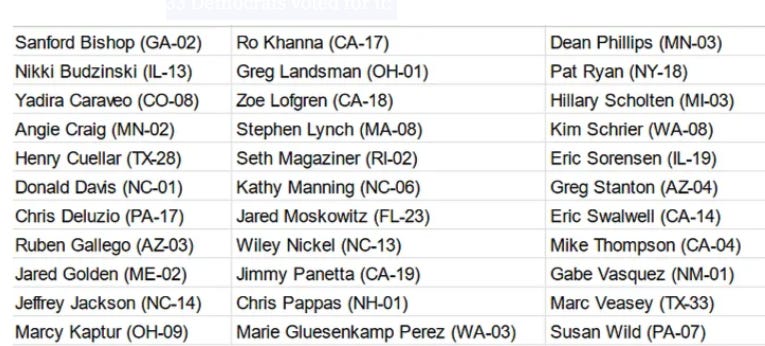
33 Democrats voted for it:
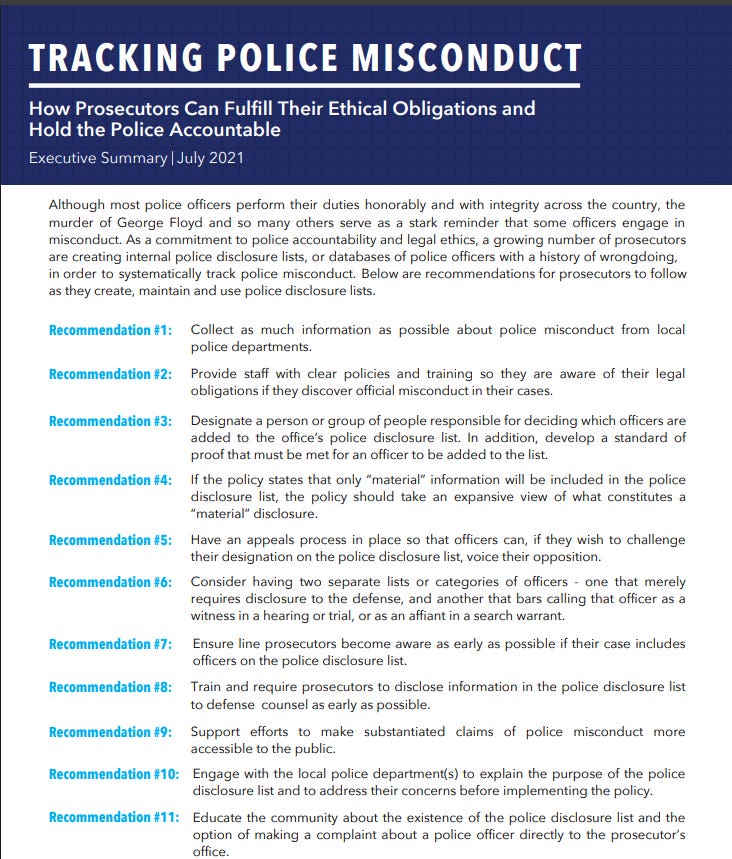
Data projects tracking police misconduct, use of force, and employment histories
The need for law enforcement transparency, oversight, and accountability has never been clearer. We highlight data projects that have helped document and investigate misconduct, as both data sources and as models for others who want to contribute to these collective efforts.
by Wendy Sawyer and Emily Widra, January 26, 2026
Police misconduct is notoriously difficult to track, penalize, and prevent, a problem that advocates have increasingly focused on in the years since the murder of George Floyd. In the time since we published a list of policing resources in 2020, advocates and researchers have been working to collect, analyze, and publish data from public records produced by various state and local law enforcement agencies.

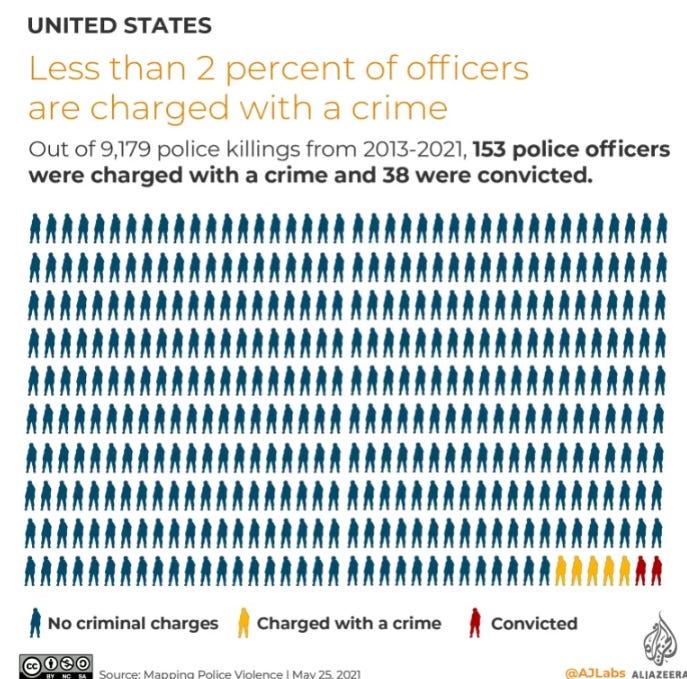
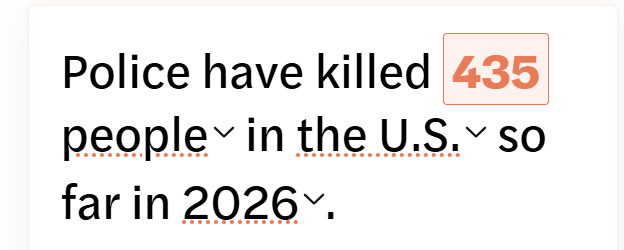
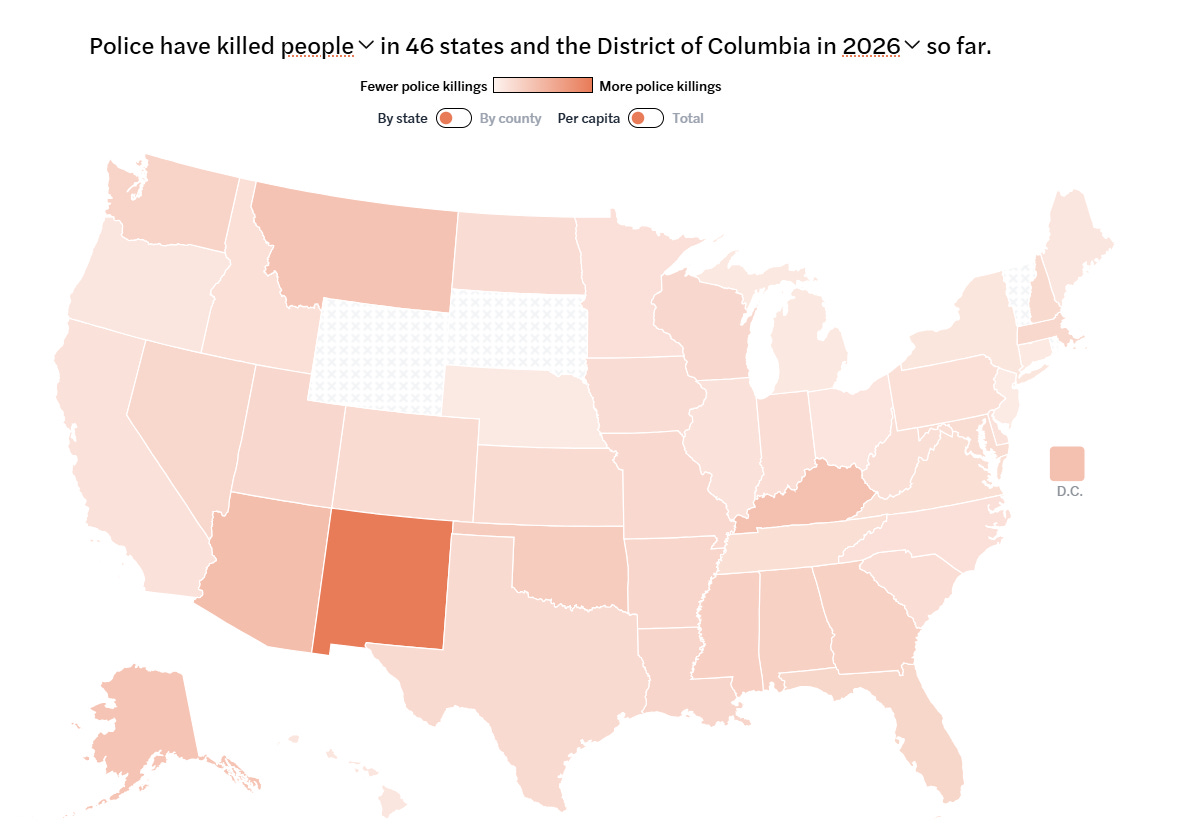
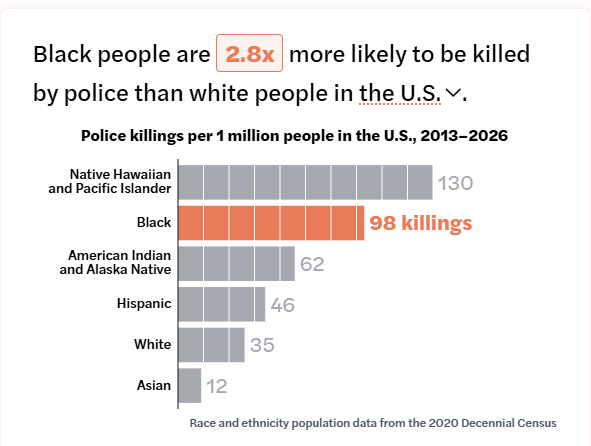
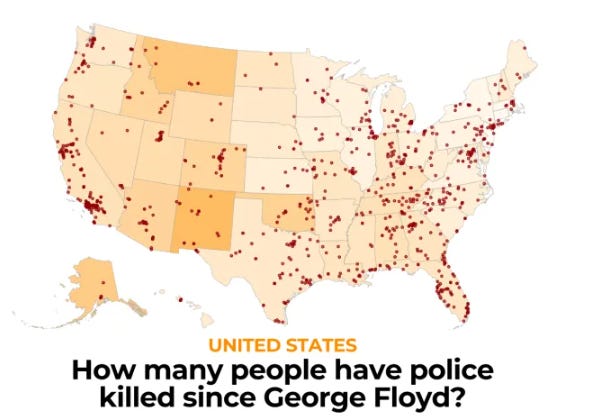
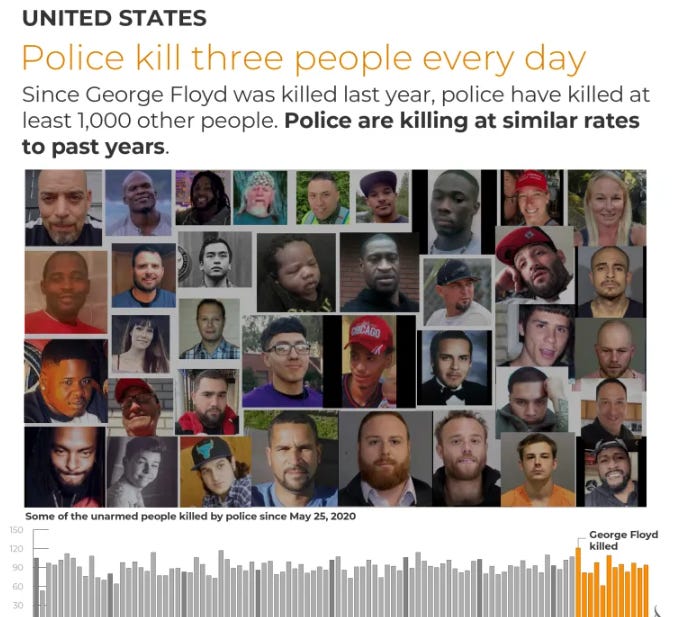
More than “bad apples”U.S. police kill civilians at globally high rates
Particularly in the wake of more recent nationally-galvanizing killings, this time at the hands of federal ICE agents, these projects offer a blueprint for community members to track and advance law enforcement accountability. We “spotlight” some of these resources here for anyone interested in digging deeper into questions related to police accountability, especially through public records, because we think they offer compelling information and models that can be used or replicated by others. This is by no means an exhaustive list of resources related to police misconduct; several other groups have compiled far more comprehensive lists of available data sources.
Data sources that focus on misconduct incidents and patterns instead of officers
The projects we spotlight in this briefing focus on the actions of specific law enforcement officers and agencies, but other projects offer data on incidents and victims of police violence.
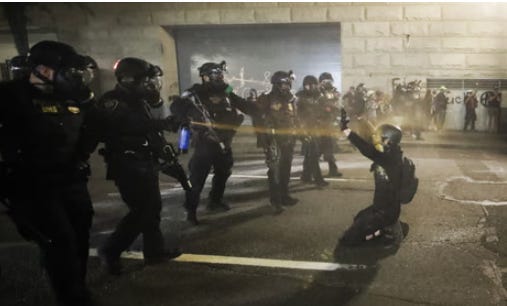
These efforts are particularly essential at a time when the federal government is actively eliminating its own initiatives to enhance police accountability (and even suppressing and mischaracterizing evidence). Last year, for example, the Trump administration deleted the National Law Enforcement Accountability Database, which tracked misconduct among federal law enforcement, including U.S. Customs and Border Protection (CBP) and federal Bureau of Prisons employees.
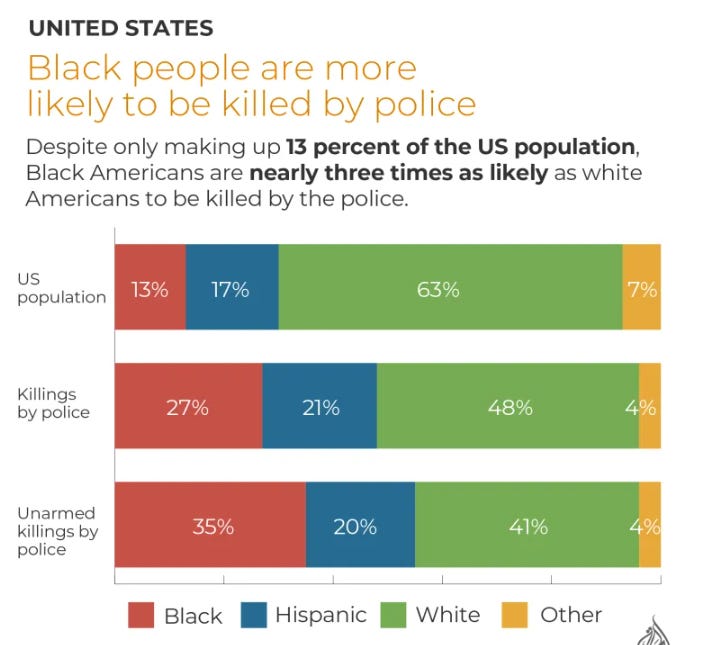
Of course, some cities maintain their own “open data” databases and dashboards (like these), with many more coming online since 2020. But in less populous jurisdictions and those that lack the resources or political will to prioritize police transparency, misconduct continues to be swept under the rug and under-investigated; this is where projects like these come in.
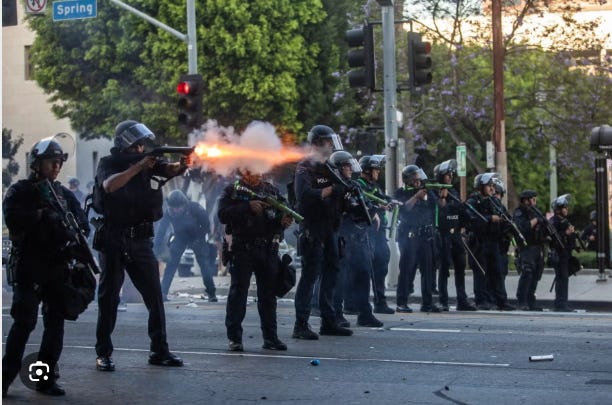
Law enforcement officers violate laws and policies designed to protect the public all the time, but very rarely are they held accountable for their actions. This is what makes these data projects so important: when formal accountability mechanisms fail, it’s up to the public to document and distribute evidence of violence and misconduct. Doing so can create pressure for change and educate others about the size and scope of the problem. Collaborative research efforts to compile public law enforcement records into user-friendly databases, like those highlighted in this briefing, exemplify the power of data and analysis to aid in advocacy. They help empower journalists, attorneys, advocates, and the broader public to hold law enforcement accountable when they engage in misconduct. And ultimately, greater transparency helps combat impunity and reduce the harm these systems perpetuate.
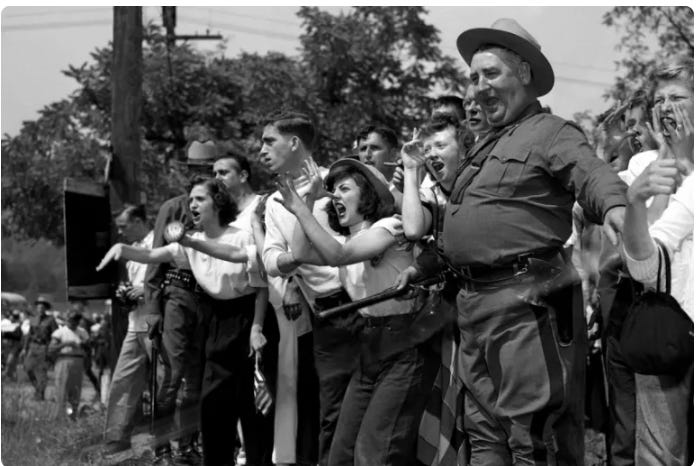
Among those histories, of course, are multiple forms of racist violence, including the kind that brought millions out to the streets earlier this summer, sparked by the brutal police execution of George Floyd in Minneapolis.
But the events of 76 years ago today in Peekskill, New York show that the word fascist has played a particular, vital role in Black activists’ struggle against racist police violence; remembering this usage can reconnect us with a radical history of activism often buried in conventional accounts of the civil rights movement.
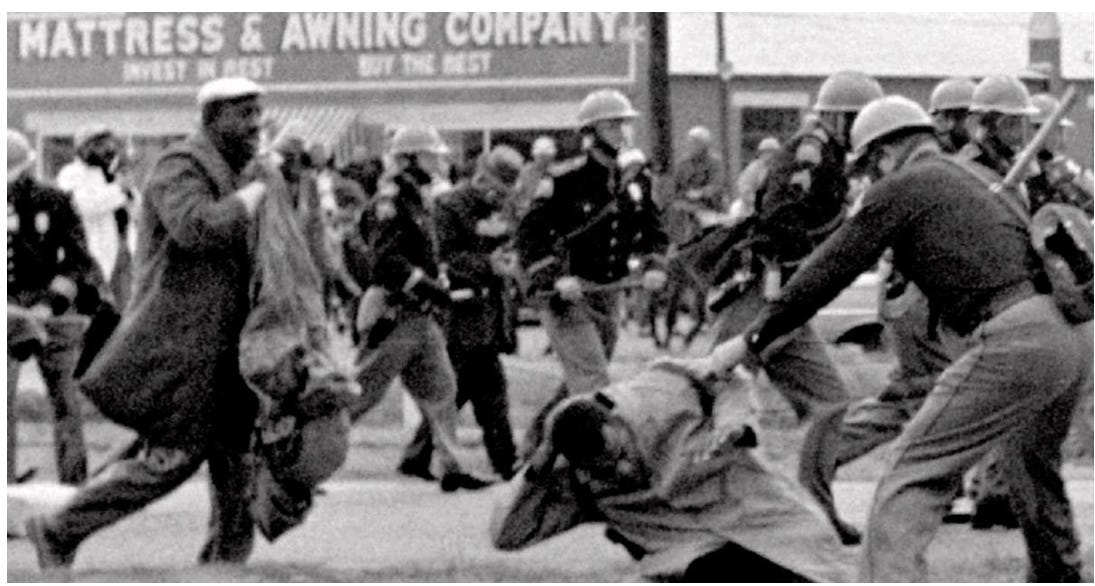
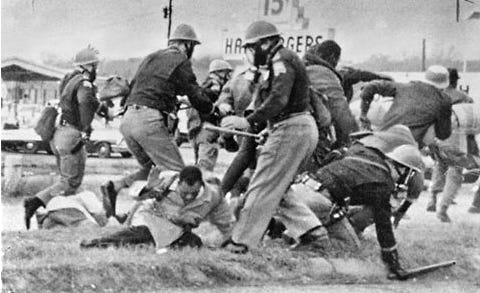
On the chaotic Sunday afternoon of September 4, 1949, truncheon-wielding police officers and stone-throwing rioters descended on cars belonging to the racially integrated audience of an outdoor performance by the singer and activist Paul Robeson.
Minutes after relaxing on blankets listening to Let My People Go and other songs from Robeson’s well-known repertoire, drivers and passengers girded themselves as rioters screamed at them: “Dirty Jews!” “Lynch Robeson!” and “Go back to Russia!”
Some exited their cars to fight back; others were dragged from them and beaten. The violence left at least 150 audience members with broken bones, lacerations, bruises, black eyes and other injuries. That no one died was a marvel. Concert attendee Woody Guthrie, riding back to New York City on a bus filled with shards of shattered window glass, confessed to his seat neighbour, “This is the worst I’ve ever seen, and I’ve seen a lot.”
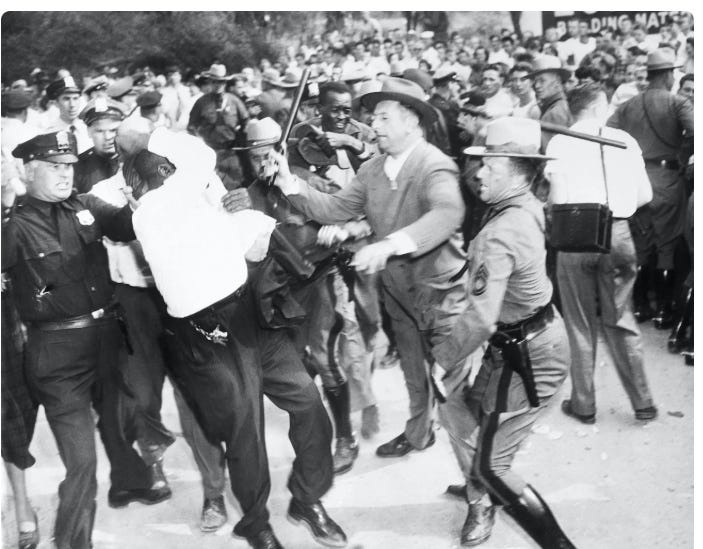
[State troopers beat a man leaving Paul Robeson’s concert in Peekskill on September 4; troopers and police, who were supposed to protect concertgoers from anti-Robeson protesters, joined in attacking them instead]
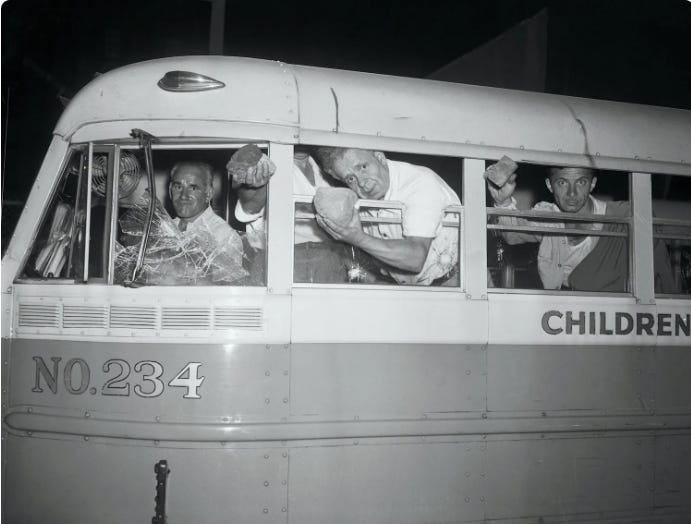
[Passengers hold up some of the rocks that battered their bus as they left the concert grounds in Peekskill]
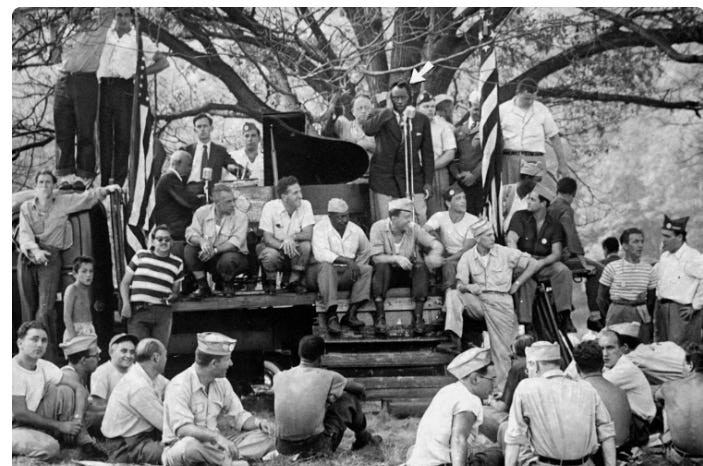
[Paul Robeson sings Old Man River at his concert in Peekskill on September 4]
Robeson, like others drifting past the left-most reaches of the Democratic party, noted similarities between European fascist ideology and American capitalism. State-sponsored racism was one of the main points of alignment. As genocidal energy accelerated in Germany, the Black left, in particular, saw parallels not only in the enforcement of Southern Jim Crow policies but also in police brutality in Northern cities.
After the war, President Harry Truman and much of America assumed a warlike stance toward the nation’s recent allies, the Soviets. But Robeson and others on the left continued to praise the communist nation as an experiment in social and economic equality. The “Popular Front” alliance of liberals and radicals split, with liberal groups – including major civil rights groups such as the NAACP – taking up the anti-Red line and distancing themselves from groups and individuals who had not denounced communism.
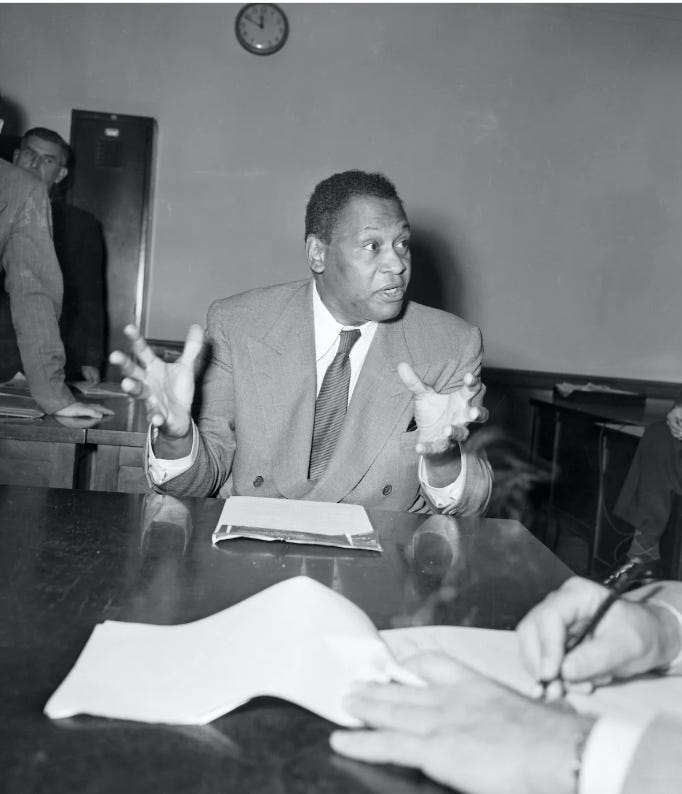
However, one remark was the most immediate trigger for the anger and hate that erupted into violence. In the spring of 1949, Robeson was touring Europe. By this time, war with the Soviets had begun to look inevitable. Speaking before the Paris Peace Congress, he questioned whether Black Americans would be willing to risk their lives in what would amount to a third world war, insisting that it was “unthinkable that American Negroes would go to war on behalf of those who have oppressed us for generations against a country which, in one generation has raised our people to the full dignity of mankind”. The right was predictably outraged. The New York Times editorialised that he should stick to singing. Leaders of major civil rights organisations declared their loyalty to the US.
In response, he doubled down, invoking the spectre of fascism: “We do not want to die in vain any more on foreign battlefields for Wall Street and the greedy supporters of domestic fascism.” Asked flat-out whether he would fight for the US, he stepped around the trap set for him: “I am an anti-fascist, and I would fight fascism whether it be the German, French or American species.”
Over the summer, the House Un-American Activities Committee subpoenaed a series of Black community leaders to state their opposition to Robeson’s comments. The hearings culminated with the testimony of Jackie Robinson, who had integrated Major League Baseball two years earlier. Symbolically, Robinson’s appearance reassured white moderates that the nation was well on its way to achieving racial equality. It also reassured them that the fiery rhetoric emanating from figures like Robeson and William Patterson – including the use of the term fascism to describe the nation’s intentional treatment of African Americans – was mere extremism.
Later in life, Robinson said he regretted having appeared. But his testimony reflected the cautiousness of mainstream Black leadership, like the NAACP, toward Robeson and his more radical circles. Indeed, according to historian Marilynn S Johnson, mainstream organisations thought Black leftists were too focused on police violence, to the neglect of other issues.
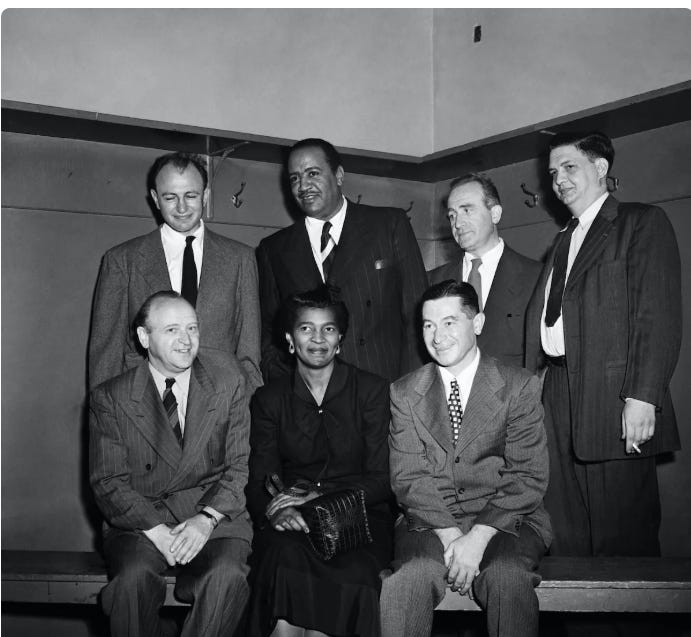
[The 30th Anniversary of the Communist Party in the United States was the occasion for a rally protesting against the Peekskill Riots at New York’s Madison Square Garden on September 15, 1949; some of the party members attending were (front, left to right): William Scheiderman, Head of the Communist Party of California; Claudia Jones, Secretary of the Women’s National Committee; William Norman, New York State Secretary of the Party; and in the back, left to right: author Howard Fast; Ben Davis; Irving Potash and Robert Thompson, New York State Chairman of the Party]
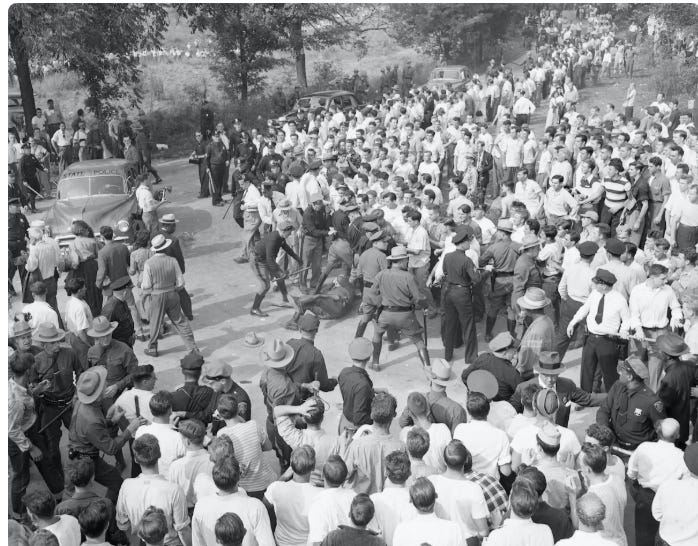
Witnesses reported dozens of police – state and local – taking part in the attack; images from the scene show them bringing down batons on a Black man. Many injuries required hospitalisation; in some cases, rioters got in their own cars and followed fleeing audience members, attempting to prevent them from reaching area hospitals. Somehow, no one died.
After the riot, New York Governor Thomas Dewey expressed his support … for the police. Although the violence was unfortunate, he said, “communist groups obviously did provoke this incident”. Robeson, in contrast, slammed the state police as “fascist storm troopers who will knock down and club anyone who disagrees with them”.
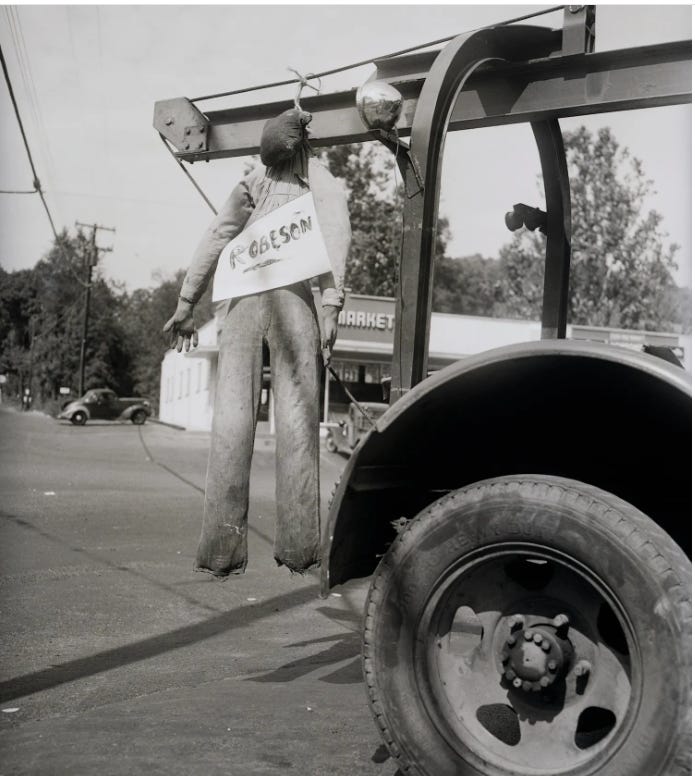
But outside of some corners of the Black press and labour newspapers, vocal support was tough to find. According to a grand jury convened in October, “Communism … and communism alone” lay behind the events; racism and anti-Semitism were not mentioned. Even A Philip Randolph, the civil rights leader who in 1963 would organise the March on Washington, blamed Robeson for exploiting the incident and called it “not racial”.
RE:
‘Fascist storm troopers’: Racist police violence in 1940s America
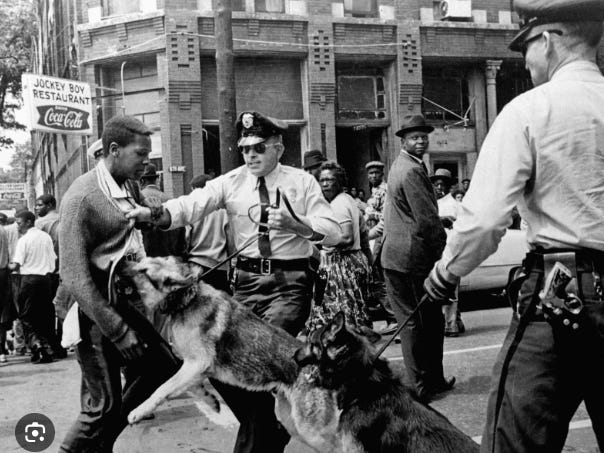
PIGS!
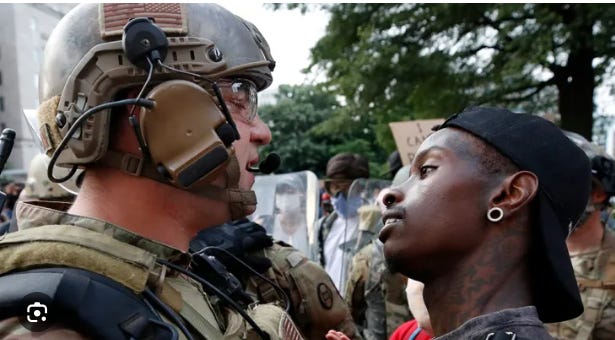
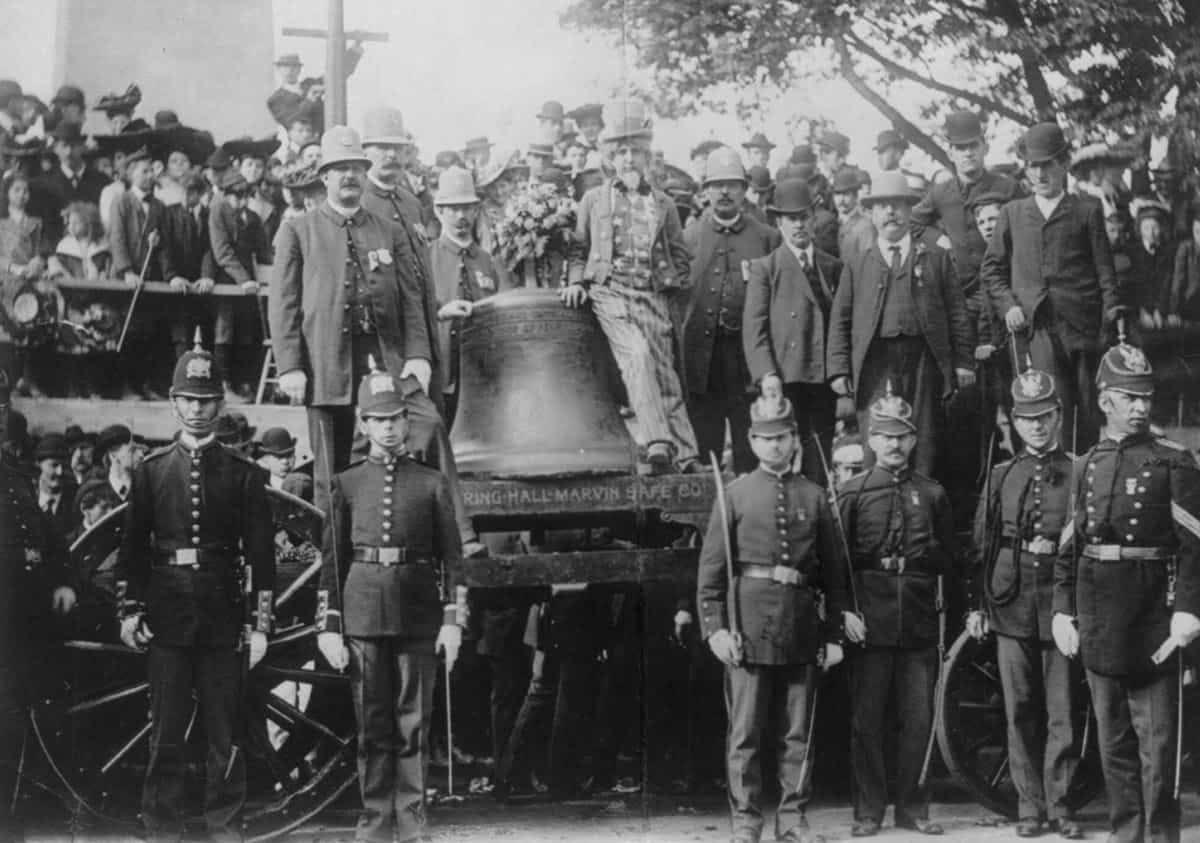
The History of American Police Brutality
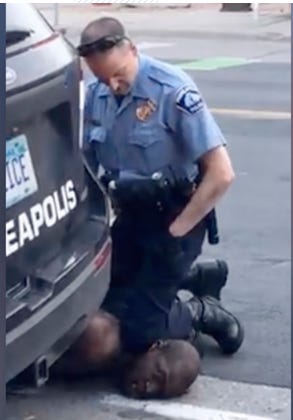
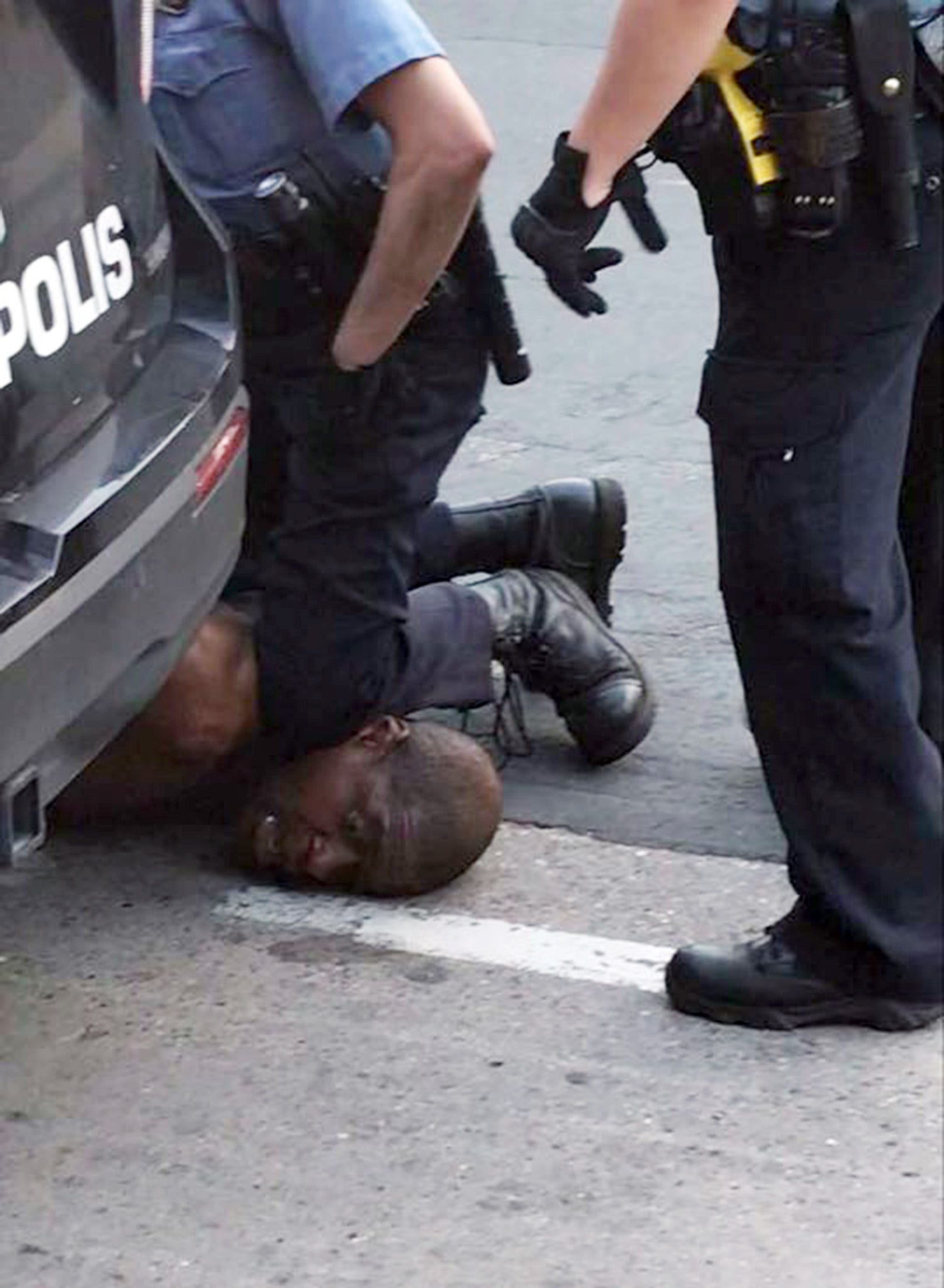
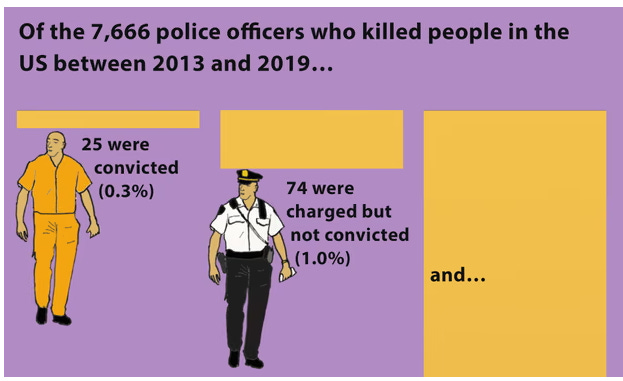
Pro-Cop PAC Tried to Fundraise by Blaming George Floyd for His Own Death sending a fundraising email that blamed George Floyd for his own death. The Protect Our Police PAC formed in Philadelphia last June after nationwide protests against police brutality with the goal of ousting Larry Krasner, the city’s reformist district attorney. In the nine months since its inception, the group has backed candidates across at least 15 states. This is not the first time the committee has come under criticism for distributing racist materials.
“Our founding fathers knew the importance of a fair justice system, but unhinged radical cop haters are taking every opportunity to pervert the law to advance their agenda. That’s exactly what’s happening in Minnesota to officer Derek Chauvin,” read the April 1 email. “Let’s get one thing clear: George Floyd tested positive for COVID-19 and was high on a lethal dose of fentanyl when he died May 25th, 2020… but the mainstream media doesn’t want you to know that!”
Sent from the organization-wide POP PAC account, the email was signed by President/Treasurer Nick Gerace, a former Philadelphia police officer.

