

in the end, it’s all about fiddling on the roof and pulling those one-armed bandits, hoping for gold at the end of the lotto rainbow . . .
Apr 19, 2026
Fucking Gas-Land. Hillbillies?
One fucking musical spectacle after another:
Jews, West Side Story was a collaboration created by four main artists: Arthur Laurents (book/script), Leonard Bernstein (music), Stephen Sondheim (lyrics), and Jerome Robbins (conception, direction, and choreography).
I got sucked into a 2018 award-winning (wow) documentary, Hillbilly:
Ashley York, and she’s from these here parts, and she wanted to go down during the election cycle of Trump and Hillary. It is, in the end, more fucking middling fucking documentary making. Ashley is, of course, a Hillary fan.
(Documentary Filmmaker)
This Sally Rubin is an Emmy-nominated filmmaker and professor at Chapman University.
- Jewish Connection: She has described growing up in a community of middle-class Jewish families in Boston.
- Career: Her work focuses on identity and social issues, including documentaries like Hillbilly, Deep Down, and Mama Has a Mustache.
- Identity: She identifies as nonbinary and queer, and her films often explore LGBT themes.
- The “Deplorables” Context: The film features archival footage of Hillary Clinton’s “basket of deplorables” comment, which is discussed as a phrase that “sealed her fate” with rural voters in Appalachia.
- Political Shift: York, a Kentucky native who moved to Los Angeles, returns home to explore why her family and neighbors, who previously voted for Democrats, voted for Donald Trump, with Clinton’s rhetoric and energy policies often cited as reasons.
- Family Reaction: In a poignant scene in the documentary, York discusses her own support for Hillary Clinton with her family, who disagree with her, highlighting the political divide in the region.
- Critique of Stereotypes: The film explores how both the left and right have perpetuated stereotypes of Appalachians, with the “deplorables” comment serving as a key example of the cultural divide.
York didn’t set out to make a film that so closely reflected her experiences and those she interviewed, including family members.
“But this film, as personal as it is, it’s equally political,” she said.
“Hillbilly” was funded by money that the filmmakers raised as well as funding from the National Endowment for the Humanities, and its performance in competition at film festivals across the country and its enduring legacy, five years after it was released, is proof of its success, York said.
York said she wished that her film had been picked up and produced by streaming service Netflix. Instead, the streamer invested in Ron Howard’s film version of J.D. Vance’s “Hillbilly Elegy.” “I thought [that film] was so irresponsible.”
“I wish that our film could have been on Netflix. It would have been a perfect companion to ‘Hillbilly Elegy.’ But corporations are going to do what they do, whether it’s how they treat coal miners in Kentucky or writers in this town [in Hollywood] with a writer’s strike going on.’”
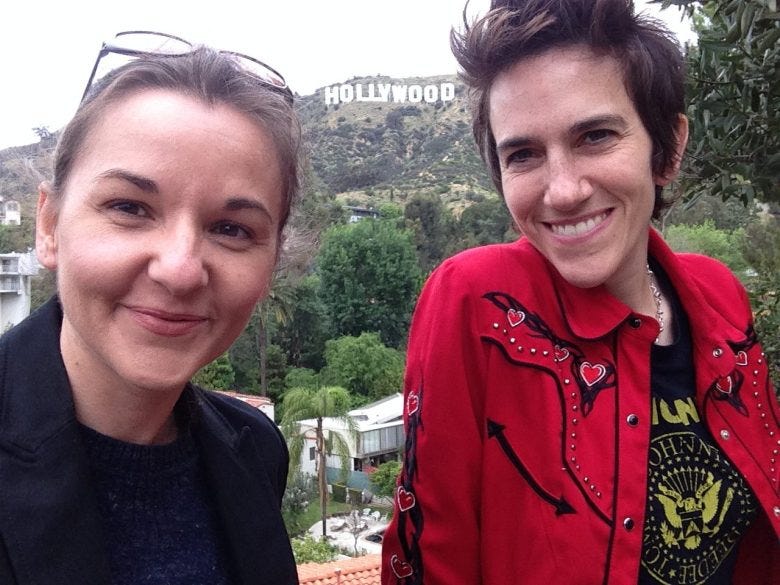
Today, York is working on a pair of projects that are very different from “Hillbilly” and focus on true crime and entertainment, respectively.
“If someone said go make ‘Hillbilly 2,’ it would be a great film,” York said. “Just continue the story. But you’d see a much different Ashley York.”
How so?
“I am so livid,” she said. “The truth of this country and the lies we’ve told since its founding, under the delusion we’re all equal and racism doesn’t exist. We’re at a very vulnerable time for our nation … We have to be vigorous and question everything.”
“I never called myself a hillbilly,” York said. But she said that reclaiming the term in her film is a step toward a goal.
“We really wanted to elevate the perspective of people you don’t think about when you think of Appalachia — Silas House, the young people, my dad and his two sisters who are all progressive.”
Anton agreed on the need to make Appalachia and the word “hillbilly” less about menacing “Others” creeping through the backwoods and more about the diversity of the mountain people.
“My goal is to popularize ‘queerbilly,’” Anton said. “I’m proud to see people use it.” She laughed. “I even got a tattoo: ‘Queerbilly Hellion.’”
“Fab-yoo-la-ch-ian.” “Fabulachian” is generally credited to the Racheal Granger article, “Country Queers in Central Appalachia” for Southern Cultures. “We’re fabulous, and we’re Appalachians, so we’re fabulachians!”
Let’s be real clear, though. These two terms are not synonymous. And no shadetree to Racheal, they just don’t mean the same. One has a clear working-class suggestion, while the other has a distinctly upper middle-class, white, Will and Grace affect. It’s counterfeit. Well, it’s that way, for me. I’m 100% sure there are plenty of fabulachians who’d love to say different.”

Country Queers in Central Appalachia
You see, Ashley calls herself a progressive and voted for Hillary. Her granny and her uncle and her kid cousin, they all went full MAGA. And the film is just more goofy time, as Ashley really doesn’t confront those relatives, surely, and the innocence back then of “locker room talk . . . we all do it” is the extent of the critique of Trump by the hillbillies or rednecks are whatever you call them.
Hillary or Donald. Now that’s the marketing, and TV spin, and EDWARD Bernays ticket, no?
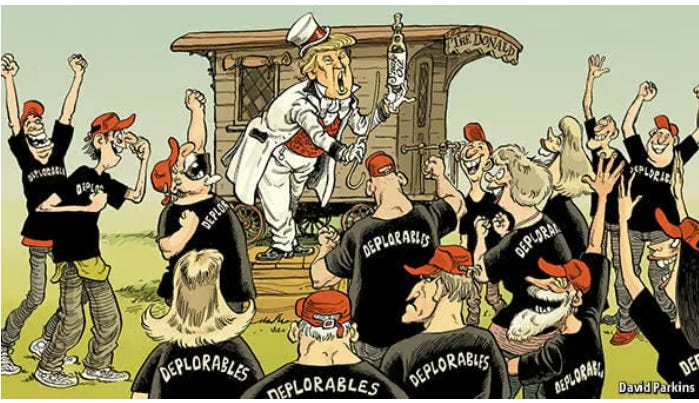
Basket of deplorables, what that which got the Kentucky MAGA?
Snake oil, smoke and mirrors, three-card Monty, and the lies of America.
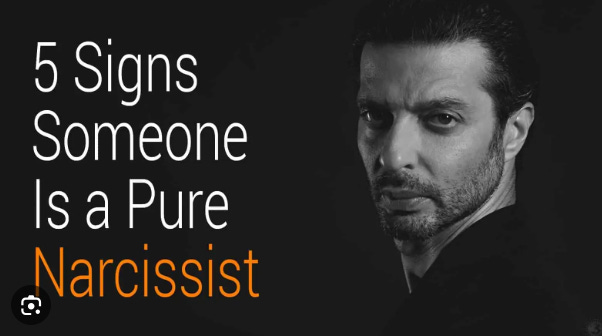
We’re #1! We Americans like to see ourselves as better than others. And research indicates that we are #1. In narcissism. People in the United States are more narcissistic than people in other countries. Narcissism includes being:
- self-centered
- extraverted
- exhibitionistic
- self-satisfied
- self-indulgent
- nonconforming
- dominant
- aggressive
- impulsive
Americans view themselves as being more narcissistic than people in other countries. And people in other countries agree. The United States is the most narcissistic nation in the world and everyone knows it. We are a nation of narcissists.
Why is narcissism a particularly American trait? Americans are particularly individualistic. They are more narcissistic than people in countries that have a greater other-than self-focus. These include Japan and other Asian countries. Not all Americans are narcissists. But our desire to “stand out from the crowd” may make the United States a breeding ground for narcissism.
Narcissists are likable at first
Narcissists can be attractive. They are often popular because of their confidence and assertiveness. Donald Trump, who some mental health professionals describe as narcissistic, was popular enough to be elected President.
Narcissists are likable until you get to know them. We dislike narcissists because they don’t care about others and can become aggressive and antagonistic.
President Trump and America’s narcissism
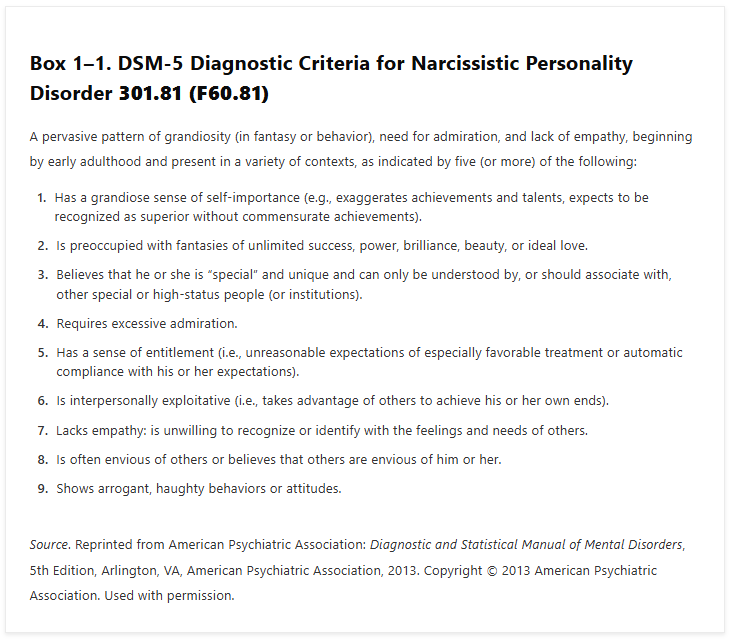
President Trump has been blamed for making narcissism contagious. But is President Trump more narcissistic than other Americans? Some mental health professionals think so. They believe that President Trump has a pathological level of narcissism. Yet, psychiatrist Allen Frances, one of the authors of the manual for diagnosing mental illness, disagrees. This means that President Trump is not any more narcissistic than many other Americans.
Have we really become more narcissistic since Trump was elected? Researchers reviewed studies from 1990 to 2013 using the Narcissistic Personality Inventory. The results indicate that Americans were just as narcissistic in 2013 as we were three decades ago. It is possible that the United States has become more narcissistic since 2013 but unlikely. So, President Trump hasn’t made us any more narcissistic than we already are. President Trump is a product of a narcissistic society rather than a cause of it. Blaming Trump shifts the focus from our national responsibility for narcissism.
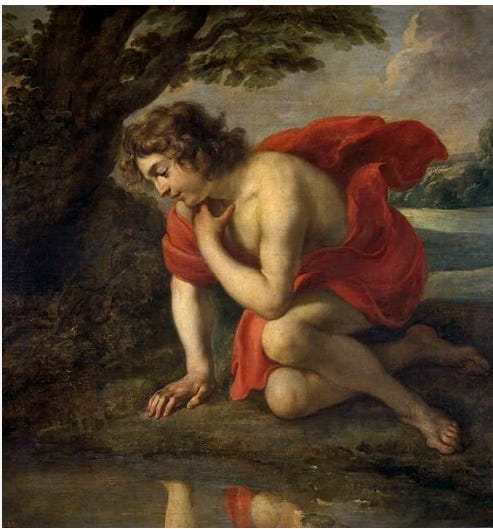
Will these Hillbillies listen in?
WHEN Hillary Clinton recently said that she puts half of Donald Trump’s supporters in a “basket of deplorables”, calling such folk “racist, sexist, homophobic, xenophobic, Islamophobic—you name it,” her Republican rival gleefully dubbed this outburst “the single biggest mistake of the political season”. Certainly, Mrs Clinton does seem to have broken a cardinal rule of politics: attack those running for office and their policies by all means, but never blame the voters. As Democrats scrambled to defend their nominee, they urged Americans to consider Mrs Clinton’s remarks in context, and to study the kindlier thoughts that she shared next, about how she puts other Trump backers into a second “basket”, unhappily filled with folk who feel the government and the economy has let them down, leaving them “just desperate for change” and deserving of understanding.
York goes to visit her uncle and beloved grandmother, who voted for Trump despite having supported Barack Obama. Her uncle was a lifelong Democrat who switched affiliations specifically for the current president — he simply believed Trump’s talk of an affinity with downtrodden coal workers. Understandably but unfortunately, York won’t go to the next step, interrogating those beliefs on camera with a perspective journalists from the outside rarely offer. (Though the doc doesn’t discuss it, some of York’s other relatives in the area, including her father, are staunchly anti-Trump.)
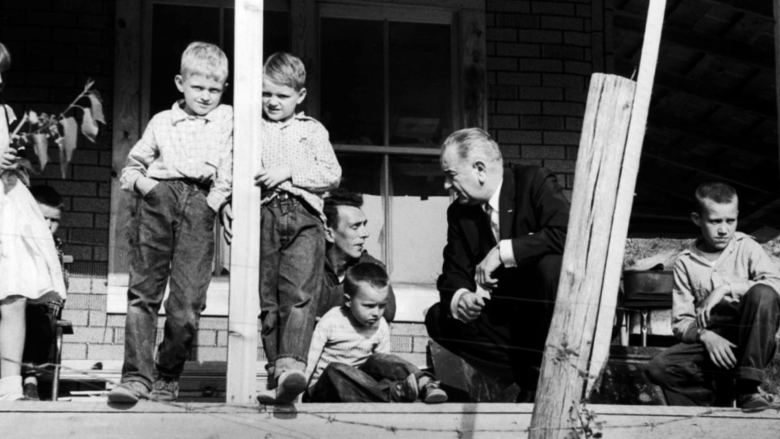
From bell hooks to local academics, the picture interviews lots of smart people who’ve thought hard about the threats Appalachia faces from without and within. One scholar notes how the region’s rep took a curious and expedient turn: Right after the Civil War, we’re told, most writers spoke of Appalachians as “quirky, colorful” people who enriched America’s tapestry. But when industrialists discovered the region’s resources and started moving in, a new portrait emerged. Now, hillbillies were mysterious, menacing trash-people “who might threaten civilization itself.” Conveniently, thinking of them as subhuman made it easier to extract the land’s riches and move that wealth to cities.
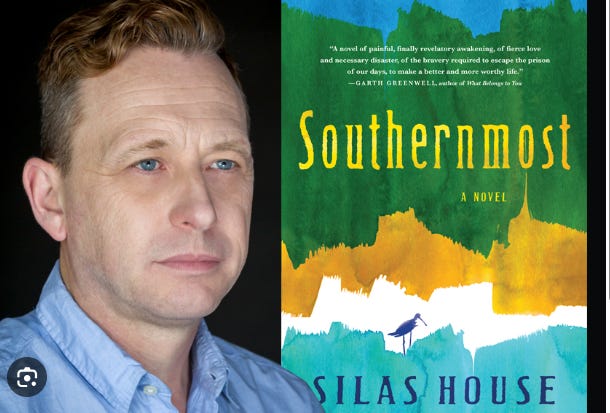
he 2018 documentary Hillbilly, directed by Ashley York and Sally Rubin, features Silas House, a prominent Kentucky-born writer, who is a gay man featured in the film to discuss Appalachian identity, queer life in the region, and to challenge stereotypes.
- Silas House: He is a key voice in the documentary, acting as a co-writer and appearing on screen to discuss “code-switching” and his experience as a gay man in Appalachia.
- The film focuses on challenging the “hillbilly” stereotype, highlighting diverse voices in the region, including queer and Black individuals.
- Critique of JD Vance: Silas House has deemed JD Vance’s Hillbilly Elegy as inauthentic, offensive, and a vehicle that relies on ugly stereotypes. House has argued that Vance “condescended to his own family” and Appalachian people in his book.
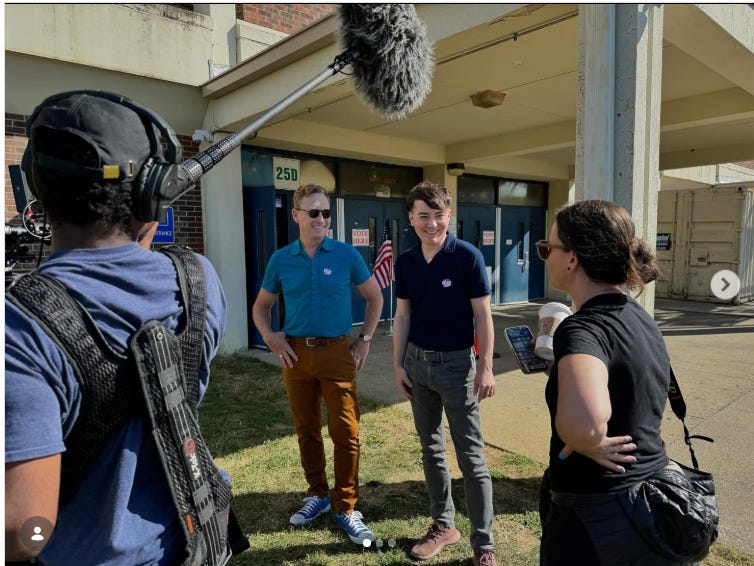
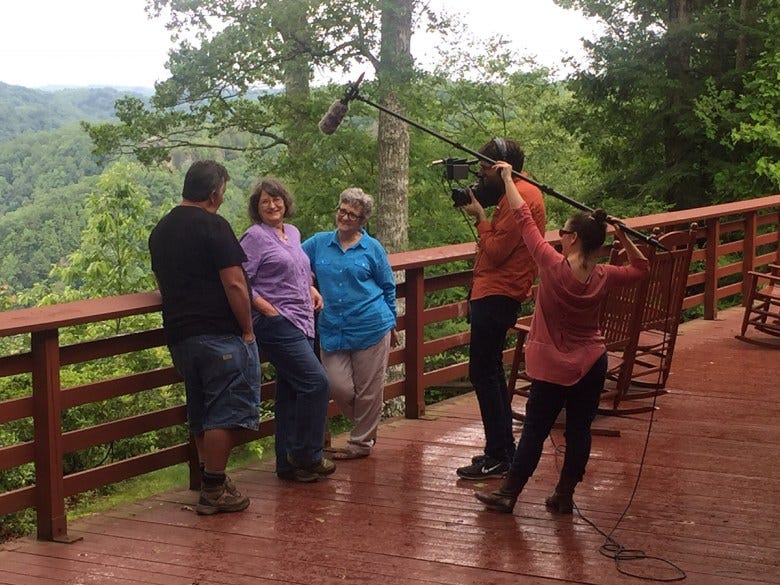
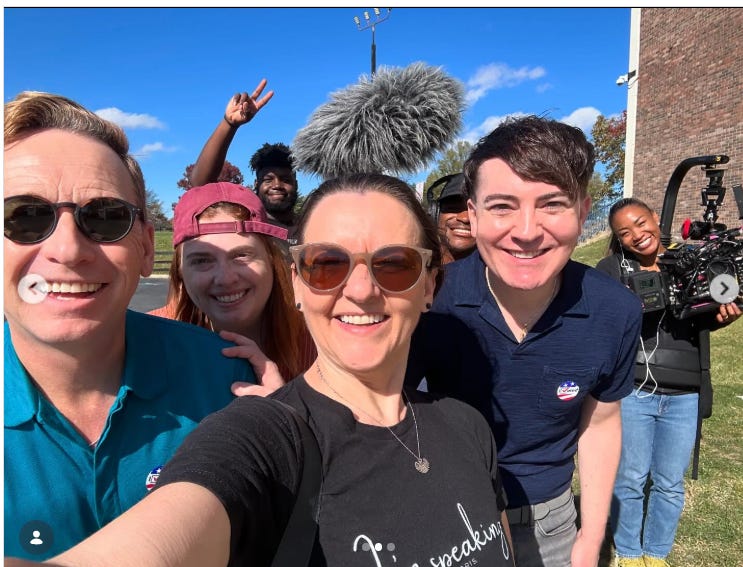
[Eight years ago today we shot an emotional scene at the voting booth for the documentary HILLBILLY, directed by Ashley York and Sally Rubin, which went on to win the Documentary Prize from the LA Film Festival, the Media Award from the Foreign Press Association,and many other honors before being picked up by Hulu, where it was seen by many around the world, and helped expand notions of what it means to be rural. Today we filmed scenes for the sequel, being directed by Ashley York, and filmed by this great crew. Along the way we voted, full of hope and trepidation, and talked to lots of our neighbors under remarkable blue skies.]
- Political Disillusionment: House has expressed frustration that, despite Donald Trump and JD Vance (through the “Hillbilly Elegy” narrative) not delivering promised economic benefits like the return of coal or rural revitalization, they continued to receive strong electoral support in Eastern Kentucky.
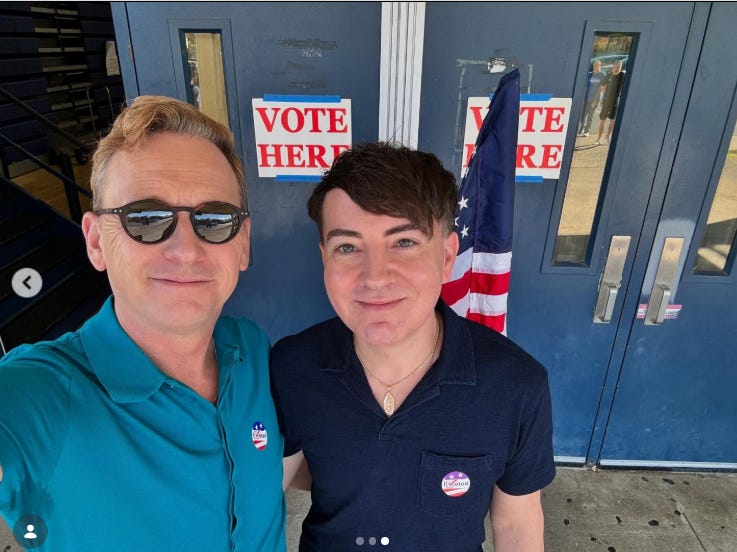
Finally, York dives deep into the progressive subculture that occupies the same space as the Trump worshipping coal mining families. They are articulate, poignant, and fiercely proud of their heritage and the history of the region. One of the subjects is Silas House, a successful writer and defender of hillbilly culture and the region from whence it’s sprang and who also happens to be gay. He spends a good amount of time explaining his reasons for staying and how important roots and how misunderstood his people are. And then Donald Trump wins, and it’s a difficult thing for him to reckon with. Possibly the most heartbreaking moment of the film is watching Silas and his husband work through this.
Reader, I tried. Per an editor’s helpful column idea, I clicked on Netflix’s “Hillbilly Elegy” and I started to watch J.D. Vance’s life story, but in the first 10 minutes, with the frogs croaking in the creek and little J.D. Vance getting beat up by the creek before he’s rescued by his kin in a pickup truck, I just could not.
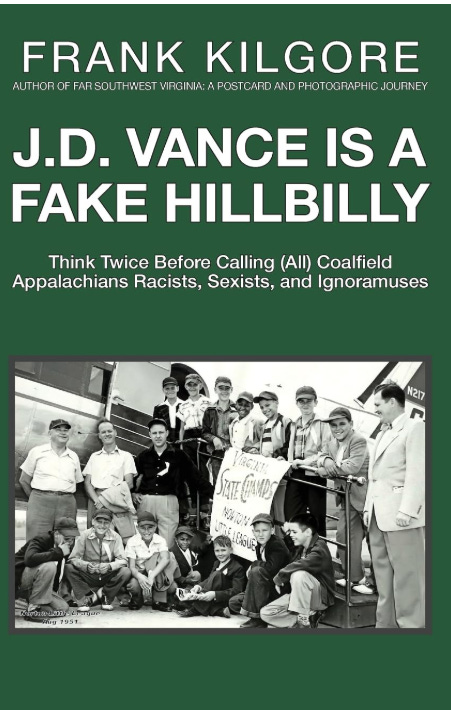
More bunk, so so American, defending your neck of the woods and criticizing the others, i.e., ‘those damn callifornians and texans are raising the price of everything when they move to our little or medium sized town.’ Source.
The region is roughly the size of Greece with about 16 million inhabitants. To gauge how it’s doing, we have to look at data, and a decent source is the Appalachian Regional Commission (ARC), which has been coordinating federal investments in the area for nearly 60 years. In that time, there have been some huge changes.
In 1960, over 30% of people in the area covered by the ARC lived in poverty. By 2018-2022, that figure plummeted to 14.3%, just two points above the national average.
(An important sidebar: The ARC covers some areas outside the Appalachian Mountains, including parts of Mississippi, and omits areas that are part of Appalachia, including Roanoke city, Roanoke County and much of the Shenandoah Valley. The politics behind this is an interesting topic for another day.)
Not surprisingly, the counties that still have sky-high poverty rates are concentrated in east Kentucky, southern West Virginia and far southwest Virginia, where communities are struggling to find their footing as the coal market declines.
In the rest of the region, people don’t earn quite as much as the U.S. average but close. Many are making enough to stay in their homeland rather than move away. That alone is a sea change from two generations ago, when the hillbilly highway ushered a stream of people out of the Appalachians in search of work. Today, populations are growing in the mountains of Alabama, Georgia, North Carolina, South Carolina, Tennessee and Virginia. This part of Appalachia is experiencing a boom of sorts.
Just look at the Great Smoky Mountains. They comprise the nation’s most popular national park with 13.3 million visits in 2023. Nearby Asheville, North Carolina, has become a tourism mecca and is showered with accolades, including the coveted Beer City USA title four years in a row. That designation and the town’s charms helped win over Sierra Nevada and New Belgium, which now have East Coast breweries there, and Asheville’s success has rubbed off on other mountain cities. Breweries, cideries and distilleries can be found all over now, including the area around my hometown of Roanoke, which has over a dozen breweries and five distilleries, some of which export products across the eastern U.S.
Many people are tempted to dismiss success in places such as Asheville and Roanoke because they were never beholden to King Coal, but even in the poorest parts of Appalachia, there are signs of hope.
In 2020 the New River Gorge National Park and Preserve was created in southern West Virginia, boosting area visitations by over 510,000 people. Today, the park pulls $96 million into a corner of Appalachia that’s been decimated by coal’s collapse.
Over in the far southwest corner of Virginia, the Crooked Road, a bluegrass and old-time music trail, leads tourists from one coal county to another. Since its inception in 2004, travel expenditures in the area have nearly doubled to $1.2 billion.
And in Pikeville, Kentucky, a little company called BitSource is turning stereotypes on their head by training former coal miners to be coders. Their goal is nothing short of rebranding the area as “silicon holler,” a center for coding, data centers, fulfillment houses, customer service facilities and other tech services that could be situated anywhere but that benefit from our affordable land and labor.
Speaking of computing, try Googling the word “visit” and any of these places — Asheville, Shepherdstown, Chattanooga, Greenville, Roanoke, Knoxville, Galax, Berea or Staunton. The results give a peek at the new Appalachian South. From legal moonshine to bands that merge punk rock and bluegrass, we’re using our heritage to innovate, our ready workforce to attract employers, and our natural resources to draw tourists by the millions.
Sure, inside and outside Appalachia, some people are raised like JD Vance, but his story shouldn’t define a region where he never actually lived. Instead, let’s take back some of his spotlight and shine it on the hillbillies who are truly reviving the Appalachian South.
from Facebook:
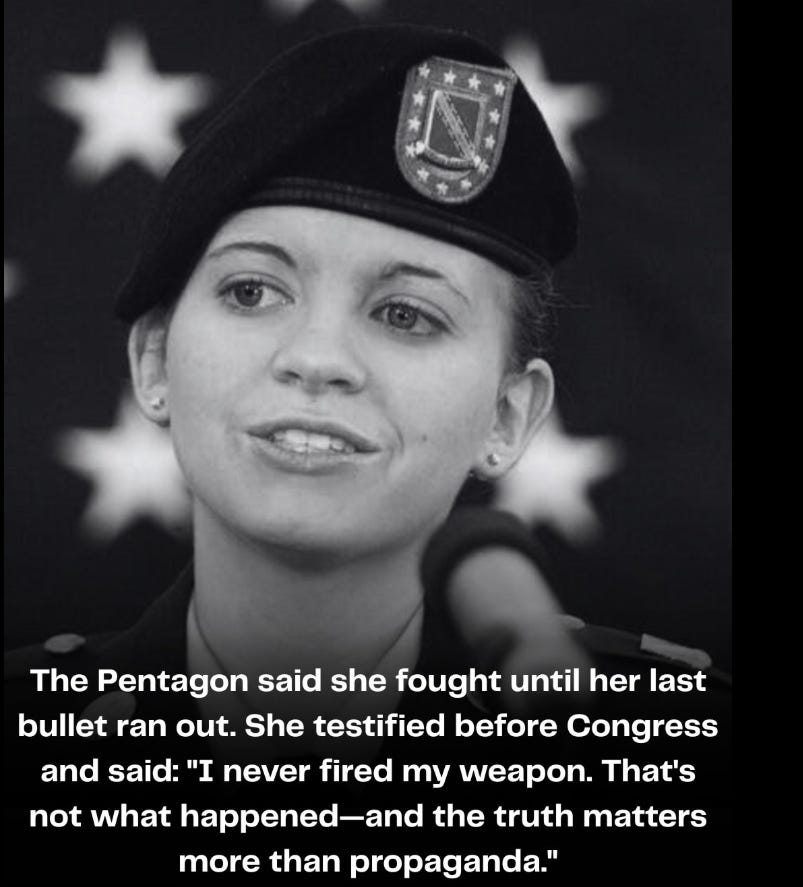
In 2003, America watched dramatic footage of a young soldier rescued from captivity in Iraq. The story was everywhere, on every news channel, every front page.
Jessica Lynch was portrayed as a fighter who battled Iraqi forces until her ammunition ran out. A warrior who went down fighting. It was heroic. It was cinematic. It was exactly what America needed during an unpopular war.
And it was not true.
Jessica Lynch was a nineteen-year-old supply clerk from Palestine, West Virginia. She had joined the Army to pay for college, dreaming of becoming a kindergarten teacher. She wasn’t infantry. She wasn’t Special Forces. She was a Private First Class with the 507th Maintenance Company, driving supply trucks.
On March 23, 2003—just days into the Iraq invasion—her convoy took a wrong turn near Nasiriyah and drove straight into enemy territory.
The ambush was brutal and swift. Iraqi forces opened fire. Vehicles crashed. Eleven American soldiers were killed. Jessica’s Humvee crashed violently during the chaos. She suffered catastrophic injuries: broken back, broken legs, dislocated ankle, shattered bones throughout her body.
She never fired her weapon. Her M16 jammed. She was knocked unconscious in the crash.
She woke up in Iraqi custody.
For nine days, Jessica Lynch was a prisoner of war, held at Saddam Hussein Hospital in Nasiriyah. She was terrified, in excruciating pain, and didn’t know if she would survive.
On April 1, 2003, U.S. Special Operations Forces launched a nighttime raid on the hospital. The rescue was filmed. Dramatic footage showed commandos storming the building, securing Lynch, and carrying her to a waiting helicopter.
The video was released immediately. America had its hero.
Within hours, the narrative began: Jessica Lynch had fought back ferociously. She had fired her weapon until she ran out of ammunition. She had been stabbed and shot. She refused to be taken alive. Even wounded, she kept fighting.
The Washington Post ran a front-page story: “She Was Fighting to the Death.”
Television networks replayed the rescue footage endlessly. Comparisons to Rambo followed. A female soldier fighting to her last breath became the symbol of American courage in Iraq.
There was only one problem: none of it was true.
And Jessica Lynch knew it.
For months, she stayed quiet. She was recovering from devastating injuries, undergoing surgery after surgery. She was being celebrated as a national hero. The attention was overwhelming.
But the story being told wasn’t hers.
In 2007, Jessica was asked to testify before the House Committee on Oversight and Government Reform—alongside the family of Pat Tillman, an NFL player turned Army Ranger who had also been the subject of false Pentagon narratives after his death by friendly fire.
Jessica could have stayed silent. It would have been safer. Easier. She was already dealing with PTSD, chronic pain, and the trauma of what had actually happened to her in captivity.
Instead, she told the truth.
She testified that she never fired her weapon, that her rifle had jammed, and that she had been knocked unconscious when her vehicle crashed.
She rejected the heroic narrative built around her: “Stories of ‘a little girl Rambo from the hills of West Virginia who went down fighting’ were not true. I’m still confused as to why they chose to lie and try to make me a legend when the real heroics of my fellow soldiers that day were legendary.”
The backlash was immediate.
Criticizing the military narrative during wartime made some people furious. She was accused of being ungrateful, unpatriotic, even disloyal. How dare she diminish her own heroism?
But Jessica understood something her critics didn’t: false heroism dishonors real sacrifice.
Eleven soldiers died in that ambush. Her best friend, Lori Piestewa, was killed. Those soldiers deserved to be remembered for what actually happened—not overshadowed by a fabricated story created for propaganda purposes.
Jessica insisted the real heroes were the soldiers who died protecting others and the Special Operations Forces who risked their lives to rescue her. Not the manufactured story designed to boost public support for a controversial war.
She said: “They used me to symbolize all this stuff. It’s wrong.”
Her honesty was radical because it rejected something powerful: the seduction of being celebrated, even when that celebration is based on lies.
Most people, given the choice between uncomfortable truth and comfortable fiction, choose fiction—especially when fiction makes them look heroic.
Jessica Lynch chose truth.
She could have accepted the medals, the fame, the narrative that made her a symbol. Instead, she stood before Congress and said: that’s not what happened to me. And the truth matters more than making people feel good about this war.
Her courage didn’t come during the ambush—she was unconscious for that. Her courage came afterward, when she refused to let propaganda replace reality.
The Pentagon Inspector General later confirmed the rescue was legitimate but acknowledged the initial reports were inaccurate. Iraqi hospital staff who had treated Jessica said they had cared for her kindly, and that Iraqi military forces had already left the hospital before U.S. troops arrived.
The “daring raid under heavy fire” had faced minimal resistance.
Jessica Lynch is now 41 years old. She lives in West Virginia. She became a teacher, fulfilling the dream that led her to join the military in the first place. She has a daughter named Dakota Ann—named after her best friend Lori who died in the ambush.
She still has nightmares. She’s had over twenty surgeries. She lives with chronic pain and PTSD. The war never really ended for her.
But she has something many people never find: integrity.
She refused to be a symbol when the symbol was a lie. She rejected heroism she didn’t earn. She insisted that truth mattered more than patriotic mythology.
In a war filled with exaggerated stories and manufactured narratives, Jessica Lynch’s real courage came in saying five words that cost her dearly:
“That’s not what happened.”
And standing by the truth anyway.
Those Christians . . .
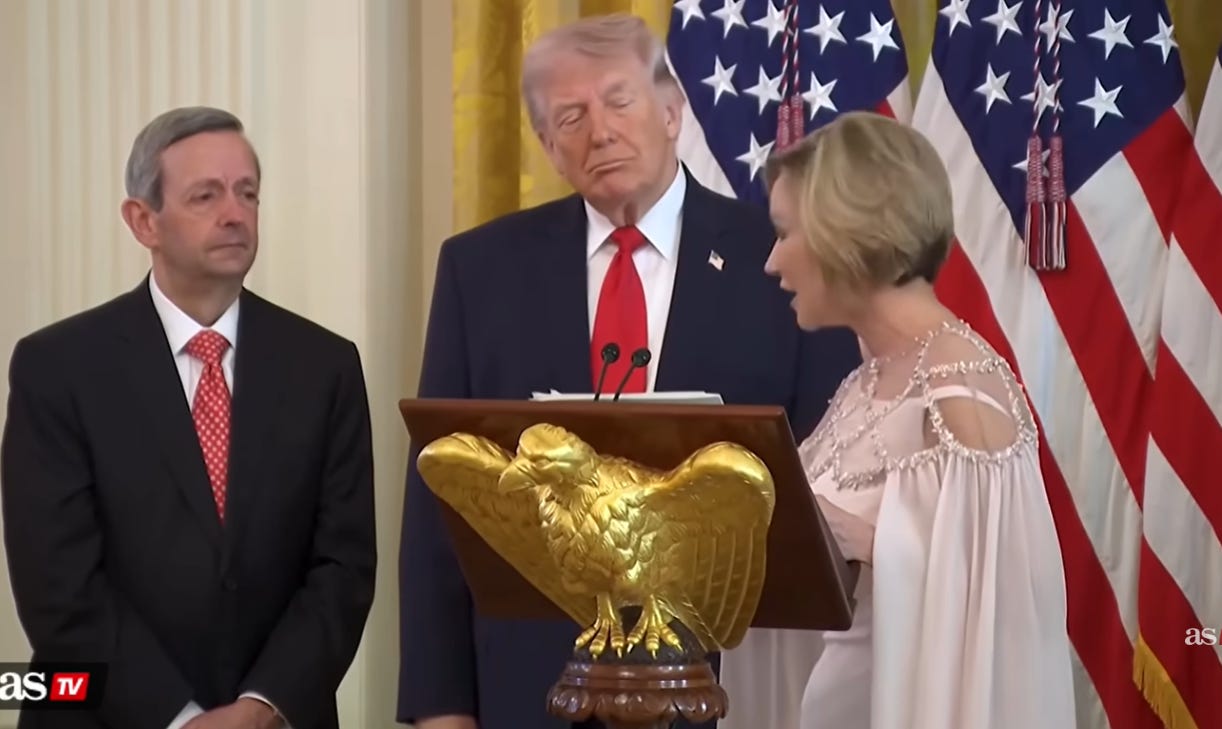
Paula White’s boobs Trump lingers on:
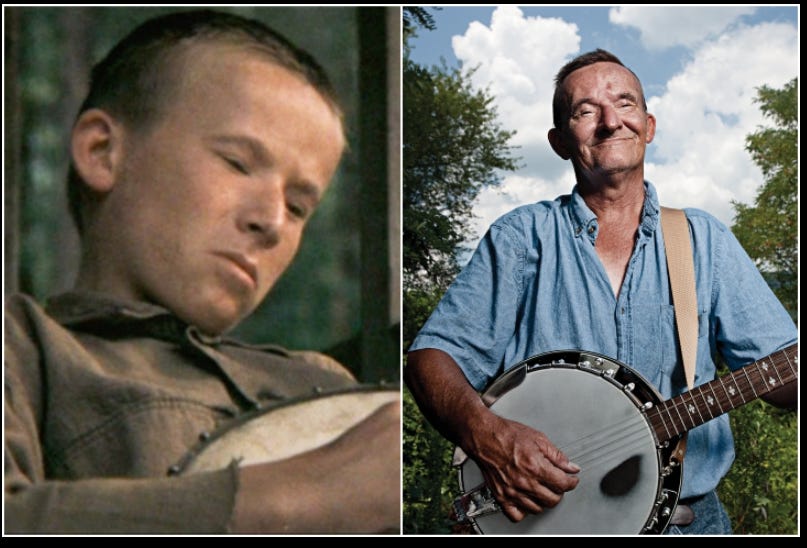
Billy Redden was a typical local teen living in Georgia, handpicked by director John Boorman for the role of an odd banjo player in the Oscar-nominated classic DELIVERANCE (1972, R). To Boorman, Redden had the exact look of a country boy, the mannerisms, and something different from the usual qualities needed for a part that could be suitable only for someone who wasn’t trained as an actor: a nonspeaking part in one sequence in which he makes a banjo duel against Ronny Cox. The sequence turned out to be one of the highest points of the thriller – and one of the most memorable moments of cinema.
Redden did not know how to play the banjo, so another teenager was his hand double in the song “Dueling Banjos” while in the soundtrack, [JEWS] Eric Weissberg and Steve Mandell were the musicians performing the song. The sequence asked for Billy’s character to show a complete state of contempt for Cox’s character (his on-screen rival), but he couldn’t act in such way with the actor because he was very fond of him. On the other hand, he had a complete dislike for Ned Beatty, so the trick the director used for getting the exact reaction in the shot was to put Beatty next to Cox to make Billy react with disgust and dead-on facial expressions toward Beatty. The rest was all accomplished in the editing room.
Despite widespread rumors and the character’s portrayal in the 1972 film Deliverance, actor Billy Redden does not have a developmental disability or mental impairment. Director John Boorman handpicked Redden, who was 15 at the time, specifically for his unique physical appearance—characterized by a thin frame and almond-shaped eyes—to embody the “backwoods” look described in the original novel. To achieve the unsettling, “inbred” appearance seen on screen, the filmmakers used specialized makeup and lighting.
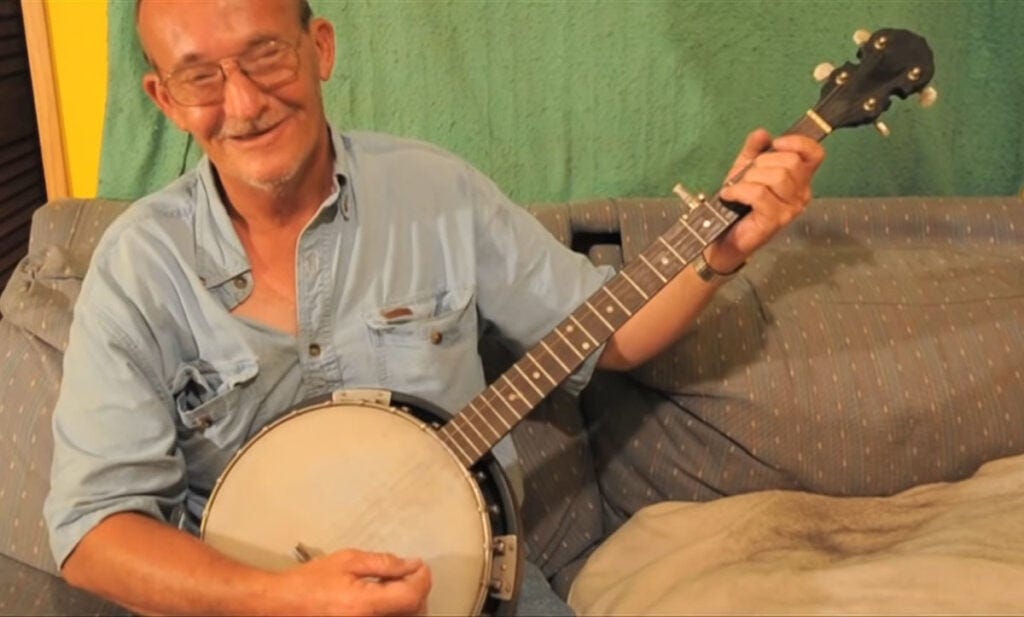
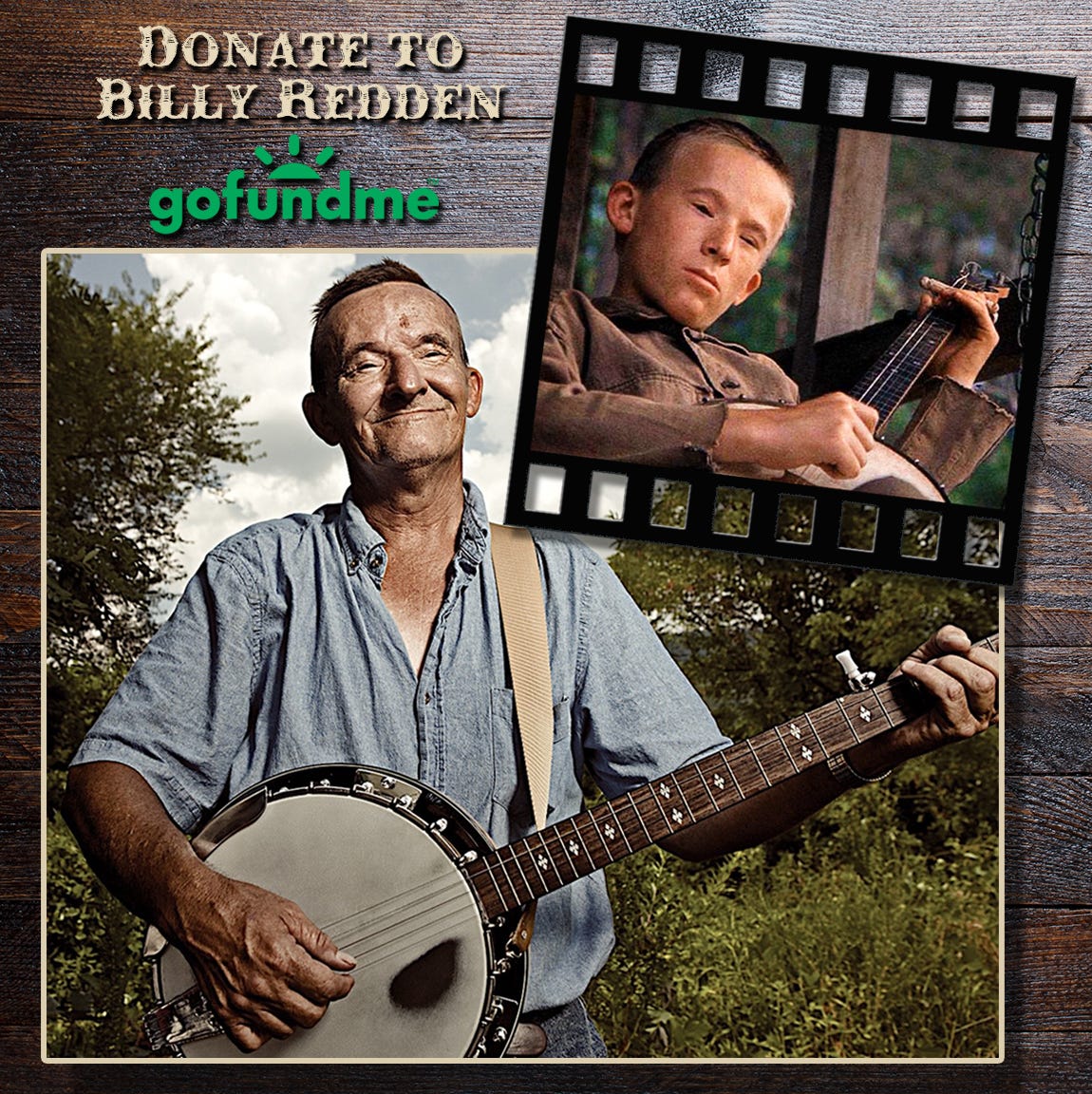
Recently, he was in the hospital and racked up numerous medical bills. Now 68-years-old, over the last few years Redden has been working as a greeter and janitor at the Walmart in Clayton, GA.
Billy Redden is the so-called “Banjo Boy” from the iconic “Dueling Banjos” scene in the movie “Deliverance”.
This scene enriched all who were involved – the movie was a hit and the song itself won a Golden Globe and a Grammy – but it did not enrich Redden.
Redden was not an actor at the time. He was a local 15-year-old in Clayton, Georgia where the film was made. The Director, John Boorman, chose Redden because he appeared to look like a backwoods boy. He filmed the scene and was largely forgotten.
Redden was not paid very much for his work in the iconic scene. Afterward, he sustained himself as a working man, working menial jobs in his local community to make ends meet. Nothing wrong with being a working man, mind you. Billy isn’t complaining, but some believe there might have been some exploitation of this boy.
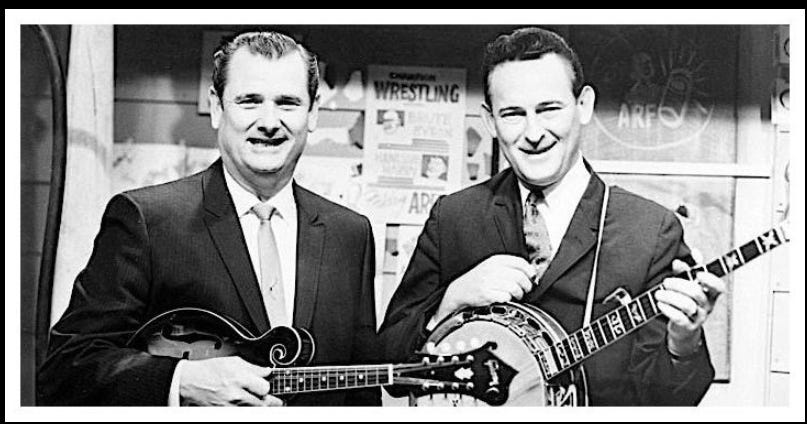
JEWS: Arthur Smith, left, was the actual composer of “Feudin’ Banjos”, recorded in 1955 with five-string banjo player Don Reno, right.
When the composition was performed in the 1972 film Deliverance, retitled “Dueling Banjos” and performed by Eric Weissberg and Steve Mandell, Smith was not credited. “Dueling Banjos” became a hit song.
In what was considered a landmark copyright infringement suit, Smith sued Warner Brothers, winning a substantial settlement, including his being awarded songwriting credit and back royalties.

