

“We just have to stay here and hope the Tuesday deadline is another market day bluff.”
Apr 06, 2026
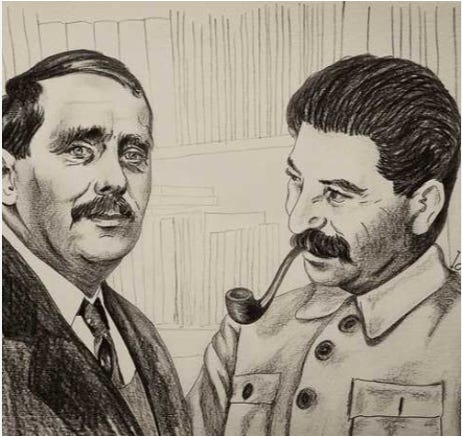
There is no, nor should there be, irreconcilable contrast between the individual and the collective, between the interests of the individual person and the interests of the collective. There should be no such contrast, because collectivism, socialism, does not deny, but combines individual interests with the interests of the collective. Socialism cannot abstract itself from individual interests. Socialist society alone can most fully satisfy these personal interests. More than that; socialist society alone can firmly safeguard the interests of the individual. In this sense there is no irreconcilable contrast between “individualism” and socialism. But can we deny the contrast between classes, between the propertied class, the capitalist class, and the toiling class, the proletarian class? MARXISM VERSUS LIBERALISM, AN INTERVIEW WITH H.G. WELLS


There can be no greater sickness than this time, when all the powers that shouldn’t be and the powers that should be but are not just watching and listening and hiding whatever brains they have left in the sand.
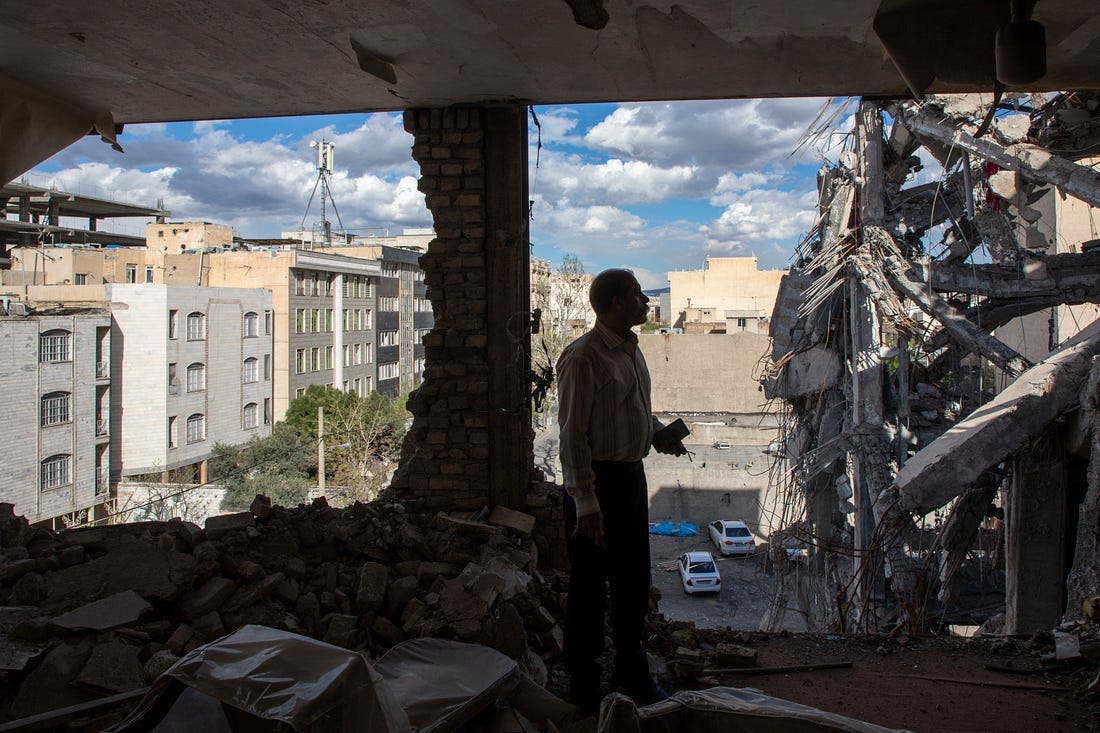
Like many fathers in Iran, Nariman, a 57-year old teacher, is trying to protect his family from a war that feels closer than ever. On Monday, he arranged with his two daughters to pack their things immediately and flee Tehran for the relative safety of the northern region of the country near the Caspian Sea where U.S. and Israeli strikes have been less frequent.
Nariman, who did not want to share his last name for safety, made the fraught decision to leave after U.S. President Donald Trump posted an ultimatum on TruthSocial on Sunday: “Tuesday will be Power Plant Day, and Bridge Day, all wrapped up in one, in Iran. There will be nothing like it!!! Open the Fuckin’ Strait, you crazy bastards, or you’ll be living in Hell – JUST WATCH! Praise be to Allah,” Trump wrote.
In a separate post, Trump later added a specific deadline: “Tuesday, 8:00 P.M. Eastern Time.”
Most Iranians don’t have access to the global internet because of blackouts, but news travels fast through domestic intranet platforms. Nariman saw the updates and realized the scale of the threat.
“I panicked when I saw this. He wants to ‘blow everything up’ and ‘take the oil?’ He is gonna hit bridges?” Nariman told Drop Site News over the phone, his voice shaking. “I must get my family to safety before things go wrong.” The family is packing to prepare for a long drive up north, bracing for huge traffic from Tehran of people who have made a similar calculation to flee the capital in the face of Trump’s threat of widespread destruction. When they will return is unclear. But their car is packed with enough clothes and other supplies for what may be an extended time away from home.

The rot goes throughout the land. And it’s the retirees and soccer moms and those on steroids in the NIMBY crowd: They too are the sickness.

In a small room on the 18th floor of Phoenix City Hall, about 20 people gathered to discuss a newly expanded proposed city ordinance that would severely restrict both food and medical provision in city parks.
The ordinance — which LOOKOUT was first to report on in December — is scheduled to be discussed and voted on at the May 6 City Council meeting. It would allow only two permits per park per month for organizations to conduct basic medical care or distribute food, an expansion of its earlier draft that caused widespread concern among health practitioners. Critics say the restrictions could lead to increased hunger, outbreaks of illness, and death.
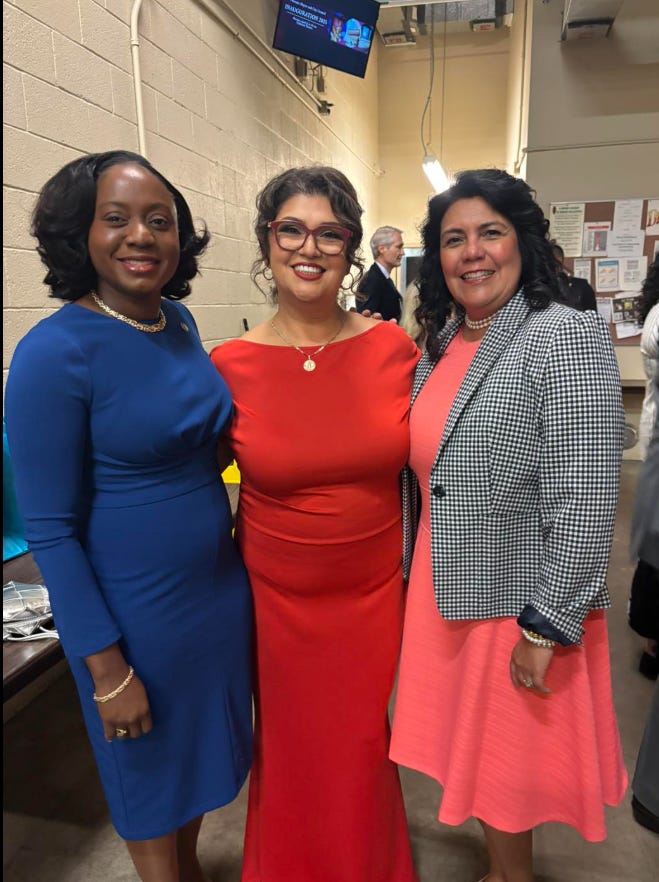
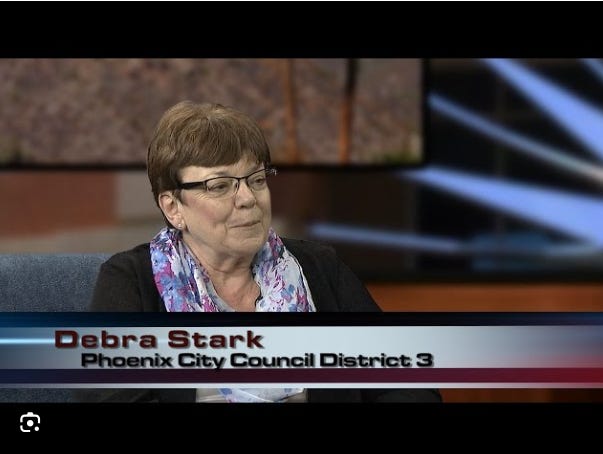
The April 1 meeting was part of the Fast-Track Cities Committee, a global network of more than 600 cities and municipalities working to reduce HIV and STI transmissions through urban health initiatives. It included Phoenix councilmembers Debra Stark (right) and Laura Pastor, who previously voted in favor of the ordinance.
“This ordinance is completely in opposition to the mission of this program. Full stop,” said Jack Palmer of Circle the City during the Fast Track Cities meeting.
He noted that in the past eight months alone, more than 100 people tested positive for hepatitis C through outreach conducted in parks.
Arlene Mahoney, executive director of Southwest Recovery Alliance, told LOOKOUT that restricting access would cause severe harm:
“We are meeting people where they’re at, keeping people safer, reducing overdose deaths and transmission of HIV and Hep C, reducing soft tissue infection, providing sharps disposal,” she said.
Duh?
Is the Iranian War About to Become Apocalyptic?
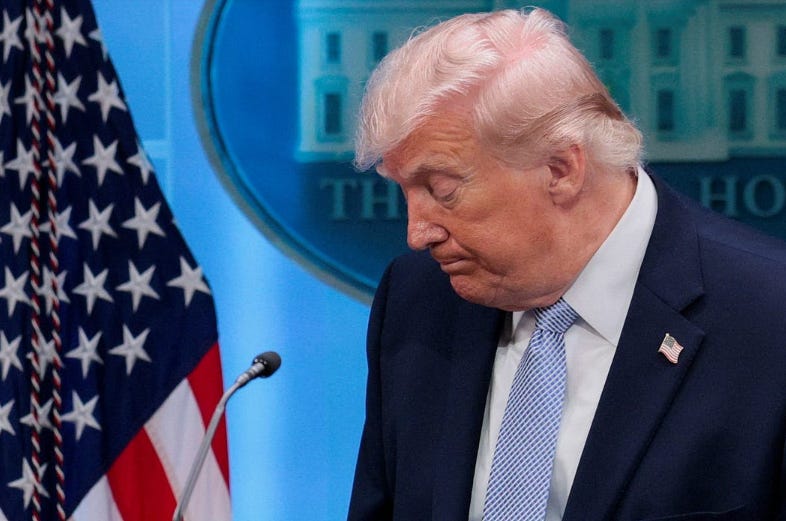
Tonight: a senior medical analyst says the president is exhibiting “all the signs of dementia.” A general had to physically stop Trump from announcing classified troop numbers on live TV. Republicans who voted for mass deportation are now begging Trump not to put concentration camps in their towns. And the DOJ lied to a federal judge about what it’s doing with the personal data of millions of American voters.
Dr. Vin Gupta watched all of this and wrote on X: “Erratic. Can’t finish sentences. Often confused. Illogical train of thought. Word finding difficulties. Developing and worsening gradually over time. The President is exhibiting all the signs of dementia.”

Gupta has been raising these concerns for months. After Trump’s appearance at Davos in February, he noted the president’s family history (Trump’s father died at 93 from pneumonia complicated by Alzheimer’s) and said he was seeing a “trend line” that “seems like it’s getting worse.”
Trump’s own niece told a podcast she looks at him now and sees her grandfather: “I see that same look of confusion. His short-term memory seems to be deteriorating.”
Most telling is the cognitive testing. Trump has bragged about “acing” the Montreal Cognitive Assessment three times. Gupta wasn’t impressed: “Those that tend to do MoCA tests with that level of frequency, usually we’re worried about early-stage dementia.”

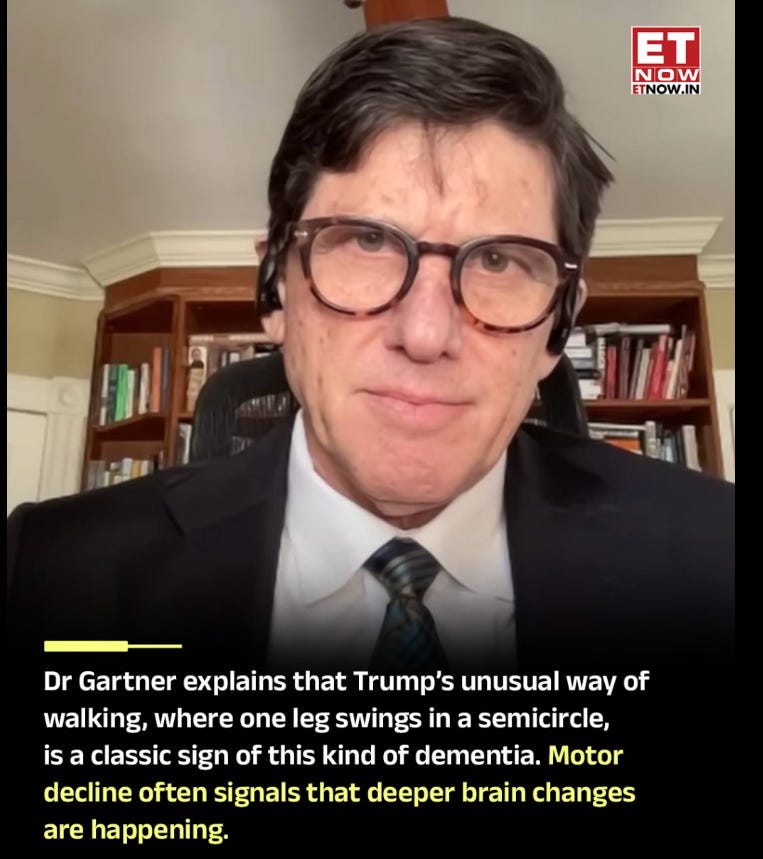
Psychologist Dr. John Gartner was blunter: “If you’re giving it to him three times, that means you’re not assessing dementia. That means you’re monitoring dementia.”
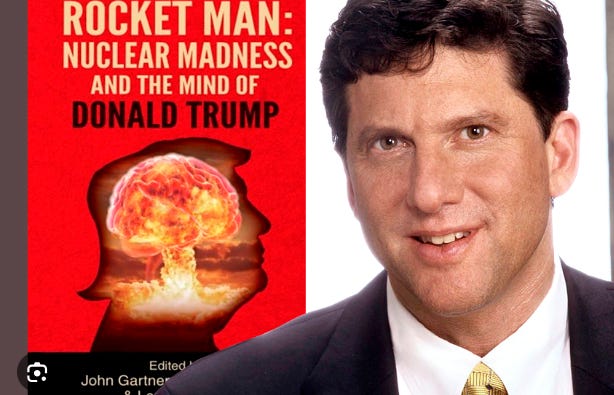
The White House spent the weekend denying Trump had been hospitalized at Walter Reed after he vanished from public view for twelve hours. Whether he was or wasn’t, the fact the question is being asked at all tells you something about where we are.
‘I’d Love to Keep That a Secret’
Today, Trump held a press conference about the rescue of two downed American airmen in Iran. Things were going well until Trump prepared to announce the exact number of troops involved in a classified military operation — live, on television, to the entire world, including Iran.
His own Joint Chiefs chairman had to intervene.

“How many men did you send altogether? Approximately?” Trump asked the general.
“I’d love to keep that a secret,” General Caine replied.
“I’ll keep it a secret,” Trump said, before announcing it was “hundreds and hundreds.” He then looked at the general and said, “Is he central casting?”
His response to being told not to disclose classified information was to disclose the approximate number anyway, wrap it in the word “secret,” and then compliment the general’s jawline.
Dementia? That’s the Commander-in-Chief of the United States armed forces. Declining in real time.
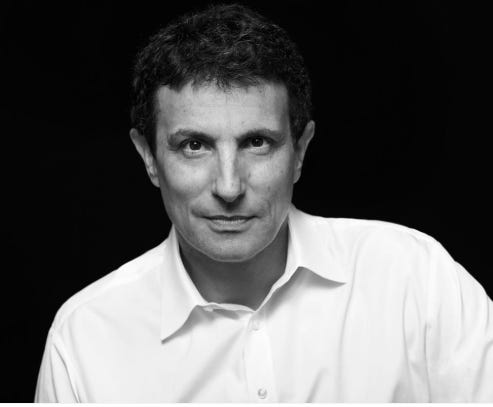
God, that guy, Jew Yorker editor, David Remmich, asking, Can Sam Altman Be Trusted?
Remmick was born to a Jewish family in Hackensack, New Jersey, and raised in a secular Jewish home in nearby Hillsdale. He has often reflected on his Jewish identity and background in his writing and interviews, noting that his ancestors lived in shtetls within Russian territory.

In 2023, he was ranked as the most influential Jew by The Jerusalem Post.
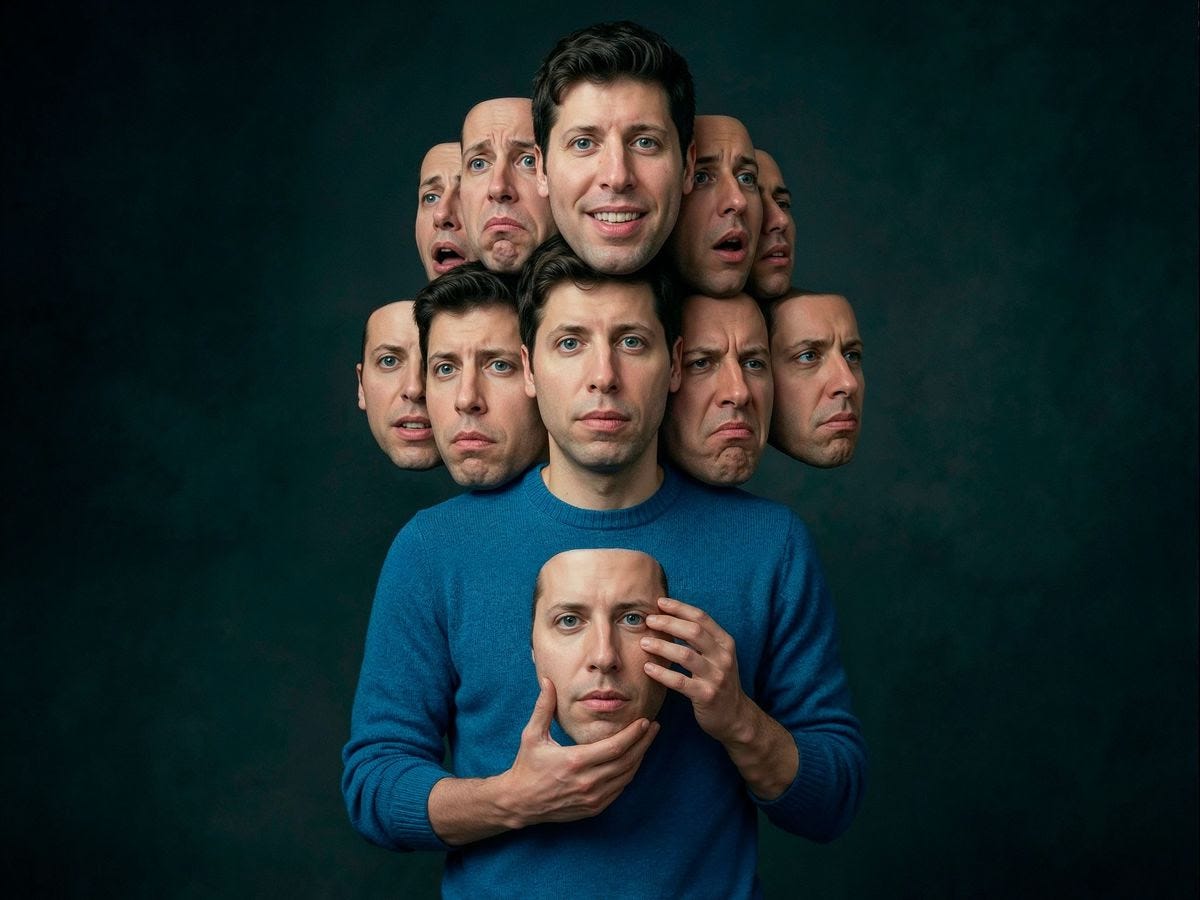
Most people, they report, find Altman’s will to power unusually strong—even in the tech world. “He’s unconstrained by truth,” an OpenAI board member told Farrow and Marantz. “He has two traits that are almost never seen in the same person. The first is a strong desire to please people, to be liked in any given interaction. The second is almost a sociopathic lack of concern for the consequences that may come from deceiving someone.” Farrow and Marantz note that this wasn’t the only time they heard the word “sociopathic” used to describe Altman.
SOOO, Jews, Marantz and Farrow (Woody Allen’s kiddo) and then Remmick, a Jew, asking this question about a Jew, Sam. WHEW.

“He has two traits that are almost never seen in the same person. The first is a strong desire to please people, to be liked in any given interaction. The second is almost a sociopathic lack of concern for the consequences that may come from deceiving someone.”
Sounds like a Jewish question to me: Can a Jew be trusted?

- Self-Identification: Altman has explicitly stated, “I am Jewish,” and has clarified that he identifies with the faith beyond just cultural practice, though he does not interpret religious texts literally.
- Antisemitism: In late 2023 and early 2024, Altman publicly addressed a rise in antisemitism, admitting he had previously been “totally wrong” to downplay its severity. He noted that his online experience as a public figure often involves encountering “horrible things about Jews”.

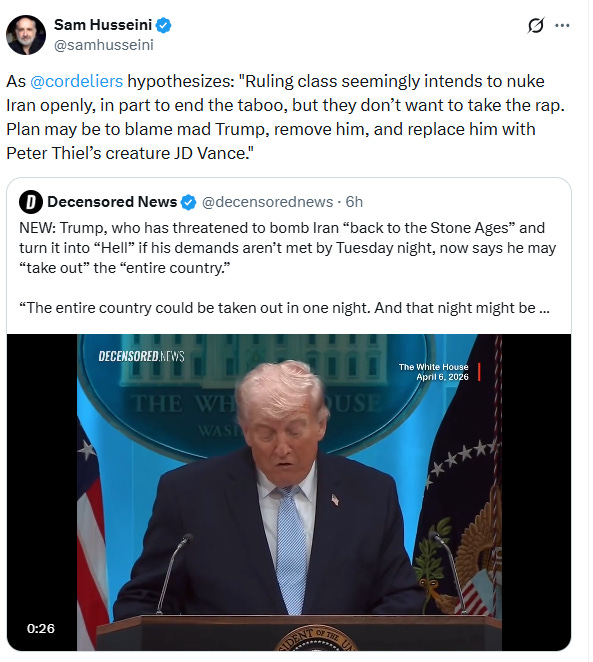
So-called presidents are just suicide bombers for the empire. Except without any honor that a regular suicide bomber would display in sacrificing their actual life.
They just play their role in the con, enjoy their payoff and move along.
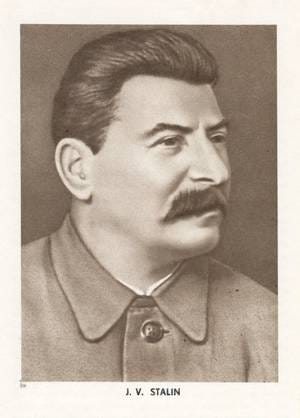
Stalin said:
What will this “socialism” be? At best, bridling to some extent, the most unbridled of individual representatives of capitalist profit, some increase in the application of the principle of regulation in national economy. That is all very well. But as soon as Roosevelt, or any other captain in the contemporary bourgeois world, proceeds to undertake something serious against the foundation of capitalism, he will inevitably suffer utter defeat. The banks, the industries, the large enterprises, the large farms are not in Roosevelt’s hands. All these are private property. The railroads, the mercantile fleet, all these belong to private owners. And, finally, the army of skilled workers, the engineers, the technicians, these too are not at Roosevelt’s command, they are at the command of the private owners; they all work for the private owners. We must not forget the functions of the State in the bourgeois world.
The State is an institution that organises the defence of the country, organises the maintenance of “order”; it is an apparatus for collecting taxes. The capitalist State does not deal much with economy in the strict sense of the word; the latter is not in the hands of the State. On the contrary, the State is in the hands of capitalist economy. That is why I fear that in spite of all his energies and abilities, Roosevelt will not achieve the goal you mention, if indeed that is his goal. Perhaps, in the course of several generations it will be possible to approach this goal somewhat; but I personally think that even this is not very probable.
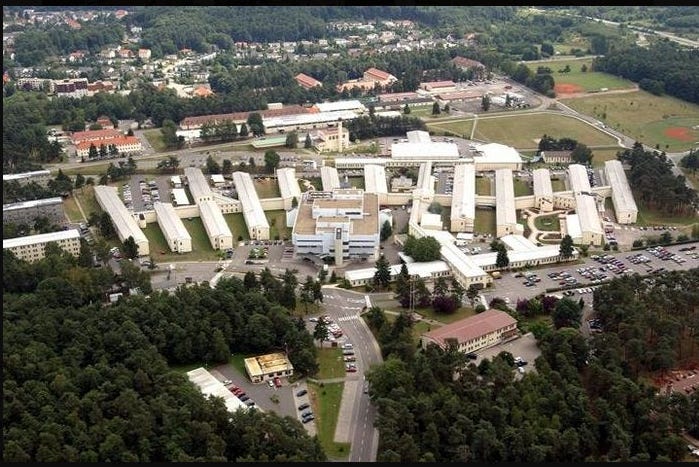
The Intercept found that at least 15 American service members have been killed and more than 520 wounded since the war began, figures the Pentagon has still resists confirming. Landstuhl Regional Medical Center in Germany, the largest U.S. military hospital abroad and the only American Level II trauma center overseas, suspended its labor and delivery services entirely to free up capacity for combat casualties, issued urgent calls for blood donations, and received evacuation flights of critically wounded service members, dozens of whom arrived suffering from traumatic brain injuries, memory loss, and other conditions classified as “urgent” by military medical staff. The decision to restructure the hospital’s operations was made, according to internal memos, at a “very high level” within the U.S. military.
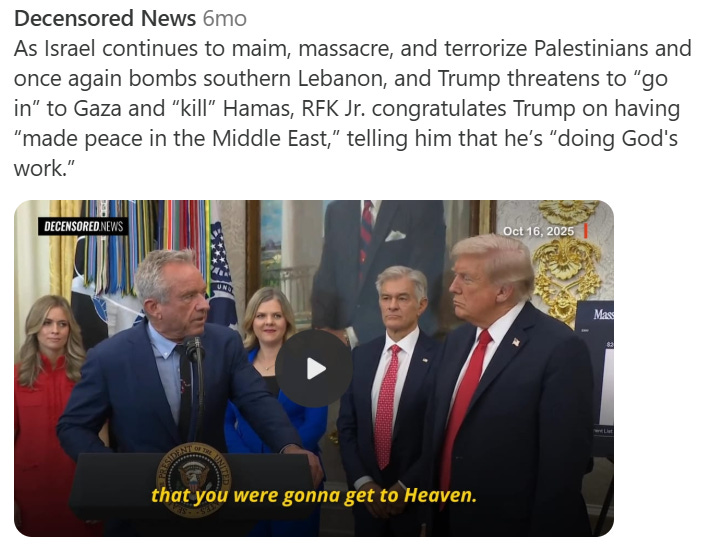
RFK’s last step — thanks god, Trump, for doing that other god’s work.

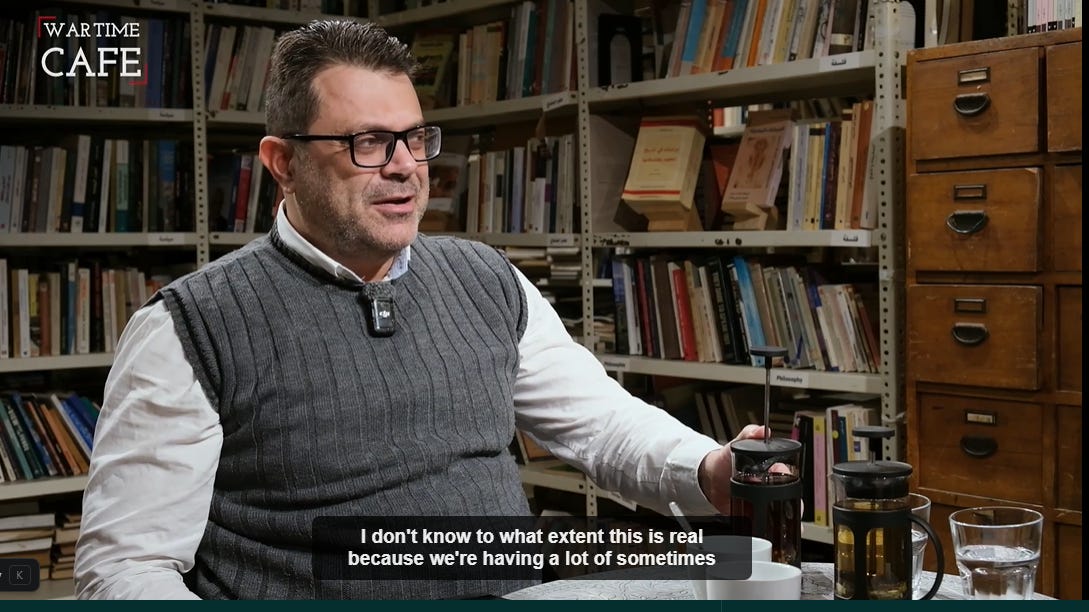
Laith Marouf & Dr Jamal Wakim, professor of Political Science at the Lebanese University, talk about the fantastical tales of Emperor Trump, latest being the failed mission in Isfahan, the historical echoes of Roman imperial collapse at the gates of Persia, and the latest news items in the war for the liberation of Palestine.
Iran War Special Coverage – DAY 38: Total Humiliation of Empire
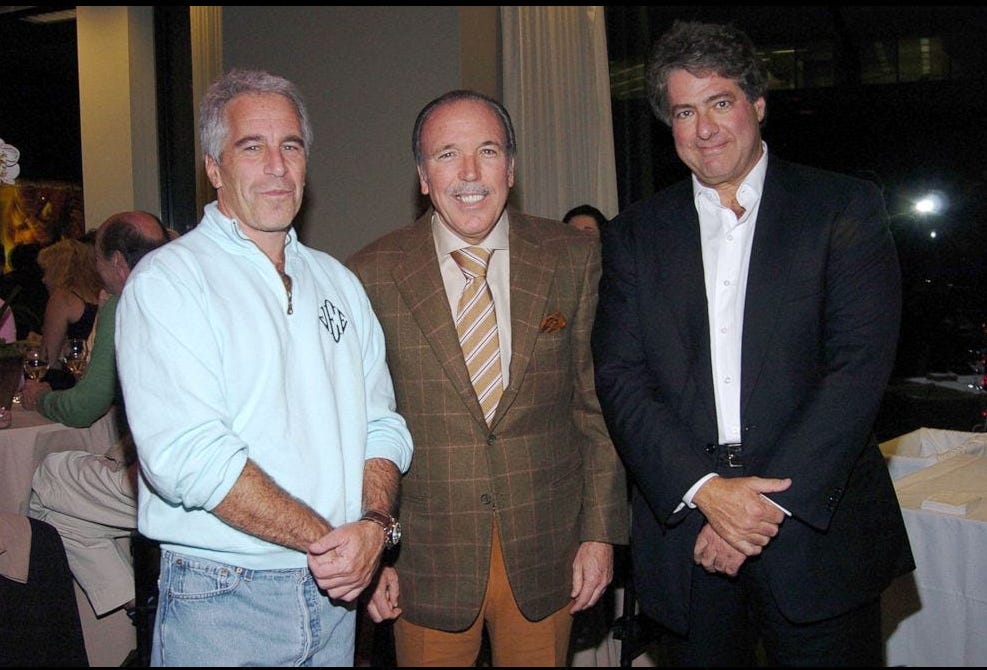
If there is a single figure who embodies the financial architecture of the Epstein network — not the trafficking itself, but the system of wealth, lawyers, and institutional complicity that allowed it to persist — it is Leon Black.
Black is the co-founder of Apollo Global Management, one of the largest private equity firms in the world. He paid Jeffrey Epstein $170 million over several years. Senate investigators say that figure is $12 million higher than what Apollo’s own board reported, with no explanation for the discrepancy. And the story of where that money went, and what Epstein did in return, is one of the most detailed case studies we have of how a billionaire’s problems get solved in America.
Black has maintained that the $170 million was for tax and estate planning services. Senator Ron Wyden’s four-year investigation has produced a different picture.
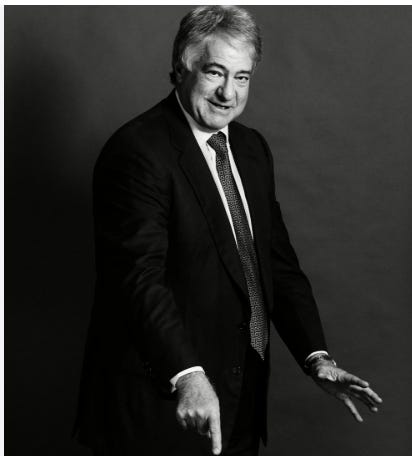
Nobody Makes Money Like Apollo’s Ruthless Founder Leon Black – Bloomberg
Wyden’s findings show that Black paid approximately $20 million to about a dozen women, at least some of whom he’d had sexual relationships with. These payments were routed through Epstein, who served as a middleman — handling the logistics, the amounts, and the mechanisms of disbursement. In documents Epstein possessed, these payments were described as “gifts.”
The word “gifts” is doing an enormous amount of legal work in that sentence. If the payments were hush money — compensation in exchange for silence about Black’s conduct — then routing them through Epstein and labeling them as gifts raises concerns about money laundering, tax fraud, and obstruction, depending on the circumstances. Wyden’s letter to Black, dated March 20, 2026, makes clear that the Senate Finance Committee considers these questions open and unresolved.
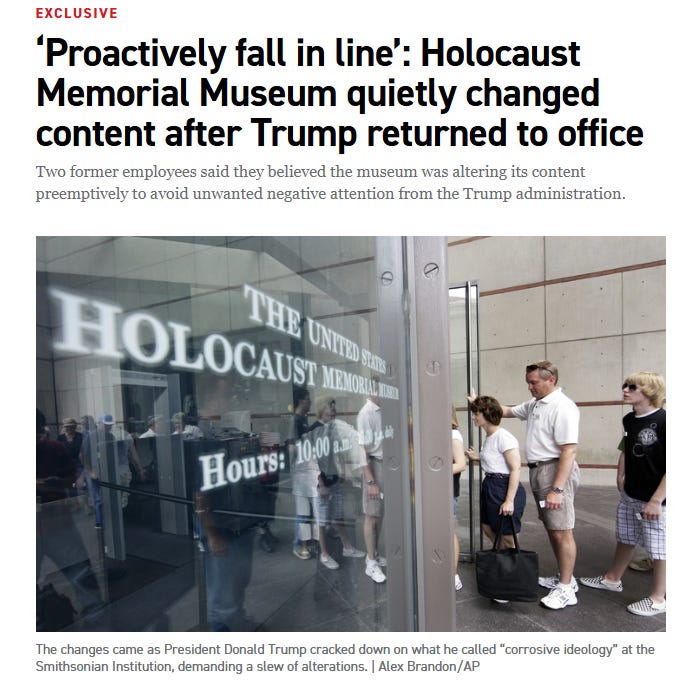
Good Jews.

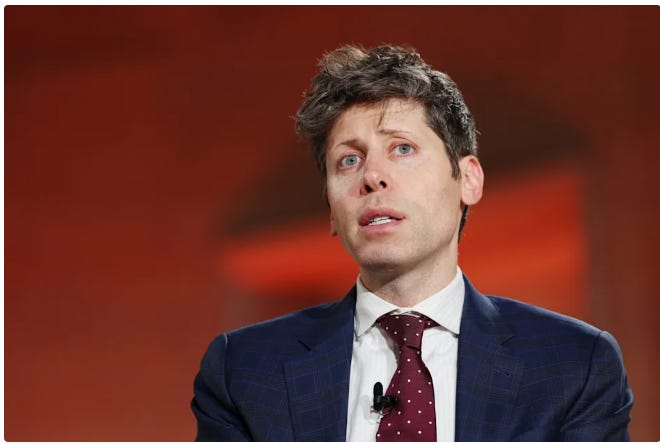
Jews: Sam Altman says AI superintelligence is so big that we need a ‘New Deal.’ Critics say OpenAI’s policy ideas are a cover for ‘regulatory nihilism’.
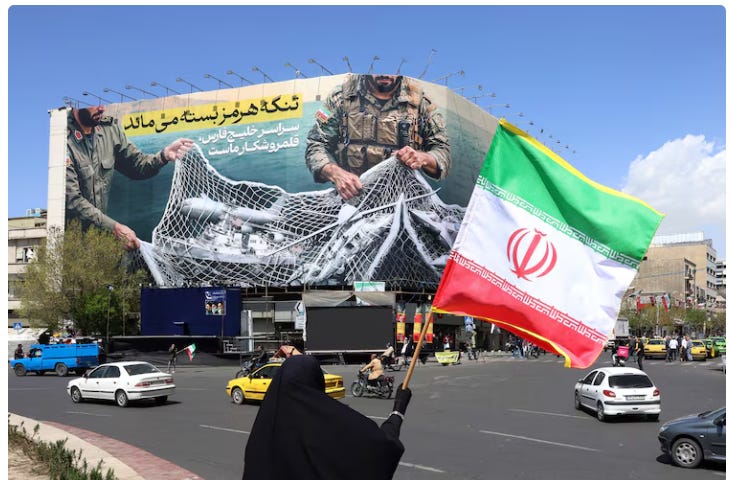
Trump said Iran had 48 hours to agree to a deal to open the Strait of Hormuz or make peace.
“If it happens, it happens. And if it doesn’t, we’re blowing up the whole country. We’re blowing up, as I said, it’s going to be bridge day and it’s going to be power plant day in the country of Iran.”
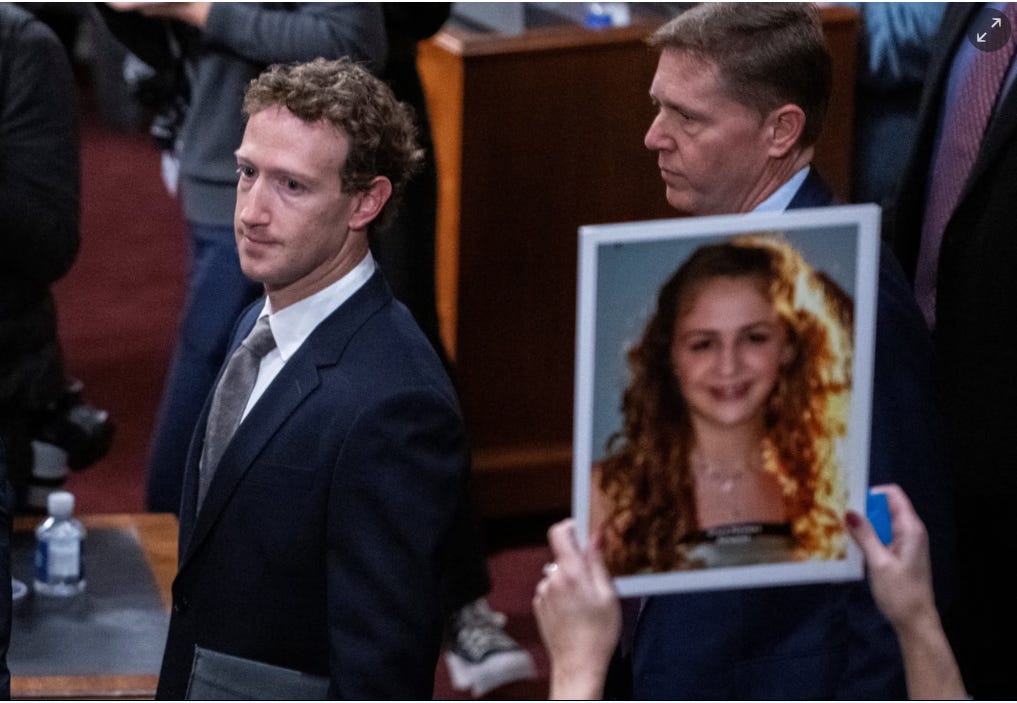
Jews love their sex trafficking: ‘It started with a tipoff’: how a Guardian investigation exposed child sex trafficking on Facebook and Instagram
Up Up and Away: How A Dusty Strip Deep In Iran Can Be Turned Into A U.S. Special Operations Base In Hours.

FARPS and STS’s . . . Orgasms…. The rescue of the F-15E weapon systems officer (WSO) missing in Iran after his fighter was shot down was one of the most complex and dangerous missions the U.S. military can undertake. These kinds of operations can come in many forms. In this case, before the WSO was finally recovered from the mountain crevice where he was hiding, a forward arming and refueling point (FARP) deep inside enemy territory had to be rapidly set up and secured so that it could act as a staging area for the aircraft, equipment and troops taking part in the mission. This is an exact mission set U.S. special operations forces train for extensively.
To get more insights about how such a FARP would be set up and operated, we reached out to Kyle Rempfer, a former Special Tactics Squadron (STS) airman who served in Afghanistan and Iraq. STS units are an elite cadre of operators who work to control aircraft in the air, including from airfields they establish deep inside contested territory, and direct airpower onto the enemy, among other duties, including rescuing personnel trapped behind enemy lines. They are often paired with special operations units, such as SEALs, Delta Force and Rangers, to bring their unique skills to their missions.
An ex-USAF Special Tactics Squadron member tells how the impromptu airfield in Iran would have been rapidly established and defended.
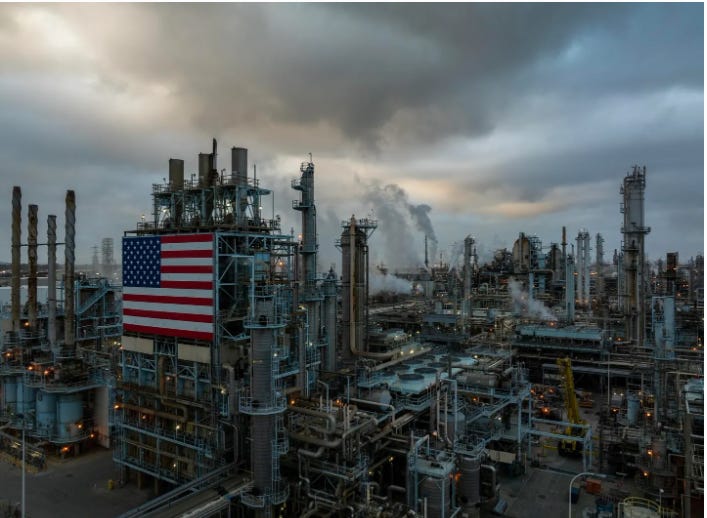
Oh, Forbes and Bloomberg, it’s all about the shekels and Benjamins. Why U.S. Refineries Can Handle Shale Oil Despite The Persistent Myth
A widespread myth in energy circles is that U.S. refineries are “unable” to process the light, sweet crude produced by the shale boom. The claim tends to surface whenever gasoline prices rise or energy independence becomes a talking point. The argument is usually that the U.S. is producing record volumes of oil, yet still imports crude because its refineries were built for heavier foreign barrels.
It’s a compelling narrative, but it’s mostly wrong.
U.S. refineries can and do process shale crude every day. The issue isn’t technical capability. It’s economics.
Understanding that distinction is critical because it explains why the U.S. simultaneously exports large volumes of crude oil while continuing to import it, and why that system works far more efficiently than it appears at first glance.
The roots of this misunderstanding go back decades. From the 1980s through the early 2000s, refiners made massive capital investments based on a widely observed trend: high-quality, easy-to-refine crude was becoming scarce. Future supplies were expected to be heavier—containing longer, more complex hydrocarbon molecules—and increasingly sour, meaning higher sulfur content.
In response, refiner spent tens of billions of dollars upgrading facilities with cokers, hydrocrackers, and desulfurization units designed to process heavy, sour crude, which is more difficult to refine into finished products.
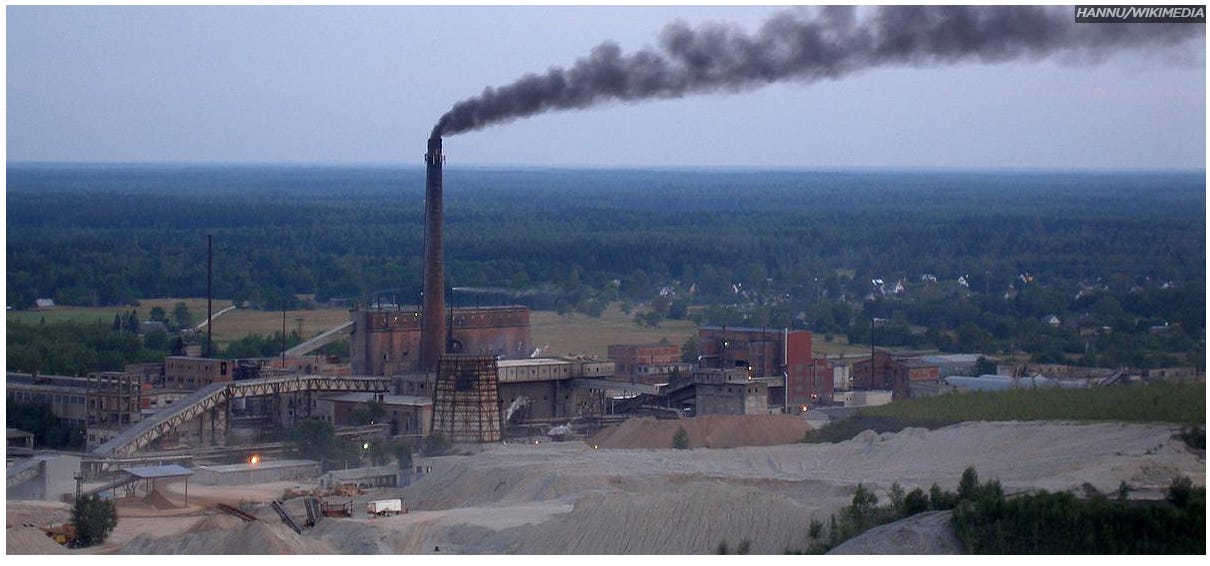
Oil shale is a mixture of sand, silt, salt, and an insoluble organic substance called kerogen. Rock-like at room temperature, oil shale produces vapors and gases when heated, which in turn are condensed and turned into oil.
Oil shale shouldn’t be confused with “shale oil,” also called “tight oil,” a more commonly produced type of unconventional oil that’s found trapped in limestone or sandstone rocks.
Because oil shale requires mining and energy-intensive refining processes, it’s a substantially dirtier energy source than conventional liquid oil. Estimates vary, but turning oil shale into gasoline or diesel may lead to three or more times as many heat-trapping gas emissions as conventional oil.
At present, oil shale is not a commercially viable product in most of the world, as the same processes that make it dirty also make it expensive. In the United States, the largest oil shale deposits occur in Colorado, Utah, and Wyoming, but remain relatively untouched.
Environmental impacts of oil shale
Oil shale can be extracted via surface, underground, or “in-situ” mining, in which kerogen is heated underground and pumped to the surface. All these techniques demand significantly more energy than what’s required for conventional liquid oil, producing more air and global warming pollution as a result.
Water pollution is another concern, as spills, leaks, and runoff from mining operations may interfere with groundwater supplies. And when extracted oil is shipped to refineries for processing, the trucks, trains, and pipelines that transport it introduce their own environmental impacts.
The solution: Half the Oil
Cutting US oil use is a better energy solution than increasing production of oil, especially when that production comes from extremely energy-intensive resources like oil shale. Cleaner fuels and fuel-efficient cars and trucks can reduce the amount of oil we use—and avoid unconventional oil’s worst impacts—all while benefitting drivers, the environment, and the economy.
Meanwhile, operators and the oil industry should be held accountable for the emissions associated with different types of oil production, avoiding or mitigating additional emissions and impacts as much as possible. What oil we do use doesn’t have to come from the dirtiest unconventional sources like oil shale, coal-to-liquid resources, or tar sands.
 Paul Haeder, Author