

“Every government is run by liars. Nothing they say should be believed.” I.F. Stone
Mar 13, 2026
Hunter — Now, mostly 345 million used car and AI addicted and mostly lobotomized dealers and grifters
Fucking Epstein and Zorro Ranch!1!
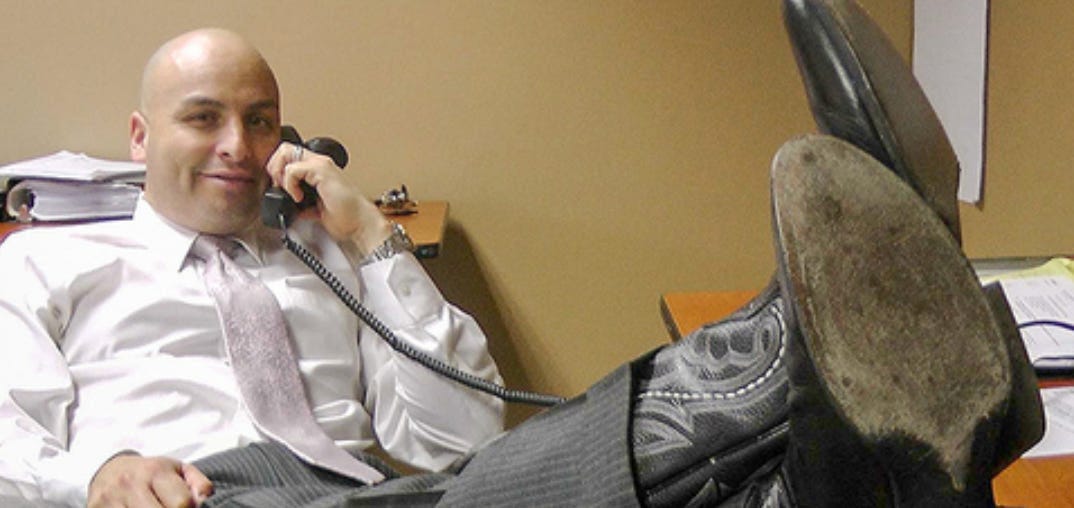
The boots, the fucking smirk, and the eyes, a face only a group of pedophiles could love?
In the piece I published earlier today (Alisa), I laid out what the somewhat-newly released Epstein files reveal about Zorro Ranch and how reports of serious crimes there went largely uninvestigated for decades. The documents also show something else that deserves much closer scrutiny: New Mexico halted its investigation in 2019 after federal prosecutors asked the state to stand down and transfer its materials.
That detail has circulated widely as if it explains the entire mystery. Former New Mexico Attorney General Hector Balderas, who complied with those requests from federal prosecutors, has spoken to reporters in the past couple of weeks to blame-shift the them his decision to halt investigations. Federal prosecutors were building a larger case, the thinking goes, so the state stepped aside.
But when you look at how American law actually works, that explanation doesn’t hold up very well. The federal government does not have the authority to order a state to stop investigating potential violations of state law. New Mexico’s investigation did not have to end simply because federal prosecutors asked it to.
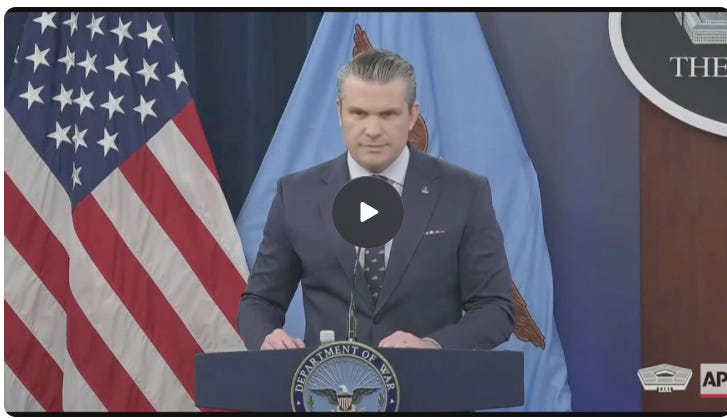
Pete Hegseth just confirmed what the Ellison takeover of CNN is actually for.Hegseth held a press briefing at the Pentagon on Friday morning, and he had some thoughts about CNN.
He was responding to a CNN report published Thursday that cited multiple sources saying the administration had misjudged Iran’s willingness to shut down the Strait of Hormuz. The New York Times had published similar reporting days earlier. Hegseth called CNN’s story “fake news” and “fundamentally unserious.”
And then: “The sooner David Ellison takes over that network, the better.”
He kept going. He complained about CNN’s chyrons (“Mideast War Intensifies”), then offered his own alternatives for what he called “an actual patriotic press.” His version of “War widening” was “Iran shrinking, going underground.” A former Fox News host, now running the Pentagon, told reporters he knew how headlines worked because “I used to be in that business.” The Defense Secretary was writing chyrons from the podium. Six American service members had been confirmed killed in a refueling aircraft crash in western Iraq that same morning.
CNN’s response was five words: “We stand by our reporting.”
I wrote about this administration’s contradictory war framing earlier this week, so none of the bluster surprises me anymore. But a sitting Defense Secretary, during an active war, publicly endorsing a specific corporate acquisition of a specific news outlet because it published a specific story he didn’t like? That’s worth stopping on. Because Hegseth didn’t just bash CNN. He told you what the Ellison deal is for.
Why do the cunts in the media even report on this, without jamming down the fucking White Man’s House Minyan curated press corps and any chance they can have speaking with Trump and Hegseth and Company calling them out on their shite?
Murdered civilians, carpet bombing, girls raped by a Tomahawk, and more?
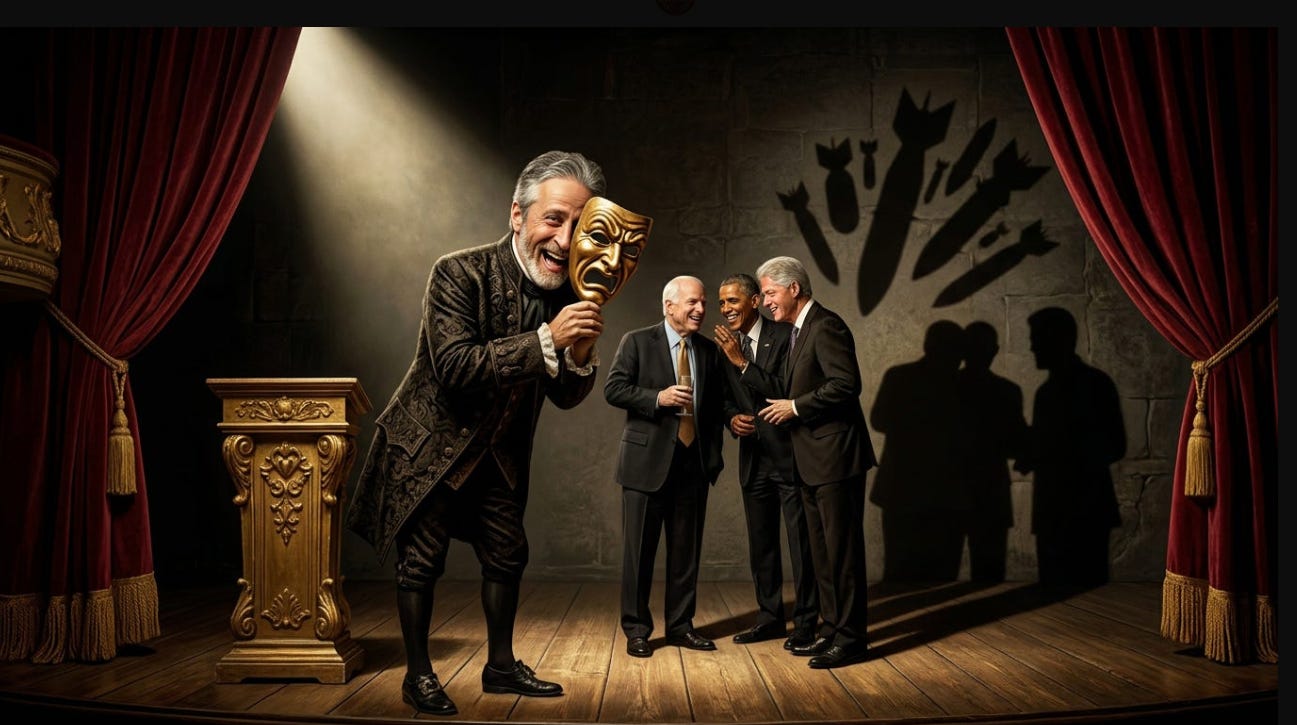
In recent days, President Donald Trump has repeatedly referred to his illegal war on Iran – in which American troops are dying – as an “excursion,” a term generally reserved for describing pleasant little family sojourns or brief, fun vacations.
This is, according to sources in and close to the administration, because the president is confusing the term “military incursion” with a “military excursion,” a phrase typically used only to ridicule foreign adventurism and warmongering. Some of these sources say that they or their colleagues have used the term “incursion” in front of Trump lately, but then the president just… did his own thing.
“We took a little excursion because we felt we had to, to get rid of some evil, and I think you’ll see it’s going to be a short-term excursion,” Trump said Tuesday, as he addressed Republican lawmakers at an event in Florida. Speaking at a business in Ohio on Wednesday, Trump said, “We did a little excursion, we had to take this couple weeks, few weeks of excursion.”
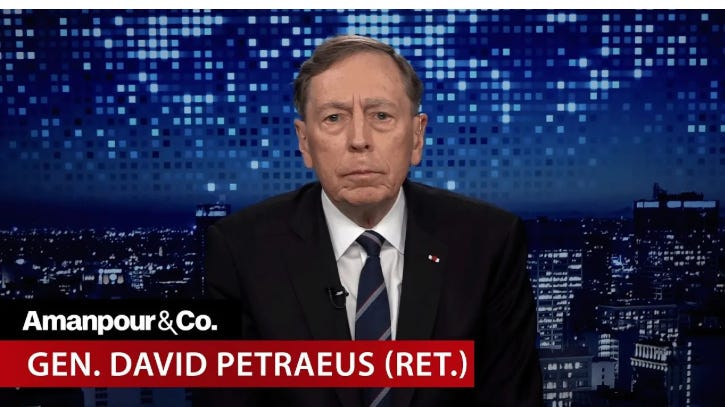
[Retired Army four-star General David Petraeus and former head of the CIA — whose greatest strategic victory was either marrying the daughter of a four-star general or avoiding jail time after leaking classified information to his mistress — has become one of cable news’s most sought-after Iran analysts.]
Note: I left my fucking precious cell phone in a friend’s car, and he told me, before I realized it was there, that he was going to an Episcopalian Church to do the stations of the cross. He’s a fun Latino who doesn’t speak much Spanish and just lost his husband of 40 years to cancer. And alas, I had no idea where this religious joint is, and alas, I did not have his phone number, so, alas, I went to one church I knew about, and there were two cars parked out front, and then I approached the porch area where they distribute food boxes. It was way past that time.
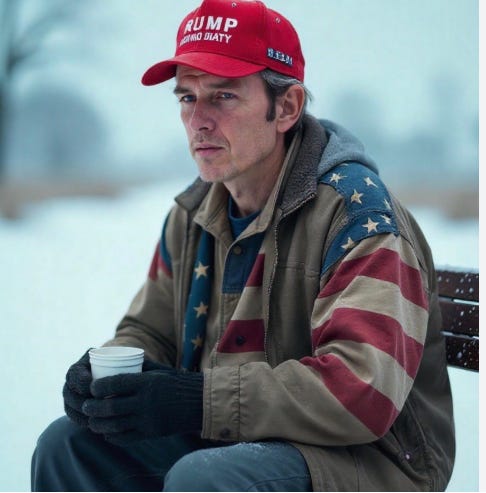

Old guy, bundled up, playing with his phone, so I asked him to look up the Newport Episcopal Church. He couldn’t spell the word, and he told me he had gotten hit by a car in Seaside, and that he was at the shelter in town, but that the kiddos there were too loud. He was bundled up, rain whipping around, and then, he handed me his fucking phone:
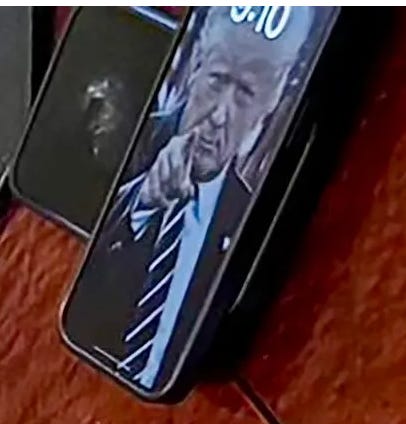
His phone screen with the word “Proud Republican” and then Semen Drip Trump’s face he was scrolling upon. This guy is using homeless shelters, probably got ER services and medical care for the accident, ambulance ride, all expenses paid because he’s indigent, and he has that cunt on his phone, and on an Obama phone, no less.
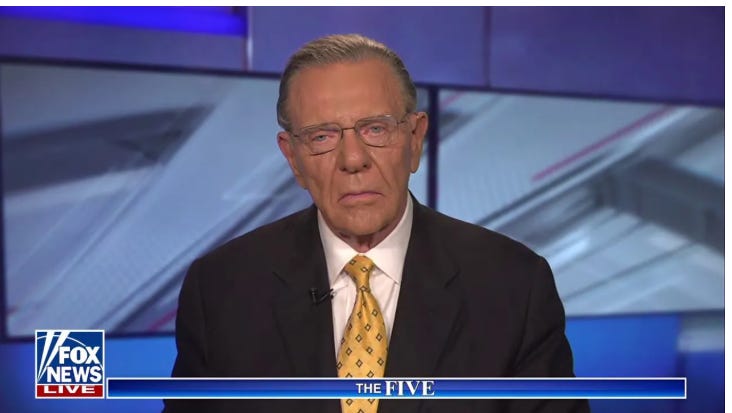
At 83, retired Army four-star General Jack Keane resembles a wax mannequin. His analysis does too.
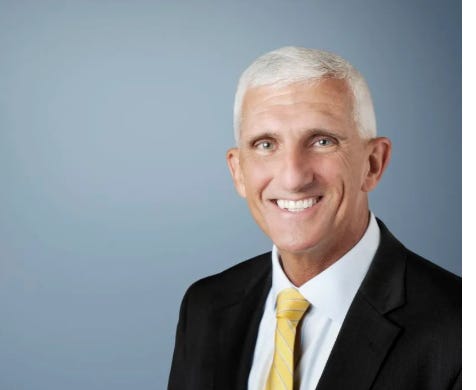
[Then there’s Mark Hertling, the retired Army three-star who resembles a more handsome Mike Pence, with a spray tan — exactly the kind of airbrushed, authoritative-looking screen presence television news loves. The imposing general (he says he’s 6’4”) holds forth in a sonorous tone with an air of complete command.
There’s just one problem: he has nothing to say.]
Pressed on what the actual U.S. objectives are, he had this to say on CNN:
“I can’t answer that question… what I’ve seen is multiple end states that keep switching back and forth… I don’t see where it’s going and that’s the part that concerns me.”
Ten years at CNN, a doctorate in leadership, a career culminating in commanding U.S. Army Europe — and when asked the most basic question about a war, his answer is: I don’t know.
And this fucking guy, Sack of Sachs Shit, again and again, the Jew Jew Jew show.
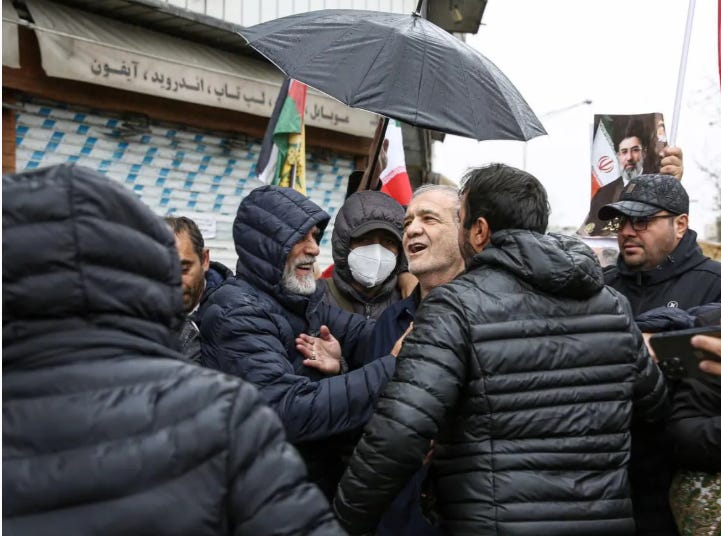
After Pete Hegseth Claims Iranian Leadership Was ‘Cowering’,Political Leaders Appear At Massive Rally
Al Jazeera reported , “Thousands of Iranians have taken to the streets of the capital Tehran for a mass protest in support of Palestinians, as the death toll from United States and Israeli attacks on the country continues to mount,” adding,:
Reporting from the demonstration in Tehran, Al Jazeera’s Tohid Asadi said Iranians hoped to both show their support for Palestinians and express “defiance and resilience” amid the US-Israeli attacks.
“They think that by killing us, we will be afraid, that by dropping bombs on our heads, we will be afraid. No, we stand by our country,” a female demonstrator told Al Jazeera.
Another protester said Iranians have shown in their confrontation with the US and Israel that “the wall of oppression can be broken”.
“Today, with their presence in different squares, the people showed that it is possible to overcome injustice and break the wall of oppression,” he told Al Jazeera.
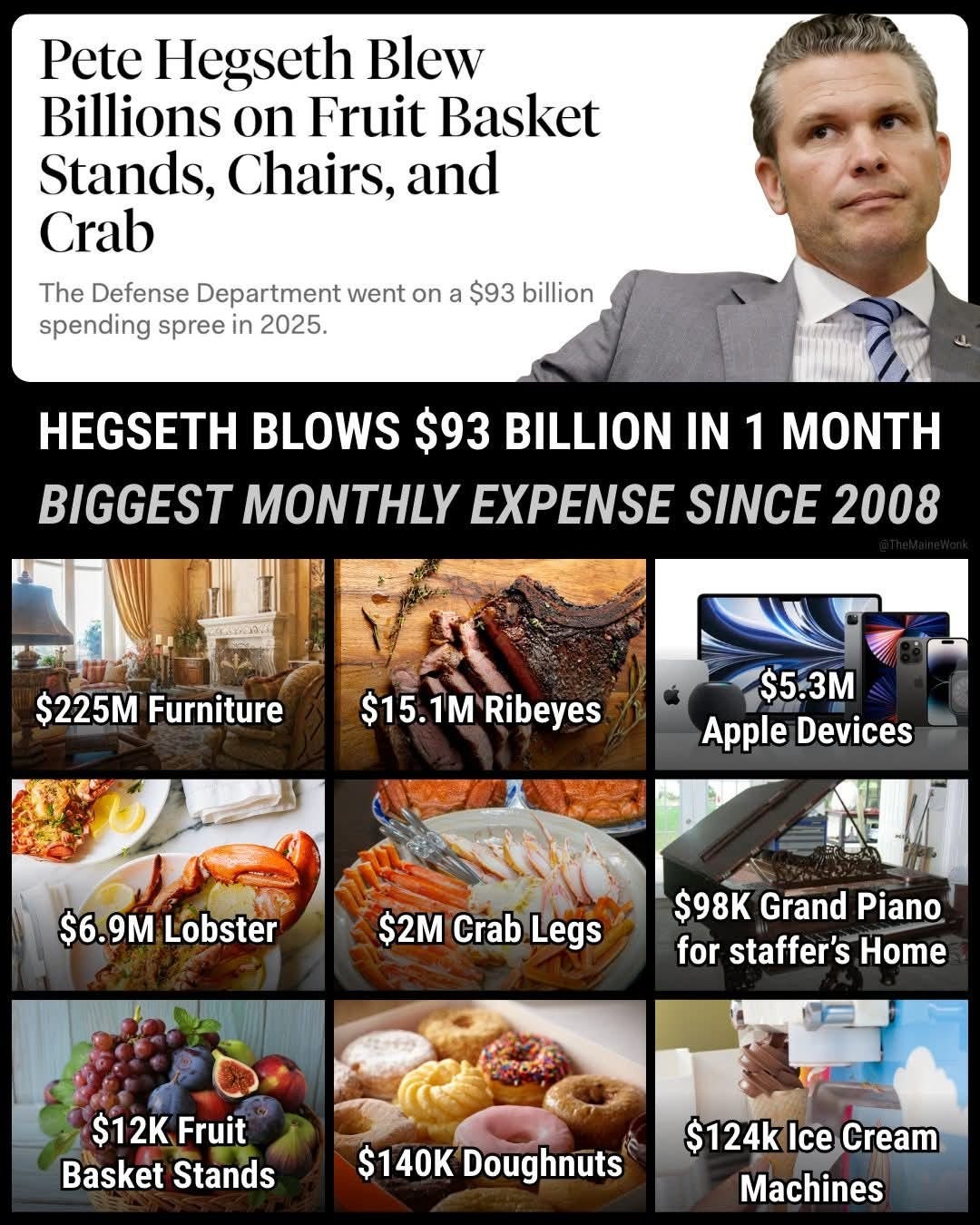
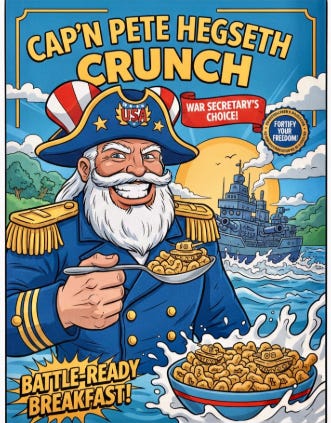
Iranian heroes versus . . . There you have the great American cook-off with the Department of War Crimes with Cap’n Crunch Hegseth….The Brief
- A government watchdog report reveals the Pentagon, under Defense Secretary Pete Hegseth, spent $6.9 million on lobster tails during a single month in late 2025.
- The expenditure was part of a record-breaking $93.4 billion “use-it-or-lose-it” spree in September that included ribeye steaks, king crab, and luxury furniture.
- Critics and lawmakers are slamming the optics of the spending, contrasting the “surf and turf” budget with the administration’s public push for federal efficiency.
Beyond the $6.9 million for lobster, the Pentagon spent:
- $15.1 million on ribeye steaks
- $2 million on Alaskan king crab
- Nearly $140,000 on doughnuts
- Over $124,000 on ice cream machines
High-end non-food items were also on the list, including:
- $98,329 Steinway & Sons grand piano for an Air Force residence
- $225 million in furniture, featuring individual chairs costing nearly $1,900
- $12,540 for fruit basket stands
- $5.3 million on Apple devices
Open the Books called the spending “completely unacceptable,” noting that the $93 billion total was the highest month-of-September spend since at least 2008.
RE: Trump SHOCKED As G7 Leaders Just PUBLICLY EXPOSE HIM
A Big, Beautiful Week of War: Trump’s Guide to Spiking Gas Prices and Hitting Schools Tee Ashby
Trump’s Big, Beautiful Week of War: A Scheduling Preview
In what can only be described as a social media teaser for Armageddon, President Trump has announced that the U.S. has penciled in some good old-fashioned bombing for sometime in the next seven days. Mark your calendars, Iran—the boss is planning to hit you “very hard” before brunch next Sunday.
The ‘Oops, Gas is Expensive’ Pivot
Of course, flexing on the Ayatollahs has a pesky side effect: it makes gas prices spike so hard your wallet starts hyperventilating. To fix this, Trump has graciously allowed the purchase of sanctioned Russian oil for the next 30 days. That’s right—we’re buying gas from the guy we’re supposedly sanctioning so we can afford to bomb the other guy. It’s fiscal responsibility, folks.
Navy Seals: Now Offering Convoy Services
Meanwhile, in the Strait of Hormuz—a waterway so narrow and important it makes the Suez Canal look like a garden hose—Iran keeps poking holes in oil tankers. Trump has promised to “guarantee the safety” of shipping vessels. Translation: if your oil tanker gets a flat tire out there, the U.S. Navy will come give you a jumpstart.
$4 Gas On Average is the New Normal
According to commodities gurus, Brent crude has jumped 40% since this whole thing started. Gas prices are now creeping toward that terrifying $4-per-gallon threshold nationwide average, which is the only number that actually makes voters care about foreign policy.
The Supreme Leader Is Having a Rough Week
Over at the Pentagon, Pentagon Pete dropped some juicy gossip: Iran’s new Supreme Leader is apparently “wounded, disfigured, and hiding.” While the Pentagon didn’t release photos (yet), sources say he currently looks like the final scene of *Scarface* and is probably not taking meetings.
Oops, We Hit a School (Again)
In a plot twist that surprises absolutely no one, the U.S. military is currently investigating itself for bombing an Iranian girls’ school. Early indications suggest that, yes, it was probably us. The investigation is expected to conclude that war is messy and that apologies will be issued if we run out of bombs, or not, depending on Trump’s morality or lack thereof …
+—+
Why do SNAP recipients vote for and back Trump?
- Belief in an “America First” agenda: Some low-income voters believe Trump’s policies will prioritize American citizens and improve their economic prospects, a core message of his campaign.
- Cultural and social identity: Shared cultural values, including religious beliefs, social issues (like abortion), or a sense of “perceived racial status,” can outweigh economic considerations for some voters. Research from the London School of Economics suggests a commitment to racial hierarchy or prejudice can blind some white voters to their own economic self-interest.
- Misunderstanding of policies: Some voters may not be aware of the specific details of Trump’s proposals or how they could impact social safety nets like SNAP. In some cases, Republicans have started pivoting to defending SNAP as key to helping the “vulnerable,” which may confuse the issue for some voters.
- Focus on private charity over government programs: Some Trump supporters believe that charity should be handled by the private sector rather than the government, aligning with a broader conservative ideology that favors limited government intervention in social issues.
- Skepticism of government efficiency/waste: Some voters are drawn to a platform of reducing government spending, believing that federal programs are inefficient or that their tax dollars are being misused (e.g., to support illegal immigrants), even if they personally rely on the benefits.
- Hope for personal economic improvement: Voters may hope to improve their economic situation to a point where they no longer need government assistance and thus vote for a candidate they believe will create jobs and lower costs.
- Geographic factors: Notably, 76% of counties that receive food stamps voted for President Trump, indicating a significant overlap between recipients and his voter base in specific geographic areas, often rural or in “red states”.
It’s the fucking Costco bill, the Amazon order, what’s still available at Walmart, and, gasoline, how much is that shit now? Do not believe this paragraph below! Support for him is high, high, high. Where’s VD Vance? Hmm, waiting in the wings?
“MAGA Republican” is a very specific designation. How many among the original MAGA base, at this stage within the turbulent Trump 2.0, would still relate to a label like this? And why do these analyses only discuss public opinion on the Iran strikes, while not focusing on how the masses will react to the repercussions from the Iran war? When Americans have been faced with the reality of how much the war will impact gas and food prices, support for the war drops, including among Trump voters.
If you don’t want most of the cunt AmeriKKKan white males in the Trump Brigade, as well as members of the uniformed and ununiformed mercenary corps, to be fried to a crisp, then go sign up and be all that you will never fucking be!
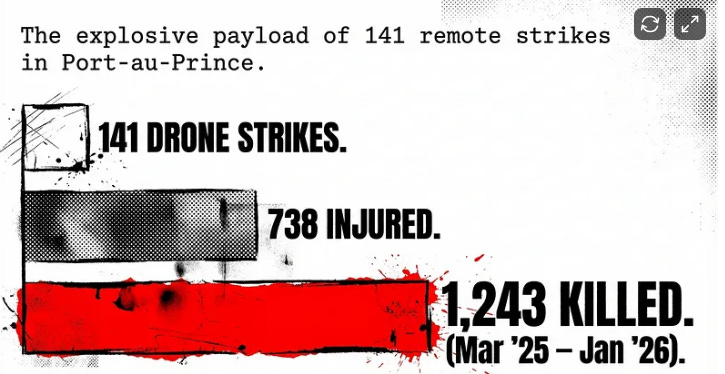
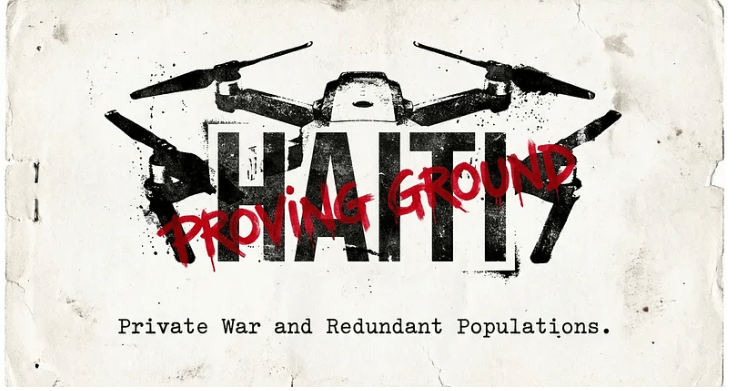
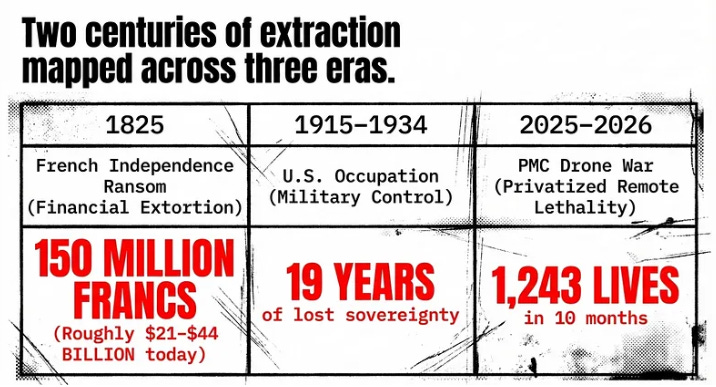
On September 20, 2025, in the Simon Pelé neighborhood of Port-au-Prince, children gathered at a sports complex. A local gang leader was handing out gifts — food, toys.
Then a quadcopter drone armed with an explosive device detonated overhead. Nine of the ten people killed were children aged three to twelve. One resident told investigators the blast “ripped both feet off a baby.”
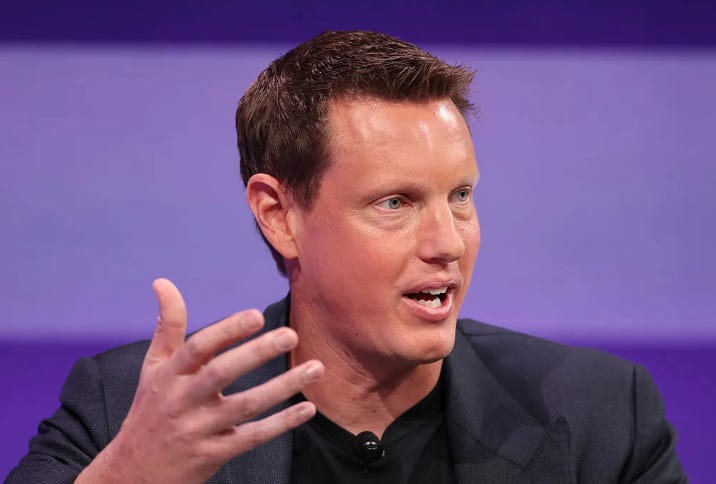
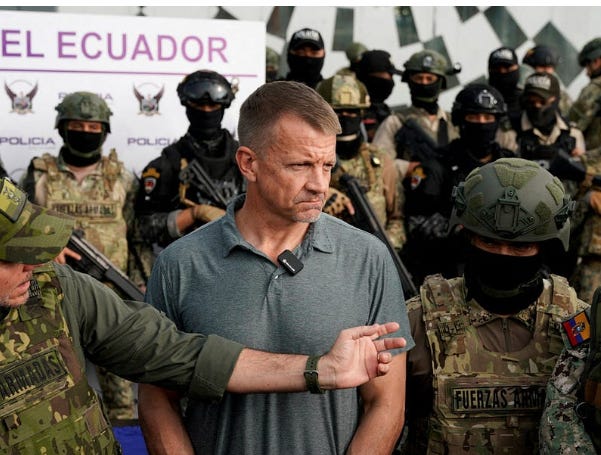
The drone belonged to Erik Prince.
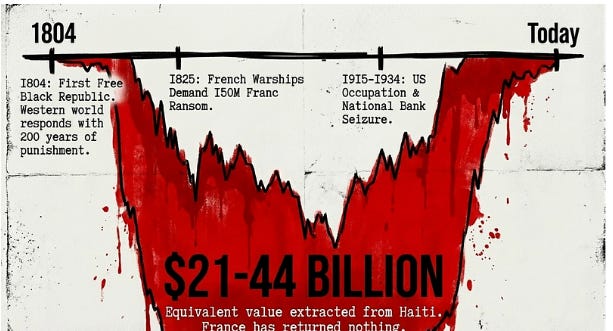
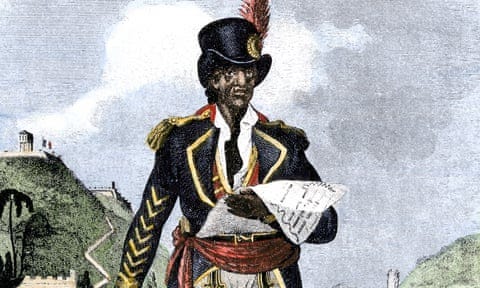
In January 1804, the West Indian island of Saint-Domingue became the world’s first black republic. The Africans toiling on the sugar-rich plantations overthrew their French masters and declared independence. The name Saint-Domingue was replaced by the aboriginal Taíno Indian word Haiti (meaning “mountainous land”), and the Haitian flag was created when the white band was ceremonially ripped from the French tricolour. Two hundred years on, Haiti is the only successful slave revolution in history. It was led by Toussaint Louverture, a Haitian former slave and emblem of slavery’s hoped-for abolition throughout the Americas.
This superb new history of Louverture and his legacy portrays Saint-Domingue as the most profitable slave colony the world had ever known. The glittering prosperity of Nantes and Bordeaux, Marseilles and Dieppe, derived from commerce with the Caribbean island in coffee, indigo, cocoa, and cotton; Saint- Domingue’s sugar plantations alone produced more cane than all the British West Indian islands together.
Whipped, chained, and branded with the French fleur-de-lis, the slaves took up arms under Louverture – in the words of Napoleon Bonaparte, a “gilded African”–and burned down plantation homes. The prospect of a free black state founded on the expulsion of its white community horrified the western world – this was half a century before the Civil War liberated the enslaved peoples of the United States.
Sudhir Hazareesingh, a Mauritian-born historian, conducted much of his research in the French archives, where so many revolutionary-era documents are preserved. He has scrutinised letters from Louverture to a vast number of French officials and revolutionary republican organisations. Black Spartacus is not a dry academic work, though; with rare narrative verve, Hazareesingh conjures his subject’s extraordinary life.
Born in the north of Saint-Domingue in 1743 as the grandson of a captured African chieftain, Louverture was taught to read and write by French Jesuit missionaries and from an early age was familiar with the polemics of French abolitionist the Abbé Raynal. Like the majority of Haitians today, Louverture was most likely an adept of vodou (or voodoo, in the old, discredited orthography). Vodou, a New World religion that married elements of Catholicism with African animism-mysticism, disconcerted and sometimes frightened the French.
Most historians agree that Saint-Domingue first rose up under a Jamaican vodou priest named Dutty “Zamba” Boukman. One August night in 1791, Boukman called on the spirits of ancestral Africa to avenge the French. Reportedly, Louverture was present at the ceremony, and within six weeks, the island’s rebel armies had begun the 12-year Louverturian struggle for freedom. What made the struggle possible?
Politically adroit, Louverture set the enemies of the French Republic against each other and spread rumour among them
The French Revolution of 1789-91 proclaimed equality among all men: slavery was an intolerable injury to human nature. Unsurprisingly, the planters of Saint-Domingue refused to relinquish their privileges. Politically adroit, Louverture set the enemies of the new French Republic against each other and spread misinformation and rumour among them. To his allies, he became the “Black Spartacus”, after the slave-gladiator who defied imperial Rome.
In concisely written pages, Hazareesingh rescues Louverture from the ideological and political aggrandisements that so often misrepresented him in the past. In 1936, in Harlem, Orson Welles staged an Afro-Caribbean Macbeth extravaganza in which Macduff was portrayed as an implausibly princely Louverture. Much later, in the 1970s, the Latino rock band Santana dedicated a frantic electric guitar workout to Louverture. Such tributes pale beside the work of the Marxist Trinidadian historian CLR James, whose pioneering 1938 account of the Haitian revolution, The Black Jacobins, elevated Louverture to near-saintly status but ignored his monarchist leanings and occasional dictatorial tendencies. Hazareesingh, by contrast, is careful to return Louverture to the primary sources.
In May 1801, having acted as Napoleon’s faithful envoy for 10 years, Louverture declared himself governor for life of Saint-Domingue and called for the execution of all known or merely suspected “enemies”. Napoleon promptly abandoned his support of Louverture and organised an expedition to destroy the “new Algiers in the Caribbean”. Louverture ought to be clapped in irons or perhaps exhibited in a cage in Paris at the newly opened Jardin des Plantes, Napoleon reckoned.
Abducted by Napoleon, Louverture was imprisoned for five months in a dungeon-fortress in the Jura mountains of France. News of his imprisonment reached William Wordsworth in Calais in the summer of 1802; moved by the fate of the “most unhappy” revolutionary who had placed his trust in the French Republic, Wordsworth addressed a famous sonnet to Louverture.
From his snow-bound captivity, Louverture pleaded with Napoleon for his release, but he was found dead in his cell on 7 April 1803: “the Black Napoleon”, observed a caustic Chateaubriand, “imitated and killed by the White Napoleon”. Louverture did not live to see the proclamation of the Haitian Republic the following year. He was 60. The man Hazareesingh calls the “first black superhero of the modern age” had, apparently, died of pneumonia.
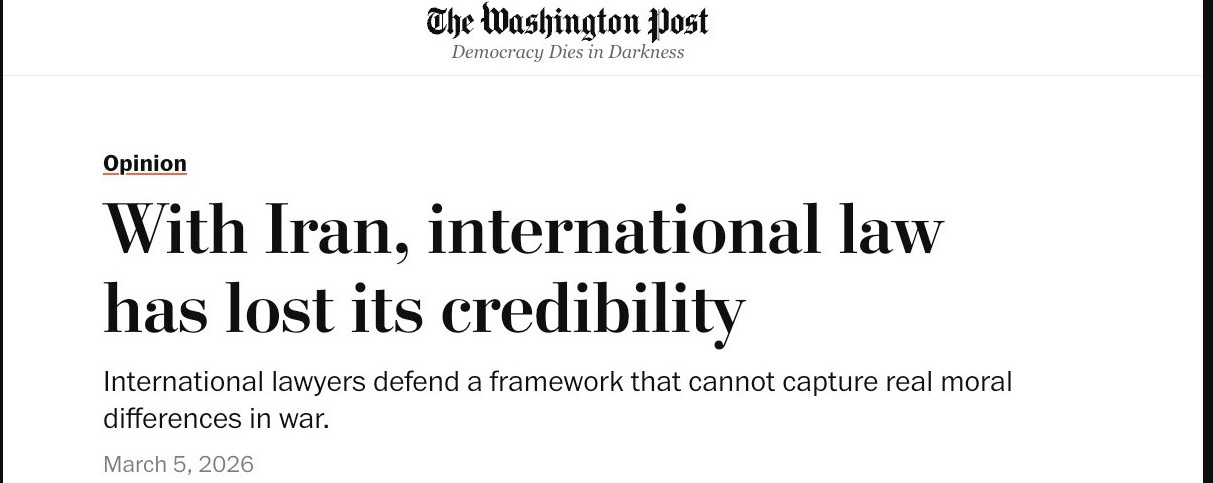
Julian Ku is a professor of constitutional law at Hofstra University.

When Yale law professor Oona Hathaway calls U.S. strikes on Iran “blatantly illegal,” she speaks for a large segment of the international legal academy. For many scholars, the analysis is straightforward: The U.N. Charter prohibits the use of force except in self-defense against an armed attack or with Security Council authorization. Neither condition, they argue, is satisfied. Case closed.
There are plausible counterarguments.
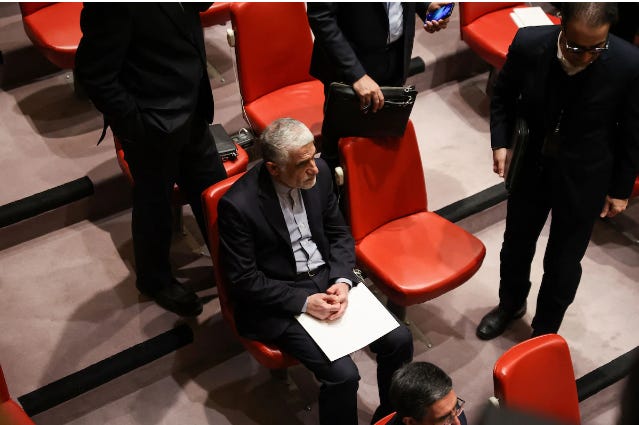
Source: As Grasp on Power and Narrative Slips, West Re-Imagines Old Norms
The piece attempts to describe a new conception of moral equivalency for the post-GWOT age wherein international law is dismissed as an inflexibly rigid and obsolete antique. In its place, the ‘expert’ argues, should be built a system which adjusts for nuanced interpretations of more abstracted concepts like ‘self defense’. He absurdly argues that the US’s unilateral acts of aggression of the past several decades would not violate any ‘international law’ under the new framework, because they are justified for a variety of hair-splitting reasons. Russia’s “aggression” against Ukraine, naturally, falls under the previously understood framework as an illegal and criminal act of international law.
The article is chiefly an apologia for Trump’s criminal attacks against Iran. The author argues that many ‘counter-arguments’ can be made for why the US is justified in these attacks despite “international law”—or more specifically, UN Article 51—stating that only attacks in self-defense are deemed legitimate. Iran’s “militias” have been attacking US forces, the author concludes, which should be construed as US exercising self-defense.
International law governing the use of force has ossified into a formal binary. A strike is either lawful or unlawful.
Well, generally legal code is designed to be clear-cut for a reason: precisely so that duplicitous individuals like the author here do not have the power to corrupt the law with their “creative” re-interpretations.
But Ku goes on:
There is little space in the doctrine to distinguish among profoundly different uses of force. Under a strict reading, Russia’s full-scale invasion of Ukraine and a limited U.S. strike aimed at deterring Syria’s use of chemical weapons are both illegal. NATO’s intervention in Kosovo — undertaken to halt ethnic cleansing — is likewise condemned as a Charter violation. Meanwhile, the Charter has strikingly little to say about catastrophic internal wars in Sudan or Myanmar. And its application to a potential Chinese invasion of Taiwan would turn on technical questions of recognition and statehood that might even favor China’s aggression.
Note his conveniently arbitrary recharacterizations of events: NATO’s barbaric attacks against Serbia’s civilian population are styled “intervention”; China’s hypothetical retaking of Taiwan is “invasion”. Russia’s actions in Ukraine bear the regime media style-guide issued stenographic qualifier of “full-scale” invasion, while the US’s actions in Syria are “limited”. Convenient cherry-picking leaves out the “limited” Iraq, Afghanistan, or Libya operations, for some reason.
The problem is not that governments ignore international law. It is that international lawyers have too often retreated into a rigid formalism that refuses to grapple with moral and strategic differences everyone else can see.
But our moral authority here believes that he alone bears peremptory judgment on these matters. In such a deluded propagandist’s mind, Israel’s horrific post-October 7 genocide of Gaza would be classified as an act of “defense” because it was responding to Hamas’s laughably tiny operation. But Hamas’s operation itself—surprise, surprise—would not fall under “self-defense” despite years of unjustified Israeli aggression against Palestine. These are the types of heinously arbitrary moral equivalence games imperial stooges like the author play to manufacture the consensus necessary for the Empire’s continued barbarism around the globe.
The problem with such “stretching” of definitions is that it allows you to effectively sell any justification at all. The US’s illegal kidnapping of a sovereign nation’s legally elected sitting president in Venezuela? Justified under “self-defense” because some made-up drug cartel can be used to argue that Venezuela was indirectly “attacking” the US. In that way, any nation on earth can easily manufacture its own ad hoc justifications for war against neighbors. Maybe Ukraine and Taiwan were likewise smuggling drugs into Russia and China, etc.
Ku digs the hole deeper:
A more honest approach would acknowledge that the jus ad bellum — conditions under which states may resort to war — already rests on moral judgments. We distinguish instinctively between Russia’s attempt to erase Ukrainian sovereignty and other, more limited uses of force such as last summer’s U.S. attack on Iran’s nuclear facilities. We distinguish between humanitarian interventions and wars of conquest, between defensive necessity and strategic opportunism. The law should be capable of articulating those differences rather than pretending they do not matter.
So, Russia’s invasion of Ukraine was to “erase Ukrainian sovereignty”, but Israel’s invasion of Gaza—which openly revolves around erasing the Palestinian people’s culture, nationality, existence, etc., and outright ethnically cleansing them into a different land—would be totally justified under the author’s dishonest remaking of international law.
That’s not even to mention that Russia’s invasion of Ukraine was officially done for the very same reasons as the US’s attack on Iran’s nuclear facilities, the author mentions: both were to neutralize an imminent threat. Except in Russia’s case, that threat was immediate and directly to the homeland, which actually borders the nation from which the threat is emanating. The US lies on the other side of the globe from Iran, and Iran verifiably does not possess weapons that can reach the US homeland. The author gets his equivalency completely backwards: it’s clear that Russia possesses the far more definitive case of jus ad bellum than the US, which is actually acting under the aegis of a different foreign power—in this case, Israel.
His article closes with a lament that the US and Israel’s illegal and unprovoked attacks against Iran “fall on the wrong side” of international law’s interpretative spectrum. Ku pleads for the system to be reworked such that it becomes easier to arbitrarily bend interpretations and redefine long-established norms so that the US and Israel’s criminality can continue getting rubber-stamped, while the lawful actions of their enemies are blanketly condemned as “illegal”:
The U.S.-Israeli strike on Iran arguably falls on the wrong side of the Charter’s traditional interpretation. But if that conclusion leaves the law unable to differentiate meaningfully between the Ukraine and Iran conflicts, the problem runs deeper than any single episode.
International law’s authority ultimately depends on its ability to align legal judgment with widely shared moral intuitions about war and peace. If it cannot do that — if it insists on treating profoundly different conflicts as doctrinally interchangeable — it will not meaningfully constrain powerful states. Nor will it command the moral clarity needed to condemn genuine aggression when it occurs.
This kind of thinking has become emblematic of the recent trend in the West to increasingly bastardize the ‘rule of law’ or reinterpret key civil understandings of norms to favor the imperial expression.
The EU, for instance, is allegedly floating a new initiative to establish a “multi-tier” system for EU membership, which would administratively erode the so-called “democratic” nature of the bloc by allowing different countries to operate at different membership levels:

 Paul Haeder, Author