

she’s in/with good company but she wimped out years ago, apologizing to the fucking Vietnam War soldiers — those cocksuckers, those killers, those fucking psychos!
Mar 02, 2026
So, yep, TMI — At my three times a week cardio rehab, I get into it with regular people, you know, MAGA and others. Today, an old man in a wheelchair and his portly son wanted to throw down on me, at the hospital, outside the waiting room of Cardio Rehab, with 12 people (cardio patients, you know, triple bypass and the like) listening.
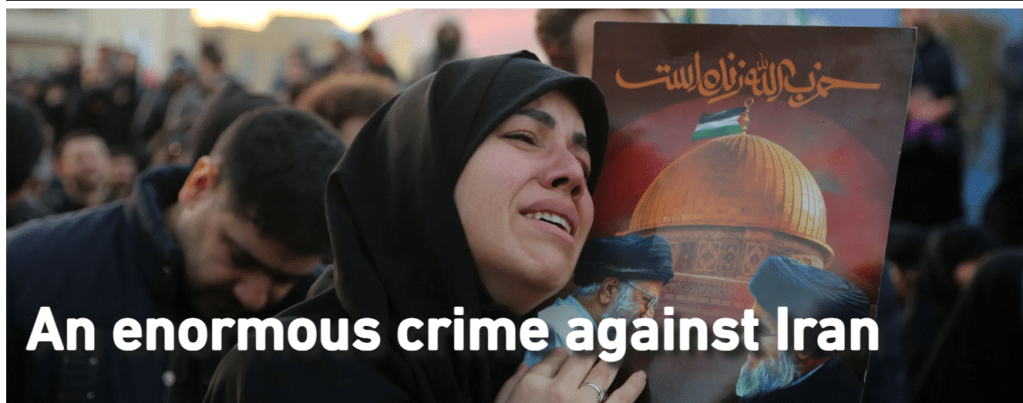
I heard Trump on their dumb phone, and then the fucking old cunt said, “He’s right. President Trump’s right. We have to take out the entire IRGC.”
I’m not expecting fucking Quasimodo brains to get smart, to be me, to go left of left, but I had to speak up:
“You want to take on the people of Iran? Murder people? Then get your fucking ass over there and see how you do. You fucking lover of this cunt Trump mass murderer.”
Of course, the wheelchair guy came at me, and the portly guy tried to block the hallway with his Dick Butkus stance.
“You fucking want to fight here at the hospital, you fat fuck.”
Then the fucking old man came at me in the wheelchair. “Listen up, punk, you don’t use that language around me.”
And so it goes . . . .
“Are you a fucking idiot? You want me to say things the nice way while you advocate murdering civilians and others? Kiss my ass, you cunt.”
“Well, you punk, I can say we need to go in there and take them all out.”
Yep, here we are, a place where Max and Aaron and Katie and John and Larry and The Judge and Ray and the list is long on Substack Patreon, YouTube, WHO NEVER go there from the safety of their computer screen and Poscast microphone. America is for this WAR, both sides of the dirty manure aisle.
“Fucking free speech, you fucking idiots, and that’s what it is calling you fucks fucking murdering cunts. You want Iranians dead, and boy, do I want Trump and Company and MAGA maggots like you dead. Dead.”
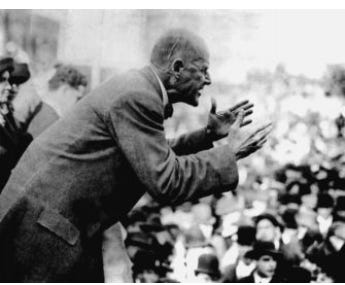
In the Middle Ages, when the feudal lords… concluded to enlarge their domains, to increase their power, their prestige, and their wealth, they declared war upon one another. But they themselves did not go to war any more than the modern feudal lords, the barons of Wall Street, go to war. — Eugene V. Debs in Canton, Ohio on June 16, 1918.
Eugene Debs made his famous anti-war speech protesting World War I, which was raging in Europe.
The working class has never yet had a voice in declaring war. If war is right, let it be declared by the people – you, who have your lives to lose.
For this speech, he was arrested and convicted in federal court in Cleveland, Ohio under the war-time espionage law.
Read more in Free Speech on Trial: Eugene Debs at Canton, Ohio by Glenn V. Longacre at the National Archives.
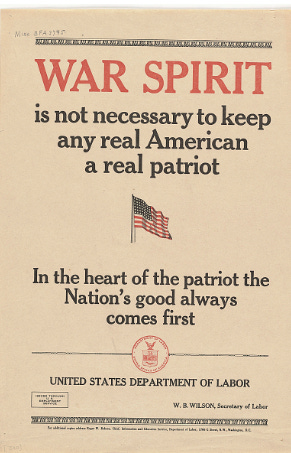
Americans have consistently opposed anti-war movements throughout history, often driven by intense patriotism, fear of communism, or support for foreign policy, particularly during the World Wars and Vietnam. Counter-protests, government surveillance, and public hostility often target activists, aiming to uphold military efforts and punish dissenters seen as unpatriotic.
EVERY FUCKING WAR this Cunt-TREE has ginned up or proxied or launched, I have fought against.
There is a moral majority and a silent majority at every turn of the four-year cycle of voting for the head War Criminals in the White Man’s House:
- World War I (1917–1918): Following entry into the war, the government and public intensely repressed anti-war sentiment. The Espionage and Sedition Acts were used to arrest socialists and labor activists who argued the war was for economic gain, marking a significant suppression of dissent.
- World War II (1930s-1940s): While the America First Committee initially championed isolationism, the attack on Pearl Harbor created a strong national consensus, making open opposition to the war rare and socially marginalized.
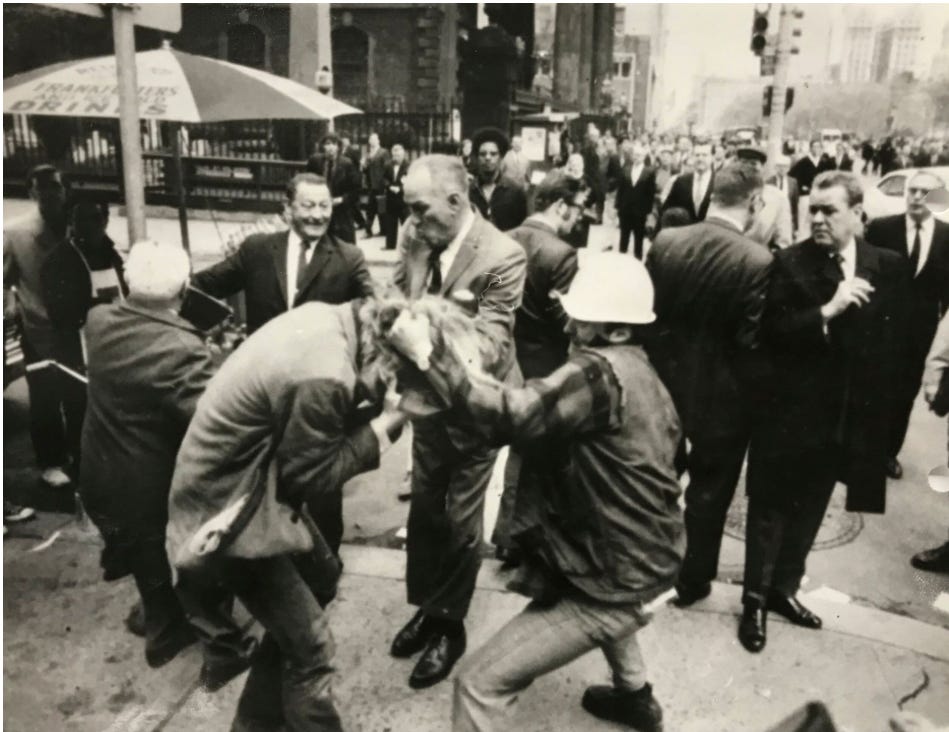
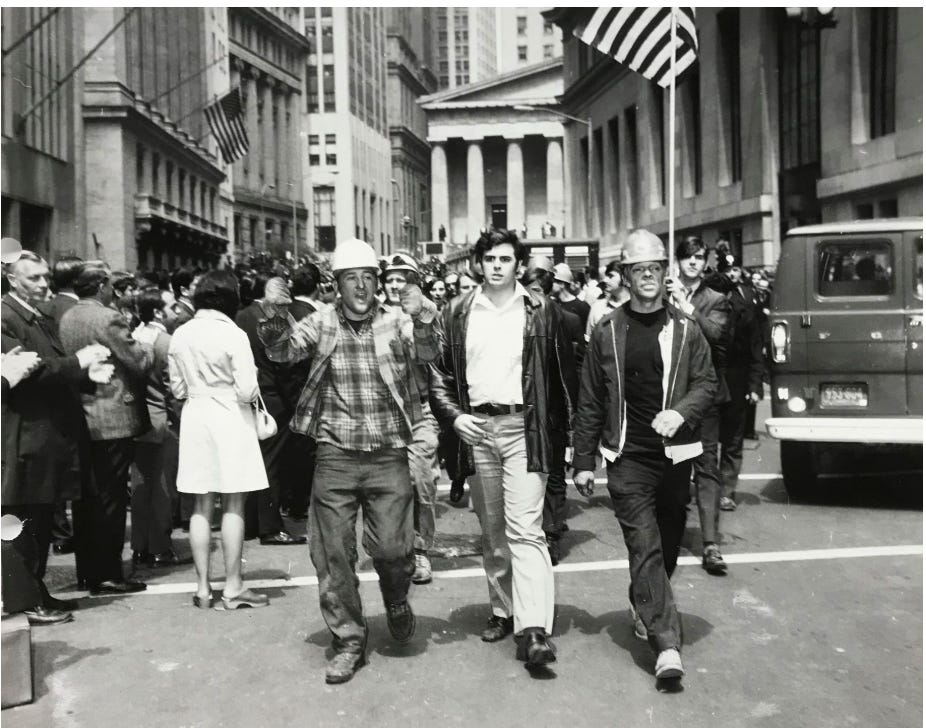
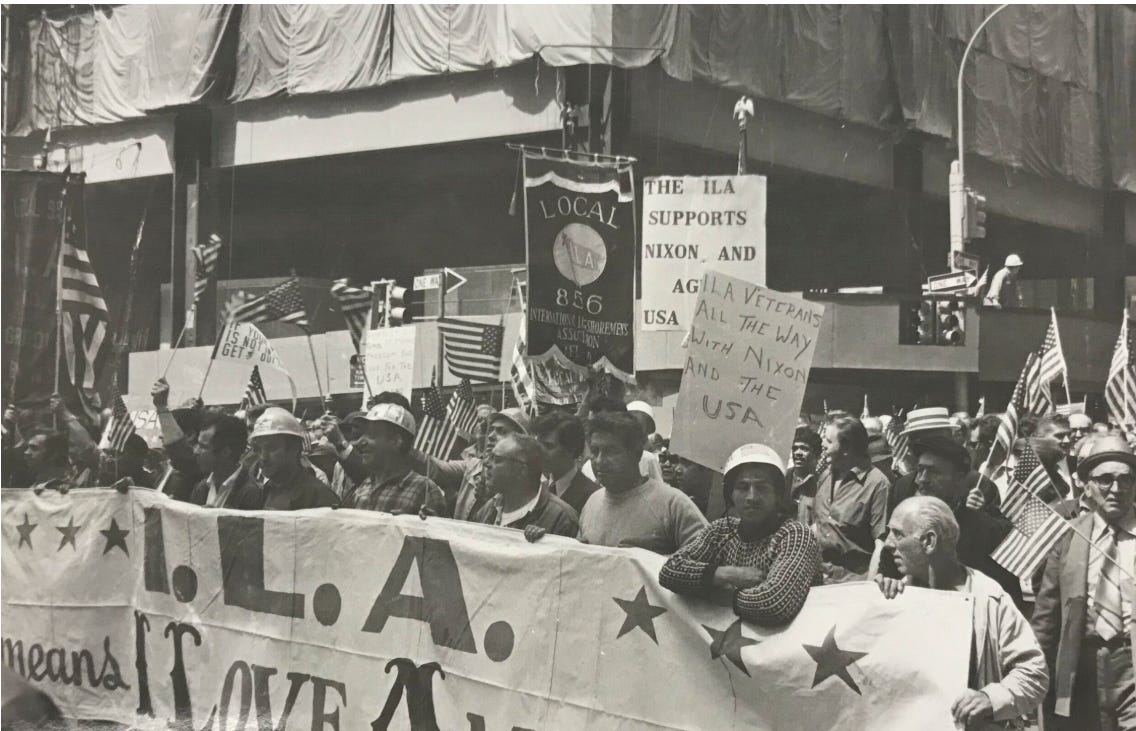
- Vietnam War (1960s-1970s): This era saw the most intense conflict between citizens. Pro-war groups, including some labor unions and conservative citizens, often clashed with demonstrators. The House Un-American Activities Committee (HUAC) investigated anti-war activists in 1966.
- Modern Conflicts (Post-9/11): Following the 2003 Iraq invasion, while anti-war sentiment was high, supporters of the war often characterized protesters as harming troop morale.
- The “Silent Majority”: In 1969, PresidentRichard Nixonpopularized the term “silent majority” to describe Americans who did not participate in anti-war demonstrations or counterculture. He framed these “forgotten Americans” as the patriotic core of the country to delegitimize the “vocal minority” of protesters.
- Young Americans for Freedom (YAF): This conservative student organization actively advocated for the Vietnam War on campuses. They viewed themselves as a “besieged minority” and used inflammatory satire and physical confrontation to respond to the radicalism of the anti-war New Left.
- Citizens Committee for Peace with Freedom in Vietnam: Established in 1967, this group argued that premature U.S. withdrawal would have disastrous global consequences, claiming to represent a “silent center” of Americans.
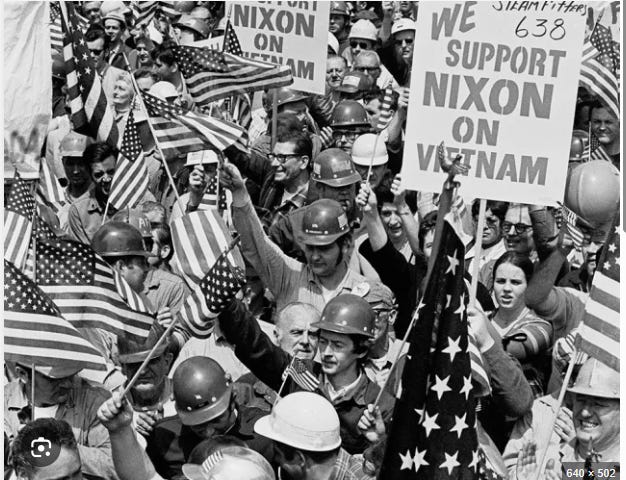
The Hard Hat Riot is a pivotal example of this divide. Construction workers, many of whom were building the World Trade Center at the time, viewed student protesters as privileged “draft dodgers” who disparaged the country while the sons of the working class were doing the fighting. During the riot, workers used tools and hard hats as weapons, while police were criticized for doing little to stop the violence.
US Invasions Since The End of World War II
This topic of US Invasions spans hundreds of actions since 1945, and casualty figures often vary widely by source and methodology (combatants vs. civilians, direct vs. indirect deaths, time windows, and attribution). Below is a concise, good‑faith overview of major U.S. interventions and regime‑change operations post‑WWII, with dates and commonly cited casualty ranges. It’s not exhaustive. The U.S. has carried out nearly 400 foreign interventions between 1776 and 2023, with half since 1950 and over 25% after the Cold War.
Major wars and large-scale interventions
- Korean War (Korea, 1950–1953): Civil war escalated into U.S.-led UN intervention against North Korea and China; armistice in 1953. The estimated total deaths often cited in the 2–3 million range (civilian and military, both sides).
Sources note the scale of U.S. interventions post‑1950 - Vietnam War (Vietnam, 1955–1975; major U.S. combat 1965–1973): U.S. bombing and ground war supporting South Vietnam against North Vietnam/Viet Cong; Saigon fell in 1975. Widely cited total war deaths 2–3+ million across Vietnam, Laos, Cambodia (see bombing below).
U.S. post‑1945 intervention context - Laos and Cambodia bombing (Laos, 1964–1973; Cambodia, 1969–1973): Extensive aerial campaigns (e.g., Operation Barrel Roll, Menu) tied to the Vietnam War; deaths include direct bombing casualties and unexploded ordnance aftermath. Often cited in the hundreds of thousands when combined with war‑related deaths.
- Dominican Republic intervention (1965): U.S. troops intervened during the civil conflict; hundreds to thousands were killed in the broader crisis.
- Lebanon (1958; 1982–1984): 1958 landing to stabilize government; 1983 Beirut barracks bombing killed 241 U.S. servicemembers; overall civilian/militia casualties varied across the conflict.
- Grenada invasion (1983): Short operation to depose a military council; around 100–200 deaths overall.
- Panama invasion (1989): Removal of Manuel Noriega; casualty estimates range from several hundred to a few thousand, with substantial debate.
- Gulf War (Iraq/Kuwait, 1990–1991): U.S.-led coalition expelled Iraqi forces from Kuwait; tens of thousands of Iraqi military casualties; civilian deaths include wartime and sanctions-era impacts.
- Somalia intervention (1992–1993): Humanitarian mission turned into combat; several thousand Somalis died in associated fighting; 18 U.S. fatalities in the Battle of Mogadishu.
- Bosnia (1995) and Kosovo (1999): NATO (including U.S.) air campaigns; casualties largely from broader wars, with airstrike deaths in the thousands in Kosovo; Bosnia war overall ~100,000 deaths before Dayton.
- Afghanistan war (2001–2021): Overthrow of Taliban, prolonged insurgency; total deaths (all sides) in the hundreds of thousands, including civilians.
- Iraq invasion and occupation (2003–2011; operations continued afterward): Regime change against Saddam Hussein; total deaths widely estimated in the hundreds of thousands, including civilians and combatants.
Casualty framing by operation scale appears in public rankings. - Libya intervention (2011): NATO air war aiding anti-Gaddafi forces; thousands of combat and civilian deaths in the war period; subsequent instability caused additional fatalities.
- Syria (from 2014): U.S.-led coalition airstrikes against ISIS and limited support to opposition forces; casualties from the broader civil war exceed hundreds of thousands; coalition strikes caused thousands of civilian deaths over the years.
- Yemen (from 2015): U.S. support to Saudi-led coalition (arms, refueling early on, intelligence) and direct strikes against AQAP/ISIS; war-related deaths (direct and indirect) in the hundreds of thousands; airstrike civilian casualties in the tens of thousands.
Sources indicate the U.S. has undertaken numerous post‑Cold War interventions and large operations; casualty rankings by operation are commonly compiled, though methods differ.
Regime-change operations and covert interventions
- Iran, 1953 (Operation Ajax): Overthrow of PM Mohammad Mossadegh; casualties during coup estimated in the hundreds; long‑term political repression followed.
- Guatemala, 1954: CIA-backed coup ousted President Jacobo Árbenz; immediate deaths in the coup were limited relative to the subsequent decades of conflict, which resulted in over 100,000 deaths.
- Congo (DRC), 1960–1961: Covert involvement following independence; Patrice Lumumba’s removal and assassination amid broader UN and regional conflict; casualty counts reflect wider war.
- Brazil, 1964: Support for the military coup against President João Goulart; deaths relate to the ensuing dictatorship’s repression over the years.
- Dominican Republic, 1965: Intervention affected leadership outcome; casualties discussed above.
- Indonesia, 1965–1966: Support for anti‑communist forces; mass killings claimed hundreds of thousands to over a million; U.S. role remains debated.
- Chile, 1973: Support for coup against President Salvador Allende; hundreds killed in the coup; thousands tortured/killed during the Pinochet era.
- Argentina, 1976 (Operation Condor context): Coordination among dictatorships; widespread repression and deaths; U.S. knowledge/support debated.
- Nicaragua, 1980s (Contras): Support for insurgency against Sandinistas; tens of thousands killed across the conflict.
- El Salvador, 1980–1992: Support to government during civil war; ~75,000 deaths.
- Honduras, 1980s: Base/support state for regional operations; casualties tied to broader conflicts.
- Afghanistan, 1979–1989: Support to mujahideen post‑Soviet invasion; casualties in the war measured in the hundreds of thousands.
- Haiti, 1994; 2004: 1994 intervention restored elected president; 2004 international involvement after Aristide’s ouster; casualties centered on civil conflict episodes.
- Ukraine, various (since 2014): Support to government after annexation of Crimea and war in Donbas; casualties are primarily from the Russo‑Ukrainian conflict, not a U.S. regime change.
Broad catalogs document the scale and frequency of U.S. interventions, including covert and regime‑change operations, especially in Latin America during the Cold War
Selected bombing campaigns
- Korea (1950–1953): Heavy air campaigns across North Korea; vast destruction; civilian deaths were significant.
- Vietnam/Laos/Cambodia (1964–1973): Intensive bombing (Rolling Thunder, Linebacker; Barrel Roll; Menu). Civilian casualties from bombing and unexploded ordnance are substantial, adding to war totals.
- Iraq (1991; 1998; 2003 onward): Air campaigns during the Gulf War, Desert Fox, and invasion/insurgency periods; thousands of civilian casualties across phases.
- Yugoslavia (1999): NATO air war over Kosovo; civilian deaths from airstrikes in the hundreds to low thousands, amid larger conflict deaths.
- Libya (2011): NATO air campaign; airstrike casualties in the hundreds to low thousands; broader war deaths higher.
- Syria and Iraq (2014–present): Coalition airstrikes against ISIS; thousands of reported civilian deaths across both theaters.
Public sources compile “major operations since 1945” by casualty scale, covering many of these campaigns
Why casualty figures diverge
- Definitions: Whether counting only direct violence or including indirect deaths (disease, displacement, famine).
- Time windows: Immediate combat vs. years of aftermath.
- Attribution: Multi‑actor conflicts make assigning responsibility complex.
- Data quality: War zones impede consistent reporting; later estimates revise earlier counts.
The dudes in the cardio rehab gym laughed, said, “Man, you already got a workout. I thought for sure you were going to get into it.”
Ahh, I see these Americans, not just the MAGA deplorables, but the Democrat deplorables. They are all supporting these fucking mercenaries, these fucking self-drafting cunts in the various soldier of fortune outfits.
EVEN JANE, man:
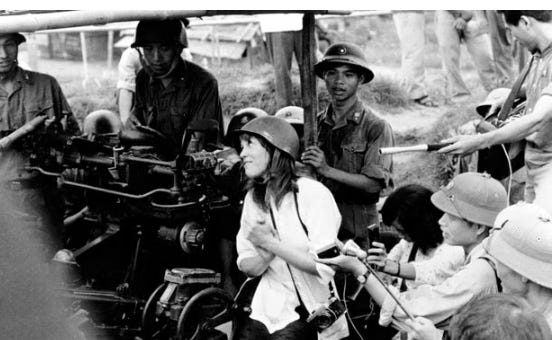
Jane Fonda has once again expressed regret over the infamous ‘Hanoi Jane’ picture taken of her during the Vietnam War.
“It hurts me and it will to my grave that I made a huge, huge mistake that made a lot of people think I was against the soldiers,” she said at a personal speaking engagement in Frederick, Maryland. Protestors had massed outside the event with copies of the photo and signs reading “Forgive? Maybe. Forget? Never.”
The series of photos was taken during Fonda’s visit to Hanoi, where she met with North Vietnamese troops, and was pictured sitting on an anti-aircraft gun being used to target American planes. There was outrage at the pictures, and Fonda was branded a traitor, but she has frequently expressed regret for them.
One protestor told the Frederick News Post, “She got Americans killed … and she went to Vietnam to advance her husband’s career.” Fonda added that she understood this anger, and that she often met with veterans to discuss it: “I’m a lightning rod. This famous person goes and does something that looks like I’m against the troops, which wasn’t true, but it looked that way, and I’m a convenient target.”
Vietnam war: Classic AP photographs – in pictures
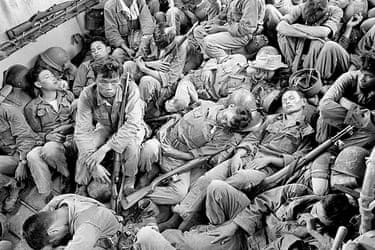
Exhausted South Vietnamese soldiers sleep on a US Navy troop carrier taking them back to the provincial capital of Ca Mau in August 1962. The infantry unit had been on a four-day operation against the Viet Cong in swamplands at the southern tip of the country. Photograph: Horst Faas/AP
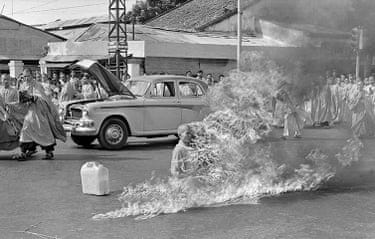
In the first of a series of fiery suicides by monks, Thich Quang Duc burns himself to death on a Saigon street to protest persecution of Buddhists by the South Vietnamese government on 11 June 1963. The photograph aroused worldwide outrage and hastened the end of the Diem government. With the photo on his Oval Office desk, President Kennedy reportedly remarked to his ambassador, ‘We’re going to have to do something about that regime. ’ Photograph: Malcom Browne/AP
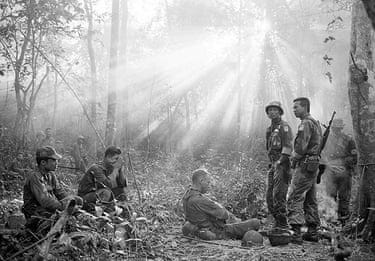
Sunlight breaks through dense foliage around the town of Binh Gia as South Vietnamese troops, joined by US advisers, rest after a cold, damp, and tense night of waiting in an ambush position for a Viet Cong attack that did not come in January 1965. One hour later, the troops would move out for another long, hot day hunting the guerrillas in the jungles forty miles southeast of Saigon. Photograph: Horst Faas/AP
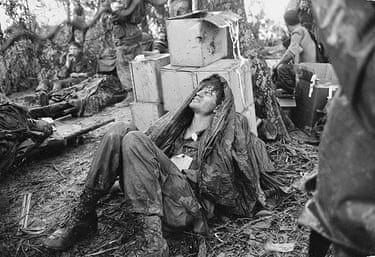
A US paratrooper wounded in the battle for Hamburger Hill grimaces in pain as he awaits medical evacuation at base camp near the Laotian border on 19 May 19 1969Photograph: Hugh Van Es/AP
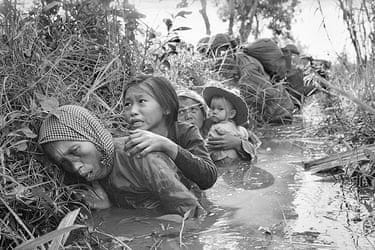
Women and children crouch in a muddy canal as they take cover from intense Viet Cong fire on 1 January 1966. Paratroopers of the 173rd Airborne Brigade (background) escorted the civilians through a series of firefights during the US assault on a Viet Cong stronghold at Bao Trai, about twenty miles west of Saigon. Photograph: Horst Faas/AP
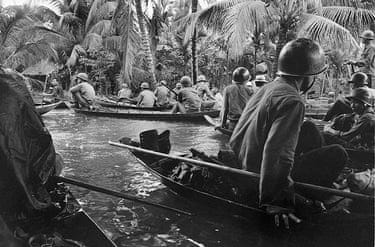
Caught in a sudden monsoon rain, part of a company of about 130 South Vietnamese soldiers moves downriver in sampans during a dawn attack on a Viet Cong camp on 10 January 1966. Several guerrillas were reported killed or wounded in the action thirteen miles northeast of Can Tho, in the flooded Mekong Delta. Photograph: Horst Faas/AP
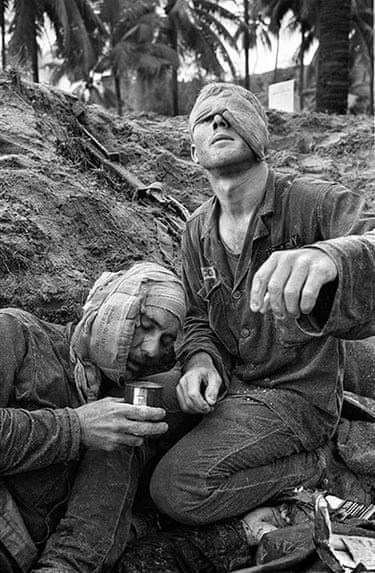
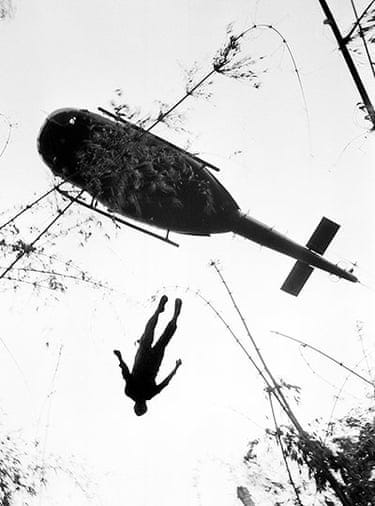
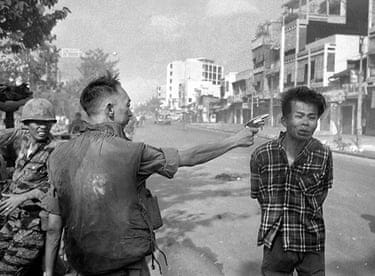
General Nguyen Ngoc Loan, South Vietnamese chief of the national police, fires his pistol into the head of suspected Viet Cong official Nguyen Van Lem on a Saigon street early in the Tet Offensive on 1 February 1968. Photographer Eddie Adams reported that after the shooting, Loan approached him and said, ‘They killed many of my people, and yours too,’ then walked away. This photo won the 1969 Pulitzer Prize for spot news photography. Photograph: Eddie Adams/AP
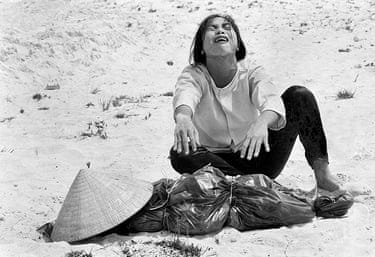
A woman mourns over the body of her husband after identifying him by his teeth and covering his head with her conical hat. The man’s body was found with 47 others in a mass grave near Hue on 11 April 1969. The victims were believed killed during the insurgent occupation of Hue as part of the Tet Offensive. Photograph: Horst Faas/AP
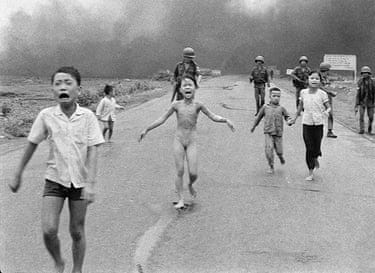
Severely burned in an aerial napalm attack, children run screaming for help down Route 1 near Trang Bang, followed by soldiers of the South Vietnamese army’s 25th Division, on 8 June 8 1972. A South Vietnamese plane seeking Viet Cong hiding places accidentally dropped its flaming napalm on civilians and government troops instead. Nine-year-old Kim Phuc (centre) had ripped off her burning clothes while fleeing. The other children (from left) are her brothers Phan Thanh Tam, who lost an eye, and Phan Thanh Phouc, and her cousins Ho Van Bon and Ho Thi Ting. This photo won the 1973 Pulitzer Prize for spot news photography. Photograph: Nick Ut/AP
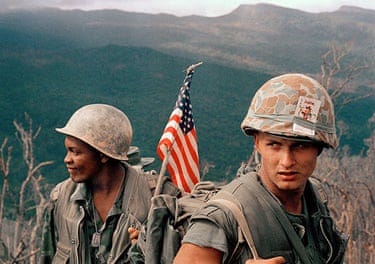
Marines move through a landing zone, December 1969. Photograph: AP
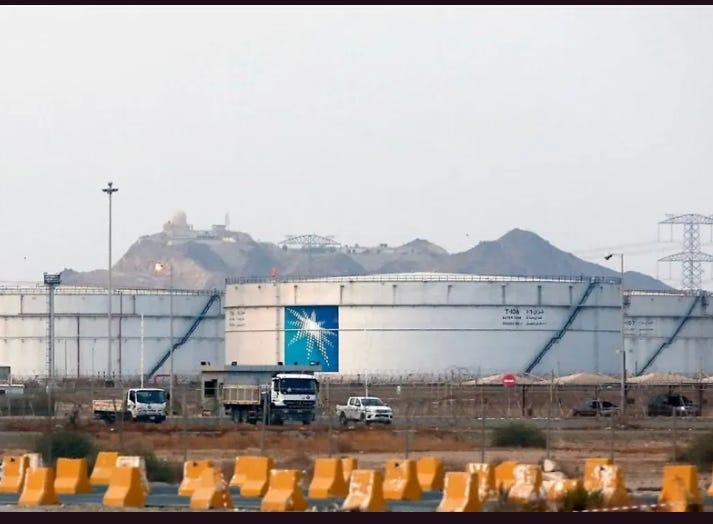
A military source cited by Tasnim News Agency said the attack carried out earlier on Monday against Saudi Aramco oil facilities was conducted by Israel and constitutes a so-called “false flag” operation.
According to the source, the operation was intended to mislead regional countries and divert attention from Israel’s attacks on civilian locations inside Iran.
Iran Says Aramco Was Not Among Its Targets
The source noted that Iran has publicly and unequivocally stated it will target American and Israeli interests, facilities, and assets across the region, and that many such targets have already been struck.
However, the source stressed that Aramco facilities have not been among Iran’s targets to date, rejecting any linkage between Tehran and the attack.

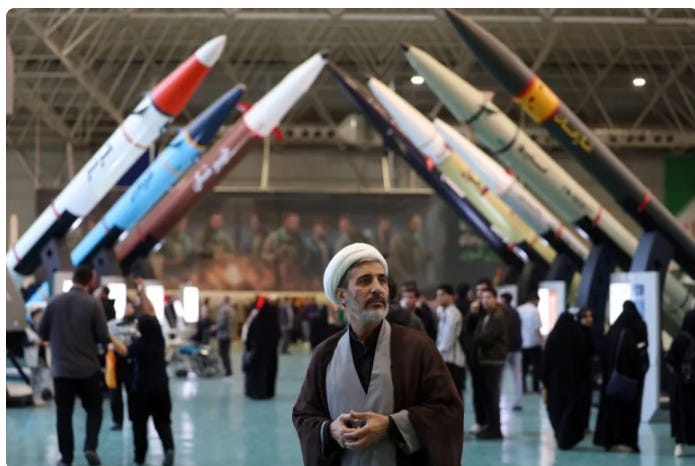
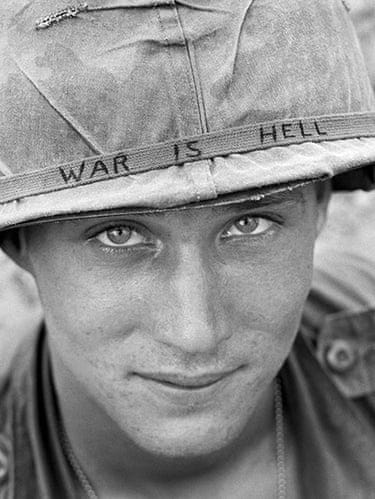
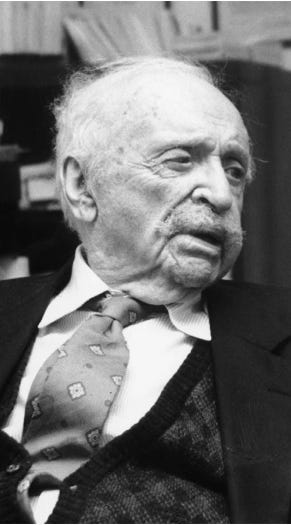
Look at these people in their eyes:
Key factors contributing to this support include:
- Media and Cultural Conditioning: Themes of patriotism and militarism are frequently embedded in public life, with media often presenting foreign interventions as necessary or heroic.
- Fear and Security Concerns: The government often emphasizes imminent threats from foreign enemies, which rallies public opinion in favor of intervention.
- Economic Interests: The military-industrial complex and major defense contractors benefit from ongoing conflicts, creating a financial incentive for sustained military presence.
- Isolation from Costs: Because of the lack of a military draft and the use of drones or specialized forces, the general public often feels detached from the human, financial, and physical devastation caused by these wars.
- Ideology: A belief in American exceptionalism and the duty to project power, often phrased as spreading democracy or fighting tyranny.
- The “Enemy” Narrative: The perception of a “nasty” threat makes it easier for political leaders to gain support for using force
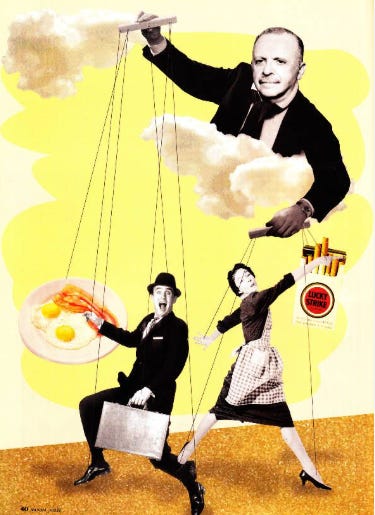
It’s always a psychological operation, with the power of the media, of The Press, or businesses, of Colleges and K12, football games, daily daily, daily, the fucking crocodile tears for the killers.
Three months ago: And of course, gets September 11 wrong, you know, “the terrorists.” Sure, not the Mossad and Neo-Cons.
Throughout its 250-year existence, the United States has almost always been at war. From its beginnings right through to the present day, the country’s armed forces have shaped both American identity and the political decisions of its leaders.
The United States of America has been at war throughout most of its 250-year existence. From the War of Independence right through to contemporary armed conflicts, the nation’s armed forces have not only shaped American identity but also influenced the political decisions of its leaders. The documentary takes a deep dive into this complex history and analyzes the “hot” and “cold” wars that have shaped US history to draw important lessons for the future.
The film explores how successive generations of US Americans viewed and experienced each conflict. It also examines the enduring impact of these wars on American society and reveals how military engagement was utilized to hone the image and the role of the US on the global stage.
Around 30 high-profile experts, military personnel, and politicians examine the military history of the United States, explaining its successes and failures, as well as its impact on the world and the everyday lives of Americans.
The film looks to the past to gain a keener understanding of how today’s military decisions will affect tomorrow’s world — as well as their far-reaching impact on democracy and society. And with US President Donald Trump now in office for a second term, it asks what role the army plays in Trump’s worldview.
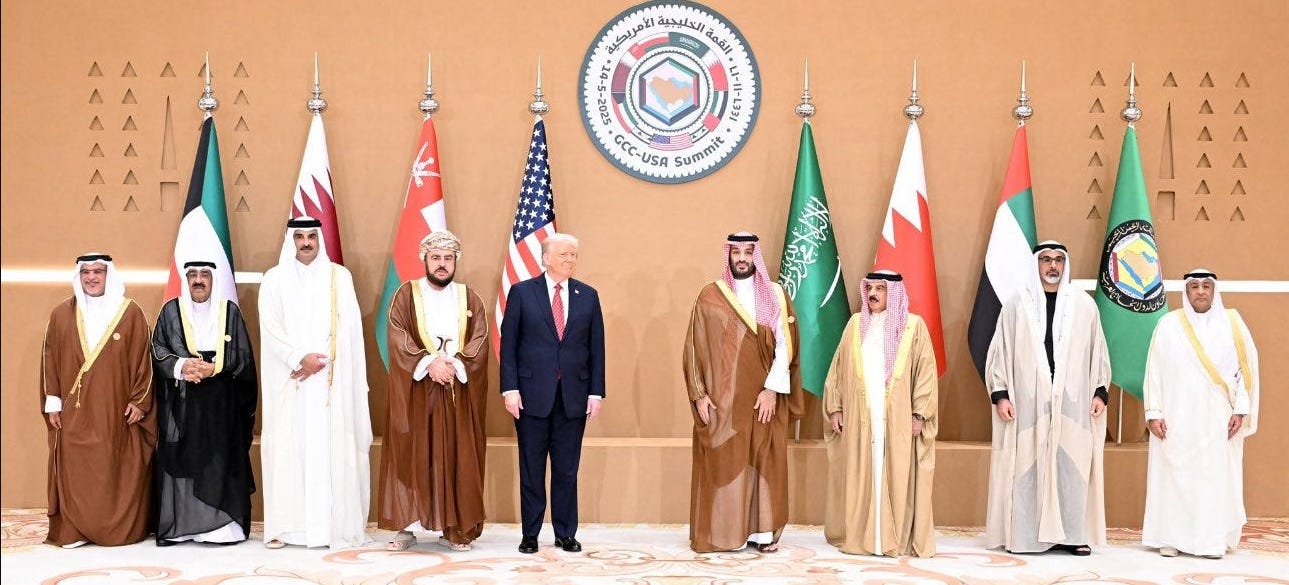
Above — fucking human stain, fake monarchs, Arab fucking ZIONISTS. Versus.
The day Notre Dame burned, a meme began to circulate. It had a picture of Quasimodo and said something like: investigators don’t know how the fire started, but I have my ideas. Besides being a joke that was too soon, the meme was grossly inaccurate. It implied that the titular hunchback from Victor Hugo’s classic Gothic novel would want the cathedral to burn. This is far from the reality of the character. Quasimodo would’ve been horrified by the fire. The cathedral was his home. He fought off a mob to protect it. The meme also showed how Quasimodo is viewed by the general public as a monster.
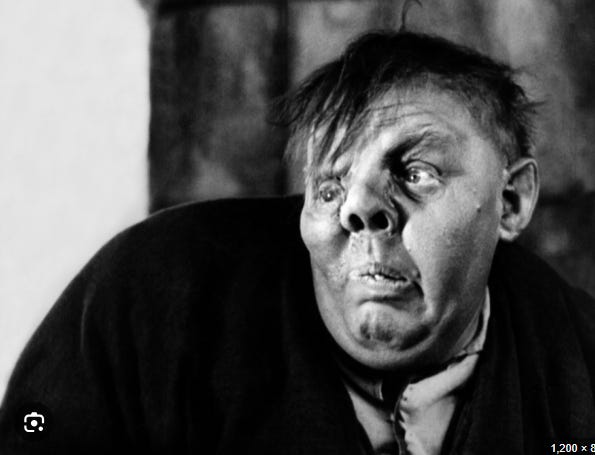
Of all the classic monsters I remember enjoying in my childhood, Quasimodo is the one that I was wrong about. Most people are wrong about him. We mistake his horrid appearance for his being a monstrous person. Even after reading The Hunchback of Notre Dame in high school, I missed how tragic the character actually is. Quasimodo is a victim of circumstance. He is a victim of how the nurturing we receive as children develops us into the adults we are.
Quasimodo never had a chance in life. His disfigured appearance caused people to recoil from him in horror. He was abandoned at the cathedral and raised by the priests. The only person he felt loved him was the real monster, who manipulated the hunchback to do horrible things for him. When Quasimodo fails to carry out one of Frollo’s plans, the hunchback’s only “loved one”, allows him to be punished for his failure.
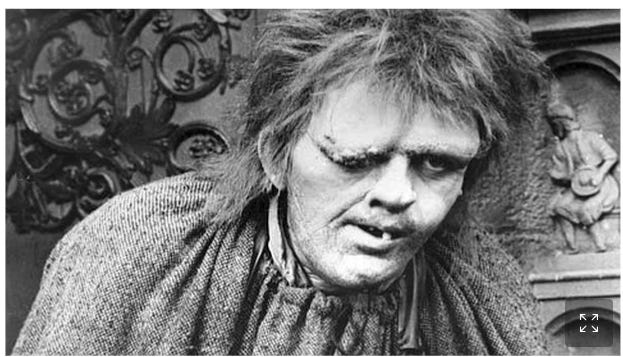
The Hunchback of Notre Dame has been a cultural figure since Victor Hugo wrote the novel of the same name. But could he have existed in real life?
Memoirs uncovered by the Tate Archive in the U.K. may give clues to a real Quasimodo, the Telegraph reports. In his writings, sculptor Henry Sibson describes a stonemason working at Notre Dame who had a hunched back. Sibson worked at Notre Dame in the 19th century, around the same time Hugo wrote his novel. Researchers found records of men with similar names to those stated in Sibson’s accounts living in Paris at the time.
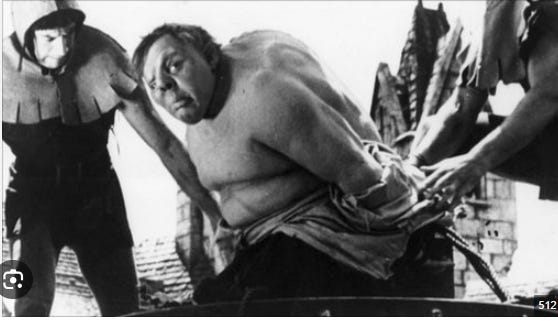
[In the English-speaking world, we like to call the novel The Hunchback of Notre Dame, which is a marvelous title, given how marvelous is Quasimodo the Hunchback, born of a Jew and a sow (according to a nasty old lady in Book IV), who has got to be the most heartbreaking brokenhearted lover in the history of literature—Quasimodo, whose deformed and decayed skeleton turns up on the final page, entwined in posthumous and pathetic embrace around the skeleton of the hanged “Egyptian,” La Esmerelda, the “bohemian”]
The writing mentions a man with a hump on his back:
“Trajan, a most worthy, fatherly and amiable man as ever existed – he was the carver under the Government sculptor whose name I forget as I had no intercourse with him, all that I know is that he was humpbacked and he did not like to mix with carvers […] Mon Le Bossu (the Hunchback) a nickname given to him and I scarcely ever heard any other.”
Hugo had publicly opposed the way the cathedral was being designed, and the publishing of his book is said to have prompted its Gothic restoration in 1844. Whatever his inspiration, Hugo’s depiction of Quasimodo made him one of the most acclaimed authors in France.
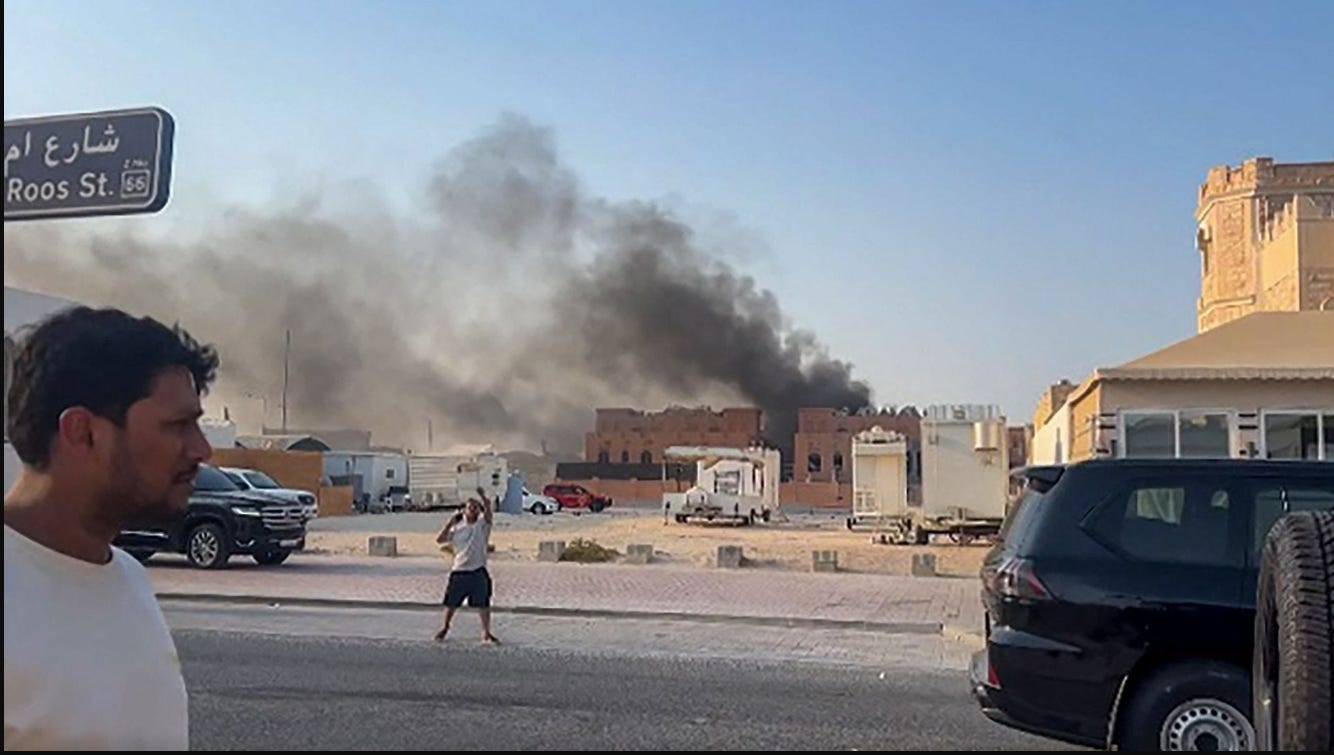
So, no, the Jews of Israel are not Quasimodo, for sure . . . Just last year: Two years into the live-streamed Holocaust in Gaza, the Israelis are still escalating — and in ways that defy belief. Tel Aviv’s latest act of brazen criminality took place more than 2,000 kilometres away, in Doha, Qatar, where it attempted to assassinate the Hamas leadership, which had convened to discuss the latest Trump-backed proposal for a ceasefire in Gaza.
The Israelis, however, failed in their criminal objective, as all the leaders of the Palestinian resistance movement survived the attack. In a statement, Hamas announced the martyrdom of five of its members, including the son of its chief, Khalil al-Hayya, as well as the director of his office. Three of his companions were also martyred. However, all the leaders came out of it alive.
The Israelis took full credit for their crimes. Netanyahu wrote on Twitter: “Today’s action against the top terrorist chieftains of Hamas was a wholly independent Israeli operation. Israel initiated it, Israel conducted it, and Israel takes full responsibility.”
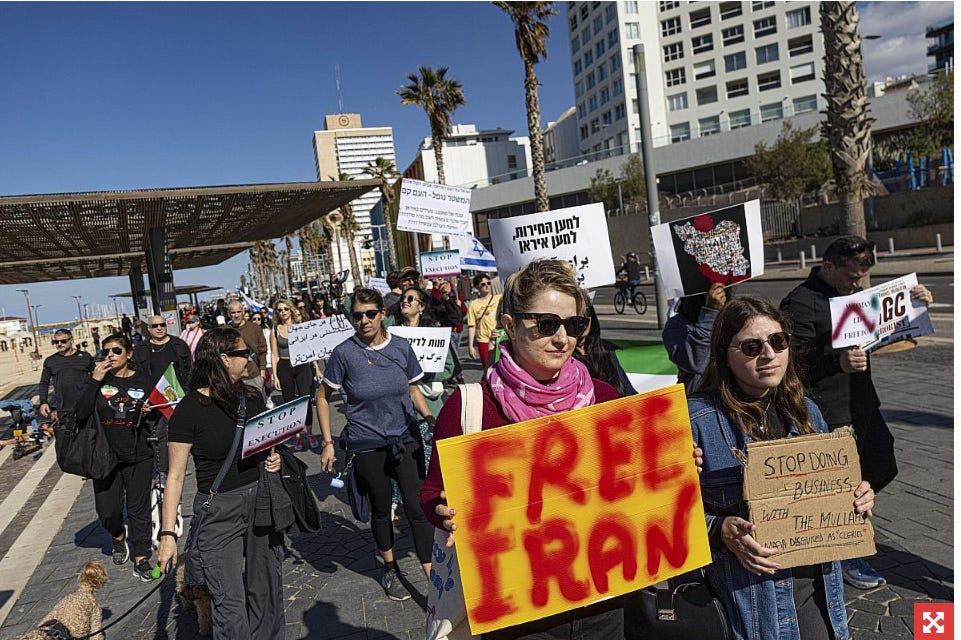
Fucking Jews:
As of March 2, 2026, there are no widespread reports of Israelis protesting to stop the current military campaign against Iran. Instead, domestic public activity in Israel has largely focused on seeking safety from retaliatory strikes or supporting the downfall of the Iranian regime.
Current Context (March 2026)
- Support for the Campaign: Many Israelis have historically viewed the Iranian government as an existential threat. Following the launch of “Operation Epic Fury” on February 28, 2026—which resulted in the death of Supreme Leader Ali Khamenei—reports indicate that many Israelis would cheer the potential collapse of the Iranian clerical leadership.
- Civilian Reaction: The immediate priority for many Israeli citizens has been seeking shelter as Iran launched retaliatory missile strikes against cities like Tel Aviv and Beit Shemesh.
- Support for Iranian Protesters: In the weeks leading up to the current conflict, some Israelis held rallies in solidarity with internal Iranian protesters (e.g., in Tel Aviv in January 2026), framing their support as opposition to the Iranian regime rather than opposition to Israeli military action.
We are at war, therefore we are
Months after proclaiming a ‘historic victory,’ Israel embarks on another offensive against Iran — and the ritual erasure of political dissent begins anew. by Orly Noy
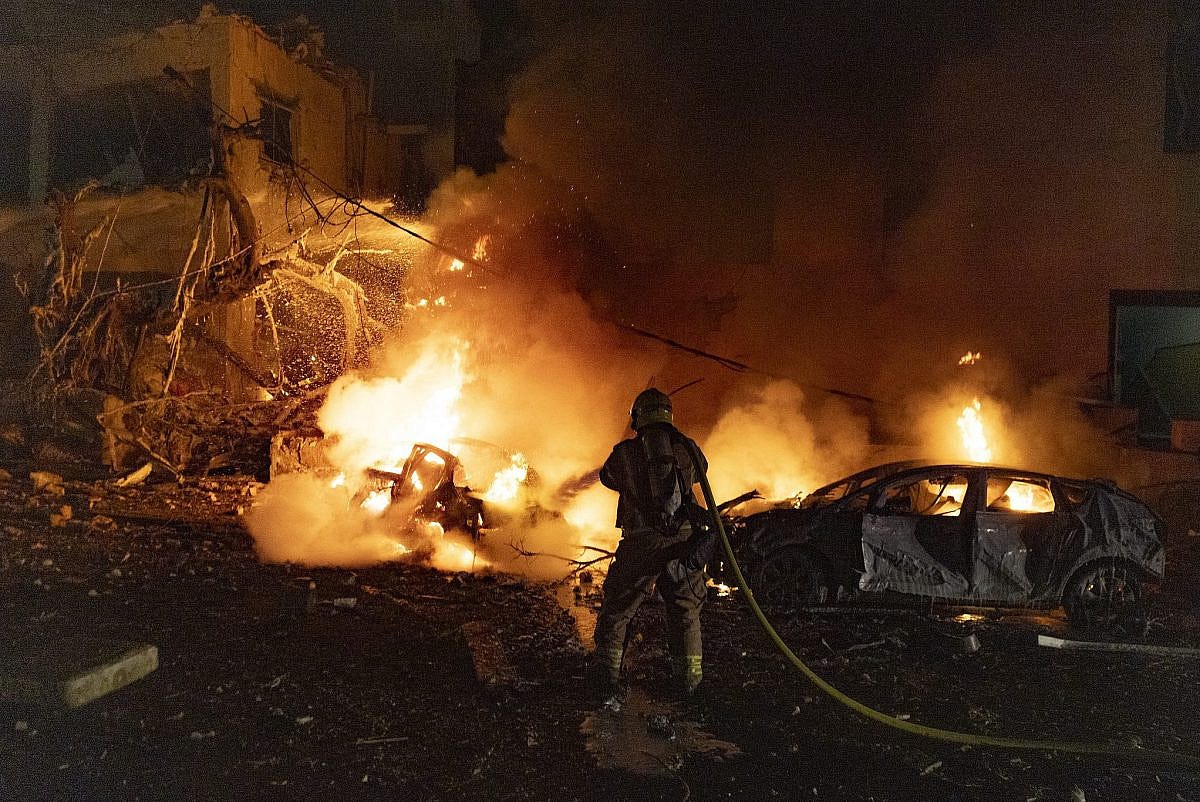
The familiar chorus
But the rhetoric of solidarity dissolved almost as quickly as it appeared. Once reports began to emerge of civilian casualties — especially from the girls’ elementary school in Minab, where some 150 children were killed in an apparent Israeli airstrike — the supposed concern for the Iranian people revealed itself to be paper-thin.
Shocked, I shared the videos from the school on my Facebook page. I confess I did not expect the torrent of hatred that followed.
I already know that, aside from a very narrow fringe, one cannot expect empathetic reactions to the mass killing of Palestinians; that the overwhelming majority of the Jewish public in Israel not only does not mourn but openly rejoices at every Palestinian death, under any circumstances. But I did not imagine that similar bloodlust would accompany the bombing to death of little girls in school uniforms, particularly after so many Israelis rushed to declare that it wasn’t the Iranian people who are our enemy, but the regime.
Within five hours, my post had accumulated hundreds of hateful comments, and the usual wave of threats and abuse had started bombarding my inbox. Some denied the incident had taken place at all, or claimed that the Iranian regime bombed its own school. A larger portion rejoiced at the fate of the murdered girls.
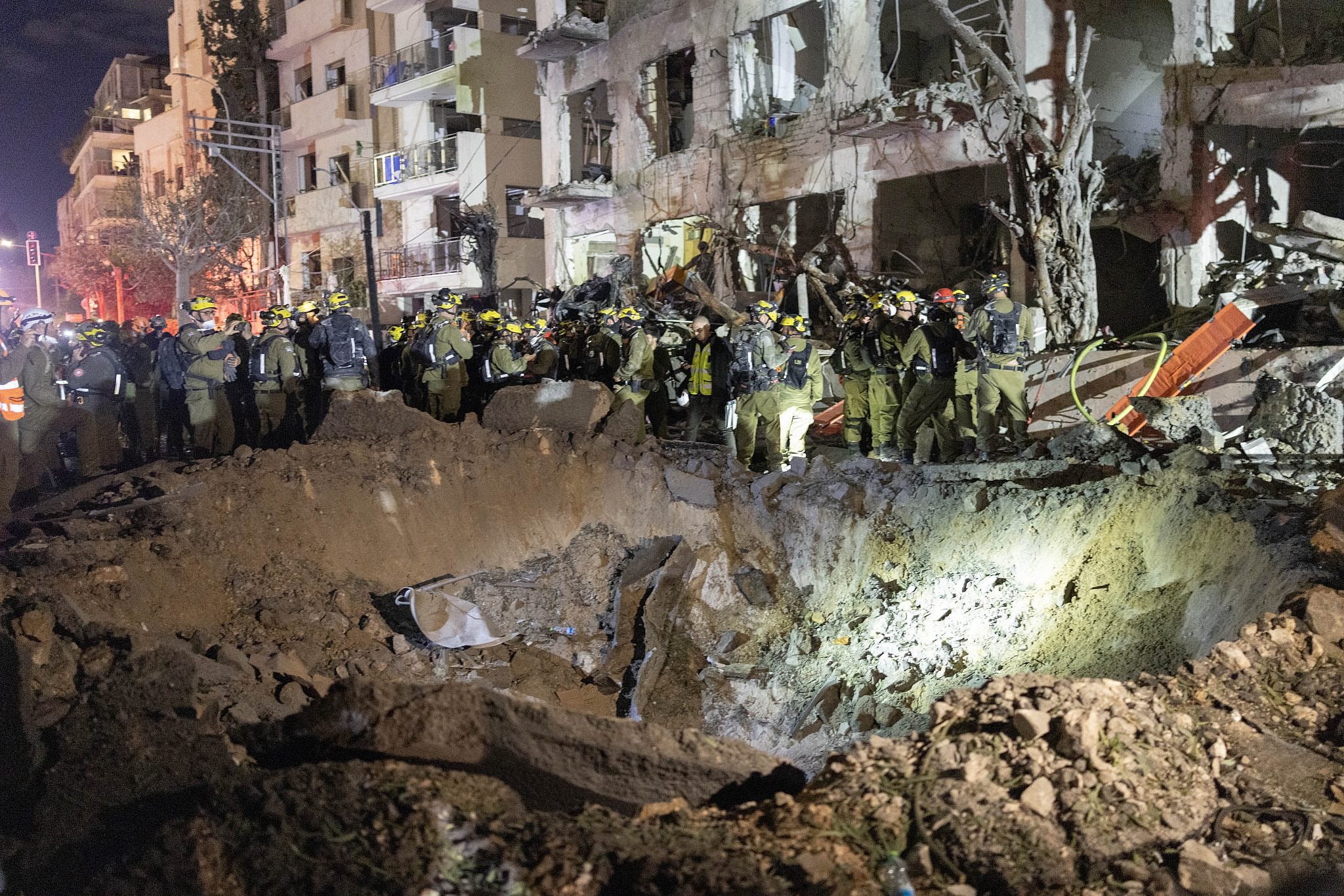
“Too bad they don’t close schools on Shabbat!” someone wrote, adding five laughing emojis to underline his delight.
“Excellent, excellent, excellent, joyful and heartwarming. May there be many more cases like this, and soon among the leftists,” wrote another.
No less depressing and predictable, was how Jewish opposition leaders eagerly and reflexively rallied behind Netanyahu in support of the war. “I want to remind us all: The people of Israel are strong. The IDF and the Air Force are strong. The strongest power in the world stands with us,” tweeted Yair Lapid. “In moments like these we stand together — and we win together. There is no coalition and no opposition, only one people and one IDF, with all of us behind them.”
 Paul Haeder, Author