

JOBS JOBS JOBS: Oregon old-growth logging: Trump plan could clear 3 sq. miles a week, critics warn
Feb 23, 2026
My latest fucking statement: “You may notice an increase in your insurance premium. PEMCO has had to raise rates to cover the costs of claims. These costs include increases due to inflation, supply chain disruption, medical treatment, and labor expenses. “
I just couldn’t afford it”: Driving uninsured
Zoe, a pastry chef in Pennsylvania, understands the importance of car insurance better than most. A few years ago, she had only the bare minimum insurance on her Toyota when an accident financially devastated her. Without insurance that would replace her undrivable vehicle, she was left carless, with an hourlong commute. Her savings were entirely wiped out.
When she was able to replace her vehicle, she made sure to get full-coverage insurance at $230 a month. But it was a tight squeeze to cover it, and then her rent increased by $400.
We’re only using Zoe’s first name because, for a short time after that, she became one of those people driving without insurance. “I fully didn’t pay my car insurance bill for about four weeks just because I couldn’t afford it,” Zoe says. “We have to eat every week. You have to pay the power and the water bill and the rent, and the rent keeps going higher, and milk’s $4 a gallon.”
Zoe was acutely aware of the risks she was taking if she were to get in a crash or pulled over. “I slow down at every single intersection, regardless of whether the light was green or not,” she recalls with a heavy sigh. “I’m careful at every turn. I get worried.”
On average, premiums are up 55% since February 2020, according to the Bureau of Labor Statistics. (Almost all of that increase came between 2022 and 2024.)
+—+
But the wars and military hardware and the fucking Jewish Fucking Inflation on the World have nothing to do with the price of bread or bombs?

“It would be fine if Israel took it all.”
— Mike Huckabee, US Ambassador to Israel

By “all”, he means all the currencies, banks, AI, education, medicine, the lot of it, not just the Middle “Oil” East.
That wasn’t a fringe extremist preacher on a late-night cable show. That was the official representative of the United States to Israel – a man whose job is to shape and articulate American policy towards a state which depends on the United States for weapons, diplomatic cover, and political backing.

Seven Years Ago:
“Tucker Carlson’s latest rant on Rep. Ilhan Omar is a dangerous escalation of his anti-Muslim and anti-immigrant rhetoric. These remarks are part of a clear pattern of racism, sexism and white nationalism that Carlson has long championed.
On his show, Carlson repeated one false, anti-Muslim trope after another about Omar, saying that she ‘hates’ America multiple times and invoking ‘dangerous’ immigration from places ‘whose values are simply antithetical to ours.’ This is not a critique of Omar’s ideas or politics. This is hate speech directed at her as a Muslim and as an immigrant.

Attacks on mosques and hate crimes against Muslims have skyrocketed in recent years and these bigoted tropes contribute to a toxic culture where divisiveness and racism trump American values of religious freedom for all people. This is not the first time Carlson has shown such naked bigotry on his show and it won’t be the last as long as Fox gives him a platform.
Fox News should fire Tucker Carlson and advertisers should stop funding this bigotry immediately.”
Fuck these cunts. The lot of them with Podcasts and Alt Media presence! Reality hurts!
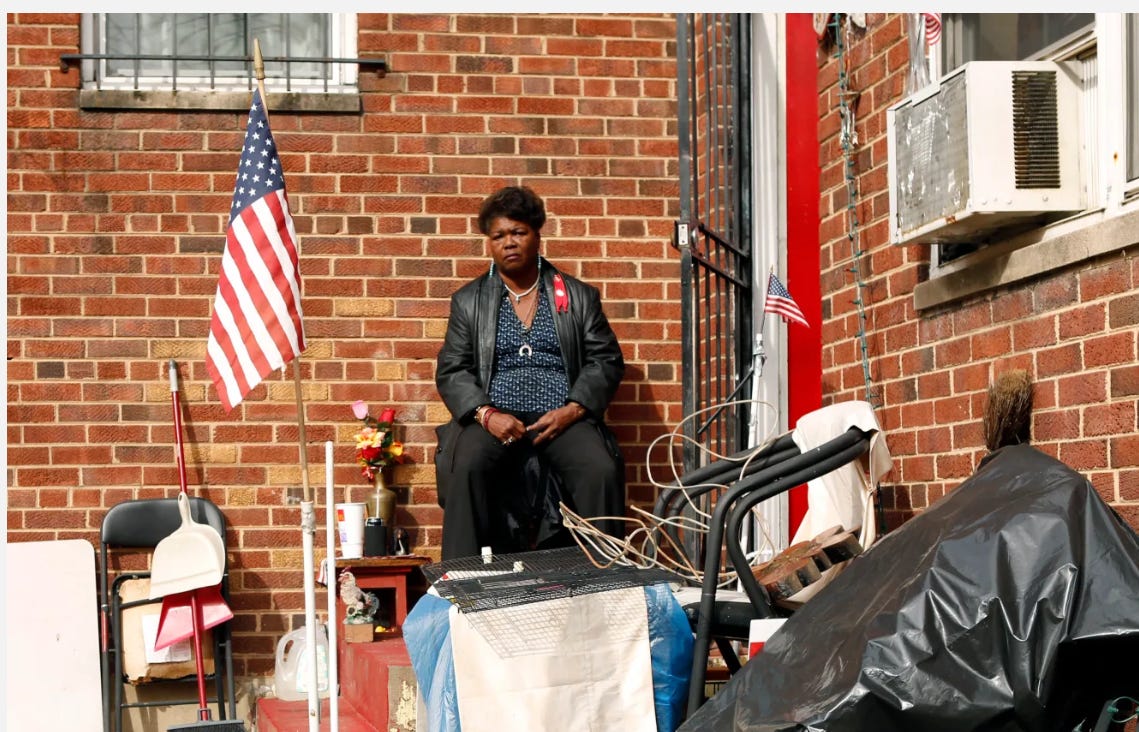
11 Years ago, boy have things changed…. Commentary
The high costs of being poor in America: Stress, pain, and worry
My father, a pediatrician at Johns Hopkins, published an article in 1974 entitled “The High Cost of Being Poor,” showing that poor urban Peruvians paid more for water and electricity than the rich. The poor paid roughly 15 times more per unit cost, even though the services were of much lower quality. Unlike the affluent, who had water and electricity piped into their homes, they had to buy their water from trucks, and often had to substitute candles and kerosene for electricity. Small wonder the lower-income children had worse health and poorer nutrition.
Today, those same urban slums where he (and later I) conducted research have water, electricity, paved streets, and a growing middle class population; infant malnutrition is virtually non-existent (if anything, obesity incidence is becoming a concern). But here in the United States, poverty is exacting a high cost—not in terms of water and power, but in terms of stress, unhappiness, and pain.
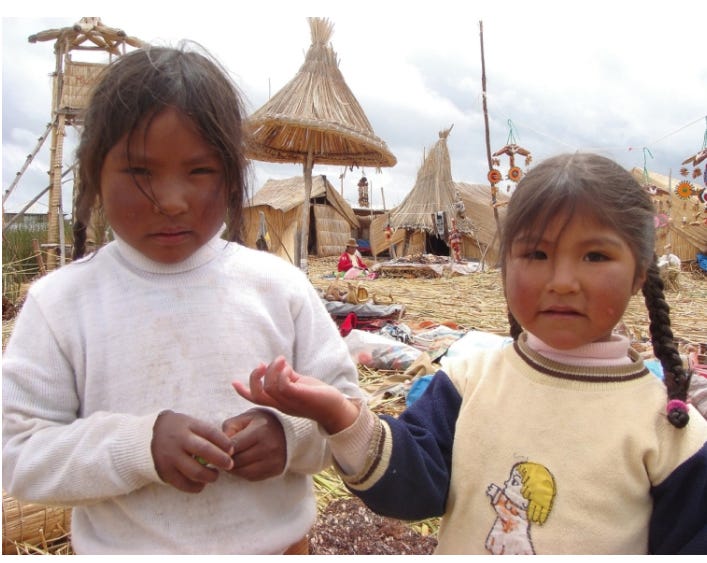
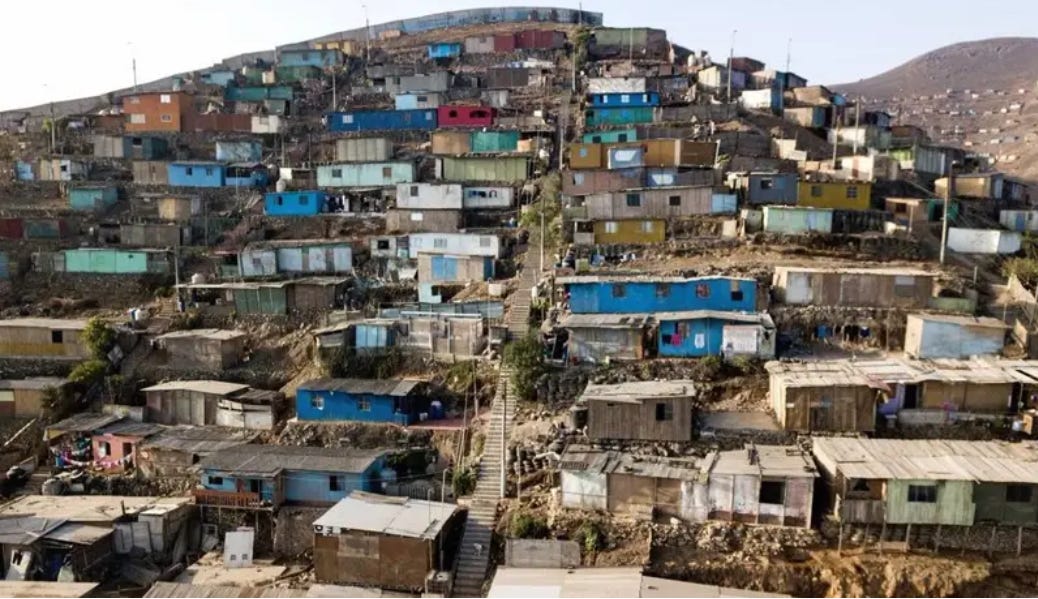
Peru’s capital city Lima is home to more than 10 million people, which is almost a third of the 33 million people who live in the country. Meanwhile, the second largest city in Peru, Arequipa, has just one-tenth of the population size of Lima, highlighting disproportionate overpopulation in the capital. The fact that such a large proportion of the country lives in the capital city has exacerbated inequality in Peru, as rural areas mostly miss out on government programs that aim to boost development. Also, the focus remains on the urban hotspot because governments view this as the best way for the country to improve its economic status through trade and other economic activities.
In the 20th century, the population of Lima exploded, particularly after the Second World War when inward migration to the city picked up as people searched for better opportunities and living conditions. Reports suggest that Lima’s population will continue to grow to almost 13 million by 2035.
Rising Inequality in Peru
Whilst there has been a reduction of poverty overall in Peru, with poverty rates falling from 59% to 20% between 2004 and 2019. In addition, the majority of this development took place in the urban areas of Peru, especially Lima, allowing rural areas to fall behind and inequality levels to grow. In 2022, the poverty rate in Peru was 25%, as a result of a rise from the COVID-19 pandemic. Also, in 2021, more than half of the country’s population was living in moderate food insecurity where the available food lacked all the necessary nutrients for a healthy life. This resulted in increasing cases of health conditions such as anemia.
Rural areas remain the home of the poorest regions in Peru, where there is a lack of opportunities to help civilians rise out of poverty. Inequality in Peru is evident through the level of schooling in years, which in Lima is double compared to the level in the country’s most deprived rural areas.
In recent decades, the world has seen rising inequality, with 2023 being labeled by the World Bank as “the year of inequality.” An increasing share of income and wealth is concentrated in the hands of a few, leaving a shrinking portion for the majority, which includes a massive pocket of poverty. According to the United Nations, “More than two thirds of the world’s population today live in countries where inequality has grown.” Yet, beyond the data, how do those affected actually experience this inequality? A recent survey by the Instituto de Estudios Peruanos and OXFAM sought answers from Peruvians, collecting responses from a nationwide sample of 1,508 interviews.
Peru ranks as the fourth most unequal country globally, according to available analyses. The IEP-OXFAM survey found that half of respondents (51%) perceived the country as highly economically unequal. Meanwhile, a quarter (27%) believed it was “not very unequal,” and 7% astonishingly claimed it was “not unequal at all”—with this latter view most common among the poorest respondents.

Resignation appears to hold sway among the poor, who seem to blame themselves for their circumstances, believing they remain in poverty due to a lack of effort. This perspective stands far from creating an environment ripe for revolution or even social upheaval. The focus on “entrepreneurship” seems to have defused the threat to social order that poverty once posed.
This apparent acceptance of inequality, labeled in the survey as “tolerance of inequality,” became evident when respondents were asked, “To what extent is inequality acceptable in Peru?” Half (51%) found it “unacceptable,” while 30% considered it “acceptable,” with the rest choosing neither option. Inequality rejection was higher among the upper strata (61%) and lower among the poor (48%).
Interestingly, this “tolerance” does not overlook power disparities. Two-thirds (67%) agreed that “The rich have too much influence over decisions affecting the country,” and 90% believed that “The country is governed by a few powerful groups for their own benefit.” As for potential solutions, 31% said that to achieve “a more equal country,” Peru needs “a fairer State.” Other answers garnered lower support. Additionally, respondents suggested that increased tax revenue should primarily fund education (32%) and healthcare (28%).
+—+
Hero, Manfred!
Versus:
In 2023, the latest Peruvian fuck told a congressional debate about ending child marriage that “early sexual relations aid a woman’s psychological future.”
Peru that year passed a legal reform to ban marriage for anyone under 18. Previously, teenagers could get married with their parents’ consent.
The CNDDHH rights coalition expressed concern Thursday at the appointment “of an authority figure with a controversial public record and statements that justify sexual violence against girls.”
The Flora Tristan Peruvian Women’s Center, for its part, said the choice was emblematic of a “profound ethical and democratic crisis” in Peru — where more than half of women reported being a victim of psychological, physical or sexual abuse by a partner, according to government statistics.
“Anyone who minimizes violence against women and girls is not voicing an isolated opinion, but revealing a complacent attitude toward abuse,” the center said in a statement.
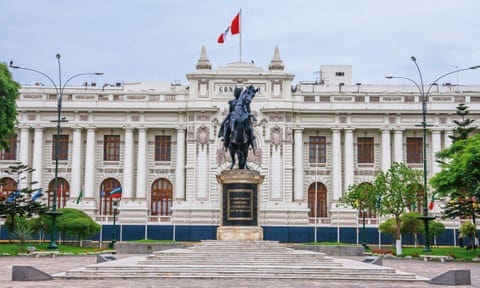
83-year-old Jose Maria Balcazar as Peru’s stand-in president . . . Prosecutors in Peru are investigating a sex-for-votes scandal in the country’s Congress after uncovering an alleged prostitution ring inside the widely-loathed chamber.
The investigation began after hired killers fired more than 40 rounds into a taxi carrying Andrea Vidal, a 27-year-old lawyer who worked in Congress, earlier this month in Lima. She died of her injuries in an intensive care ward on Tuesday. The taxi driver was also killed in the attack.
The public prosecutor’s office subsequently opened an investigation into Vidal’s former boss, Congress’s former lead legal and constitutional adviser, Jorge Torres Saravia, who is accused of sexual exploitation for allegedly running a prostitution ring that hired young women to have sex with lawmakers in exchange for votes. Torres has denied any wrongdoing.
+—+
Back to the requim of an American Dream (every Third World Country’s nightmare) \
The American Dream is Now a Repossessed Asset by Tee Ashby
Let me walk you through what this actually looks like.
It’s 11 at night. A woman in her 50s is sitting in a Honda Civic outside a 24-hour grocery store. Engine off. Windows cracked. She’s just hoping tonight isn’t the night security knocks. This isn’t someone who gave up. This is someone who worked for 40 years and discovered that doing everything right was a lie. Because here’s the truth nobody wants to admit: most people living in vehicles aren’t there because they screwed up. They’re there because the math—rigged by policy choices in Washington—stopped adding up.
And before you smugly tell yourself it could never happen to you, let’s walk through what actually changed.
There’s a convenient fairy tale that people in vehicles are lazy, that they made bad choices. Let’s kill that lie right now. Americans didn’t suddenly get lazy. What happened is far simpler and far more terrifying: there are no affordable places to live anymore. In big cities, the rental vacancy rate has plummeted to 2.8%. Imagine a parking garage with 100 spots. Only three are open. That’s the American rental market. And when supply is choked off—a direct result of prioritizing corporate investment over human shelter—prices only go one way. Between 2020 and 2025, rent exploded by 31%. A basic one-bedroom—four walls and a door that locks—now costs $1,800 to $2,400 a month.
When those numbers exceed what millions of people actually earn, what do you think happens next? The poor fall first. Then working families. Then the middle class who just hit one bump in the road: a lost job, a medical bill, a divorce, a broken car. If there were any apartments, you’d stumble, dust yourself off, and recover. There’d be room to breathe. But when there’s nothing, you fall straight through. No safety net. No second chance. The system made sure of that.
And that’s when a car stops being transportation and becomes a coffin-sized shelter. Not because anyone wants to, but because every other door was deliberately slammed shut.
America doesn’t have a compassion problem. America has a housing problem—a direct result of a government that spends trillions on war and Wall Street while letting the basic infrastructure of life rot. We want to believe homelessness is a moral failing. But what we’re watching is basic economics, deliberately distorted by bad policy, breaking down. By 2026, people aren’t just getting forced onto the streets; they’re getting forced into their cars.
Now, you might think, “At least living in a car is cheaper.” Wrong. Living in a vehicle isn’t free; it’s just a different kind of financial torture. And by 2026, those costs have been jacked up too. A propane canister for heat used to cost $18. Now it’s $35. And you’re refilling it every few days. People aren’t paying rent; they’re paying to not freeze to death. Gas prices soar, turning your shelter into a meter that’s constantly running. Every mile you drive to avoid a ticket is money disappearing. And then the vehicle breaks down—because they always do when you live in them 24/7. A $2,500 repair bill on a car that’s also your home is a death sentence. So you see vehicles just sitting there, not moving. It’s not because the people are lazy. It’s because they literally cannot afford to fix the one thing keeping them alive.
Here’s the brutal truth: even being homeless got more expensive. Everything costs more. What you bring in stays the same. And when winter shows up, you’re not asking how cold it will get. You’re asking, “Am I going to survive this?”
But even if you somehow manage the costs, the cities themselves have become the enemy.
One thing that the historical record makes obviously clear is that Adam Smith and his laissez-faire buddies were a bunch of closet-case statists, who needed brutal government policies to whip the English peasantry into a good capitalistic workforce willing to accept wage slavery.
Francis Hutcheson, from whom Adam Smith learned all about the virtue of natural liberty, wrote:
”it is the one great design of civil laws to strengthen by political sanctions the several laws of nature. … The populace needs to be taught, and engaged by laws, into the best methods of managing their own affairs and exercising mechanic art.”
You want more? Adam Smith’s proto-capitalist colleagues were complaining and whining about how peasants are too independent and comfortable to be properly exploited, and trying to figure out how to force them to accept a life of wage slavery.
This pamphlet from the time captures the general attitude towards successful, self-sufficient peasant farmers:
The possession of a cow or two, with a hog, and a few geese, naturally exalts the peasant. . . . In sauntering after his cattle, he acquires a habit of indolence. Quarter, half, and occasionally whole days, are imperceptibly lost. Day labour becomes disgusting; the aversion in- creases by indulgence. And at length the sale of a half-fed calf, or hog, furnishes the means of adding intemperance to idleness.
While another pamphleteer wrote:
Nor can I conceive a greater curse upon a body of people, than to be thrown upon a spot of land, where the productions for subsistence and food were, in great measure, spontaneous, and the climate required or admitted little care for raiment or covering.
John Bellers, a Quaker “philanthropist” and economic thinker, saw independent peasants as a hindrance to his plan of forcing poor people into prison-factories, where they would live, wor,k and produce a profit of 45% for aristocratic owners:
“Our Forests and great Commons (make the Poor that are upon them too much like the Indians) being a hindrance to Industry, and are Nurseries of Idleness and Insolence.”
Daniel Defoe, the novelist and trader, noted that in the Scottish Highlands, “people were extremely well furnished with provisions. … venison exceedingly plentiful, and at all seasons, young or old, which they kill with their guns whenever they find it.’’
To Thomas Pennant, a botanist, this self-sufficiency was ruining a perfectly good peasant population:
“The manners of the native Highlanders may be expressed in these words: indolent to a high degree, unless roused to war, or any animating amusement.”
If having a full belly and productive land was the problem, then the solution to whipping these lazy bums into shape was obvious: kick ‘em off the land and let ‘em starve.
Arthur Young, a popular writer and economic thinker respected by John Stuart Mill, wrote in 1771: “Everyone but an idiot knows that the lower classes must be kept poor, or they will never be industrious.” Sir William Temple, a politician and Jonathan Swift’s boss, agreed, and suggested that food be taxed as much as possible to prevent the working class from a life of “sloth and debauchery.”
Temple also advocated putting four-year-old kids to work in the factories, writing ‘‘for by these means, we hope that the rising generation will be so habituated to constant employment that it would at length prove agreeable and entertaining to them.’’ Some thought that four was already too old.
“John Locke, often seen as a philosopher of liberty, called for the commencement of work at the ripe age of three.”
Child labor also excited Defoe, who was joyed at the prospect that “children after four or five years of age…could every one earn their own bread.’’ But that’s getting off topic…
Even David Hume, that great humanist, hailed poverty and hunger as positive experiences for the lower classes, and even blamed the “poverty” of France on its good weather and fertile soil:
“‘Tis always observed, in years of scarcity, if it be not extreme, that the poor labour more, and really live better.”
Reverend Joseph Townsend believed that restricting food was the way to go:
“[Direct] legal constraint [to labor] . . . is attended with too much trouble, violence, and noise, . . . whereas hunger is not only a peaceable, silent, unremitted pressure, but as the most natural motive to industry, it calls forth the most powerful exertions. . . . Hunger will tame the fiercest animals, it will teach decency and civility, obedience and subjugation to the most brutish, the most obstinate, and the most perverse.”
Patrick Colquhoun, a merchant who set up England’s first private “preventative police“ force to prevent dock workers from supplementing their meager wages with stolen goods, provided what may be the most lucid explanation of how hunger and poverty correlate to productivity and wealth creation:
Poverty is that state and condition in society where the individual has no surplus labour in store, or, in other words, no property or means of subsistence but what is derived from the constant exercise of industry in the various occupations of life. Poverty is therefore a most necessary and indispensable ingredient in society, without which nations and communities could not exist in a state of civilization. It is the lot of man. It is the source of wealth, since without poverty, there could be no labour; there could be no riches, no refinement, no comfort, and no benefit to those who may be possessed of wealth.
Colquhoun’s summary is so on the money, it has to be repeated. Because what was true for English peasants is still just as true for us:
“Poverty is therefore a most necessary and indispensable ingredient in society…It is the source of wealth, since without poverty, there could be no labour; there could be no riches, no refinement, no comfort, and no benefit to those who may be possessed of wealth.”
RE: Recovered Economic History

And do the masses rise up and fucking take off these people’s fucking heads? Nah, cuz there’s jobs in changing the fucking Depends of the Demented Richlike Semen Drip Pedophile Trump.
With marble showers and plush suites, the $300 million Boeing 747 gifted by Qatar will definitely be the most luxurious jet to fly the American leader. But in its rushed conversion, it will lose its critical ability to refuel mid-air, a feature that gave Air Force One unlimited range

And the obscene becomes the NORM: A two-child household must earn $400,000 a year for childcare to be affordable, study says. ‘It’s easy to see why birth rates are falling.’
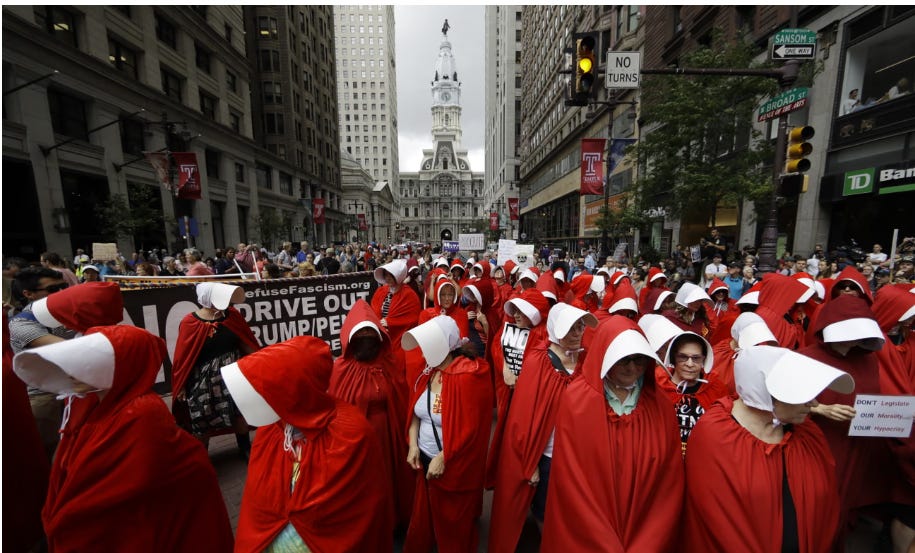
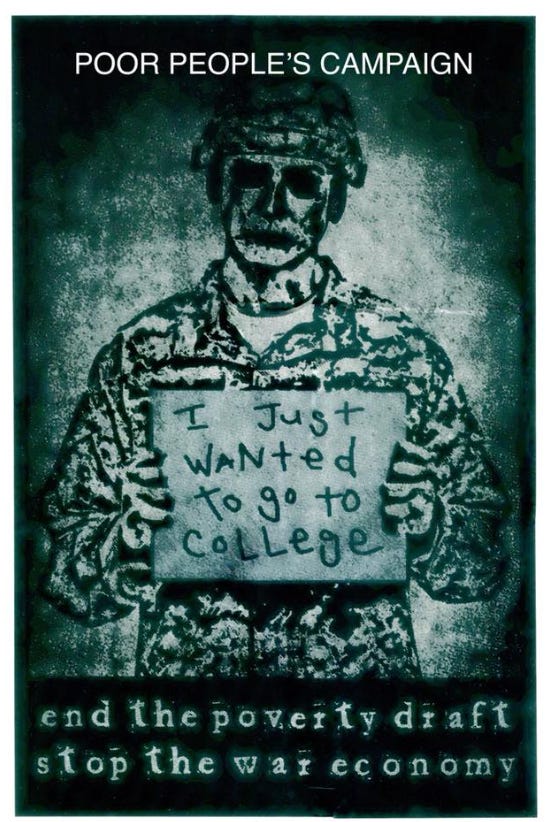
Get a fucking job with the uniformed mercenary crusades . . .

According to the Army’s own ceremonial and musical support page on its website, the sidebar includes a drop-down menu titled “What We Cannot Support,” with two bullet points iterating the following:
- Support for or during a religious service (although on-post chaplaincy mission is supported).
- Events that would be detrimental to the interests or values of the armed forces.

JOBS JOBS JOBS:
The color guard’s appearance came two days after the Pentagon received scrutiny for platforming controversial pastor Doug Wilson during its monthly Christian prayer service.
Wilson, who shared a podium with Hegseth, in the past has made questionable remarks about discouraging women to vote, whether slavery was justified, and that he would “be more than happy to work with” the label as a Christian nationalist.
The White House defended Wilson’s appearance after the fact, as did Hegseth himself in social media posts. Also on Thursday, Hegseth defended the prayer service as a whole, saying the “left wing shrieks, which means we’re right over the target.”
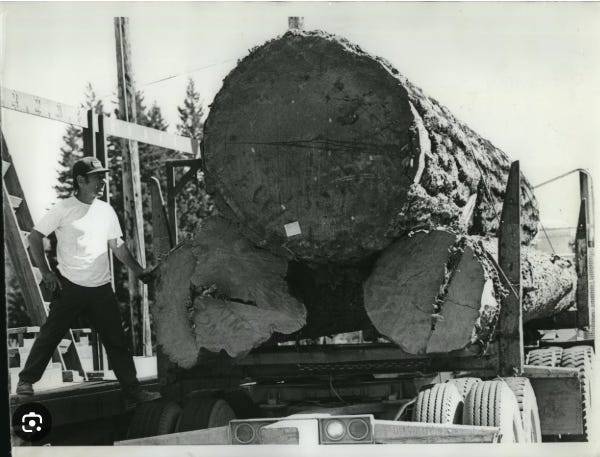
CUT CUT CUT . . . JOB JOBS JOBS: The Trump administration is proposing to log millions of acres of timber in Western Oregon, and the Bureau of Land Management (BLM) is seeking public input.
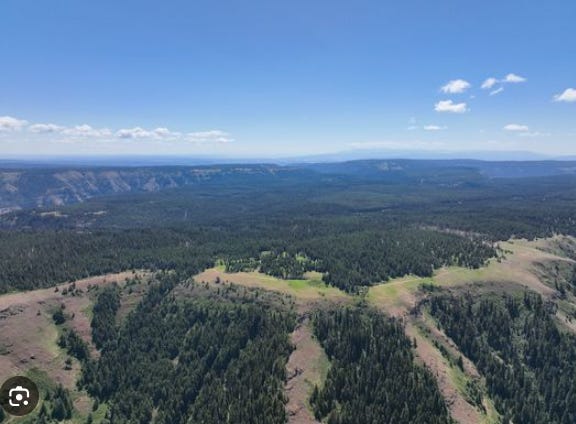
As part of an effort to expand domestic timber production and reduce reliance on foreign imports, the BLM is inviting comments on new Trump administration plans to log 2.5 million acres of what it describes as highly productive timberlands in Western Oregon. NBC5’s Craig Smullin spoke with people both for and against the proposal.
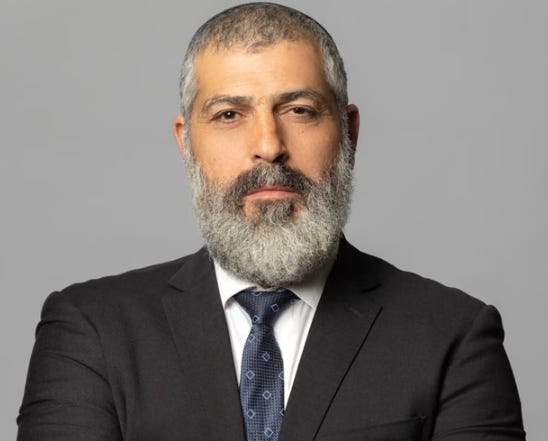
This is a Huckabee’s bro’ — TV journalist Zvi Yehezkeli (pictured) is due to appear at two events in Sydney and Melbourne in March, but could be denied a visa for entering Australia.
Tony Burke says he is still considering whether to deny visa application from TV journalist Zvi Yehezkeli
An Israeli journalist who once said 100,000 Gazans should have been killed after Hamas’ 7 October attack could be stopped from entering Australia ahead of a fundraising event next month.
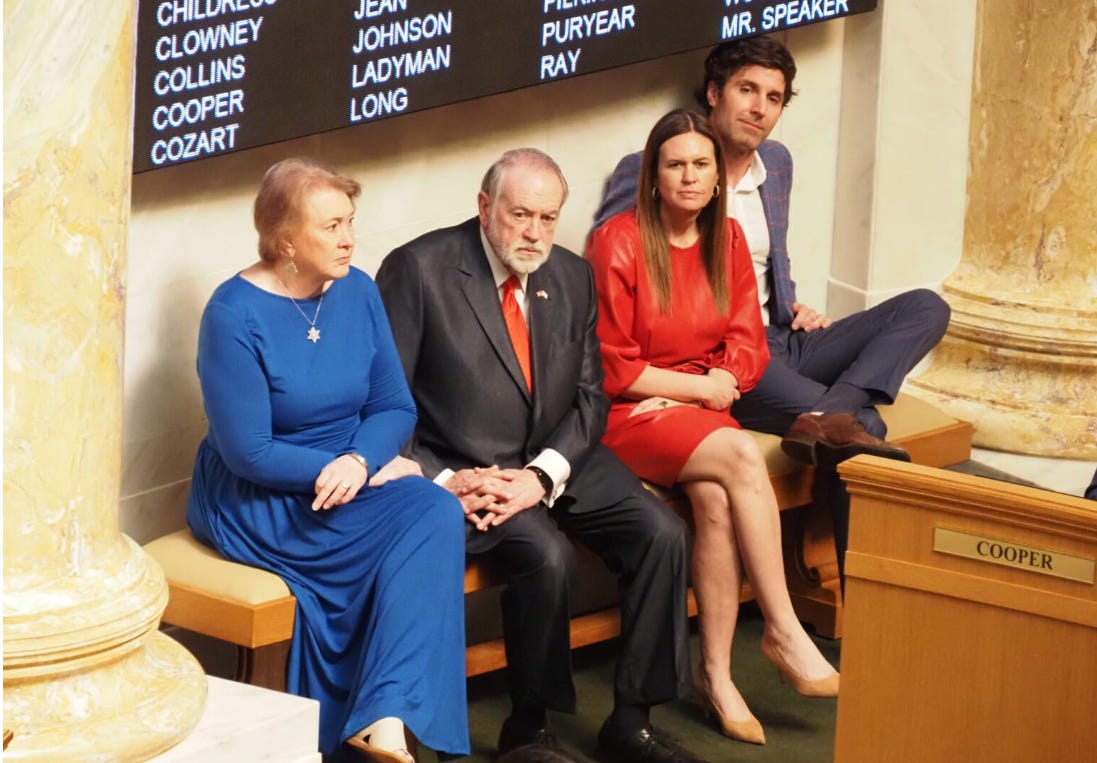
Jews, man, fucking JEWS: The OpenAI boss, Sam Altman, has tried to ease concerns about how much power is used by artificial intelligence models by comparing it to the amount of energy required by human development.
“People talk about how much energy it takes to train an AI model – but it also takes a lot of energy to train a human,” Altman told the Indian Express recently while in India for the AI Impact summit. “It takes about 20 years of life – and all the food you consume during that time – before you become smart.”

+—+
You can’t write a novel with this amount of shit in it — Forget about the slavery, the Indian killing, the Chinese Exclusion Act, the Internment, the the the . . .
The Federal Communications Commission (FCC) is urging broadcasters to air more “patriotic, pro-America” content in honor of the 250th anniversary of the signing of the Declaration of Independence.
In a statement issued on Friday, FCC Chairman Brendan Carr described the “Pledge America Campaign” as a way for broadcasters to align themselves with the Salute to America 250 Task Force, the group created by President Trump to oversee the 250th anniversary celebrations at the federal level.
Carr said the country’s broadcasters should use their national reach and ability to inform and entertain audiences by upping programming that “celebrates the American journey and inspires its citizens by highlighting the historic accomplishments of this great nation from our founding through the Trump Administration today.”

Bears repeating:
From David Vine’s The United States at War:
A list of wars (italic) and of military combat that for some reason isn’t called a war (non-italic) that does not attempt to include every war and combat against Native Americans:
1774-1883 Shawnee, Delaware
1776 Cherokee
1777-1781 Iroquois Confederacy (Haudenosaunee)
1780-1794 Chickamauga
1790-1795 Miami Confederacy
1792-1793 Muskogee (Creek)
1798-1801 France
1801-1805 Tripoli
1806 Mexico
1806-1810 Spanish, French privateers
1810 Spanish West Florida
1810-1813 Shawnee Confederacy
1812 Spanish Florida
1812-1815 Canada (Great Britain)
1812-1815 Dakota Sioux
1812-1815 Iroquois Confederacy (Haudenosaunee)
1813 Spanish West Florida
1813-1814 Marquesas Islands
1813-1814 Muskogee (Creek) Confederacy
1814 Spanish Florida
1814-1825 Pirates
1815 Algiers
1815 Tripoli
1816 Spanish Florida
1817 Spanish Florida
1817-1819 Seminole
1818 Oregon (Russia, Spain)
1820-1861 African Slave Trade Patrol
1822-1825 Cuba (Spain
1824 Puerto Rico (Spain)
1827 Greece
1831-1832 Falkland Islands
1832 Sauk
1832 Sumatra
1833 Argentina
1835-1836 Peru
1835-1842 Seminole
1836 Mexico
1836-1837 Muskogee (Creek)
1838-1839 Sumatra
1840 Fiji Islands
1841 Samoa
1841 Tabiteuea
1842 Mexico
1843 China
1844 Mexico
1846-1848 Mexico
1847-1850 Cayuse
1849 Turkey
1850-1886 Apache
1851 Johanna Island
1851 Turkey
1852-1853 Argentina
1853-1854 Japan
1853-1854 Nicaragua
1853-1854 Ryukyu, Ogasawara islands
1854-1856 China
1855 Fiji Islands
1855 Uruguay
1855-1856 Rogue River Indigenous Peoples
1855-1856 Yakima, Walla Walla, Cayuse
1855-1858 Seminole
1856 Panama (Colombia)
1856-1857 Cheyenne
1857 Nicaragua
1858 Coeur d’Alene Alliance
1858 Fiji Islands
1858 Uruguay
1858-1859 Turkey
1859 China
1859 Mexico
1859 Paraguay
1860 Angola
1860 Colombia
1862 Sioux
1863-1864 Japan
1864 Cheyenne
1865 Panama (Colombia)
1866 China
1866 Mexico
1866-1868 Lakota Siouw, Northern Cheyenne, Northern Arapaho
1867 Formosa (Taiwan)
1867 Nicaragua
1867-1875 Comanche
1868 Colombia
1868 Japan
1868 Uruguay
1870 Hawaii
1871 Korea
1872-1873 Modoc
1873 Colombia (Panama)
1873-1896 Mexico
1874 Hawaii
1874-1875 Comanche, Apache, Arapaho, Cheyenne, Kiowa
1876-1877 Sioux
1877 Nez Perce
1878 Bannock (Banna’kwut)
1878-1879 Cheyenne
1879-1880 Utes
1882 Egypt
1885 Panama (Colombia)
1888 Haiti
1888 Korea
1888-1889 Samoa
1889 Hawaii
1890 Argentina
1890 Lakota Sioux
1891 Bering Straight
1891 Chile
1891 Haiti
1893 Hawaii
1894 Brazil
1894 Nicaragua
1894-1895 China
1894-1896 Korea
1895 Panama (Colombia)
1896 Nicaragua
1898 Cuba (Spain)
1898 Nicaragua
1898 Philippines (Spain)
1898 Puerto Rico (Spain)
1898-1899 China
1899 Nicaragua
1899 Samoa
1899-1913 Philippines
1900 China
1901-1902 Colombia
1903 Dominican Republic
1903 Honduras
1903 Syria
1903-1904 Abyssinia (Ethiopia)
1903-1914 Panama
1904 Dominican Republic
1904 Tangier
1904-1905 Korea
1906-1909 Cuba
1907 Honduras
1909-1910 Nicaragua
1911-1912 Honduras
1911-1914 China
1912 Cuba
1912 Turkey
1912-1933 Nicaragua
1914 Dominican Republic
1914 Haiti
1914-1919 Mexico
1915-1934 Haiti
1916-1924 Dominican Republic
1917-1918 World War I (Europe)
1917-1922 Cuba
1918-1920 Russia
1918-1921 Panama
1919 Dalmatia
1919 Turkey
1919-1920 Honduras
1925 Panama
1932 El Salvador
1941-1945 World War II (Europe, North Africa, Asia/Pacific)
1946 Trieste
1947-1949 Greece
1948-1949 Berlin, Germany
1950 Formosa (Taiwan)
1950-1953 Korea
1953-1954 Formosa (Taiwan)
1955-1975 Vietnam
1956 Egypt
1958 Lebanon
1962 Cuba
1962 Thailand
1962-1975 Laos
1964 Congo (Zaire)
1965 Dominican Republic
1965-1973 Cambodia
1967 Congo (Zaire)
1976 Korea
1978 Congo (Zaire)
1980 Iran
1981 El Salvador
1981 Libya
1981-1989 Nicaragua
1982-1983 Egypt
1982-1983 Lebanon
1983 Chad
1983 Grenada
1986 Bolivia
1986 Libya
1987-1988 Iran
1988 Panama
1989 Bolivia
1989 Colombia
1989 Libya
1989 Peru
1989 Philippines
1989-1990 Panama
1990 Saudi Arabia
1991 Congo (Zaire)
1991-1992 Kuwait
1991-1993 Iraq
1992-1994 Somalia
1993-1994 Macedonia
1993-1996 Haiti
1993-2005 Bosnia
1995 Serbia
1996 Liberia
1996 Rwanda
1997-2003 Iraq
1998 Afghanistan
1998 Sudan
1999-2000 Kosovo
1999-2000 Montenegro
1999-2000 Serbia
2000 Yemen
2000-2002 East Timor
2000-2016 Colombia
2001 – Afghanistan
2001- Pakistan
2001- Somalia
2002-2015 Philippines
2002- Yemen
2003-2011 Iraq
2004 Haiti
c2004- Kenya
2011 Democratic Republic of the Congo
2011-2017 Uganda
2011- Libya
c2012- Central African Republic
c2012- Mali
c2013-2016 South Sudan
c2013- Burkina Faso
c2013- Chad
c2013- Mauritania
c2013- Niger
c2013- Nigeria
2014 Democratic Republic of the Congo
2014- Iraq
2014- Syria
2015 Democratic Republic of the Congo
c2015- Cameroon
2016 Democratic Republic of the Congo
2017- Saudi Arabia
c2017 Tunisia
2019- Philippines
Here is Blum’s list of U.S. attempts to overthrow governments (* indicates success):
- China 1949 to early 1960s
- Albania 1949-53
- East Germany 1950s
- Iran 1953 *
- Guatemala 1954 *
- Costa Rica mid-1950s
- Syria 1956-7
- Egypt 1957
- Indonesia 1957-8
- British Guiana 1953-64 *
- Iraq 1963 *
- North Vietnam 1945-73
- Cambodia 1955-70 *
- Laos 1958 *, 1959 *, 1960 *
- Ecuador 1960-63 *
- Congo 1960 *
- France 1965
- Brazil 1962-64 *
- Dominican Republic 1963 *
- Cuba 1959 to present
- Bolivia 1964 *
- Indonesia 1965 *
- Ghana 1966 *
- Chile 1964-73 *
- Greece 1967 *
- Costa Rica 1970-71
- Bolivia 1971 *
- Australia 1973-75 *
- Angola 1975, 1980s
- Zaire 1975
- Portugal 1974-76 *
- Jamaica 1976-80 *
- Seychelles 1979-81
- Chad 1981-82 *
- Grenada 1983 *
- South Yemen 1982-84
- Suriname 1982-84
- Fiji 1987 *
- Libya 1980s
- Nicaragua 1981-90 *
- Panama 1989 *
- Bulgaria 1990 *
- Albania 1991 *
- Iraq 1991
- Afghanistan 1980s *
- Somalia 1993
- Yugoslavia 1999-2000 *
- Ecuador 2000 *
- Afghanistan 2001 *
- Venezuela 2002 *
- Iraq 2003 *
- Haiti 2004 *
- Somalia 2007 to present
- Honduras 2009
- Libya 2011 *
- Syria 2012
- Ukraine 2014 *
[arguably, Syria 1949 needs to be added to this list. –DS]

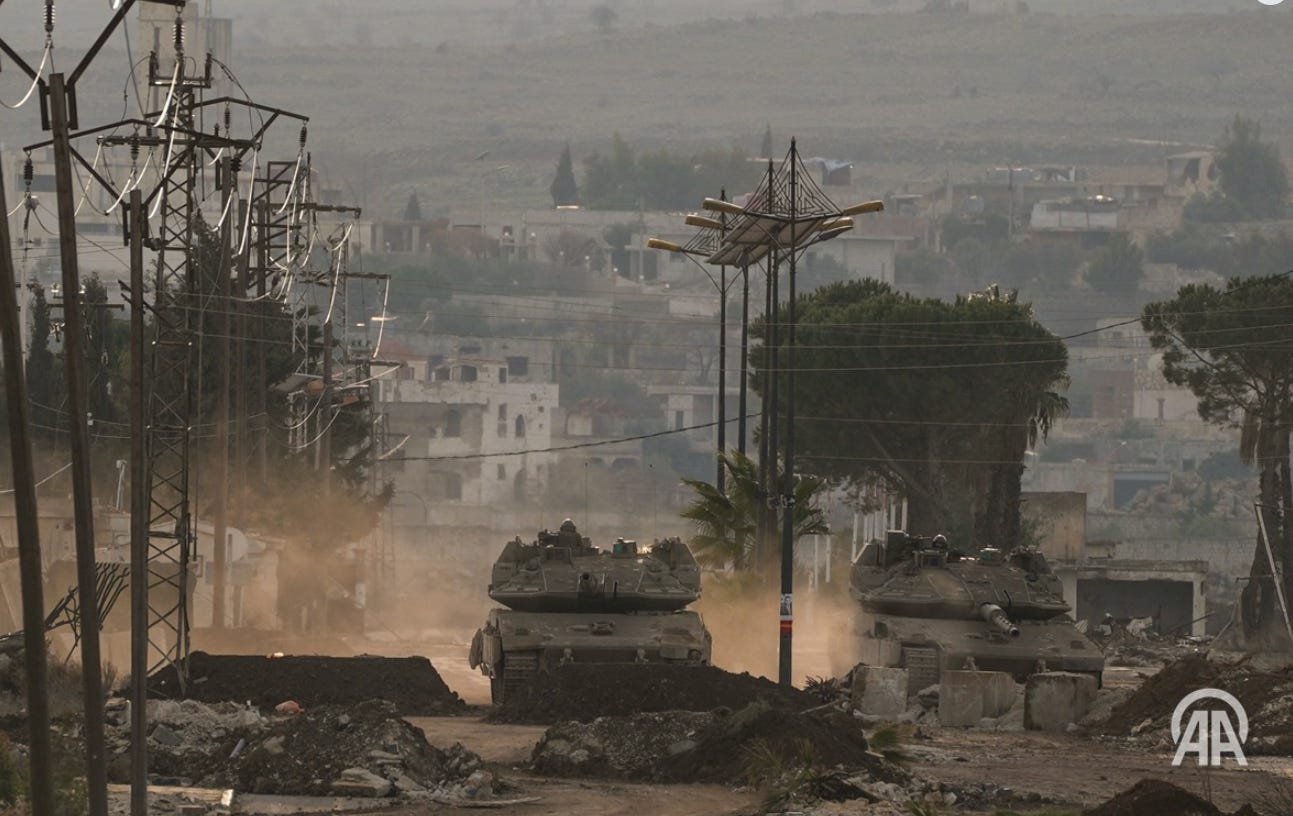

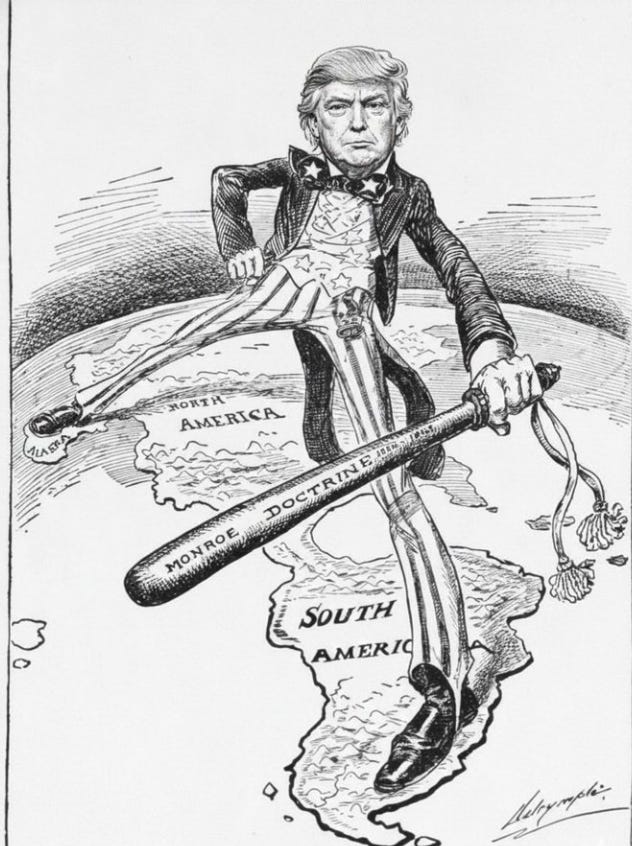

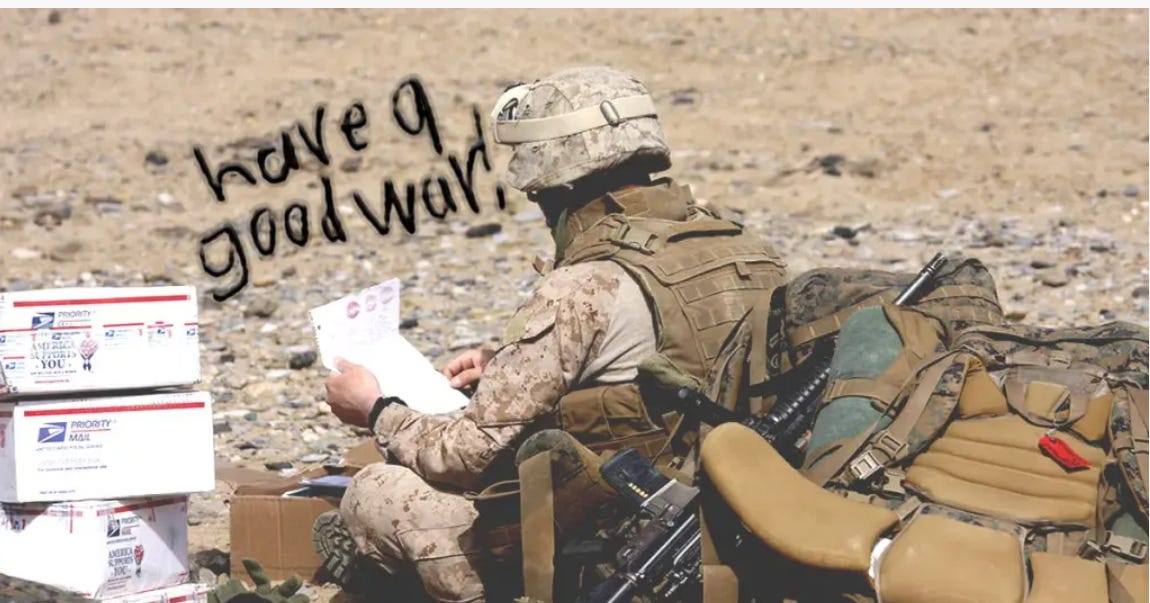

Stress positions and stress tests and crash test dummies in ALL sectors and all the fabric of this fucked up society.
Be all you can’t be:


Track your kiddos!!!


 Paul Haeder, Author