echo chambers with so many lefties, so many Alt Media folk, even the Judge, Larry Johnson, John Mearsheimer, Aaron-Max-Katie — The Lot of them — DO NOT KNOW what Real America Thinks
And the Jewification and Gazafication of their country, coming up on Yankee Doodle Dandy 250th, is completely lost on these people.
I get no energy from old people where I volunteer. Nor from City or County employees. They are fucking running scared, man, of crossing some fucking workplace HR-surveilled LINE.
But then I have a memoir writing class, or I did, now that it’s been taken away from me by the podunk community college in my county. Boy I would have had fun with this:
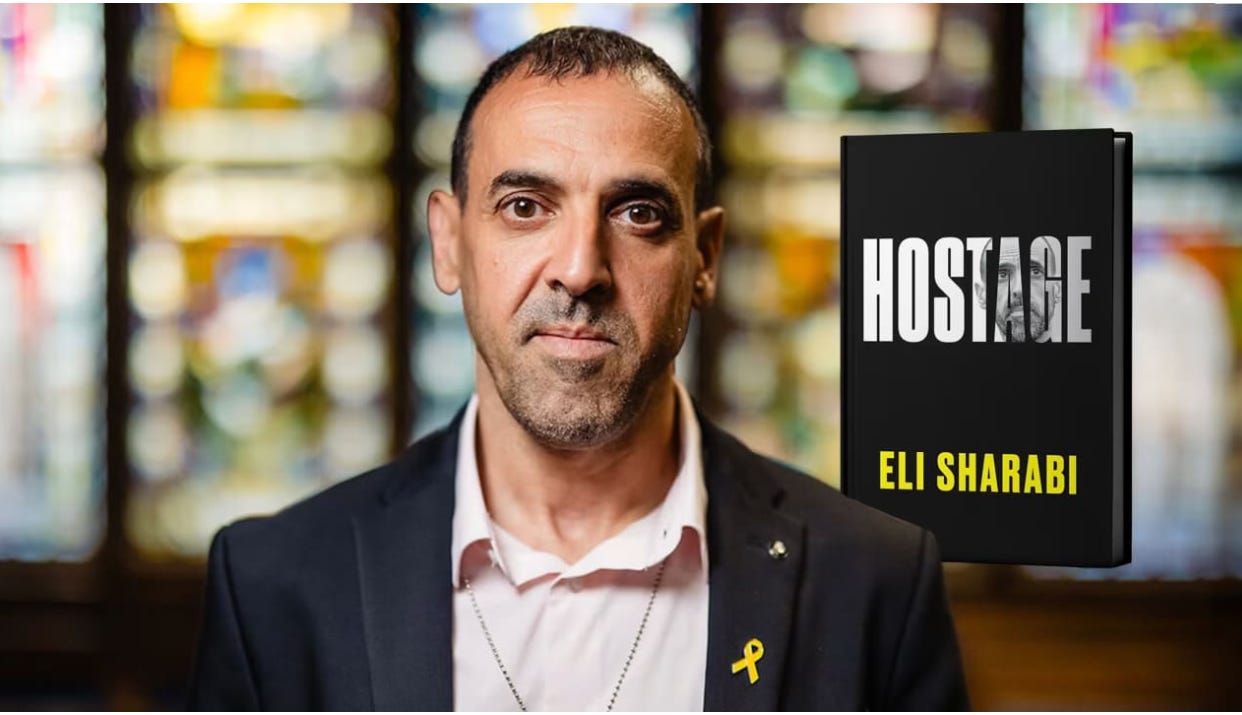
Eli Sharabi’s memoir “Hostage,” recounting his experience in Hamas captivity after the Oct. 7, 2023 attack, has been named Book of the Year by the National Jewish Book Awards, organizers announced Wednesday.
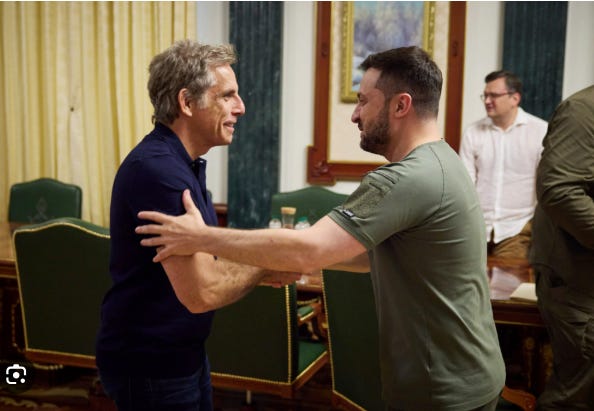
Leave it to a fucking JEW to take the title “Hostage,” applied to his own fucking military experience, and all Jews in Israel are duty bound to kill Arabs, and hostage versus prisoner of WAR. DO WE fucking care? Expect a three-part Netflix movie soon, Ben Stiller acting the role.
Ben Stiller has not played an Israeli character in a major film role, but he has portrayed a Jewish rabbi in Keeping the Faith (2000). While not acting as an Israeli, Stiller is known for his support of the country, having participated in a 2008 PR campaign for Israel’s 60th anniversary and visiting in his youth. He has also publicly expressed support for the Israeli people and their safety.
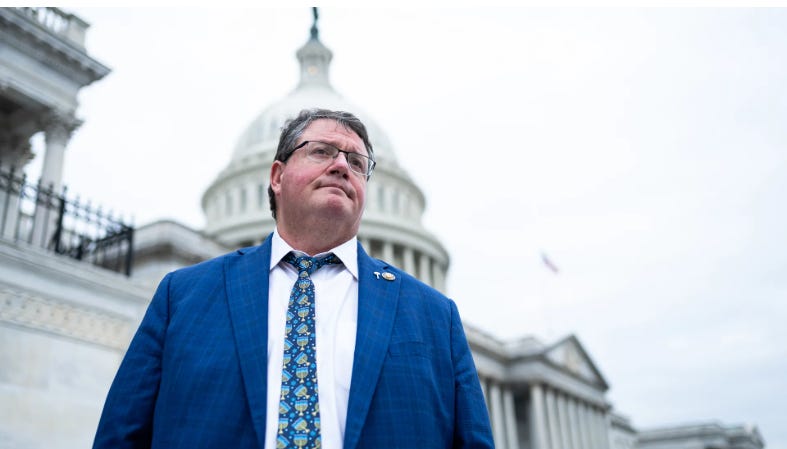
GOP rep faces censure calls over anti-Muslim post, Randy Fine, referring to himself by the nickname “The Hebrew.”
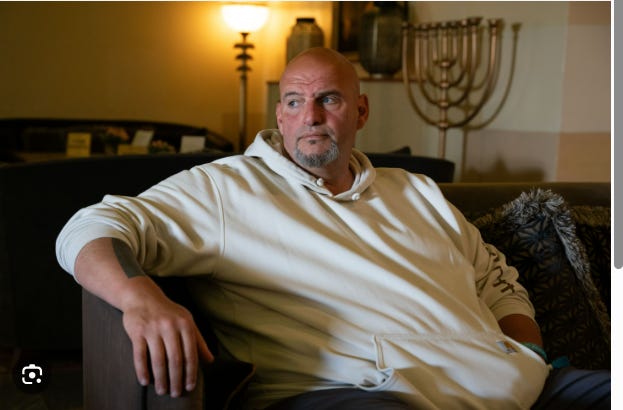
U.S. Senator John Fetterman has explicitly and repeatedly rejected the claim that Israel is committing genocide in Gaza. He is a staunch supporter of Israel and has been a vocal critic of those who use the term “genocide” to describe the situation.
John Fetterman is not Jewish. He was born to an affluent family in West Reading, Pennsylvania, and his ancestors were Pennsylvania Dutch (German-American).
While he does not identify as Jewish, he is widely recognized as one of the most outspoken pro-Israel voices in the Democratic Party.
Freak show: (L-R) US Senator John Fetterman, Gisele Fetterman, Sara Netanyahu and Prime Minister Benjamin Netanyahu at the Prime Minister’s Office in Jerusalem, on March 19, 2025.
“Israeli defense tech is tested in the operational arena, including in Iran”. Former Israeli Air Force commander highlights battlefield validation of technology.
Sure, Israel is almost finished! Where do these cocksuckers come up with this Substack and Podcast shit?
Levy also indicated that Israel is already looking beyond current systems. Development of Arrow 4 and Arrow 5 is advancing in parallel, he said, through what he described as a “deep engineering-operational process.” The objective is to expand defensive capabilities against evolving threats characterized by greater range, speed and complexity.
Beyond missile defense, Levy highlighted a broader transformation under way within Israel’s defense ecosystem. Future systems, he said, will incorporate more autonomous tools and artificial intelligence, both within platforms themselves and in command-and-control rooms that process battlefield data and transmit instructions to forces in the field.
“The change is great,” Levy said, describing a shift from isolated systems to integrated, AI-supported operational environments.
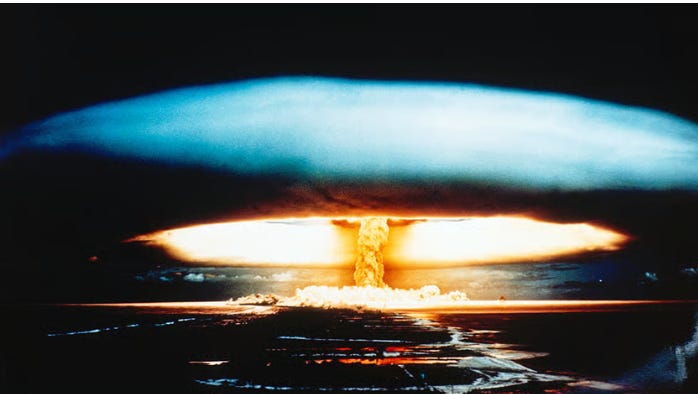
“WE WOULD BE safer if we had our own nuclear arsenal,” Donald Tusk, Poland’s prime minister, told his country’s parliament on March 7th. The reason he gave was the “profound change of American geopolitics”, a euphemism for Donald Trump’s diplomatic arson, which also required Poland to expand its conventional armed forces.
Europe thinks the unthinkable on a nuclear bomb
Poland wants cooperation with France on a nuclear deterrent. That could take many forms
Hitler created the largest gun ever, and it was a total disaster.
Yeah, the Senior Center has listen and learn sessions with cunts pushing AI, putting sentences through the LLM system to see what Big Brother does with setences and poetics.
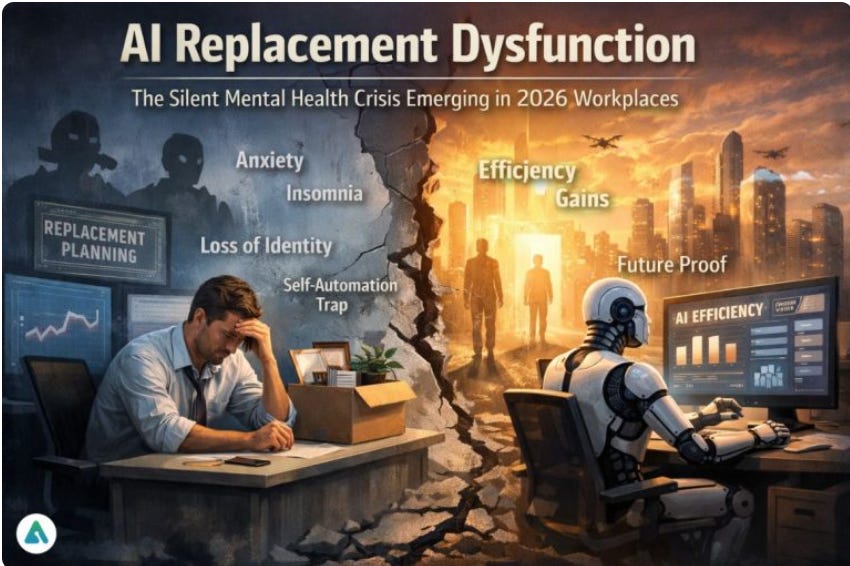
It Turns Out That Constantly Telling Workers They’re About to Be Replaced by AI Has Grim Psychological Effects
“An invisible disaster.”
Artificial intelligence replacement dysfunction (AIRD) is a new, proposed clinical construct describing the psychological and existential distress that could be experienced by individuals facing the threat or reality of job displacement due to artificial intelligence (AI). As AI systems increasingly automate tasks across industries, workers may present to mental health professionals with symptoms such as anxiety, insomnia, depression, or identity confusion symptoms that may reflect deeper fears about relevance, purpose, and future employability. This paper introduces AIRD as a conceptual framework for understanding these presentations, outlines common symptom patterns, proposes practical tools for screening and intervention, and suggests an imperative for advocacy. We describe therapeutic strategies, including motivational interviewing, narrative therapy, occupational identity restructuring, and adaptation. Additionally, we urge clinicians to take on systems-level advocacy roles in shaping institutional, educational, and policy responses to AI-related workforce disruptions. For clinical practitioners, increasing awareness of AIRD may improve therapeutic recognition and intervention. As AI transforms the labor landscape, mental health professionals must be prepared to recognize and respond to the emotional and social consequences it leaves in its wake.
A Federal Communications Commission (FCC) member is going after Paramount over the company’s apparent decision to bar CBS late night host Stephen Colbert from airing an interview with Texas Democratic Senate candidate James Talarico.
“This is yet another troubling example of corporate capitulation in the face of this Administration’s broader campaign to censor and control speech,” said Commissioner Anna Gomez, a Democrat. “The FCC has no lawful authority to pressure broadcasters for political purposes or to create a climate that chills free expression.”
JBD — Jewish Billionaire DIsorder?
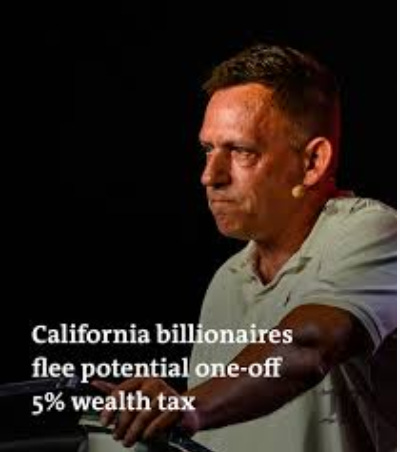
Opponents of California’s proposed wealth tax are turning to the same tool as its champion: the ballot initiative.
A multi-pronged campaign to undercut the proposed one-time, 5 percent levy took a significant step forward Tuesday, when rival ballot initiatives rolled out veteran staffers and secured support from a ballot committee bankrolled by some of California’s wealthiest residents.
The trio of ballot measures is designed to undercut the billionaire’s tax, such as by invalidating new taxes that apply retroactively or do not adhere to California laws limiting spending or reserving money for schools — prohibitions that would apply to the wealth tax.
In an indication of their resources and seriousness, they’ve all hired seasoned campaign staffers, and two of the campaigns are already paying $12 per signature — a significant sum in California’s ballot wars — as they dash toward an April deadline to collect signatures.
Fucking racist cunts:
The U.S. Department of Education opened an investigation Tuesday into Portland Public Schools’ Center for Black Student Excellence, following a December complaint to the department’s Office of Civil Rights from a conservative advocacy group.
The logic behind the investigation, the feds said, is that while “tens of millions” were allocated “exclusively” to Black students for “academic interventions, wraparound support, facilities, and family programs,” several PPS student groups face challenges on par or greater than the district’s Black students. The DOE is acting on the assumption that PPS discriminated against students based on their race. (The district maintains that the CBSE will be available to all of its students.)
Defending Education, the group that lodged the December complaint, is an Arlington, Va.-based nonprofit known for targeting diversity, equity and inclusion initiatives by arguing that they violate Title VI of the Civil Rights Act of 1964 and the equal protection clause of the 14th Amendment. In its complaint, the group alleged the CBSE discriminates against students based on their race and thus violates both the law and the Constitution.
Back to the fucking Black History Month, and coming soon, Hispanic Heritage Month:
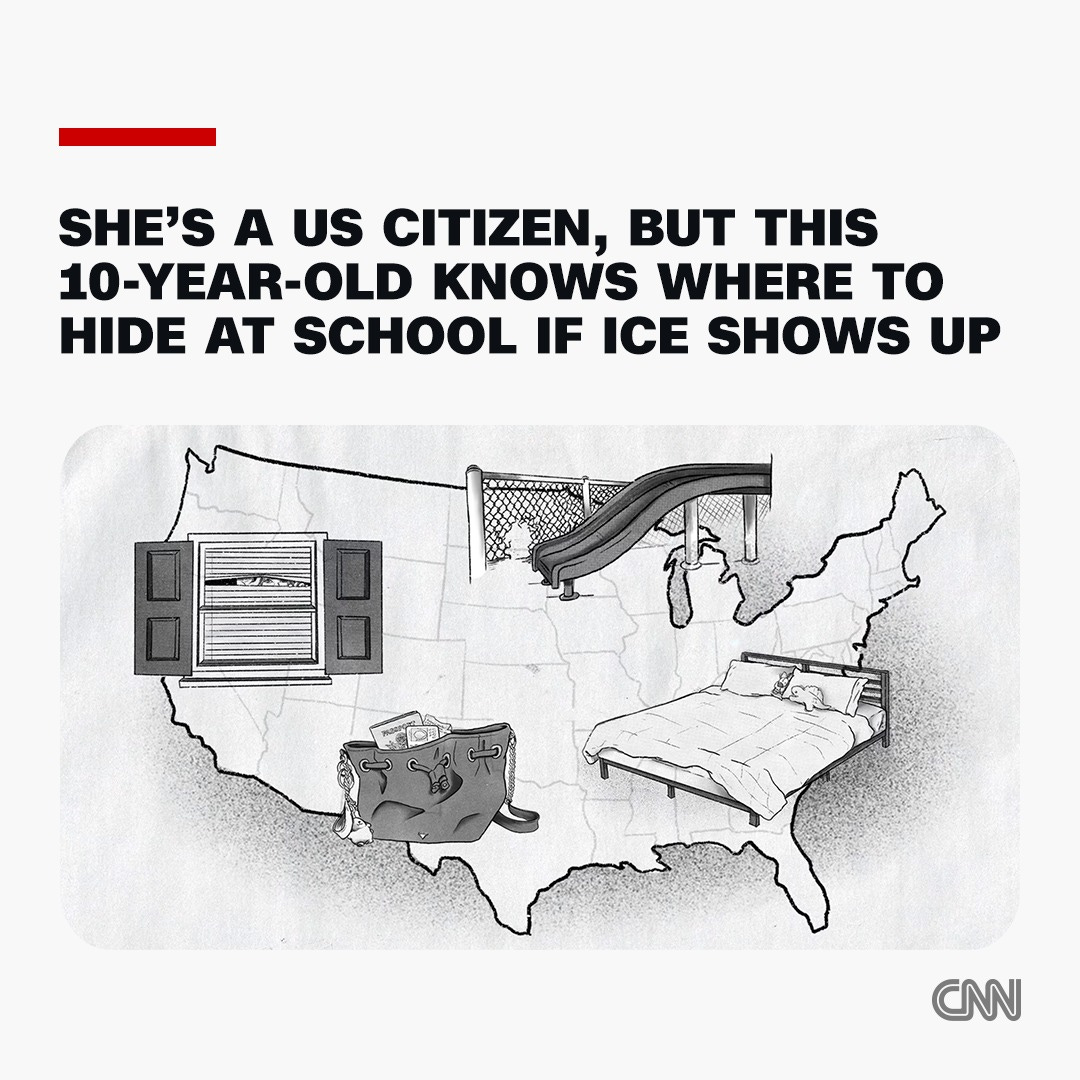
She’s a US citizen, but this 10-year-old knows where to hide at school if ICE shows up
On the bitterly cold morning of January 6, Elizabeth and her mother were driving to her school bus stop when federal agents intercepted the family’s car and blocked it with their own vehicles, Elizabeth’s father Luis Zuna said.
A witness captured the encounter on camera as multiple agents surrounded the family’s car.
Elizabeth called her father, who was at his construction job, and said they had been stopped by ICE. But she told her father what sounded like reassuring words.
“She said, ‘ICE is going to drop me off at school,’” Luis said. “So I thought, OK, they will drop her off at school, and we hung up.”
But when Luis later called his daughter and didn’t get an answer, he panicked and rushed to find her.
“He was here at school by 7:30 a.m. looking for her,” Highland Elementary secretary Carolina Gutierrez said. “I know that because we open our school doors at 7:25, and he was the first person at my window.”
Luis and school social worker Tracy Xiong hoped the ICE vehicle just hadn’t arrived yet.
“Several staff members, including myself, waited outside the school building for a vehicle to approach and drop her off. No one ever came,” Xiong said.
“That morning turned into hours of phone calls, desperately trying to locate a child. We did everything we could to keep Elizabeth’s father calm and allowed him to remain at school as we searched for answers. By that afternoon, we had learned that Elizabeth and her mother were already taken to Texas.”
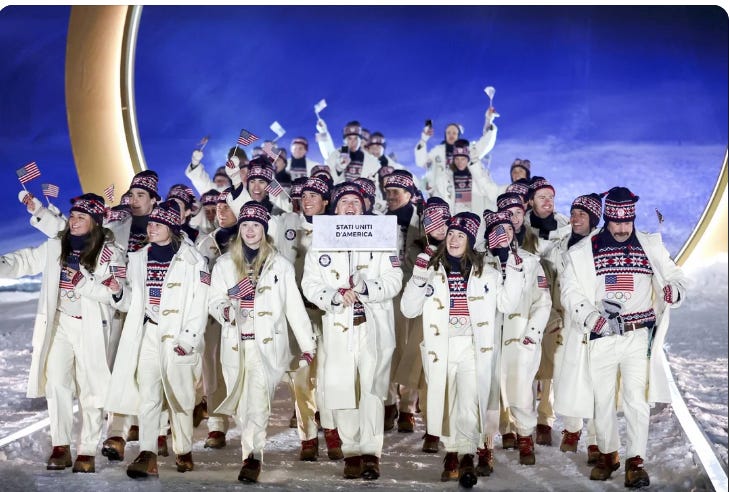
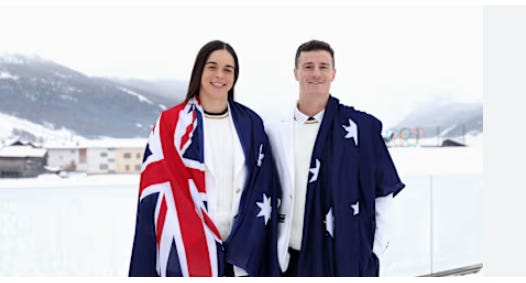
At the physical rehab, I am going three times a week, no more Friends until the fucking WHITE MAN-WOMAN Olympics are over.
Makes me sick to see this fucking white race, and lo and behold, only whites are athletes if you watch that fucking Italian shit.
Asking the Jew AI: Historical Context: A 2017 study found that approximately 94.9% of Winter Olympic athletes were white. Dominant Nations: The largest delegations in 2026 come from the United States (233), Canada (210), Italy (196), and Germany (189), which remain predominantly white.
Well, I did NOT tune into the Stupor Bowl, but this is fucking interesting:
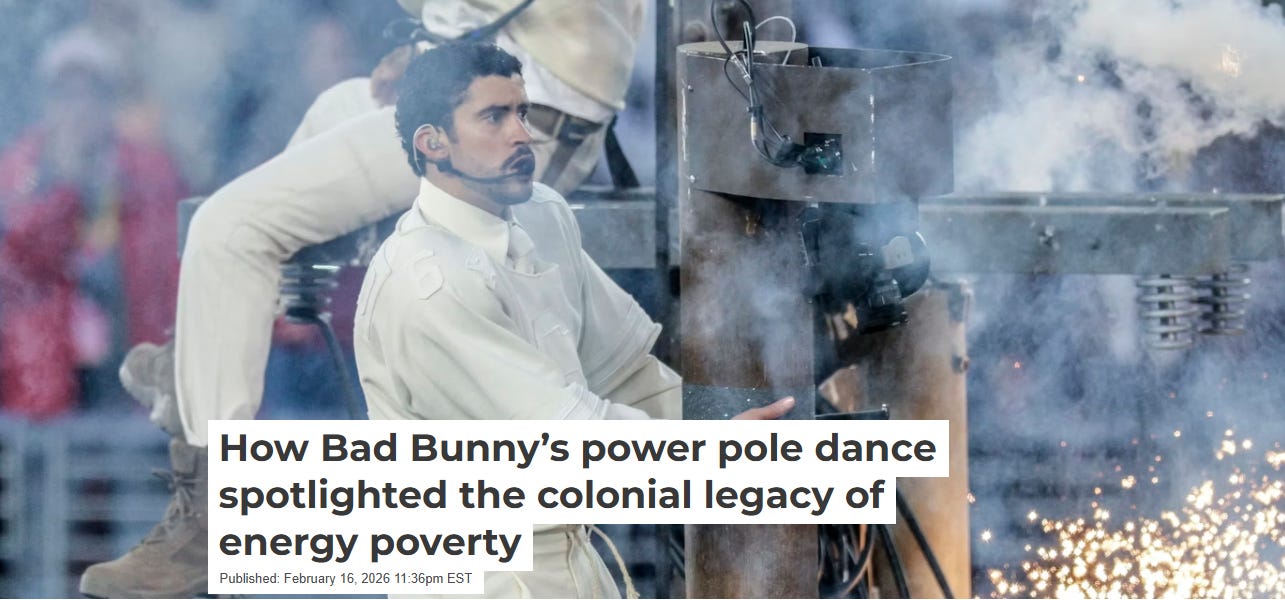
When Bad Bunny and his dancers scaled power poles during his Super Bowl performance, he wasn’t just entertaining millions. He was spotlighting how Puerto Rico’s chronic power outages are a legacy of its colonisation.
Puerto Rico is far from alone in this struggle – colonialism and geopolitical power imbalances have shaped access to electricity worldwide.
Puerto Rico has long suffered rolling blackouts lasting days and sometimes months. This leaves residents – especially vulnerable populations – without refrigeration, medical equipment, or air conditioning.
This isn’t just poor infrastructure management, though that is certainly an issue. It’s the ongoing legacy of colonial control over energy systems.
Colonial powers built energy systems designed to extract resources and profits for distant corporations and governments, not to serve local communities. As a result, local communities pay high costs for inadequate power. Similar patterns exist globally, from the Caribbean to the Middle East.
When Bad Bunny and his dancers scaled power poles during his Super Bowl performance, he wasn’t just entertaining millions. He was spotlighting how Puerto Rico’s chronic power outages are a legacy of its colonisation.
Puerto Rico is far from alone in this struggle – colonialism and geopolitical power imbalances have shaped access to electricity worldwide.
Puerto Rico has long suffered rolling blackouts lasting days and sometimes months. This leaves residents – especially vulnerable populations – without refrigeration, medical equipment, or air conditioning.
This isn’t just poor infrastructure management, though that is certainly an issue. It’s the ongoing legacy of colonial control over energy systems.
Colonial powers built energy systems designed to extract resources and profits for distant corporations and governments, not to serve local communities. As a result, local communities pay high costs for inadequate power. Similar patterns exist globally, from the Caribbean to the Middle East.
Endless fucking racist VD Vance:
When asked about Eileen Gu on Fox News Tuesday, Vice President JD Vance claimed her status should be decided by the Olympics, adding someone who “benefited from our education system, from the freedoms and liberties that make this country a great place” should want to compete with the United States.
Vance also added that he will root for American athletes and “people who identify themselves as Americans.”
Eileen Gu, 22, from California, competes for her mother’s native China.
Do you hate Jews and Aericans YET?
Gu was born and raised in San Francisco, California, and initially competed for the United States before switching to represent China in 2019, to honor her mother’s heritage. In addition to Vance, Gu’s decision has drawn attention from other right-wing figures such as Tucker Carlson, who called her decision “dumb” on his Fox News show in 2022. Gu entered the 2026 Olympics a global star after winning three medals at the 2022 Beijing Olympics, including a gold in freeski halfpipe and big air, and has already taken silver in women’s freeski slopestyle.
Big Number
$23 million. That’s how much Eileen Gu made over the past 12 months, according to Forbes, making her the highest-paid Olympian at this year’s games.
Then, I get this time and time again: Comment on this one: Everything You Don’t Know About Epstein’s Other Island . . .
Zionist** the Jewish religion is not to blame – at least by those who don’t support Jewish supremacy (just like white supremacy – why we were called “goy”) – to my knowledge the Jewish religion doesn’t make someone litigious. An immoral leadership from day 1 can, though….
In response to this tidbit:
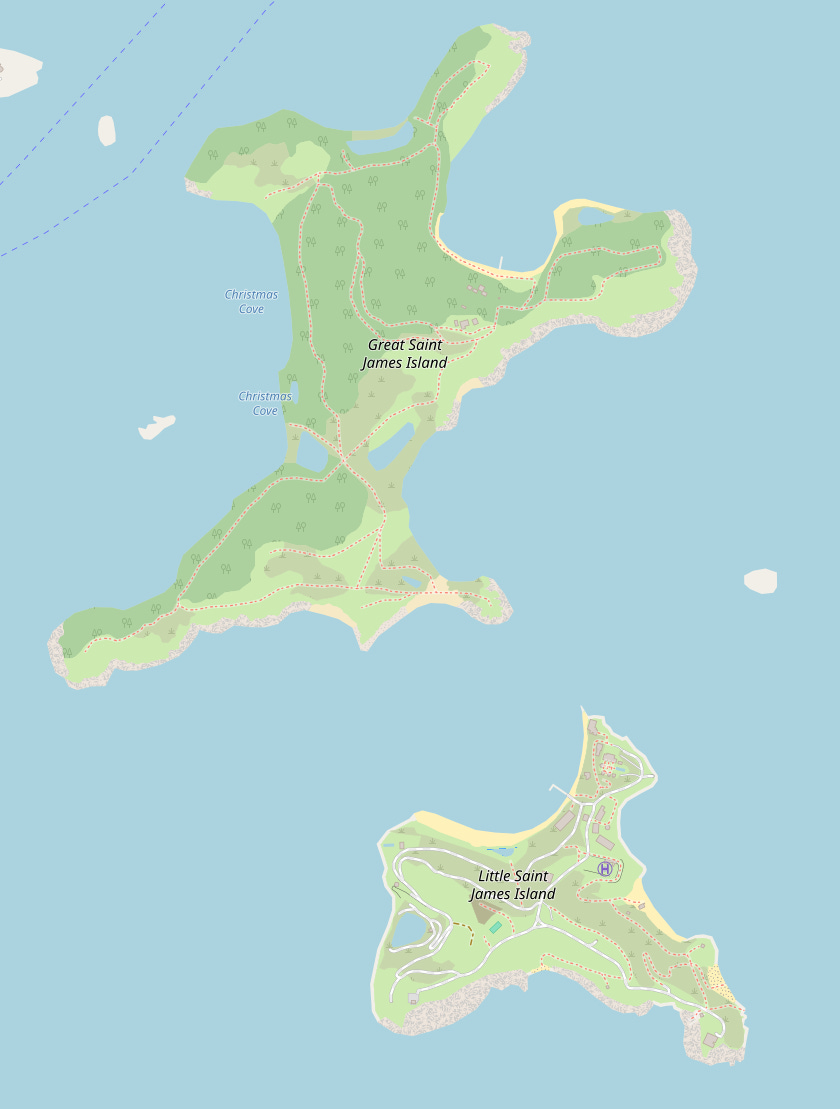
When Epstein died, the islands were auctioned off, just as his estate had planned.
In March 2022, Great St. James and Little St. James were listed together for 125 million dollars. Epstein’s estate said the proceeds would go toward settling lawsuits. By 2023, both islands were sold for half of that — 60 million dollars — to billionaire private equity executive Stephen Deckoff, who has stated he has plans to turn them into luxury resorts.
Think about what that actually means.
Children were trafficked to these islands. Kids were abused and r*ped on this land.
And the ending to that story is that a billionaire snaps up the property at a discount, slaps some overwater bungalows on it, and starts selling weekend getaways to wealthy tourists.
There is no memorial and no reckoning with what happened there.
The market just absorbed it, the way it absorbs everything, and the place where some of the worst crimes imaginable were committed is now being rebranded into something you might see in a travel magazine.
Paulokirk:
Again, just torch the fucking bungalows. All these Jewish tricks of lawyering up and Black Rock manipulation, they can’t be defeated with paper.
Rock, scissors and Molotovs.
Well Well: Support for Existence: A February 2026 survey found 88% of surveyed Jews believe in Israel’s right to exist as a Jewish, democratic state. Another source indicates90% of American Jews support this right.
A national survey earlier this year found that 72 percent of American Jews hold a favorable view of Israel. Another poll shows that Jews are almost universally supportive of Israel — a mere 5 percent of Jews “say they are not supporters of the Jewish state.” Polling has found that 85 percent of young Jews “believe that Israel has a right to exist as a Jewish state,” and that 70 percent of American Jews “believe anti-Zionism is antisemitic by definition.”
Between October 7, 2023 – when the Palestinian group Hamas attacked Israel and the latter subsequently began its war on Gaza – and April 18 this year, nearly three dozen states and counties have bought $1.7bn worth of bonds, according to Israel Bonds, a US-based company that raises foreign funds for Israel.
This money has gone straight into Israel’s general fund, where it can then be funnelled into Israel’s ballooning military budget. An email from Israel Bonds to an Ohio county treasurer noted the bonds were used in part to “refund the United States Government for security equipment”.
The world’s single largest purchaser of Israel’s war bonds is Palm Beach County – the wealthy Florida county home to President-elect Donald Trump’s Mar-a-Lago residence. Palm Beach holds a startling $700m worth of Israel bonds – a loan large enough to cover the purchase of multiple F-15 fighter jets.
So, which Jew is the GOOD Jew? Which Catholic is the Good Catholic? Official Church Position: The Vatican has consistently opposed abortion, viewing it as the termination of a human life.
Support for Legality: Data from 2024 shows that 59% to 60% of U.S. Catholics believe abortion should be legal in all or most cases.
Opposition to Legality: Around 40% to 42% believe it should be illegal in all or most cases.
Strict Pro-Life Stance: Only about 10% to 22% of U.S. Catholics believe abortion should be illegal in all circumstances without exception.
Factors Influencing Views: Regular Mass attendance correlates with stronger opposition to abortion; 77% of weekly attendees recognize the conflict between abortion and Church teaching.
Political/Demographic Splits: 78% of Catholic Democrats support legal abortion compared to 43% of Catholic Republicans. Furthermore, roughly 63% of Hispanic Catholics and 62% of white Catholics believe it should be legal in most or all cases.
Global Catholic opinion on same-sex marriage is deeply divided by region, with a 2014 survey finding 66% of Catholics globally opposed, driven by 98-99% opposition in African nations. Conversely, a majority of Catholics in Western Europe (e.g., 92% in Netherlands, 74% in France) and 57-61% of U.S. Catholics favor legal marriage.
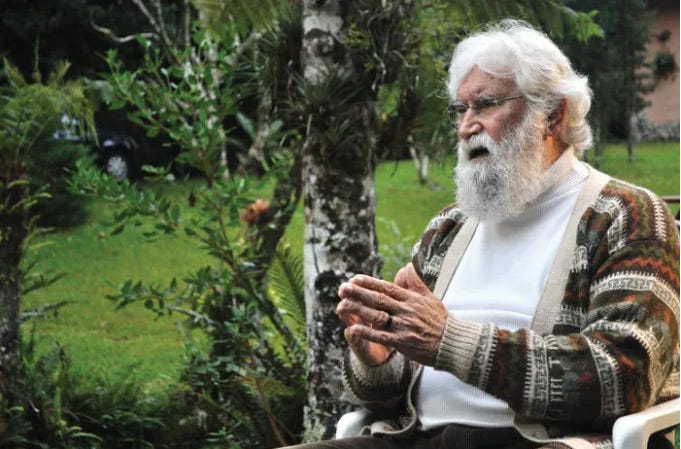
Reflecting on more than 80 years of life in his 2022 book Thoughts and Dreams of an Old Theologian, Leonardo Boff summed up many of his theological and personal concerns in a clarion call for change. “Either we care for Mother Earth, our Common Home, and we join hands to work together in solidarity, or we join the procession of those headed for their own funeral. Here we see the importance and the urgency of nurturing good dreams that lead us to transformational activities and constantly nourish our hope,” he wrote, adding:
This is the dream I want to pass on, as my life nears toward its end, to the young people who will come after us. It is their task to take forward the dream of Jesus, of Pope Francis, of liberation theology at its broadest, and of so many others who also nurture dreams of a better humanity. These young people will have to be the leaders in shaping a better future for us, for nature, and for Mother Earth.
If those dreams and concerns sound somewhat familiar, even to a reader unfamiliar with Boff’s work, it is because many of them were also reflected in recent Vatican documents like “Laudato Si’” and “Querida Amazonia.” After the publication of the former, rumors circulated that Pope Francis had personally asked Boff for his input on the writing of the encyclical.
Leonardo Boff, the pope’s theologian?
It was not always thus. In a long and still-ongoing career, Boff was for many years one of the leading voices of liberation theology—and became a lightning rod for criticism of that theological school in the 1980s and 1990s.
Born in Concórdia, Brazil, in 1938, Boff entered the Franciscans in 1959 and was ordained in 1964. He earned a doctorate in philosophy and theology from the University of Munich in 1970. In the years that followed, Boff joined scholars such as Gustavo Gutiérrez, Jon Sobrino, S.J., and Juan Luis Segundo, S.J., in promoting the theology of liberation through books like Jesus Christ Liberator (1974). He was a strong proponent of comunidades de base, the small and local “base communities” which were championed by liberation theologians as centers of theological praxis in the face of economic injustice and structural sin. His 1987 book, Introducing Liberation Theology, co-written with his brother Clodovis, is still widely used in colleges and theological schools as a textbook.
In 1985, the Congregation for the Doctrine of the Faith (now the Dicastery for the Doctrine of the Faith) censured Boff for his book Church: Charism and Power and silenced him for a year. The C.D.F., then led by Cardinal Joseph Ratzinger, criticized Boff’s “ecclesiological relativism” in seeing both Protestant and Catholic church structures as incomplete, and also cited his praxis-based approach to theology (centered on the base communities) that, the C.D.F. argued, seemed to relativize the nature of truth.
In a 1988 book on the matter, The Silencing of Leonardo Boff: The Vatican and the Future of World Christianity, the theologian Harvey Cox suggested that the Vatican singled out Boff because it saw the “grass-roots religious energy” Boff represented as a threat to the church’s teaching authority.
Cox, wrote the theologian Lamin Sanneh in America in 1988, placed Boff’s silencing “in the global context of world Christianity, in particular the potential scale of the fallout from the growing challenge of third-world Christianity to the accustomed privileges of Western religious hegemony.”
“Liberation theology” was the name given to a species of theology that emerged in late 1960s and early 1970s Latin America. It called for a radical reassessment of theology, pastoral works, and the Catholic Church itself. The Church and its clergy had historically coexisted with –– or morally authorized –– slavery, conquest, colonialism, and neocolonialism. By the late 1960s, this was no longer as politically, let alone ethically, tolerable. Anticolonial wars and national liberation struggles had erupted throughout Asia, Africa, and Latin America as the “Third World” came to signify an anti-imperialist project to build a world predicated on equity, solidarity, and sovereignty.
In the midst of these revolutionary times was convened the Second Vatican Council, colloquially known as Vatican II (1962-65), out of which came a call for a more “worldly” Catholic Church. The clergy of the Third World made it clear, however, that a “worldlier” Church was not merely one in which priests wore less ornate regalia and held Mass in vernacular languages (in lieu of Latin). A “worldlier” Church was to be one that solemnly reckoned with dire issues in the world, not least of which was poverty.
In 1968, Latin American Bishops convened in Medellín, Colombia to flesh out the “spirit” of Vatican II. Out of that conference emerged declarations that rejected poverty as the lot of morally or intellectually inferior peoples. They concluded, rather, that poverty was a species of “institutionalized violence” and that our lives are lived in a situation of “social sin” insofar as we can but collectively choose not to eradicate poverty. The proper Christian choice is to “opt for the poor” (Ellacuría and Sobrino, 1994).
“And the farmers are put in jail for not selling at 30 cents
and their bananas are slashed with bayonets
and the Mexican Trader Steamship sinks with their barges on them
and the strikers are cowed with bullets.
(And the Nicaraguan congressmen are invited to a garden party.)”
Judaism: Most Israeli religious authorities and citizens reject the accusations of genocide, arguing that the war is a justified response to the October 7 attack.
He’s a fucking criminal, not a religious voice: Israeli chief rabbi: Jews have ‘moral obligation’ to intervene in Syria | The Times of Israel.
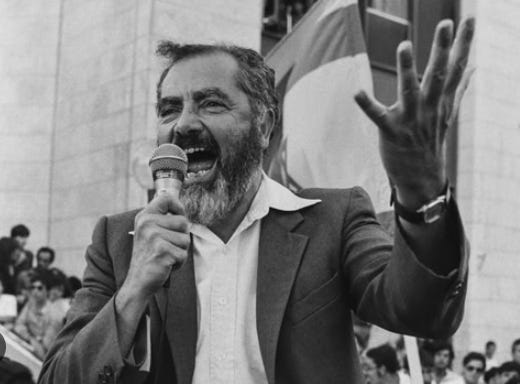
Criminals: Kahane’s ghost: how a long-dead extremist rabbi continues to haunt Israel’s politics
Israel’s actions in Gaza are not genocide, says UK’s chief rabbi | Israel-Gaza war
Collaborators of the rape, murder, baby-killing, family executions, and training Jew Dogs to Rape/ Gaza War Is Shifting Ties Between Secular and Ultra-Orthodox Israelis
This is what fucking Mark Wahlberg peddles?
Violence: Films such as Pain & Gain (2013) and 2 Guns (2013) are noted for being jarringly violent. Pain & Gain was described as having a “disturbing” true-crime plot involving kidnapping, extortion, and murder, often covered in layers of gore.
Sexist/Misogynistic Content:The Other Guys (2010) has been criticized for containing misogynistic humor and graphic, often demeaning, sexual jokes. Similarly, the 1990s thriller Fear, while a product of its time, has been criticized for its depiction of sexual politics.
Vulgarity and Tone:The Other Guys features constant, crude references to sexual acts and misogynistic humor.
Genre Trends: Much of his filmography falls within the action, crime, and gritty thriller genres, which often rely on high-stakes violence (Broken City, Pain & Gain).
Fucking JEWS:
When Boniface Mwangi, the prominent Kenyan pro-democracy activist who plans to run for president in 2027, had his phones returned to him by Kenyan authorities after his controversial arrest last July, he immediately noticed a problem: one of the phones was no longer password protected and could be opened without one.
It was Mwangi’s personal phone, which he used to communicate with friends and mentors, and contained photos of private family moments with his wife and children. Knowing that its contents could be in the hands of the Kenyan government made Mwangi – who has described harassment and even torture – feel unsafe and “exposed”, he told the Guardian.
A report released on Tuesday by Citizen Lab, which tracks digital threats against civil society, has found with “high confidence” that Kenyan authorities used Israeli technology to break into Mwangi’s phone while he was under arrest last year, when the device was in police custody.
JEWS: The large-scale deployment of American forces to the Middle East has escalated significantly this month as the Trump administration pressures Iran to strike a deal that would limit its nuclear and military capabilities.
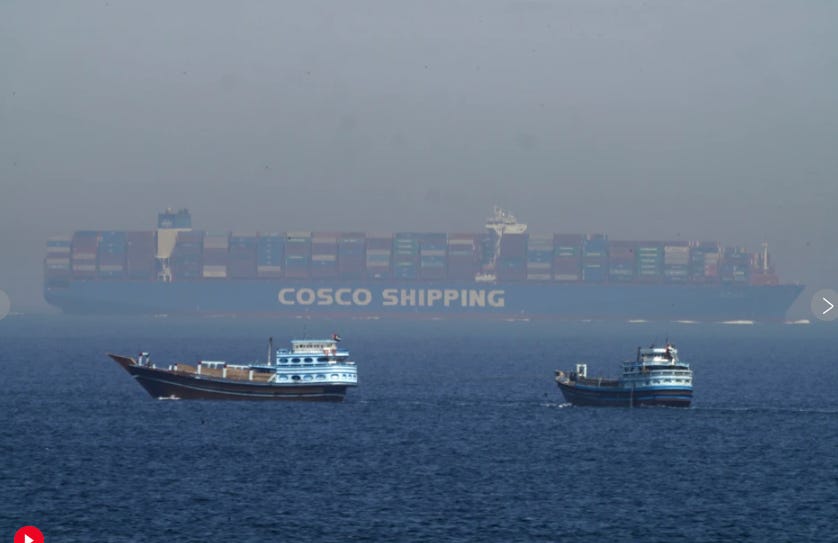
Iran announced the temporary closure of the Strait of Hormuz on Tuesday for live fire drills in a rare show of force as its negotiators held another round of indirect talks with the United States over the Islamic Republic’s disputed nuclear program.
It was the first time Iran has announced the closure of the key international waterway, through which 20% of the world’s oil passes, since the U.S. began threatening Iran and rushing military assets to the region. It was not immediately clear if the strait had been closed, but such a rare and perhaps unprecedented move could further escalate tensions that threaten to ignite another war in the Middle East.
JEWS: Jewish individuals and Israeli institutions play a significant, disproportionate, and high-profile role in the development of artificial intelligence.
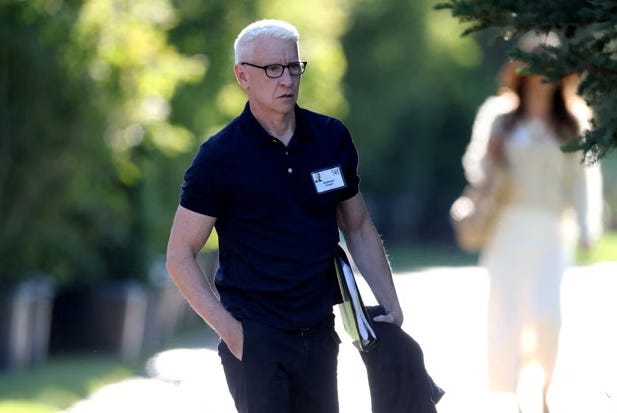
Anderson Cooper will leave the CBS News program 60 Minutes after nearly two decades, he said on Monday, in the latest staffing shake-up to hit the storied news magazine amid broader newsroom changes under the new editor-in-chief, Bari Weiss.
JEWS:
White-collar workers are getting nervous, with good reason. Sure, 98 percent of college graduates who want a job still have one, and wages are ticking up. Sure, some companies that cite the labor-saving, efficiency-promoting effects of ChatGPT and Claude as they let employees go are just “AI washing”—talking about algorithms to distract from poor managerial decisions.
But the labor market for office workers is beginning to shift. Americans with a bachelor’s degree account for a quarter of the unemployed, a record. High-school graduates are finding jobs quicker than college graduates, an unprecedented trend. Occupations susceptible to AI automation have seen sharp spikes in joblessness. Businesses really are shrinking payroll and cutting costs as they deploy AI. In recent weeks, Baker McKenzie, a white-shoe law firm, axed 700 employees, Salesforce sacked hundreds of workers, and the auditing firm KPMG negotiated lower fees with its own auditor. Two CNBC reporters with no engineering experience “vibe-coded” a clone of Monday.com’s workflow-management platform in less than an hour. When they released their story, Monday.com’s stock tanked.
Thank a Jew: When you look into it, Judaism has some sort of connection to almost every culture or concept today, whether direct or inverse. As someone who frequently uses AI for a variety of purposes, I had wondered, what connection does this have to Judaism, and who better to ask than the source itself?
The following article was written in response to the prompt “write me a short article on jewish involvement in AI technology and development for the BBYO public online newsletter, The Shofar” by ChatGPT.
One of the most notable Jewish figures in AI is Judea Pearl, an Israeli-American computer scientist and philosopher. Pearl’s groundbreaking work in probabilistic reasoning and causality has laid the foundation for much of modern AI. He received the prestigious Turing Award in 2011, often considered the Nobel Prize of computing, for his contributions to the field.
Another influential figure is Fei-Fei Li, a Chinese-born American computer scientist of Jewish descent. [?????] As the co-director of the Stanford Human-Centered AI Institute, Li has made significant strides in computer vision and AI ethics. Her work has been instrumental in advancing our understanding of how machines can perceive and interpret the world.
These people give nothing, I mean NOTHING, to the world.
[Robert F. Kennedy Jr. (left), U.S. secretary of health and human services, and Buck Wehrbein, president of the National Cattlemen’s Beef Association, discuss herd rebuilding and beef demand during CattleCon 2026 in in Nashville, Tenn.]
Crack Cocaine, or was it heroin RFK shot up for 14 fucking years?
RFK urges beef producers to expand herds as nutrition guidelines change
Secretary of Health Robert F. Kennedy Jr. calls for herd expansion while producers face drought concerns and grazing challenges affecting rebuilding decisions.
The world is grappling with a host of pressing environmental challenges that demand immediate attention and action. From climate change-induced disasters, biodiversity loss and plastic pollution to the rise of artificial intelligence, the 16 biggest environmental problems of 2026 paint a stark picture of the urgent need for climate change mitigation and adaptation.
Undoubtedly among the biggest environmental problems of our lifetime is the rise in greenhouse gas emissions, which trap heat the sun’s heat in the atmosphere, raising Earth’s surface temperature and leading to longer and hotter heatwaves. Atmospheric concentrations of all three major planet-warming gases – carbon dioxide (CO2), methane, and nitrous oxide – have never been so high. Because of these gases’ extremely long durability in the atmosphere, the world is now committed to “more long-term temperature increase,” Ko Barret, Deputy Secretary-General of the World Meteorological Organization, said last month.
“The heat trapped by CO2and other greenhouse gases is turbo-charging our climate and leading to more extreme weather. Reducing emissions is therefore essential not just for our climate but also for our economic security and community well-being,” Barrett added.
Increased emissions of greenhouse gases have led to a rapid and steady increase in global temperatures, which in turn is causing catastrophic events all over the world – from Australia and the US experiencing some of the most devastating bushfire seasons ever recorded and locusts swarming decimating crops across parts of Africa, the Middle East and Asia to a heatwave in Antarctica that saw temperatures rise above 20C for the first time.
The climate crisis is causing tropical storms and other weather events such as tropical cyclones (better known as hurricanes and typhoons), heatwaves and flooding to be more intense and frequent than seen before.
Even if all greenhouse gas emissions were halted immediately, global temperatures would continue to rise in the coming years. That is why it is absolutely imperative that we start now to drastically reduce emissions, invest in renewable energy sources, and phase our fossil fuels as fast as possible.
The undeniable reality of the climate crisis failed to prevent its politicization. Particularly in more recent years, what was once just a scientific issue has been turned into a partisan battleground where views often align with political ideology, fueled by misinformation campaigns, economic interests tied to fossil fuels, and differing views on government intervention, making consensus difficult and hindering action.
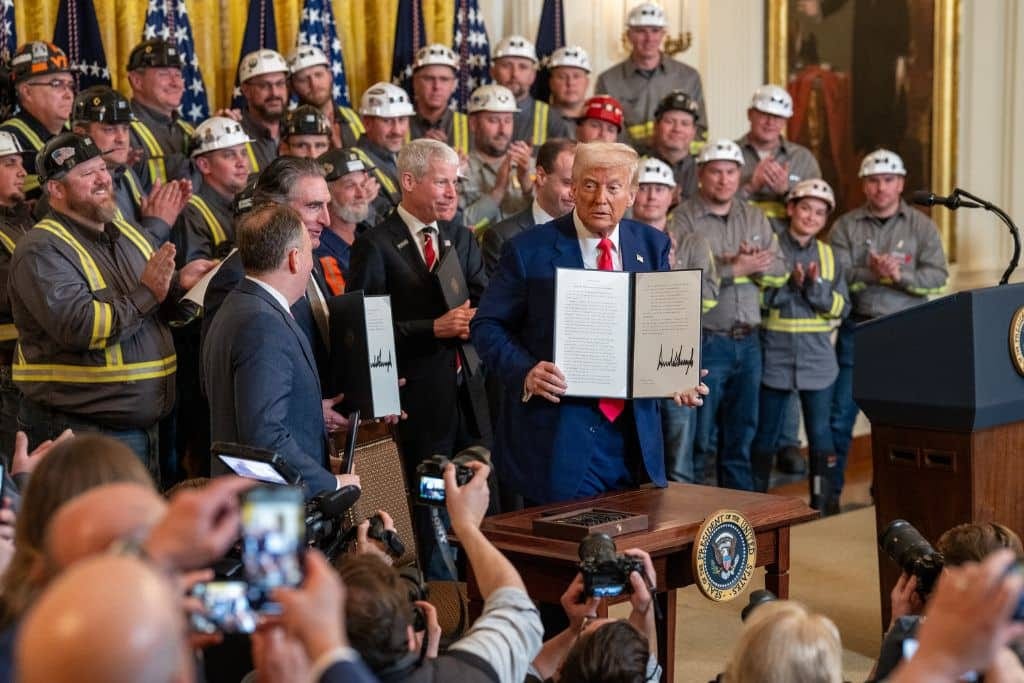
A group of coal miners clap as President Donald Trump signs executive orders on the coal industry on April 8, 2025. Photo: The White House/Flickr.
Dozens of companies, from social media platforms and energy companies to investment firms, airlines, big banks and even philanthropic organizations, have also backtracked on their environmental pledges to fall in line with the Trump administration’s anti-climate agenda.
The US’s example reflects a broader change in the priority that governments around the world assign to climate change. The European Union is another good example of this, having recently backtracked on its climate agenda, which was once regarded as the world’s most ambitious plan to tackle the climate crisis.
Globally, recent climate conferences have been criticized for failing to achieve anything meaningful as fossil fuel influence grows larger and more powerful. Last November’s COP30 ended without a mention of fossil fuels, despite pressure from more than 80 countries to include a phase out plan in the final agreement. One in 25 attendees (some 1,600 people) represented the fossil fuel industry.
The past 50 years have seen a rapid growth of human consumption, population, global trade and urbanisation, resulting in humanity using more of the Earth’s resources than it can replenish naturally.
A 2020 WWF report found that the population sizes of mammals, fish, birds, reptiles and amphibians have experienced a decline of an average of 68% between 1970 and 2016. The report attributes this biodiversity loss to a variety of factors but mainly land-use change, particularly the conversion of habitats, like forests, grasslands and mangroves, into agricultural systems. Animals such as pangolins, sharks and seahorses are significantly affected by the illegal wildlife trade, and pangolins are critically endangered because of it.
More broadly, a 2021 analysis has found that the sixth mass extinction of wildlife on Earth is accelerating. More than 500 species of land animals are on the brink of extinction and are likely to be lost within 20 years; the same number were lost over the whole of the last century. The scientists say that without the human destruction of nature, this rate of loss would have taken thousands of years.
Under the 2022 Kunming-Montreal Global Biodiversity Framework, countries have pledged to protect and conserve at least 30% of the world’s land and water by 2030 (also known as the “30 by 30” target). Global protection currently falls short of this goal, with only 9.6% of the ocean effectively protected.
And yet it is not all doom and gloom. Around the world, governments, civil society organizations and communities made meaningful strides to protect the natural world, preserving precious ecosystems, strengthening legislation and taking destructive industries to court.
Last year, Morocco became the 60th country to ratify the High Seas Treaty, meeting the ratification threshold for its entry into force. The treaty establishes a legal framework to create networks of marine protected (MPAs) areas in international waters – a critical step, given that protecting national waters alone will not be sufficient to meet the 30 by 30 goal. And last year, many countries including Australia and Argentina, Portugal, Colombia and São Tomé and Príncipe, French Polynesia, Spain and Pakistan took a step in the right direction.
On terra firma, governments also stepped up to expand protections. While 17.6% of land is protected globally, announcements made in 2025 suggest that momentum is building towards the 30 by 30 target. Colombia, for example, designated a first-of-its-kind territory to protect an uncontacted Indigenous group. Spanning over 1 million hectares, the new area prohibits all economic development and forced human contact, protecting both the Yuri-Passé people and the rich biodiversity who call it their home.
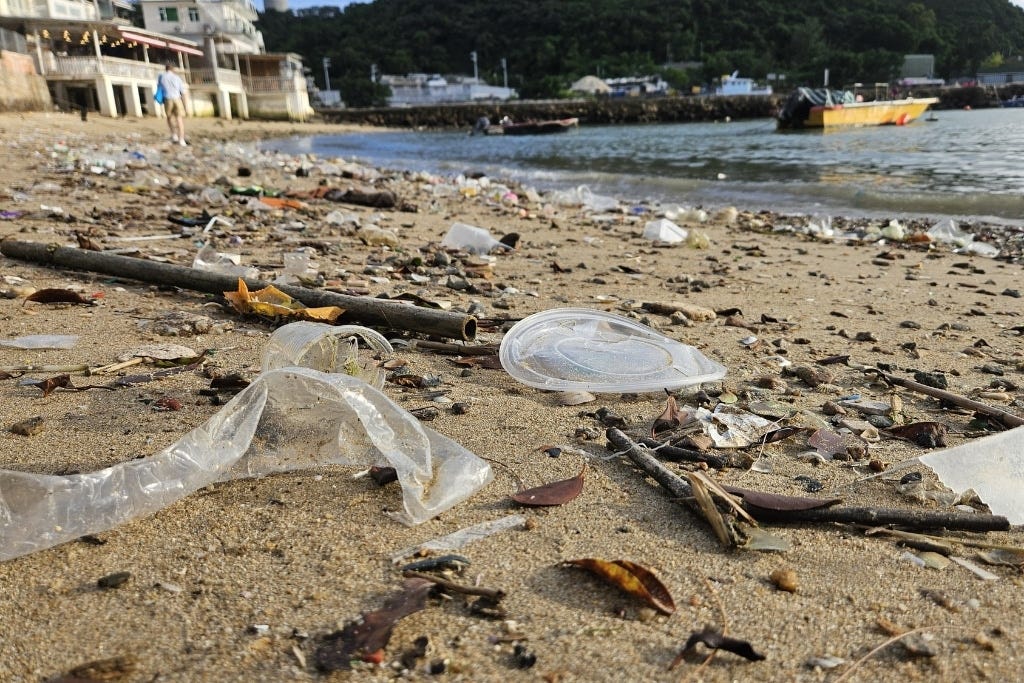
In 1950, the world produced more than 2 million tons of plastic per year. By 2015, this annual production swelled to 419 million tons and exacerbating plastic waste in the environment.
Currently, roughly 14 million tons of plastic make their way into the oceans every year, harming wildlife habitats and the animals that live in them. Research found that if no action is taken, the plastic crisis will grow to 29 million metric tons per year by 2040. If we include microplastics into this, the cumulative amount of plastic in the ocean could reach 600 million tons by 2040.
Plastic waste on a beach on Lamma Island, Hong Kong, in July 2025. Photo: Martina Igini.
Some 91% of all plastic that has ever been made is not recycled, making it only one of the biggest environmental problems of our lifetime. Considering that plastic takes 400 years to decompose, it will be many generations until it ceases to exist. There is no telling what the irreversible effects of plastic pollution will have on the environment in the long run.
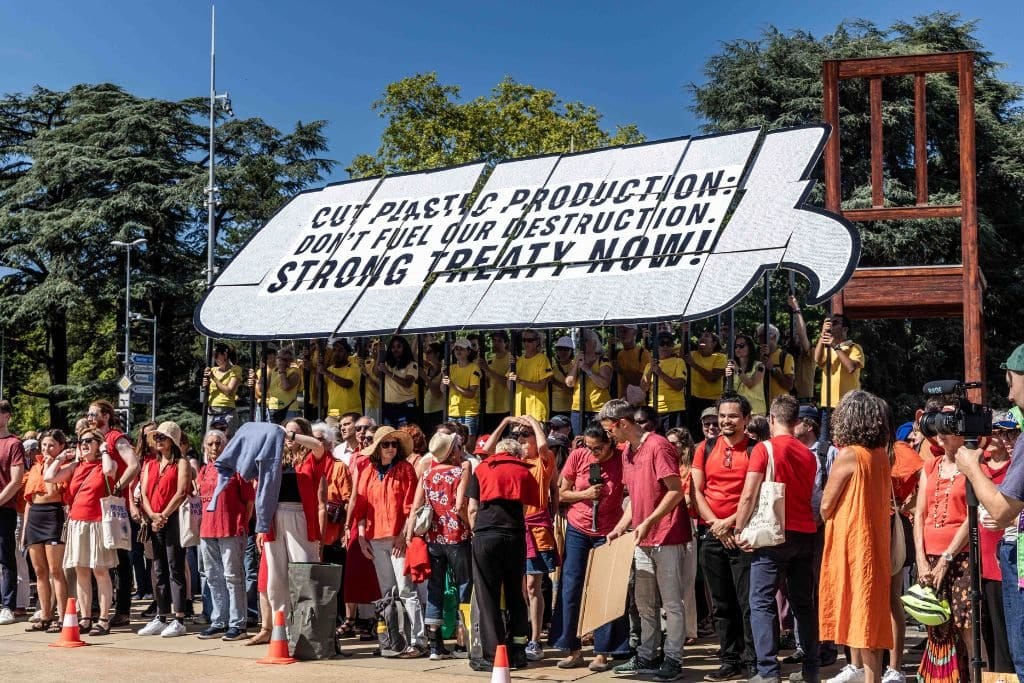
To address the issue, the UN in 2022 initiated a process to create a legally binding international treaty aimed at curbing plastic pollution. It was supposed to culminate in a meeting in Busan, South Korea in November 2024, though negotiators walked away without a deal. A subsequent meeting in Geneva, Switzerland, in August 2025, also failed to produce a much needed treaty. It remains unclear when and how the negotiations will continue.
Campaigners at the second part of the fifth session of the Intergovernmental Negotiating Committee on plastic pollution, including in the marine environment (INC-5.2) in Geneva, Switzerland. Photo: UNEP via Flickr.
5. Deforestation
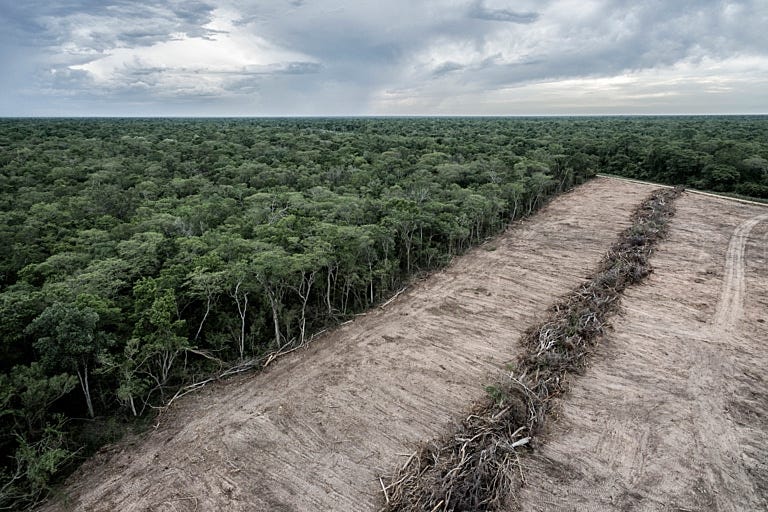
Every hour, forests the size of 300 football fields are cut down. By the year 2030, the planet might have only 10% of its forests; if deforestation is not stopped, they could all be gone in less than a century.
The three countries experiencing the highest levels of deforestation are Brazil, the Democratic Republic of Congo and Indonesia. The Amazon, the world’s largest rainforest – spanning 6.9 million square kilometres (2.72 million square miles) and covering around 40% of the South American continent – is also one of the most biologically diverse ecosystems and is home to about three million species of plants and animals.
Despite efforts to protect forest land, legal deforestation is still rampant, and about one-third of global tropical deforestation occurs in Brazil’s Amazon forest, amounting to 1.5 million hectares each year.
An aerial view of a deforested zone in “Ñembi Guasu” conservation area in Bolivia, South America. Photo: Marcelo Perez del Carpio/Climate Visuals Countdown.
Agriculture is the leading cause of deforestation, another one of the biggest environmental problems appearing on this list. Land is cleared to raise livestock or to plant other crops that are sold, such as sugar cane and palm oil. Besides for carbon sequestration, forests help to prevent soil erosion, because the tree roots bind the soil and prevent it from washing away, which also prevents landslides.
COP30, which took place in the heart of the Amazon, delivered little on forest protection. Although Brazil’s Environment Minister Marina Silva pushed for strong language, the final agreement failed to mention deforestation.
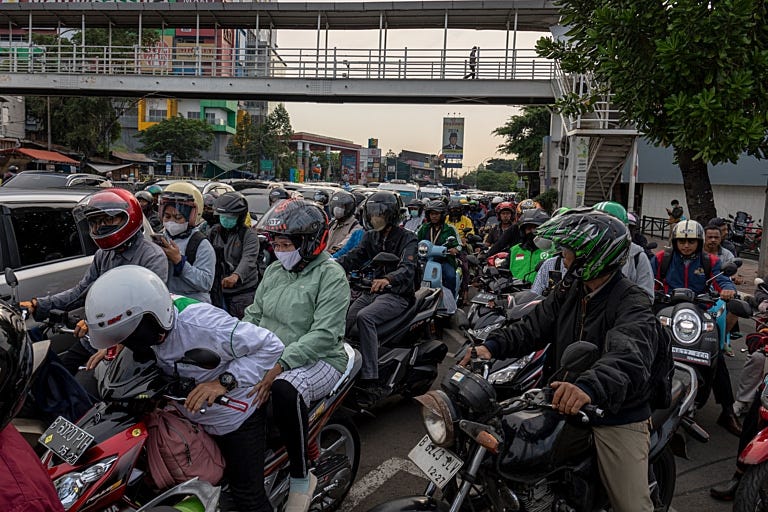
Among the biggest environmental problems today is also air pollution. According to the World Health Organization (WHO), an estimated 4.2 to 7 million people die from air pollution worldwide every year and nine out of ten people breathe air that contains high levels of pollutants. In Africa, 258,000 people died as a result of outdoor air pollution in 2017, up from 164,000 in 1990, according to UNICEF.
Causes of air pollution mostly comes from industrial sources and motor vehicles, as well as emissions from burning biomass and poor air quality due to dust storms.
Heavy traffic during morning commuting hours in Jakarta, Indonesia on November 22, 2023. Millions of residents of Jakarta have for the past several months suffered from some of the worst air pollution in the world. Photo: Aji Styawan/Climate Visuals.
According to a 2023 study, air pollution in South Asia – one of the most polluted areas in the world – cuts life expectancy by about five years. The study blames a series of factors, including a lack of adequate infrastructure and funding for the high levels of pollution in some countries. Most countries in Asia and Africa, which together contribute about 92.7% of life years lost globally due to air pollution, lack key air quality standards needed to develop adequate policies. Moreover, just 6.8% and 3.7% of governments in the two continents, respectively, provide their citizens with fully open-air quality data.
Recent research linked nearly 280,000 deaths across the European Union in 2023 to exposure to air pollution concentrations exceeding levels deemed safe. Some 95% of Europeans are exposed to unsafe levels of air pollution, according to the European Environment Agency, which conducted the study. Meanwhile in the US, researchers found that air pollution from the oil and gas industries are attributable to 91,000 premature deaths, 10,350 preterm births and 216,000 childhood-onset asthma and 1,610 cancer cases every year in the country.
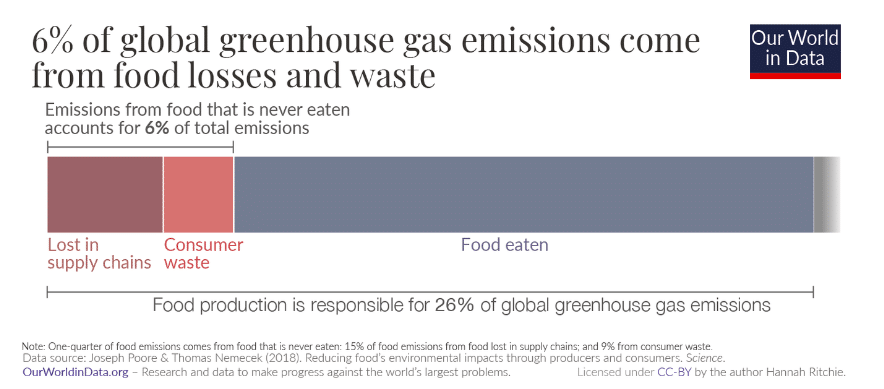
Food production accounts for around one-quarter (26%) of global greenhouse gas emissions. Our World in Data.
Food waste and loss occur at different stages in developing and developed countries; in developing countries, 40% of food waste occurs at the post-harvest and processing levels, while in developed countries, 40% of food waste occurs at the retail and consumer levels.
At the retail level, a shocking amount of food is wasted because of aesthetic reasons; in fact, in the US, more than 50% of all produce thrown away in the US is done so because it is deemed to be “too ugly” to be sold to consumers- this amounts to about 60 million tons of fruits and vegetables.
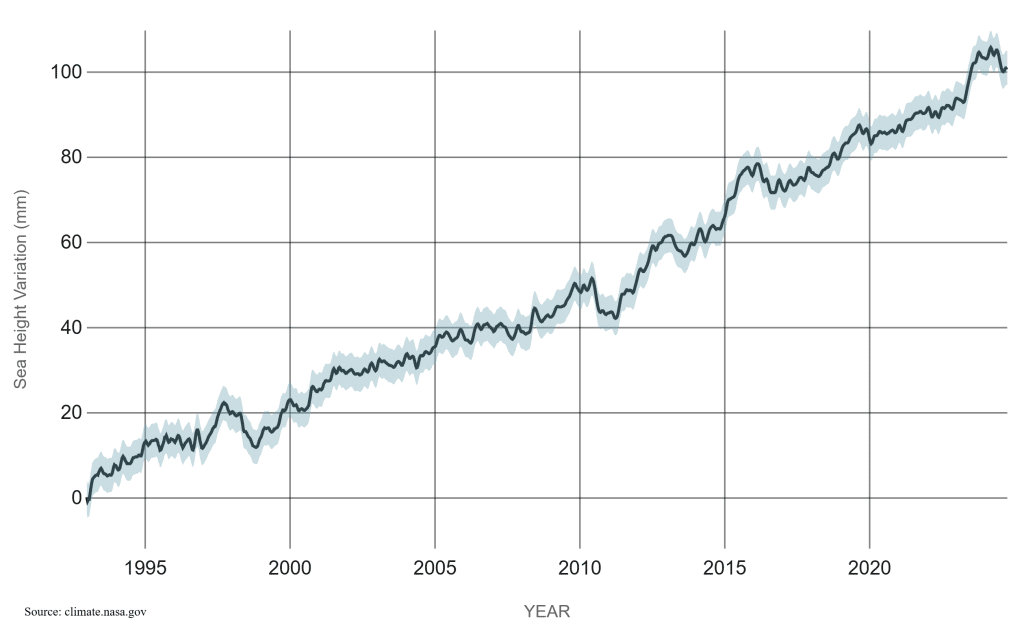
The climate crisis is warming the Arctic more than twice as fast as anywhere else on the planet. Today, sea levels are rising more than twice as quickly as they did for most of the 20th century as a result of increasing temperatures on Earth.
Sea level rise (1993-2025). Image: NASA’s Goddard Space Flight Center.
Seas are now rising an average of 3.2 mm per year globally and they will continue to grow up to about 0.7 metres by the end of this century. In the Arctic, the Greenland Ice Sheet poses the greatest risk for sea levels because melting land ice is the main cause of rising sea levels.
Representing one the biggest of the environmental problems our planet faces today, this is made all the more concerning considering that temperatures during the 2020 summer triggered the loss of 60 billion tons of ice from Greenland, enough to raise global sea levels by 2.2 mm in just two months.
According to satellite data, the Greenland ice sheet lost a record amount of ice in 2019: an average of a million tons per minute throughout the year. If the entire Greenland ice sheet melts, sea level would rise by six metres.
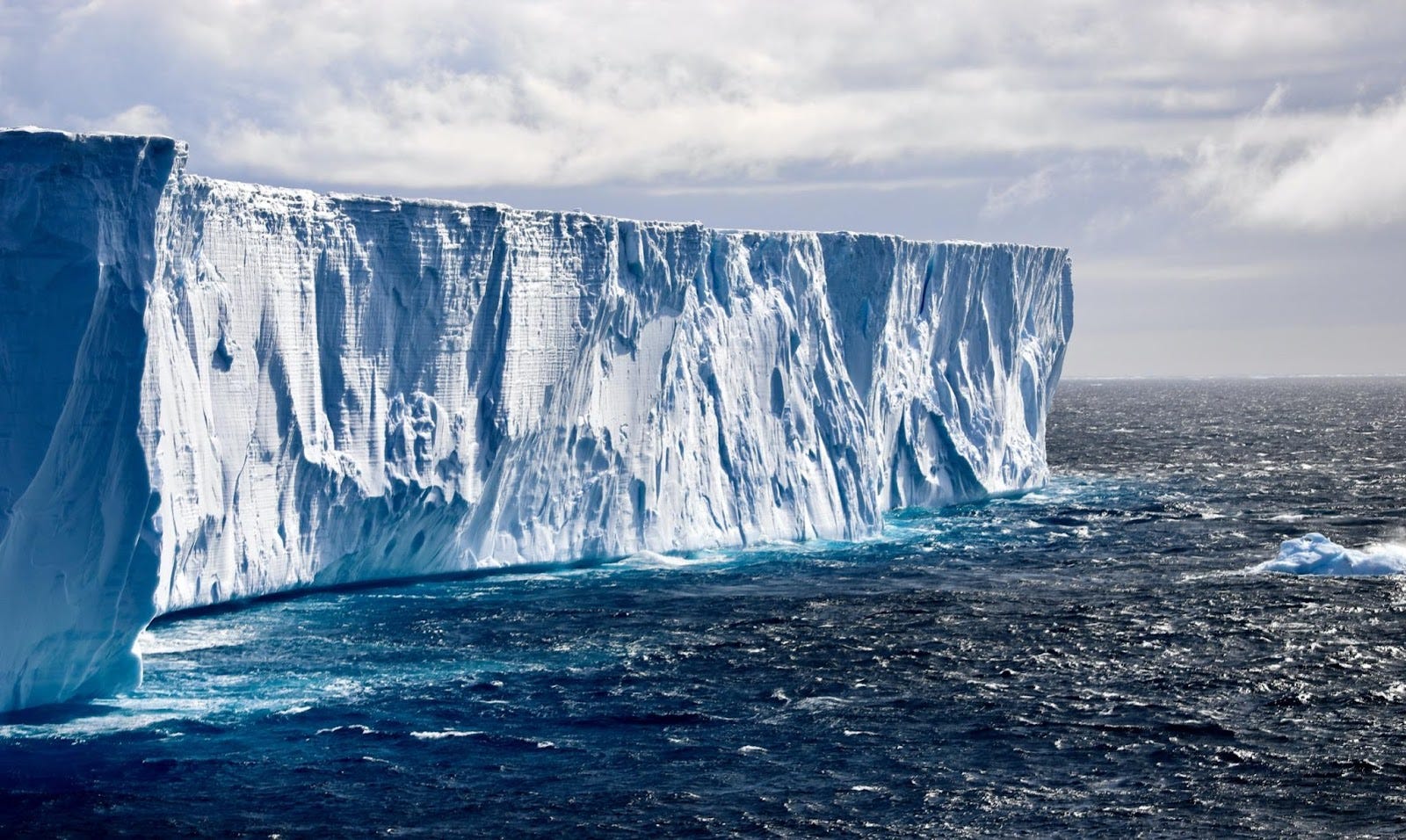
Meanwhile, the Antarctic continent contributes about 1 millimeter per year to sea level rise, which is one-third of the annual global increase. According to 2023 data, the continent has lost approximately 7.5 trillion tons of ice since 1997. Additionally, the last fully intact ice shelf in Canada in the Arctic recently collapsed, having lost about 80 square kilometres – or 40% – of its area over a two-day period in late July, according to the Canadian Ice Service.
Antarctica has lost approximately 7.5 trillion tons of ice since 1997.
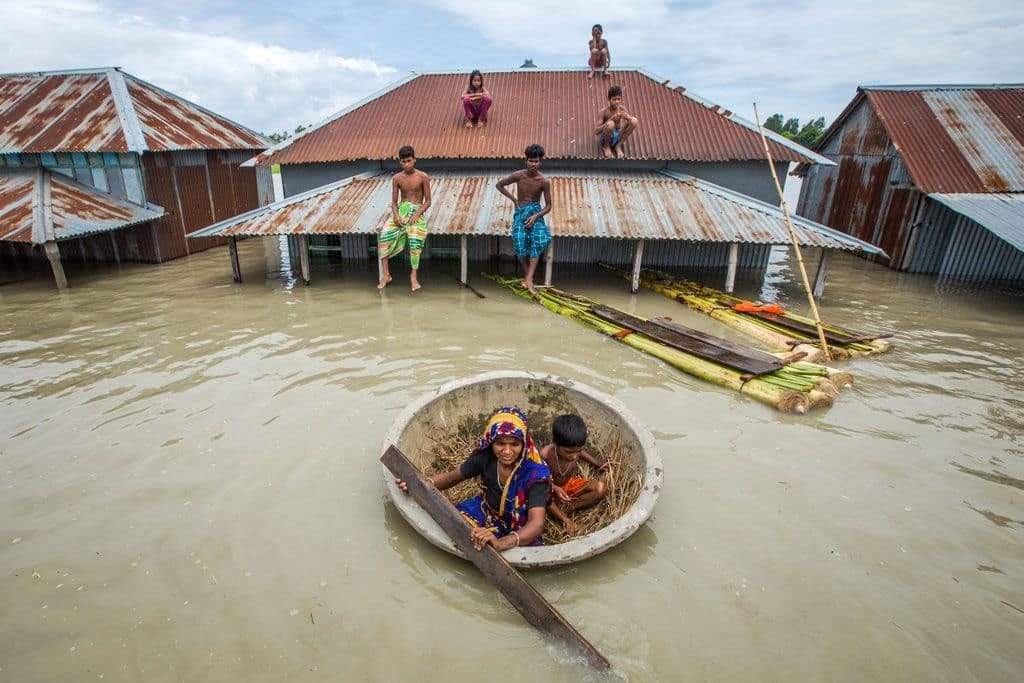
Sea level rise will have a devastating impact on those living in coastal regions: according to research and advocacy group Climate Central, sea level rise this century could flood coastal areas that are now home to 340 million to 480 million people, forcing them to migrate to safer areas and contributing to overpopulation and strain of resources in the areas they migrate to. Bangkok (Thailand), Ho Chi Minh City (Vietnam), Manila (Philippines), and Dubai (United Arab Emirates) are among the cities most at risk of sea level rise and flooding.
Global temperature rise has not only affected the surface but it is also the main cause of ocean acidification. Our oceans absorb about 30% of carbon dioxide that is released into the Earth’s atmosphere. As higher concentrations of carbon emissions are released thanks to human activities such as burning fossil fuels as well as effects of global climate change such as increased rates of wildfires, so do the amount of carbon dioxide that is absorbed back into the sea.
The smallest change in the acidity scale can have a significant impact on the acidity of the ocean. Ocean acidification has devastating impacts on marine ecosystems and species, its food webs, and provoke irreversible changes in habitat quality. Once acidity (pH) levels reach too low, marine organisms such as oysters, their shells and skeleton could even start to dissolve.
However, one of the biggest environmental problems from ocean acidification is coral bleaching and subsequent coral reef loss. This phenomenon occurs when rising ocean temperatures disrupt the symbiotic relationship between the reefs and algae that lives within it, driving away the algae and causing coral reefs to lose their natural vibrant colours. Some scientists have estimated coral reefs are at risk of being completely wiped by 2050. Higher acidity in the ocean would obstruct coral reef systems’ ability to rebuild their exoskeletons and recover from these coral bleaching events.
Studies have shown that the global food system is responsible for up to one-third of all human-caused greenhouse gas emissions, of which 30% comes from livestock and fisheries. Crop production releases greenhouse gases such as nitrous oxide through the use of fertilizers.
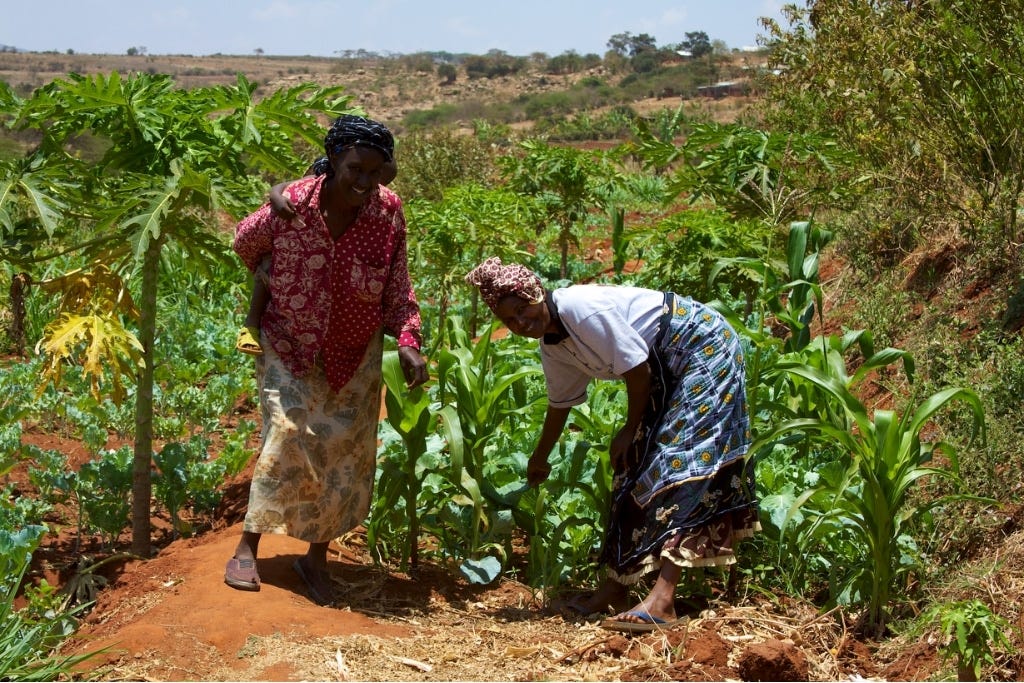
A 28-member farming group in Machakos, Kenya farms a 4-acre plot where they grow oranges, avocado, vegetables, maize. Photo: Wikimedia Commons.
60% of the world’s agricultural area is dedicated to cattle ranching, although it only makes up 24% of global meat consumption.
Agriculture not only covers a vast amount of land but it also consumes a vast amount of freshwater, another one of the biggest environmental problems on this list. Arable lands and grazing pastures cover one-third of Earth’s land surfaces and together, they consume three-quarters of the world’s limited freshwater resources.
Scientists and environmentalists have continuously warned that we need to rethink our current food system; switching to more sustainable farming methods and a more plant-based-oriented diet would dramatically reduce the carbon footprint of the conventional agriculture industry.
Organic matter is a crucial component of soil as it allows it to absorb carbon from the atmosphere. Plants absorb CO2 from the air naturally and effectively through photosynthesis and part of this carbon is stored in the soil as soil organic carbon (SOC). Healthy soil has a minimum of 3-6% organic matter. However, almost everywhere in the world, the content is much lower than that.
According to the United Nations, about 40% of the planet’s soil is degraded. Soil degradation refers to the loss of organic matter, changes in its structural condition and/or decline in soil fertility and it is often the result of human activities, such as traditional farming practices including the use of toxic chemicals and pollutants. If business as usual continued through 2050, experts project additional degradation of an area almost the size of South America. But there is more to it. If we do not change our reckless practices and step up to preserve soil health, food security for billions of people around the world will be irreversibly compromised, with an estimated 40% less food expected to be produced in 20 years’ time despite the world’s population projected to reach 9.3 billion people.
12. Food and Water Insecurity
Rising temperatures and unsustainable farming practices have resulted in increasing water and food insecurity.
Globally, more than 68 billion tonnes of top-soil is eroded every year at a rate 100 times faster than it can naturally be replenished. Laden with biocides and fertiliser, the soil ends up in waterways where it contaminates drinking water and protected areas downstream.
Furthermore, exposed and lifeless soil is more vulnerable to wind and water erosion due to lack of root and mycelium systems that hold it together. A key contributor to soil erosion is over-tilling: although it increases productivity in the short-term by mixing in surface nutrients (e.g. fertiliser), tilling is physically destructive to the soil’s structure and in the long-term leads to soil compaction, loss of fertility and surface crust formation that worsens topsoil erosion.
With the global population expected to reach 9 billion people by mid-century, the Food and Agriculture Organization of the United Nations (FAO) projects that global food demand may increase by 70% by 2050. Around the world, more than 820 million people do not get enough to eat.
As UN Secretary-General António Guterres remarked at a high-level virtual meeting in 2020, “Unless immediate action is taken, it is increasingly clear that there is an impending global food security emergency that could have long term impacts on hundreds of millions of adults and children.” Guterres urged for countries to rethink their food systems and encouraged more sustainable farming practices.
In terms of water security, only 3% of the world’s water is freshwater, and two-thirds of that is tucked away in frozen glaciers or otherwise unavailable for our use. As a result, some 1.1 billion people worldwide lack access to water, and a total of 2.7 billion find water scarce for at least one month of the year. By 2025, two-thirds of the world’s population may face water shortages.
The fashion industry accounts for 10% of global carbon emissions, which makes it one of the biggest environmental problems of our time. Fashion alone produces more greenhouse gas emissions than both the aviation and shipping sectors combined, and nearly 20% of global wastewater, or around 93 billion cubic metres from textile dyeing, according to the UN Environment Programme.
What’s more, the world generates an estimated 92 million tonnes of textiles waste every year, a number that is expected to soar up to 134 million tonnes a year by 2030. Discarded clothing and textile waste, most of which is non-biodegradable, ends up in landfills, while microplastics from clothing materials such as polyester, nylon, polyamide, acrylic and other synthetic materials is leeched into soil and nearby water sources.
Monumental amounts of clothing textile are also dumped in developing countries, as seen in Chile’s Atacama Desert. Millions of tons of clothes arrive annually from Europe, Asia, and the Americas. In 2023, 46 million tons of discarded clothes were dumped and left to rotten there, according to Chilean customs statistics.
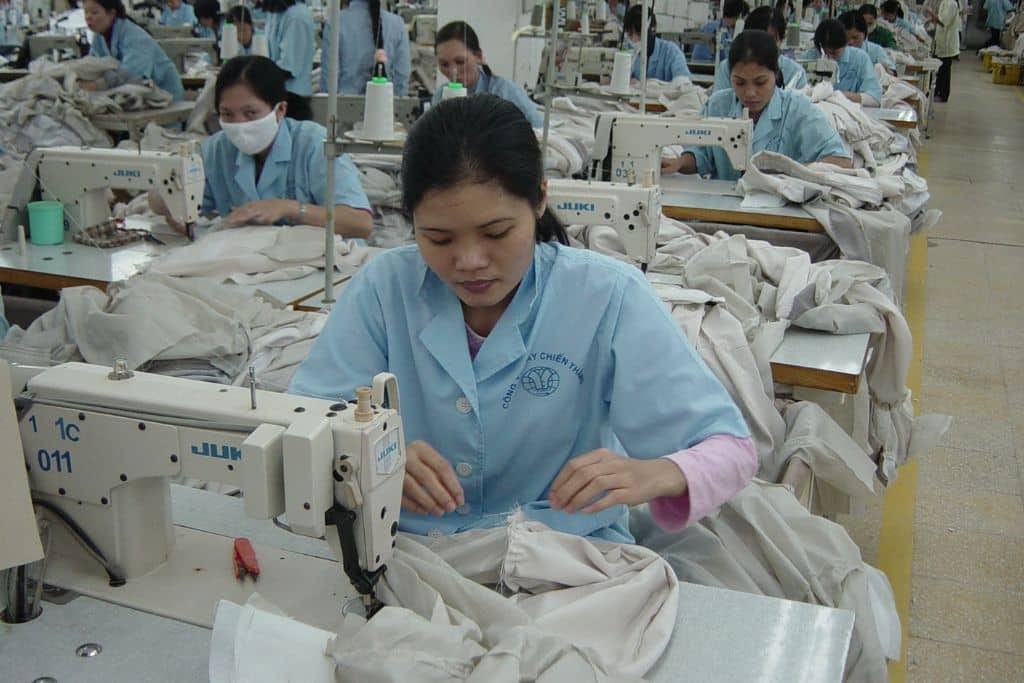
Garment factory in the Philippines. Photo: ILO Asia-Pacific/Flickr.
This rapidly growing issue is only exacerbated by the ever-expanding fast fashion business model, in which companies relies on cheap and speedy production of low quality clothing to meet the latest and newest trends. While the United Nations Fashion Industry Charter for Climate Action sees signatory fashion and textile companies commit to achieving net zero emission by 2050, a majority of businesses around the world have yet to address their roles in climate change.
In the World Economic Forum’s 2025 Global Risks report, climate change and risks related to artificial intelligence (AI) topped the chart for the top 10 global risks in the coming decade. The report also points to the interconnections of economic, geopolitical, societal risks with environmental and technological risks.
The environmental impacts of AI stem from energy consumption in training the AI models, inference from daily use of AI tools, water usage to cool the data centres that power it, and hardware carbon footprint. OpenAI CEO Sam Altman recently revealed that just saying “please” and “thank you” to ChatGPT adds tens of millions in computing costs due to higher energy use.
Open AI reportedly consumed some 1,287 MWh of electricity to train its GPT-3 model – the equivalent to the energy needed to power over 120 US homes for a year. Due to the sheer volume of queries processed daily, inference accounts for over 60% of AI’s total carbon footprint.
Despite these impacts, there is still no standardized method to measure AI-related emissions due to the lack of transparency from providers, variability in the carbon intensity of local power grids, and the diversity of AI tools in use. So, while the allure of AI’s potential is undeniable, we must confront its negative impact head-on.
Most people consume approximately twice as much food as they did 50 years ago and there are four times as many people on Earth as there were at the close of the 1960s. This is one driver of the 30% of commercially fished waters being classified as being “overfished.” This means that the stock of available fishing waters is being depleted faster than it can be replaced.
Overfishing comes with detrimental effects on the environment, including increased algae in the water, destruction of fishing communities, ocean littering as well as extremely high rates of biodiversity loss.
As part of the United Nations’ Sustainable Development Goal number 14 (SDG 14), the UN and FAO are working towards maintaining the proportion of fish stocks within biologically sustainable levels. This, however, requires much stricter regulations of the world’s oceans than the ones already in place.
In July 2022, the World Trade Organization banned fishing subsidies to reduce global overfishing in a historic deal. Indeed, subsidies for fuel, fishing gear, and building new vessels, only incentivise overfishing and represent thus a huge problem.
Cobalt is quickly becoming the defining example of the mineral conundrum at the heart of the renewable energy transition. As a key component of battery materials that power electric vehicles (EVs), cobalt is facing a sustained surge in demand as decarbonisation efforts progress. The world’s largest cobalt supplier is the Democratic Republic of Congo (DRC), where it is estimated that up to a fifth of the production is produced through artisanal miners.
Cobalt mining, however, is associated with dangerous workers’ exploitation and other serious environmental and social issues. Southern regions of the DRC are not only home to cobalt and copper but also large amounts of uranium. In mining regions, scientists have made note of high radioactivity levels. In addition, mineral mining, similar to other industrial mining efforts, often produces pollution that leaches into neighbouring rivers and water sources. Dust from pulverised rock is known to cause breathing problems for local communities as well.





























 Paul Haeder, Author