Writing 10 years after the war, Bernays noted that World War One had, ‘opened the eyes of the intelligent few in all departments of life to the possibilities of regimenting the public mind.’
“Comrade, I did not want to kill you… But you were only an idea to me before, an abstraction that lived in my mind and called forth its appropriate response. It was that abstraction I stabbed. But now, for the first time, I see you are a man like me. I thought of your hand-grenades, of your bayonet, of your rifle; now I see your wife and your face and our fellowship. Forgive me, comrade. We always see it too late. Why do they never tell us that you are poor devils like us, that your mothers are just as anxious as ours, and that we have the same fear of death, and the same dying and the same agony — Forgive me, comrade; how could you be my enemy? . . . Take twenty years of my life, comrade . . . for I do not know what I can even attempt to do with it now.” — Remarque
The Monster:
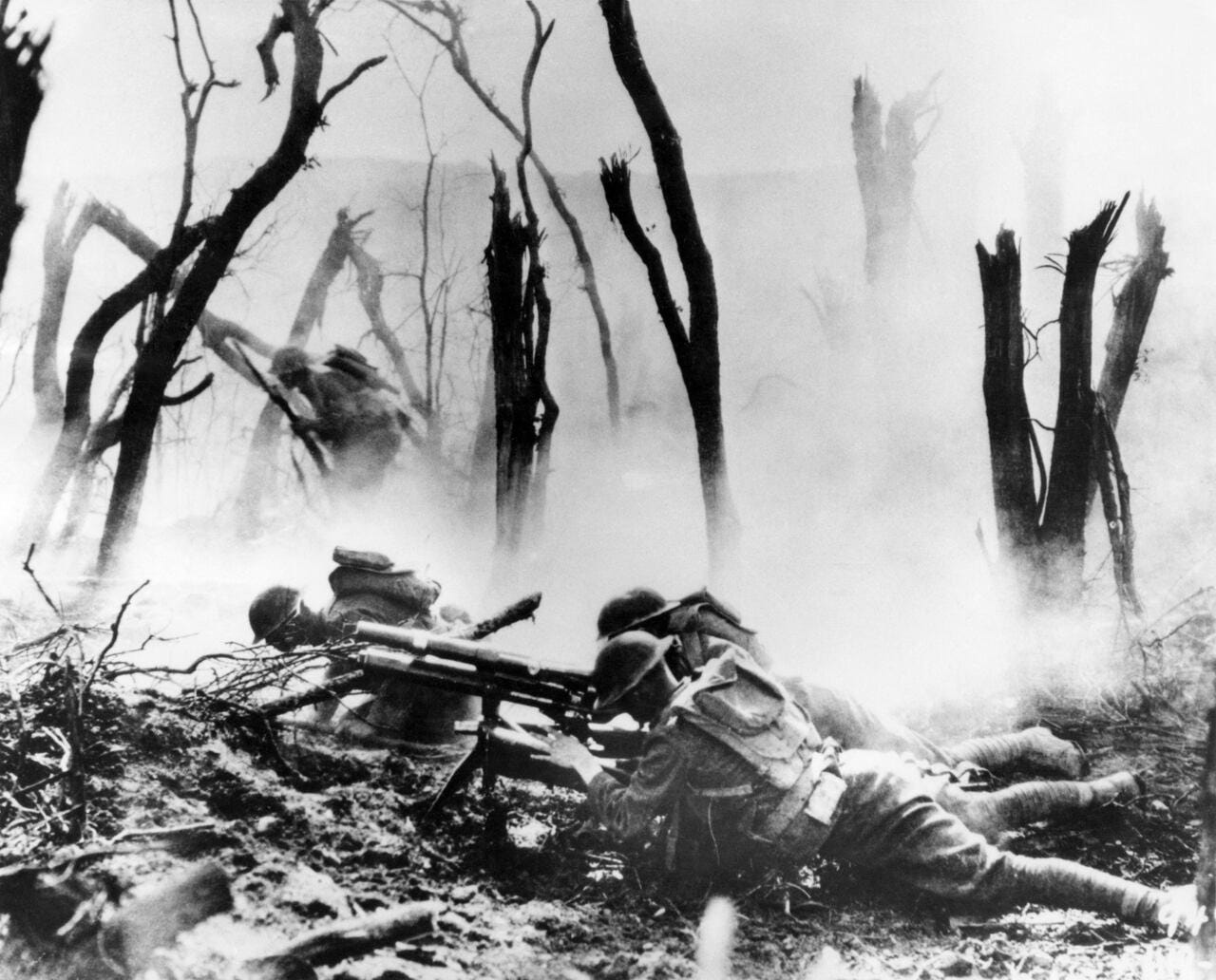
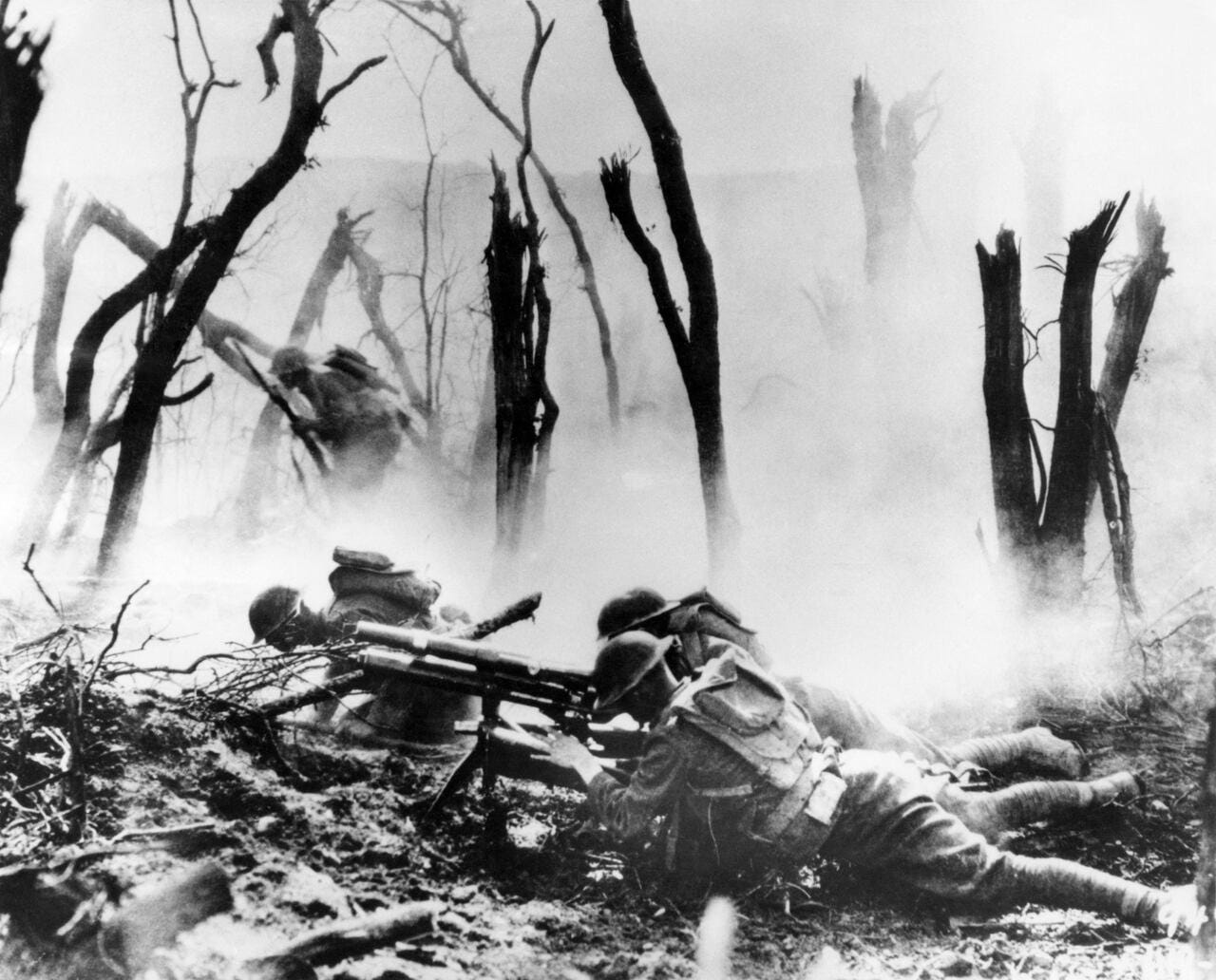
[In this Sept. 26, 1918 photo, a U.S .Army 37mm gun crew man their position during the World War One Meuse-Argonne Allied offensive in France. The CPI’s Division of Advertising churned out propaganda to bolster the support of Americans at home for the war effort.]
Corporations spend billions each year trying to influence how people think, act and spend. But the fields of modern public relations and product marketing really aren’t all that new – they got their big start in a broken campaign promise made nearly 100 years ago.
And as broken campaign promises go, this was one of the biggest.
In April 1917, the First World War had been raging for almost three years, but the United States had remained outside the fray. Although supportive of the Allied Powers, President Woodrow Wilson urged Americans to be neutral in thought and action. Public opinion in the U.S. was solidly behind him – Wilson had been re-elected in November 1916 on the slogan “he kept us out of war.”
Five months later, the president had a change of heart.
Germany was continuing to harass American shipping, and there were real concerns in Washington that the war would be lost. So on April 6, Wilson was able to persuade Congress to declare war on the Central Powers.
Persuading Americans to support the war would be a more challenging task.
Committee on Public Information
Within days of the declaration, the president authorized the creation of the Committee on Public Information.
Under the leadership of George Creel, a former muckraking journalist, the CPI was tasked with winning the war at home by firing up a reluctant American population into what Creel called “the white hot mass of patriotism,” and spreading the good news about America and its democratic values throughout the world.
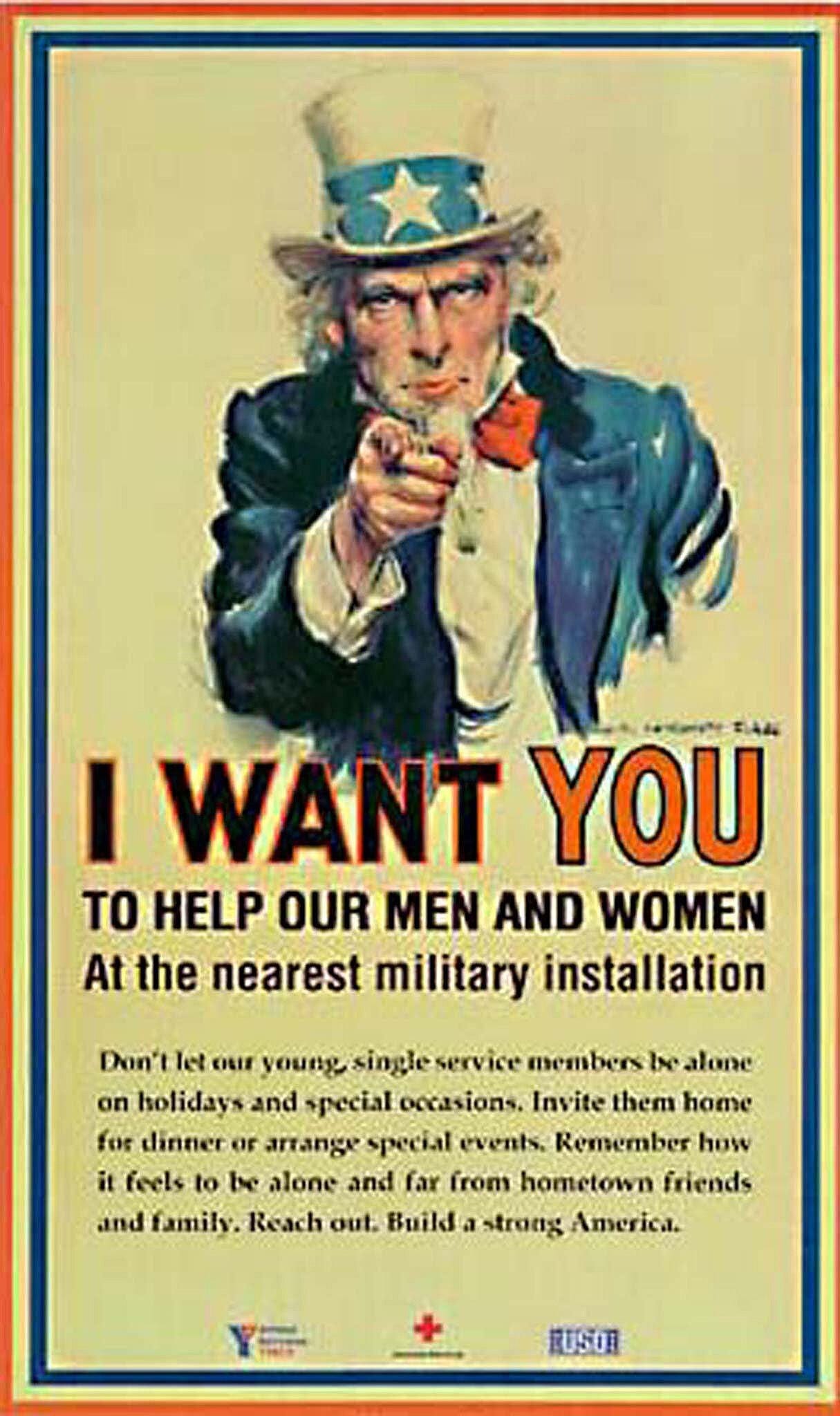
The famous World War One “Uncle Sam” recruitment poster was painted by James Montgomery Flagg for the Committee on Public Information. (Reuters)
The CPI brought together many of the brightest minds in advertising, journalism, graphic design, academia, and a relatively new industry called public relations.
By the end of the war, more than 100,000 Americans had contributed to the CPI’s efforts. They created Uncle Sam and other iconic recruiting images. They churned out millions of press releases, bulletins, photographs and posters, and produced silent movies with names like Pershing’s Crusaders and America’s Answer.
And 75,000 local notables, known as Four Minute Men, signed up to deliver carefully crafted four-minute inspirational orations in church halls, movie theatres, and anywhere else that Americans gathered.
It all worked spectacularly well.
Within months, Americans had shed their initial war reluctance. Young men were flocking to recruiting offices, and millions were giving money to support the “Liberty Loan” program to help finance the war effort.
The success of the CPI opened the eyes of many of its publicists to new techniques of mass persuasion, and brought the fledgling public relations industry from the fringes of American commerce into the mainstream.
Heart vs. head
“Our effort was educational and informative throughout,” George Creel insisted after the war.
In fact, it was anything but.
The CPI was the largest propaganda machine the world had ever seen. And while its title stressed “information,” the Committee’s publicists understood that electrifying American public opinion would take an appeal to the emotions, not the intellect.
The CPI’s Division of Advertising churned out posters and ads that depicted German atrocities that never happened, played up threats to American homes and families that were wildly exaggerated, and generally appealed to the fears and anxieties that lurked beneath the surface of public consciousness.
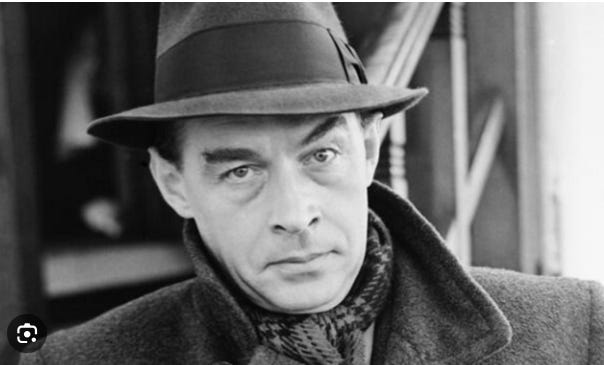
All of this was observed with great interest by a young member of the CPI team named Edward Bernays.
In this Sept. 26, 1918 photo, a U.S .Army 37mm gun crew man their position during the World War One Meuse-Argonne Allied offensive in France. The CPI’s Division of Advertising churned out propaganda to bolster the support of Americans at home for the war effort. (The Associated Press)
When the war broke out, Bernays was hired to write propaganda for the CPI’s Latin American section. He was a 26-year-old publicist based in New York City, and he had very big ambitions.
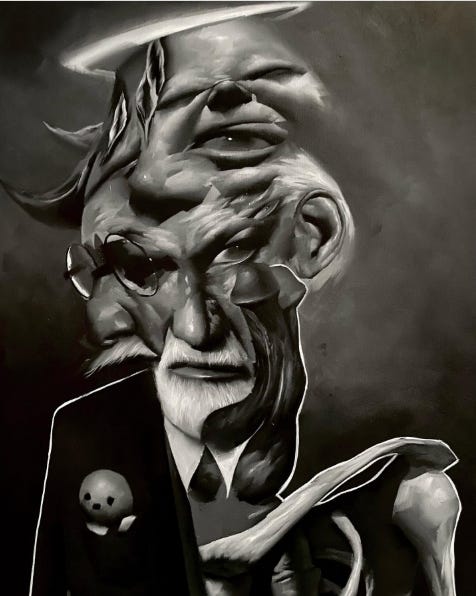
Bernays was the nephew of Sigmund Freud and he shared his uncle’s fascination with the unconscious mind. But while Freud sought to liberate people from their subconscious drives and desires, Bernays wanted to harness those passions for commercial ends.
His work with the CPI had convinced him that if you could sell war by appealing to images and symbols, then you could do the same thing to sell just about anything.
“I decided that if you could use propaganda for war, you could certainly use it for peace,” he told a BBC interviewer in the early 1990s.
Bernays had concluded that public opinion was fundamentally irrational, and irrationality was now the filter through which human nature could best be understood. Symbols, not facts, would be the primary tool of persuasion. Public opinion was to be manufactured and managed through communications strategies that aimed for the gut rather than the brain.
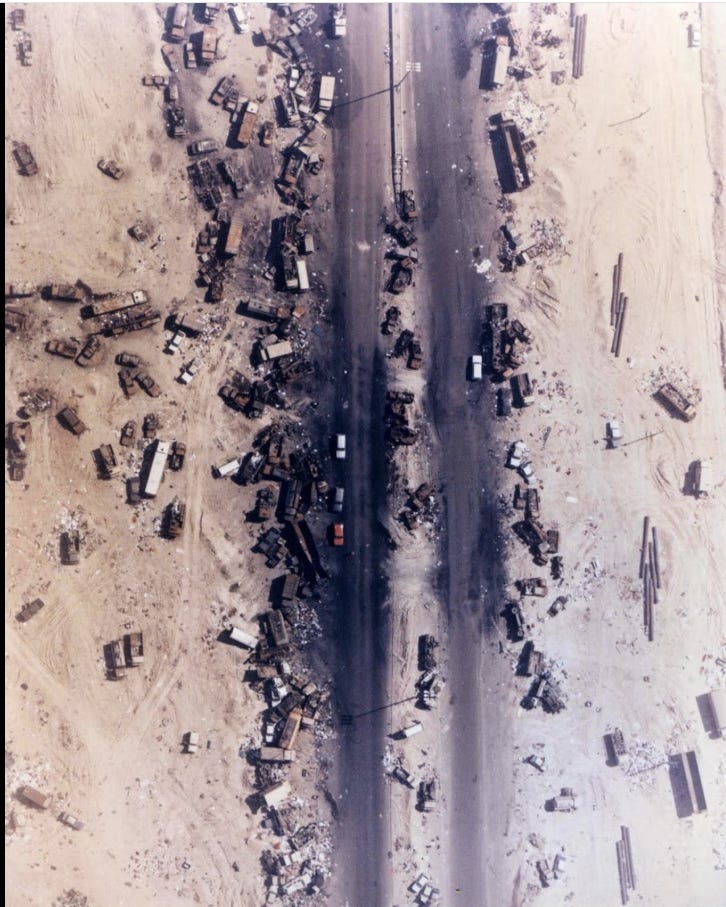
Saying that “war is hell,” the Pentagon spokesman confirmed Thursday that many Iraqi troops were buried alive in trenches by U.S. tanks armed with plowblades in an assault during the gulf war. But spokesman Pete Williams would not go beyond his estimate of “many” Iraqis buried by the tanks, declining to confirm or deny published reports that it could have ranged from hundreds to thousands.
“I don’t mean to be flippant, but there’s no nice way to kill somebody in a war,” Williams said. “There is no provision in the Geneva Convention that would prohibit this operation.”
Four Basic Principles of The Law of Armed Conflict (LOAC) ….respect for and protection of the civilian population and civilian objects, the Parties to the conflict shall at all times distinguish between the civilian population and combatants and between civilian objects and military objectives and accordingly shall direct their operations only against military objectives.” [Additional Protocol 1, Article 48]
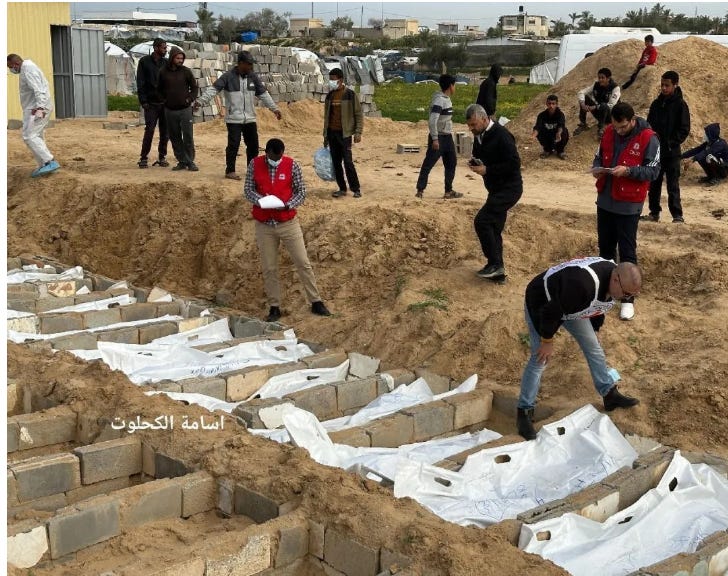
Continuing their ritualistic humiliation of Palestinians in life and death, the Israelis sent the mutilated bodies of 54 martyrs into the Gaza Strip on Thursday. Of these bodies, only about a dozen were intact. Along with the bodies came 66 boxes containing unidentified human remains. Photos published by the Gaza Health Ministry showed morbid images of human body parts, including skulls and other bones.
Dr. Muneer al-Boursh, the Director-General of the Gaza Health Ministry, termed the ongoing macabre Israeli practice a “humiliation inflicted on both the dead and the living.”
Dr. al-Boursh revealed that the bodies bore marks of inhuman torture, which was also the case with around 360 bodies that the Israelis sent into Gaza last year. Some of the bodies of Palestinian martyrs sent last year were still in blindfolds, had missing fingers, and bore marks of all kinds of horrific torture.
Families with missing relatives had to sit through painful photos of mutilated and mangled bodies in order to identify them. It led to excruciatingly painful journeys for many in search of closure, compounding their heartbreak and loss.
“What’s noticeable is that all the bodies had their fingers amputated,” he said. “This is a deliberate attempt to erase identity, to erase memory, to humiliate the living before the dead. When a person receives a bag of body parts, how will they identify them?
“Even during wars this is not a proper procedure. This is a complete moral and humanitarian crime in all aspects.”
Dr. al-Boursh revealed that the bodies of Palestinians had been medically dissected to harvest organs and were subsequently stuffed with gauze and cotton.
What do their synagogues promote?
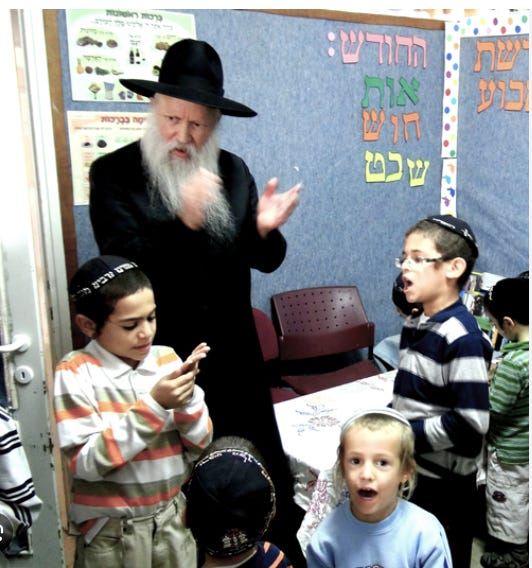
In 1996, Rabbi Yitzhak Ginsburgh, the influential leader of the Chabad-Lubavitch sect boasted about the “infinite value” of a Jewish life over a non-Jewish one, which justified stealing the goyim’s organ for the benefit of the Jew.
“If a Jew needs a liver, can you take the liver of an innocent non-Jew passing by to save him?” he asked rhetorically before answering: “The Torah would probably permit that, Jewish life has an infinite value.”
Dr. al-Boursh — whose cousin, Dr. Adnan al-Boursh, a beloved and renowned orthopaedic surgeon in the Gaza Strip, was abducted in the early days of the genocide and subsequently raped and tortured to death in their rape-and-torture dungeons, with his body withheld to this day — wrote a moving post capturing the pain of Palestinians as they are denied dignity by their genocidal occupiers even in death:
Gaza Receives the Remains of Its Sons and Daughters… and the World Remains Silent
This is not an ordinary image, nor a fleeting moment in a news cycle. These are the remains of human beings.
Separated bones. Limbs without names.
Bodies that did not return as they left their homes, but as violence intended — to erase them.
A while ago, fifty-four bodies arrived at Al-Shifa Medical Complex, accompanied by sixty-six boxes containing human remains, released through the Red Cross.
But what is truly being handed over? Bodies? Or what remains of human dignity?
Today, we stand before sealed boxes, searching inside them for the faces of our sons and daughters, with no forensic tools, no DNA testing, and no minimum medical or investigative capacity to identify or document them with dignity.
How do we restore names to bodies reduced to numbers on bags and containers? How do families receive their loved ones when identity is erased, bones are shattered, and the body is violated even after death?
This is not ordinary death. It is a violation beyond death — an assault on human dignity, an attempt to erase memory, and a humiliation inflicted on both the dead and the living.
Returning human remains in this condition is not a wartime circumstance, nor a military procedure. It is a moral and humanitarian crime, and a blatant violation of international law meant to protect human dignity in life and in death.
We are not asking for the impossible. We are not seeking privilege. We are demanding a fundamental human right: That a human being be returned as a human being, that the body be preserved, that identity be respected, and that dignity be upheld.
When the world remains silent before such a scene, it is not Gaza alone that is humiliated — silence itself becomes complicit in the crime.
What do their synagogues promote?
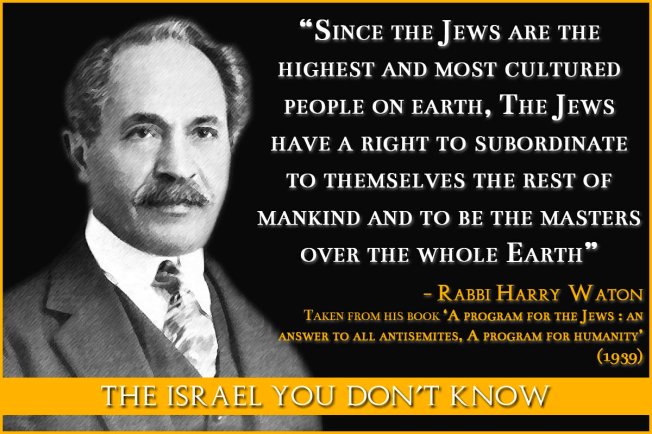
“Thanks to the terrible power of our International Banks, we have forced the Christians into wars without number. Wars have a special value for Jews, since Christians massacre each other and make more room for us Jews. Wars are the Jews’ Harvest: The Jew banks grow fat on Christian wars. Over 100-million Christians have been swept off the face of the earth by wars, and the end is not yet.”
— Rabbi Reichorn, speaking at the funeral of Grand Rabbi Simeon Ben-Iudah, 1869
“I am not an American of JEWISH faith. I am a JEW. I have been a JEW for a thousand years. Hitler was right in one thing. He calls the Jewish people a race, and we are a race.”
-– Rabbi Stephen Wise, N.Y. Herald-Tribune, June 13, 1938.
—————————-
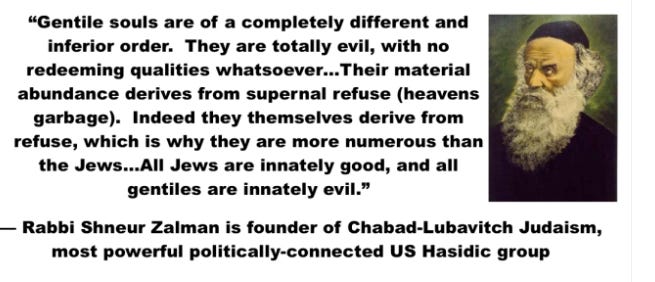
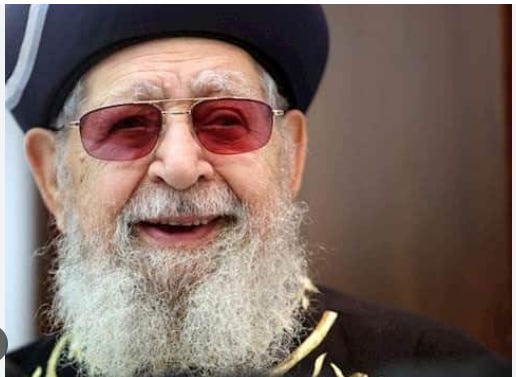
“Goyim were born only to serve us. Without that, they have no place in the world – only to serve the People of Israel,. Why are gentiles needed? They will work, they will plow, they will reap. We will sit like an effendi and eat. That is why gentiles were created.”
–Rabbi Ovadia Yosef, head of Shas Council of Torah Sages during a sermon delivered Oct. 2010 in Jerusalem
—————————-
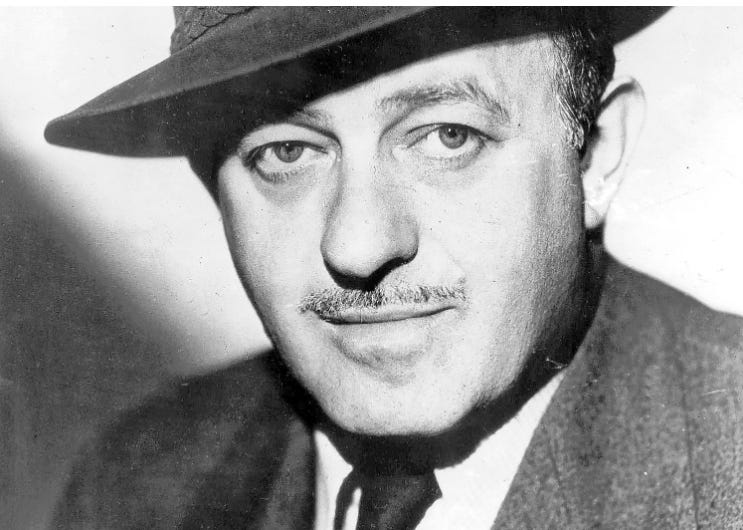
“One of the finest things ever done by the mob was the Crucifixion of Christ. Intellectually, it was a splendid gesture. But trust the mob to bungle the job. If I’d had charge of executing Christ, I’d have handled it differently. You see, what I’d have done was had him shipped to Rome and fed him to the lions. They could never have made a savior out of mincement!”
-– Rabbi Ben Hecht
—————————-
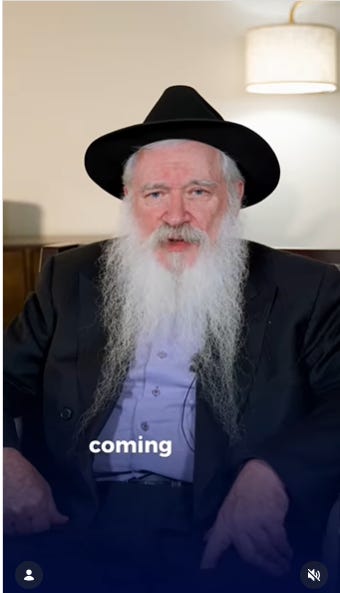
“I don’t believe in western morality, i.e. don’t kill civilians or children, don’t destroy holy sites, don’t fight during holiday seasons, don’t bomb cemeteries, don’t shoot until they shoot first because it is immoral. The only way to fight a moral war is the Jewish way: Destroy their holy sites. Kill men, women and children (and cattle).”
— Chabad Lubavitch Rabbi Manis Friedman in Moment Magazine (May/June 2009) in “Ask The Rabbi”
—————————-
“…If a Jew needs a liver, can you take the liver of an innocent non-Jew passing by to save him? The Torah would probably permit that. Jewish life has an infinite value. There is something infinitely more holy and unique about Jewish life than non-Jewish life…If a Jew needs a kidney, is it allowed, in order to save his life, to take the kidney from a Goy (non-Jew), passing by, even if he is not guilty of anything? In my opinion, Torah allows it. The life of a Jew is priceless.”
— Rabbi Yitzchak Ginzburg in “Jewish Week,” the largest Jewish publication in the United States, April 26, 1996.
—————————-
“If you saw two people drowning, a Jew and a non-Jew, the Torah says you save the Jewish life first.”




 Paul Haeder, Author