

Baby Blood, Semen, Body Snatching, Feces Eating, Organ Thieving, Sex Trafficking, Sodomy, Snuff Movies — Rich People Want Us to Go Go Go, or Soylent Green.
Feb 04, 2026
Speakers:
Roger Peet is an artist, printmaker, muralist, and writer living in Portland, Oregon. His visual work focuses on civilized bad ideas, predator-prey relationships, and the contemporary crises of biodiversity and capitalism, as well as on what can and can’t be done about them. His writing addresses the politics and history of social relationships with the natural world. He is a founding member of the Justseeds Artists’ Cooperative and helps to run the cooperative Flight 64 print studio in Portland. He collaborates with artists, activists, and scientists, locally and globally, in service of a more generous and wilder world.
Ray Acheson (they/them) is Director of Reaching Critical Will, a project working for disarmament and demilitarization. They provide analysis and advocacy at the United Nations on nuclear weapons, autonomous weapons and the militarization of AI, the arms trade, military spending, and more. Ray served on the steering group of the International Campaign to Abolish Nuclear Weapons (ICAN), which won the 2017 Nobel Peace Prize for its work to ban nuclear weapons, and is a member of the Stop Killer Robots campaign. They also work locally with coalitions that oppose state violence and build community solidarity. They are the author of Banning the Bomb, Smashing the Patriarchy and Abolishing State Violence: A World Beyond Bombs, Borders, and Cages, and write a column at CounterPunch called Abolition Everywhere.
M.V. Ramana is the Simons Chair in Disarmament, Global and Human Security and Professor at the School of Public Policy and Global Affairs, at the University of British Columbia in Vancouver, Canada. He is the author of Nuclear is Not the Solution: The Folly of Atomic Power in the Age of Climate Change (Verso 2024) and The Power of Promise: Examining Nuclear Energy in India (Penguin Books, 2012). Ramana is a member of the International Panel on Fissile Materials, the Canadian Pugwash Group, the International Nuclear Risk Assessment Group, and the team that produces the annual World Nuclear Industry Status Report. He is the recipient of a Guggenheim Fellowship and a Leo Szilard Award from the American Physical Society.
Joshua Frank is co-editor of CounterPunch and co-host of CounterPunch Radio. He is the author of Atomic Days: The Untold Story of the Most Toxic Place in America, and the forthcoming, Bad Energy: The AI Hucksters, Rogue Lithium Extractors, and Wind Industrialists Who are Selling Off Our Future, both with Haymarket Books.
Why all the release of millions of Epstein files (still four million NOT released). And, how many does Unit 8200 and Mossad have?
We are the fucking proving grounds of the most perverse actions in history, recent history, that is, so why NOW?
Kelly — Because they want to desensitize people against crimes against children, people, women. What happens to a father when he finds out that has happened to his daughter. It’s got to break his heart. The result, there is no action. Heads should roll, and people should be arrested and and Maxwell is a minimum security facility. The rich can do whatever they want.
I remember, the guy with Gerald Horne, Wilbert, come up with words for Trump, he came up with vulgar and crass.
What are the proving grounds?
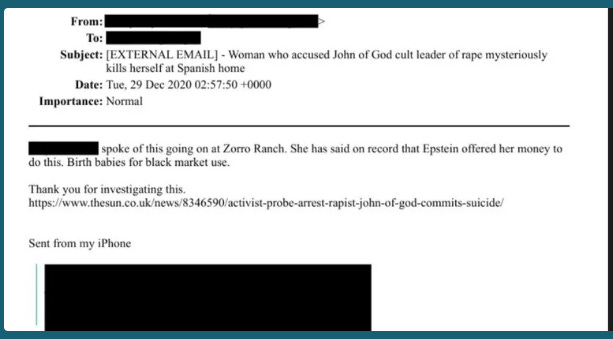
This revelation was brought to light in Epstein Files release EFTA00165118. In an email written between correspondents whose identities were redacted by the DOJ, the sender references an article published on the UK news outlet The Sun covering the suicide of Sabrina Bittencourt. Bittencourt, a victim of the Brazilian celebrity cult leader John of God (legal name João Teixeira de Faria), made famous by US talk show host Oprah Winfrey, alleged that the cult leader held young girls captive to breed them in order to sell their newborns on the black market before murdering the mothers. “Hundreds of girls were enslaved over years, lived on farms in Goias, and served as wombs to get pregnant for their babies to be sold,” Bittencourt alleged. These same allegations were made against Epstein by the sender in the email disclosed in the latest batch of the Epstein Files, who wrote, “[REDACTED] spoke of this going on at Zorro Ranch. She has said on record that Epstein offered her money to do this. Birth babies for black market use.”
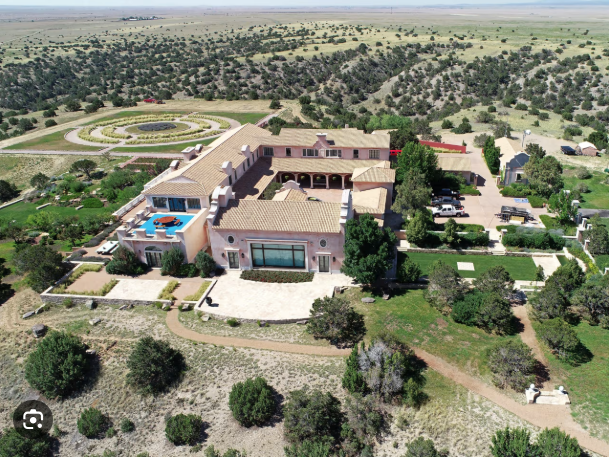
While Little Saint James Island, infamously known as Pedophile, Rape, and Epstein Island, has received the bulk of attention in the fallout from the cover-up of Epstein’s crimes, his Zorro Ranch property is another centerpiece of the crimes committed by his criminal network. Located in the high desert north of the Estancia Basin of central New Mexico, where Epstein was not required to register as a sex offender following his 2008 plea deal in Florida, the sprawling 7,600-acre ranch hosted numerous parties implicated in Epstein’s crimes. Epstein reportedly organized the ranch as the headquarters for his eugenic plot to “seed the human race with his DNA” by impregnating countless women and underaged victims on the property. Victim Annie Farmer, alleges that Epstein and his prime accomplice, Ghislaine Maxwell, sexually abused her at the ranch when she was just 16-years-old.
According to housekeepers and other staff interviewed as witnesses, Epstein hosted Prince Andrew, formerly the Duke of York; former congressman and New Mexico Governor Bill Richardson; and Woody Allen alongside his adopted daughter, Soon-Yi Previn, whom Allen married in 1997 after years of allegations that he abused her as a child during his marriage to his ex-wife, actress Mia Farrow, at his New Mexico property. Despite their notoriety, those figures were far from the most high profile visitors alleged to have been hosted by Epstein at the Zorro Ranch.
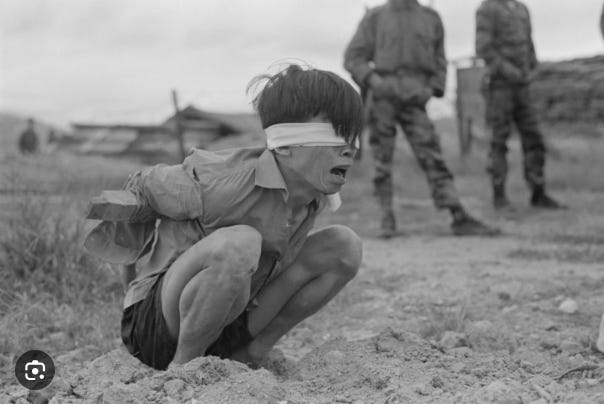
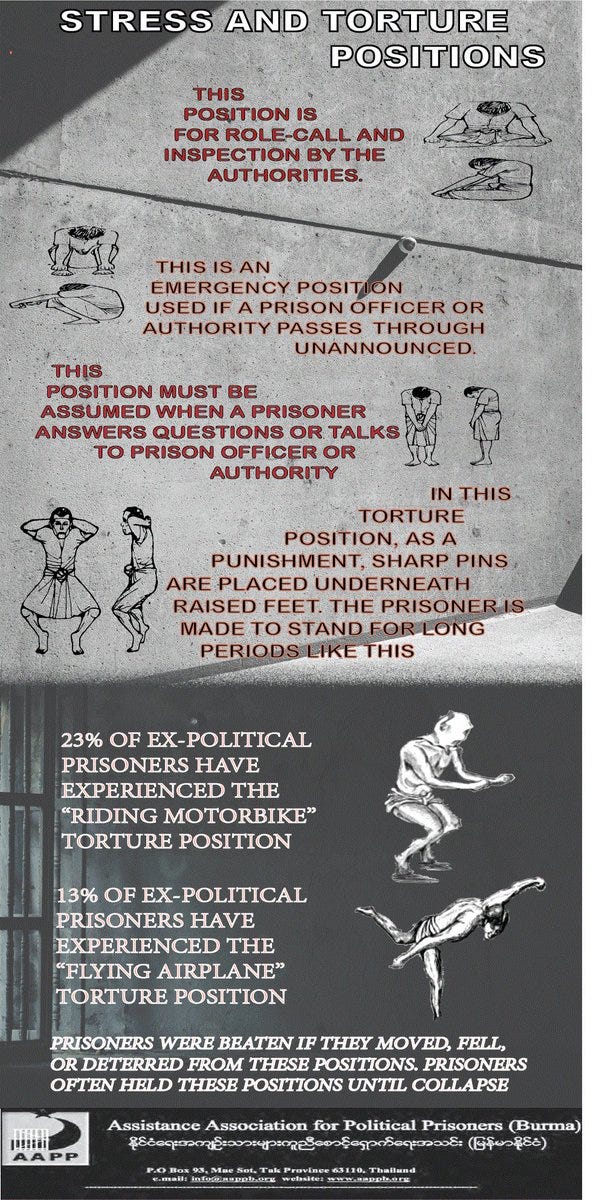
Stress positions, USA:
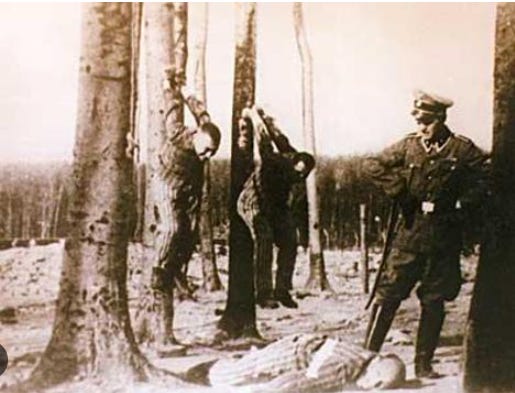
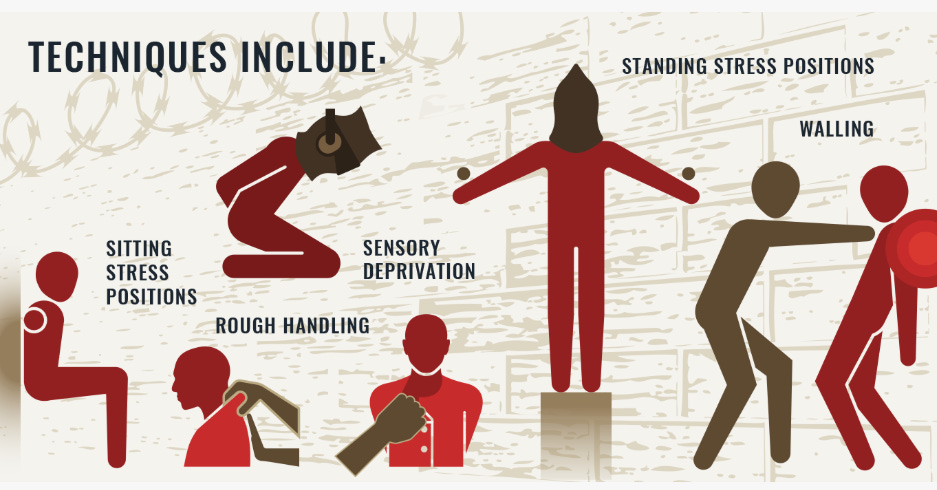

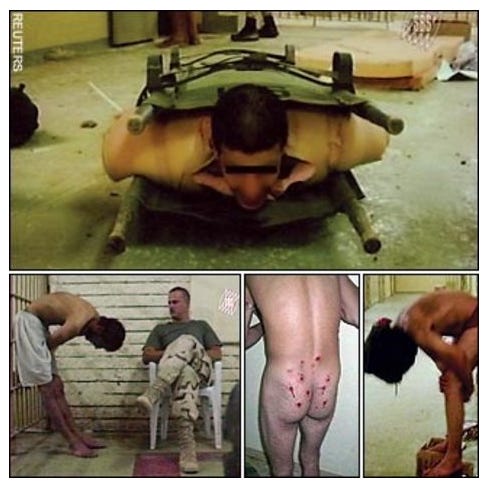
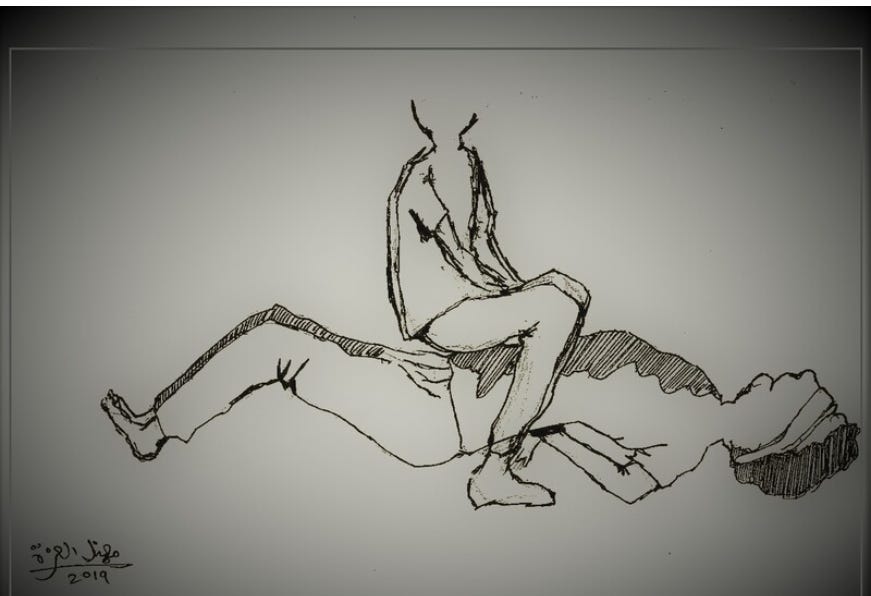
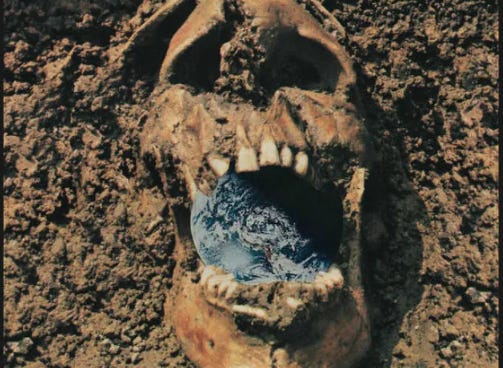
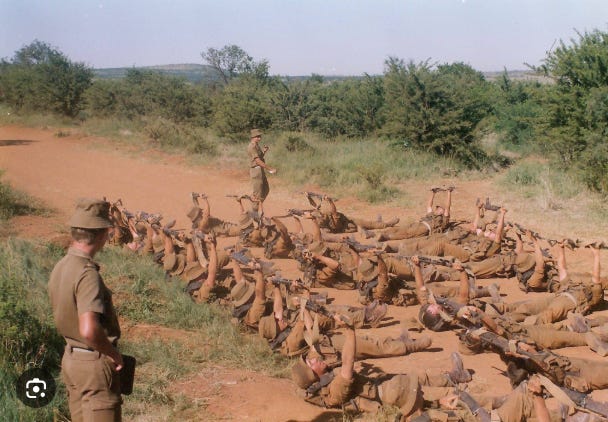
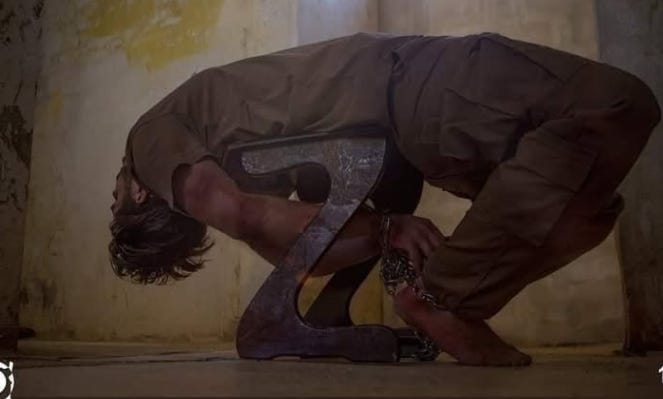
Americans have not heart, because they have no country to fight for because it’s land . . . . They know that deep in their heart.
- Zebras: Experience intense, short-term physical stress (e.g., being chased by a lion). Once the threat passes, their bodies return to a state of calm, and the stress response shuts off.
- Humans: Experience chronic psychological stress (e.g., bills, traffic, deadlines). We activate the same “fight-or-flight” physiological response, but we keep it turned on for months or years, which causes long-term damage.
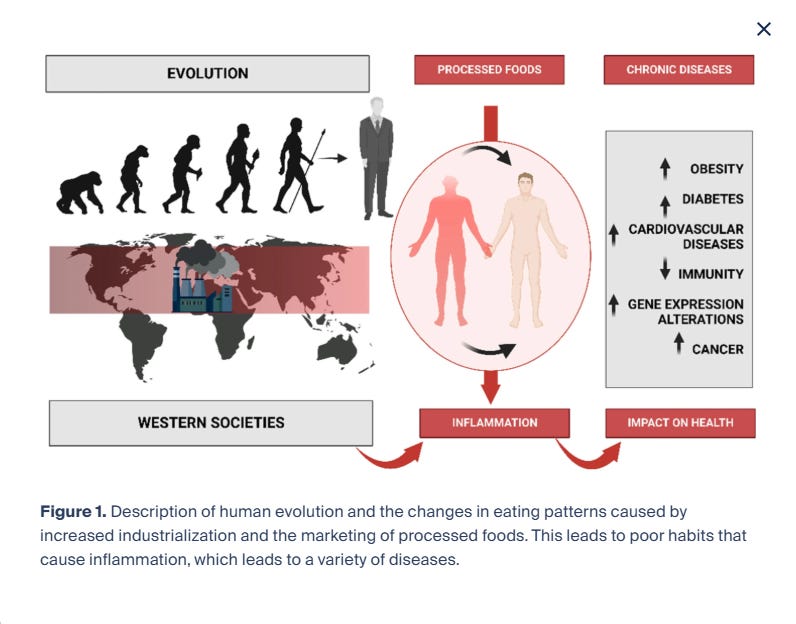
We are the crash test dummies, the white mice, for . . . slow-moving “diseases of lifestyle” exacerbated by stress.

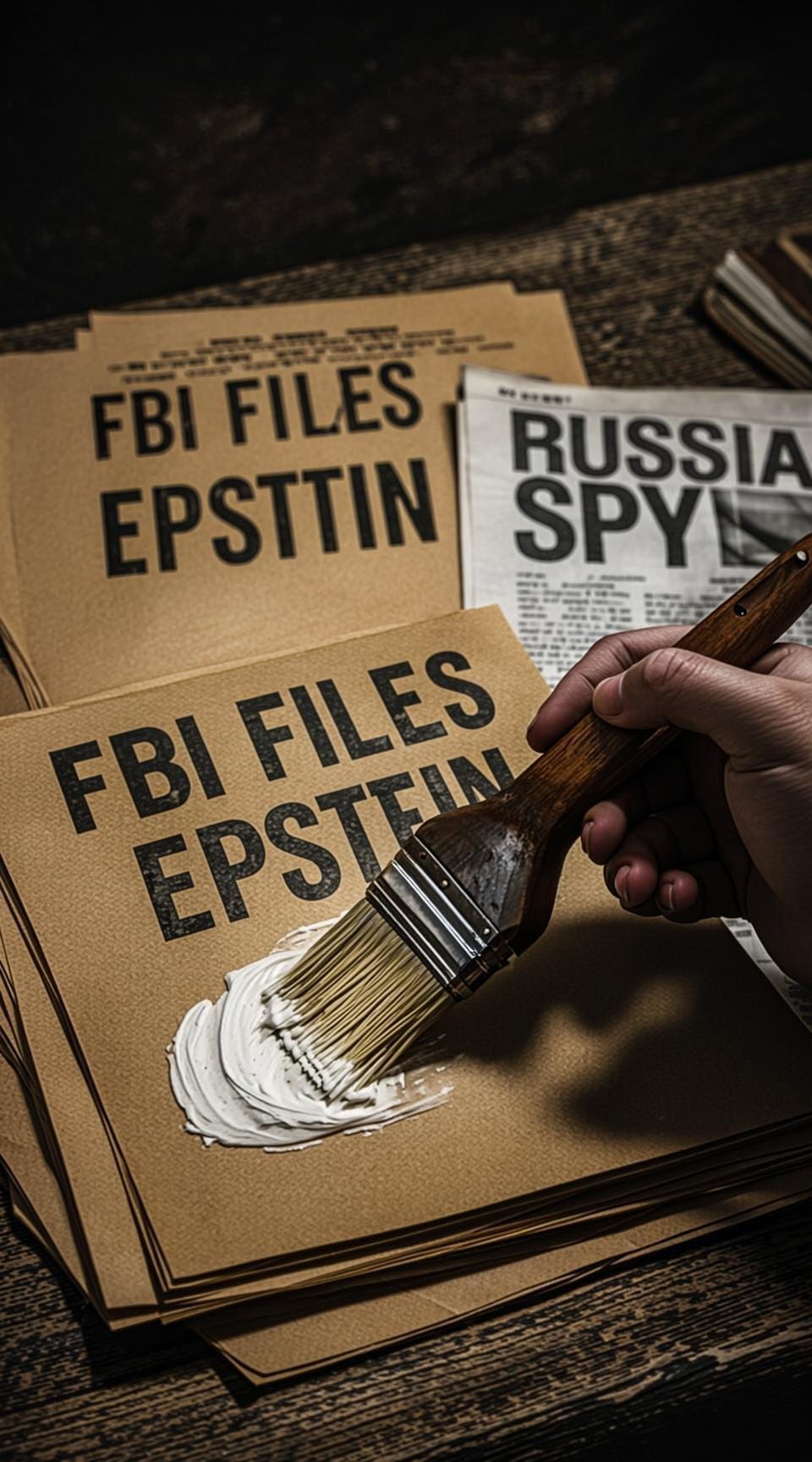
The “Russian Spy” accusation is based on vapors. It is a narrative with no tangible proof, designed to pander to the Russo-phobic hysteria that has gripped the West since 2016.
Compare this to the mountain of hard evidence regarding Mandelson’s other allegiance: the Epstein-Israel axis.
Court documents, FBI files, and investigative reports have long suggested that Jeffrey Epstein was not merely a financier, but an intelligence asset—specifically, a Mossad cut-out running a “honey trap” operation to compromise Western politicians and businessmen for Israeli leverage.
Mandelson is listed in Epstein’s black book. He flew on his planes. He visited his homes. He is a close friend of Nat Rothschild, the scion of the banking dynasty that sits atop the financial pyramid.
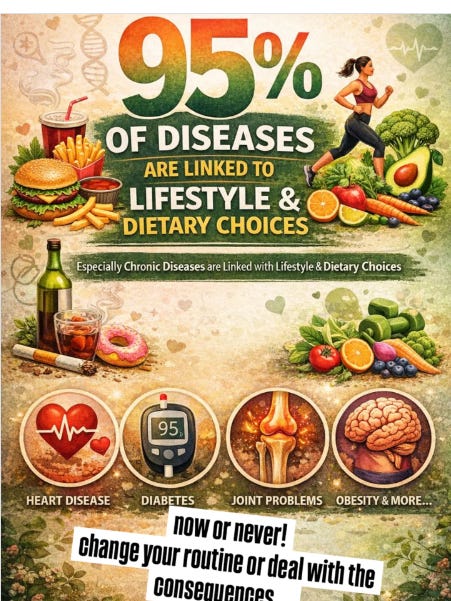
LIES LIES LIES. 10,000 chemicals, fluoride, lawn chemicals, PFAS,
Top Chemicals of Public Health Concern (WHO/EPA)
- Asbestos: Causes lung cancer, mesothelioma, and asbestosis.
- Lead: Causes kidney damage, cardiovascular disease, and neurological damage.
- Mercury: Affects the nervous system, kidneys, and liver.
- Benzene: Known to cause leukemia and other blood-related diseases.
- Arsenic: Causes skin, lung, and bladder cancer.
- Cadmium: Causes kidney damage and lung cancer.
- Dioxins & Dioxin-like substances: Known to cause cancer and reproductive issues.
- PFAS (Per- and Polyfluoroalkyl Substances): Linked to immune system effects, cancer, and metabolic disruption.
- Formaldehyde: A carcinogen found in building materials and consumer products.
- Polychlorinated Biphenyls (PCBs): Linked to cancer and immune system suppression.
Common Chemical Hazards in Daily Life & Work
- Pesticides: Glyphosate and others are linked to cancer and neurological issues.
- Phthalates & Siloxanes: Plasticizers and additives in plastics, cosmetics, and fragrances.
- Volatile Organic Compounds (VOCs): Found in cleaners, paints, and dryer sheets (e.g., benzene, formaldehyde).
- Isocyanates & Rubber Latex: Common causes of occupational asthma and skin sensitization.
- Solvents: Trichloroethylene (TCE) is used in metal degreasing and dry cleaning.
Disease Mechanisms
Chemicals cause illness by attacking specific organs:
- Respiratory: Asthma and lung disease (e.g., tobacco smoke, ozone, asbestos).
- Cardiovascular: Heart disease (e.g., lead, carbon monoxide).
- Liver/Kidney: Chronic toxicity (e.g., vinyl chloride, cadmium).
- Cancer: Various types caused by toxic exposure (e.g., benzene, arsenic).
One month after the US attack on Venezuela, dozens of Italian cities once again took to the streets in support of the Bolivarian process, demanding the release of President Nicolás Maduro and Cilia Flores. Organized under the international slogan “Bring them home!”, the decentralized actions represent a stepping stone toward a national assembly in Rome on Sunday, 8 February, as well as permanent mobilization against war and rearmament.
Students and youth made up a significant portion of participants in Tuesday’s demonstrations. “In response to the United States’ military action, a clear expression of its desire to reassert control over the continent, we once again stand alongside the Bolivarian Revolution […] against US imperialism and to demand the immediate release of Maduro and Flores,” the organizations Cambiare Rotta and OSA wrote on the day.

Blood-Harvesting Conspiracy.
According to a study by CEIDAS (the Center for Studies and Research in Development and Social Assistance) in Mexico, the southern border state of Chiapas is particularly susceptible to human trafficking. Irregular migrants from Guatemala, El Salvador, Honduras, and Nicaragua are frequently exploited in bars and brothels. Migrants are even more at risk in Guatemala, where young girls are frequently abducted and trafficked. The NGO Casa Alianza found that at least 15,000 children had been trafficked in Guatemala for sexual exploitation; in Guatemala City alone, the NGO identified over 2,000 children who were being sexually exploited in bars and massage parlors. 89 percent were migrants from the nearby countries of El Salvador, Honduras, and Nicaragua. Children between the ages of eight and 14 were bought and sold in Guatemala, for as little as 100 US dollars.7
In 2018, the Public Prosecutor’s office in Guatemala identified 478 possible victims of human trafficking. 132 of them, 28 percent of the total, were children and adolescents.8 During a UN ceremony commemorating the World Day against Trafficking in Persons in 2013, Honduran spokesman Jorge Ramos announced that 55 percent of Central America’s human trafficking victims were underage girls. Between 2018 and 2019, over 330 people were rescued from human traffickers in Honduras.9 In 2011, the CINDE Foundation and UNICEF conducted an expansive study of missing children in Central America. They announced that a severe problem of child trafficking existed in the region, particularly in “blind points” along border regions.10 Residents of the “Northern Triangle” countries—Guatemala, El Salvador, and Honduras—are particularly vulnerable to organized crime. These countries are among the poorest in the Americas, with a per capita income less than a third of Mexico’s.
Mexico’s National Institute for Women (INMUJERES) estimates that 25,000 underage girls are subjected to prostitution in the Dominican Republic, trafficked within the country. An increase in sex tourism in the region has led to higher levels of human trafficking, with women, girls, and boys brought to countries like Costa Rica from Colombia, the Dominican Republic, and the Philippines.11 And Mexico’s National Human Rights Commission issued a report last year on children and adolescents who are victims of organized crime. The report states that, according to the Secretariat of Tourism, roughly 21,000 legal minors are trafficked in Mexico every year for the purpose of sexual exploitation. The border state of Baja California is cited as one of the five Mexican states with the highest rates of human trafficking.12
Another crisis of child abductions has been ongoing in Latin America for decades—poor families whose infants are kidnapped for illegal international adoption. The Guatemalan news website Radio Ocote reported on the extensive abduction and trafficking of children for foreign adoption, from the 1980s to the early 2000s.13 Many cases have been reported in Peru as well. As far back as the 1980s, journalist Ismael León participated in an investigation for the Peruvian newspaper La República, which discovered a child trafficking network. Children were stolen from their biological parents in poor and indigenous communities and sold for irregular adoption by foreign couples. This real-life story inspired director Melina León’s 2019 film Canción sin nombre (Song without a Name), which made its international debut at a film festival in Mexico City last year.
And while many of the foreigners who paid for irregular adoptions came from the United States, that is just the tip of the iceberg. The widespread crisis of human trafficking and abduction in Latin America is no accident—it is the direct result of a century of US policies in the region.
In Mexico, the issue of human trafficking cannot be disconnected from the crisis of violence against women: abductions, gender-based murders, and disappearances. The city most famous for rampant femicides—gender-based murder of women—is Juárez, a border city intricately linked to global capital and free trade. Many of the women and girls abducted and murdered in Juárez were recent migrants, having moved north to work in the maquiladoras, assembly-line factories. Foreign capital needed cheap labor to work the assembly lines, and a whole generation of newly-mobile, single females moved north. Organized crime took advantage of this vulnerable population. The number of women and girls who were abducted, disappeared, and murdered began to rise in 1993. This was shortly before the signing of NAFTA, as foreign companies built numerous maquiladora factories along the border. By 2005, the number of femicides in Juárez since 1993 had shot up to 370. This gender-based violence, kidnapping, and human trafficking affects underage girls at an alarming rate.
Growing protests have erupted across the country, calling for justice for their fallen sisters. Ni una menos (“We will not suffer one more missing woman”), Nos están matando (“They’re killing us”). On March 8 of this year—International Women’s Day—millions of women marched across the country.14 More recently, this September, a group of activists broke into the offices of the National Human Rights Commission to protest the Commission’s lack of action on this issue. They were joined by family members of women and girls who had been abducted and disappeared.
The human trafficking rings that have abducted thousands of women, teenagers, and children in Mexico and Central America are controlled by criminal organizations. Many of these, including the fearsome Mara Salvatrucha gang, are themselves the product of US foreign policy. The Mara emerged in the power vacuum that followed the Central American civil wars of the 1980s. As the US fought to keep socialism out of the region, Washington funded brutal paramilitary thugs in Central American nations. Through the US State Department, the CIA, and the School of the Americas at Fort Benning, Georgia, the US taught these paramilitaries how to torture, intimidate, and subjugate the civilian population. After the USSR fell and the civil wars subsided, those paramilitary forces remained. They melded with a new group in Central America: recent deportees from the United States who, while in detention, had adopted the culture of US street gangs. They were sent back to El Salvador and Guatemala, and the two forces—gang culture and paramilitary violence—fused together.
US policy has consistently aimed at keeping the region within the US sphere of influence, by any means necessary. This interventionism has continued well into the 21st century, long after the Berlin Wall fell. In 2006, when Honduras elected progressive president Manuel Zelaya, who sought to redistribute land and tax US fruit companies, the US supported a military coup against him. Hillary Clinton may not be part of a Satanic sex cabal, but she did help to plunge Honduras into violence. As Secretary of State under the Obama administration, she gave legitimacy to the putschist military government in Honduras, even as most Latin American regions called for a return to democracy. Honduras is now one of the deadliest countries in the world, with an average of 13 people murdered every day. It is one of the most dangerous countries for journalists, with at least 40 reporters murdered in the last decade, according to Europa Press.15
Neocolonial interventions have defined US policies toward Latin America for over 100 years. Central America has been kept in a constant state of underdevelopment and poverty, held back from anything resembling self-determination. The end result is obvious: millions have been forced to migrate. As people fled the Northern Triangle countries in recent years, gangs quickly took control of the migration routes, abducting adults and children alike. So the migrants sought protection in one another—they joined together and migrated in large caravans, seeking safety in numbers. They began trekking together shortly before the Christmas season. Catholic and Evangelical organizations provided humanitarian support, seeing the migrants’ journey as a modern-day manifestation of the Holy Family seeking shelter.16
But when they reached the US, the migrants found a closed door. As early as 2017, the Washington Post reported on the new (unofficial) tendency of turning away asylum-seekers at the border.17 When one caravan reached the US border in 2018, most migrants were not given the opportunity to apply for asylum—rather, US agents fired tear gas into the crowd. The “Remain in Mexico” policy became the norm. As they languished in tent cities along the border, migrants became even more vulnerable to human traffickers and organized crime. More children went missing.
While criminals took advantage of this population, another child crisis enfolded along the border: migrant children were abducted by the US government itself. In June 2018, the DHS publicly admitted to a policy of family separation. The practice had been in place since the previous year; almost 2,000 children were separated from their parents in April and May 2018 alone. While the official number was 2,737, the government admitted in early 2019 that the actual figure may be much higher. This practice was a natural outgrowth of the Trump administration’s decision to criminally prosecute any adult crossing the border without papers. Once charges were brought against the adults, their children were declared “unaccompanied,” and fell under the supervision of the US Department of Health and Human Services. Children were ripped from their parents arms, with no regard for age. CNN reported a story of a Honduran woman whose infant daughter was taken from her while breastfeeding.18 Some evidence suggests that parents were tricked into releasing their children—perhaps forever. Defense attorneys reported that their clients had been told that Border Patrol agents were only taking their children away for questioning, or to be given a bath.
Many international media have decried the conditions in these migrant detention facilities. Children sleep on cold concrete floors, eating meager rations and washing without soap.19 A facility in Clint, Texas housed 250 children, including several toddlers younger than four. Three-year-old children have been forced to appear in immigration court on their own.20Members of the administration, however, attempted to justify the policy. White House Chief of Staff John F. Kelly explained that the policy was “a tough deterrent,” insisting that it was not cruel or inhumane. “The children will be taken care of,” he insisted, “put into foster care or whatever.”21 Attorney General Jeff Sessions callously announced, “If people don’t want to be separated from their children, they should not bring them with them.”22 The policy contained no measures for reuniting families. Although the policy was officially canceled in the summer of 2018, many are still separated. According to the New York Times, the parents of 545 of the children have not yet been located. Around 60 of these children were younger than five years old when they were taken away from their parents.23
Ask AI?
The framing of the Epstein file release as a “test” of American tolerance stems from the deep skepticism surrounding the government’s handling of the documents and the potential for selective accountability.
As of early 2026, several factors contribute to this sentiment:
1. Perceived Institutional Failure
A January 2026 CNN poll found that 67% of Americans believe the government is intentionally holding back information that should be public. For many, the “test” is whether the public will accept what they perceive as a managed or sanitized version of the truth.
2. Selective Accountability and Politicization
Analysts argue the release has become a “partisan weapon”.
- Institutional Distrust: There is a widespread belief that the legal system provides immunity for elite criminal networks while “normal people” face immediate consequences.
- Politically Charged Redactions: While the Department of Justice (DOJ) maintains redactions are necessary to protect victims, many viewers see them as a way to shield powerful figures.
3. The “Haphazard” Release Process
The most recent tranche of 3.5 million pages released by the DOJ in early 2026 has been criticized for being unorganized and containing critical errors:
- Failed Redactions: High-profile leaks included uncensored nude photos and the names of victims, which some victims have called “life-threatening”.
- Sensitive Data Leaks: Redaction failures also exposed the banking information of victims and sensitive credentials for accounts like Gmail and LinkedIn.
4. Public Apathy vs. Outrage
Despite the high-profile nature of the case, a PRRI survey found only 19% of Americans view the controversy as a “critical issue”. This disconnect is sometimes described as a test of whether the public has become desensitized to allegations of elite corruption.
For those looking to follow the latest updates or review official statements, the Department of Justice’s official news page and the Epstein Files Transparency Act details provide the legal context for these disclosures.
For individuals observing the events from a distance, the mental effects can include:
- Vicarious and Secondary Trauma: Regularly seeing disturbing and violent content, such as images of mutilated bodies and destruction, can lead to vicarious trauma, where individuals experience symptoms similar to direct trauma victims. The mind struggles to process the immense scale of the suffering, which can cause a psychological “shut down”.
- Anxiety, Depression, and Grief: Observers report overwhelming feelings of depression, anxiety, uncontrollable sobbing, and deep grief. There is a constant sense of dread and worry about the next atrocity, making daily functioning difficult.
- Helplessness and Powerlessness: The ability to witness the destruction without being able to stop it creates intense feelings of helplessness and powerlessness.
- Existential and Moral Crises: Constant exposure can lead to deeper metaphysical and existential questions about “good” and “evil,” “right” or “wrong,” and a general disillusionment with humanity and established systems.
- Moral Injury: Witnesses may feel a form of moral injury from being part of a society that is perceived as complicit or inactive in preventing the atrocities.
- Physical Symptoms: The psychological stress can manifest physically, including memory loss, sleep issues, and a prolonged state of heightened stress that can impact the nervous system.
Impacts on Those Directly Affected
For Palestinians in Gaza, the impacts are direct, severe, and compounded:
- Compounded Trauma: The current trauma of the war aggravates the inherited, historical trauma and psychological vulnerability of a population, many of whom are already refugees from past displacements.
- Extreme Stress and Fear: The daily struggle for survival amid bombing, displacement, and a lack of basic needs creates an adrenalized, high-stress state.
- Loss of Future and Sense of Time: Victims report that time no longer has meaning and they no longer think of the future, instead tracking their lives by “massacres”.
- Psychological Harm and Destruction of Society: The deliberate infliction of conditions of life calculated to bring about destruction is seen as causing “severe psychological harm on all Palestinians” and aims to destroy the remnants of a distinct society. The mind is focused on a daily fight for physical survival, which handicaps thinking in both general and national terms.
The unprecedented nature of a “live-streamed” genocide, where the victims are broadcasting their own destruction in real-time, has ensured widespread awareness of the brutality, making it impossible for a “healthy conscience” to ignore and forcing a global reckoning with the mental and ethical toll.
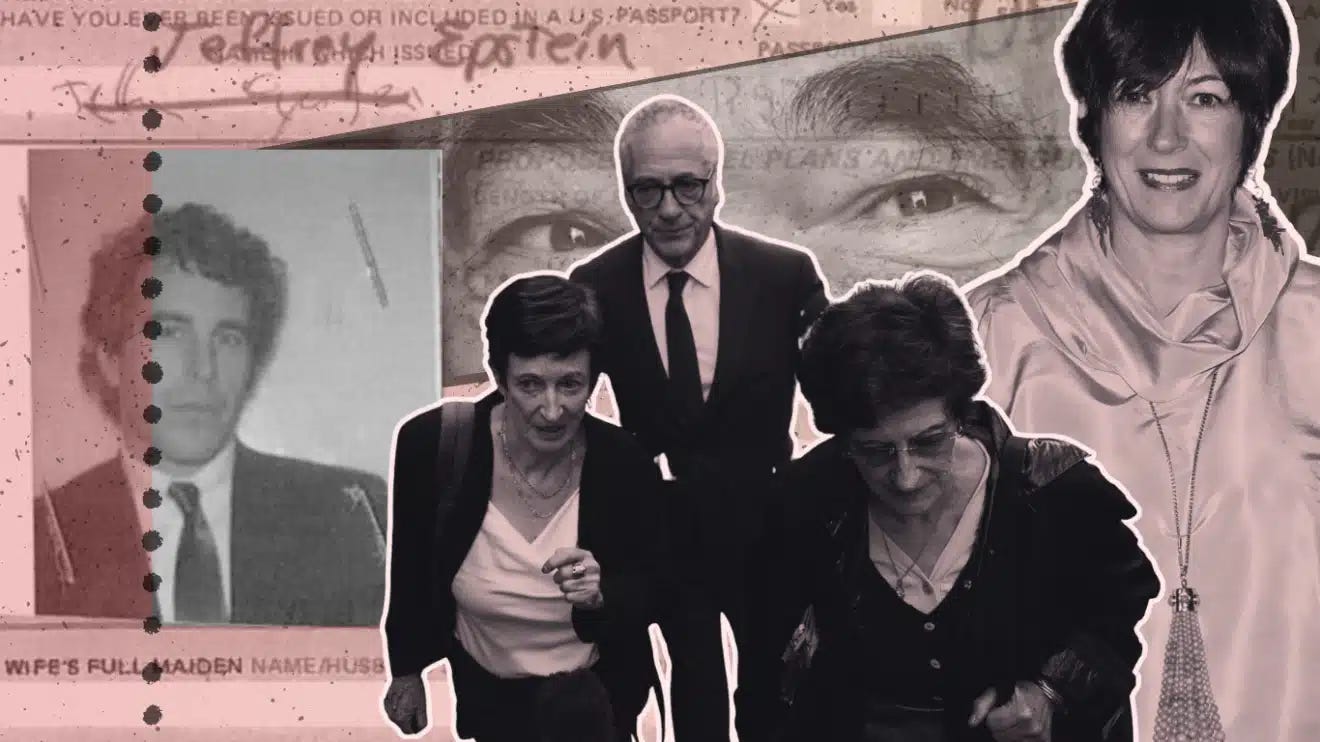
Epstein’s status as an Israeli intelligence operative—now beyond reasonable doubt—and ties to his “closest friend” Trump provide a likely means of ‘kompromat’ allegedly making Trump a tool of Israel. The report comes hot on the heels of other released documents detailing witness testimony accusing Trump of raping and beating children provided to him by Epstein. Dershowitz is also accused in the same files of at least being present during the rape—and in at least one case murder—of children.
The CIA, Mossad, and Epstein: Unraveling the Intelligence Ties of the Maxwell Family

 Paul Haeder, Author