

“Terror Tuesdays” refers to regular meetings in the Obama White House where top officials reviewed and approved targets for lethal drone strikes targeting militants in Pakistan , Yemen, and Somalia,
Jan 30, 2026

As Donald Trump assumes office today (January 20, 2017), he inherits a targeted killing program that has been the cornerstone of U.S. counterterrorism strategy over the past eight years. On January 23, 2009, just three days into his presidency, President Obama authorized his first kinetic military action: two drone strikes, three hours apart, in Waziristan, Pakistan, that killed as many as twenty civilians. Two terms and 540 strikes later, Obama leaves the White House after having vastly expanding and normalizing the use of armed drones for counterterrorism and close air support operations in non-battlefield settings.

Minnesota ICE live: Protests erupt nationwide as Bruce Springsteen performs at fundraiser for Renee Good and Alex Pretti
Springsteen reportedly had the words ‘Arrest the President’ on his guitar as he took the stage Friday

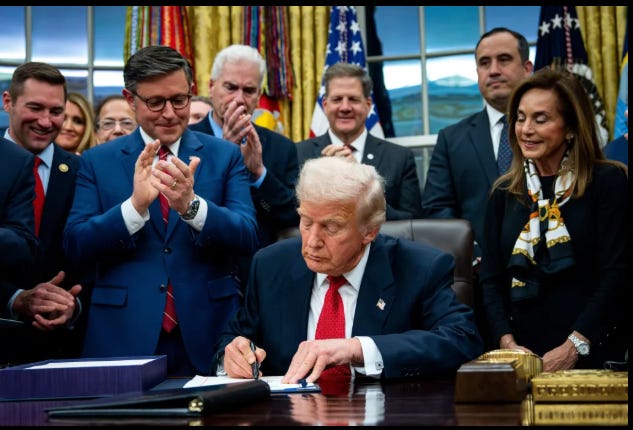
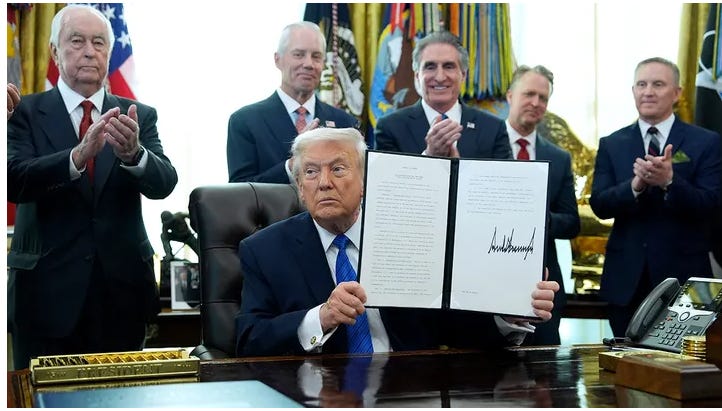
Psychosis of Whiteness — “There’s nothing more important than what we’re doing right now, in my opinion,” the president said at the signing ceremony in the Oval Office. “Today, I’m signing a historic executive order to combat the scourge of addiction and substance abuse — big deal in this country and probably in every country. We’re calling it the Great American Recovery Initiative.”
The initiative will be chaired by Health and Human Services Secretary Robert F. Kennedy Jr. and Kathryn Burgum, both of whom joined Mr. Trump for the ceremony. Kathryn Burgum, who is married to Interior Secretary Doug Burgum, struggled with alcoholism before becoming sober 22 years ago and is a vocal advocate for addiction recovery.

Talk about psychosis? Apologies? Fucking reparations and land back, cunts. Calls for King Charles to formally apologise for slavery after research shows crown’s role
Book The Crown’s Silence details how crown profited from and protected trade in enslaved African people for centuries
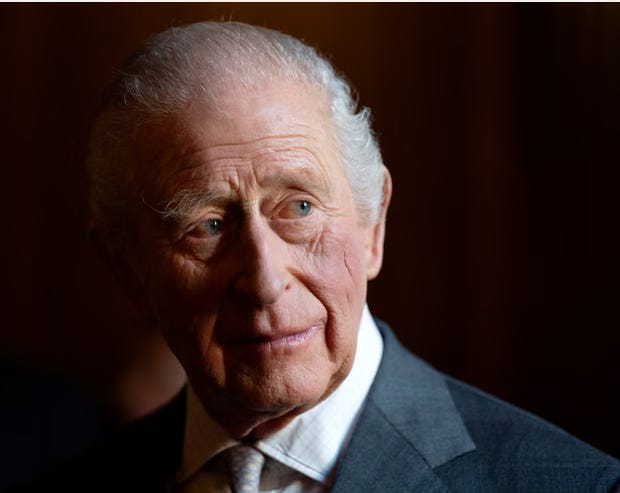
Who the fuck cares? “I will never run for an elected office again. Never again,” Walz, the 2024 Democratic vice presidential nominee, said in an interview with MS NOW.

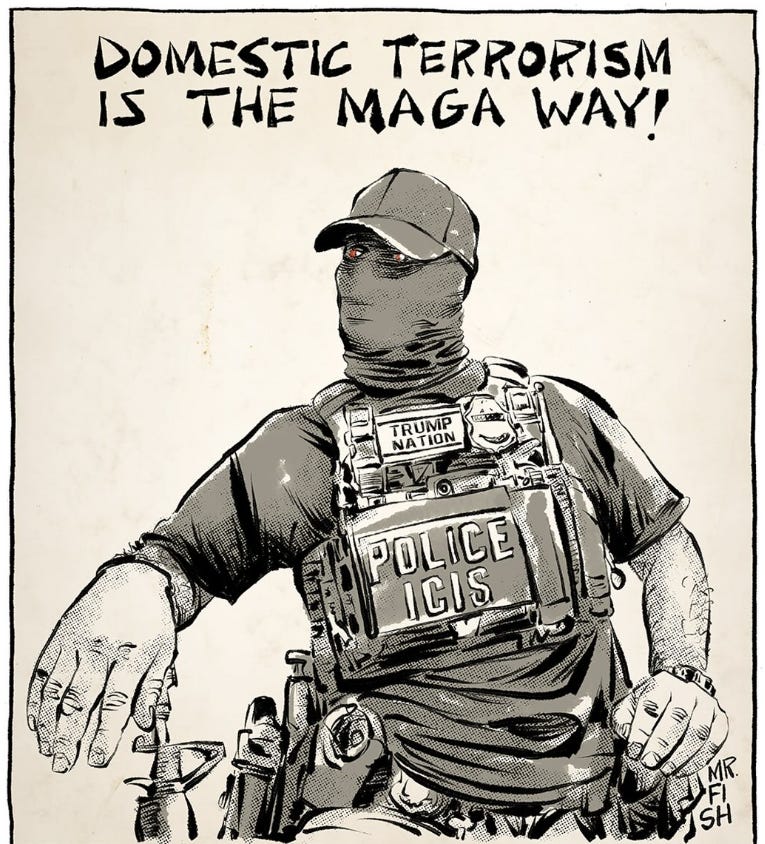
ICE launches nationwide program for covert surveillance of immigrants

A subsidiary of the French company Capgemini signed a contract for some of the work, but after pressure from French officials, Capgemini now says it is no longer executing the contract.

[Trigger Warning: Yet another fucking House Nigger for MAGA.]
Does it fucking matter? Fickle and lobotomized and rah-rah-rah for our pigs and uniformed soldiers/mercenaries of fortune?
President Trump’s approval rating is slipping, with more than two-thirds of Americans saying they disapprove of how the president is handling his job, according to a new Pew Research Center poll.
The poll, released Thursday, found that Trump’s approval rating fell 3 percentage points from last fall and now stands at 37 percent. Trump’s support among Republicans remains high at 73 percent approval, though that figure is down slightly from a poll conducted last September.

Wanted: All Heroic AMericans. Bondi announces $1M reward for whistleblower who reported antitrust crime
Oh, the fucking hip Cun-Tree. Portugal builds Europe’s first dedicated drone carrier, D João II

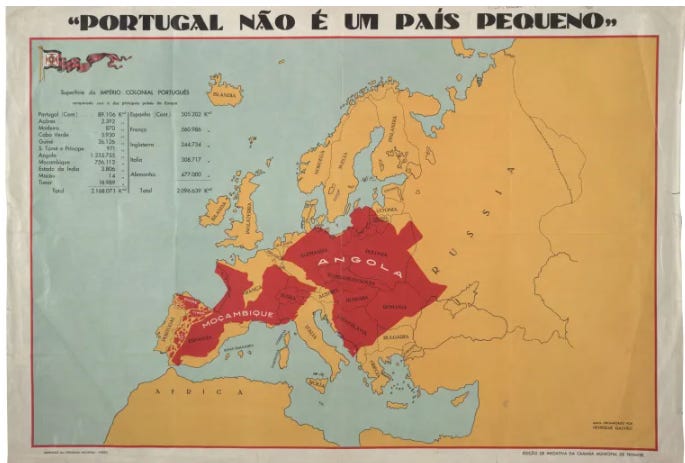
References to Portugal’s epic, seafaring past like these litter this city – there is even a Vasco da Gama shopping mall. But until now, there has never been a single explicit reference, memorial or monument in Portugal’s public space to its pioneering role in the transatlantic slave trade, nor any acknowledgement of the millions of lives that were stolen between the 15th and 19th centuries.
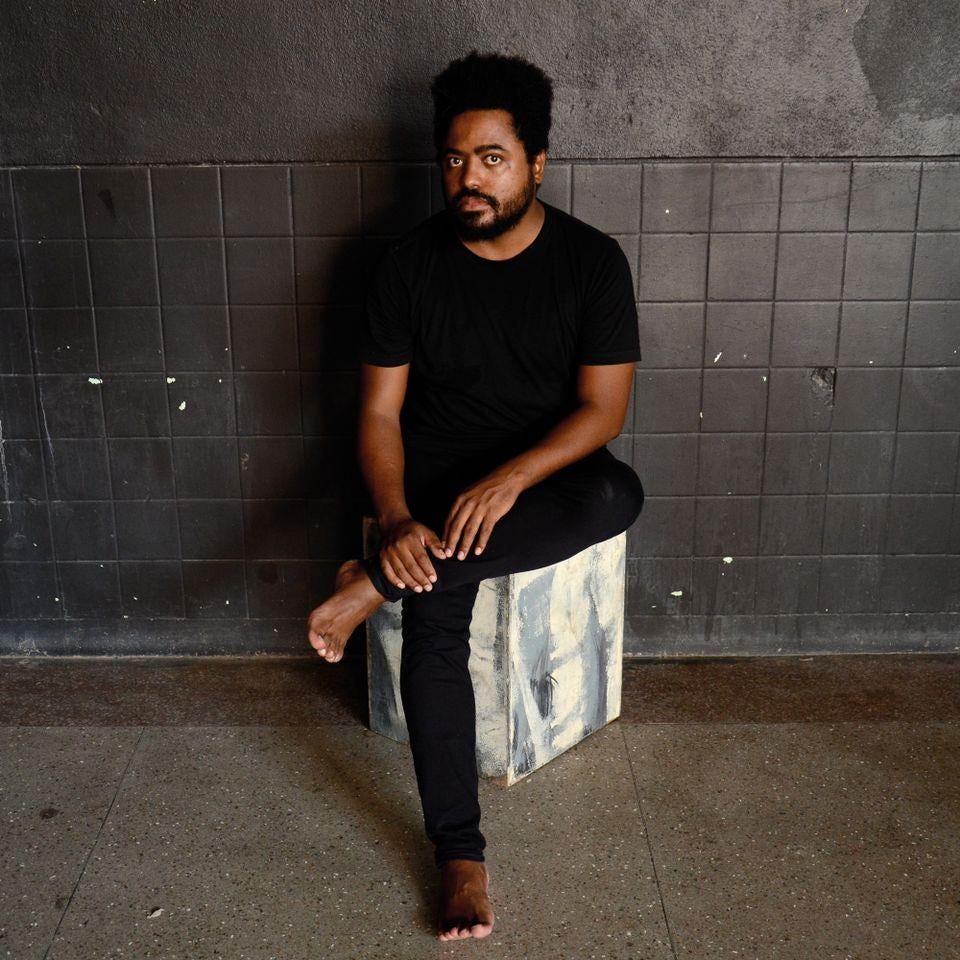
This is the task that has brought Kiluanji Kia Henda, Angola’s most successful contemporary artist, here from his hometown of Luanda. The forthcoming Memorial-Homage to the Victims of Slavery that he designed will be the first memorial of its kind in Portugal and, he says, “the greatest challenge I’ve faced as an artist”.
That the memorial’s artist comes from Angola, the country that suffered the most catastrophic loss of lives during the trade in enslaved people at the hands of the Portuguese, is poignant. By the 19th century, Angola had become the largest source of enslaved people taken to the Americas. “For me, it is about building a bridge to the past as a way of establishing a dialogue about these historical cycles of violence,” says Kia Henda.
[The front cover of a 1931 monthly propaganda magazine heralding the virtues of Portugal’s colonies, produced by the Portugal Colonial company and edited by Henrique Galvão, who went on to become an opponent of Portugal’s dictatorship and outspoken critic of violence in the colonies]
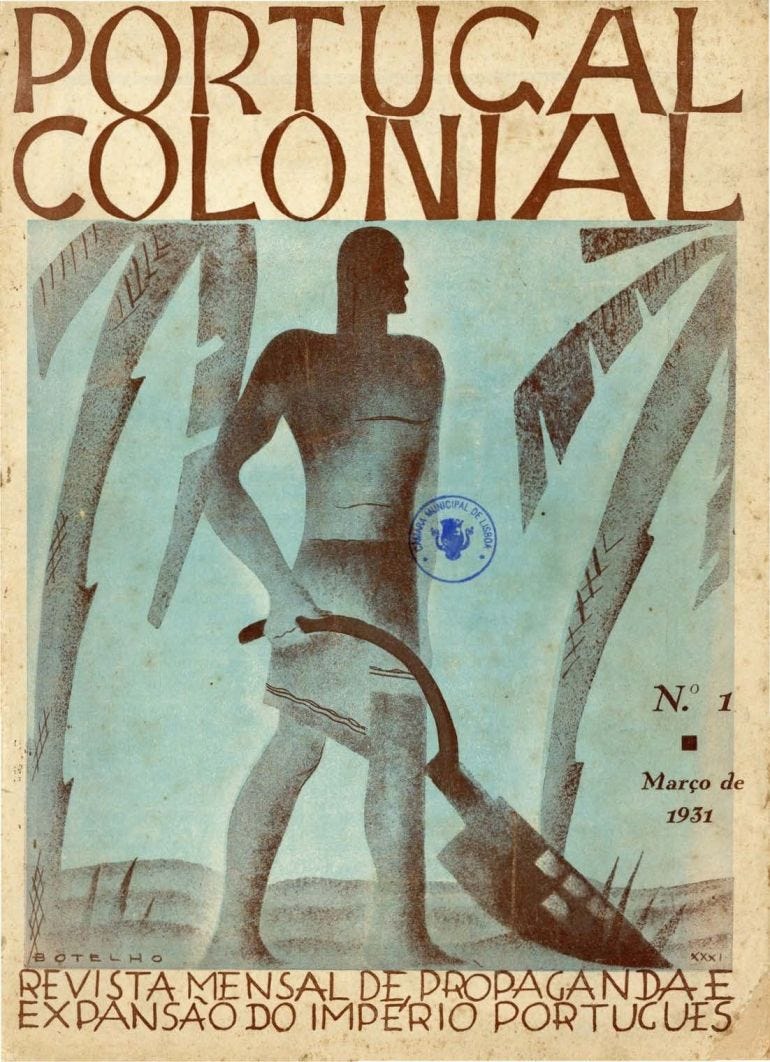
“The modern world would not exist if it was not for enslavement,” he says. “The modernity you see here was built on the backs of Black people. It’s important that there is awareness about that.”
Project
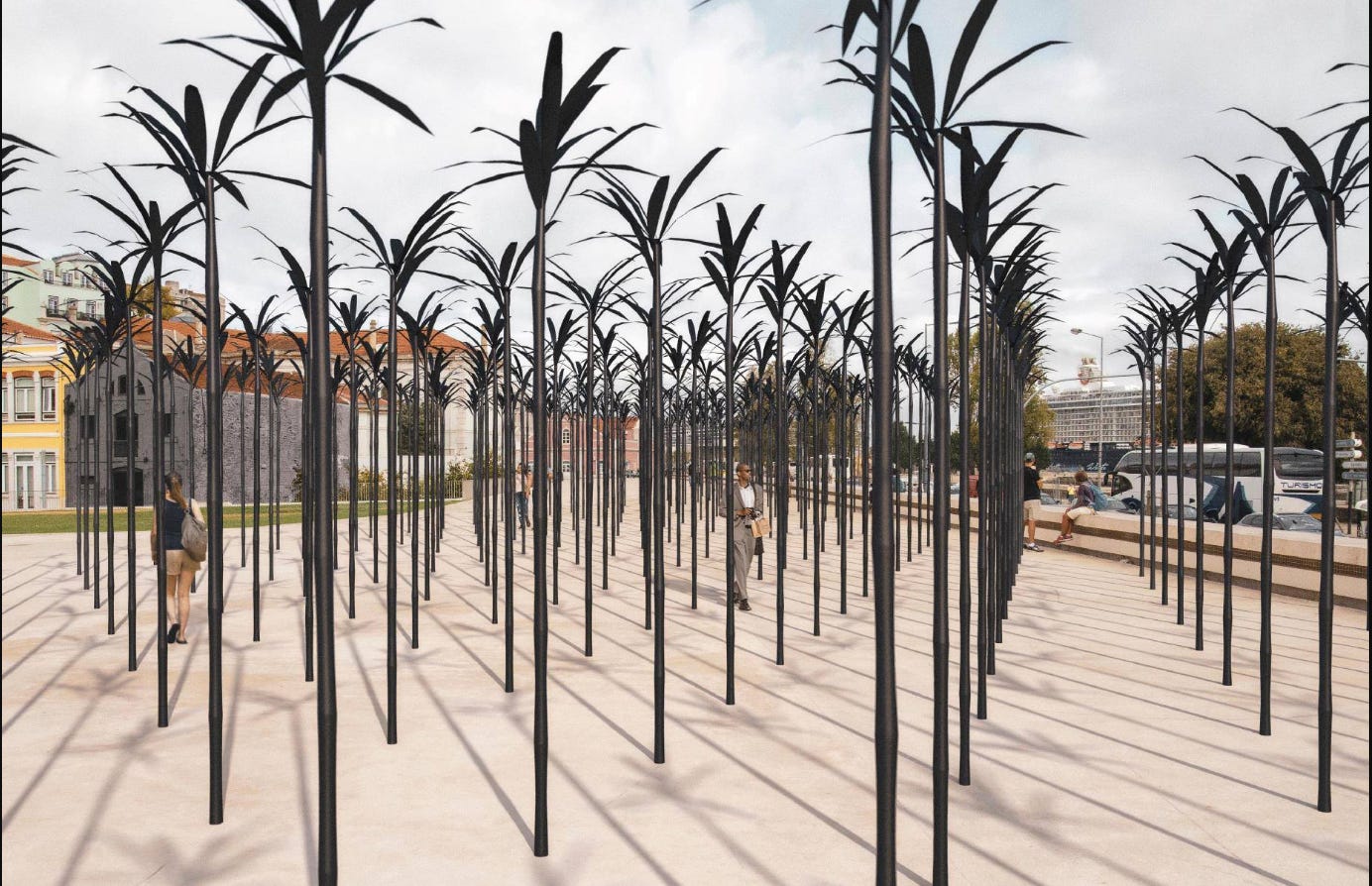
“Plantation – Prosperity and Nightmare” is intended to address the memory of slavery as the presence of an absence, as we do not believe it is possible to directly and realistically represent such transnational trauma.
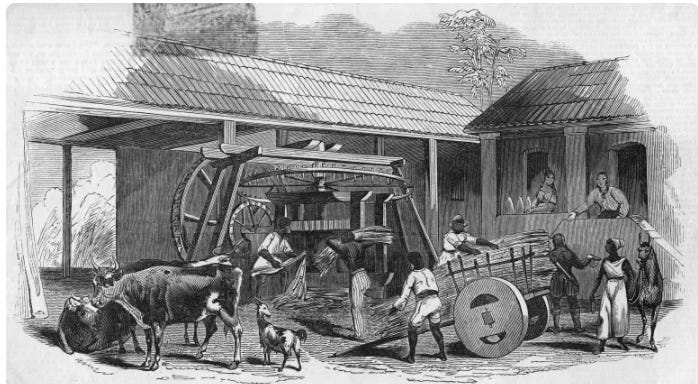
We then turn to the raw material, sugar cane, the white gold that was at the origin of the compulsory slave trade.
The project is a representation of a sugar cane plantation consisting of 540 feet of black aluminum sugar cane, each 3 meters high and 8 centimeters in diameter. Between the cane feet there are regular breaks, inviting for walking and reflection. An experience is presented between the sacred, the contemplative, and the everyday banal. As if sugarcane became the image of urban repetition itself. Until a small amphitheater appears in the middle of the plantation, as a meeting point. Maybe a quilombo of runaway slaves. Maybe just a void, a gap of intervals, where something new can come up.
This is expected to be a socializing point for the most varied cultural events, from music to small street shows, from academic dialogues to theatrical readings. The historical link between monoculture and slavery is narrated, in a monument that deals with the relationship between excess wealth and the inhuman exploitation of life. The project aims to build a place of memory, open to reflection. It is sought that in the center of the anguish the avenues of encounter are open, pointing to new creations and new possibilities for coexistence.
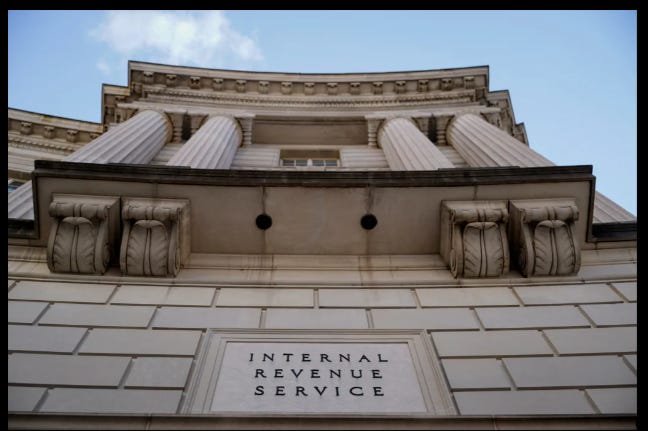
Fucking MAGA cunts: WITH the 2026 tax season officially open and Americans scrambling to submit their returns by the April deadline, taxpayers may experience some frustrating delays this year.
The disruptions may come as the IRS braces for another government shutdown in just days.
“History, despite its wrenching pain, cannot be unlived, but if faced with courage, need not be lived again.” —Maya Angelou
A poem?
Carolyn Forché January 29, 2026
“On Living in the Hour of Cities Under Siege”
It is a time of being sorted by skin and hair, by mother tongue,
as being from here or there, as pepper spray fills in the air
until the whole city stinks of it, and the men who arrived in rented cars
with out-of-state plates, with faces covered, begin their hunt
for carpenters, house maids, dish washers, kindergarten kids,
for anyone who, to them, looks like they aren’t from here.
They’ll pull you through the window of your car.
They will not tell you who they are, who is in command.
They wear a little of the alphabet and do not know
that ice out also means the date in spring when
it is forbidden any longer to fish on the lakes.
They tackle and beat and cuff. It is never enough.
This is where the people make their stand.
These are the city’s barricades and fires,
leaf blowers blowing the tear gas back.
Here are the bouquets left in the snow for the dead,
candles in glass jars guttering out, hymns once sung in church.
Anyone may be taken, and those who stand
in the way are shot in the head.
This is what should be said to the coming cities:
you’ll need gas masks, goggles, armbands, milk for your eyes,
the name of someone who will search if you disappear.
When the time comes, take in anyone who needs to hide,
bring pots of food to front lines everywhere,
hot soup and cocoa, a roast potato to warm the hands.
When the time comes, listen to the whistles, the car horns, the cries in the air.
______________________________
“On Living in the Hour of Cities Under Siege” is forthcoming from Otherwhere: New and Selected Poems, 1976-2026, to be published by Scribner Books in September 2026.
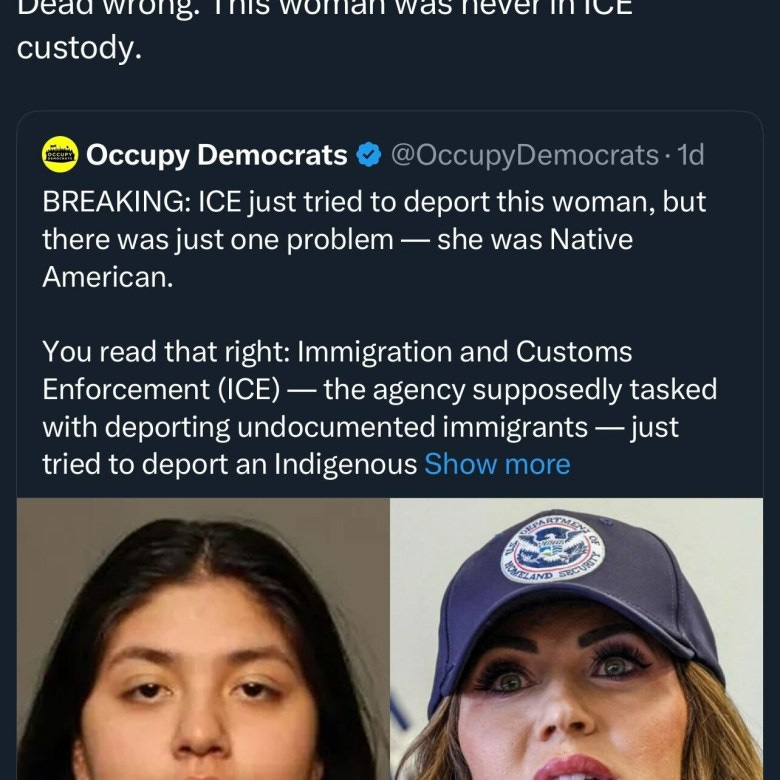
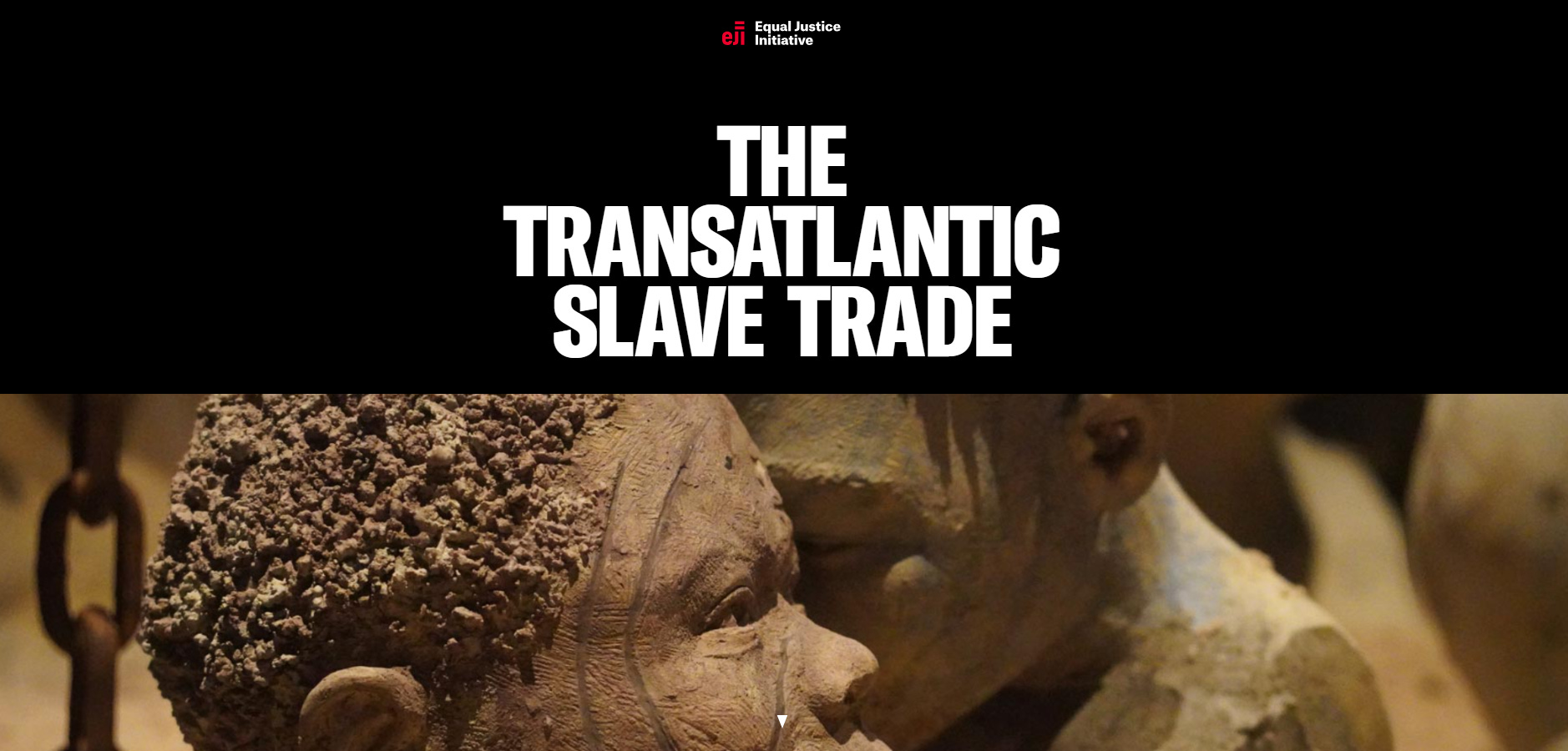
A slaver nation: When U.S. Immigration and Customs Enforcement flooded Minneapolis, Shane Mantz dug his Choctaw Nation citizenship card out of a box on his dresser and slid it into his wallet.
Some strangers mistake the pest-control company manager for Latino, he said, and he fears getting caught up in ICE raids.
Like Mantz, many Native Americans are carrying tribal documents proving their U.S. citizenship in case they are stopped or questioned by federal immigration agents. This is why dozens of the 575 federally recognized Native nations are making it easier to get tribal IDs. They’re waiving fees, lowering the age of eligibility — ranging from 5 to 18 nationwide — and printing the cards faster.
Here, the Cuntology, again, those fucking white ghouls, man: Trump was joined by IndyCar owner and chairperson Roger Penske, U.S. Interior Secretary Doug Burgum, and U.S. Secretary of Transportation Sean Duffy in the Oval Office to announce efforts to organize an IndyCar race in Washington. D.C., later this summer. The event highlights another sporting event organized by the Trump administration in honor of the United States’ 250th anniversary.

“We’re celebrating ‘Greatness with American Motor Racing,’ that’s going to be the name of the event,” Trump said, adding that the event will take place from Aug. 21-23.
Oh, those Jewish Values . . . Fucking victims victims victims while their fucking Jewish Dirty Hands are Outstretched for more fucking Welfare . . . Roughly two million people, including 880,000 children and 150,000 elderly citizens, were living below the poverty line in Israel in 2024, according to an annual National Insurance report published on Friday morning.

Making up 21 percent of the population, the figure marks an increase of 0.3% from 2023, the report for which was published in December 2024. The rate of children living in poverty is at 28%, slightly worse than the 27.9% recorded a year earlier.

With around one in four children living in poverty, Israel has the second-highest rate of child poverty among OECD countries, after Costa Rica. However, the rate of food insecurity suffered by children in Israel dropped from 36% in 2023 to 31.7% in 2024.

MAGA values: The National Park Service is ramping up its efforts to locate the driver of a vehicle that illegally went off road in Death Valley National Park in December and tore through 5 miles of Eureka Dunes, damaging or destroying rare flora in its tracks.
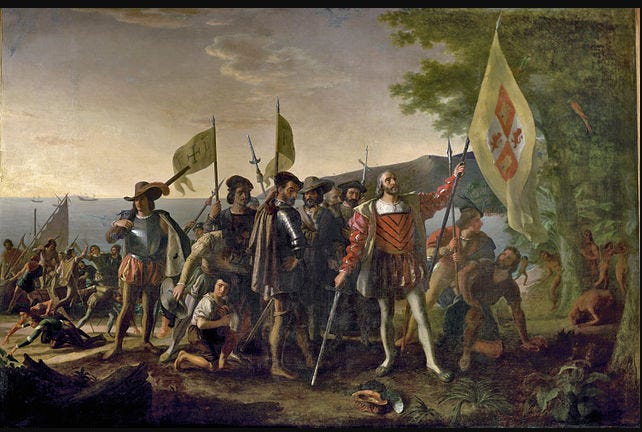
- Pope Nicholas V issued the papal bull Dum Diversas on June 18, 1452, which granted King Alfonso V of Portugal the right to “invade, search out, capture, vanquish, and subdue all Saracens and pagans whatsoever” and to “reduce their persons to perpetual slavery”.
We grant you [King of Portugal …] by these present documents, with our Apostolic Authority, full and free permission to invade, search out, capture, and subjugate the Saracens and pagans and any other unbelievers and enemies of Christ wherever they may be, as well as their kingdoms, duchies, counties, principalities, and other property […] and to reduce their persons into perpetual servitude.
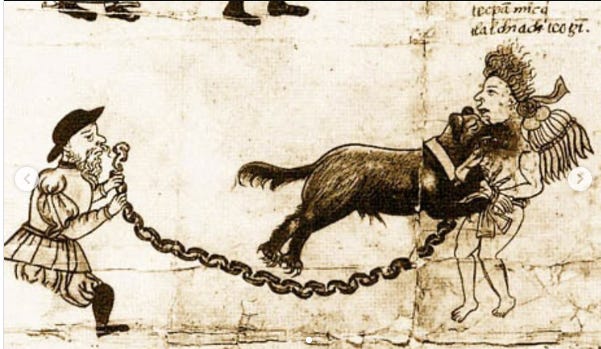
Natalie Avalos, a Chicana scholar of Apache descent, writes that settler colonialism needs to be understood as a structure, not a past event. Colonial projects “must be continually re-inscribed” in order to justify ongoing injustices.
The white, Eurocentric worldview is still imbedded in our politics, culture, and art today, one reason Columbus statues are being toppled along with Confederate monuments. These are symbols of oppression.
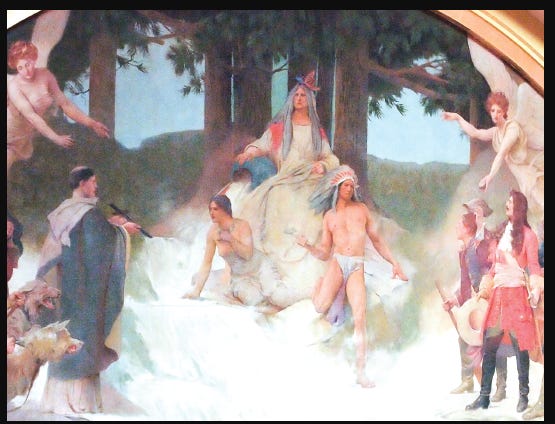
Minnesota is an example of how difficult it is to change the narrative. The state Capitol went through a major renovation in the mid-2010s. The state created a subcommittee to review Capitol art. Some troubling paintings were removed or relocated to less prominent spaces in the Capitol. However, through back channels, the Minnesota Senate made it clear that the art subcommittee couldn’t touch the Senate Chamber’s art. That included a particularly offensive mural called “The Discoverers and Civilizers led to the source of the Mississippi.”
Instead of removing it, the state restored it.
The mural’s central element depicts a half-naked Native man and woman trapped by the advance of white explorers, settlers, and their protective angels. A priest extends a cross, behind him another man restrains two attack dogs. The message is clear: convert or die.
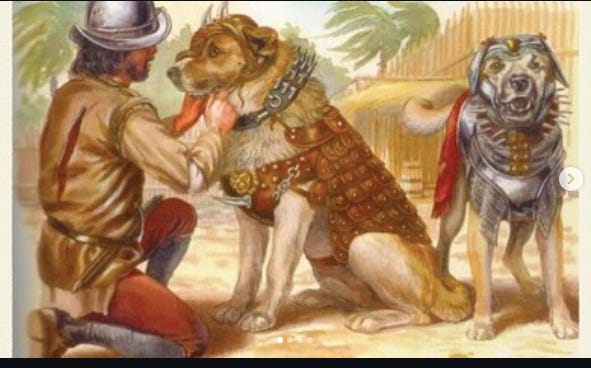
What’s so hard about changing the art every century or so? What’s so hard about admitting today that this is an offensive painting and acknowledging the harm it’s done? The devotion state leaders showed this mural reflects white supremacy thinking, and Doctrine of Discovery thinking.
The Doctrine of Discovery predated the Reformation and Protestant churches. In the 15th Century, to be Christian was to be Catholic. Today, many mainline Protestant Christian denominations and other religious communities have adopted formal statements repudiating the Doctrine of Discovery and committed to make repairs.
The Doctrine of Discovery isn’t official Catholic Church policy and hasn’t been for centuries. Subsequent popes issued bulls overriding such things as the Inter caetera of 1493. But the Catholic Church has never formally revoked that bull, either. Native rights activists, such as Doctrine of Discovery authority Steve Newcom (Lenape), have been pushing the Catholic Church to formally repudiate it.
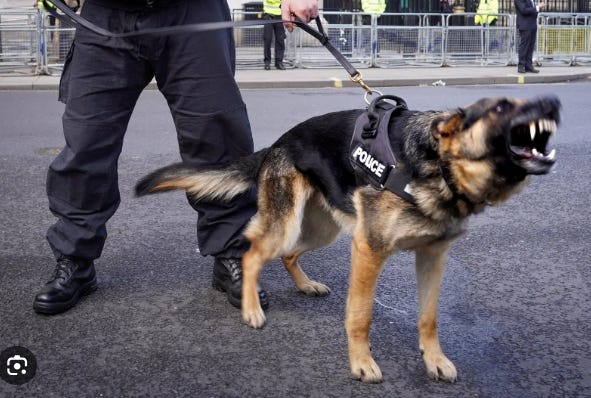
[The Thirteenth Amendment purported to abolish chattel slavery, along with what an 1883 Supreme Court decision called its “badges and incidents.” But the amendment left some infamous carve-outs: Namely, it remains legal to enslave people who have been convicted of a crime. But there is another remaining “badge and incident” of slavery that we must uproot: the police’s use of K9 units. The police’s practice of using dogs to attack human beings derives from enslavers’ practice of using slave hounds to attack enslaved people. This coercive history harms human beings and animals in order to perpetuate the racial and economic interests of people in power. One way we can honor the Thirteenth Amendment’s promise to rid our society of slavery—all of its badges and incidents—is by getting dogs out of policing.]
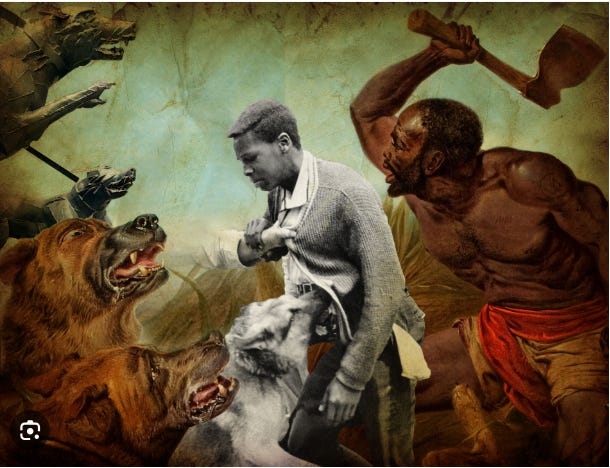
The lash and shackles remain two primary symbols of material degradation fixed in the historical memory of slavery in the Americas. Yet as recounted by states, abolitionists, travellers, and most importantly slaves themselves, perhaps the most terrifying and effective tool for disciplining black bodies and dominating their space was the dog. This article draws upon archival research and the published materials of former slaves, novelists, slave owners, abolitionists, Atlantic travelers, and police reports to link the systems of slave hunting in Cuba, Jamaica, Haiti, and the US South throughout the eighteenth and nineteenth centuries. Slave hounds were skillfully honed biopower predicated upon scenting, hearing, sighting, outrunning, outlasting, signaling, attacking, and sometimes terminating, black runaways. These animals permeated slave societies throughout the Americas and bolstered European ambitions for colonial expansion, indigenous extirpation, economic extraction, and social domination in slave societies. as dogs were bred to track and hunt enslaved runaways, slave communities utilized resources from the natural environment to obfuscate the animal’s heightened senses, which produced successful escapes on multiple occasions.
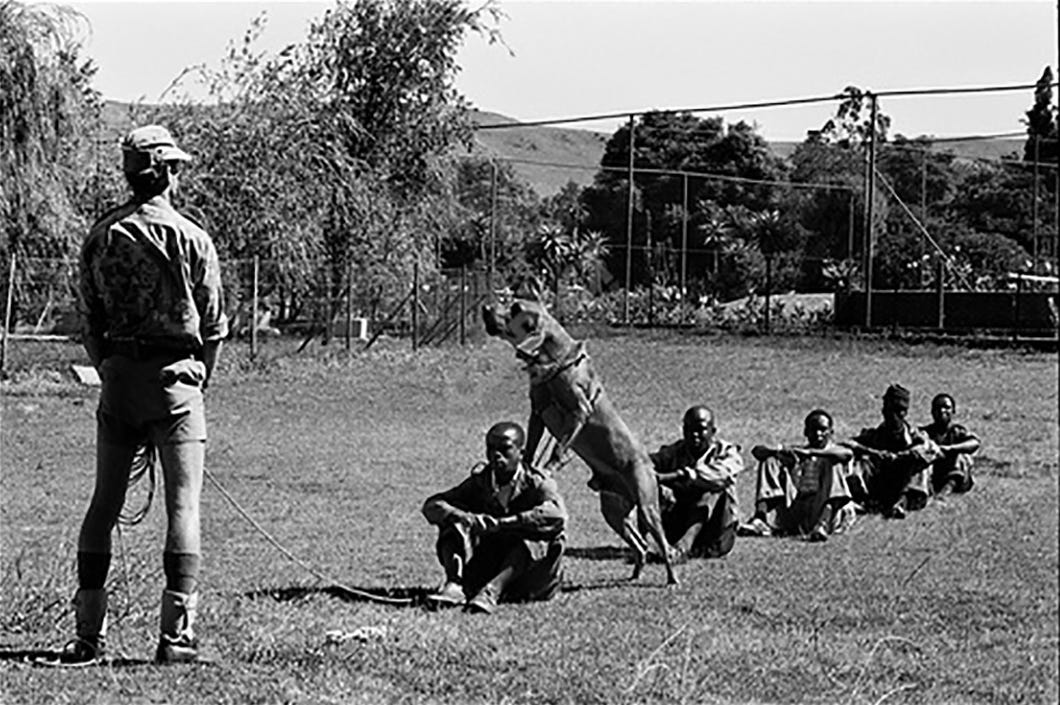
[Alon Reininger (photographer), Police academy dog training under Apartheid, March 1976. Photograph. Pretoria, South Africa.]
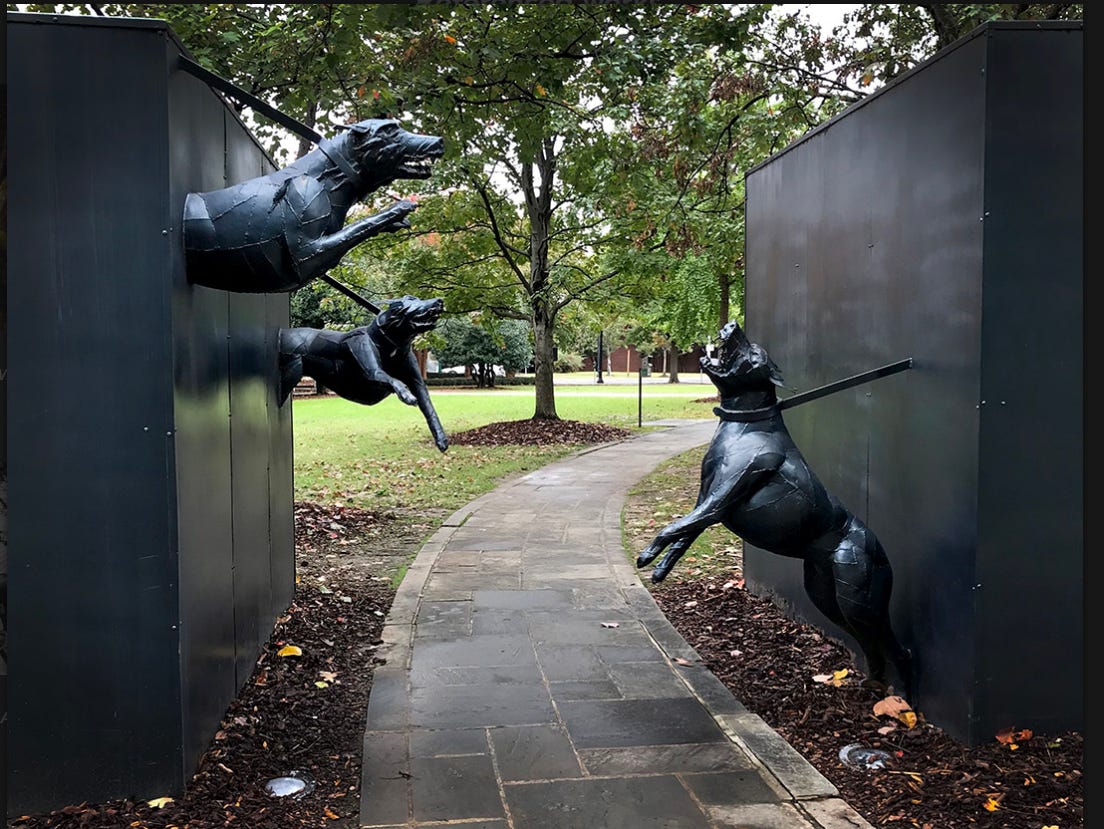
James Drake, Police Dog Attack, (1993). Bronze and steel sculpture, Kelly Ingram Park, Birmingham, Alabama.
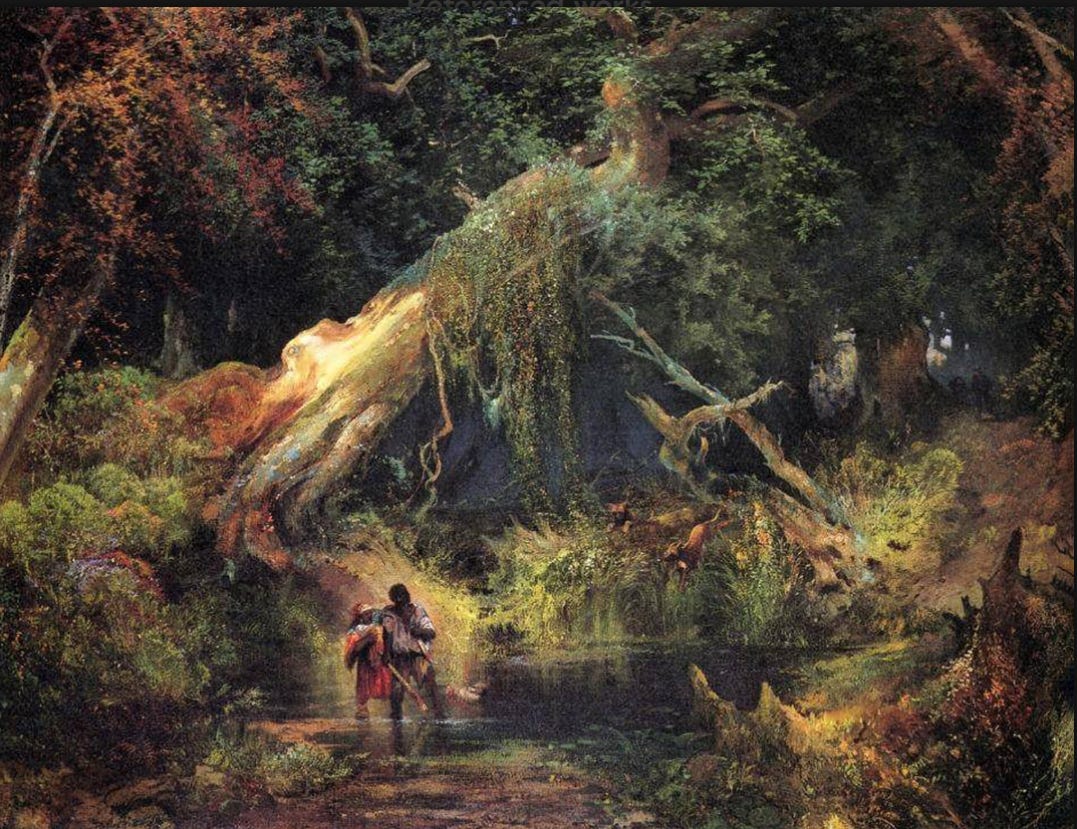
Thomas Moran, Slave Hunt, Dismal Swamp, Virginia, (1861-62). Oil on canvas, 86.4 × 111.8 cm. Philbrook Museum of Art.
Oh, man, they want me to take some, err, Jew Jab and other poisons!

Do we fucking CARE? Sure, this one . . . a Jew telling Goyim stories about the Israeli Judicial System (sic). Interesting. But he did represent Hamas and Palestinians. Called a self-loathing Jew. Listen up.
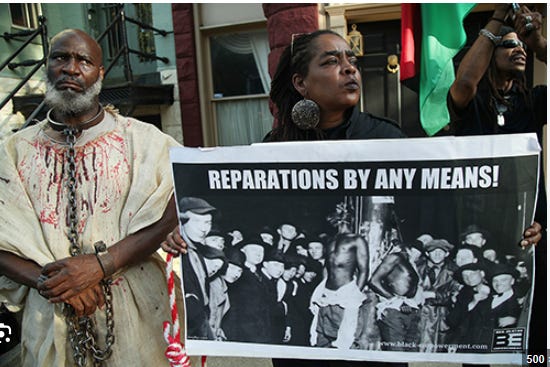
The Runnymede Trust, which in September published Reparations, a report offering a blueprint for reparative justice, said King Charles offering an apology would be “a welcome, symbolic first step”, but must be supported by action.
They added: “Reparations is not about exacting collective punishment or confessions of guilt – a Crown apology should only be offered if there is an accompanying governmental promise to engage with the systemic work that needs to be done to see how the legacies of slavery have coded our economic and financial infrastructures, and to genuinely commit to their reform and transformation.”
Liliane Umubyeyi, the director of African Futures Lab, also argued that recognition “cannot be sufficient on its own”, saying there was a “legal as well as moral obligation for reparations, as slavery has been formally recognised as a crime against humanity under international law”.
Reparations are not just about the past – they are about the present we live in and the future we hope to build. There is an impressive Grade A listed property in Fife, Scotland, which was acquired through wealth extracted, in part, from my father’s natal village of Chattak in what was then India in the eighteenth century. That property remains an asset in the family that benefited from the process of extraction dating back some 250 years. There is no blue plaque or public acknowledgement of that historical or geographical connection.
But this is no exception. Across Britain, the proceeds of empire and slavery that provided the resource for the country that we know today are buried in plain sight. Slavery, colonialism and imperial power engineered the racial inequalities that we still experience and confront. Whether it is wealth, health, policing or education – all inequalities that the Runnymede Trust has written extensively about and worked tirelessly to address – the genealogical roots of all of these inequalities stretch back to this period. And while the past cannot be undone, it can and must be addressed.
The word ‘reparations’ still sparks discomfort in public debate. Prime Minister Keir Starmer has framed discussions of reparations as merely ‘spend[ing] a lot of time on the past’, and Leader of the Opposition Kemi Badenoch has dismissed them as ‘a scam’. But neither of these perspectives align with those of experts and leaders who have committed careful, informed thought to the issues.
To insist on a conversation about reparations is not an effort to impose a backwards-looking collective punishment on a nation. Reparations should be understood as a commitment to the future: a commitment to repair, to restore dignity, to rebalance the uneven scales and to build a more just society for all. In this light, reparations are not about blame but about responsibility. They are not about division but about collective renewal. Those that take the discussion and caricature it quite literally in blackand-white terms betray a deep ignorance about a society’s journey to justice and liberation for all.
This project does not offer easy answers. Rather, it offers something more honest and thoughtful. It offers an invitation to all of us – citizens, communities, institutions and governments – to take the question of reparations seriously. And it gives us the knowledge we need to respond to that question with integrity, courage and care. — Dr Shabna Begum
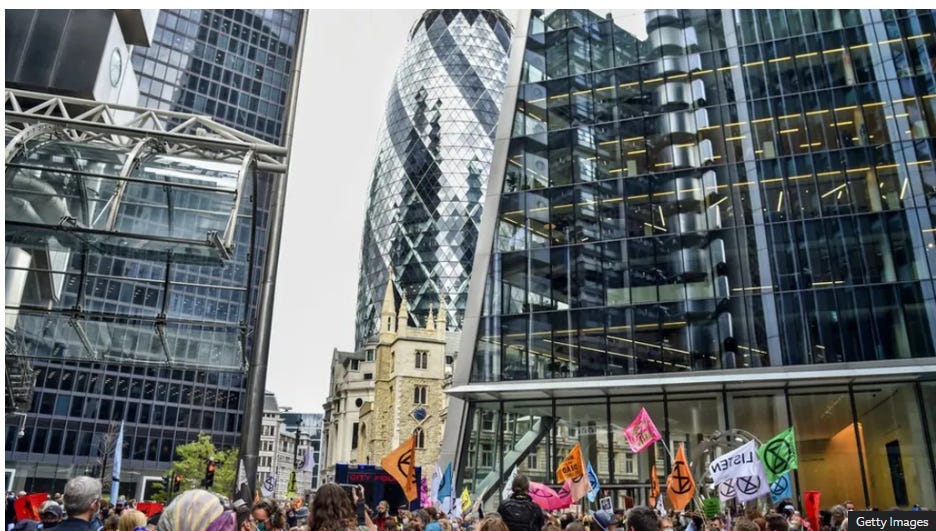
[City firm Lloyd’s of London has said it is “deeply sorry” for its links to the slave trade. An independent report found the 335-year-old insurance market had played a “significant role” in enabling the transatlantic trade.]

Dr Shabna Begum, CEO of the Runnymede Trust, said:
“This report rejects assertions that reparations are a far-fetched ideal not rooted in reality. Instead, it highlights how relevant the processes of enslavement and colonisation have been to shaping present day inequalities, the reparatory justice efforts that are already active in the UK and, critically, that a reparations lens can help us to build a fairer economic model that prioritises prosperity for all, rather than profit for some.
“It is not that we cannot afford the cost of reparations. What we cannot afford is to continue avoiding core issues regarding wealth, inequality and the climate, whilst people get poorer and the planet teeters towards climate catastrophe.”
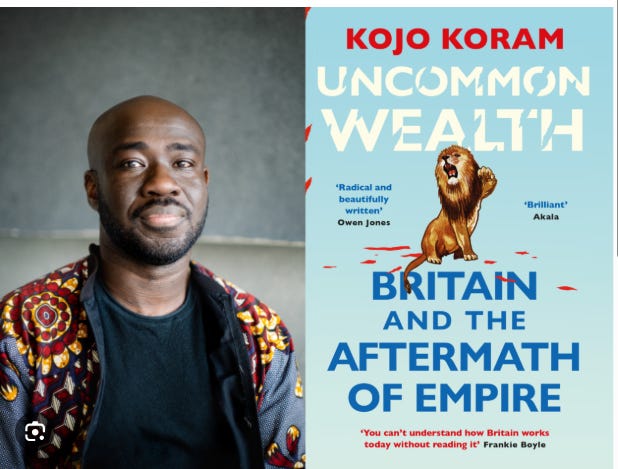
Dr Kojo Koram, academic and co-author of the report, said:
“This report makes an urgent intervention in the reparations debate, both domestically and internationally. It should be read by all those who seek to better understand how our collective past informs the inequalities we see in the present.”
 Paul Haeder, Author