

in a land of bullshit and land thieves and white supremacy, there’s no stopping those hoards of digital-data-death star-drone pioneers cuz Cap’n Petey is the War Dog marching for Torah
Nov 07, 2025
Read and access before the Brownshirts
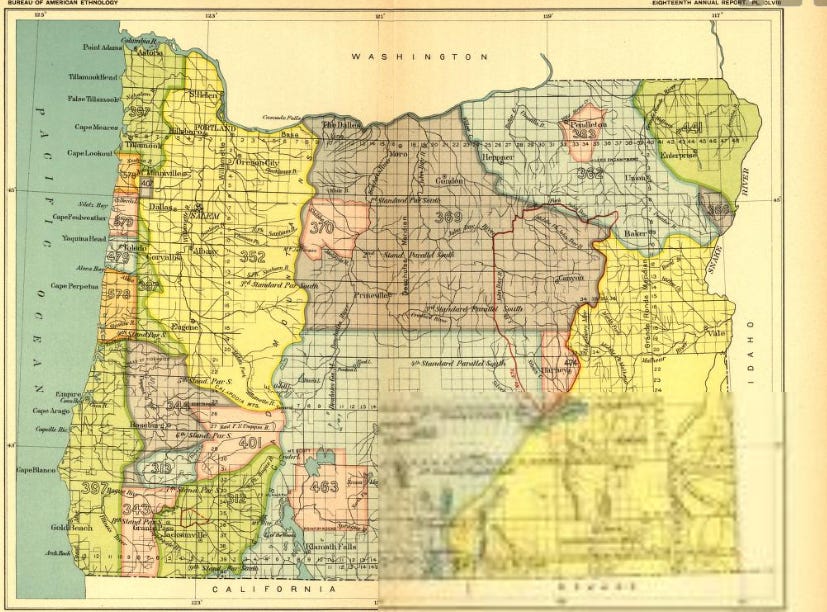
Indian land cessions in the United States
In 1786, the United States established its first Native American reservation and approached each tribe as an independent nation. This policy remained intact for more than one hundred years. Some argued against this policy, however. President James Monroe said, in his second inaugural address in 1821, that treating Native Americans this way “flattered their pride, retarded their improvement, and in many instances paved the way to their destruction.”
In addition, Monroe claimed that America’s westward growth “has constantly driven them back, with almost the total sacrifice of the lands which they have been compelled to abandon. They have claims on the magnanimity and . . . on the justice of this nation which we must all feel.” Despite these statements of concern for the plight of Native Americans, Monroe’s administration successfully removed them from states north of the Ohio River.
President Andrew Jackson offered similar rhetoric in his first inaugural address in 1829, when he emphasized his desire “to observe toward the Indian tribes within our limits a just and liberal policy, and to give that humane and considerate attention to their rights and their wants which is consistent with the habits of our Government and the feelings of our people.” Yet, only fourteen months later, Jackson prompted Congress to pass the Removal Act, a bill that forced Native Americans to leave the United States and settle in the Indian Territory west of the Mississippi River.
Many Cherokee tribes banded together as an independent nation, and challenged this legislation in U.S. courts. In 1832, the Supreme Court ruled in favor of the Cherokees, but some tribes still signed treaties giving the federal government the legal authority to “assist” them in their move to the Indian Territory.
In 1838, as the deadline for removal approached, thousands of federal soldiers and Georgia volunteers entered the territory and forcibly relocated the Cherokees, some hunting, imprisoning, assaulting, and murdering Cherokees during the process. Cherokees who survived the onslaught were forced on a 1,000-mile march to the established Indian Territory with few provisions. Approximately 4,000 Cherokees died on this “Trail of Tears.”

States With the Most People in the Military
Flying from Oregon to Wisconsin, I am reminded of the fucking white race razing the land of Lakota and hundreds of tribes who did not stamp their fucking passports.
Fort Atkinson Fort McCoy Fort Winnebago and then the list of German and Anglo and French names for these cities of illegal aliens — Wisconsin.
Fort Assinniboine
Fort C. F. Smith
Fort Ellis
Fort Keogh
Fort Parker
Fort William Henry Harrison
Fort Missoula
Fort Benton
Fort Abercrombie
Fort Abraham Lincoln
Fort Buford
Fort Clark
Fort Mandan
Fort Ransom
Fort Rice
Fort Stevenson
Fort Totten
Fort Union
Fort Bridger
Camp Brown
Fort Caspar
Fort D.A. Russell
Fort Fetterman
Fort Fred Steele
Fort Halleck
Fort Laramie
Fort Phil Kearny
Fort Platte
Fort Reno
Fort Sanders
Camp Stambaugh
Fort Supply
Fort Washakie
Fort Yellowstone
Fort Astoria
Fort Clatsop
Fort Dalles
Fort Hoskins
Fort Klamath
Fort Lane
Fort Stevens
Fort William
Fort Yamhill
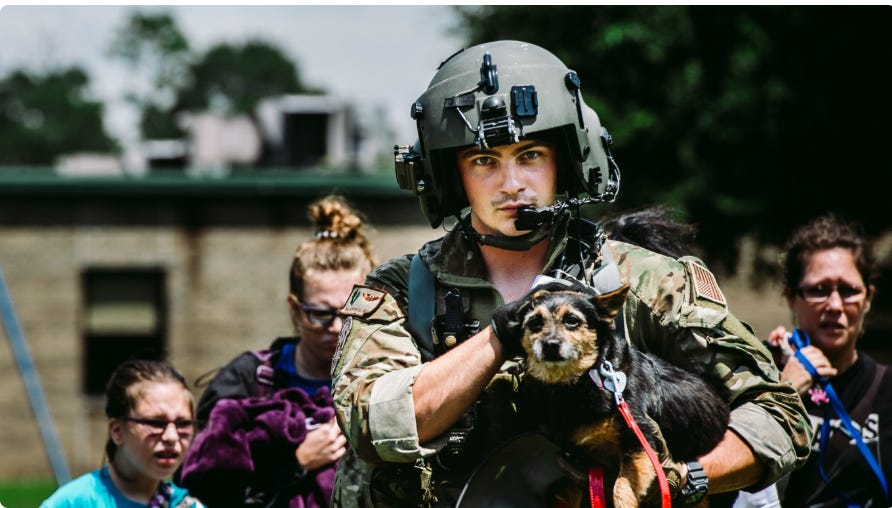
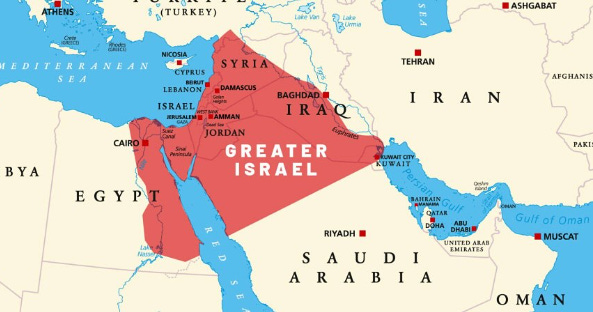
According to figures from the Pentagon as well as the Military Analysis Network, the United States has approximately 450 to 500 military bases. All 50 states have at least one base (Wyoming has just two, the largest of which is Francis E. Warren Air Force Base), but several have dozens. These include California (123), Texas (59), Florida (56) Virginia (51), Hawaii (49) and Alaska (47), according to a comprehensive study done by 24/7 Wall Street.
Now? Now that the Not Ceasefire is off the country’s radar?
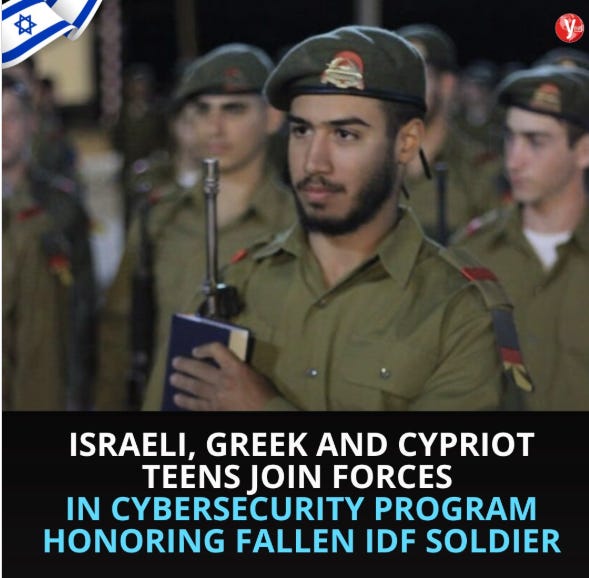
Israeli, Greek and Cypriot teens join forces in cybersecurity program honoring fallen IDF soldier
Seventeen teens join a first-of-its-kind cybersecurity program honoring Sgt. Uri Nehemia Ashkenazi, blending advanced tech training with diplomacy and cross-border cooperation, backed by Israeli government ministries.
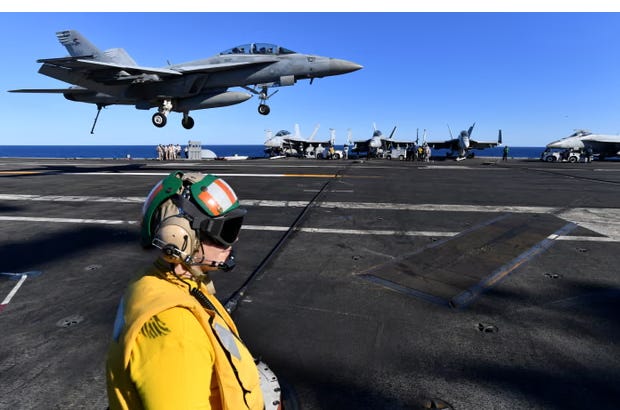
Expect Tel Aviv and Mossad to be in the names of many new “forts” in the U$A of I:
Google plans to build a large AI datacentre on Australia’s remote Indian Ocean outpost of Christmas Island after signing a cloud deal with the Department of Defence earlier this year, according to documents reviewed by Reuters and interviews with officials.
Plans for the datacentre on the tiny island located 350km south of Indonesia have not previously been reported, and many details, including its projected size, cost and potential uses, remain secret.
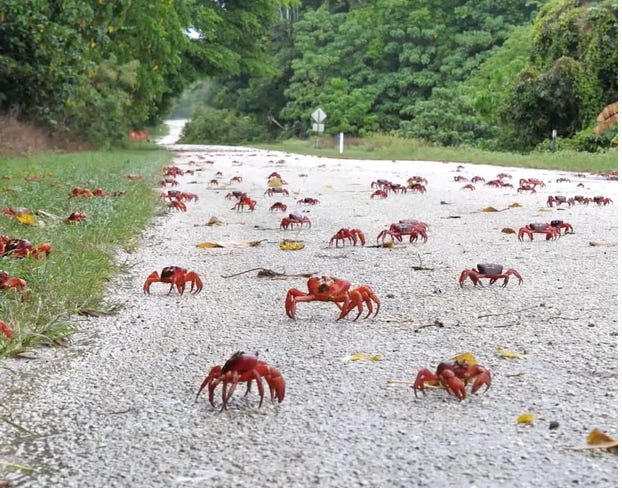
WAR DOGS, WAR CUNTS = Five Eyes, then there were 14, and COUNTING.
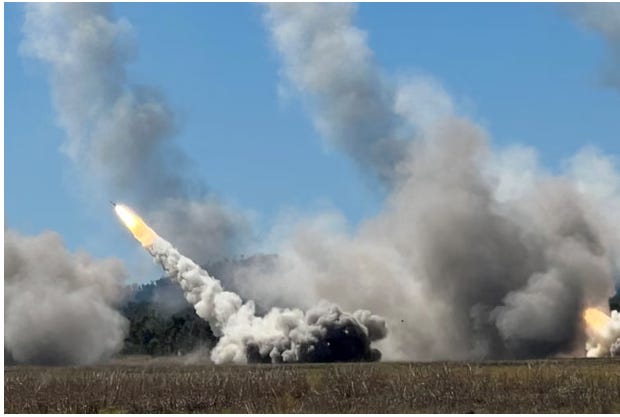
A recent tabletop war game involving the Australian, US and Japanese militaries highlighted Christmas Island’s role as a forward line of defence for Australia in any regional conflict, particularly its advantages for launching uncrewed weapons systems, or drones.
Bryan Clark, a former US Navy strategist who ran the war games, said having a forward “command and control” node on Christmas Island would be critical in a crisis with China or another adversary.
“The datacentre is partly to allow you to do the kinds of AI-enabled command and control that you need to do in the future, especially if you rely on uncrewed systems for surveillance missions and targeting missions and even engagements,” Clark, now a Hudson Institute fellow, told Reuters.
Subsea cables provide more bandwidth for communication than a satellite, and greater reliability, because China would be expected to jam satellite communications or Starlink in a crisis, he said.
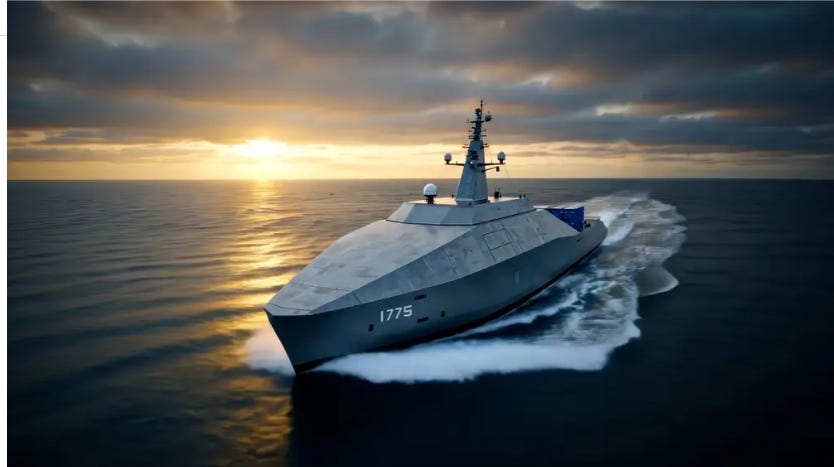
A US company making long-range drone warships for a China fight just put its tech to the test in the water
“Whether it’s carrying missiles or radars, these ships are large enough that they can operate across the open ocean and carry kind of the most impactful payloads that the Navy has right now to complement the main fleet,” Hamilton said.
The vessels are designed with enough range to sail from California to Taiwan and back — more than 6,000 miles — and are large enough to handle rough seas that would overwhelm smaller craft.
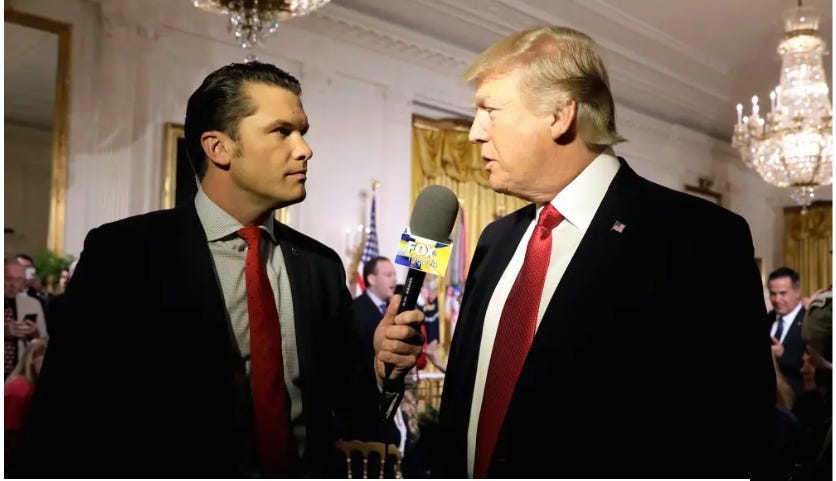
You don’t say? Fort Zuckerberg . . . Fort Karp . . . Fort Fink . . . Fort Adelson . . . Fort Kushner . . . Fort Schwartzman . . . .
- Military influencers are testing the limits of Pentagon rules on social media.
- Influencers say Pentagon policies on social media monetization are vague and unevenly enforced.
- This is the third installment of a three-part series on the rise of military influencers.
Top military influencers are taking over corners of social media — and it’s opening a can of ethical worms for the Pentagon.
Some, like Marine 1st Lt. Kagan Dunlap, have appeared at major events alongside political heavyweights like Defense Secretary Pete Hegseth and Vice President JD Vance. Others have joined the Army’s now-paused “Creative Reserve” pilot program, which tapped soldier-influencers for help recruiting and marketing.
All military influencers, regardless of follower count or content style, operate in a murky space between personal branding and military ethics guidelines. Some share lighthearted or mundane glimpses of daily military life; others push boundaries with sexualized or irreverent posts. Across the ranks, Pentagon policies on social media are vague and unevenly enforced, leaving troops eager to grow their followings but wary of the consequences, according to interviews with six military influencers and five public affairs officers.

WAR. CLIMATE WAR.
Cold environments, including glaciers, ice sheets, permafrost soils and sea ice, are common across the surface of the Earth. Despite the challenges of life at subzero temperatures, the global cryosphere hosts diverse microbial communities that support biogeochemical cycling and ecosystem functioning in areas where few other organisms can survive. However, the composition and function of cryosphere microbial communities, and the continued existence of cryosphere habitats, are threatened by ongoing climate change, which has disproportionate impacts in polar regions. In this Review, we survey the breadth of cryosphere habitats and the composition, function and unique adaptations of the microbial communities that inhabit them. We outline how climate change can affect these communities and the ecosystem services they provide through short-term changes in substrate availability, enzyme activity and redox potentials as well as longer-term changes in community composition. We also explore the wide-ranging consequences these changes may have for local ecosystems, human communities and the global climate. Finally, we outline the knowledge gaps in cryosphere microbial ecology that contribute to uncertainties about the future of these ecosystems in a warming world.
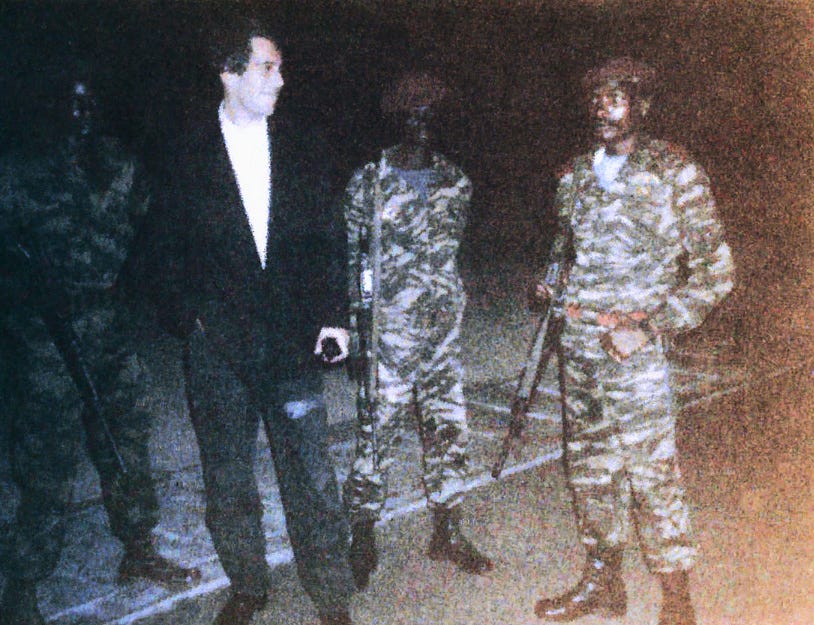
The mother Fucker Jew(s) still working from their graves.
Jeffrey Epstein and Ehud Barak were specialists in war profiteering. At the end of his tenure as Israel’s defense minister and after his supposed “retirement,” Barak embraced a role as a salesman of Israeli security services to embattled governments, opening the door for Israeli intelligence leaders to shape the security apparatuses of several African nations, including the country of Côte d’Ivoire.
Quietly facilitating these efforts was Jeffrey Epstein, who died in jail in 2019. Epstein wrote at one point to Barak: “with civil unrest exploding […] and the desperation of those in power, isn’t this perfect for you.” Barak replied:, “You’re right [in] a way. But not simple to transform it into a cash flow.” Transforming unrest into cash flow, in the case of Côte d’Ivoire, involved brokering deals between the Israeli state and the embattled West African nation.
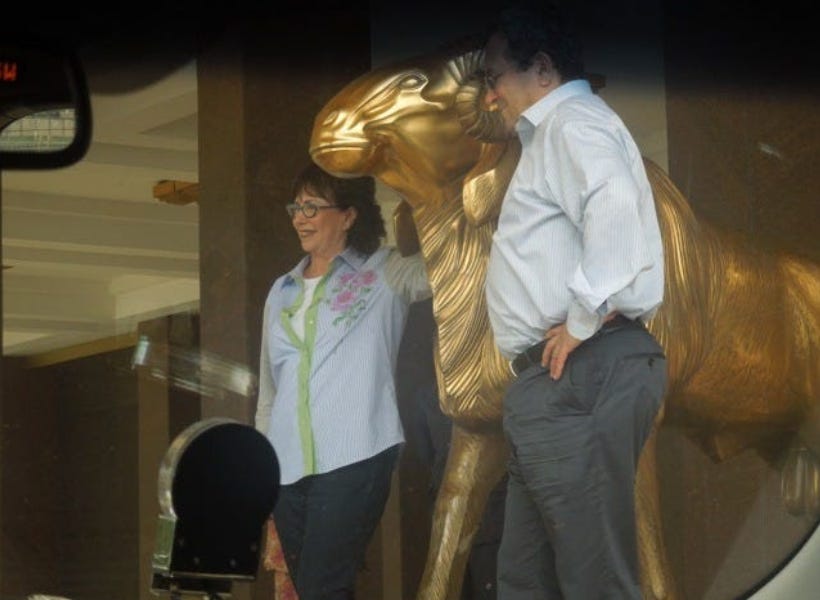
[Ehud Barak and wife Nili Priel at hotel Le bélier de Yamoussoukro, Côte d’Ivoire (August 2013). Photograph taken by Maud Amon-Tanoh, daughter of Marcel Amon-Tanoh, chief of staff of Alassane Ouattara.]
New details about Epstein’s role in Israeli intelligence operations in Africa have emerged from two sets of documents: an archive of leaked emails released by the Handala hacking group and hosted by non-profit whistleblower site Distributed Denial of Secrets and documents released by the U.S. House Oversight Committee last month. The latter set includes Epstein’s personal emails and appointment calendars, which provide clear evidence of Epstein’s involvement in Israel’s West African security negotiations in 2012, while Barak was still Israel’s Defense Minister.
 Paul Haeder, Author