

so many Pacifists, so many, ‘Man, with Trump here, I sure miss the good old days,’ fucking fools who will vote for Holocaust Kamala even the next time around, with or without Ray Ban Gavin at her side
Nov 01, 2025

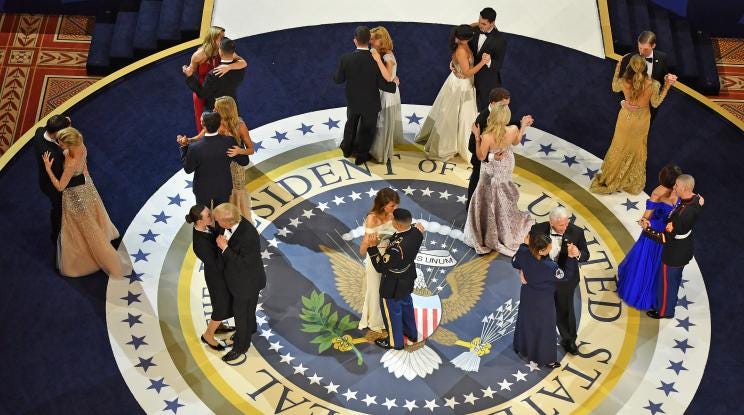
[Trump dances with a sword after cutting a cake at the Commander in Chief ball during the 60th presidential inauguration on Monday. . . . Fucking Clown Show from Room Temperature IQ third grade reader!]

Shit, the queen didn’t say it, man, and in private letters she was sympathetic to the poor.
The original French phrase, “qu’ils mangent de la brioche,” more accurately translates to “let them eat brioche,” a rich, expensive bread that was a luxury for the wealthy.

Food lines, motherfuckers. All fucking MAGA maggots, they are the ENEMY. Do not be fooled by the deplorables Hillary yammered about. These Deplorables are MAGA ZioChristianNazi fools, and Hillary’s?


Someone told me about a ball “they,” the Goyim Minyan and Company, are having in DC TOday, or at Mal-a-Lago while the SNAP cuts come along?
Balls? Fucking Epstein balling, for sure:
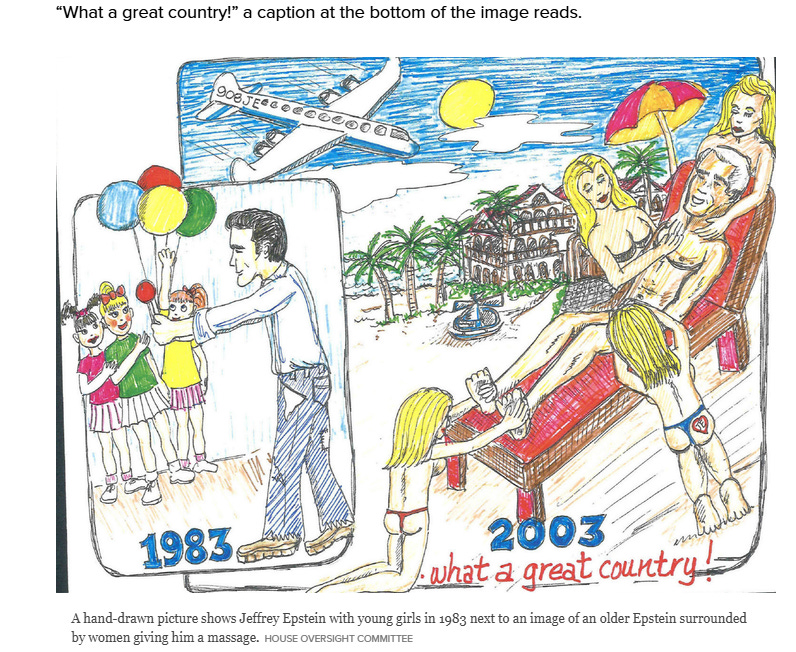
On Monday, the House Oversight Committee released a redacted copy of a “birthday book” Epstein received for his 50th birthday. The more than 230 pages include crass sexual jokes, references to having sex with young girls, and a now-infamous note allegedly from President Donald Trump that features the outline of a nude woman and references a “wonderful secret” the two shared.
I had my sister on my radio show, for Jan. 14 airing, and I will write about that in an upcoming Substack, with the early release of the interview. More than30 years as a social worker, you know, helping migrant workers in Arizona get services, and then running a domestic violence house, and then working with hospitals getting clients services.
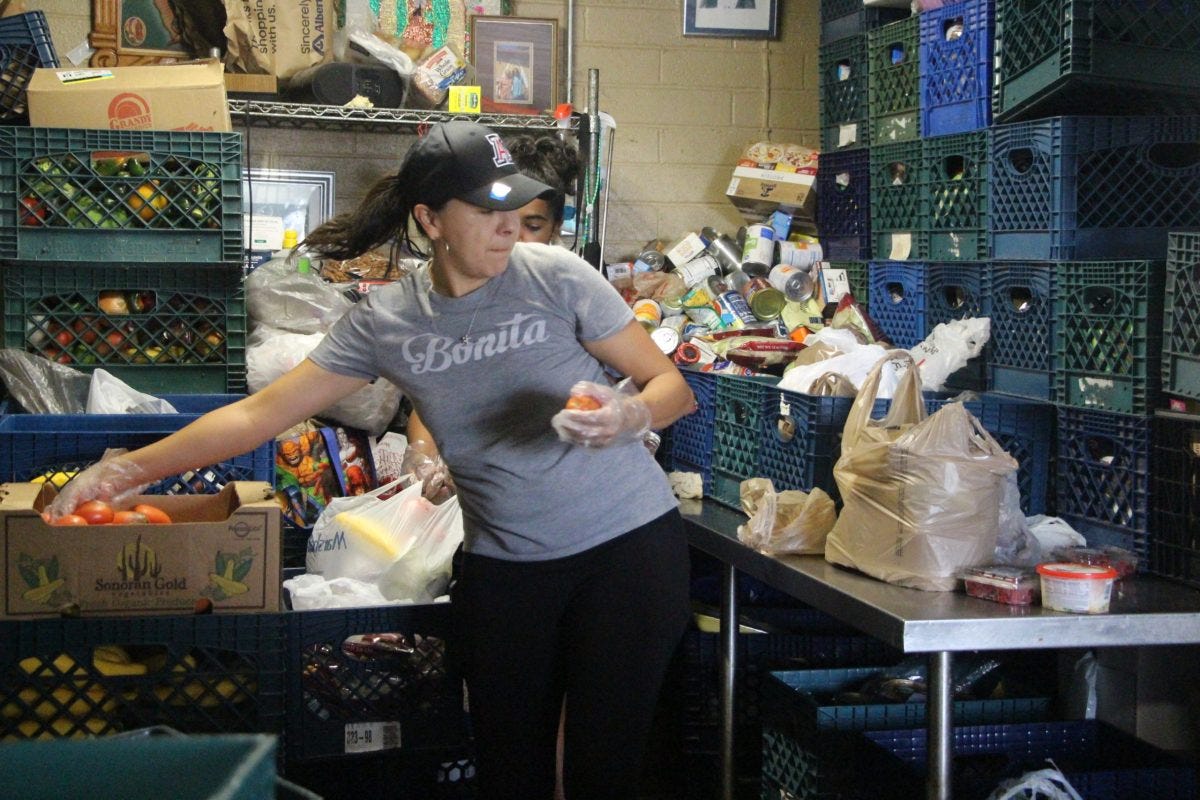
She had just come back from volunteering at a food distribution point in Chandler, Arizona, handing out food to working poor.
A ball, un? Fucking Jews and Goy in the Trump Continuing Criminal Enterprise need to be sharp shot out of existence:
In Arizona, 855,273 people get SNAP benefits, according to the Arizona Department of Economic Security.
Gov. Katie Hobbs announced Wednesday that she is deploying $1.8 million in ARPA funds to food banks across the state. SNAP households will be able to access a $30 dollar voucher to purchase fresh produce at participating farmers markets, mobile markets and community grocery stores, her announcement says.
In his weekly newsletter, Rep. Juan Ciscomani said that includes more than 300,000 children. Feeding America data shows Arizona has the highest child food insecurity rate in the nation.
The Arizona Food Bank Network says food banks in Arizona serve more than 770,000 people each month and may need to serve thousands more if the shutdown continues.

Yep, a sick society, U$A. My current state?

When SNAP benefits lapse in November, the some 750,000 Oregonians who receive federal food assistance will be the first to feel the effects — but broader economic impacts could ripple throughout the entire state, prompting job cuts or price hikes across the board.
Those who receive monthly food stamps learned last week their Supplemental Nutrition Assistance Program benefits would halt by the month’s end amid the government shutdown.
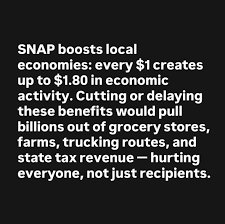
Each dollar spent on SNAP, well, that generates $1.80 in economic activity. Farmers, Manufacturers, and grocery store employees. And really $1.80 is low balling since again, fear, chaos, mental duress, stress, for families and communities, can you put a price on what that costs SOCIETY, Semen Drip Trump?

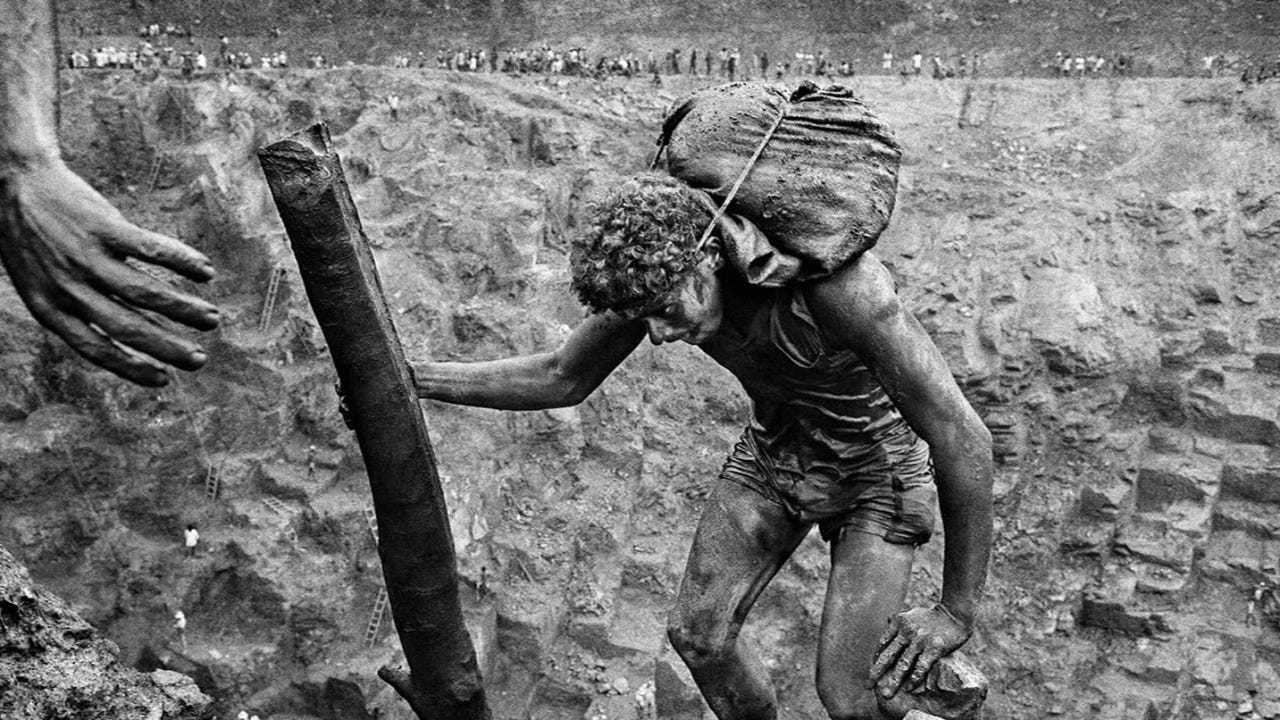
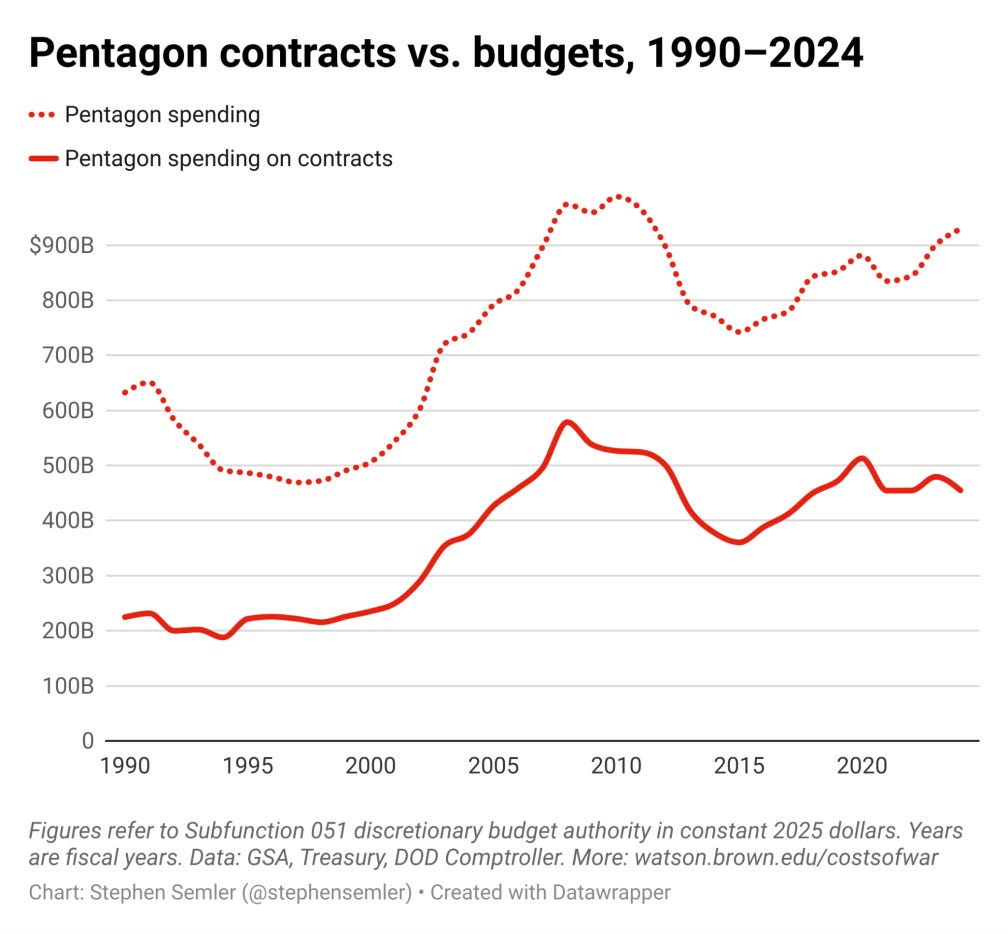
Food help, versus the fucking war dogs, dogs of war, the Tech Terrorists, all the Data Cartels, the fucking people making bank on dual use production of WAR and Surveillance and Urban Warfare Equipment.
The Costs of War Project: Goals
- To account for the wars’ costs in human lives and the consequences for public health and well-being, both in the U.S. and in the war zones
- To assess the wars’ budgetary costs, including the financial legacy, as well as the opportunity costs of the U.S. military budget
- To describe the scope of the U.S. global military footprint and its political and social impact in the U.S. and around the world
- To examine the environmental and ecological impact of the U.S. global military presence, including military carbon emissions
- To evaluate alternatives that provide for meaningful, just, and inclusive human safety and security

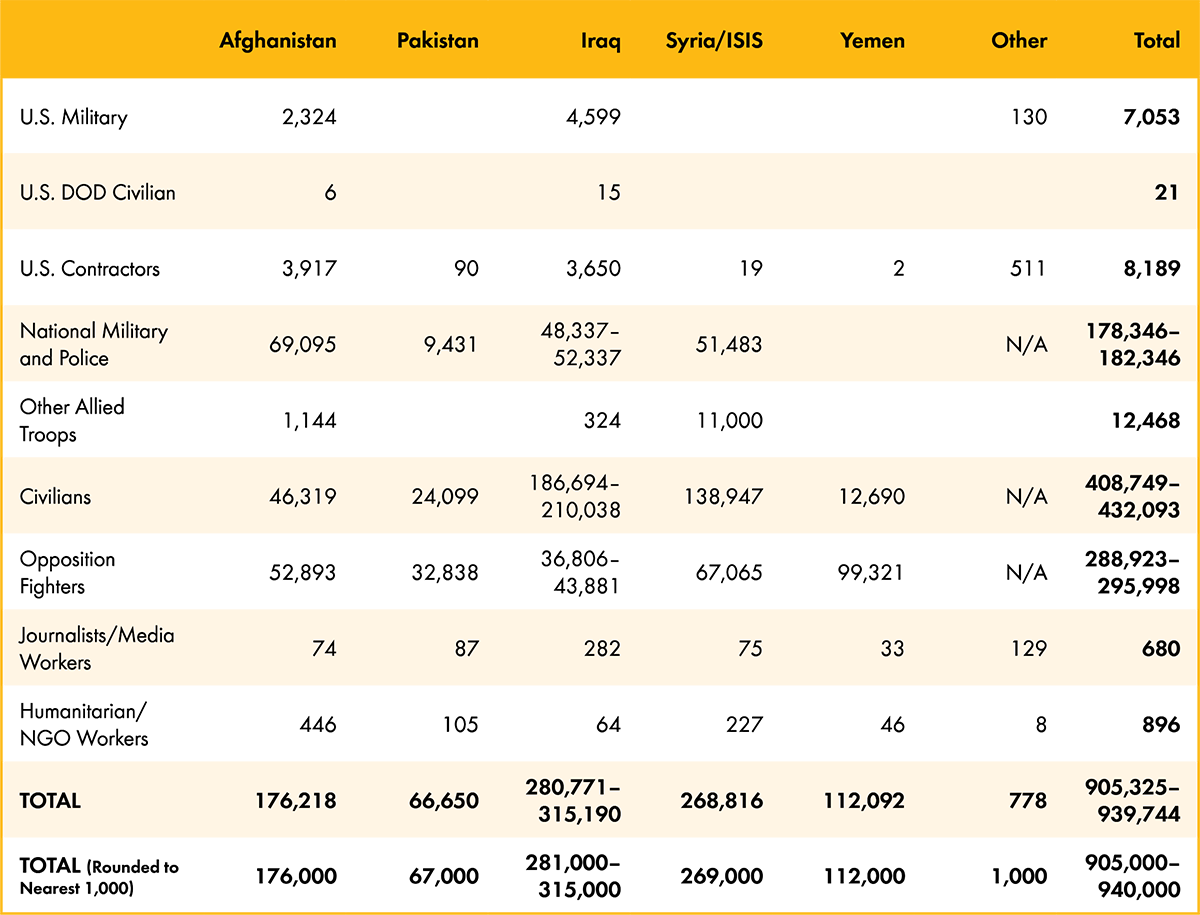
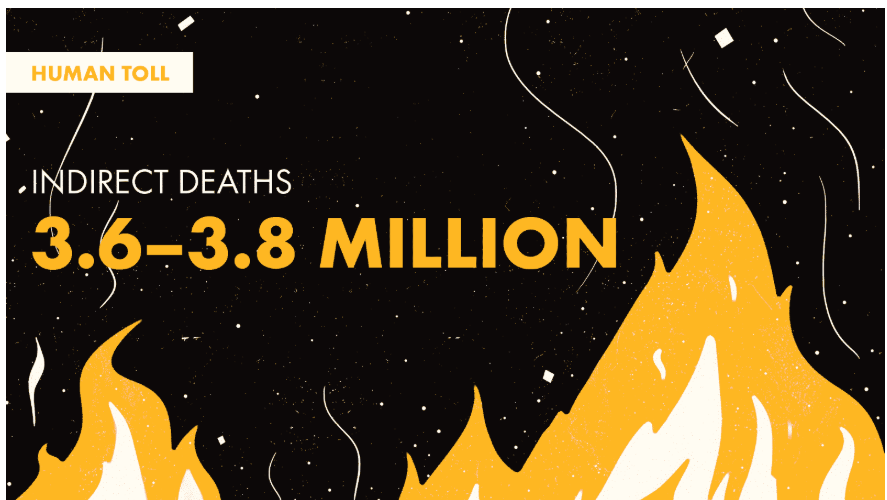
Ahh, indirect deaths:
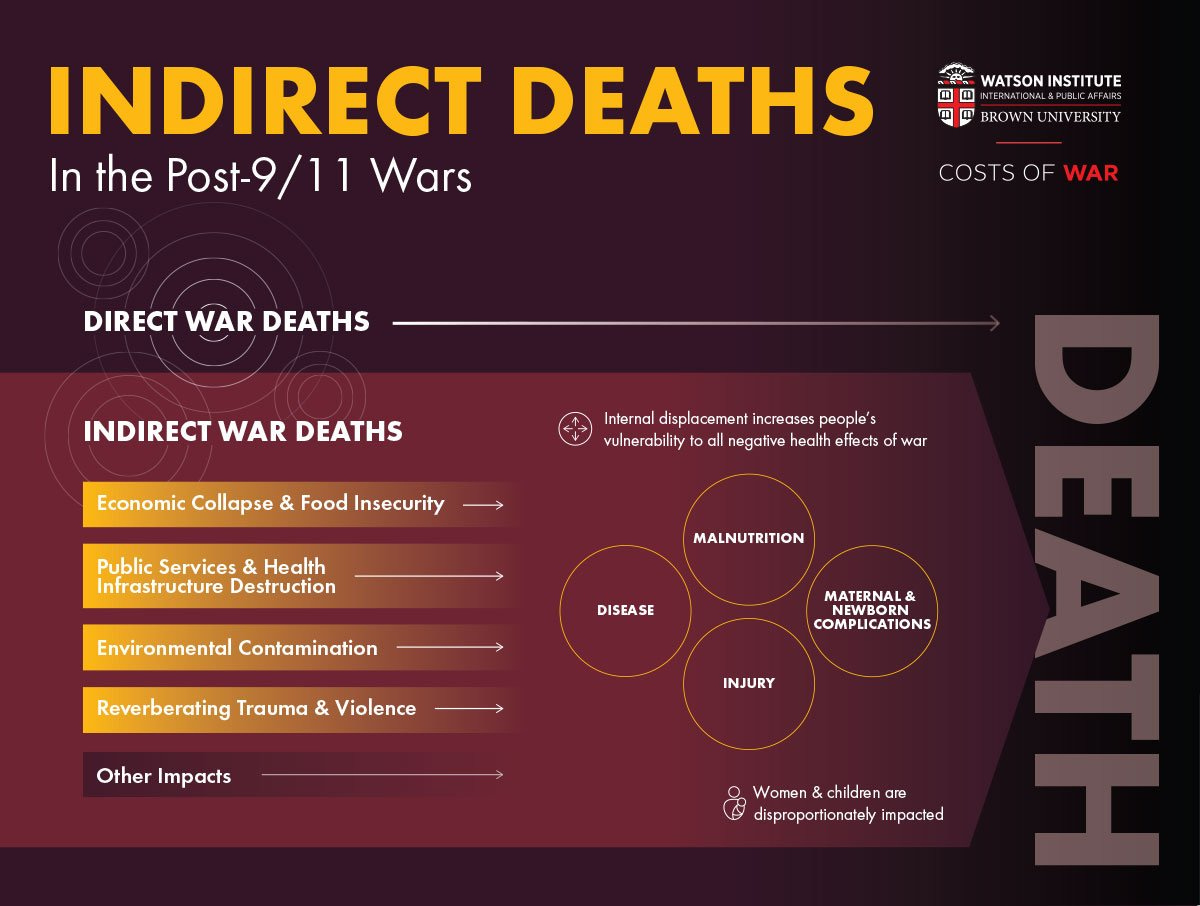
Here, then, the half-covered Indirect Costs/Death of War:
Not to foreget the ecology of fear/fear ecology in America, and in other parts of the world. Chances of National Mercenary Guard Forces in your city, or, in the case of ICE and the other ACAB pigs, and chances of getting picked up for violation x-y-z, and then, well, this reverberates throughout society. SOCIETIES.
Can you put a price on future outcomes for one child, let alone millions; a price on possible devolution of entire states and regions and groupings of people who are under the thumb of the Empire, and then not just abroad, but here?
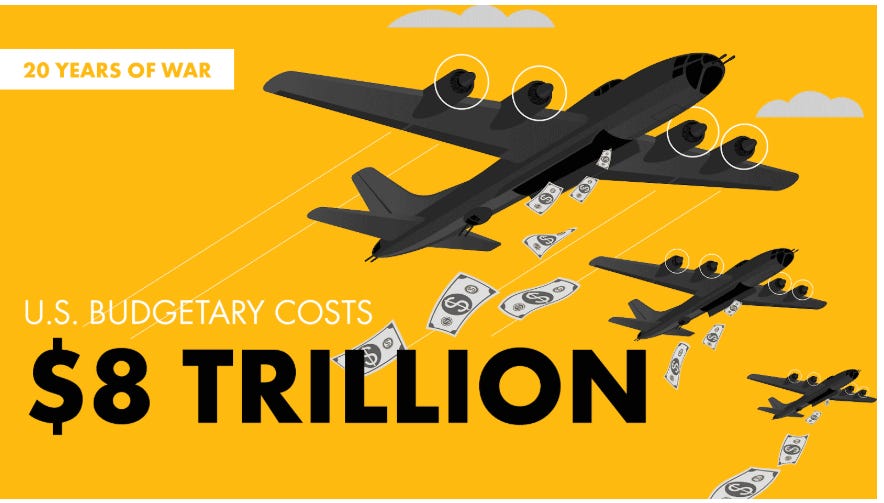
Eight TRILLION? BULL fucking SHIT. Tens of TRILLIONS: $10,000,000,000,000 or $50,000,000,000,000.
Deserted at the border
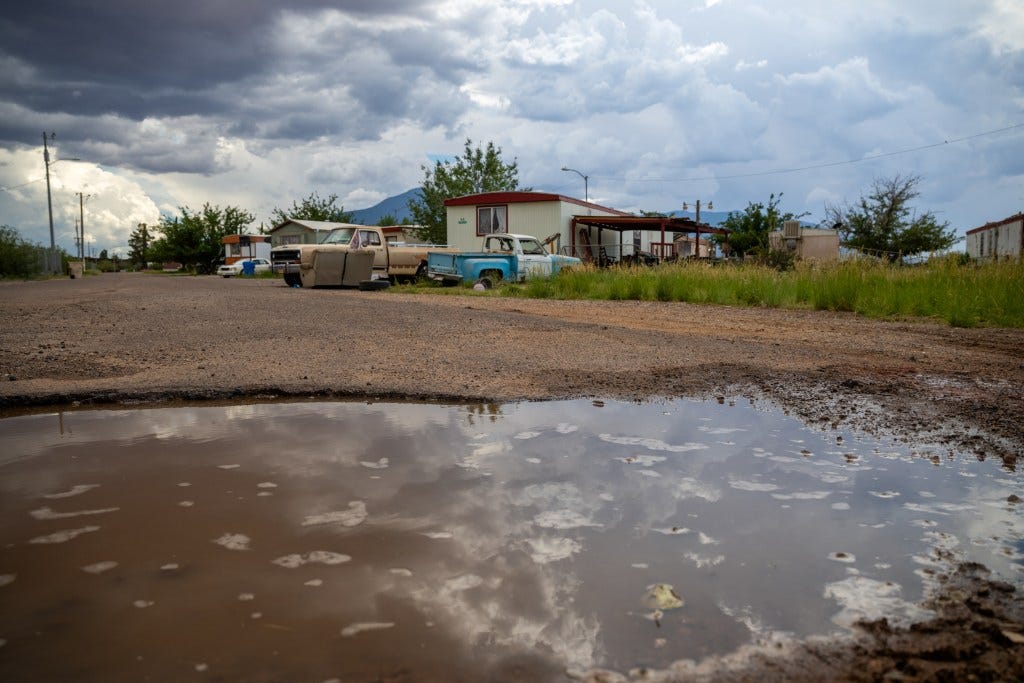
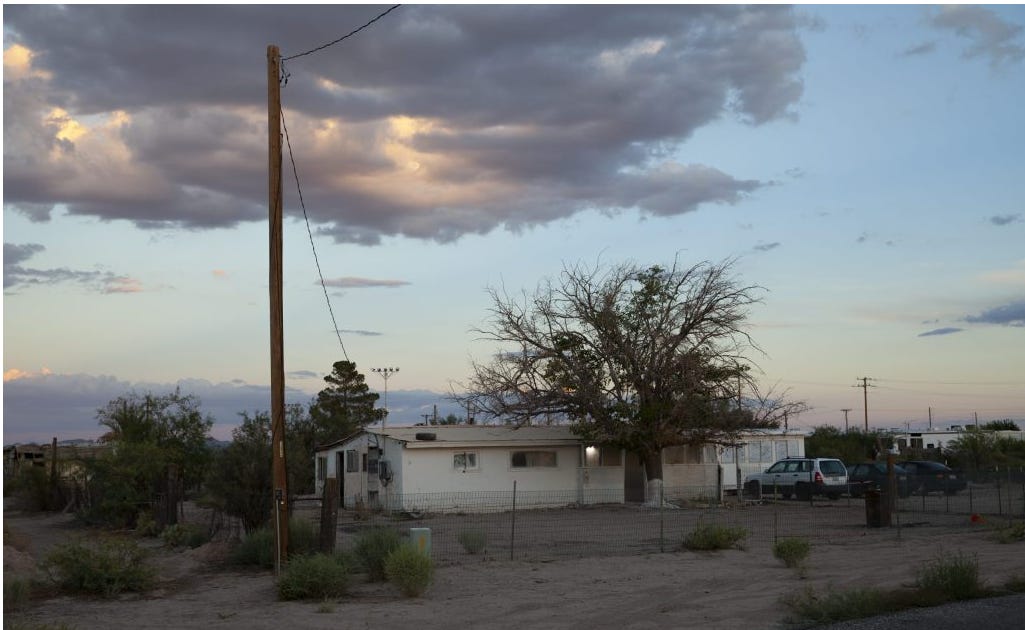
The federal government is quietly abandoning Arizona farmworker and miner communities, stripping funding from hundreds of thousands of residents facing deadly heat and dwindling water.
By Olga Loginova, The Margin and Carolina Cuellar, Arizona LuminariaOctober 31, 2025
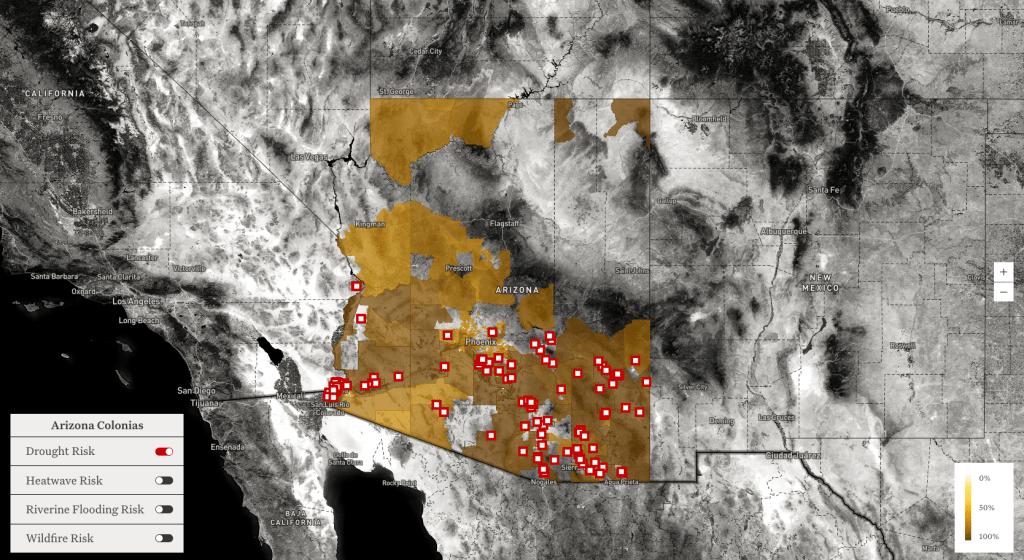
There are at least 2,000 colonias dusted along the southwestern border states of Texas, New Mexico, Arizona and California, many of them unincorporated like Winchester Heights.

Most of these communities were established by workers who came into the U.S. during waves of labor migration. Families settled close to the industries where they were employed, sometimes in mountain canyons or in the middle of a desert. Today, around 1 million residents, most of them with Mexican roots, call colonias home.
The ‘ecology of fear’ refers to the total impact of predators on prey populations and communities. The traditional view in ecology is that predators directly kill prey, thereby reducing prey survival and prey numbers — and that this is the limit of their ecological role. The ecology of fear posits that the behavioural, physiological and neurobiological costs of avoiding predation (‘fear’ for short) may additionally reduce prey fecundity and survival, and the total reduction in prey numbers resulting from exposure to predators may thus far exceed that due to direct killing alone. If this is the case, then failing to consider fear as a factor risks profoundly underestimating the ecological role predators play.
Main Text
The ecology of fear is not only of academic interest but is directly relevant to conservation, in particular the conservation of large carnivores. Lions, tigers and wolves are among the most charismatic animals on the planet, and as with most large carnivores, their numbers have dwindled dramatically in recent decades, such that tigers are officially endangered and lions are considered vulnerable to extinction. Wolves were effectively extinct in the contiguous United States, and much of Europe, by the mid-20th century. The merits of their reintroduction or recolonization have been the subject of much debate, centered on whether the fear wolves instill in their prey significantly augments their impacts on prey and the maintenance of natural ecosystems.
Fear can be readily seen in prey fleeing from its predator. Darwin was struck by the absence of fear in birds on the Galapagos Islands, noting that they did not flee at the approach of a dangerous predator (himself), causing him to write in The Voyage of the Beagle about the “fear of man [as] an acquired instinct”. Referring to anti-predator behaviour as ‘fear’ is thus something students of nature have been doing for centuries, and lay readers have had no difficulty understanding. The fundamental challenge associated with studying the ecology of fear is that while one can see fear-related behaviours, and one can see a predator killing a prey, one cannot directly see fear reducing the reproduction or survival of prey, but must instead infer its effects. This means that manipulative experiments are essential to making strong inferences about the effects of fear. The debate about whether fear augments the ecological role of large carnivores continues precisely because of a lack of manipulations in those systems. Instead, virtually all research has been based on correlations, which critics may correctly claim could be spurious. Evidence that fear affects prey populations has so far come from manipulations in other systems, but are likely to apply across the animal world.
Prey can ‘die of fright’
Fear can kill, and it can also reduce fecundity, and as a consequence fear can be as important as direct killing by predators in affecting prey numbers. These remarkable facts are supported by hundreds of elegant manipulative experiments on invertebrate and aquatic species, typically conducted in terrariums or aquariums. Measuring effects on populations is made considerably easier if the animals are small, and the population is ‘closed’, so there is no immigration or emigration. And, if the population is actually enclosed, this makes it relatively easy to find the prey, to count how many young they have had, or how many have survived. This capacity to account for all the additions (births) and losses (deaths) in the prey population was critical to first establishing that fear itself can affect prey numbers. The second critical requirement was to demonstrate that predators can affect prey numbers in the absence of direct killing. This can be done in invertebrate systems by gluing the predator’s mouthparts shut, thus rendering them ‘toothless’. In a classic experiment, researchers contrasted the number of deaths of grasshopper nymphs under control conditions (no predator), with that in the presence of a ‘toothless’ predator (a spider with its mouthparts glued), and a predator that could directly kill its prey (an intact spider). That prey can literally ‘die of fright’ was demonstrated by deaths being increased by 20% in the presence of the ‘toothless’ predator compared to the control. Fear can be as important as direct killing, as deaths increased by just a further 9% in the presence of the intact predator that could both frighten and directly kill its prey.
Spiders and grasshoppers in a terrarium may seem a far cry from wolves and elk in North America’s Rocky Mountains, or lions and elephants on the African savanna (Figure 1), but is this apparent difference a biological one? There are compelling reasons to expect that the ecology of fear may manifest itself differently across different taxa, but that the net effect of fear on populations may be largely the same.
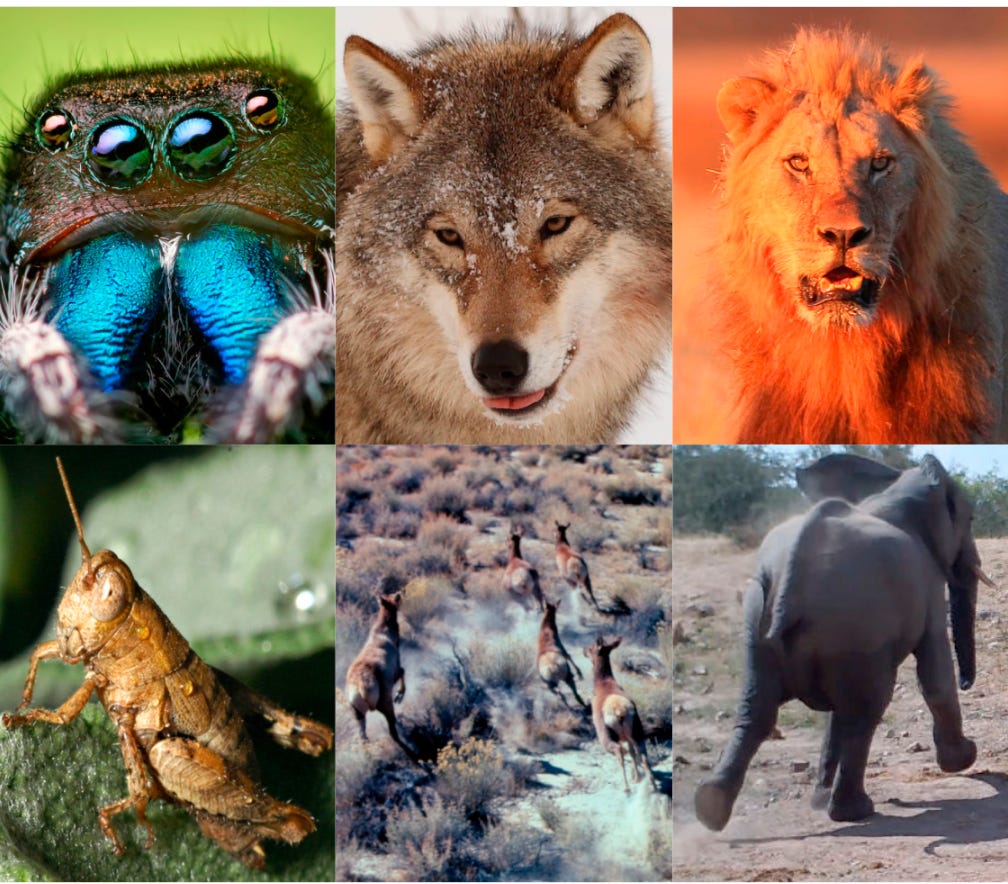
The “ecology of fear” for humans is a concept that describes how fear shapes human society, behavior, and the physical landscape, often similar to how fear influences animal behavior in ecosystems. It suggests that societal fears—such as those of crime, disaster, or social disorder—can drive urban development, influence public policy, and even affect daily life, sometimes creating more inequality or environmental imbalance, according to Mike Davis’s work. This concept can also be applied to how human presence and activities impact wildlife, forcing animals to alter their behavior in response to the human “predator”,

Abstract
We propose a Survival Optimization System (SOS) to account for the strategies that humans and other animals use to defend against recurring and novel threats. The SOS attempts to merge ecological models that define a repertoire of contextually relevant threat induced survival behaviors with contemporary approaches to human affective science. We first propose that the goal of the nervous system is to reduce surprise and optimize actions by (i) predicting the sensory landscape by simulating possible encounters with threat and selecting the appropriate pre-encounter action and (ii) prevention strategies in which the organism manufactures safe environments. When a potential threat is encountered the (iii) threat orienting system is engaged to determine whether the organism ignores the stimulus or switches into a process of (iv) threat assessment, where the organism monitors the stimulus, weighs the threat value, predicts the actions of the threat, searches for safety, and guides behavioral actions crucial to directed escape. When under imminent attack, (v) defensive systems evoke fast reflexive indirect escape behaviors (i.e., fight or flight). This cascade of responses to threat of increasing magnitude are underwritten by an interconnected neural architecture that extends from cortical and hippocampal circuits, to attention, action and threat systems including the amygdala, striatum, and hard-wired defensive systems in the midbrain. The SOS also includes a modulatory feature consisting of cognitive appraisal systems that flexibly guide perception, risk and action. Moreover, personal and vicarious threat encounters fine-tune avoidance behaviors via model-based learning, with higher organisms bridging data to reduce face-to-face encounters with predators. Our model attempts to unify the divergent field of human affective science, proposing a highly integrated nervous system that has evolved to increase the organism’s chances of survival.

“That $300 million that Donald Trump is spending on making a gold ballroom where the East Wing once stood, and the $230 million he’s trying to get us, the American taxpayers, to reimburse him for being under criminal investigation, they add up to roughly the same amount of money he has cut from America’s food banks.”


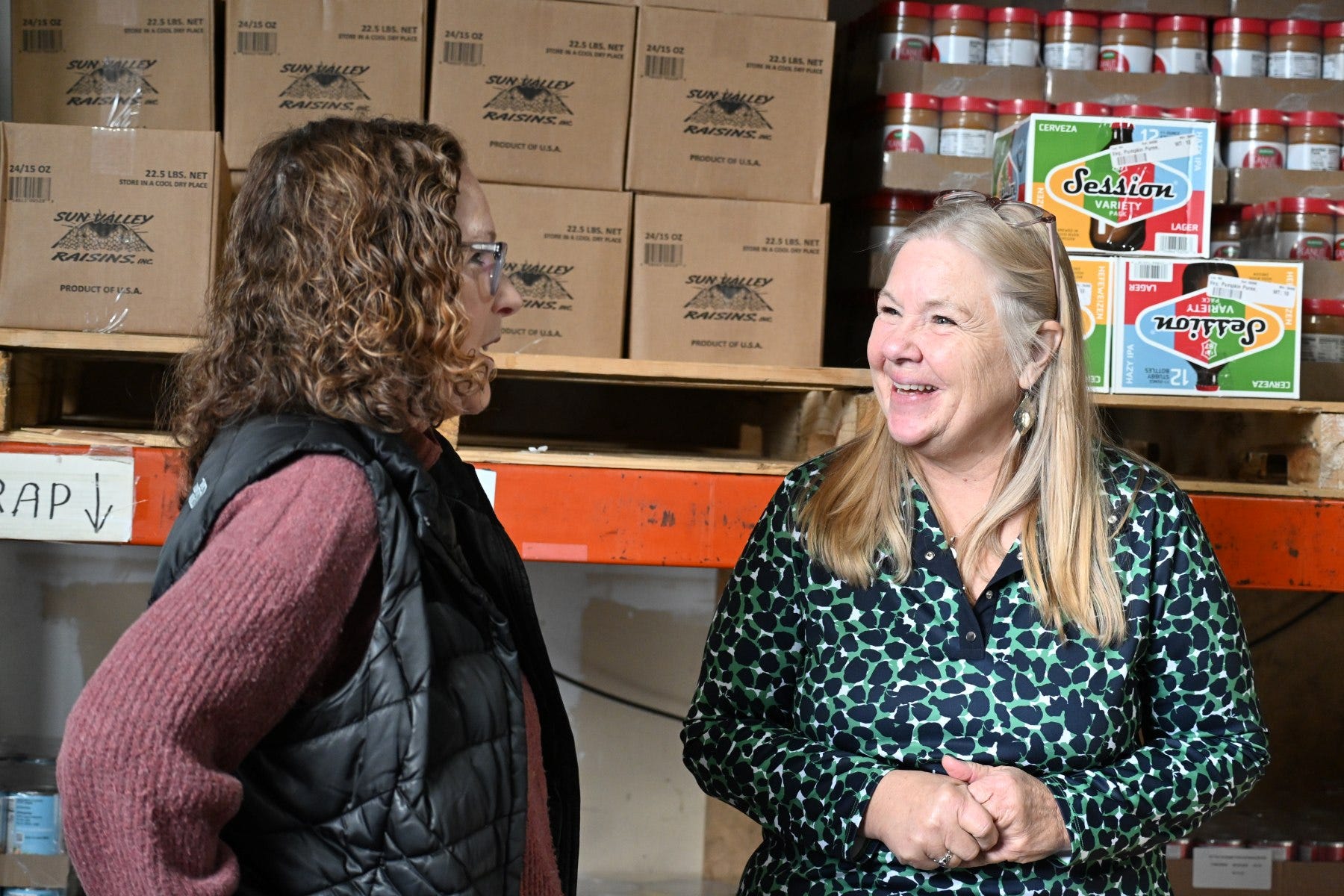
Rep. Val Hoyle, D-Ore. talks with Food Share of Lincoln County’s executive director Nancy Mitchell during a visit Thursday. Mitchell anticipates the loss of SNAP benefits Saturday will result in a 25 percent increase in demand.
Friday update: A federal judge in Boston ruled Friday that the U.S. Department of Agriculture’s plan to pause a food assistance program for 42 million people was illegal — but gave the Trump administration until Monday to respond to her finding before she decides on a motion to force the benefits be paid despite the ongoing government shutdown.
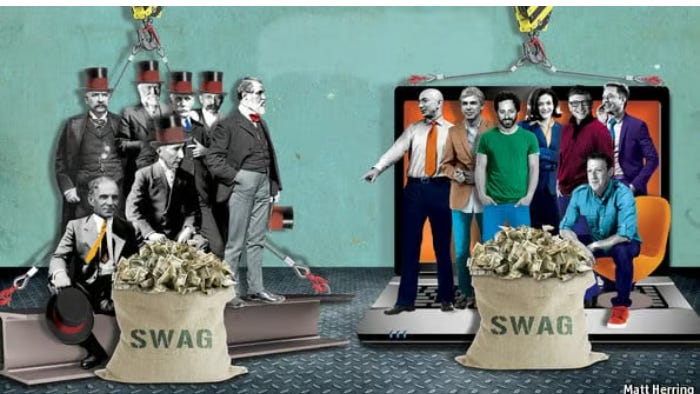

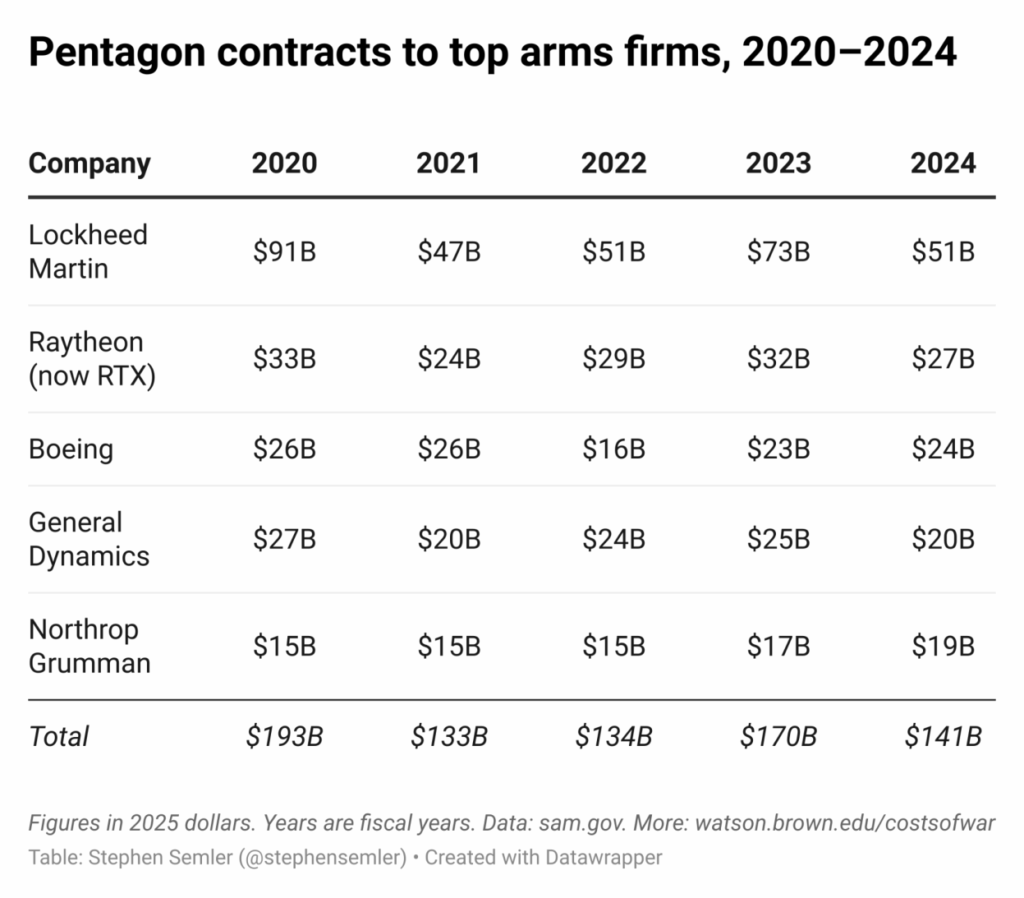
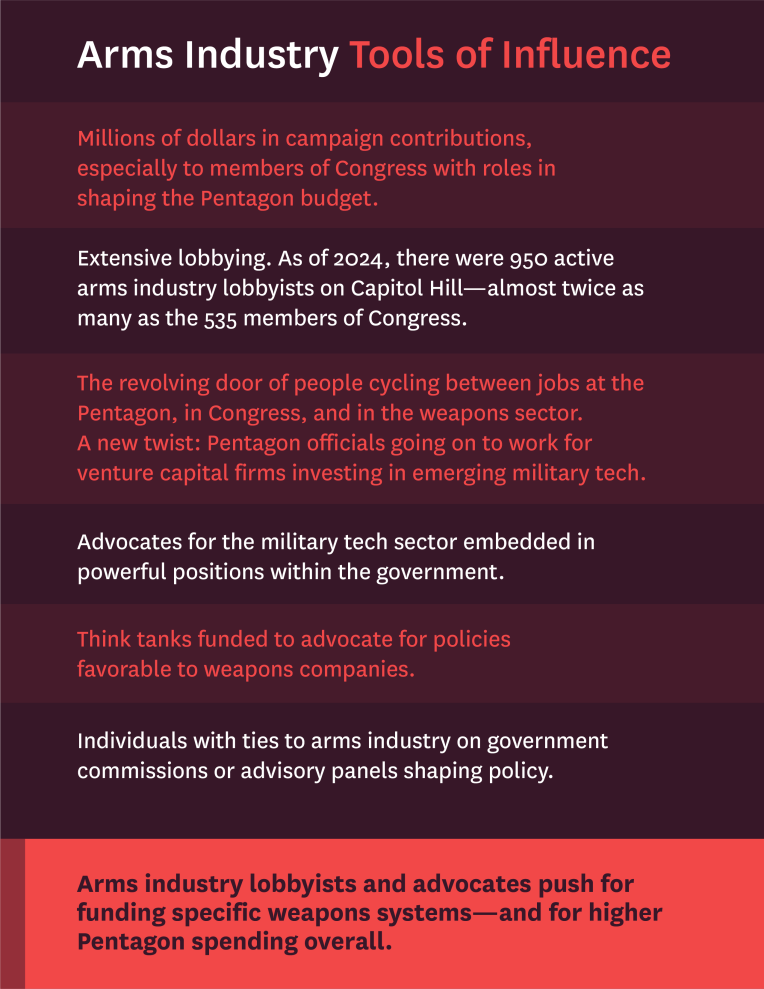


You fucking MAGA cunts, and all those despots and dictators and authoritarian cunts like Putin and Hungry and Turkey’s dictators, and then the fucking Arab prince-dumbs and others, all are worthless cunts: We are the Nobodies.

Texas joins Florida, Illinois, California and New York in the travel standoff as the US suspends Mexico flights amid accusations of air policy violations because the Trump administration has moved to enforce tougher aviation rules following what it calls years of unfair treatment toward American carriers and breaches of the 2015 air transport agreement. The decision to ground thirteen routes operated by Aeroméxico, Volaris, and Viva Aerobus has set off a wave of travel disruptions across major U.S. states, freezing expansion plans, straining diplomatic ties, and leaving passengers scrambling for alternatives as both nations brace for what could become one of the most significant aviation disputes in North America’s recent history.
The United States and Mexico have entered one of their most serious aviation confrontations in recent years, resulting in the abrupt suspension of thirteen passenger and cargo routes between the two nations. This sweeping move has sent ripples through key American states including Texas, Florida, Illinois, California, and New York — each home to major airports that directly connect to Mexico’s tourism and business hubs. The decision, spearheaded by the Trump administration, marks a turning point in US–Mexico aviation relations, raising concerns among travellers, airlines, and industry experts about the future of cross-border connectivity.
+—+
FEAR Ecology, under the Jews and Trump! Sudan!!!!!!!!!!!!
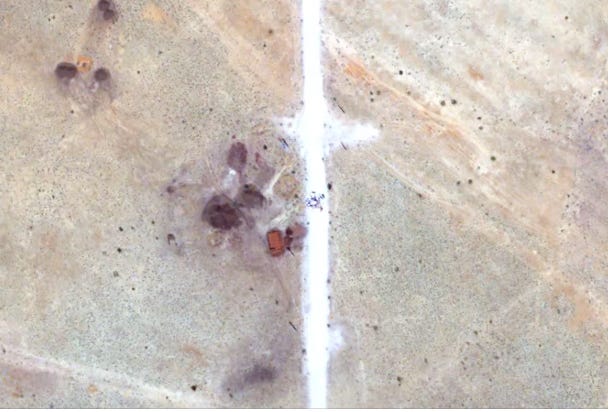
The blood is visible from space as bodies pile up from a slaughter unprecedented in recent times.
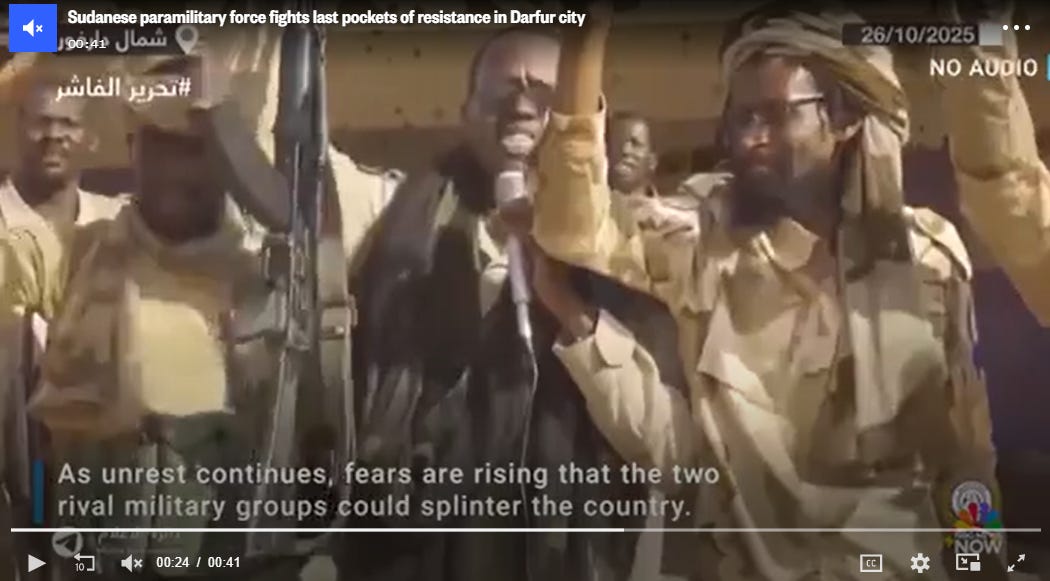
Surrounded by a sand barrier built during an 18-month siege, most of the 250,000 people in el-Fasher, in western Sudan, have been trapped as paramilitary fighters from the Rapid Support Forces (RSF) have rampaged through the city. Experts estimate tens of thousands have been killed in the past week.
With the key regional capital under a communications blackout, it has been left to eyewitness accounts as well as satellite imagery and video shared on social media to reveal the scale of what is unfolding in el-Fasher and the surrounding Darfur region, prompting humanitarian organizations to warn that the northeast African nation is returning to its genocidal past.
Good luck getting into this, Marx, and Cabral and Rodney . . . . Since most of AmeriKKKa is lobotomized at BIRTH:

The Petty Bourgeoisie in the Thought of Amilcar Cabral and Walter Rodney
… it is relevant to discuss the social category of petty bourgeoisie which both Cabral and Rodney use freely in their writings. This is important because the use of the social category of petty bourgeoisie, particularly in the political context, by Cabral and Rodney, is slightly different from the Marxist classics.
In the Communist Manifesto (1850) (in Fernbach 1973, vol. I: 62-98), Marx and Engels seem to imply that in the European situation, there are two types of petty bourgeoisie. The “old” petty bourgeoisie (artisans, shopkeepers, etc.) who were remnants from the pre-capitalist formations, feudalism in the case of Europe. The “new’ petty bourgeoisie, on the other hand, is formed in developed capitalism ensconced between the bourgeoisie and the proletariat[2], “fluctuating between proletariat and bourgeoisie and ever renewing itself as supplementary part of the bourgeois society.” (ibid. 89) The idea of the fickle nature of the petty bourgeoisie oscillating between the bourgeoisie and the proletariat is formulated more graphically by Marx in his polemical text against Proudhon. He describes Proudhon as a petty bourgeois who is “continually tossed back and forth between capital and labour …” (Marx & Engels, 1976, vol. 6: 178). The fickle or unreliable nature of petty bourgeoisie has remained with us and is often deployed in polemical writings. However, we do not find this in Cabral or Rodney who took the role of petty bourgeoisie seriously notwithstanding its fickle nature. This is where once again Cabral’s and Rodney’s caution that we should desist from generalizations and be contextually specific.
There is another important point to add in reference to Marx’s writings on the petty bourgeoisie. From his historical conception of the petty bourgeoisie as an intermediary class, without independent material interests[3]Marx could not envisage the petty bourgeoisie to get into political power on its own and become a ruling class serving its own interests. Even where it does get into state power, it is objectively serving the interests of the bourgeoisie (see, for instance, Marx 1852). This is important because in some of Rodney’s writings we do come across the idea of the petty bourgeoisie as the ruling class (Rodney 1990: 54-55.). More on this later.
Matters stand differently when it comes to colonial and neo-colonial formations which was the dominant framework for Cabral and Rodney. On the place and political role of the petty bourgeoisie, there are certain commonalities and significant differences between Cabral and Rodney.
Firstly, the most important difference between the European situation and struggles that Marx was writing on, and the African situation, is the central factor of imperialism. Whereas in the European case the formations and the transitions from one to another were largely autonomous dependent on internal social and political contradictions which were ultimately decisive, in the colonial and neo-colonial situations, internal contradictions were muted under colonialism. The internal contradictions between classes and social groups come to the surface after independence under neo-colonialism. In the anticolonial struggle almost all colonized people are fighting against the colonial power. As soon as independence is achieved, social classes and groups begin to assert their own interests, albeit under the overall hegemony of imperialism (Cabral 1969: 57 et. seq.).
Secondly, in the colonial and neo-colonial situation the petty bourgeoisie is more than an intermediary. Tethered to the metropolitan bourgeoisie under colonialism and tied to the international bourgeoisie in various ways under neo-colonialism, the petty bourgeoisie, or at least large sectors of it, are transmission belts. Its privileged position and perks are best served by playing second fiddle to the international bourgeoisie.
Thirdly, national liberation in Africa, whether through armed struggle or “peaceful means”, is a kind of alliance between classes, led by the petty bourgeoisie, or some sectors of it. On this Cabral and Rodney agree. The leadership of the petty bourgeoisie was seen as almost inevitable. The petty bourgeoisie under colonialism was the class nearest to the colonial state apparatus, or in it; had a broader view of the world than the working people; had some education to articulate the demands of the people; knew the colonial ways of the Europeans, and had a personal interest in fighting for independence given that it subjectively felt the racial discrimination and the humiliation of petty European officials, their bosses, in spite of the latter being less qualified. This is the point made by Cabral giving his own example. Cabral was a highly qualified agronomist in the colonial civil service but earned far less than his Portuguese boss whom he could have “taught his job with my eyes shut” (ibid.: 52). Cabral added that such discrimination and affront suffered by the African petty bourgeoisie mattered “when considering where the initial idea of the struggle came from.” (ibid) This ought not to be generalized because there are cases in many African countries where the initial ideas for freedom and independence came from some sectors of the working people, even though in such cases too, eventually, the leadership landed in the hands of the more educated petty bourgeoisie.
Fourthly, while both Cabral and Rodney drew from Marxism their classification of the petty bourgeoisie, their application was not slavish. Cabral did an astute analysis of what he called “the social structure in Guinea” (Cabral 1964 in Cabral 1969: 46-61.). In this analysis Cabral separately considers the town and rural areas of Fulas and Balante. He characterizes Fula as semi-feudal in which there are two main classes, the chiefs and the peasants. In between these two classes, are intermediate social groups like artisans and Dyulas (itinerant traders) who could be classified as petty bourgeois. Balantes hardly had much stratification, land was communally owned, instruments of production were privately owned and the product went to the one who laboured. In towns, he identified several groups including workers (for example, dockworkers), European bourgeoisie and petty bourgeoisie, African petty bourgeoisie of different social gradations, African workers in shops employed by European merchants and commercial houses, prostitutes, thieves and other déclassé elements.
In his synthesis of the social stratification of Africans, he sees higher and middle officials and liberal professionals as a group. Then follow petty officials, commercial employees, and small farm owners as petty bourgeoisie (ibid.: 48) He is somewhat hesitant to place higher officials and liberal professionals in the petty bourgeoisie but makes a rather tantalizing observation: “… if we were to make a thorough analysis the higher African officials as well as the middle officials and members of the liberal professions should also be included in the petty bourgeoisie” (Ibid.). I venture to say that Cabral was inclined to include this group in the African petty bourgeoisie. (In our East African debates of the 1970s, such a group was unambiguously included in the petty bourgeoisie, (see Shivji 1975, passim).
+—+
Here you go with these fucking Niggerized and Jewified Blacks /Africans:
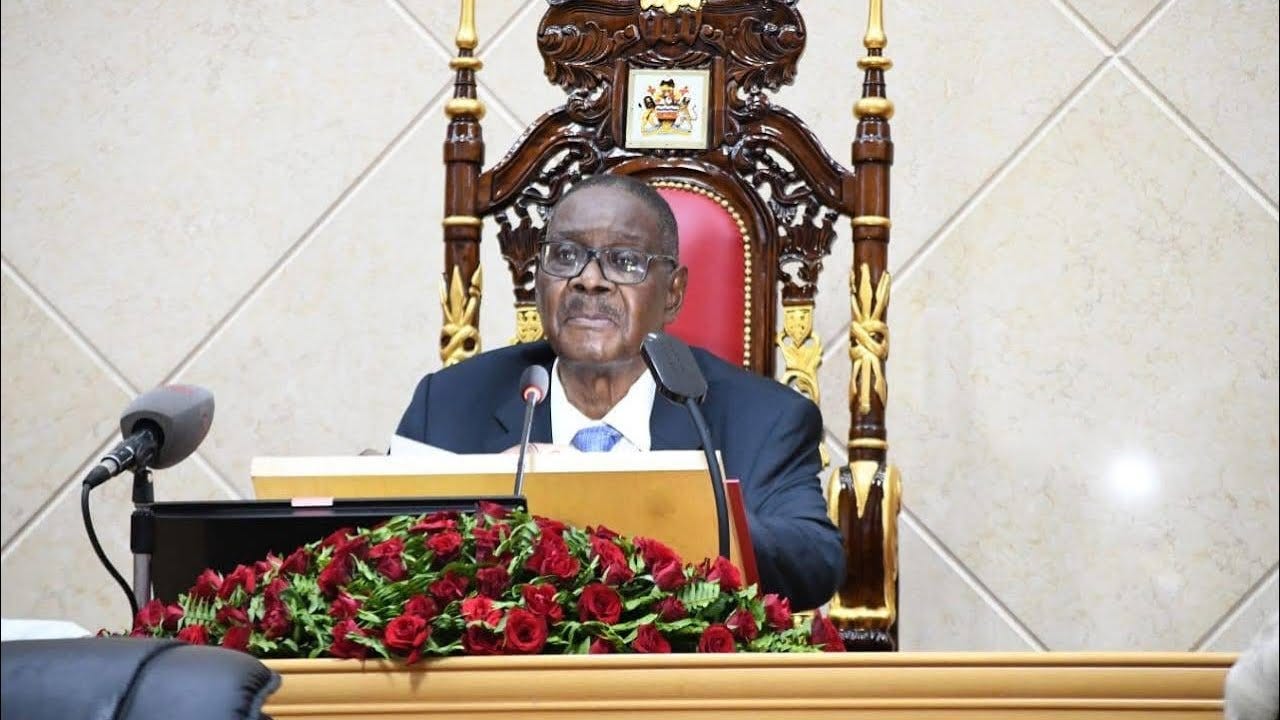
When Lazarus McCarthy Chakwera, a celebrated Christian theologian, won presidential elections in Malawi in June 2020, one of his immediate policy announcements was the upscaling of the southern African nation’s diplomatic relations with Zionist “Israel”. Until now, Malawi has had low-level diplomatic ties with “Israel” for nearly six decades, but without any official presence in either Malawi or “Israel”. It was this relationship that Chakwera committed himself to fully upgrading.
As a “God of Israel” aficionado, the pastor-turned-president, who spent more than 20 years as the head of one of Malawi’s largest Christian church denominations, the Assemblies of God, was eager to go where few others have for “Israel”, as h
“The Annan Plan for Cyprus was a fraud and a betrayal of all UN resolutions. The so-called peace plan, Trump’s ultimatum to the Palestinians, is exactly the same.” This is what the distinguished American lawyer and historian Alfred de Zayas tells us. He is considered a global authority on issues of international law, human rights, ethnic cleansing and genocides. Professor at the Geneva School of Diplomacy and visiting professor at a number of universities, he was a UN Independent Expert on the Promotion of a Democratic and Equitable International Order from 2012 to 2018, and under this capacity he dealt with many major international issues.
Professor de Zayas discusses the Palestinian issue at length, characterizes Israel a “terrorist state” and rejects Israeli and Western propaganda about what really happened on October 7, 2023.
Lula is Dead Man Walking: Brazil: The Comando Vermelho and the Construction of the Enemy
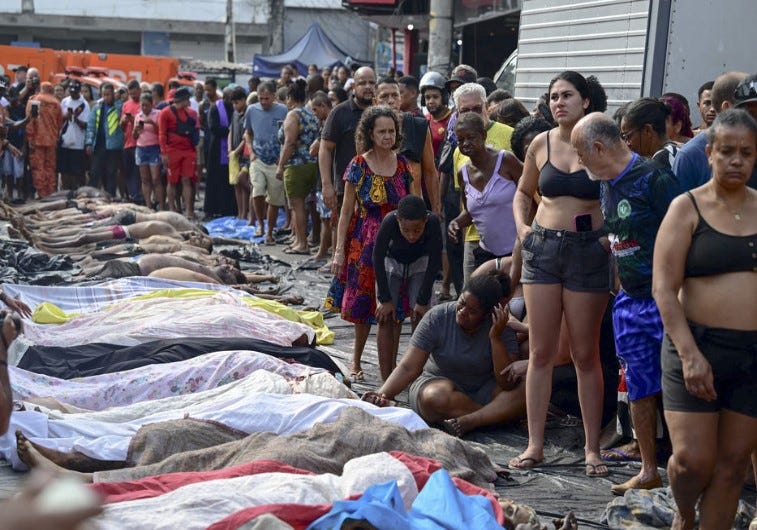
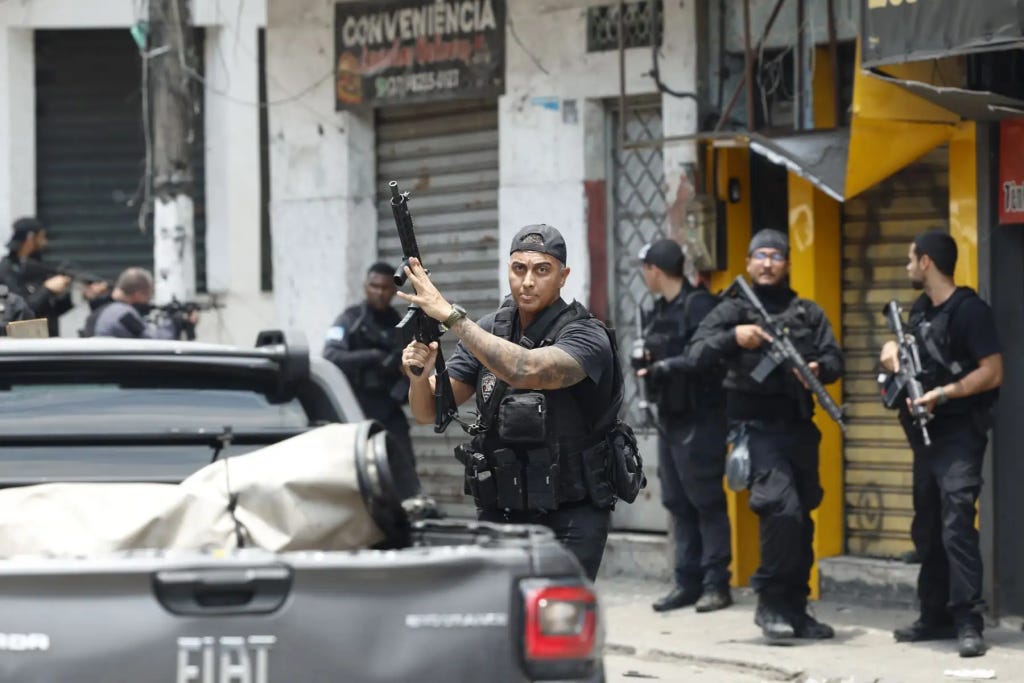
This model is completed by the so-called “Militias,” paramilitary armed groups, mostly composed of police officers and former police officers, who control territories, impose their own law and obtain illicit profits, extending their power through extortion and the exploitation of services such as transportation and access to the internet and cable television, to other areas of the city of Rio de Janeiro, competing for territory with drug trafficking factions.
The militias have their roots in the death squads that operated during the military dictatorship (1964-1985), they transformed into organized groups with political links and with the support of local politicians who operate with violence and a logic of corruption, which generates more violence and abuses.
Their power and their links to crime and certain state structures have meant that state prosecution of the militias is generally minimal.
The DEA has operated in Brazil since the 1980s, but its presence has intensified dramatically in the last decade through cooperation agreements that function as a Trojan horse for US intervention. Offices in consulates, police training programs, intelligence sharing, and joint operations undermine Brazilian sovereignty under the pretext of combating transnational drug trafficking. The US agency does not seek to eradicate drug trafficking but to control it, monitor it, and use it as a vector for penetrating Latin American security structures. Every joint operation is an exercise in institutional subordination, every shared protocol is a surrender of decision-making autonomy, and every agent trained by the DEA is a potential asset for foreign interests. Brazil, with its 15,000 kilometers of land borders and its strategic position in South America, is a fundamental piece of the hemispheric control apparatus that Washington deploys under the anti-drug narrative. The Comando Vermelho, with its documented international connections in Bolivia, Peru, and Paraguay, and its involvement in trafficking networks spanning the continent, justifies its presence by transforming Brazilian public security into a matter of U.S. interest, territorial sovereignty into shared jurisdiction, and criminal policy into a geopolitical vector. The United States is already requesting that both the PCC and the CV be declared terrorist organizations, a move that would enable even deeper levels of intervention and cooperation.
Conquistadors by another NAME! Sins of Your Great Great Great x 3 Forefathers
the violence of Guatemala, Mexico, Brazil, Colombia, et al . . . . Iberians, man, fucking the world over . . . .In comes the JEWS!
 Paul Haeder, Author