

the violence of Guatemala, Mexico, Brazil, Columbia, et al . . . . Iberians, man, fucking the world over . . . .In comes the JEWS!
Oct 29, 2025
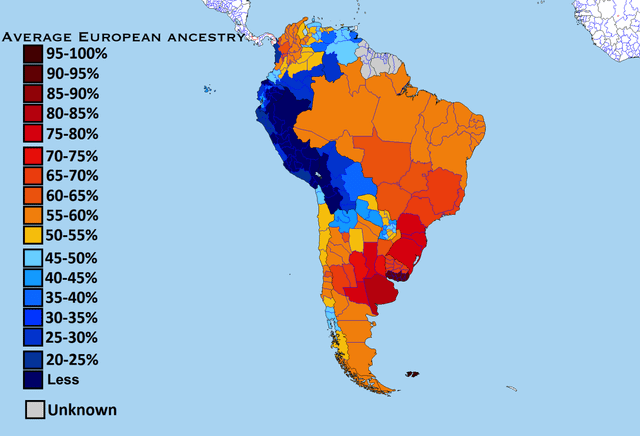
Most Mexicans have some Iberian heritage. One estimate claims that 99% of Mexicans have some degree of Iberian DNA.
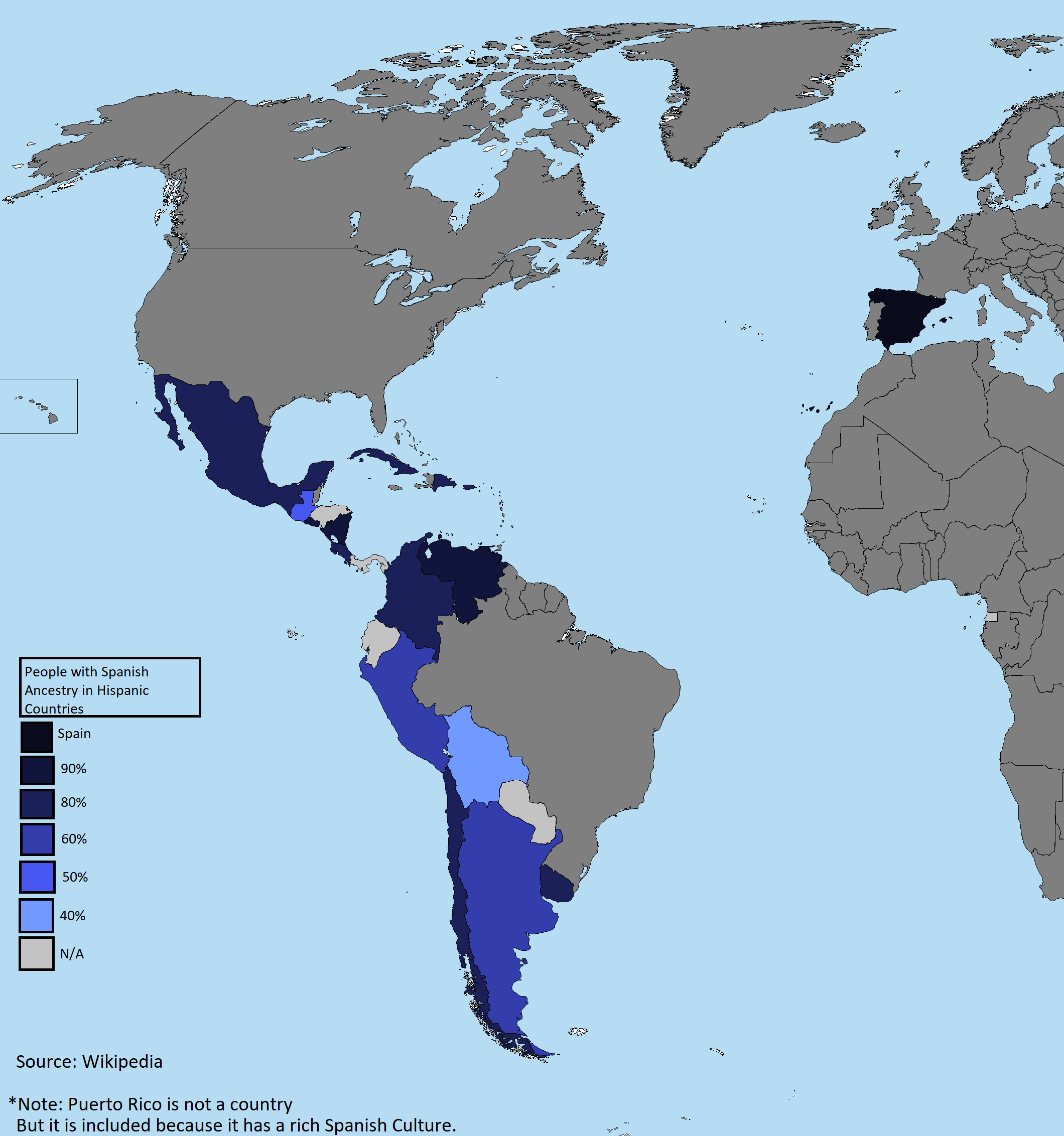
- Argentina and Uruguay: These countries received some of the largest numbers of European immigrants after their independence. Both have high concentrations of people with significant Spanish ancestry, who are estimated to make up more than 80% of their respective populations.
- Colombia: As one of the first and largest destinations for Spanish colonists, millions of Colombians are estimated to have Spanish ancestry.
- Bolivia and Peru: While the populations are largely mixed (Mestizo) or Indigenous, people of European ancestry are primarily descended from Spanish settlers. In Peru, about 44% of the population is Mestizo, reflecting significant Spanish ancestry.
- Chile: Early European settlers were Spanish colonizers from Castile and Andalusia, who were later joined by many Basques. This European lineage became the country’s elite and is a key component of modern Chilean culture.
The Dominican priest Bartolomé de Las Casas arrived in the West Indies during 1502, ten years after Christopher Columbus’s first voyage to the Americas. Las Casas became a constant critic of Spanish cruelties toward indigenous peoples, writing several books on the subject, including Brevísima relación de la destruyción de las Indias (1552; The Tears of the Indians, 1656; also known as A Brief Account of the Devastation of the Indies). While the reports of Las Casas did little to stop the cruelty of the conquest, they did help influence papal declarations that the indigenous were to be regarded as human beings and not as beasts. Las Casas and other priests also found the indigenous peoples to be eligible for conversion to Christianity.
The writings of Las Casas were part of a broader debate in Spain over the treatment of the indigenous by the Spanish during the sixteenth century. The Spanish crown was very legalistic, and very concerned that its policy concerning the indigenous pass muster with the Church’s moral dictates. A debate raged beginning about the year 1500 over whether the indigenous peoples of the New World possessed souls and could be regarded as human by European standards. The Church, after lengthy debate, agreed with Las Casas that the indigenous did indeed possess souls, and that these souls were fit to receive Christianity.
Once that question had been settled, European kings, popes, and savants wrestled with the question of how their nations could “discover” and then “own” lands that were obviously already occupied by the peoples of the Americas. Around 1550, the Spanish king and Holy Roman Emperor, Charles V, initiated a debate over these questions in which Las Casas argued for indigenous rights and Spanish theologian, Juan Ginés de Sepúlveda, argued against.
Another Spanish theologian, Francisco de Vitoria, had already written in 1532 that “the aborigines in question were true owners, before the Spanish came among them, both from the public and the private point of view.” Vitoria wrote in De Indis et de juri belli relectiones (1557; English translation, 1917) that “The aborigines undoubtedly had true dominion in both public and private matters . . . neither their princes nor private persons could be despoiled of their property on the ground of their not being true owners.” Spain could not, therefore, simply assert ownership of lands occupied by indigenous peoples; title by discovery could be justified only if the land was without an owner. In Vitoria’s opinion, Spain could legally acquire title to indigenous peoples’ land in the New World by conquest resulting from a “just” war, unless the indigenous surrendered their title by “free and voluntary choice.” A “just war” was precisely defined. War was not to be undertaken on a whim or solely to dispossess the original inhabitants.
In the Americas, the conquistadores generally ignored the dictates of Spanish theologians. The Tears of the Indians and other books by Las Casas are filled with graphic details describing the horrors of the Spanish conquest. Las Casas wrote, for example, of how the Spaniards disemboweled indigenous men, women, and children.
Unlike the conquistadores, Las Casas did not want gold. He wanted, instead, to convert American Indians to Christianity. While he was not averse to Spanish exploration and Catholic conversion, the state and Church conundrum on which the conquest was built, Las Casas bitterly opposed the brutality with which both were carried out. Las Casas protested the brutal aspects of the conquest, but never doubted the religious virtue of the Spanish religious mission.
In Mexico, Las Casas speculated that the Aztec Empire had been the most densely populated area on earth before Cortés’s conquest and European diseases depopulated it. He wrote that
The Spanish found pleasure in inventing all kinds of odd cruelties, the more cruel the better, with which to spill human blood. They built a long gibbet, low enough for the toes to touch the ground and prevent strangling, and hanged thirteen [indigenous] at a time in honour of Christ Our Savior and the twelve Apostles. When the indigenous were thus alive and hanging, the Spaniards tested their strength and their blades against them, ripping chests open with one blow and exposing entrails, and there were those who did worse. Then straw was wrapped around their torn bodies and they were burned alive. One man caught two children about two years old, pierced their throats with a dagger, then hurled them down a precipice.
Las Casas also described one conquistador pastime that was indicative of their sadistic disregard for human life. It was called “dogging”—the hunting and maiming of indigenous people by canines specifically trained to relish the taste of human flesh. The use of dogs occurred so frequently during the conquest that a scholarly book described this aspect of the conquest alone. Some of the dogs were kept as pets by the conquistadores. Vasco Núñez de Balboa’s favorite was named Leoncito, or “Little Lion,” a cross between a greyhound and a mastiff. On one occasion, Balboa ordered forty individuals “dogged” at once.
“Just as the Spanish soldiers seem to have particularly enjoyed testing the sharpness of their yard-long blades on the bodies of indigenous children, so their dogs seemed to find the soft bodies of infants especially tasty,” wrote scholar David E. Stannard in his 1992 book.
Las Casas also severely criticized the practice of “commending” the indigenous to encomenderos, a condition of virtual slavery, but was rebuffed by Spanish authorities. Las Casas, the first priest ordained in the New World and son of a veteran of Columbus’s first voyage, called down a formal curse on the main agent of the bloody terror that eliminated indigenous people from Cuba, Pánfilo de Narváez. Las Casas wrote that one of the gentle Tainos, who had been offered baptism as he was about to be burned at the stake, refused it because he thought it might take him to heaven, where he might meet even more Christians.
In writing of the Spanish conquest of the Caribbean, Las Casas stated that the Spanish viewed the indigenous “not like beasts, for that would have been tolerable, but look upon them as if they had been but the dung and filth of the earth.” Las Casas pointed out in another work, Historia de las Indias (wr. 1527-1561, pb. 1875-1876; partial translation, History of the Indies , 1971), that the Spanish
have so cruelly and inhumanely butchered [the indigenous peoples], that of three million people which Hispaniola itself did contain, there are remaining alive scarce three hundred people.
Oh, Hegseth and each Semen Drip of the Trump Carnival, and then we have Bibi Benzion Mileikowsky. This is what they want, man = Delta Force on Crack!
- Seth Harp’s book The Fort Bragg Cartel revealed that some special operations soldiers, including Delta Force operators, had been involved in drug trafficking with Mexican cartels. This was tied to the 2020 murder of two special operations soldiers at Fort Bragg, one of whom was an active Delta Force operator suspected of drug dealing.
- Wider misconduct in Special Operations Forces (SOF): Harp’s book and other reports have highlighted a broader issue of misconduct within the Army’s Special Operations community, including drug trafficking, fraud, and sex crimes.
- Individual cases: Instances of individual Delta Force members committing crimes have been reported, such as a retired Master Sergeant being arrested for stealing grenades and classified documents. In 2018, another court-martial trial involved a Delta Force operator accused of sexual assault.
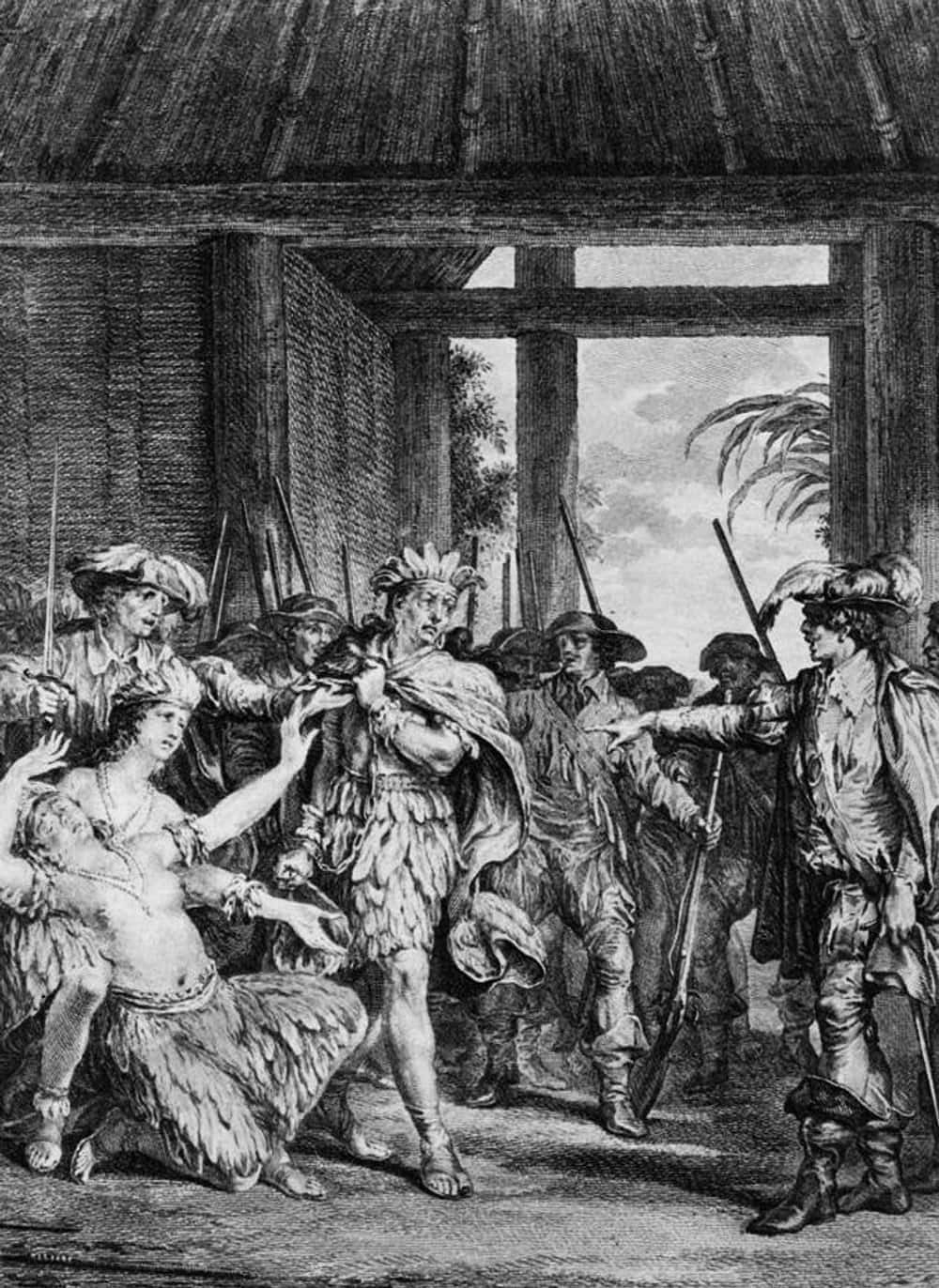
- They Vowed To Spare An Inca Ruler For Converting To Christianity, Then Ended Him Anyway
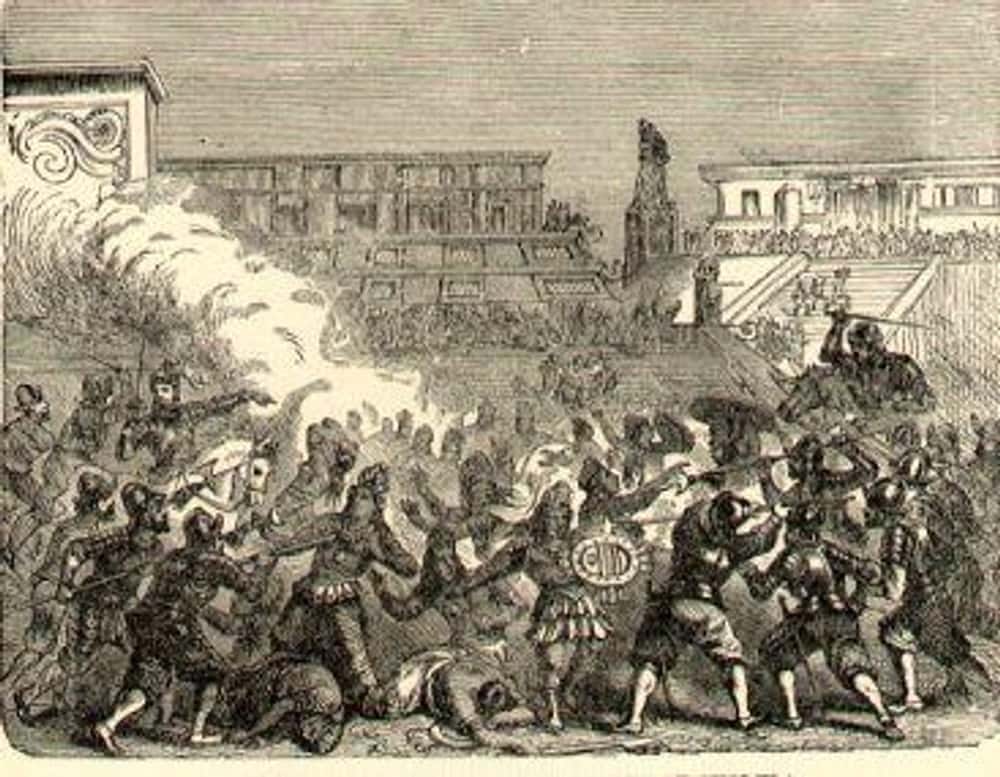
- They Gathered Aztec Nobles In A Courtyard, Then Ended Them All
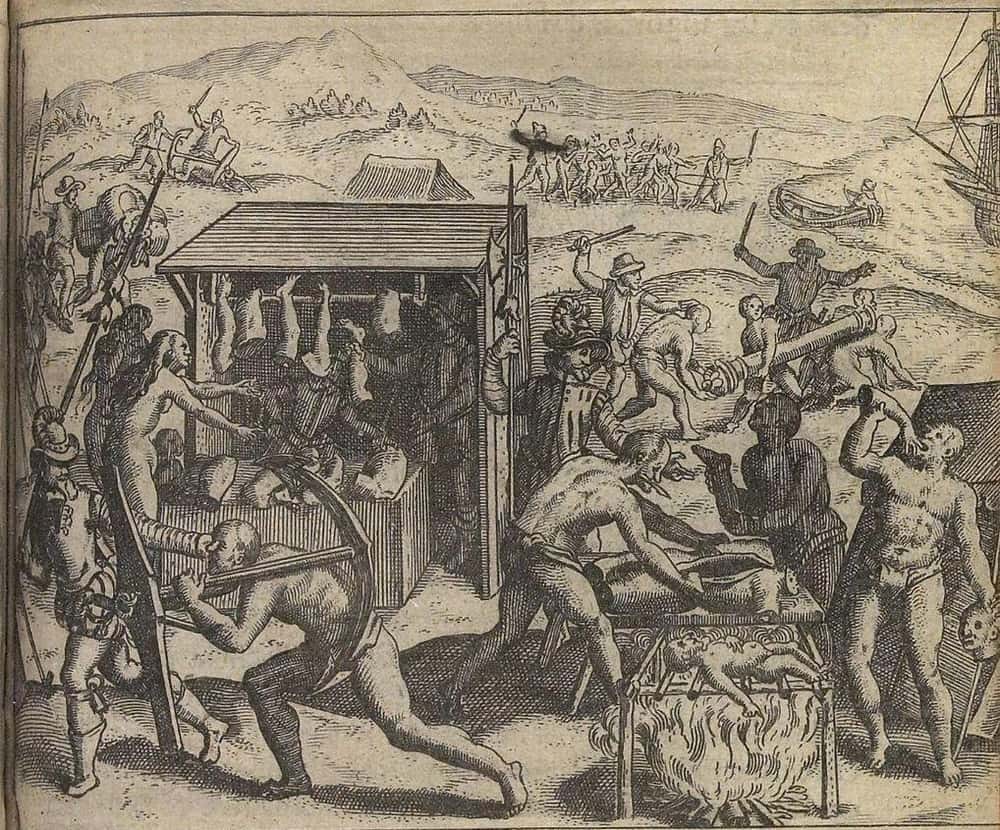
- They Fed Native People To Dogs
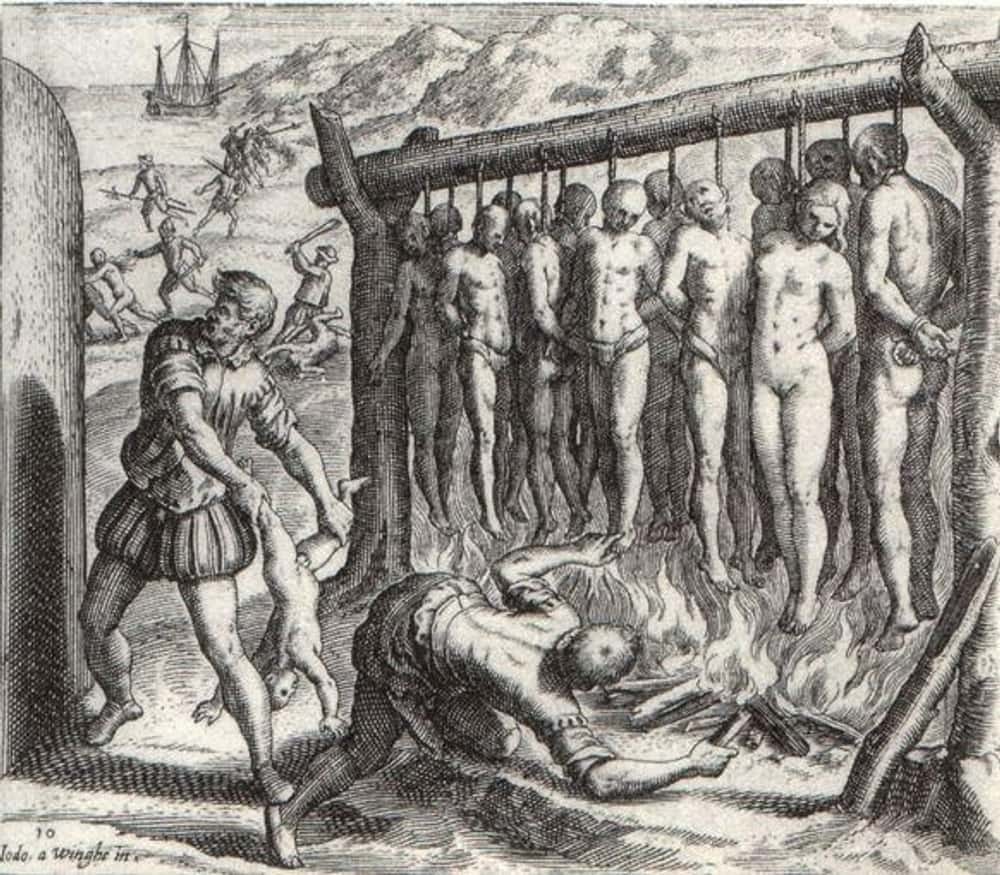
- They Devised A Way To Hang Natives And Burn Them Alive Simultaneously
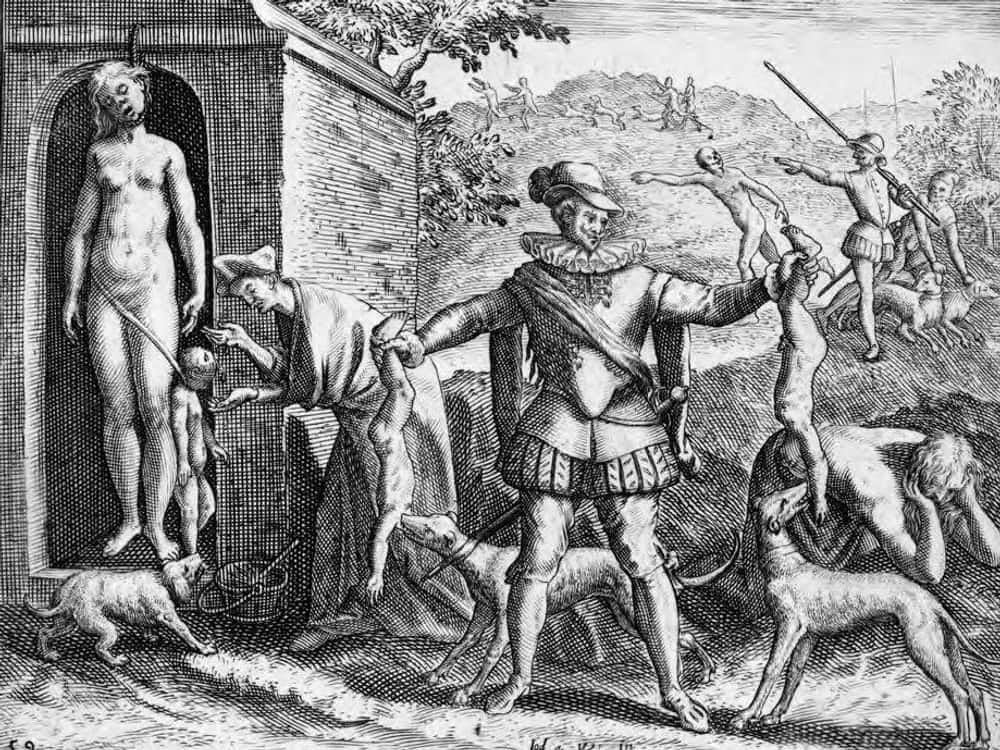
- They Took The Lives Of Newborn Babies
- They Threw Native People Into Pits And Left Them To Perish
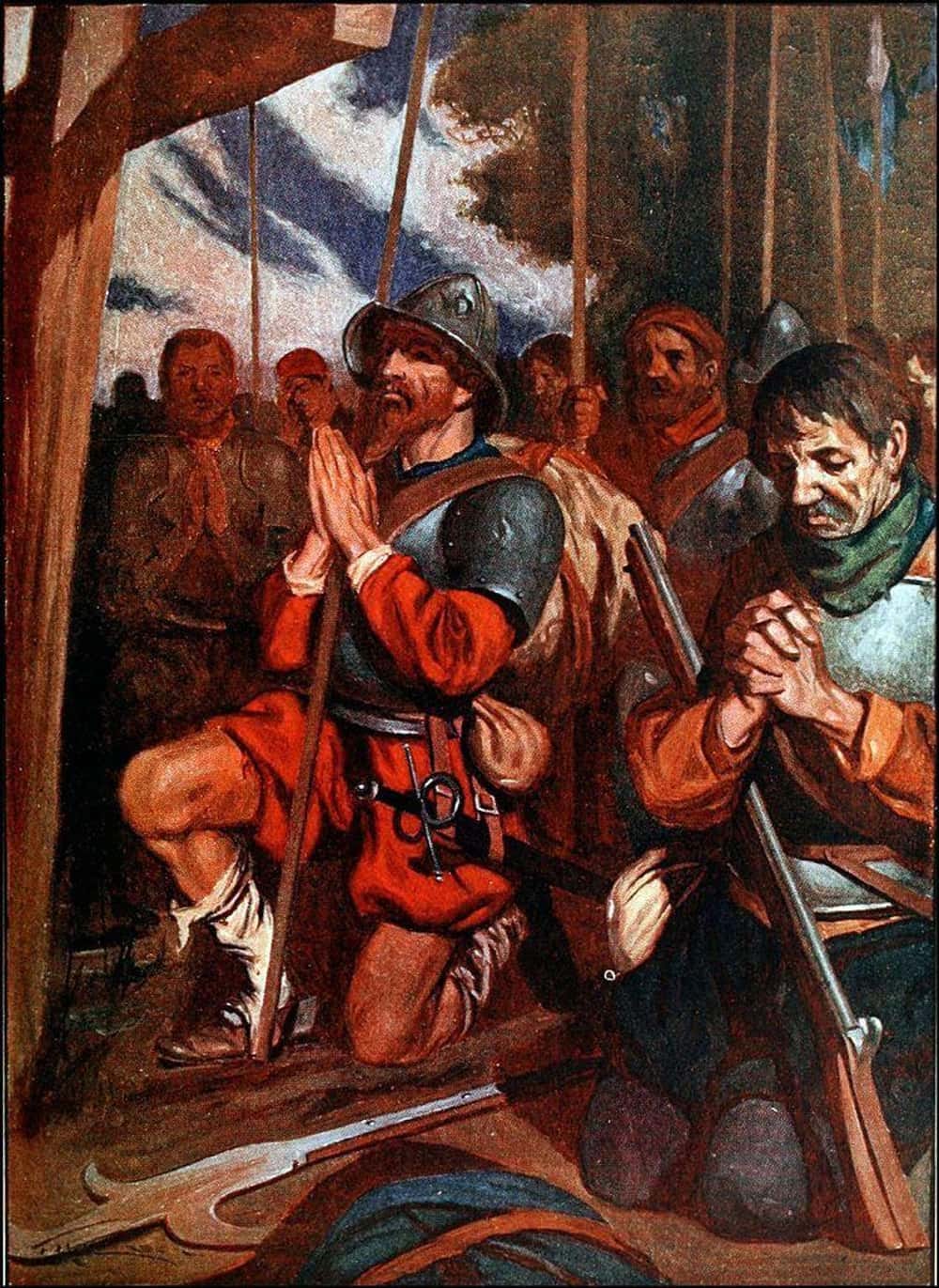
- They Used Native People To Test The Strength Of Their Blades
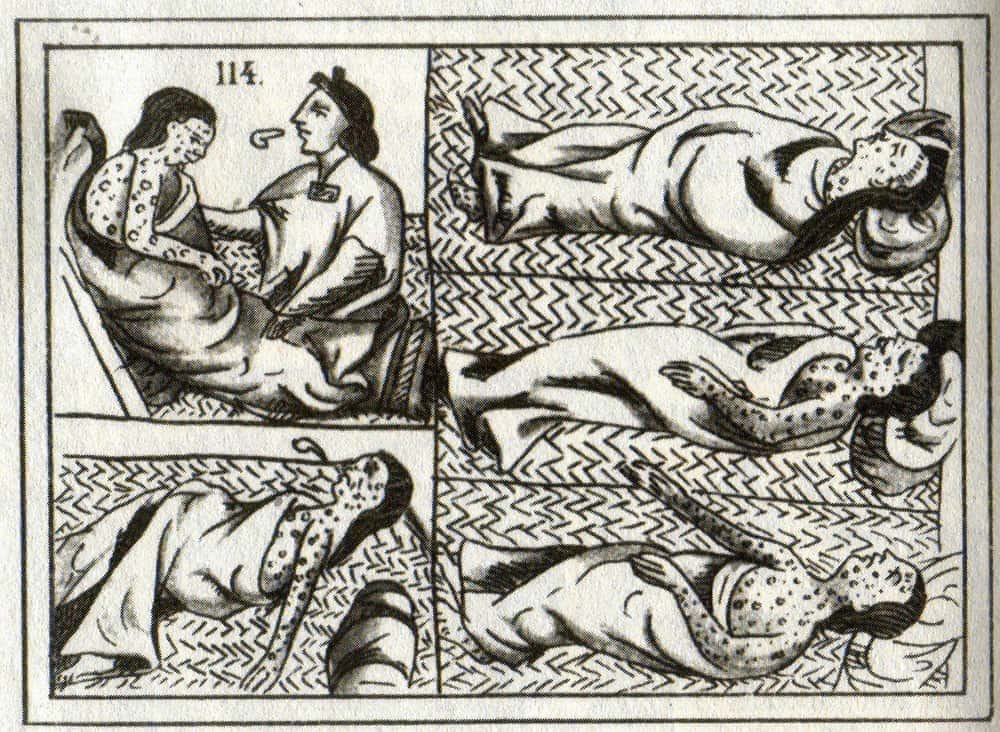
- They Spread Devastating Diseases
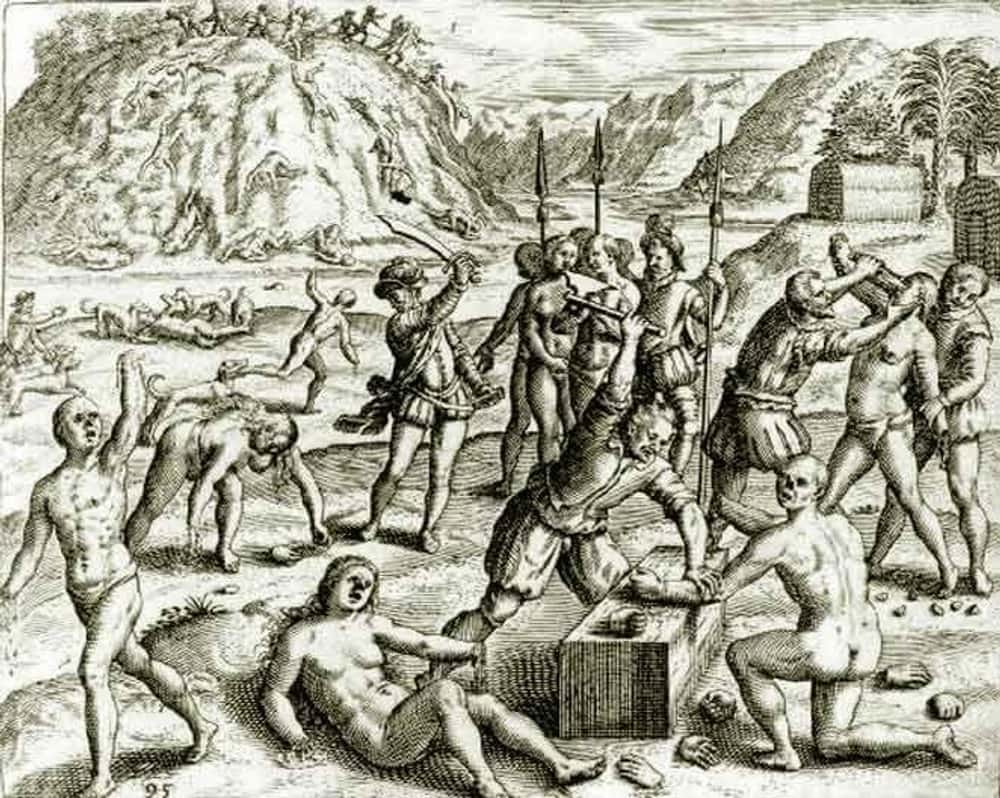
- They Cut Off Native People’s Hands
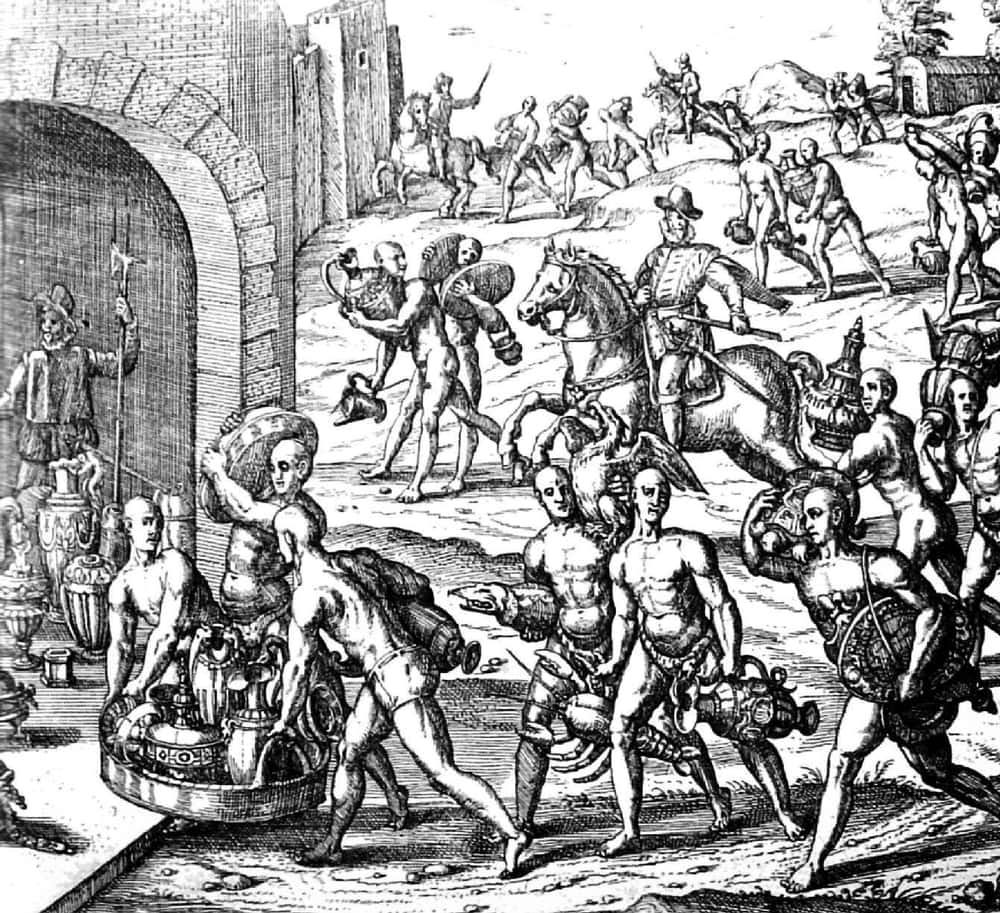
- They Forced Native People Into Slavery And Worked Them Until They Perished
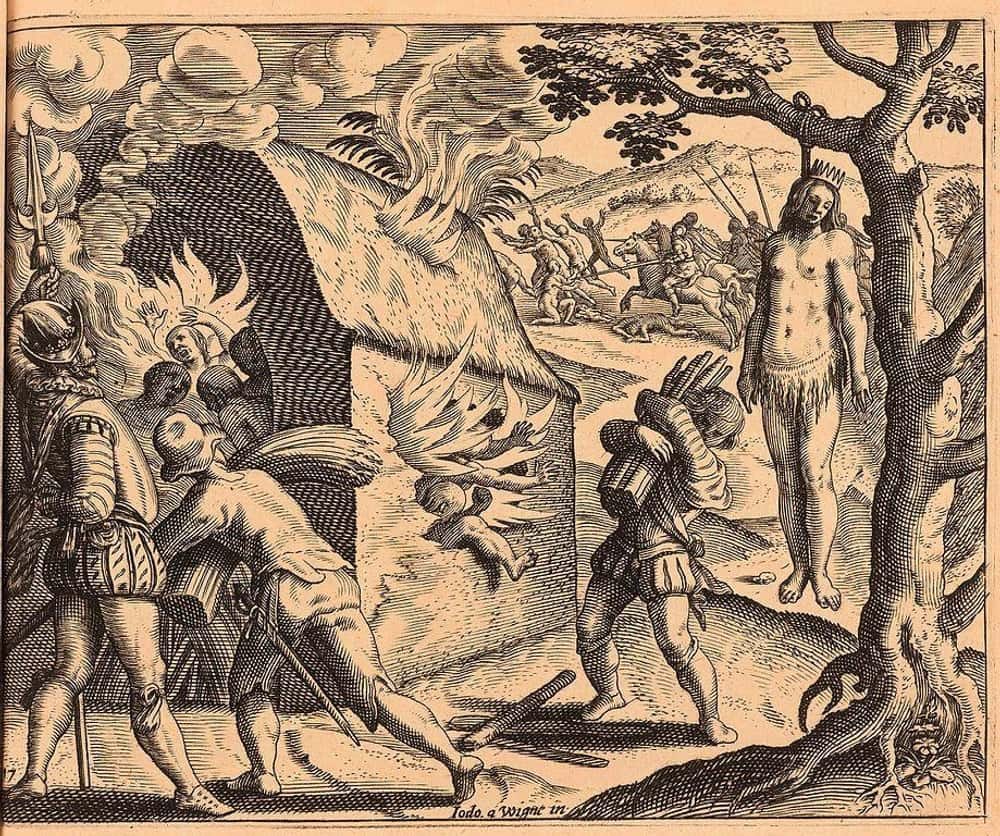
- They Burned Them Alive In Their Own Homes
- They Mutilated Their Faces
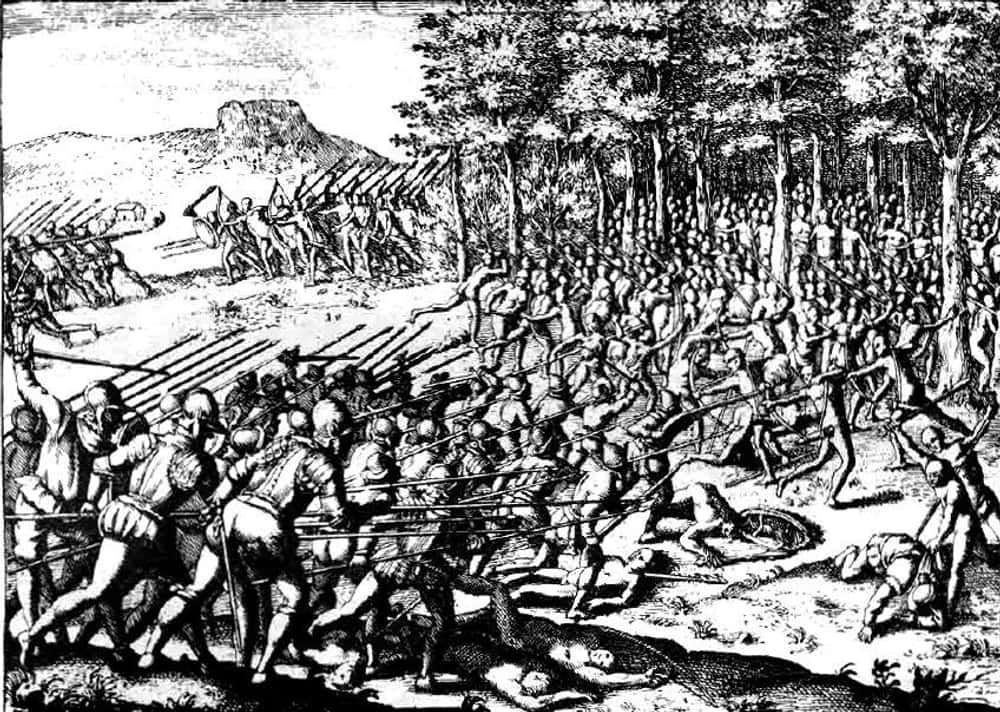
- They Used Skull-Crushing Spiked Weapons During Battle
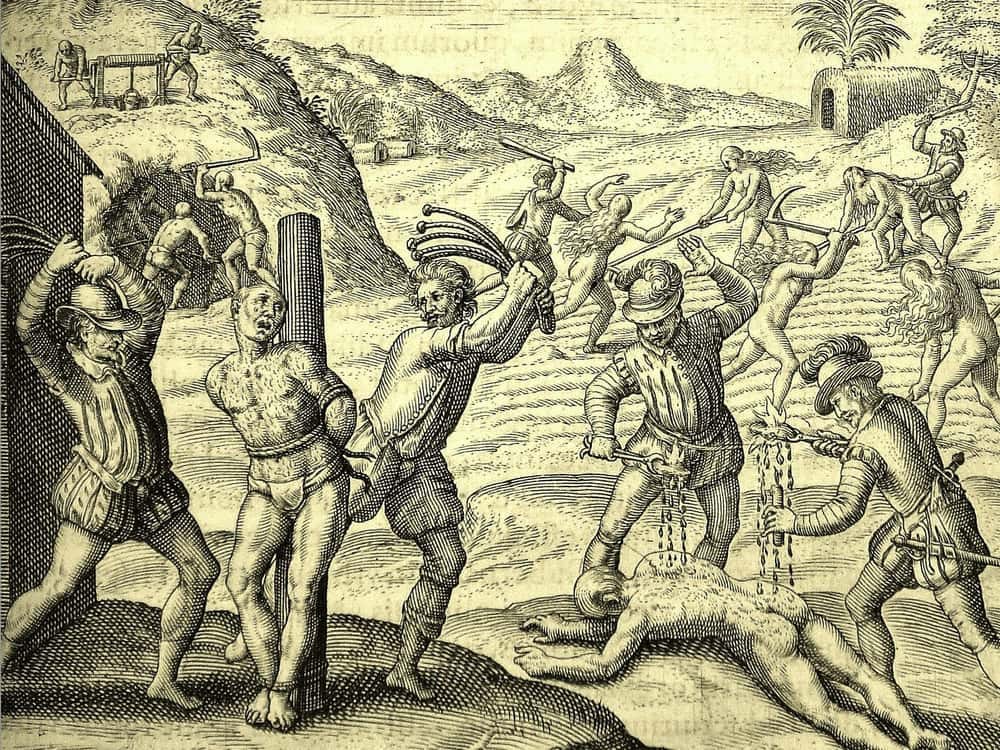
- They Enslaved 2,000 Men And Burned Priests Alive In Retaliation For 15 European Casualties
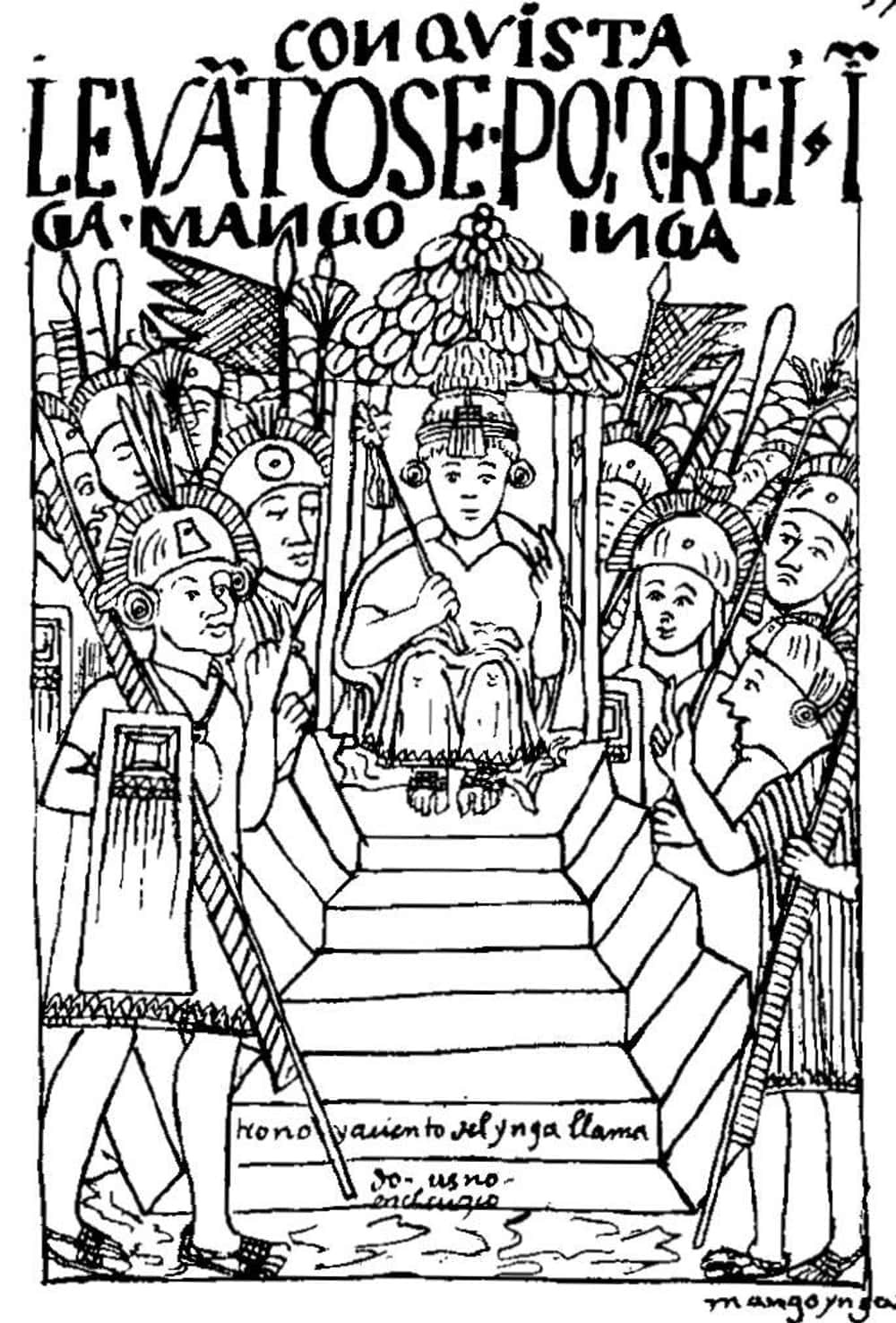
- They Tied Up A Queen And Used Her For Target Practice: In 1539, conquistador Francisco Pizarro invaded the Neo-Inca state of Vilcabamba. Pizarro was looking for their leader, Manco Inca, but instead found the queen, Cura Ocllo. She was tied to a stake as conquistadors used her as target practice, firing bamboo arrows at her.
- After she had perished, they put her body in a basket and sent it down the Vilcanota River so it could eventually be found by Manco Inca.
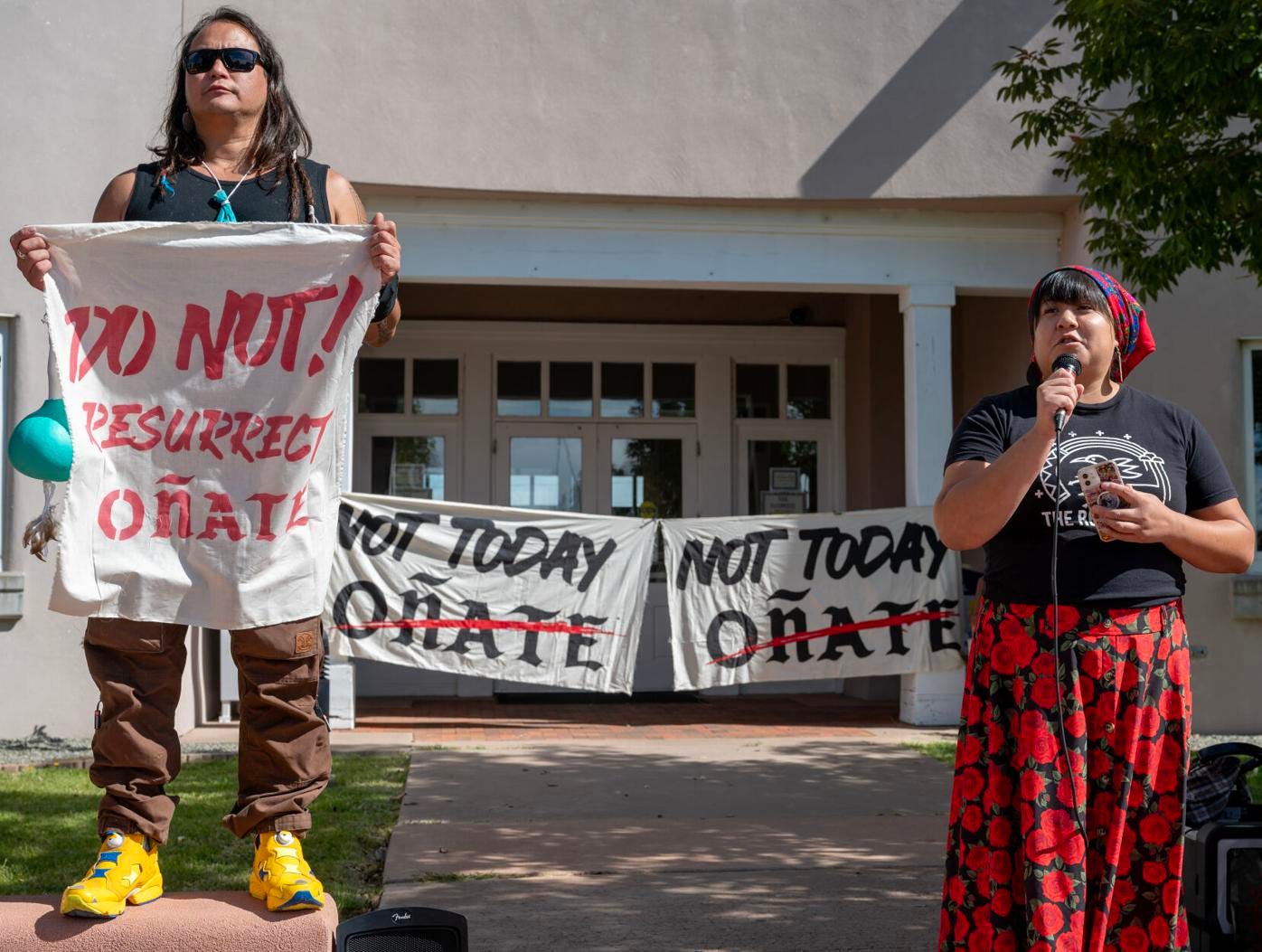
The initial conflict: In December 1598, Spanish soldiers led by Oñate’s nephew, Juan de Zaldívar, arrived at the Acoma Pueblo demanding food and supplies. The Acoma, who had little to spare for the approaching winter, refused. A dispute turned violent, and Zaldivar and 11 of his men were killed by Acoma warriors.
The Spanish retaliation: In January 1599, Oñate sent his nephew’s brother, Vicente de Zaldívar, to lead a punitive expedition of about 70 soldiers to the pueblo. The Spanish attacked the mesa-top pueblo, and during a three-day battle, an estimated 800 to 1,000 Acoma men, women, and children were killed.
The sentence: After the massacre, Oñate convened a trial and passed a horrifying sentence on the 500 or so survivors. To set an example for other pueblos, he ordered that every Acoma man over the age of 25 have one foot amputated before being enslaved for 20 years. Twenty-four men ultimately underwent this punishment. Other survivors, including women and children, were also sentenced to servitude.
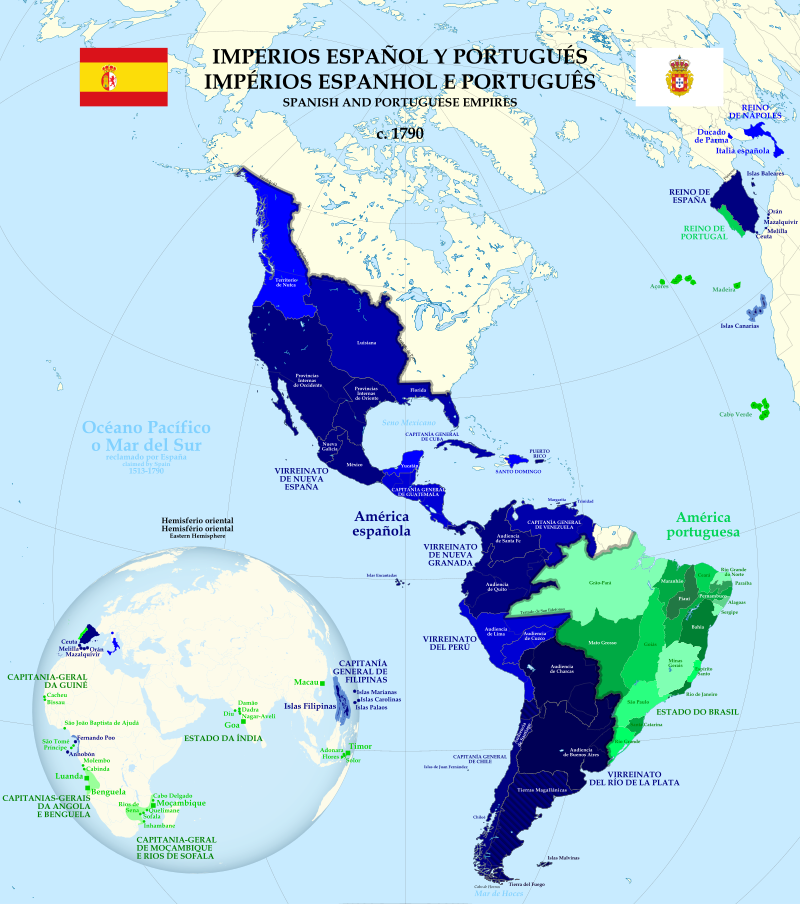
They are the killers, man, Iberians:
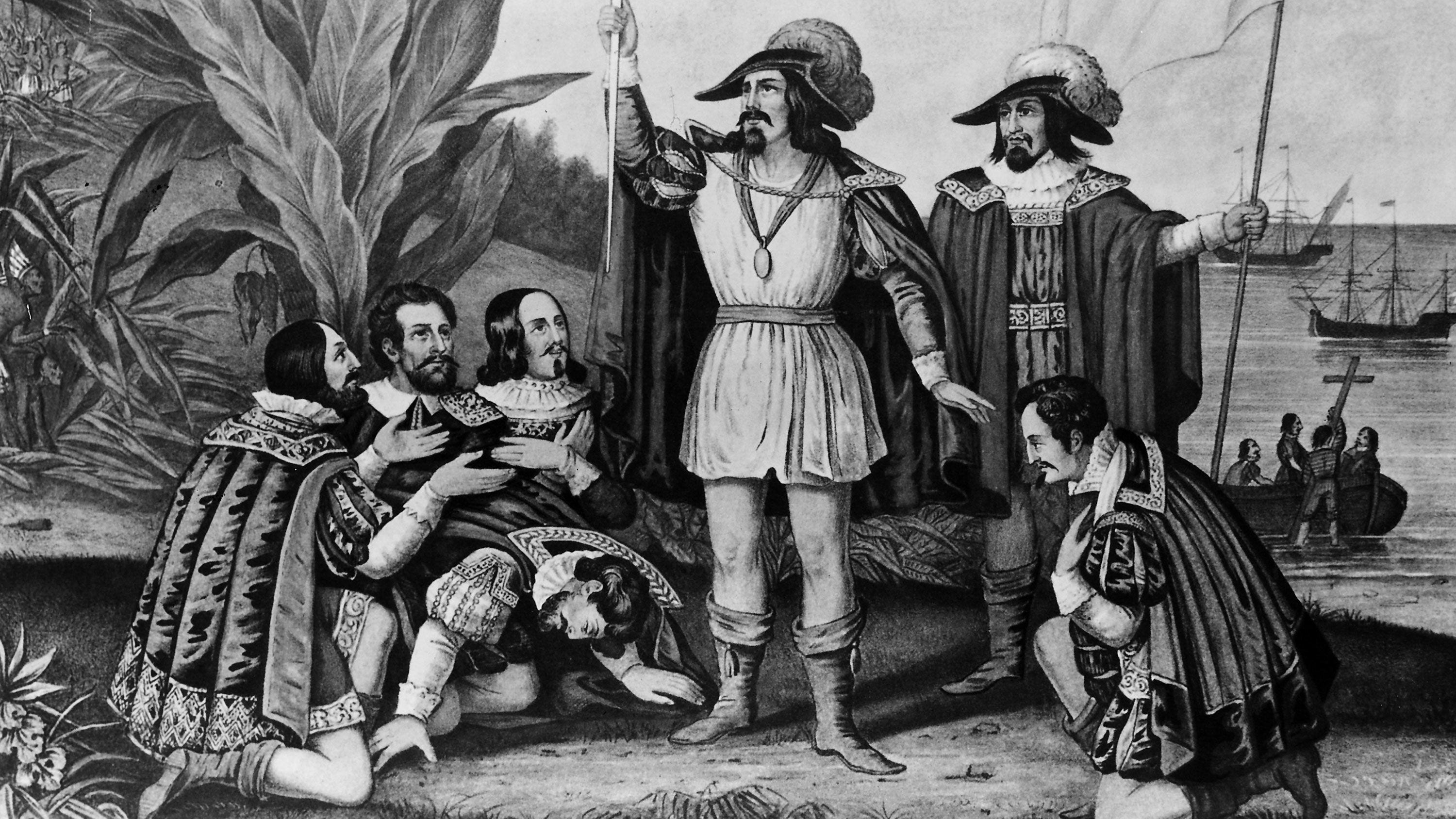
Hmm, 1491?
Columbus and his men round up Arawak men, women, and children and enclose 550 of them in pens and four caravels bound for the slave market of southern Spain during his second voyage to the New World. Approximately 200 perish during the passage, and their bodies are cast into the sea. After the survivors are sold as slaves in Spain, Columbus later writes: “Let us in the name of the Holy Trinity go on sending all the slaves that can be sold” (Resendez, 2016). Additionally, while in Haiti, Columbus orders all Natives 14 years or older to collect a certain amount of gold every three months, an impossible task since there is so little gold there. If Arawak Natives do not collect enough, Columbus has their hands cut off and tortures them. Bartolome de las Casas, a young priest, witnessed many atrocities committed by Spaniards against Native peoples. He later wrote: “I saw here cruelty on a scale no living being has ever seen or expects to see.” Las Casas describes the treatment of Natives thus: “Our work was to exasperate, ravage, kill, mangle and destroy; small wonder, then, if they tried to kill one of us now and then…. The admiral, it is true, was blind as those who came after him, and he was so anxious to please the King that he committed irreparable crimes against the Indians…” (Zinn, 1950). Las Casas also notes that the Spaniards “thought nothing of knifing Indians by tens and twenties and of cutting slices off them to test the sharpness of their blades.”
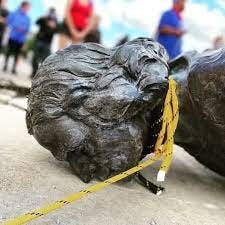
They fucked the Southern and Central and Mexican Americas UP:
The fucking Spaniards:
‘El Sicario’: The (Masked) Face Of Drug-War Murder
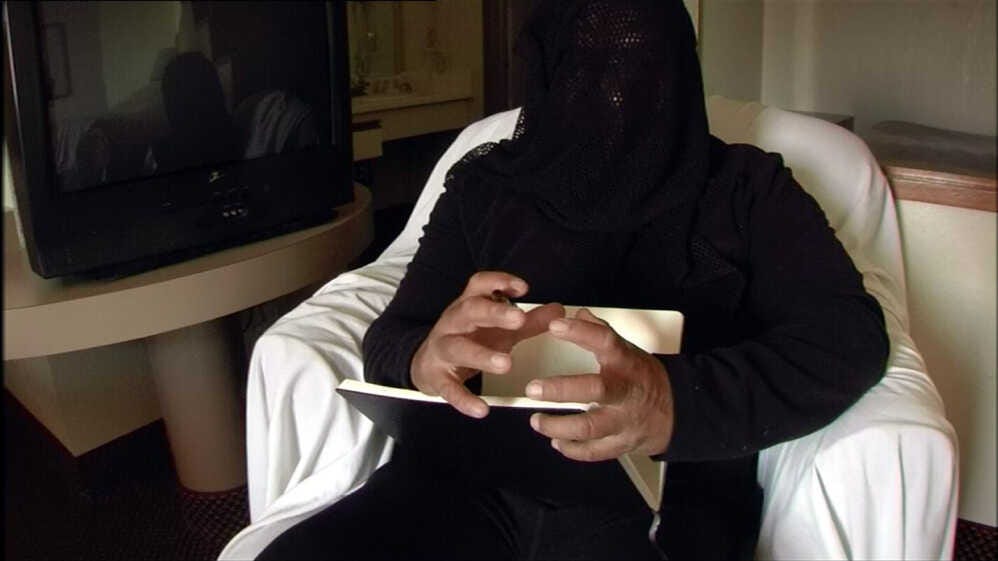
The movie is based on a 2009 Harper‘s magazine article by Charles Bowden, a New Mexico-based journalist who’s written extensively about the region’s violent drug trade. And both Bowden and Rosi say they’re utterly convinced that their unnamed source, now a fugitive, was indeed a sicario — a top-level assassin, named for a 2,000-year-old Jewish sect that killed Romans and their allies in occupied Judea.
E.S.’s biography is like something from a movie — in particular, the Hong Kong triad saga Infernal Affairs and its American remake, The Departed. The “black sheep” of a poor but respectable family, E.S. was told to shape up by his older siblings. So he entered the police academy, which he explains is the best training for a sicario. Mexican drug lords — E.S. calls his simply “el patron“ — don’t hire amateurs. Of his 200-strong graduating class, he says, 50 were already working for narco cartels.
E.S. speaks directly to the camera, illustrating his lecture by jotting diagrams and stick-figure drawings in a large notebook. Rosi periodically shoots from over the killer’s shoulder to provide a better view of these. Sometimes E.S. acts out the specifics of kidnappings and tortures, at least one of which, he says, happened in this very motel room. A few glimpses of the outside punctuate what is otherwise a one-man show.
NOW: One country, man, read the history.
The History – and Hypocrisy – of US Meddling in Venezuela
Author and activist Brett Wilkins looks at the history of US meddling in Venezuela.
Brett Wilkins January 28, 2019
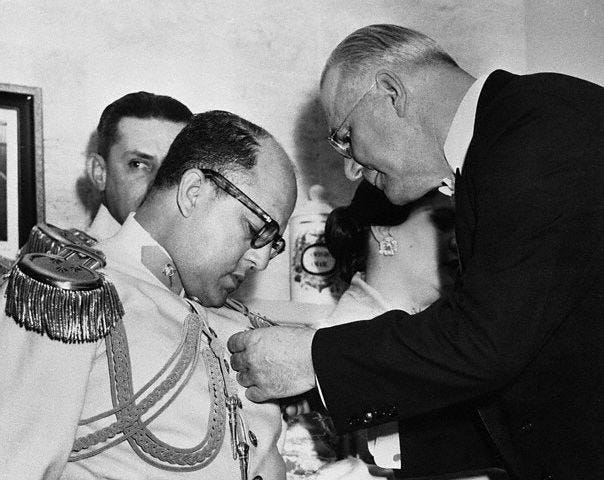
There isn’t a nation in the Western Hemisphere that hasn’t at one time or another found itself caught in the far-reaching tentacles of US imperialism.
Venezuela is certainly no exception. Washington has been meddling in its internal affairs since the 19th century and it continues to do so to this very day, when the specter of yet another US-backed coup, or even a direct American military intervention, looms larger by the day.
A Long History of Meddling
During most of the 20th century, US interference in Venezuela was mostly about oil, but that wasn’t always the case in earlier times. Washington’s involvement in the 1895 boundary dispute between Venezuela and Britain was a key event in the emergence of the United States as a world power as the Grover Cleveland administration, invoking the Monroe Doctrine prohibition against European colonization of the Americas, successfully sided with Venezuela. The Cleveland administration, which noted that “today the United States is practically sovereign on this continent,” issued thinly veiled threats of war against Britain, which eventually acquiesced to US demands.
Later, during the Dutch-Venezuelan crisis of 1908, the US Navy helped Venezuelan Vice President Juan Vicente Gómez seize power in a coup. Gómez, known as “The Catfish,” would rule the country either directly or through puppet presidents, until his death in 1935. His regime was one of inconceivably medieval brutality. His enforcers were fond of shackling political prisoners in grillos, leg irons that rendered many victims permanently disabled — and those were the “lucky” ones. The unlucky ones were hanged to death by meathooks through their throats or testicles.
Gómez was fantastically corrupt. He was believed to be worth a staggering $200 million, or more than $3.6 billion today, at the time of his death. However, he endeared himself to Washington and Wall Street by granting highly lucrative concessions to foreign oil companies including Standard Oil (ExxonMobil today) and Royal Dutch Shell. Rómulo Betancourt, who served two presidential terms in the mid-20th century and is considered the founding father of modern democratic Venezuela, wrote that Gómez “was the instrument of foreign control of the Venezuelan economy, the ally and servant of powerful outside interests.”
The exploitation of Venezuela’s tremendous petroleum resources has been the constant objective of US policy and action toward the South American state for over a century. This meant backing the viciously repressive dictator Marcos Pérez Jiménez (1948-1958), whose regime forces subjected political prisoners to tortures every bit as horrific as those committed during the Gómez era. Jiménez was as generous to transnational corporations as he was cruel to his own people. The United States, which cared about the former far more than the latter, counted the despot as a close ally, even awarding him the military Legion of Merit “for exceptionally meritorious conduct in the performance of outstanding services and achievements” and providing his dreaded Directorate of National Security (DSN) with invaluable assistance as it imprisoned, tortured and murdered thousands of innocent Venezuelans.
A few years after Venezuela shifted to democracy in 1958, most other South American nations began falling under the iron-fisted rule of US-backed military dictatorships. The military and security forces of these repressive coup regimes were often trained by the United States, at the US Army School of the Americas and elsewhere, in kidnapping, torture, assassination and democracy suppression. As US-backed death squads trained from US-authored torture manuals murdered, tortured and terrorized innocent men, women and children from Central America to Argentina, Venezuelans enjoyed decades of peace and prosperity. However, the US never stopped meddling in Venezuela’s affairs, and after the free and fair election of Hugo Chávez in 1998 and the subsequent launch of the Bolivarian Revolution, US meddling would reach levels that would shock the conscience of the world.
Bolivarian Backlash
The Bolivarian Revolution, a series of economic and social reforms that dramatically reduced poverty and illiteracy while greatly improving health and other living conditions for millions of Venezuelans, drew worldwide acclaim. The reforms, which included nationalizing key components of the nation’s economy as part of an agenda of socialist uplift, made Chávez a hero to millions of people and the enemy of Venezuela’s oligarchs. The exportation of the Bolivarian Revolution, which included forging stronger, more peaceful inter-American relations and even the provision of free home heating oil for hundreds of thousands of needy people in the United States, made Chávez a marked man in Washington.
The administration of George W. Bush — whom Chávez infamously called “the devil” in a speech before the United Nations — backed a failed military coup against Chávez in 2002. The attempted coup was closely linked to prominent neoconservatives including Elliott Abrams, the disgraced Iran-Contra criminal who played a key role in covering up massacres committed by US-backed death squads in Central America and Otto Reich, a staunch supporter of Cuban exile terrorists who have killed at least hundreds of innocent men, women and children throughout the Americas. Two key coup plotters, Army commander Efraín Vasquez and Gen. Ramirez Poveda, were trained at the US Army School of the Americas. The coup briefly ousted Chávez but loyalist forces and popular support restored his rule 47 hours later.
Barack Obama continued Bush’s policy of demonizing Chávez, whose government he called “authoritarian.” This, despite the fact that former president Jimmy Carter, who won the Nobel Peace Prize for his work at the election-monitoring Carter Center, called Venezuela’s election process “the best in the world.” In 2015, Obama declared Venezuela an “extraordinary threat to national security,” a bewildering assertion considering the country has never started a war in its history. The United States, on the other hand, has intervened in, attacked, invaded or occupied Latin American and Caribbean nations more than 50 times and, as Obama spoke, the US military was busy bombing seven countries in the Middle East, North Africa and South Asia. For decades, successive US administrations have also lavished Venezuela’s neighbor Colombia — which has been condemned for its government and paramilitary death squad massacres and deadly corporate-backed crackdowns on indigenous peoples and workers — with billions upon billions of dollars in military and economic aid.
With Friends Like These…
In an act of breathtaking yet typical US hypocrisy, President Donald Trump in July 2017 announced economic sanctions against Nicolás Maduro, who was elected president following the death of Chávez in 2013. While Maduro vowed to continue the Bolivarian Revolution, the Trump administration threatened to attack Venezuela, citing the “suffering” of its people. Meanwhile, Trump continued previous administrations’ support for some of the world’s worst human rights violators, including the Islamic fundamentalist monarchy of Saudi Arabia — which is waging a war of aggression and starvation in Yemen that has claimed tens of thousands of lives, while severely repressing its own subjects at home — as well as brutal dictators in Bahrain, Ethiopia, Equatorial Guinea, South Sudan, Turkmenistan, Uzbekistan and elsewhere. While bashing Maduro, Trump has heaped praise upon North Korean dictator Kim Jong-un, leader of the world’s most murderous regime, Philippines’ “death squad mayor”-turned president Rodrigo Duterte, China’s “president for life” Xi Jinping, Turkish strongman Recep Tayyip Erdoğan, Vladimir Putin and other unsavories.
Trump’s latest moves, recognizing Venezuela’s illegitimate would-be presidential usurper Juan Guaidó and appointing the neoconservative regime change hawk Elliott Abrams as special envoy, seems designed to sow seeds of subversion and revolt within the country’s government and military. This follows National Security Adviser John Bolton — a key neocon architect and cheerleader for the 2003 invasion of Iraq and who has also advocated regime change in Iran, Venezuela and elsewhere — calling Venezuela, Cuba and Nicaragua a “troika of tyranny,” a hypocritical characterization reminiscent of Bush’s “axis of evil,” and one that utterly ignores the far worse, but far more subservient, regimes backed by the Trump administration.
The United States has almost always opposed — whether by slaughter, spies or sanctions — any government or movement that seeks to freely choose its own political and economic path if it diverges from the corporate capitalist order backed by Washington and Wall Street. It has long sought to crush the boldly defiant Bolivarian Revolution, just as it has crushed countless popular revolutions and movements before. The Maduro regime is far from perfect. But to call Maduro a dictator and to advocate regime change in Caracas while supporting far worse tyrants around the world just because they’re US-friendly is an exercise in the blatant, bloody hypocrisy for which the United States has long been infamous around the planet, especially among its poorer parts and peoples.
+—+
1774-1883 Shawnee, Delaware
1776 Cherokee
1777-1781 Iroquois Confederacy (Haudenosaunee)
1780-1794 Chickamauga
1790-1795 Miami Confederacy
1792-1793 Muskogee (Creek)
1798-1801 France
1801-1805 Tripoli
1806 Mexico
1806-1810 Spanish, French privateers
1810 Spanish West Florida
1810-1813 Shawnee Confederacy
1812 Spanish Florida
1812-1815 Canada (Great Britain)
1812-1815 Dakota Sioux
1812-1815 Iroquois Confederacy (Haudenosaunee)
1813 Spanish West Florida
1813-1814 Marquesas Islands
1813-1814 Muskogee (Creek) Confederacy
1814 Spanish Florida
1814-1825 Pirates
1815 Algiers
1815 Tripoli
1816 Spanish Florida
1817 Spanish Florida
1817-1819 Seminole
1818 Oregon (Russia, Spain)
1820-1861 African Slave Trade Patrol
1822-1825 Cuba (Spain
1824 Puerto Rico (Spain)
1827 Greece
1831-1832 Falkland Islands
1832 Sauk
1832 Sumatra
1833 Argentina
1835-1836 Peru
1835-1842 Seminole
1836 Mexico
1836-1837 Muskogee (Creek)
1838-1839 Sumatra
1840 Fiji Islands
1841 Samoa
1841 Tabiteuea
1842 Mexico
1843 China
1844 Mexico
1846-1848 Mexico
1847-1850 Cayuse
1849 Turkey
1850-1886 Apache
1851 Johanna Island
1851 Turkey
1852-1853 Argentina
1853-1854 Japan
1853-1854 Nicaragua
1853-1854 Ryukyu, Ogasawara islands
1854-1856 China
1855 Fiji Islands
1855 Uruguay
1855-1856 Rogue River Indigenous Peoples
1855-1856 Yakima, Walla Walla, Cayuse
1855-1858 Seminole
1856 Panama (Colombia)
1856-1857 Cheyenne
1857 Nicaragua
1858 Coeur d’Alene Alliance
1858 Fiji Islands
1858 Uruguay
1858-1859 Turkey
1859 China
1859 Mexico
1859 Paraguay
1860 Angola
1860 Colombia
1862 Sioux
1863-1864 Japan
1864 Cheyenne
1865 Panama (Colombia)
1866 China
1866 Mexico
1866-1868 Lakota Siouw, Northern Cheyenne, Northern Arapaho
1867 Formosa (Taiwan)
1867 Nicaragua
1867-1875 Comanche
1868 Colombia
1868 Japan
1868 Uruguay
1870 Hawaii
1871 Korea
1872-1873 Modoc
1873 Colombia (Panama)
1873-1896 Mexico
1874 Hawaii
1874-1875 Comanche, Apache, Arapaho, Cheyenne, Kiowa
1876-1877 Sioux
1877 Nez Perce
1878 Bannock (Banna’kwut)
1878-1879 Cheyenne
1879-1880 Utes
1882 Egypt
1885 Panama (Colombia)
1888 Haiti
1888 Korea
1888-1889 Samoa
1889 Hawaii
1890 Argentina
1890 Lakota Sioux
1891 Bering Straight
1891 Chile
1891 Haiti
1893 Hawaii
1894 Brazil
1894 Nicaragua
1894-1895 China
1894-1896 Korea
1895 Panama (Colombia)
1896 Nicaragua
1898 Cuba (Spain)
1898 Nicaragua
1898 Philippines (Spain)
1898 Puerto Rico (Spain)
1898-1899 China
1899 Nicaragua
1899 Samoa
1899-1913 Philippines
1900 China
1901-1902 Colombia
1903 Dominican Republic
1903 Honduras
1903 Syria
1903-1904 Abyssinia (Ethiopia)
1903-1914 Panama
1904 Dominican Republic
1904 Tangier
1904-1905 Korea
1906-1909 Cuba
1907 Honduras
1909-1910 Nicaragua
1911-1912 Honduras
1911-1914 China
1912 Cuba
1912 Turkey
1912-1933 Nicaragua
1914 Dominican Republic
1914 Haiti
1914-1919 Mexico
1915-1934 Haiti
1916-1924 Dominican Republic
1917-1918 World War I (Europe)
1917-1922 Cuba
1918-1920 Russia
1918-1921 Panama
1919 Dalmatia
1919 Turkey
1919-1920 Honduras
1925 Panama
1932 El Salvador
1941-1945 World War II (Europe, North Africa, Asia/Pacific)
1946 Trieste
1947-1949 Greece
1948-1949 Berlin, Germany
1950 Formosa (Taiwan)
1950-1953 Korea
1953-1954 Formosa (Taiwan)
1955-1975 Vietnam
1956 Egypt
1958 Lebanon
1962 Cuba
1962 Thailand
1962-1975 Laos
1964 Congo (Zaire)
1965 Dominican Republic
1965-1973 Cambodia
1967 Congo (Zaire)
1976 Korea
1978 Congo (Zaire)
1980 Iran
1981 El Salvador
1981 Libya
1981-1989 Nicaragua
1982-1983 Egypt
1982-1983 Lebanon
1983 Chad
1983 Grenada
1986 Bolivia
1986 Libya
1987-1988 Iran
1988 Panama
1989 Bolivia
1989 Colombia
1989 Libya
1989 Peru
1989 Philippines
1989-1990 Panama
1990 Saudi Arabia
1991 Congo (Zaire)
1991-1992 Kuwait
1991-1993 Iraq
1992-1994 Somalia
1993-1994 Macedonia
1993-1996 Haiti
1993-2005 Bosnia
1995 Serbia
1996 Liberia
1996 Rwanda
1997-2003 Iraq
1998 Afghanistan
1998 Sudan
1999-2000 Kosovo
1999-2000 Montenegro
1999-2000 Serbia
2000 Yemen
2000-2002 East Timor
2000-2016 Colombia
2001 – Afghanistan
2001- Pakistan
2001- Somalia
2002-2015 Philippines
2002- Yemen
2003-2011 Iraq
2004 Haiti
c2004- Kenya
2011 Democratic Republic of the Congo
2011-2017 Uganda
2011- Libya
c2012- Central African Republic
c2012- Mali
c2013-2016 South Sudan
c2013- Burkina Faso
c2013- Chad
c2013- Mauritania
c2013- Niger
c2013- Nigeria
2014 Democratic Republic of the Congo
2014- Iraq
2014- Syria
2015 Democratic Republic of the Congo
c2015- Cameroon
2016 Democratic Republic of the Congo
2017- Saudi Arabia
c2017 Tunisia
2019- Philippines
The supreme international crime according to 2017 U.S. media reporting is interferring nonviolently in a democratic election — at least if Russia does it. William Blum, in his book Rogue State, lists over 30 times that the United States has done that. Another study, however, says 81 elections in 47 countries. France 2017 makes that total at least 82. Honduras 2017 makes it 83. Russia 2018 makes it 84. The 2020-revealed 1964 coup in British Guiana makes it 85. Somalia 2022 would be 86. There are clearly dozens more.
+—+
Israelis return to ‘ceasefire’ after butchering 104 Palestinians in one night
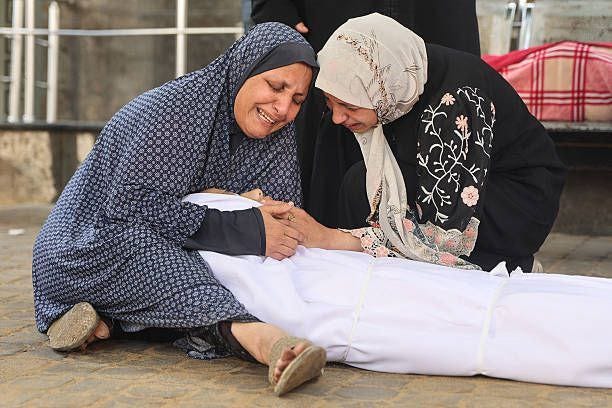
Jews, now!
Last week, I wrote: (Palestine Will Be Free)
“Ever heard of a ceasefire where one party unilaterally launches hundreds of strikes, kills dozens, and then promptly announces, ‘Hey, we are back to ceasefire again’? That is exactly what transpired in Gaza on Sunday [October 19].”
The Israelis have done it again. While they killed only about 44 Palestinians on October 19, they reached their average tally of more than 100 slaughtered Palestinians — a figure they have maintained almost uninterrupted for the past two years of the ongoing Gaza Holocaust — during last night’s relentless bombings. At least 46 children were butchered in the criminal onslaught. Soon after temporarily concluding another round of ritual child sacrifice, the Israeli terrorist forces tweeted: “[T]he IDF has begun the renewed enforcement of the ceasefire.”
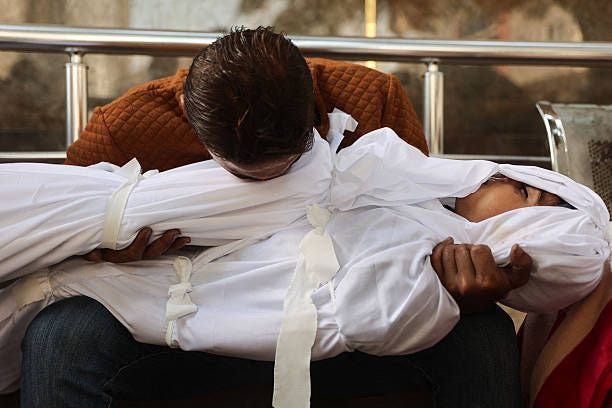
So emboldened after two years of live-streaming a Holocaust with zero repercussions, and secure in the Jewish exceptionalism that the world’s leaders appear to have accepted as their new religion, the tweet continued without a hint of irony: “The IDF will continue to uphold the ceasefire agreement and will respond firmly to any violation of it.” One can picture the occupation forces’ social media team high-fiving, winking at one another, and clinking their beer bottles just as they hit the send button on the tweet.
“That was clever, Shlomo. Well done!”
This brazen criminality and its open celebration are akin to rubbing our collective noses in the Gaza rubble while an Israeli military boot pushes our faces further down into the mud mixed with the blood of the thousands of slain innocents.
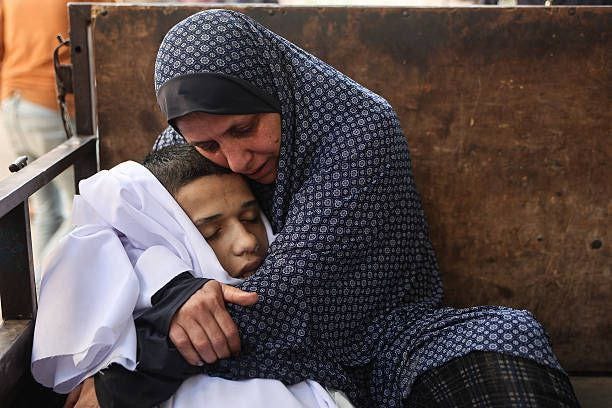
Just as the Israelis and their backers pretended that they were working towards a ceasefire while killing hundreds of Palestinians every single day for over two years, they now want us to believe that the supposed ceasefire continues to hold despite non-stop violations and the slaughter of 104 Palestinians in a mere 12-hour onslaught.
JD Vance proclaimed that “the ceasefire is holding,” while Trump declared outright that “nothing is going to jeopardise” the supposed ceasefire. Jewish exceptionalism at its finest.
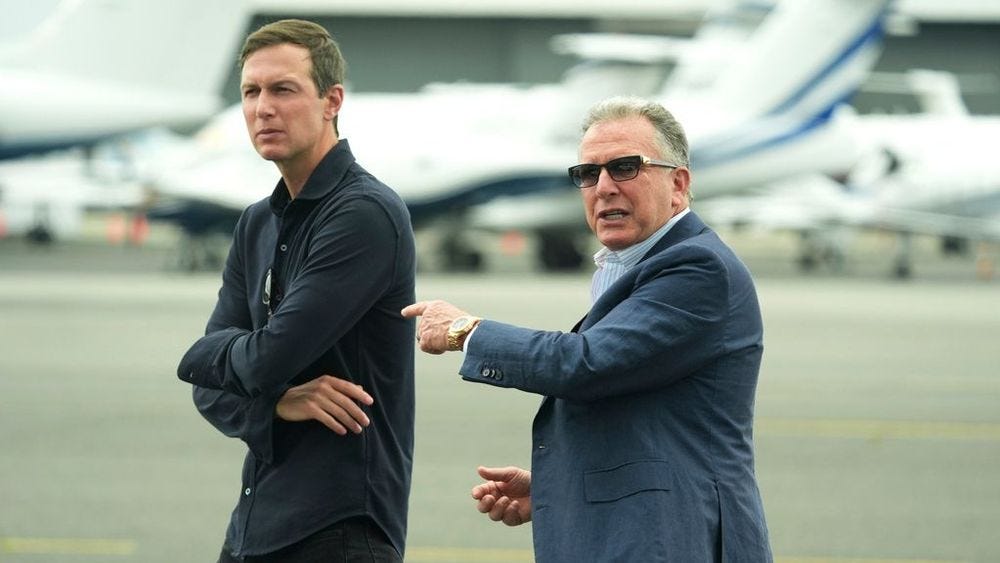
Sicarios of the Jewish KIND.
Oh, no, the fucking JEWS:
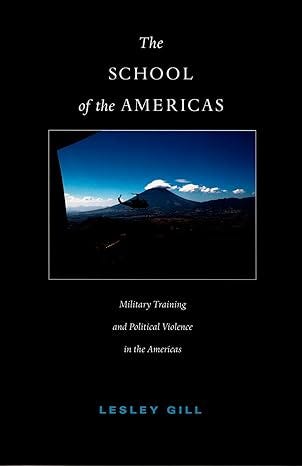
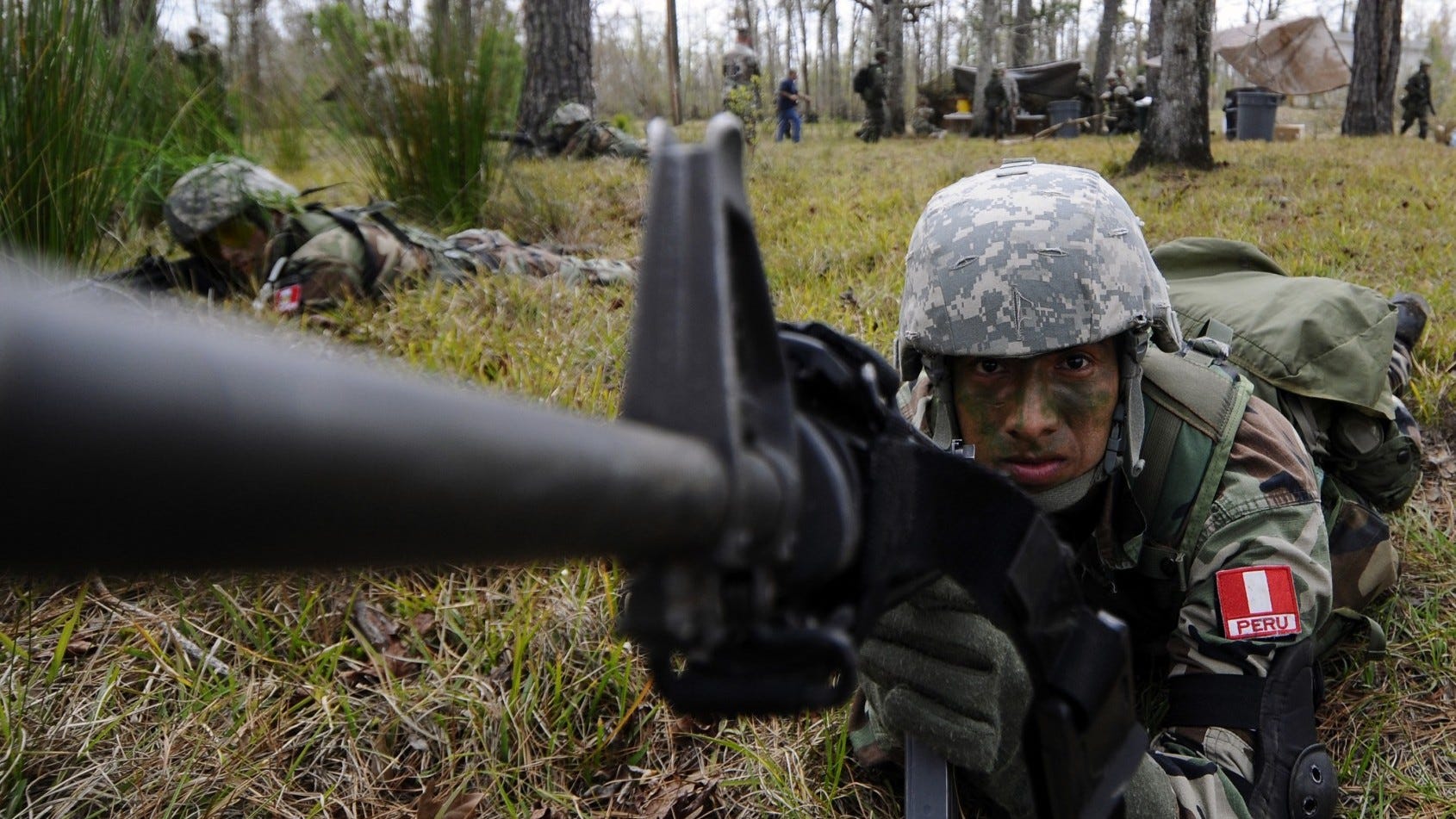
Located at Fort Benning in Columbus, Georgia, the School of the Americas (soa) is a U.S. Army center that has trained more than sixty thousand soldiers and police, mostly from Latin America, in counterinsurgency and combat-related skills since it was founded in 1946. So widely documented is the participation of the School’s graduates in torture, murder, and political repression throughout Latin America that in 2001 the School officially changed its name to the Western Hemisphere Institute for Security Cooperation. Lesley Gill goes behind the façade and presents a comprehensive portrait of the School of the Americas. Talking to a retired Colombian general accused by international human rights organizations of terrible crimes, sitting in on classes, accompanying soa students and their families to an upscale local mall, listening to coca farmers in Colombia and Bolivia, conversing with anti-soa activists in the cramped office of the School of the Americas Watch—Gill exposes the School’s institutionalization of state-sponsored violence, the havoc it has wrought in Latin America, and the strategies used by activists seeking to curtail it.
Based on her unprecedented level of access to the School of the Americas, Gill describes the School’s mission and training methods and reveals how its students, alumni, and officers perceive themselves in relation to the dirty wars that have raged across Latin America. Assessing the School’s role in U.S. empire-building, she shows how Latin America’s brightest and most ambitious military officers are indoctrinated into a stark good-versus-evil worldview, seduced by consumer society and the “American dream,” and enlisted as proxies in Washington’s war against drugs and “subversion.”
In 1987, the 470th Military Intelligence Brigade took the SOA lesson plans and turned them into textbooks: Handling of Sources, Guerrillas and Communist Ideology, Counterintelligence, Revolutionary War, Terrorism and the Urban Guerrilla, Interrogation, Combat Intelligence, and Analysis 1. These manuals were then used by US trainers in Latin America and distributed to Latin American intelligence schools in Colombia, Ecuador, El Salvador, and Peru. They came full circle back to the SOA in 1989 when they were reintroduced as reading materials in military intelligence courses attended by students from Bolivia, Colombia, Costa Rica, the Dominican Republic, Ecuador, Guatemala, Honduras, Mexico, Peru, and Venezuela. The US government estimates that as many as 1,000 copies may have been distributed at the SOA and throughout Latin America.
From start to finish, six of the seven Army manuals are how-to-guides on repressive techniques. Throughout their 1,100 plus pages, there are few mentions of democracy, human rights, or the rule of law. Instead, there are detailed techniques for infiltrating social movements, interrogating suspects, surveillance, maintaining military secrecy, recruiting and retaining spies, and controlling the population. While the excerpts released by the Pentagon to the press are a useful and not misleading selection of the most egregious passages-the ones most clearly advocating torture, execution, and blackmail-they do not reveal the manuals’ highly objectionable framework. In the name of defending democracy, the manuals advocate profoundly undemocratic methods. Just as objectionable as the methods they advocate is the fundamental disregard for the differences between armed insurgencies and lawful political and civic opposition-an attitude that led to the deaths of hundreds of thousands of Latin American civilians.
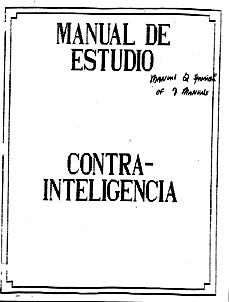
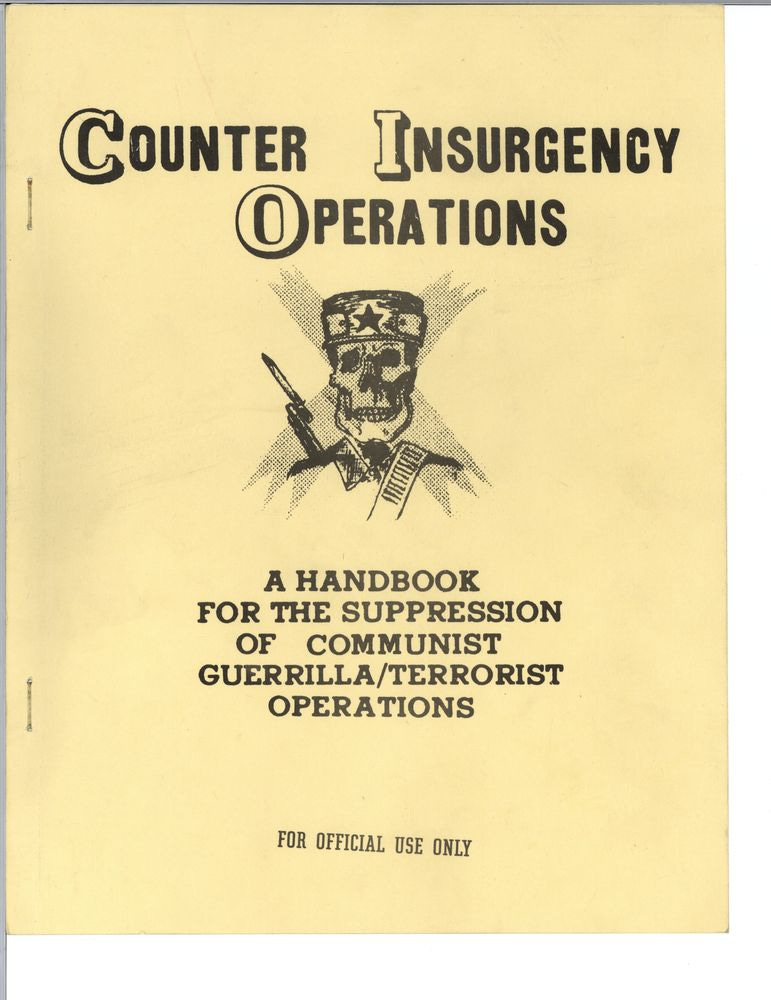
U.S. Army Training Manuals used at the SOA
In English and Spanish. The translated, English-language manuals are available here in HTML format only. The Spanish-language manuals are available here in both PDF and HTML formats. The PDF’s are scanned images of the original manuals. Click on “html” to view them online, or click on “pdf” to download them. You wil need Adobe Reader to download them. Click here to download it for free if you do not already have it.
- Handling of Sources
- Counter Intelligence
- Revolutionary War and Communist Ideology
- Terrorism and the Urban Guerilla
- Interrogation
- Combat Intelligence
- Analysis I
Manuales de la Escuela de las Américas
- Manejo de Fuentes: PDF
- Contrainteligencia: PDF
- Guerra Revolucionaria e Ideología Comunista I y II: PDF
- Terrorismo y Guerrilla Urbana I y II: PDF HTML
- Interrogacion: PDF
- Inteligencia de combate: PDF
- Analisis I: PDF
The manuals were originally written in English and translated to Spanish. The Department of Defense claims that the original English manuals no longer exist. The manuals in English above are translations (by the Army) of the Spanish translations.
Click here to read the The 1992 investigative secret report sent to Cheney about the use of the Army manuals at the School of the Americas.
Click here to read the declassified memorandum of a conversation with a Southern Command officer, Major Victor Tise, who was responsible for assembling the Latin American manuals at the School of the Americas for counterintelligence training in 1982.
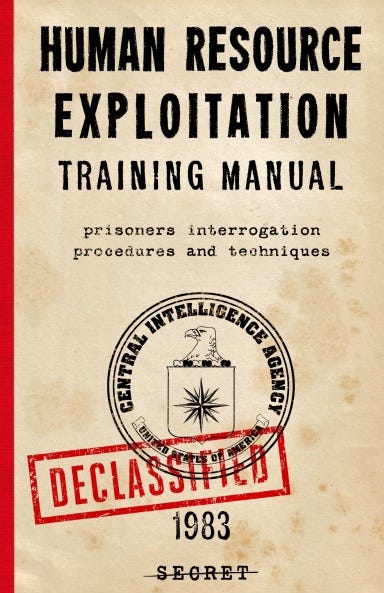
The preceding CIA manuals are availabe online through the National Security Archives. To view and read these documents in PDF format, click on the links below:
Human Resource Exploitation Manual (1983), Part 1
Human Resource Exploitation Manual (1983), Part 2
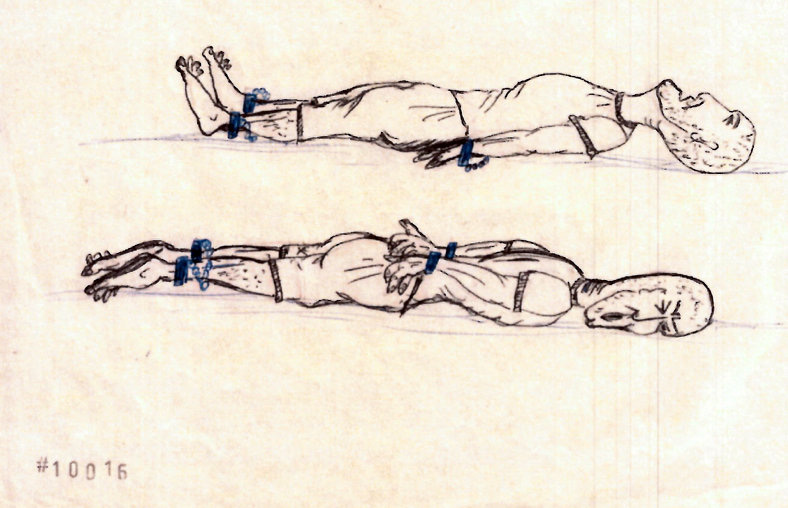
The School of the Americas/WHINSEC in Fort Benning, Georgia, has become notorious for training and enabling torturers, dictators, and massacres throughout the Western Hemisphere. But the SOA’s crimes aren’t a thing of the past — the school is still training the human rights abusers of today, especially through ICE and the Border Patrol.
 Paul Haeder, Author