

and this was ALL precipitated with my buddy in North Arkansas telling me about a possible hysterectomy in a chicken — the hen, the bird species, not chicken in the traditional fucking fearful Yank
Cunts of this Cunt-Tree Tis of Thee:
President Trump posted a new video on Truth Social featuring a compilation of videos of B-2 stealth fighter jets dropping bombs along with the 1980 song “Bomb Iran” by Vince Vance & the Valiants.
The song, a parody of the 1961 song “Barbara Ann” by the Regents, plays over a video of various B-2 stealth fighter jets, which were used to drop 14 GBU-57 bunker busters bombs in Iran.

The jets were specifically used on the Fordow fuel enrichment plant and the Natanz Enrichment Complex, key nuclear sites in Iran. The U.S. also hit Iran’s Isfahan nuclear site.
The song continues with the lyrics, “Went to a mosque, gonna throw some rocks, tell the Ayatollah, ‘Gonna put you in a box!’ Bomb Iran.”

WATCH | US President Donald Trump posts a music video on his Truth Social account titled “Bomb Bomb Iran,” which includes lyrics like “put the Ayatollah in a box,” and “went to a mosque, gonna throw some rocks.”
How many? 77 million love this Trump Rapist in Chief semen drip?
“We basically — we have two countries that have been fighting so long and so hard that they don’t know what the f‑‑‑ they’re doing,” Trump told reporters at the White House earlier Tuesday.

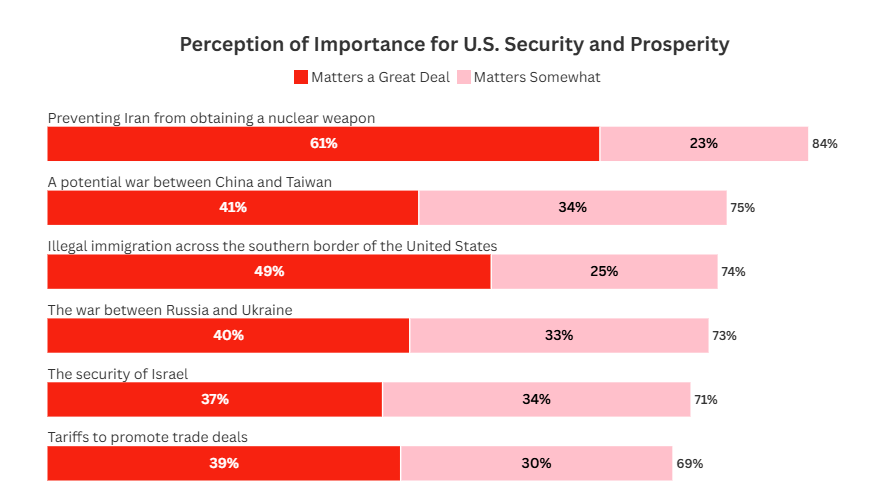
Among geopolitical issues, Iran’s potential to acquire nuclear weapons was the top concern for Americans—84 percent expressed worry. Of those surveyed, 89 percent of Republicans and 84 percent of Democrats said preventing Iran from developing nuclear weapons was important for U.S. security and prosperity.
Two-thirds of respondents—69 percent of Democrats and 71 percent of Republicans—said they support a deal to ease economic sanctions on Iran if it would prevent the country’s development of nuclear weapons. Only 20 percent opposed such efforts.
I mean everything, well EVERYTHING, about this fucking country needs to be wiped off the face of the earth. U$AIF
EVERYONE. MUST. DIE:
A strong 70 percent majority, including 70 percent of Republicans and 75 percent of Democrats, said they would support U.S. military action to defend Taiwan if China attempted an invasion or blockade.
This support rose to 78 percent overall (81 percent of Democrats and 80 percent of Republicans) after respondents were presented with arguments in favor of defending Taiwan.
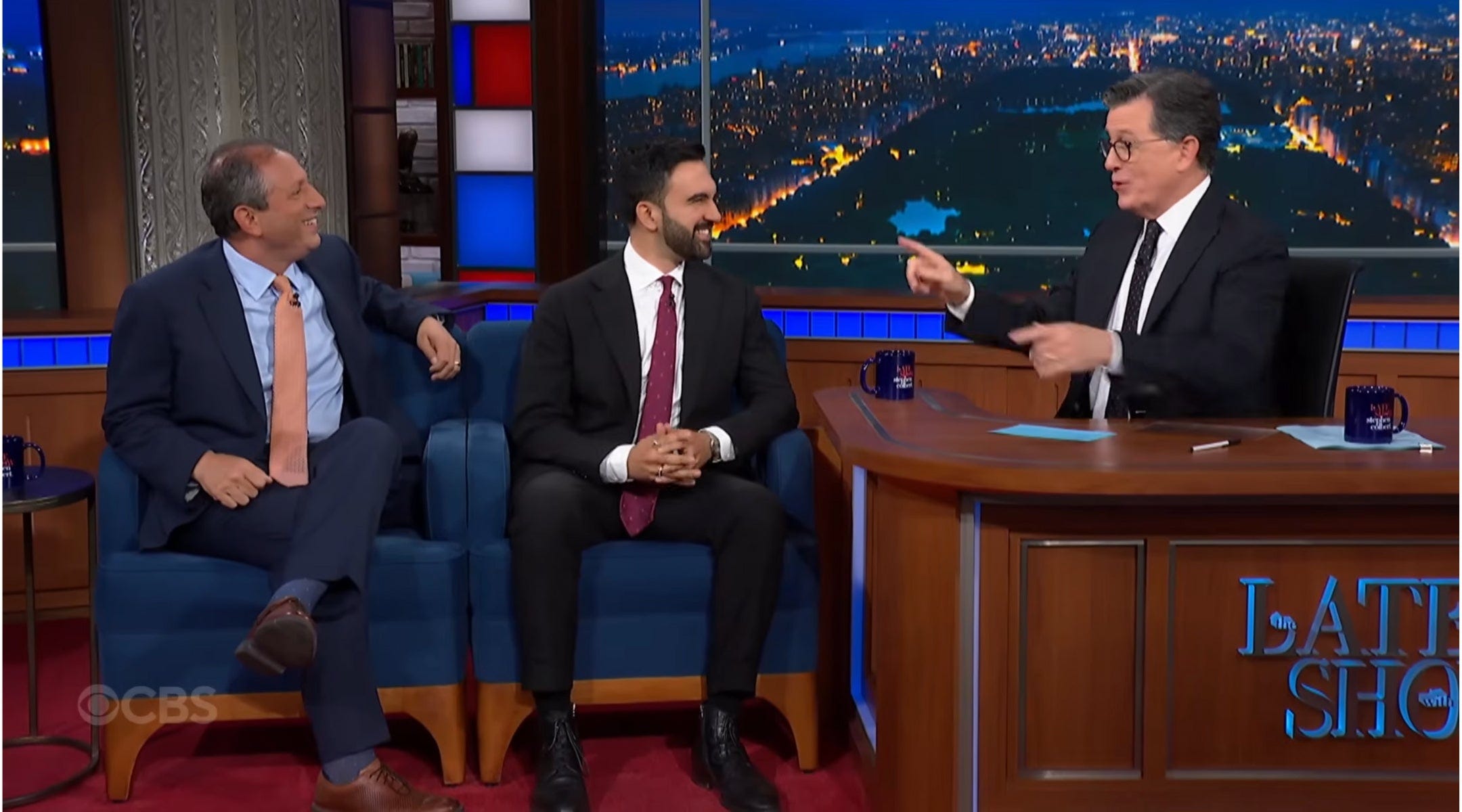
Those cunts are all around you, or me, since I can’t get onto Max Blumenthal’s show, or Colbert, or Leibowitz’s or Bill Maher’s.
The segment received some backlash on social media for the amount of time devoted to Israel-related questions, in relation to the amount of time given to the candidates’ visions for New York. Some also pointed out that Lander was given less time to discuss Israel or Islamophobia in New York.
“He’s becoming the mayor of New York not the mayor of Tel Aviv,” the top comment on the YouTube clip of the segment said. “This israel stuff is ridiculous.”

UnUnited $nake$ of AmeriKKKa Israel First!
Goddamned Trump MAGA, MIGA, MAHA:

BOB FAW, correspondent: In one of America’s most shameful chapters, thousands of African Americans—no one will ever know how many—were lynched. For two sisters who witnessed a lynching, memories still haunt. Ninety-four-year-old Katherine Fletcher will never forget how her one-time classmate was murdered in St. Joseph, Missouri eight decades ago.
KATHERINE FLETCHER: They chained him to the back of a car and dragged him up and down the main street in the black neighborhood, screamin, you know, “This will happen to you so and so.” Then they hanged him to a tree and set afire to him and burned his body.
FAW: Throughout the country, from the Civil War era well into the 20th century, African-American men, women—even some whites—were lynched, their bodies often shot, mutilated, and burned. Katherine Fletcher’s 92-year-old sister, Korea Strowder, remembers what a mob in Maryville, Missouri did to a black man accused of killing a white woman.
KOREA STROWDER: They decided to put him, chain him on the roof of the school and then set the school on fire.
FLETCHER: There was no evidence that this man was involved with her at all. But they had to pick up somebody.
FAW: Katherine Fletcher is one of over 70 elderly African Americans interviewed by Reverend Angela Sims for her Remembering Lynching project housed at Baylor University’s Institute for Oral History.
REV. ANGELA SIMS (St. Paul School of Theology): If we don’t capture the narratives now, they will be lost to history forever.
FAW: Angela Sims, who teaches ethics and black church studies at St. Paul School of Theology in Kansas City, Missouri, spent two years interviewing African Americans who grew up in what theologian James Cone calls “the shadow of the lynching tree.” They either witnessed a lynching, lived in fear of one, or in the case of 92-year-old Willie Matthew Thomas, narrowly escaped being lynched.
WILLIE THOMAS: One of them said, “Well look, are we gonna hang him? Guess we’re not.” Another one said, “Sure, we gonna hang him.” And so he made up the noose, and they put it round my neck. I remembered in the Bible it speak about how they treated Jesus, and they said, “They led him away to be crucified.” They led me away to be crucified, to be hung.
FAW: Thomas was saved when a white man, who knew his family, showed up with a shotgun and intervened.
Dr. Sims got the idea for her project when she heard a speech about lynching by retired minister the Reverend Wallace Hartsfield Sr. Now 83, he was only eight or nine living in Georgia when he peered from behind a curtain and saw a mob.
REV. WALLACE HARTSFIELD(Metropolitan Missionary Baptist Church, Atlanta): They had taken the man out, and they had used his body for gun practice, and then they had hanged him, and then cut him down and dragged him through the street and this was supposed to be a warning to, you know, “uppity niggers.”
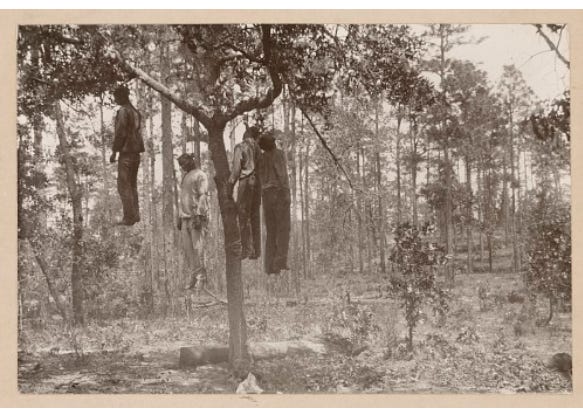
FAW: Photographs were made of lynchings, then turned into postcards.
SIMS: When we think about lynching, particularly lynching as mob spectacle, it was very much a spectator sport. And so children were even dismissed from school in order to participate in the spectacle that was hanging, burning, maiming, dismembering.
STROWDER: I had to take the bus home, and I had to ride a bus through the mob and to see the joy on their faces, as if they were coming to a picnic.
SIMS: These postcards are just a graphic depiction of the way in which a culture of terror is almost endemic to what it means to be a citizen of this republic. Lynching was always more than the death act. It was really designed as a way to control human behavior.

ICE is a terrorist and wannabe lynching outfit.

How many Blacks have been hijacked by Jews in music, entertainment, movies, art, school, media?
Some other sick news:
- Israeli sources told ABC News that the outcome of Washington’s attack on Iranian nuclear facilities is ‘really not good’
An Israeli political source told Saudi Arabia’s Al-Hadath channel that Israel is concerned about the possibility of a nuclear agreement between the US and Iran. The source emphasized that Israel may resort to sabotage operations or cyberattacks to hinder any progress Iran makes in its nuclear program.
+—+
- Washington green-lights $30m for Gaza aid scheme tied to mass killings of Palestinians
Over 500 Palestinians have been killed at GHF aid sites that are now set to receive US funding, on top of tens of billions in military support sent to Israel.
+—+
Russian Foreign Minister Sergei Lavrov:
“[IAEA Director-General Rafael Grossi] is now insisting that Iran grant the agency immediate access to its nuclear facilities to verify the whereabouts of enriched materials and assess the situation on the ground. But where are the assurances that this information won’t be leaked? I see no such safeguards.”
+—+
After Trump imposed an immediate ceasefire between Israel and Iran, Israeli social media users took to X to express their outrage over the military being halted from continuing its assault on the Islamic Republic, with some even calling for attacks on US soil and threats against US officials.
Jews:


And this rant — mine — started after talking to Kelly from North Arkansas, AKA, Wisconsin. He’s under house arrest. Here, some of his story, and one of the interviews I did with him in May. Incarceration on my Mind
He’s visited upon regularly by a nonprofit lady from Brazil who assisted him in decluttering, fixing up his house, cleaning it, ridding it of mice, and getting him a mattress and bed and other items so his P.O. and social worker won’t get his ass thrown out of his OWN house.
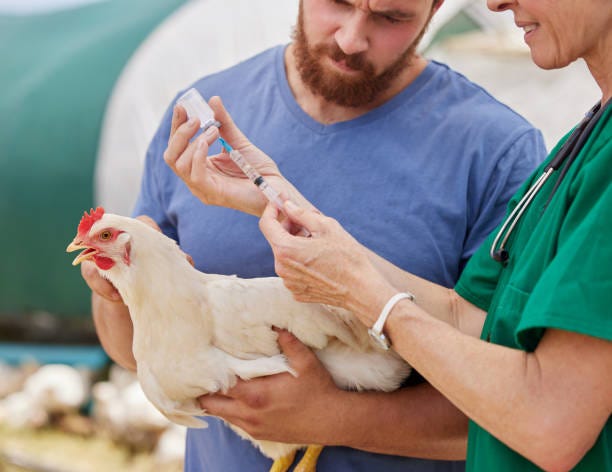
And there’s a former cop who helps him. That’s another female cop/democrat story, but for now, it’s the chicken she had in her vehicle. Sick chicken. She brought over eggs, too, for Kelly.
But this bird she was taking to the vet, man, to get euthanized?
Lo and behold, the damn bird is on antibiotics and other meds to take care of a fucking ovarian cyst?
This my fair friend puppies IS WHY AMERIKKKA is done. COOKED. COLLECTIVELY INSANE.
DEAD culture that starves babies, and that’s 500,000 dead in Gaza according to a Harvard study — dead and missing! One half are children.
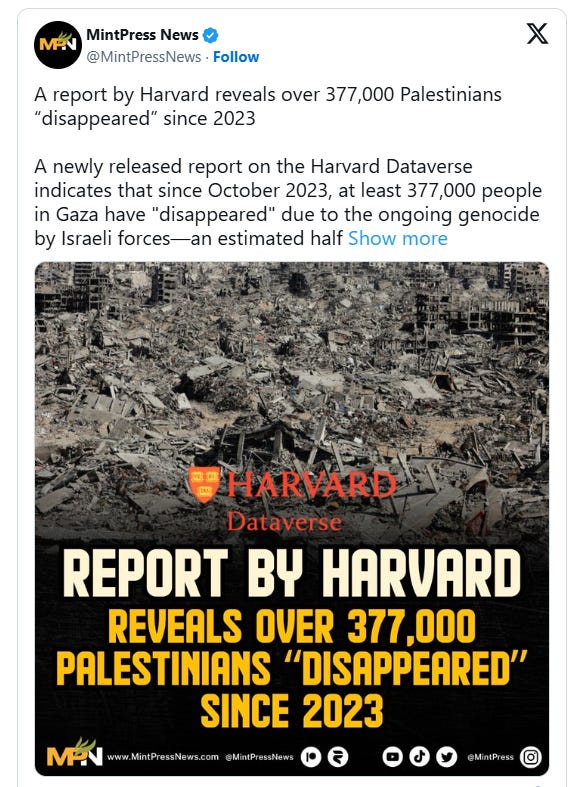
[In January this year, the Lancet medical journal also released a study revealing that the number of reported deaths in the first nine months of Israel’s assault on Gaza was “likely an underestimate.”
Results of a study released last July by The Lancet indicated that the true death toll in Gaza could reach more than 186,000 people.]
+—+
Spending on pets is up, mirroring increases in pet ownership and pet insurance sales:
- Americans spent $136.8 billion on their pets in 2022, up 10.68% from 2021 ($123.6 billion).[1]
- This includes $58.1 billion spent on pet food and treats, $31.5 billion spent on supplies, live animals and over-the-counter medications, $35.9 billion billion spent on vet care and $11.4 billion spent on other services (all services outside of veterinary care such as boarding, grooming, pet insurance, and training).[1]
- Between 2018 and 2022, the amount spent on pets in the U.S. increased by 51.16% from $90.5 billion to $136.8 billion.

…essential dog expenses cost an average of $1,533 annually.[10]
This includes the cost of:
- Dog boarding for a seven day vacation: $253
- Veterinary care: $679.50
- Pet insurance: $601.01
Dog owners who rely on doggy day care twice per week can expect to spend an additional $2,980 per year on average. [10]
And if an unexpected vet bill pops up for a major incident, you can be on the hook for thousands of dollars—42% of pet owners say they can’t cover a surprise vet bill of $999 or less without going into debt.[6]
Pet insurance can partially reimburse you when you pay the bill for your pet’s unexpected accidents and illnesses. While you may not want to add another expense to your pet care costs, you might be surprised at how affordable pet insurance can be.
The average pet insurance cost for dogs is $44 a month, and the average pet insurance cost for cats is $30 a month, based on Forbes Advisor’s analysis. Having pet insurance is like putting a leash on your potential vet costs so they don’t run out of control. That can leave you with more money to spend on spoiling your furry companion.
Here’s a closer look at the cost of pet ownership:
- Dog owners spend the most on veterinary care ($367 per year), food ($339 per year) and grooming ($99 per year).[2]
- Cat owners spend the most on food ($310 per year), veterinary care ($253 per year) and toys ($50 per year).[2]
- Gen Z pet owners (ages 18 to 25) are the most likely to spoil their pets with birthday cakes (34%), birthday presents (39%) and clothing or costumes (32%).[3]
- Gen Z pet owners are also the most likely to spend money on behavioral training (41%), doggy daycare (35%), specialized pet food (44%) and dog walking services (31%).[3]
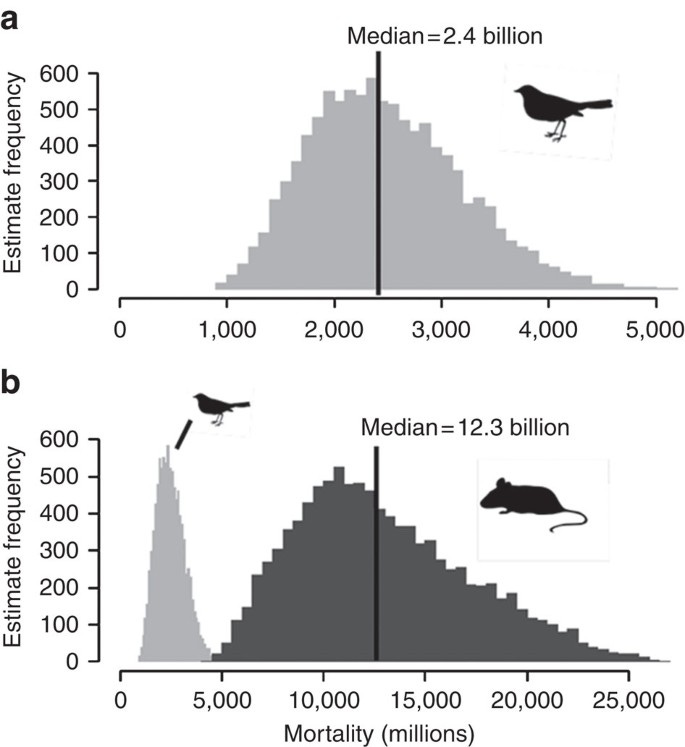
The impact of free-ranging domestic cats on wildlife of the United States
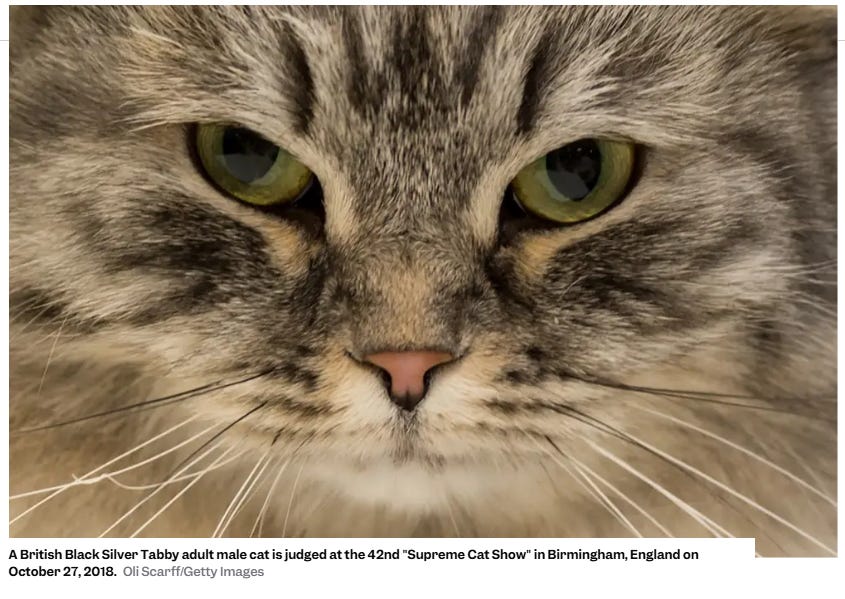
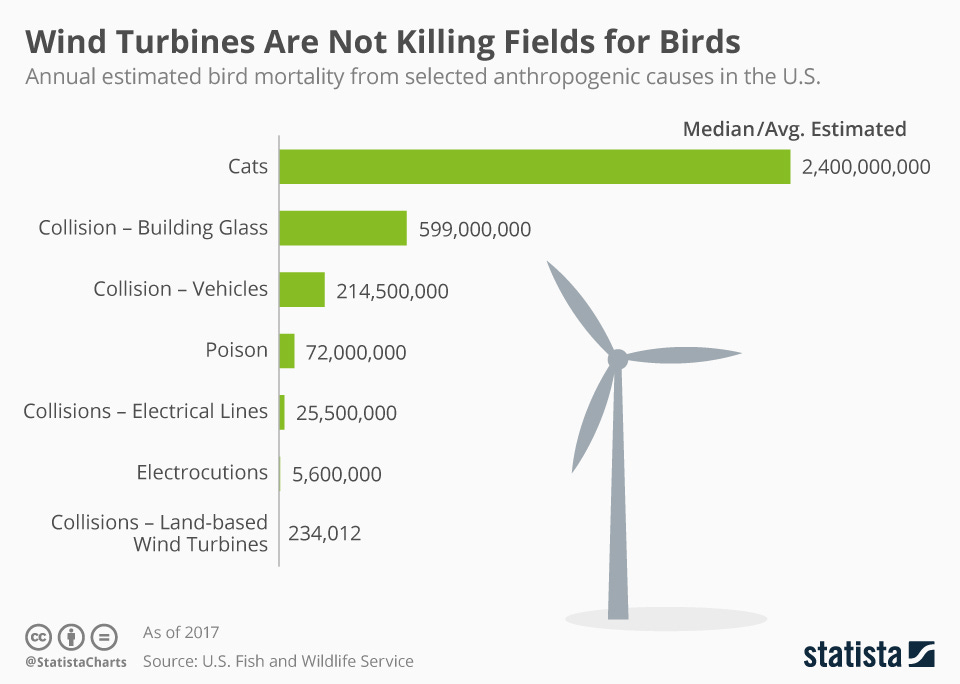
No, President Trump: Wind turbines aren’t killing ‘all the birds.’ Cats are.
And then the fucking beauty care shit: Average yearly spend on beauty products in the United States in 2023, by generation. US consumers spend a whopping 89.7 billion on beauty products annually. !
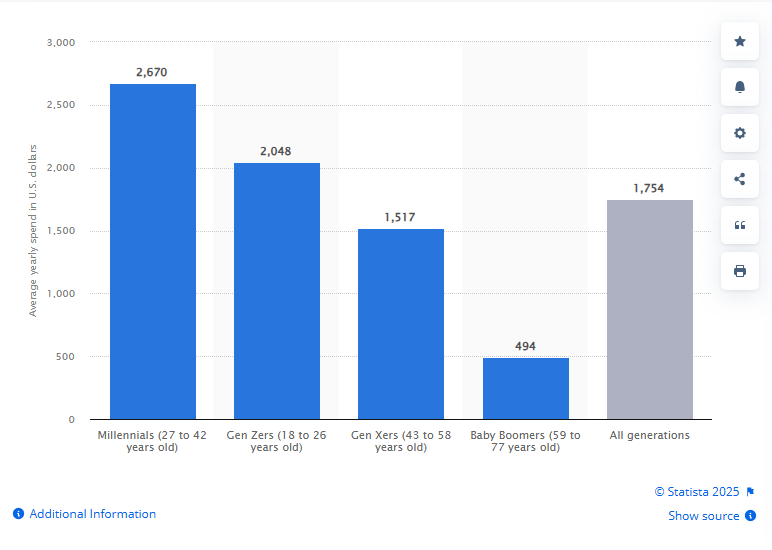
Fucking cunts.
In this explosive episode of State of Play, former military intelligence officer Josephine Guilbeau joins Greg Stoker to dissect the fallout from President Trump’s surprise strike on Iran’s nuclear sites, dubbed Operation Midnight Hammer.
Now entering its thirteenth day, the war has triggered a shaky ceasefire, erratic diplomacy, and escalating regional backlash. From Iran’s retaliatory strike on Al-Udeid Airbase to Israel’s strategic recalculations and Trump’s rumored Nobel Prize push, Guilbeau offers rare insight from inside the military-intelligence world. Hosted by Greg Stoker, former Special Operations officer and intelligence insider.
Cunts:
Shortly before Iran launched its missile strikes on U.S. CENTCOM in Qatar, Drop Site’s Jeremy Scahill spoke to the Iranian international law scholar Dr. Helyeh Doutaghi to discuss the widening U.S.-Israeli war against Iran. In March, she was suspended and ultimately fired by Yale University after a Zionist-led campaign to portray her as a member of a terror organization. She served as the deputy Director of the Law and Political Economy Project at Yale.She is currently a scholar of international law and geopolitical economy and she is now a postdoctoral fellow at the University of Tehran.
On June 24 – the day after Israel and Iran agreed to a fragile ceasefire – Dimitri Lascaris spoke with an Iranian journalist who was at the broadcasting centre at the time of Israel’s attack on June 16. Her name is Elham Abedini. She’s the host of an Iranian news program titled “The War Today”.
According to Elham, employees of the state broadcaster anticipated that they might be targeted by Israel, but they refused to evacuate the broadcasting centre before it was attacked on June 16. Elham also describes the mood in Iran following the ceasefire. She expressed her belief that Israel’s war of aggression on Iran is not over.
Yikes, the warped psychology of the WHITES. Chris Hedges: The Warped Psychology of the Rich,
DNA, man:
“It tells us our social fabric and technologies do not necessarily shield us from everything nature has to throw at us,” Souilmi says.
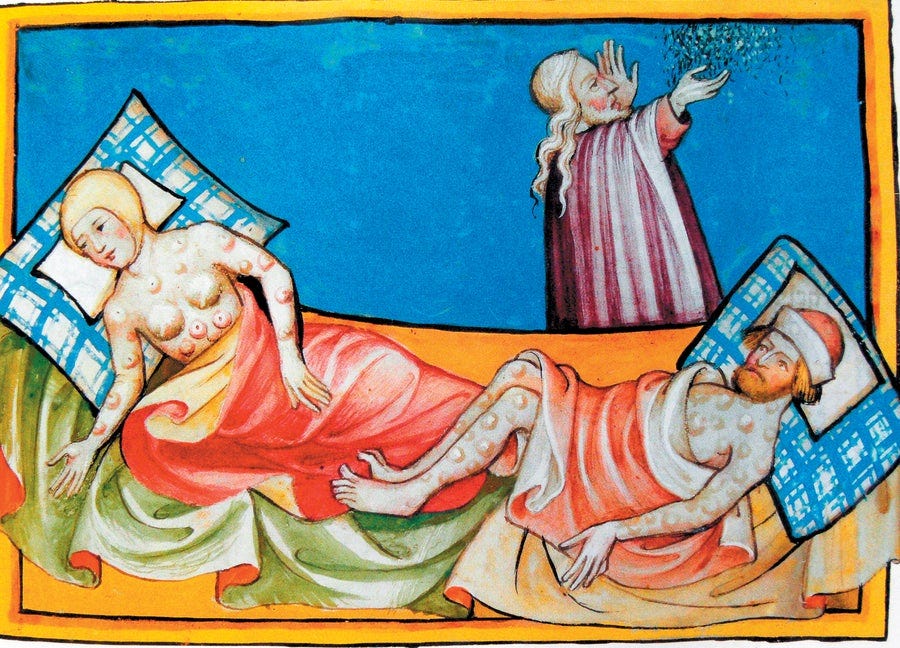
One thing nature regularly throws at us is deadly disease. Human populations have long been locked in an evolutionary arms race with pathogens. In a never-ending cycle, disease-causing microorganisms evolve to exploit vulnerabilities in our immune systems, and we adapt to resist these attacks. Even as ancient humans vanquished dangerous predators, they remained vulnerable to these microscopic enemies. For example, the bubonic plague pandemic known as the Black Death, which was caused by the bacterium Yersinia pestis, wiped out 30 to 50 percent of the population of Europe in the 14th century.
In this way pathogens helped shape who we are today. “Where there is mortality, there is selection: individuals who die before reaching reproductive age do not pass on their genes,” says Lluis Quintana-Murci, a population geneticist at the Institut Pasteur in Paris. “Indeed, infectious diseases and pathogens have been major drivers of natural selection throughout human history.”
Those battles became inscribed in our genomes. In a 2023 study, Quintana-Murci and his colleagues analyzed 2,879 ancient and modern genomes to see how the DNA of Europeans changed over the past 10,000 years. They found 139 positions on the genome that had been targeted by strong natural selection—either “positive selection” to promote advantageous genetic variants or “negative selection” to purge harmful ones. These changes largely involved the response to infections. More than 80 percent of the positive selection events began in the past 4,500 years—a time of swelling urban communities, growing dependence on agriculture, proximity to domesticated animals and a rise in epidemics. “Natural selection has been pervasive throughout this period,” Quintana-Murci says. (source)
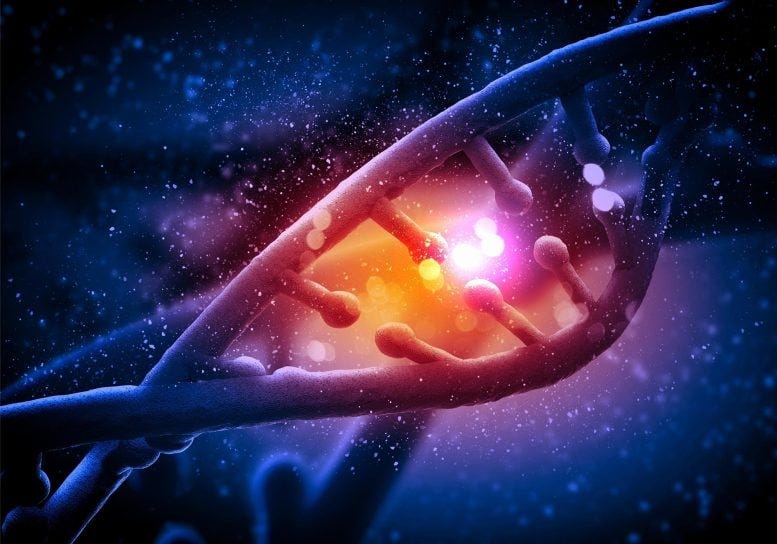
Scientists have discovered that segments of “flipped” DNA help fish rapidly adapt to new environments and evolve into new species. These DNA inversions act like evolutionary superchargers, preserving useful gene combinations and speeding up adaptation.
One of the biggest mysteries in biology is why Earth is home to such a vast array of plants and animals. How do new species appear, and what drives the incredible variety of life?
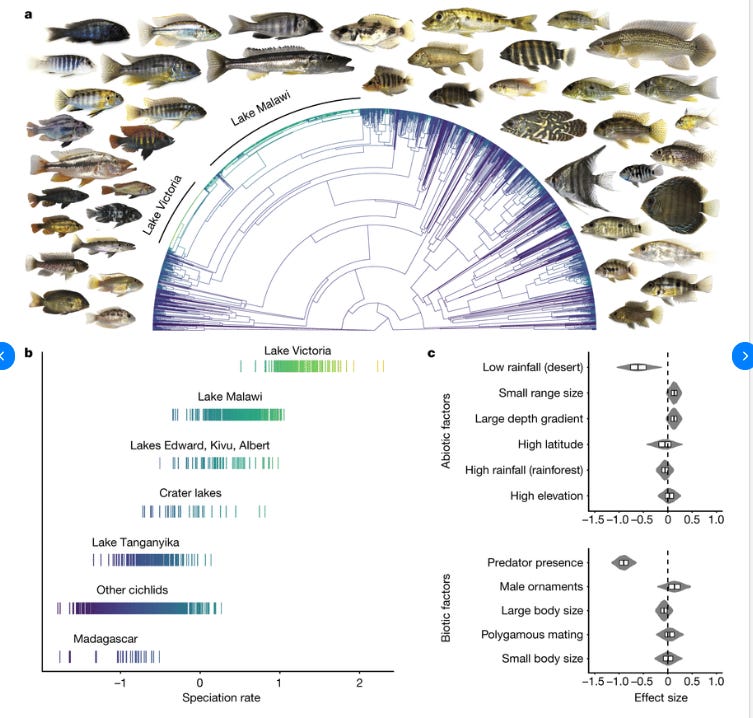
A clue comes from the colorful cichlid fish in Lake Malawi, East Africa. In this single lake, more than 800 species of cichlids have evolved from a common ancestor. Some cichlids became predators, while others adapted to feed on algae, sift sand, or eat plankton. Even more surprising, this happened in a tiny fraction of the time it took humans and chimpanzees to split from theirs.
Now, researchers from the Universities of Cambridge and Antwerp have determined how this evolution may have happened so quickly. Their findings were recently reported in the journal Science.
Supergenes and Chromosomal Inversions
The researchers looked at the DNA of over 1,300 cichlids to see if there’s something special about their genes that might explain this rapid evolution. “We discovered that, in some species, large chunks of DNA on five chromosomes are flipped – a type of mutation called a chromosomal inversion,” said senior author Hennes Svardal from the University of Antwerp.
Normally, when animals reproduce, their DNA gets reshuffled in a process called recombination – mixing the genetic material from both parents. But this mixing is blocked within a chromosomal inversion. This means that gene combinations within the inversion are passed down intact without mixing, generation after generation, keeping useful adaptations together and speeding up evolution.
“It’s sort of like a toolbox where all the most useful tools are stuck together, preserving winning genetic combinations that help fish adapt to different environments,” said first author Moritz Blumer from Cambridge’s Department of Genetics.
These preserved sets of genes are sometimes called ‘supergenes. In Malawi cichlids, the supergenes seem to play several important roles. Although cichlid species can still interbreed, the inversions help keep species separate by preventing their genes from blending too much. This is especially useful in parts of the lake where fish live side by side – like in open sandy areas where there’s no physical separation between habitats.
We are the TOxins SPecies and we are altering DNA and those switches? Shit Dawg.
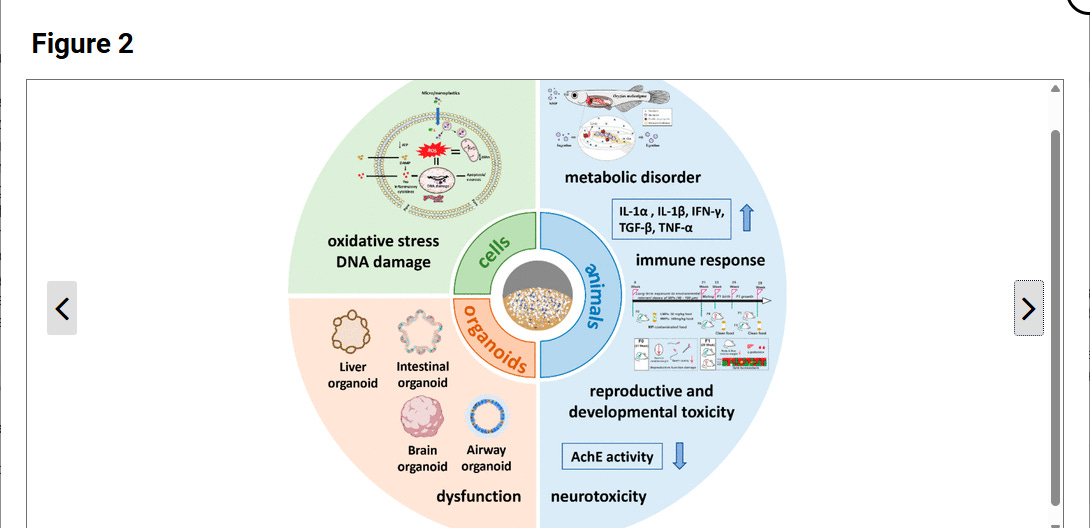
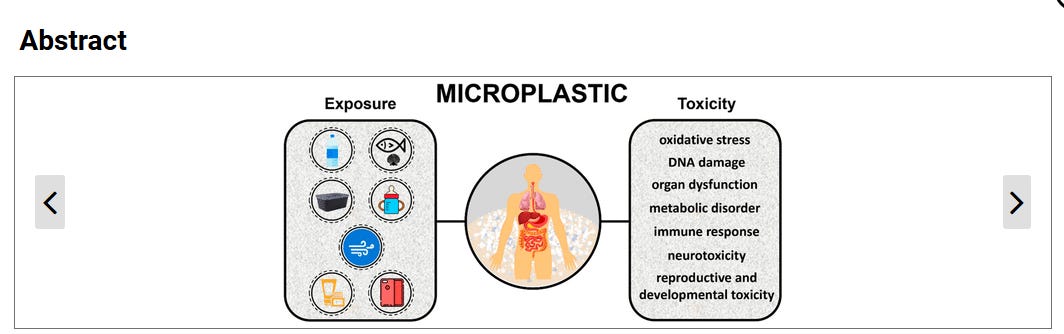
The chemicals that linger for decades in your blood

Switches? Humans have created or found over 50 million different chemicals, with the majority developed in recent decades. Over 100 million man-made chemicals and formulations are used across various sectors like agriculture, housing, clothing, cosmetics, and food.
- Presence in Humans: A study found evidence of 3,601 food-contact chemicals (FCCs) in human samples out of 14,402 known FCCs. These chemicals can leach into food during manufacturing, processing, packaging, and storage.
- Toxic Chemicals: Some of these chemicals are toxic or hazardous. Industrial processes, like the burning of coal and fossil fuels, release toxic substances like carbon dioxide, sulfur dioxide, and heavy metals.
Right. Nothing to worry about. Then enter the WWW and the unSocial Networks and Scrolling Screens and now AI and AIG and VR and MR and AR? Right, no problemo.
 Paul Haeder, Author