

“The environment is horrible, people are terrified to even mention Palestine. I cannot stand it anymore.” Jewish Trenchcoat Ellison’s Oracle
The Legal Implications of AI-Enabled Surveillance and Military Operations in Palestine
How Israel uses AI to track & kill Palestinians – and the remedies to hold them to justice

The implementation of AI technologies in military operations and surveillance systems is raising significant legal issues in international law. Analyzing the use of AI enabled systems like ‘Lavender,’ ‘Gospel,’ and ‘Where’s Daddy’ for targeting operations in Gaza raises unique legal issues with established legal frameworks and human rights protections.
These AI systems that are used to identify targets based on surveillance data function in the context of what Palestinian scholar Helga Tawil-Souri has called ‘digital occupation.’ The systems analyze hundreds of data sources, including Google Photos facial recognition, WhatsApp group memberships, and cellular information to produce targeting recommendations that Israeli forces can approve in 20 seconds. This rapid decision-making process raises significant legal concerns under International Humanitarian Law (IHL), especially regarding the distinction between civilians and combatants.
Trump’s Tech Bro’s World War Three AGI!

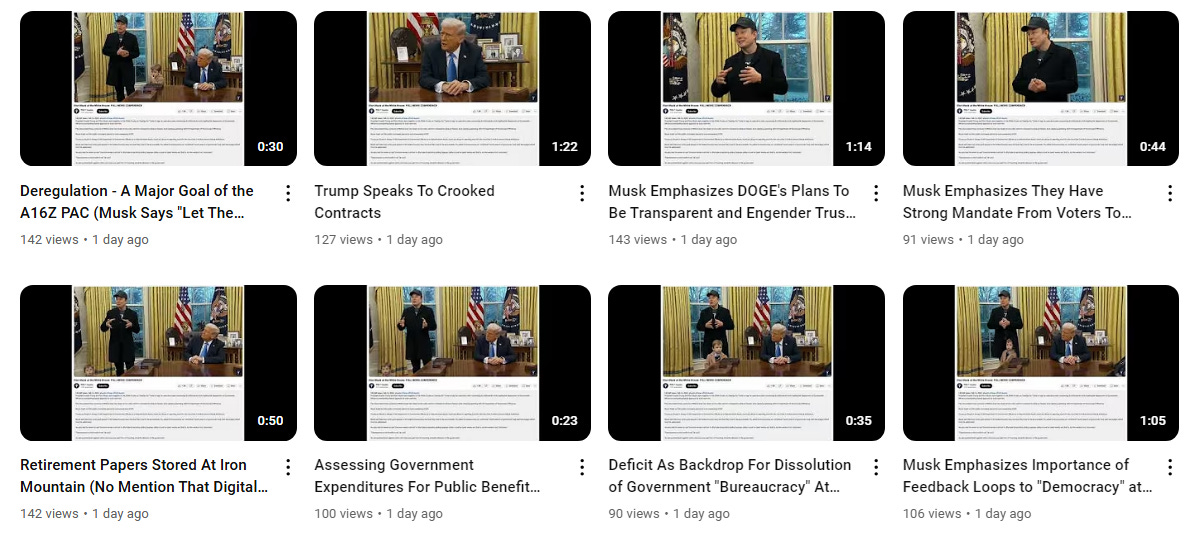
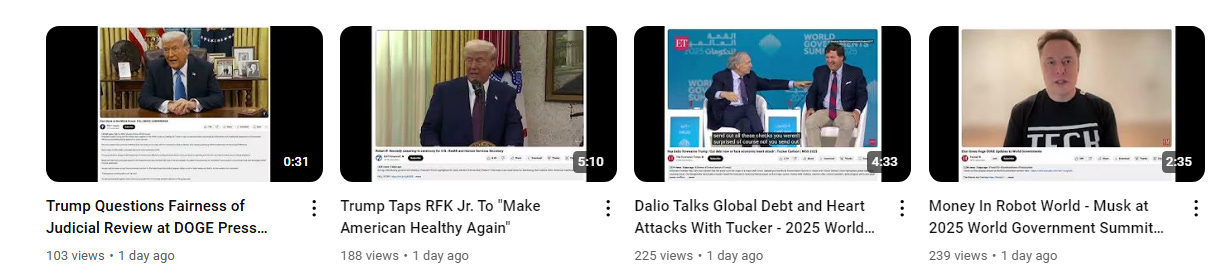
Watch the last 30 minutes and see Alison’s interpretation of those clips above:
Little X and his Chain and the Block Chain. AI Governance. Arbitration through AI Machine Learning Systems.
This reach of international law is further complicated by jurisdictional challenges posed by the involvement of multinationals: while companies such as Amazon, Google, and Palantir are headquartered in the United States, their actions through contracts like Project Nimbus might expose them to jurisdiction in many venues. It includes the home jurisdiction under domestic laws, countries where their technology is deployed, and possibly international forums. For example, the U.S. Alien Tort Statute, although narrowed by recent decisions of the Supreme Court, may still provide an avenue for civil litigation against such corporations in case of serious violations of international law.
+—+
Oh, those Trumpers. At this fucking point, who the fuck cares about Ukraine and Russia with these Jews in Charge:
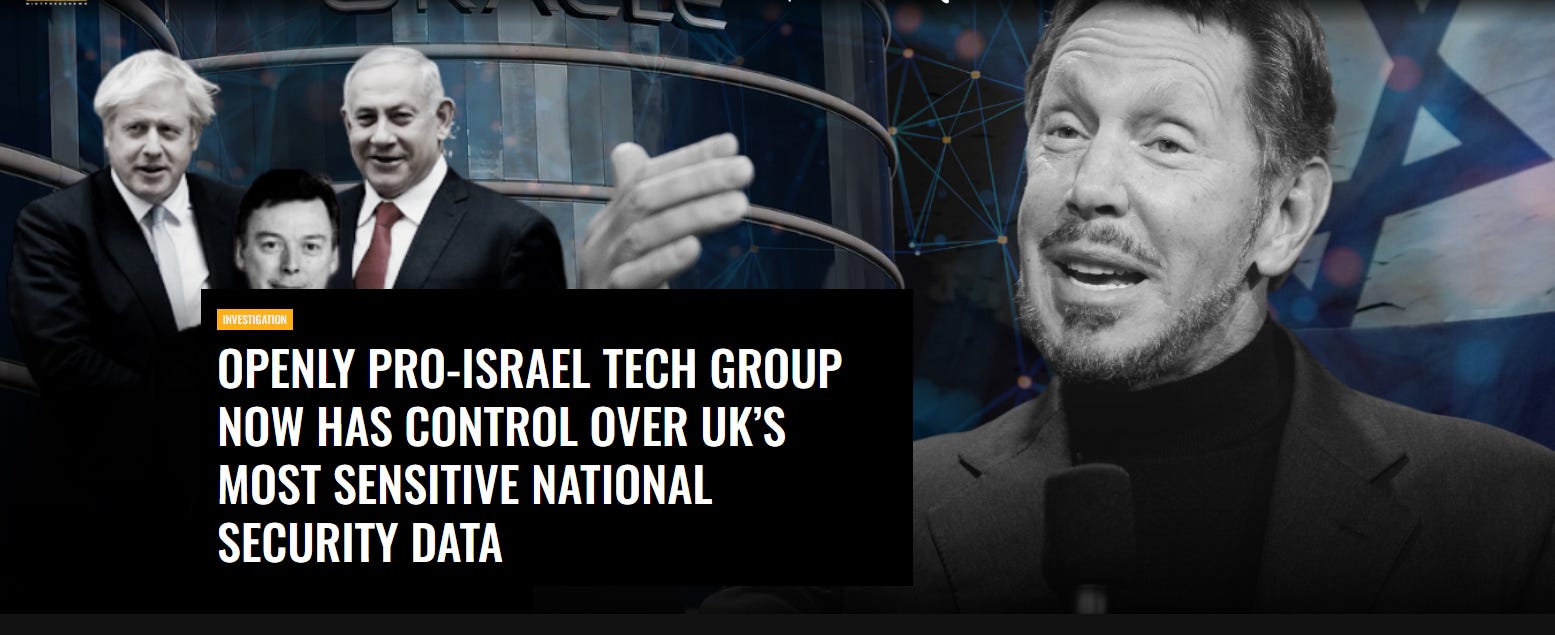
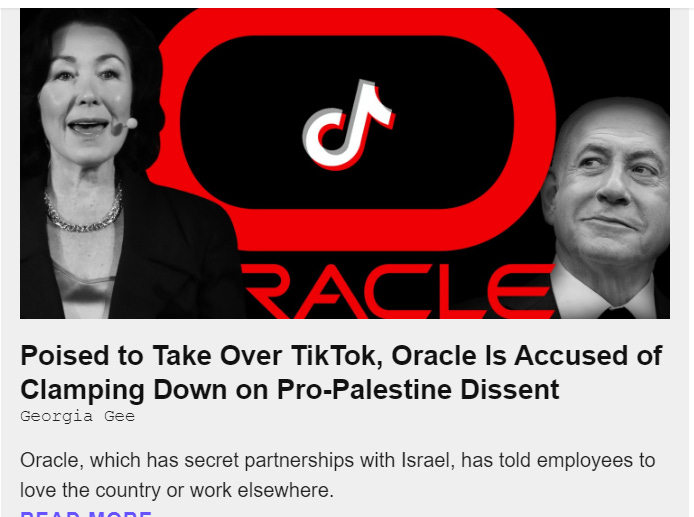
Larry Ellison has been at Donald Trump’s side since he took office last month. The man Trump referred to as “one of the most serious players in the world” was front row at the inauguration, and then watched as the president signed an executive order on artificial intelligence — a major business interest for tech giant Oracle.
And Ellison, Oracle’s billionaire co-founder, was sitting next to Rupert Murdoch in early February when Trump created a fund to facilitate the purchase of TikTok. His presence was no accident.
Last month, after the Supreme Court upheld a law banning TikTok, Oracle emerged as a leader in the race to take control of the Chinese-owned short-form video platform.
While the campaign against TikTok was led by China hawks in Washington, it was the ire of pro-Israel activists that perhaps best explains why Oracle is such a natural choice to take over the social media app.

The campaign to ban the app kicked into high gear after Hamas’s October 7 attack against Israel. The timing spurred talk that the push for a ban wasn’t just about American national security, but Israel’s too. Politicians even tied their campaigns against TikTok to alleged Hamas propaganda being hosted on the platform.
Oracle, which had already taken control of some of TikTok’s day-to-day operations, had taken a firm pro-Israel stance and, according to an Intercept investigation, clamped down on pro-Palestine activism inside the company.
Last November, Israeli American Oracle CEO Safra Catz told an Israeli business news outlet, “For employees, it’s clear: if you’re not for America or Israel, don’t work here—this is a free country.”
Collaborations between the company and Israeli government agencies have been wide-ranging, encompassing everything from direct technology work with the military to software intended to help Israel with public relations — including, according to internal company messages, on social media platforms like TikTok.
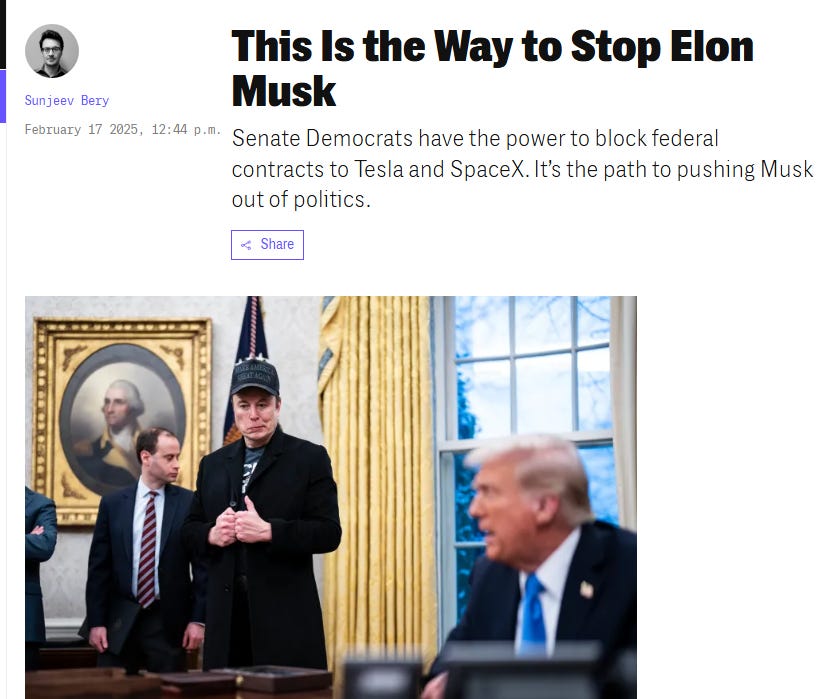
The Inner Musk — Columbine Mowing the Lawn and Distruptive Boys.






 Paul Haeder, Author