

… a whole industry around American and Western C-PTSD and Trauma Informed Care: when a person steals money even in treatment, even in the midst of physical and mental abuse, it’s still THEFT!
Money. Loaning money to “freinds.” Loans. Evictions, foreclosures, tariffs, taxes, fines, fees, penalties, tickets, tolls, and money for fucking nothing. I’ll get into the personal stuff, the loaning money to someone in the midst of trauma and trauma healing and trauma survival and victimhood. First, that fucking money, that huge destruction of cities, societies, countries. MONEY. “After reviewing classified World Bank documents, Raj Patel concluded that a loan from this organization is more of a punch to the face than a help to poor nations.”
2007: The Selimiye Mosque, in Edirne, a city in northwest Turkey, is a magnificent stone edifice, with four minarets and an austere, octagonal-shaped body supporting a large dome. Built for Sultan Selim II in the sixteenth century, it has withstood numerous earthquakes and can accommodate more than five thousand kneeling worshippers. One evening at the end of January, I [not me] visited the mosque with Paul Wolfowitz, the president of the World Bank, and a half dozen of his aides and colleagues. Two years have passed since President Bush nominated Wolfowitz, the former Deputy Secretary of Defense and one of the architects of the war in Iraq, to head the sprawling multinational lending institution that has as its official goal “a world without poverty.”

The World Bank employs thirteen thousand people in more than a hundred countries, and lends about twenty-five billion dollars a year to poor and middle-income nations. When Wolfowitz inspects bank programs, he often visits religious sites and other monuments. At the Selimiye Mosque, a stern-looking young man with a black beard who identified himself as the imam met us at the entrance and invited us inside. After putting on slippers, Wolfowitz entered the mosque and listened as the imam, demonstrating its acoustics, raised the call to Allah.

Wolfowitz has an abiding interest in the Islamic world. His father, Jacob, an eminent mathematician who taught at Columbia and Cornell, was a fervent Zionist, and Wolfowitz’s elder sister, Laura, lives in Israel. Wolfowitz’s critics sometimes portray him as an unquestioning defender of the Israeli government, and yet he has publicly expressed sympathy for the plight of the Palestinians, and some Arab reformers regard him as a friend. Since separating from his wife of more than thirty years, Clare Selgin Wolfowitz, in 2001, he has dated a secular Muslim woman in her fifties, Shaha Ali Riza. A British national from a Libya.
So, Neocon equals Zionist Murderer. Republican Bush Boy = Mass Murderer. American Jewish Neocon = supremacist and racist. But this Wolfowitz is everything about usury, theft of a country’s treasury, theft of mom’s Simlac money, theft of a community’s pothole ABC and steam-rollers.
+—+
Fucking GRADE INFLATION IMPREGNATES EVERY ASPECT OF THIS CASINO CAPITALISM SHIT-HOLE: D-Minus!

We have bullshit jobs and those bull shit workers run by the Professional Managerial Class is full of fucking BULLSHIT:
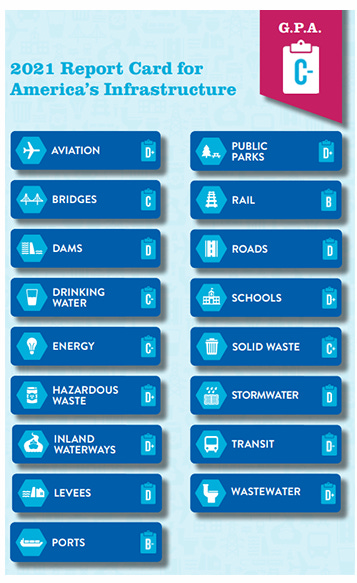
And so that MONEY, those fucking HUGE municipal bonds, all those fucking money changers in that synagogue alleyway, yep — 26 percent interest forced upon African countries? More? Fucking plagiarism and grade inflation: A US Infrastructure Report Card 2017 preview

Back to the micro-level. Domestic Abuse. Battered Wife Syndrome. Trauma upon trauma piled onto a person:
Black and blue: domestic violence is a tale of multiple abuses Paul Haedrer
During the month of October, the color blue signified yet another “awareness” month — domestic violence. It is an issue that should be, unfortunately, recognized and dealt with 24/7, 365 days a year. Every single day! December historically has been the month when DV cases/incidents rise.
In Lincoln County, spousal abuse ranks high on many of the crimes ending up on the police blotter. This newspaper covers plethora of arrests tied to assaults that are indeed in the realm of domestic abuse. Alcohol and drugs are the driving force behind many cases. We can get deep and say an abuser probably comes from an abusive childhood, but it’s difficult to conjure up sympathy for a man who punches, strangles or stabs his spouse.
Front page newspaper stories about accused abusers are both dramatic and informative for the community, but the reality for the abused seeing a headline and reading a detailed story of her perpetrator’s arrest is both unsettling and validation.
This county has a major lack of so-called “services” for those impacted by domestic abuse. There are no multiple so-called safe houses for sheltering the victim (My Sisters’ Place), or easily accessed dynamic programs to assist victims (and a victim includes both the spouse and children and pets when families are involved).
The Lincoln County District Attorney’s office has decent prosecutors, for sure, and there is a Victim’s Assistance staff doing amazing things; there are even so-called domestic violence-focused judges in this neck of the woods. I have personal experience with a sheriff deputy investigating a case of wife abuse, which encourages me about the character of some cops.
Imagine, a deputy telling a victim that “… it’s not your fault, this guy targeted you, and you are powerful, smart and worthy of a loving, respectful relationship.” This deputy in fact lives in my community, Waldport, with three children and wife. I see how invested he is in creating a safe community for all of us.
Unfortunately, for women, the cycle of abuse includes the yo-yo motion of both psychological factors and the action of returning to their abusers. The relationship that involves physical and verbal abuse is one of co-dependency and actual physiological changes in the woman’s brain.
We can call the Stockholm Syndrome-like actions of a victim a “dual relationship between the power of the abuser and the weakness of the abused.” Obviously, high profile and highly successful women — CEOs, business owners, et al — can be that “victim,” as well as any sort of woman on various social determinant spectrums that predicate economic, psychological and educational outcomes.
People in marriages and relationships whose partners are abusers can develop Stockholm Syndrome towards any person who has an eerie degree of power over them. We see this with anyone in interpersonal relationships— husbands, wives, partners, parents, grandparents, children.
I’ve seen this up close and personal here in Lincoln County with several people who have reached out to me and my resources to flee abuse. The syndrome is built on a foundation of fear, threats and isolation, and is generally believed to require victims’ belief that they can’t escape the situation they’re in.
The foundational ingredient (or poison or dark magic) is these “small acts of kindness” on the part of the abuser, whether real or perceived. Behind all that darkness, the abuser’s own actions are looked at “as a source of the flame of something to live for.”
This entails a complex set of cultural, interpersonal and psychological elements. The abuser can be seen as a monster — and there are outright monsters I have seen as a reporter, case manager and brother of a sister who managed safe houses and DV programs in Arizona — or a charmer.
Some of the common personality factors in an abuser include narcissism, low self-esteem and a long list of elements to include:
• A history of abuse in one’s family or past;
• Being physically or sexually abused as a child;
• A history of being physically abusive;
• A lack of appropriate coping skills;
• Untreated mental illness;
• Drug or alcohol abuse;
• Socioeconomic pressures or economic stress (studies show a higher incidence of abuse in lower-income communities);
• Post-traumatic stress disorder (PTSD);
• Emotional dependence and insecurity;
• Belief in strict gender roles (e.g., male dominance and aggression in relationships);
• Desire for power and control in past relationships.
While there may be a history of attitudes accepting or justifying violence and aggression in American society, as well as studies citing the U.S. as a rape culture, the fact is women especially have so many challenges accepting they are abused, believing that they are not responsible for the abuse and not falling into despair and creating their own isolation as the abuser’s perceived and real power over a woman’s life dominates.
The cycle of mental, economic and physical abuse inside a relationship that is abusive includes the psychodynamics of perpetrator and victim. The idea of understanding one’s victimhood in whichever culture a woman lives (some men of course are victims, too) is to dig deep into that culture’s treatment of families, women, mental health as well as how it embraces the sociological determinants of mental health outcomes including lack of economic stability, substance abuse, and one’s own self-worth.
Two quotations, one from a male and a female survivor, give hope during this holiday season, when abuse seems to heighten: “You survived the abuse. You’re gonna survive the recovery;” and “You are not the darkness you endured. You are the light that refused to surrender.”
Call 911 when in danger. Contact My Sister’s Place/My Safe Place, Lincoln County, for help: 541-574-9424; Crisis Hotline: 541-994-5959
+—+
Here, the series:
+—+
I am fucking spiritually flumoxed. I am dealing with multi-level levels of trauma, some call it vicarious trauma, or some such bullshit. I believe in the various angles of trauma, but there is an amazing amount of money changers, psychology changers, social work changers, therapy changers, victims rights changers, district attorney changers, the entire criminal injustice changers, all of this dirty Capitalism which crushes people, spirits, hearts and minds and communities.
I am also a traumatized secondarily or tertiarily punching bag for these untreated, un-claimed, un-resoved traumas my friend has gone through, from youth to now, and she is now on the run, screwing my friend out of money, and now, just a product of fight or flight and a fucking counselor who has really done squat for her.
Then, therapy, what’s the point, uh? Talk talk talk, listen listen listen therapy? Imagine that, my friend just dumps onto the therapist, and the therapist does what malpractice. Here, a composite but real conversation!
Victim: “I don’t know why my friend has turned on me.”
Therapist: “Explain what happened.”
Victim: “He has said I deserved my ex, that I deserved being with Jim, deserved to be abused by him.”
Therapist: “Well, what do you think about that? How does that make you feel?”
Victim: “I feel betrayed. I feel that he never cared about my plight? I feel all men are like this.”
Therapist: “Well, do you feel you are empowering yourself to see through people, especially men, who are abusers, including this man who you thought was your friend?”
Victim: “He went on about trauma informed care, and then he said I deserved Jim. That I deserved being abused by him.”
Therapist: “So, does it feel good that you are taking control of your relationships? That you are seeing through the lies of men?”
Victim: “He turned on me. I thought he was my friend, my support, my lifeline. Now I have no-one.”
Therapist: “You have yourself, your freedom, your ability to end toxic relationships. You are your own woman. Aren’t you glad about that?”
Victim: “This just hurts me so much, him telling me I deserved being abused and suffocated.”
Therapist: “And how do you feel about finally getting to see the real person this fellow is, not the one who you thought was there?”
Victim: “Angry. Really pissed off. Depressed.”
Therapist: “That’s good, that’s good you can articulate your feelings. It’s good you are now no longer taking it like a victim. Isn’t that good?”
Victim: “I am so fucking mad at him, at myself, for trusting him.”
Therapist: “Do you feel like this session thus far is helping you find your voice and agency?”
Victim: “Yeah, right, but I am mad and agry.”
tertiarily: “Anger is an okay feeling, as long as it’s directed at him, not on yourself. Do you understand?”
Victim: “I guess. I guess I shouldn’t blame myself. You’re right. I can see that even this guy I called a friend is just another fucking male abuser.”
Therapist: “This is progress. You are no longer blaming yourself for other people’s actions. You are not responsible for other people’s actions.”
Victim: “I feel betrayed and I am angry.”
Therapist: “Those are good feelings to have as long as you do not blame yourself.”
+—+
That’s a make-believe-but-not-so-far-from-reality session I can imagine this friend will be going through.
You see, I vouched for my friend here with another friend up north — an old guy, who wanted to help a woman in distress (40 years old). He is not made of money, and in fact, he is precarious financially and otherwise. The loan was supposed to be a short term loan. Based on some money my female “friend” would be getting in a divorce settlement. Money for her to leave the house the ex owned free and clear. She was facing contempt of court and eviction from this house. So, the idea was an RV, a trailer, used, to hold her over. To allow her to not worry about being homeless or being in the house where her ex assaulted her.
You see, the ex is a serial abuser, and he found my “friend” a perfect mark. She returned to him literally dozens of times. Left on the side of the road, out camping, he just fucking kept all finances in his name, and she was his vomit cleaner, his punching bag. She kept the serial abuse quiet, from her family.
I came into the picture because SHE reached out. So, for more than two years, I was both a side therapist, a shoulder to cry on, a supporter and defender of her, and navigator.
BUT the fucking Benjamins, man!

The fucking money, man. She lied, she said she was selling the trailer, and I said, “well, that’s your decision (Her counselor said — “got for it”) but not the best in my opinion . . . . “ And she was reminded by me a dozen times — “Pay Kerry back. Pay him the full amount or at least $7,000 upon receipt of divorce settlement. It turns out she lied about finding a place for $300 a month, at a friend’s house, and she lied about selling the trailer. She told my old old friend that she gave the money away. You know, $12,000 is what she paid for it and she told me she got that same amount for it. She GAVE it away. I bet that counselling session is one fucked up validating her feelings session.e
This is a disaster. This is a case of untreated psychiatric issues that her counselor knows shit about, cares shit about, and has no tools for her to remedy. This “friend” should have, through this fucking $175 a session “counselor,” found group therapy program in a domestic violence recovery program.
Look, the mess just gets cemented. That scenario I put above, well, get this:
I told this “friend” — “Pay back Kerry. You lied. You gave the money away? Explain.”
Victim/”friend”: “I am an adult. Quit bullying me. I don’t have to tell you what I did with the money.”
So, back and forth, and she’s living (she says) in a vehicle with a big dog, and alas, that’s what she did for 4.5 years over and over and over with this abuser. And, so, by me saying, “My god, you are acting just like Bob, the abuser. You are treating Kerry like your ex treated you. This is abuse. These are lies. This was not your money to steal. You and your ex are sure alike,” I am an abuser!
Then there it is: She’ll go to the counselor, driving to her place in her car and home, with dog couped up, and have her crying game, and say that ,he (me) said I deserved what I got from Bob . . . that I deserved the abuse. That I deserved him as a husband.’
Fucking hands off, milquetoast, bullshit jobs counselors. Or, worse, hands on:

American Psychological Association Bolstered C.I.A. Torture Program, Report Says
The American Psychological Association secretly collaborated with the administration of President George W. Bush to bolster a legal and ethical justification for the torture of prisoners swept up in the post-Sept. 11 war on terror, according to a new report by a group of dissident health professionals and human rights activists. (source)
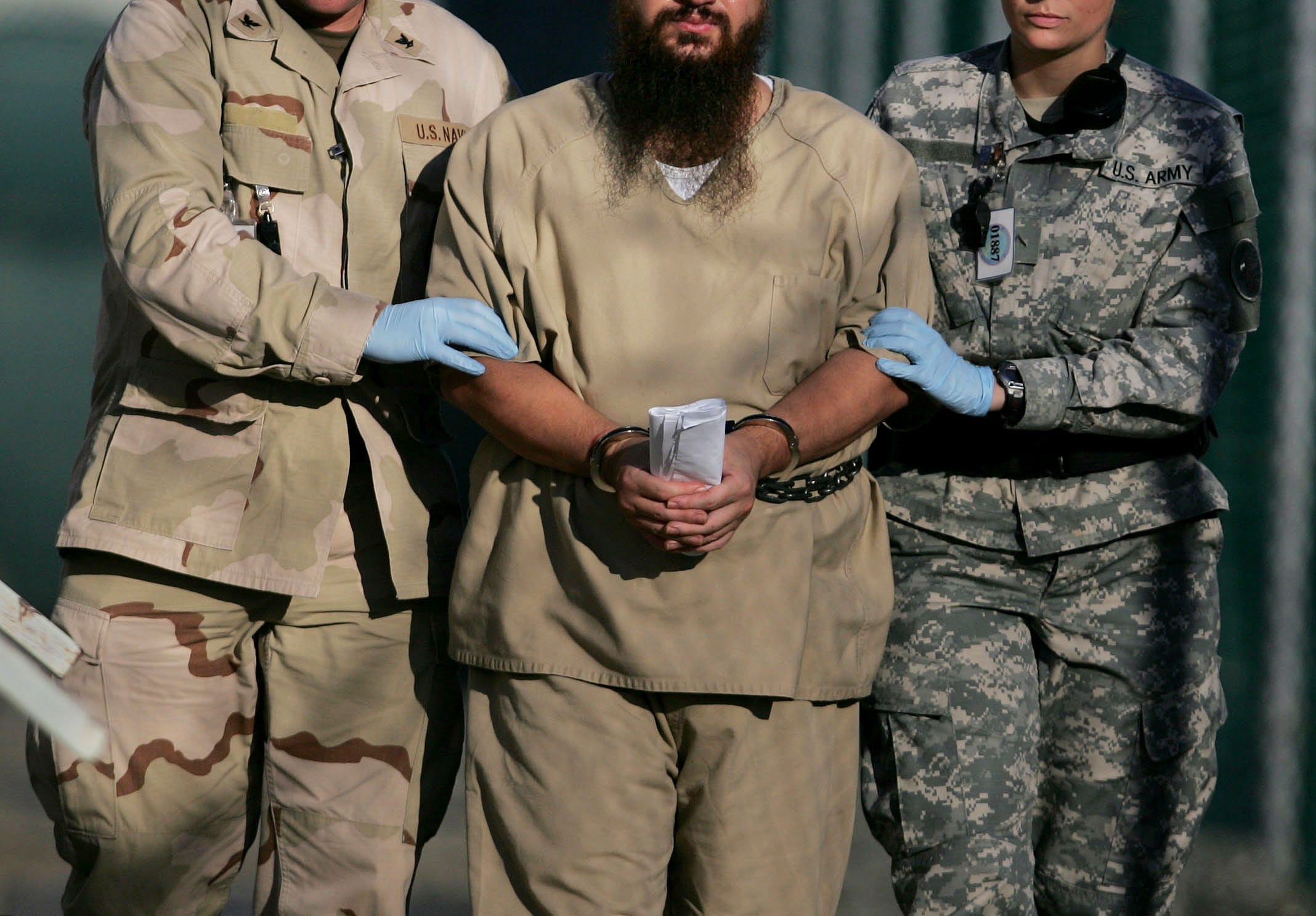
Fuck these pieces of human stain, from the little town of Newport, all the way to the Pentagon and Harvard and Georgtown and Columbia U:

Therapists! Most most of the time they are semi-failed humans. Not deep thinkers. Not deeper readers. Not deep humans. So, the therapies and the bullshit sessions, all for nothing when the therapist is so fucking hands off that she-he won’t say that doing bad things, like ripping off people who have given floundering people loans, is just bad mojo, bad ethics, bad principles, bad all around.
Forget about the reasons therapy fails, but these are fucking 4th grad level on-line crap points.
1. Bad fit between therapist and client
2. Therapist doesn’t have the right training or subject expertise
3. Client is resistant to change
An old joke goes, “How many therapists does it take to change a lightbulb?”
“Only one, but the light bulb has to want to change.”
4. Client isn’t as engaged as the therapist
5. Haven’t given it enough time
6. Systemic issues and things outside the client’s control
7. Undetected or undiagnosed issues
Elephants and dophins have more humanity in their fucking toes and dorsal fins than all the people calling themselves counselors have in their hearts collectively!
Look,
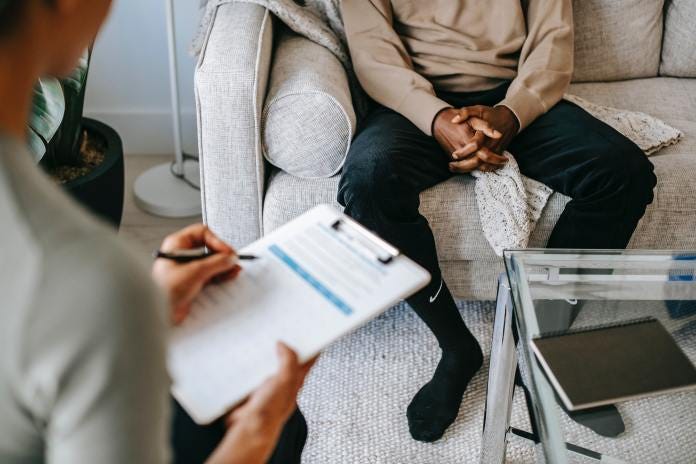
Therapy is a Scam! – The truth about mental health and big pharma !! Yes, you read that right; therapy is a scam. In a world where phrases like “mental health matters” seem to greet you every direction you look, it almost seems forbidden to utter the kind of remark you’d expect from your grandfather who exclaims, “therapy is for suckers!” While I don’t hold the sentiment that therapy has no value, he does raise a point: Are therapists really swindling our money? The short answer is yes, the field of professional help and the pharmaceutical industry is rigged with financial traps and emotional roller-coasters that run for as far as the skeptic’s eye can see.
The last decade worked hard to destigmatize mental illnesses, and contemporary culture finally recognizes that everyone can benefit from therapeutics, not just “those crazy people that belong in the loony bin,” as the older generation says. However, if you haven’t been dragged into the mess of professional help, there’s a misconception that once you finally seek a therapist, their help will…help.
Therapists are never available to begin with, and after months of waiting for a consultation, you enter Susan’s soothing lavender room, complete with a stress toy and a place to vent. But on your second visit, you realize Susan only asked variations of “so how does that make you feel?”, made surface level insights, and suggested general coping mechanisms that could be doled out to anyone. You walk out feeling more anxious than when you walked in, and that complementary stress ball is soon to be on life support. You end up asking yourself, “is this what therapy was all cracked up to be? No thank you, I think I’ll stick to my beer and Sunday football.”
The typical rebuttal is “you just have to find the one you click with!” But why should I, the patient, have to go on a wild-goose-chase for a therapist that “works” for me? They should just…work. A highly qualified therapist would be sharp and strategically personalize their treatments for each of their clients. Leapfrogging through the field of therapists illustrates a fundamental flaw in our approach to treatment. Clearly, schools of psychology need to increase the rigor of their programs and raise the standards to be a certified therapist. To put it into perspective, we easily give doctors access to our bodies; their job is to maintain our physical health. Would you trust therapists to have unrestricted access to the depths of your mind because their job is to maintain our mental health? Would you be okay with allowing a surgeon who botched surgeries sometimes?
So therapists who never give advice, never help mentor, who never take the world as it should be — from a more or less right ethical filter/lens — will end up never ever, most of the time, telling the client what’s right and what’s wrong. Or ask him or her what the background stories and context are.
Case in point: A Friend loaned $14,000 to a person I vouched for. All to help her get through trauma – – domestic violence and batter wife syndrome. Out Of The Goodness Of His Heart. And, this fellow was expecting it to be a carry-over short term deal.
Now? This human victim is victimizing the person who helped her get into a place so she would not be homeless, or living in her car with dog.
Now, the kicker is this person is now saying she got rid of the $14,000, but won’t tell me or the lender what the fuck happened. She bought a trailer to live in — with his money — and she used that lender’s money for the trailer.
Instead, she yammered about it being too confining, too this, too isolating, too expensive for the trailer park rental. She then ups and selling the trailer (or just giving it away and towed away), and never told me or the fellow/loaner until AFTER the fact.
We expected repayment IMMEDIATELY. Instead, we got lies. We got no fucking real conversation. Nothing. And she will be running to the $175 an hour therapist and get more nothing burger nothing advice.
We got the fucking lying, mean, duplicituous crap that exactly what her abuser had done to her — plenty of economic abuse. Now? Fucking ECONOMIC abuse to an old man who loaned her — read, LOANED her — the money.
I did the stories on Domestic Abuse. Yep, it is a tragedy:

I am a counselor in Bluffton, South Carolina, and my state has the shameful distinction of being No. 1 in the rate of women killed in domestic violence incidents. My heart breaks to think of the carnage behind the doors of my community, and yet I find there is little understanding of what domestic violence is all about and why it continues.
Here’s what some of the latest statistics say about domestic violence:
- In the United States, about half of all women and men will experience psychological aggression by an intimate partner in their lifetimes (48.4% and 48.8%, respectively).
- An average of 24 people each minute become victims of rape, physical violence, or stalking from an intimate partner in the U.S. This equates to roughly 12 million men and women each year.
- In the U.S., about 3 in 10 women (29%) and 1 in 10 men (10%) have experienced rape, physical violence, and/or stalking by a partner and subsequently report the experience having a related impact on their physical and mental health.
- Intimate partner violence affects more than 12 million people each year (National Domestic Violence Hotline, 2015).
Domestic violence, also known as intimate partner violence, is a very real problem that is often only whispered about behind closed doors or routinely clothed in shame when it comes to light. Its victims may be trapped in relationships where they do not see a way out.
To decrease stigma and help people understand domestic violence, here are five things everyone should know about it:
1. DOMESTIC VIOLENCE IS ABOUT POWER AND CONTROL.
Domestic violence occurs when one or both partners exert their will over the other. It isn’t about love and concern for a partner; it’s about dominating the other. Violence will look different in each relationship, but the pattern of control is consistent and may or may not turn into physical abuse.
2. DOMESTIC VIOLENCE MAY ENTAIL MORE THAN PHYSICAL ABUSE.
Domestic violence is not always physical; it can also be emotional, sexual, or economic. The impact of physical violence may be easier to conceptualize, which is why many people associate domestic violence with an image of battered lovers. However, emotional, sexual, and financial abuse can be as severe and keep the victim trapped in a devastating reality without displaying obvious signs of abuse.
Physical violence, by its nature of often leaving visible marks, can be easier to identify, but counselors and therapists regularly hear the misguided notion that if a person hasn’t been battered and bruised, then no abuse has occurred. This minimizes an experience that isn’t entirely physical and can keep a victim from seeking help.
Abusive behaviors may include:
- Telling victims they can’t leave because they are unlovable
- Not allowing the victim access to funds
- Restricting access to friends and family
- Extreme displays of jealousy
- Shaming the victim in front of others
- Insisting victims participate in sexual behavior in which they don’t want to participate
- Damaging the victim’s property
- Threatening to harm pets or children if the victim doesn’t do what the abusive person requires
- Stalking
- Extreme controlling behaviors
- Blaming the victim for violent or inappropriate behavior
- Displays of physical aggression without making contact with the victim (such as hitting the wall during an argument)
3. NO TWO SITUATIONS ARE EXACTLY ALIKE.
Victims of domestic violence are found in every culture, economic status, sexual orientation, race, and neighborhood. There is no typical victim, nor is there a typical offender.
4. MARRIAGE COUNSELING MAY NOT BE A GOOD IDEA IF THERE IS ACTIVE VIOLENCE.
I understand the desire to get an abusive spouse or partner into a therapy session and have someone help explain that the behavior is inappropriate. However, couples counseling when active abuse is occurring may escalate any violence. In many cases, it’s advised that the person engaging in domestic violence be treated for domestic violence/anger management before marriage counseling can be safe or effective.
5. PEOPLE WHO STAY IN ABUSIVE RELATIONSHIPS ARE NOT “STUPID” OR “WEAK.”
People stay in abusive relationships for many reasons. Many begin to Victims of domestic violence are found in every culture, economic status, sexual orientation, race, and neighborhood. There is no typical victim, nor is there a typical offender.believe negative statements about themselves that the abusive person has told them over and over. They may not have the resources or finances to leave. They may not even realize the situation is abusive and thus believe it is “normal.”
Domestic violence is rarely happening at all times, and those who abuse are often apologetic after an incident. There’s a cycle to the abuse, and a victim may have hope things will change or believe the person displaying the abusive behavior didn’t mean it. A victim may stay to maintain a home for their children, be afraid of losing custody, or worry about being unable to protect children during visitation. They may be embarrassed or still love their abusive partner. The list of reasons victims stay is long, and the reality of their situations is often complex.
+—+
The problem is, this person we helped is abusing a person, through the kindness of his heart, five states away, in fact, whereupon he loaned the money to help her get into a safe house, a trailer, albeit, and then . . . . .
Lies, Lies, Lies. Half truths. Complete two- and three-faced lies and operating procedures.
+—+
You can hate a person’s actions and reactions and call a liar a liar and still not want bad things to happen to her. Still not reverse course and say she deserved the abuse and attempted murder.
Yes, you can say, “You fucking lied, and you lied about other things, and this fucking pattern is what you did when you lived with Bob, and now you are acting like Bbo, abusing my friend Kerry, who has a sick dog and vet bills and his social security comes in a week but he HAS FUCKING bills to pay. You are acting just like Bob.”
+—+
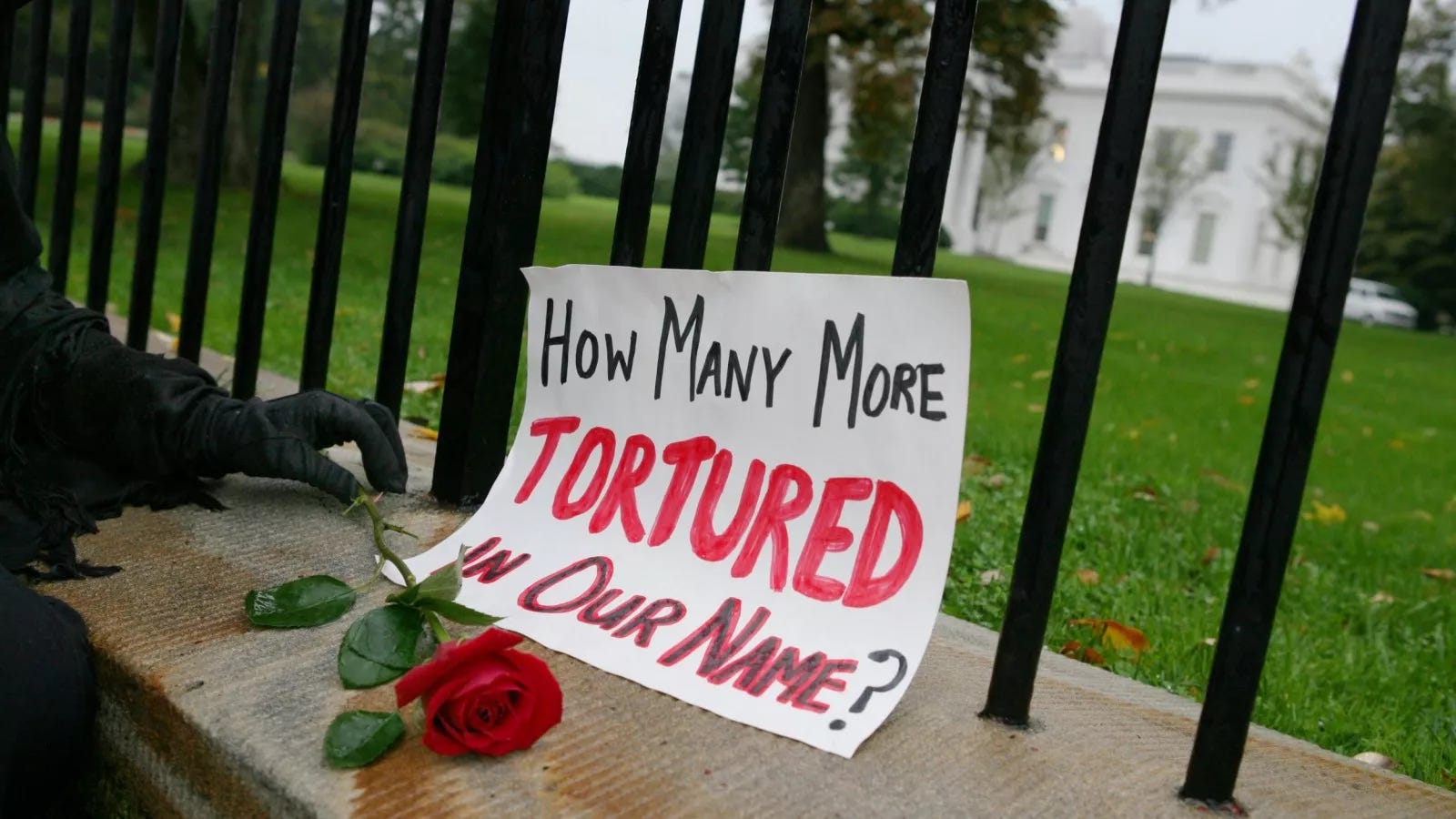
Do I want to be a fly on the wall for this next therapy session and the dozens more she said she’d be having when she leave the state, but on ZOOM? Fuck NO! And, there will be no more Oregon Health Plan paying for the sessions when she leaves, so again, my friend’s $14,000 will be going to this incompetent “counselor.”
Imagine that head fucking trip.
He’s in ill health, has had recent doctor’s visits, is way north in another state, has family who have estranged from him, his wife is dead going on two years, and he can’t even drive his truck because of criminal injustice sancitons on his record.
He can’t leave the state legally.
These things and more are known by this “friend.” She will never tell her counselor these contexts, history, and never show empathy, never admit she did wrong by me, by him, and by the friends and family of MINE I got to know her and asist her.
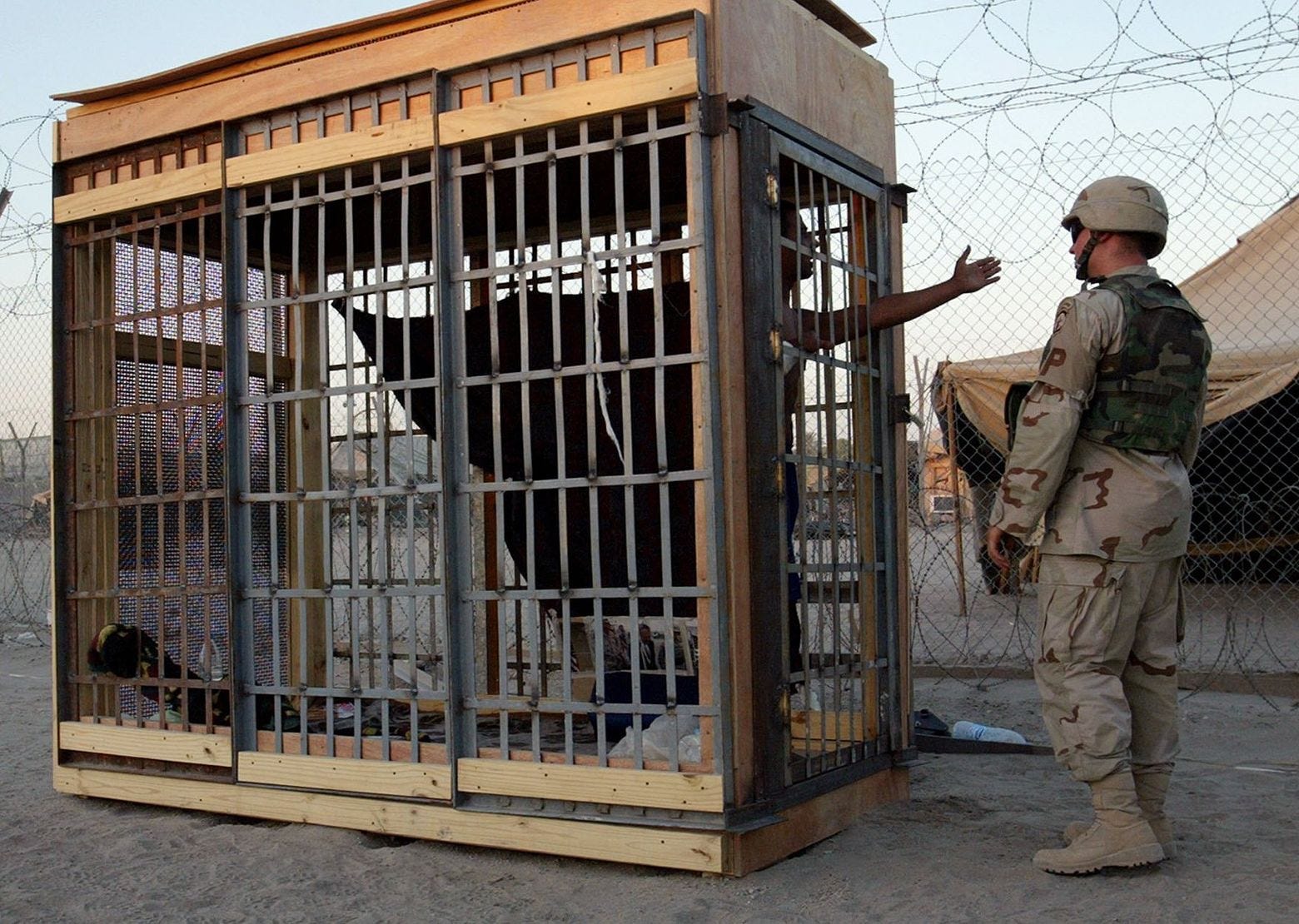
I’m sure that piece of shit counselor above has all the tricks of a shitty counseling degree from some fucked up college. Enjoying the distance there, no, counseling this guy in a fucking cage exposed to the elements? Yep, fucking COUNSELING.
+—+
Oh, boy, do I have more to say. TBC.
In 2002, the American Psychological Association (APA) revised its code of ethics to allow practitioners to follow the “governing legal authority” in situations that seemed at odds with their duties as health professionals. Many argue that the revision, as well as a task force report in 2005 that affirmed that the code allowed psychologists toparticipate in national security interrogations, gave the Bush administration critical legal cover for torture. (link)

[Note: as is so fucking true, these stats, these percentages, just fucking 180 degree them. EVERYTHING in America is a lie, whether the 200 percent inflation now turned into Wailing White House Wall Yellen’s 4.6 percent inflation lie. Just caveating!!!] Anywhere from 50 to 75 percent of people who go to therapy report some benefit—but at least 5 percent of clients get worse as a result of treatment. (For people from marginalized groups, harmful outcomes may be even more common.) The remainder report no clear benefit at all. Plenty of would-be clients go once and, feeling alienated, never return. Others keep trying, even as it becomes clear they aren’t really getting what they need, whatever that is.
But the American mental health care system has hardly acknowledged the existence of bad therapy, let alone taken steps to fix the problem. Instead, in the wake of the Covid-19 pandemic, which sent the demand for therapy soaring, the American Psychological Association and other organizations seemed to prioritize the quantity of available appointments over the quality of any resulting therapy. The rise of app-based mental health care, like BetterHelp and Talkspace, has only made this landscape harder to navigate.
The result is that everyone is telling everyone else to go to therapy, but “nobody really creates space to have dialog about, ‘OK, if it doesn’t work, let’s talk about why,’” says psychotherapist Ben Fineman, cohost of the Very Bad Therapy podcast with Carrie Wiita. That’s partly out of fear of uncertainty, which therapists dislike as much as anyone, and partly because reforming mental health care is complicated. But ignoring these shortcomings is only perpetuating the suffering therapy promises to heal. (Why Therapy is Broken)
BACK TO THE Benjamins!!
New York City has the biggest deficit out of the 75 most populous cities in the U.S., put at a whopping $171.5 billion in 2021 by the organization. However, when comparing with an earlier report citing 2017 numbers, the city’s debt has gone down by around 11%. In contrast, the rest of the top 5 municipal debtors in the U.S. have piled on rather than shed liabilities in the past four years.
This phenomenon is most visible in New Orleans, where municipal debt per taxpayer increased by almost a third since 2017 and now stands at $22,700. The city rose from being the 10th most in debt to the 5th most in debt during this time frame. Portland meanwhile climbed from rank 8 into rank 4.
Where are the employee pensions?
A major point that Truth in Accounting is pointing out in its reports is how excessive municipal debt can endanger city workers’ pensions and similar benefits. In the case of New Orleans, the report states that only 55 cents for every dollar of pledged pension benefits had been put away. In Portland, this number stood even lower at only 44 cents to the dollar.
Despite being obligated to pay employees’ pension and retiree health care benefits when these come up, many cities decide to put off building these funds and even omit the respective items from city balance sheets. Balancing a budget by only listing payments going out or coming in during a specific fiscal year is another insufficient technique applied by cities, according to the report, as it fails to account for obligations a city might incur and would have to start putting money aside for in that year. Pension funds are often invested in the stock market, adding potential for solid returns but also risk—as the market situation in 2022 has shown.

Debt and underwater loans and cities and countries flooded with interest debt, just the tip of the iceberg!
Sobering Statistics
The study, called Financial State of the Cities 2023, was done by Truth in Accounting. It has some difficult truths: 50 out of 75 cities could not pay their bills; the combined debt for all 75 cities is $267 billion. Moreover, elected officials didn’t include the cost of government in this figure, instead pushing it onto future taxpayers.
Cities that cannot pay their bills at the end of each fiscal year are known as ‘sinkhole’ cities, while those that can are called ‘sunshine’ cities. Each city receives grades between A and F — the lowest grade is F, which means the tax burden per citizen exceeds $20,000.
Here are the ten most fiscally troubled sinkhole cities in serious danger of bankruptcy.
1. New York City – Grade: F
New York City has always been the financial beating heart of the U.S. economy. Still, due to a backlog in unfunded retirement entitlements and a litany of bad legislative decisions, New York has the highest tax burden of any state.
2. Chicago, Illinois – Grade: F
Chicago stands at being the second-most in-debt city in America. The town faces incredible challenges with crime and now pension-based debt. The city officials only set aside 25 cents on the dollar in promised pension benefits in 2022.
3. Honolulu, Hawaii – Grade: F
The city would require $26,100 in tax recoupment from every state citizen, surpassing the F-grade threshold of $20,000 per taxpayer. Although its tax burden in 2020 was over half a billion more than now, it still finished the fiscal year with a $3.3 billion deficit. Honolulu sits third out of the 75 cities.
4. Portland, Oregon – Grade: F
With a higher debt of $5.2 billion, Portland wins an F for its fiscal health. However, thanks to Portland’s larger population, its tax burden is lower than Honolulu’s. Despite a short-term boost to its pension assets’ valuation, Portland only put aside 44 cents on the dollar for promised pension benefits.
5. New Orleans, Louisiana – Grade: F
The Big Easy is 71st out of 75 cities in the study, sitting within the dreaded F-zone for their fiscal report. In the past, city officials have been guilty of underfunding pension entitlements and reneging on retiree health care pledges. Moreover, the city is one of many that submitted their fiscal report late, meaning poorer fiscal conduct worsened their total debt.
6. Philadelphia, Pennsylvania – Grade: F
The post-pandemic landscape has looked better for Philly of late; however, they still have an F for their almost $12 billion deficit. However, Philadelphia is a large city, so to balance the books, taxpayers would need to stump up $21,800 per person.
7. St. Louis, Missouri – Grade: D
The Gateway to the West has a much lower deficit than its predecessor and drops into the D column, with a lower tax burden of $18,000. However, things are not looking good with an unbudgeted $654.5 million in health care retiree entitlements for city workers due.
8. Dallas, Texas – Grade: D
In 2022, dormant retirement obligations and negative market returns affected Dallas’ fiscal health, leaving the city with $5.9 billion in debt. This figure amounts to $14,700 needed for each taxpayer to help Dallas’ monetary troubles.
9. Pittsburgh, Pennsylvania – Grade: D
Elected officials’ decisions have added to Pittsburgh’s woes, and the city currently has an unpaid debt of $1.5 billion. Federal pandemic funding ran dry during a bearish year for the markets. Subsequently, Pittsburgh’s taxpayers would need to pay $14,600 each to save Steel City’s financial bacon.
10. Miami, Florida – Grade: D
Finally, Miami steals in for the tenth spot. The Magic City has almost $2 billion of unfunded pension and healthcare benefits, with a $14,000 tax burden for its employed residents. However, pension debt is decreasing. Curiously, the police and firefighters’ pension plan investments reached almost 20% returns in 2021.”
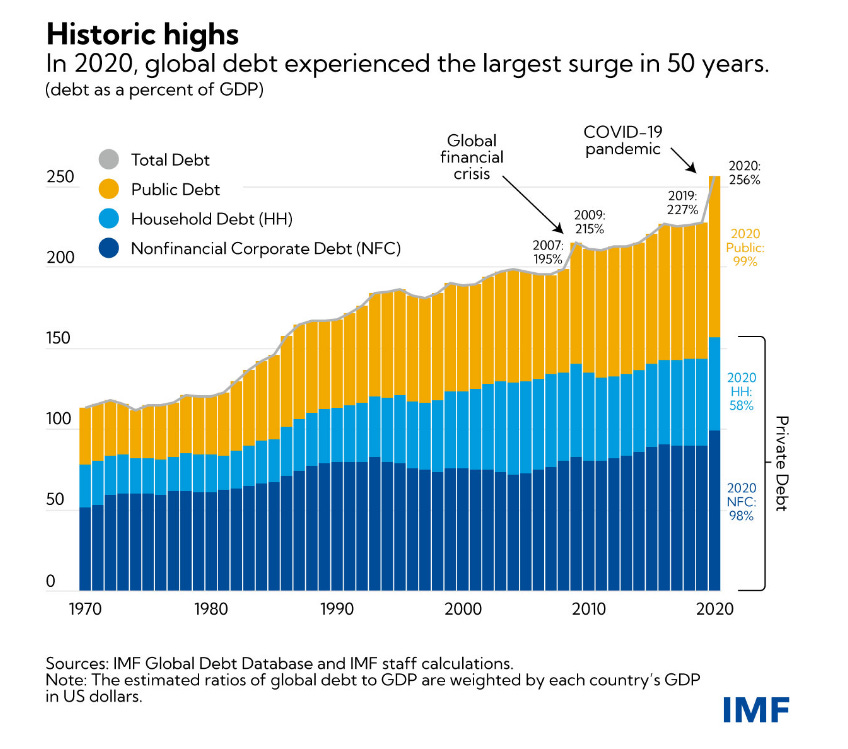
Three years ago: Global Debt Reaches a Record $226 Trillion
How can we explain how the weakest links in the global capitalist system are being affected by the current debt crisis?
This is the first time since 2015 that private creditors have received more funds than they injected into developing countries
Worse still, the investment funds told the countries of the South that if they wanted to refinance their debt, they would have to pay interest rates of between 9% and 15%, and in some cases as high as 26% (as in the case of Zambia and Egypt [4]), otherwise the funds would not buy their bonds. While the countries had no choice but to accept, many of them have no way of making their payments at such high rates. A fresh sovereign debt crisis is the outcome.
Source : Developing Countries Paid Record $443.5 Billion on Public Debt in 2022
Read the full report here.

llustration : Diego Rivera, El hombre controlador del universo
 Paul Haeder, Author