

the obscene nature of the Western Perversion of New Year’s (sic) Based on Mutilating Mother Nature and the Moon
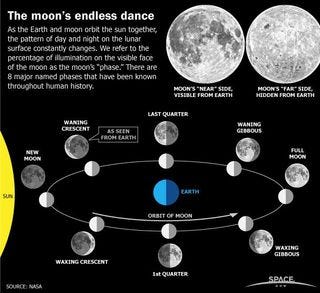

The Chinese tradition of a Spring Festival/New year goes back 3,500 years. The date of the Chinese New Year is determined by the lunar calendar. The holiday falls on the second new moon after the winter solstice on December 21. Each year the New Year in China falls on a different date than on the Gregorian calendar. The dates usually range sometime between January 21 and February 20.
Why is it called the Spring Festival?
Even though it is winter, the Chinese New Year is popularly known as the Spring Festival in China. Because it starts from the Beginning of Spring (the first of the twenty-four terms in coordination with the changes of Nature), it marks the end of winter and the beginning of spring.
The Spring Festival marks a new year on the lunar calendar and represents the desire for a new life.
Legend of the Origin of Chinese New Year
Chinese New Year is steeped with stories and myths. One of the most popular legends is about the mythical beast Nian (Year). He ate livestock, crops, and even people on the eve of a new year.
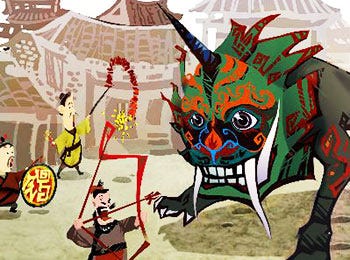
To prevent Nian from attacking people and causing destruction, people put food at their doors for Nian.

It’s said that a wise old man figured out that Nian was scared of loud noises (firecrackers) and the color red. So, people put red lanterns and red scrolls on their windows and doors to stop Nian from coming inside. Crackling bamboo (later replaced by firecrackers) was lit to scare Nian away.

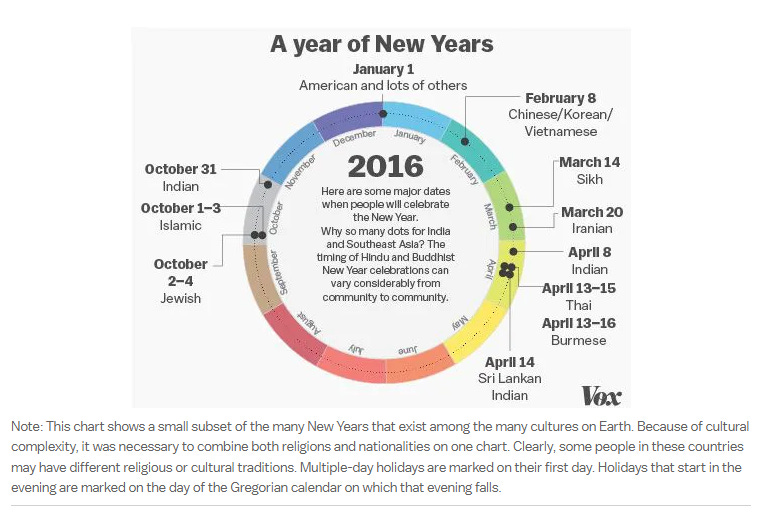
Many countries do not follow the Gregorian Calendar to celebrate New Year’s. That holiday is often based on lunar cycles and doesn’t necessarily fall on January 1. The Persian New Year in Iran, for instance, is determined by the Northern Hemisphere’s vernal equinox. Here’s a guide to New Years’ celebrations in 2016:
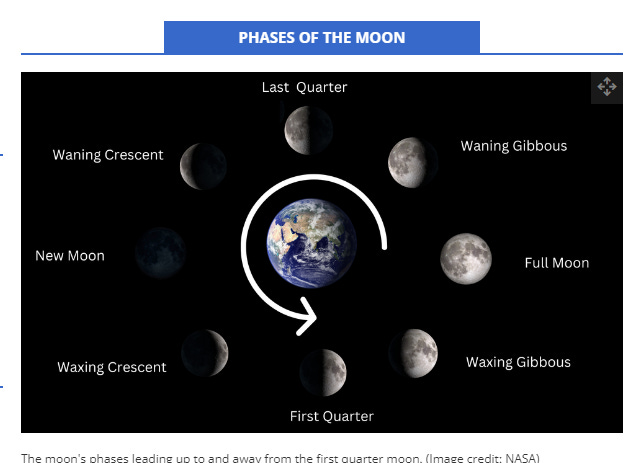
A moon calendar, or more commonly called a lunar calendar, is easy to define. It’s a calendar that follows the monthly cycles of the phases of the moon. It’s one of the oldest calendars in the world that creates lunar months, also known as synodic months. Don’t get caught up in the complicated terminology. A lunar month is simply one that occurs between two successive syzygies, such as new moons and full moons.
Although solar calendars, which are determined by the solar and have influenced the Gregorian Calendar, lunar calendars were essential. And, there can impact can still be felt today.
For example, each lunation is approximately 291⁄2 days (29 days, 12 hours, 44 minutes, 3 seconds, or 29.530588 days). Because of this, it helped determine where each month alternates between 29 and 30 days. The word month is derived from the word moon.
Additionally, ancient civilizations used the phases of the moon to help identify the seasons (Spring, Summer, Autumn, and Winter). Since each season has three full moons, this guided them in knowing when to schedule vital activities like harvesting and hunting.
Today, the moon calendar is used for ritual purposes, as opposed to official business. Easter, Ramadan, Rosh Hashanah, and the Chinese New Year are just a handful of holidays that rely on the lunar calendar.
Again, on average, there are 29.53 between each phase of the moon. How was this figure determined? Well, some incredibly smart folks figured out a long time ago that a new moon appears every 29.53 days. It should be noted. However, that does vary just slightly. Some months it’s 28 days while others can be 30.
What’s fascinating is that it takes the moon around 27.3 days to orbit the earth. However, it needs 2.2 days to “catch up.” The reason? Our little third rock from the sun travels roughly 45 million miles around the Sun during the time the Moon completes one orbit around Earth.

The 13 Moon 28-day synchronometer is a harmonic timespace matrix. It takes the moon 28 days to orbit the Earth; it makes this orbit 13 times each year. The standard of measure is the 28-day cycle, called a moon, because it is the median between the 29.5-day synodic cycle of the moon (new moon to new moon) and the 27.1-day sidereal cycle of the moon. Hence, it is a measure of Earth’s solar orbit using the 28-day lunar standard. This creates a perfect orbital measure of 13 moons of 28 days, totaling 364 days, or 52 perfect weeks of 7 days each. Because the 365th day is no day of the moon or week at all, it is known as the “day out of time” – a day to celebrate peace through culture and time is art!
“The Thirteen Moon calendar is an evolutionary tool to assist humanity in the unprecedented act of uniting itself on one issue central to its complete well-being: time. The harmonic convergence of humanity on this one issue, combined with the inescapable order, perfection and simplicity of following the 13 Moon calendar will lift the species as a simultaneous whole into the galactic timing frequency of 13:20.”

In the 13 Moon calendar the names of the 13 moons correspond to the thirteen galactic tones of creation. Each of the 13 moons is saturated with meaning and altogether they form a whole vision sequence of cosmic order. Each year also serves as a planetary service wavespell. Before we introduce the names of the thirteen moons, please consider the meanings of the 12 months of the Gregorian calendar:
- January is the God of the Doorway.
- February is an obscure reference to a type of entrails used in a form of divination.
- March is named after Mars, the God of War.
- April and May are named after obscure floral goddesses of the springtime.
- June is named after Juno, the wife of Jupiter.
- July is named after Julius Caesar.
- August is named after Augustus Caesar. August used to be the month called Sextile, which means 6, and Augustus Caesar figured that if Julius had a month named after him, then Augustus also wanted a month named after himself. So he changed Sextile to August and at that time it only had 30 days, February had 29, so he took the 29th day from February and added it to August so it would have 31 just like Julius did with July.
- September means 7 (“sept”) but is the ninth month.
- October means 8, but is the 10th month.
- November, which means 9, is the 11th month.
- December, the 12th month, means 10.
In the 13 Moon calendar, the meaning of each of the 13 moons corresponds to that particular number frequency having three key words. These numbers are known as the thirteen galactic tones of creation that together form the cosmology of movement. These 13 Moons can be put into the format of a wavespell:
- Moon 1: Magnetic Unify purpose Attract
- Moon 2: Lunar Polarize challenge Stabilize
- Moon 3: Electric Active service Bond
- Moon 4: Self-existing Define form Measure
- Moon 5: Overtone Empower radiance Command
- Moon 6: Rhythmic Organize equality Balance
- Moon 7: Resonant Channel attunement Inspire
- Moon 8: Galactic Harmonize integrity Model
- Moon 9: Solar Pulse intention Realize
- Moon 10: Planetary Perfect manifestation Produce
- Moon 11: Spectral Dissolve liberation Release
- Moon 12: Crystal Dedicate cooperation Universalize
- Moon 13: Cosmic Endure presence Transcend
Here are the full names and Gregorian dates of the 13 Moons:
1. Magnetic Bat Moon (July 26-August 22)
2. Lunar Scorpion Moon (August 23-September 19)
3. Electric Deer Moon (September 20-October 17)
4. Self-existing Owl Moon (October 18-November 14)
5. Overtone Peacock Moon (November 15-December 12)
6. Rhythmic Lizard Moon (December 13-January 9)
7. Resonant Monkey Moon (January 10-February 6)
8. Galactic Hawk Moon (February 7-March 6)
9. Solar Jaguar Moon (March 7-April 3)
10. Planetary Dog Moon (April 4-May 1)
11. Spectral Serpent Moon (May 2-May 29)
12. Crystal Rabbit Moon (May 30-June 26)
13. Cosmic Turtle Moon (June 27-July 24)
Day Out of Time (July 25)
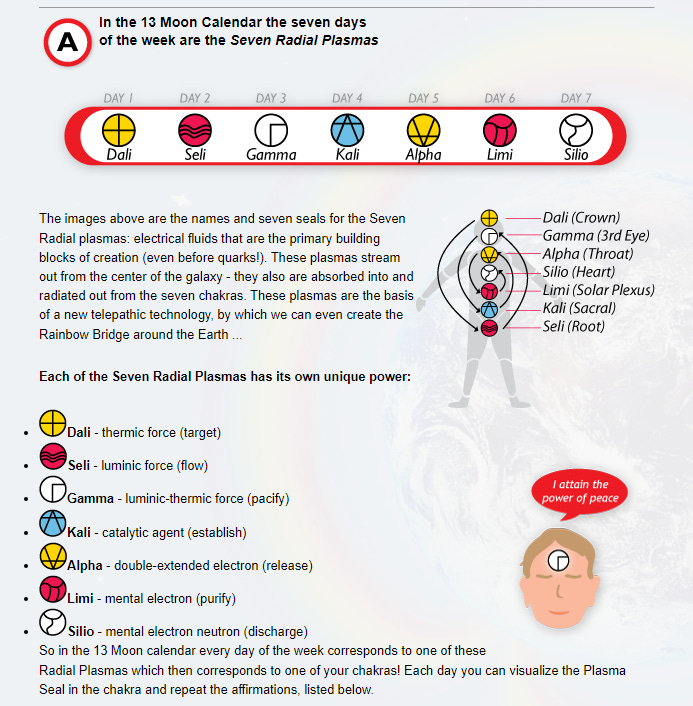

Ahh, that Gregorian Calendar — calendar of usury, murder, exploitation, extraction, takings, imprisonment, suppression, hate, chaos, business, banking, war, transactions, legal shackles.
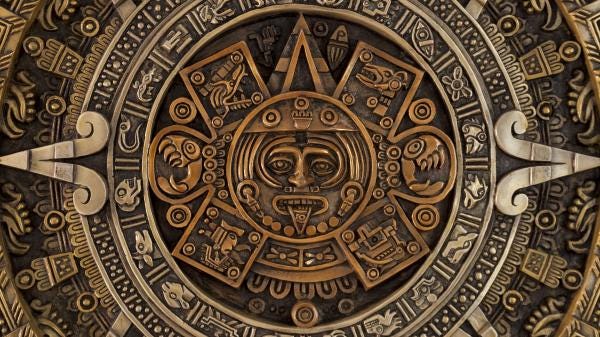
The Maya calendar is a system of three interlacing calendars and almanacs which was used by several cultures in Central America, most famously the Maya civilization.

The reason Zionists have the full support of European and US leaders is because the genocidal drive to ‘exterminate all the brutes’ is embedded deep in their psyches.

[The Secret to High-tech Success? This Elite Israeli Army Unit — The success of graduates of the IDF’s Intelligence Unit 8200 is staggering. Are they simply so talented or is it all connections? And why do most of them come from the center of the country?] Think of Microsoft, Google, and a thousand other places of the software application tyrants where Unit 8200 members go, just another form of Japan’s Unit 731,
This is the genocidal practice of settler-colonialism, dating back at least as far as Bartolome de las Casas in his A Short Account of the Destruction of the Indies (1552). In it, he documented for posterity the vicious brutality of the Spanish, butchering “savage Indians” in an orgy of violence. Israelis are doing the same to the Palestinians.
In North and South America, Australia, Asia and Africa, European settler-colonialists have left behind the evidence of their psychotic genocidal practices.
The European transatlantic slave trade may have halved the population of Africa, some historians believe. The US, Canada, Australia, New Zealand and many African colonies were all built on the systematic extermination, displacement and internment of the original inhabitants.
In the Israeli settler-colonialism now on violent display in Gaza and the rest of Palestine, European colonialism is living up to its murderous infamy and has returned to the global stage with a vengeance.
For decades, scholars of European colonialism have been working hard to document, archive and connect these episodes of the premeditated mass murder of native people around the globe.
But such painstaking scholarship has been unnecessary in Gaza and the West Bank. For there, the barbarity of the Israeli army and the settlers has been on full display on social media, and in the mainstream media in the global south, for anyone who cares to look for themselves.
Israel has put the entire history of Euro-American settler-colonialism and its genocidal instincts on full global display.
While the western media works tirelessly and shamelessly to whitewash Israel’s murderous activities – offering “alternative facts”, demonising Palestinians, valorising Israelis, and sanitising Zionism to assure the world that Israel is “the most moral army” the globe has ever seen – the world at large has been liberated from their pernicious journalism. (Israel’s war on Gaza encapsulates the entire history of European colonialism by Hamid Dabashi )
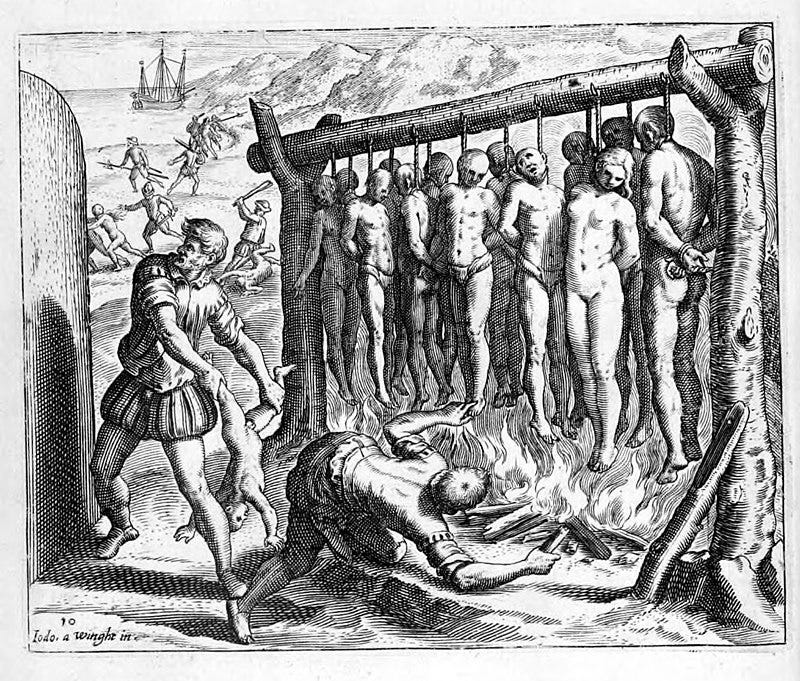
Considering, then, most potent lord, the evils and harm, the perditions and ruin —the equals or likes of which, never were men imagined capable of doing — considering, as I say, those evils which as a man of fifty years’ and more experience, being in those lands present, I have seen committed upon those so many and such great kingdoms, or better said, that entire vast and new world of the Indies — lands conceded and given in trust by God and His Church to the king and queen of Castile, to rule and govern them, convert them to belief in Christ and the Holy Catholic Church, and give them to prosper temporally and spiritually—, this subject was not able to contain himself from supplicating with Your Majesty, most importunely, that Your Majesty not concede such licence nor allow those terrible things that the tyrants did invent, pursue, and have committed against those peaceable, humble, and meek Indian peoples, who offend no person. . . . (de las Casas)
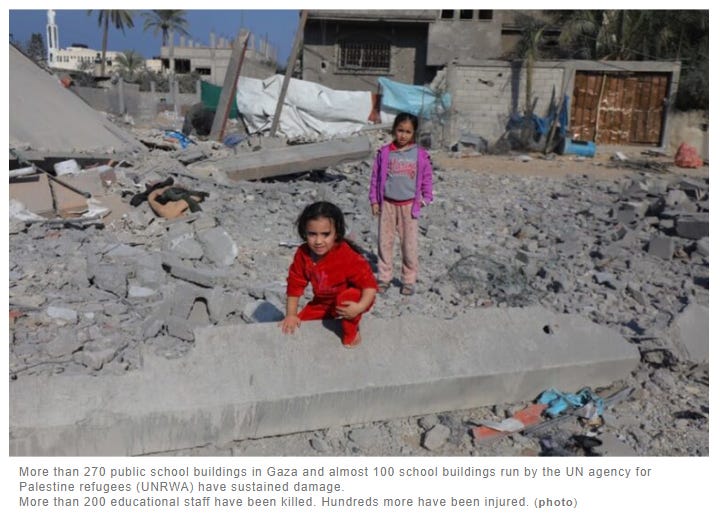
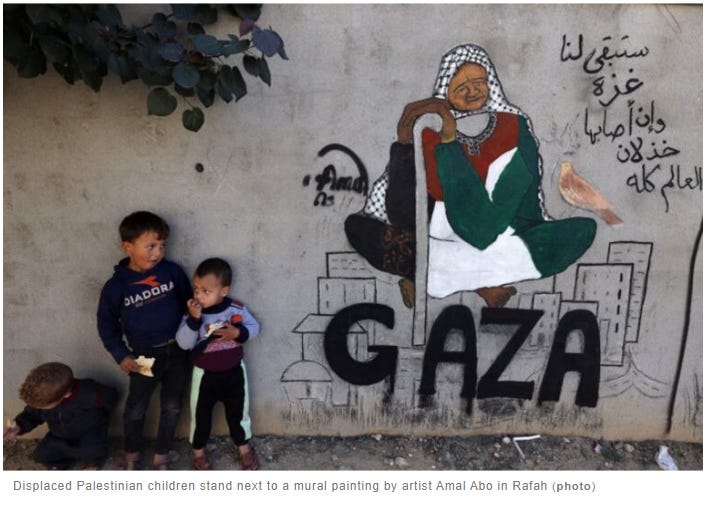
Fuck the Gregorian Death Calendar:

“Zionism is an inheritor of all the worst tendencies of racialized systems of exclusion and ideologies of exclusion that exist and continue to exist in Europe,” Abdaljawad explains.
“And now not only is Zionism an inheritor of these ideologies, it’s also the place where new racialized systems of control, exclusion are created and then exported to the Empire.”
Abdaljawad further explains how European guilt over the Holocaust influences its contemporary support for Israeli crimes through an intricate politics of debt.
“The Germans, and perhaps the Europeans as a collective, are paying back the Jews for the crimes they committed against the Jews,” Abdaljawad says.
“Embedded within this notion of backing the state of Israel, and its existence and persistence in Palestine, and justifying even the existence of the German nation through it, is that through that we will actually pay our debt. And this is an unpayable debt.”
He also examines how the construction of the Holocaust as standing above all other crimes actually facilitates Western and especially German support for the Israeli genocide in Gaza.
The “memory of the Holocaust has been created as something that is so unique, so singular, that nothing else can match it … ever again,” Abdaljawad argues. “In a way that also allows the crimes that are committed in Palestine to always be diluted,” with the perpetrators and their supporters using this singular construction of the Holocaust as a shield to absolve themselves.
Abdaljawad Omar is a PhD student and lecturer in the Philosophy and Cultural Studies Department at Birzeit University in Palestine. CROSSHAIRS, by Abdaljawad Omar.
The sniper is like a lone onlooker who inspects from the shadows. He enjoys the detachment from his subjects. Akin to a spectator witnessing a couple’s squabble, he briefly perceives them as mirror images of his own petty disputes with his lover. We are all distant observers at times, casually watching with delight a stranger in a café or noting a neighbor’s late arrival. The sniper’s first pleasure is the pleasure that distance allows.
Yet, the sniper’s kinship with his target ends where his livelier role begins. With chilling precision, he selects his mark, keenly attuned to the impending kill. In his imposition, he finds dark pleasure, as he stubbornly cosplays the Angel of Death. Despite his role within a rigid military hierarchy, he singularly claims credit for his actions, convinced of his unique artistry and the mastery of his craft. Like a poet who relishes in obscurity and seclusion, the sniper thrives on the stories of others, while remaining on the spectator-God bench. Returning to the sanctum of the barracks, the euphoria starts to erode, and perhaps only then does he contemplate the justification for his performance. Are his targets less than human or merely foes? Could they be mere skeletons lacking souls? Sometimes, the mere pleasure of a successful hit surpasses the need for queries or moral reckoning.–<>–<>–<>–<>–<>–<>–
Nearly a decade ago, a sniper’s bullet colonized my flesh, an intimate invasion where the cold metal kissed my ankle. There was a perverse fortune in locking eyes with my assailant, witnessing the elation in his act and his casual high-five to his fellow soldier boasting of a successful knockout—such a strange, dark mirror to the man’s face. His delight was a stark revelation, and my smile was almost a rejoinder to his elation, a reaction to the eeriness of my almost-killer.
The bullet announced its approach buzzing in the air before bursting my skin, a sound that declared its intent with creepy precision. In that suspended moment, the rules of Israel’s open-fire regulation were crystalized to a singular point of focus: my lower body. During those years, Israel emphasized maiming rather than killing. Marked for the hit, I became a fatal note in a symphony of triviality, I was then the hunted “human animal” at the end of an unwavering grip of a youthful soldier, too generous for the rifle’s embrace. By some twist of mercy or oversight, I was spared the “upper hit.” Watch the full interview
Watch the full interview:
Every baby in Gaza is “an enemy,” says Israeli analyst
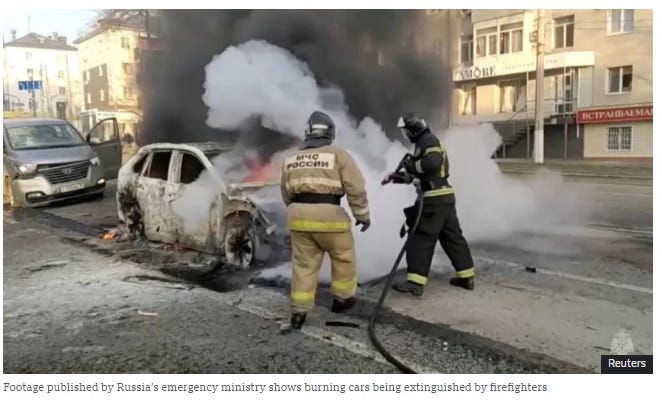
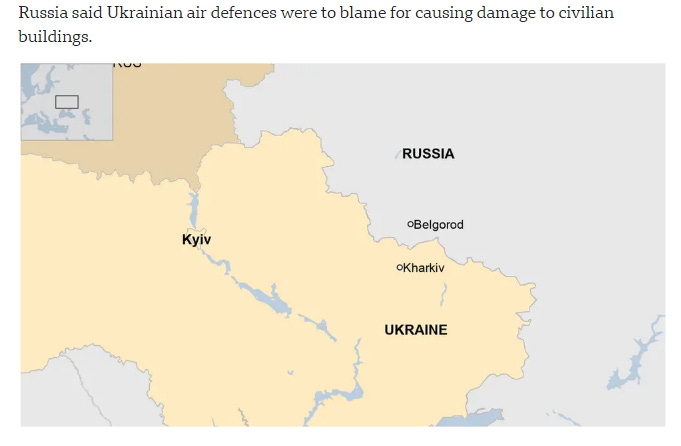
Dirty man, dirty Zionist, dirty little murderer,ZioAzovNaziLensky!

Far right Israeli finance minister Bezalel Smotrich told Israel’s Army Radio on Saturday that there will be an exodus of Palestinians and instead Israelis “will live in the Gaza Strip”.
We will not allow a situation in which two million people live there. If there are 100,000 to 200,000 Arabs living in Gaza, the discussion about the day after will be completely different.
I’m for completely changing the reality in Gaza, having a conversation about settlements in the Gaza Strip… We’ll need to rule there for a long time… If we want to be there militarily, we need to be there in a civilian fashion.
Lackeys r’ Us — War Criminals on Parade, dirty pink pig faced Goyim:

Baby snatchers, baby killers, organ traffickers, sicarios, Jews:

The word “Sicario” finds its origins in Latin, particularly derived from the Latin term “Sicarius,” signifying “assassin” or “dagger-man.” In ancient Rome, the Sicarii, the plural form of Sicarius, were a faction of Jewish zealots and terrorists who operated during the 1st century AD. They were notorious for their secretive and violent methods, which involved employing concealed daggers, known as “sicae,” to eliminate Roman officials and collaborators.

Judas Iscariot, one of the Twelve Apostles of Jesus according to the New Testament, was believed by some to be a sicarius.
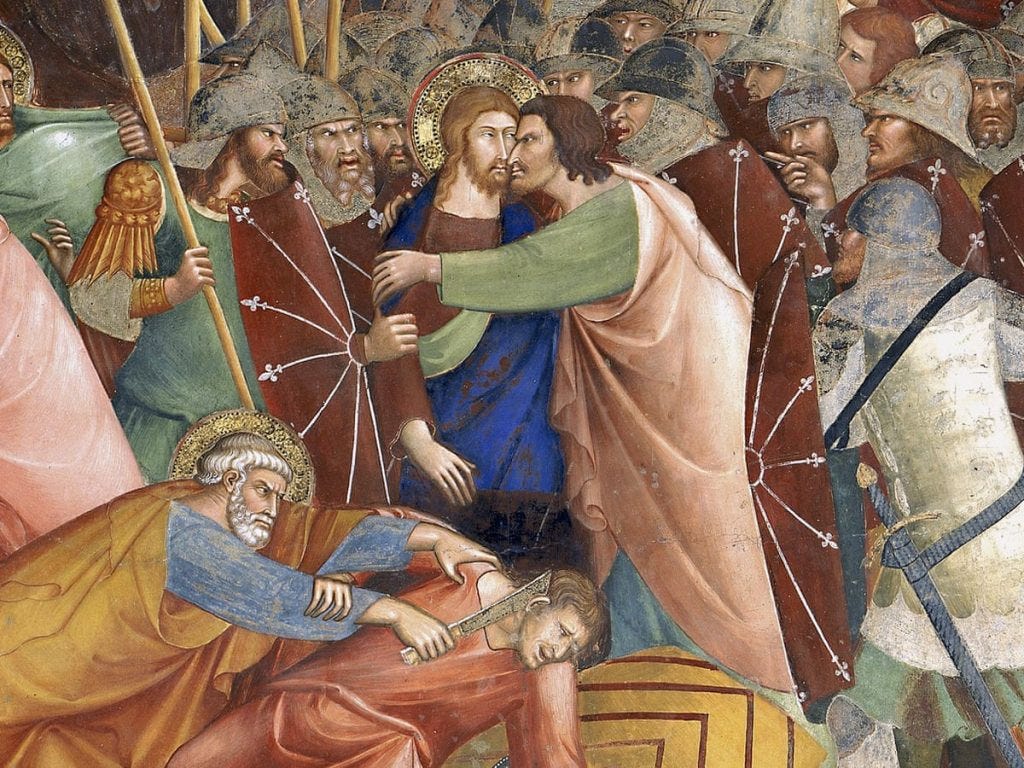

The White Goyim and White Judaics — out of balance!
The Babylonians are believed to have been the first to notice that the transitions of the seasons were brought by cycles not only in the positions of the sun in the sky, but also the waxing and waning of the moon.
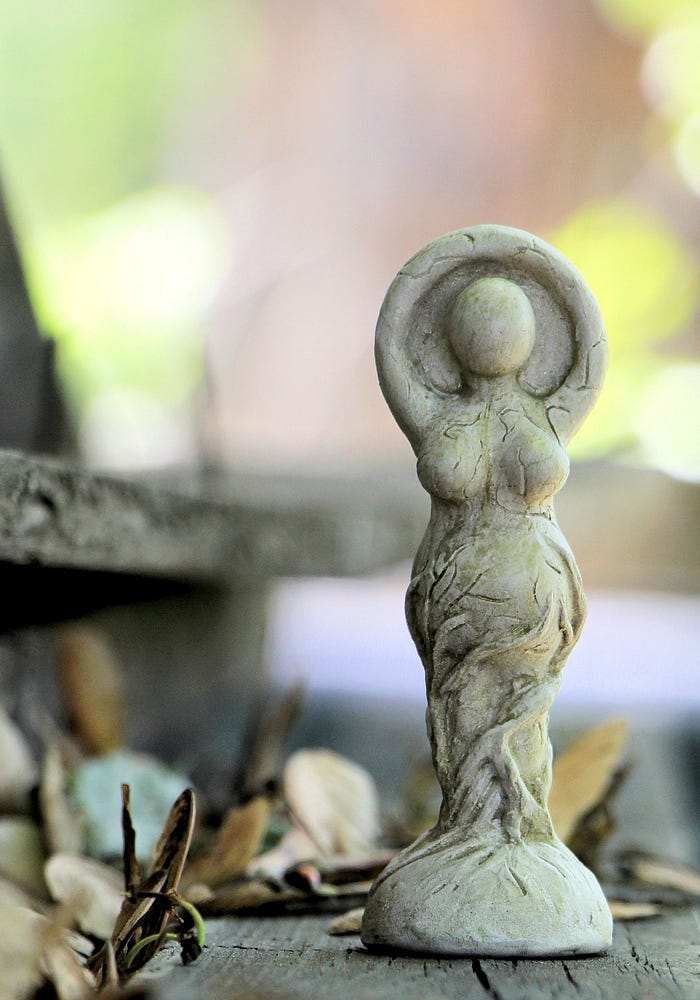
Kill the goddess.
The Hebrew Goddess Asherah
Long ago, in the ancient Near East, people once worshiped a goddess called Asherah. In Israel, the religion was very similar to that of nearby Canaan, and also to that of Egypt. The Israelites worshiped Elohim, his consort Asherah, as well as a pantheon, long before the name of Yahweh was revealed to Moses.
The Bible documents how Judaism railed against her and called her evil for centuries, attempting to eradicate the goddess religion and the portion of society that followed her. They went as far as to write into the Bible how the Hebrew God, Yahweh, killed his wife. After that, with the beginning of Christianity, they finally erased her.
If you look at the Christian Bible today, you will see places where the name Asherah has been re-translated as a “sacred grove of trees” instead of even using the name of the goddess. However, in the Jewish Bible, her name still appears.
The most gruesome and telling story, though, is in the book of Zechariah, and tells about how Yahweh killed his wife.
5 Then the angel who was talking with me came forward and said, “Look up and see what’s coming.”
6 “What is it?” I asked.
He replied, “It is a basket for measuring grain, and it’s filled with the sins of everyone throughout the land.”
7 Then the heavy lead cover was lifted off the basket, and there was a woman sitting inside it. 8 The angel said, “The woman’s name is Wickedness,” and he pushed her back into the basket and closed the heavy lid again.
9 Then I looked up and saw two women flying toward us, gliding on the wind. They had wings like a stork, and they picked up the basket and flew into the sky.
10 “Where are they taking the basket?” I asked the angel.
11 He replied, “To the land of Babylonia, where they will build a temple for the basket. And when the temple is ready, they will set the basket there on its pedestal.”
(Zechariah 5:5–11)
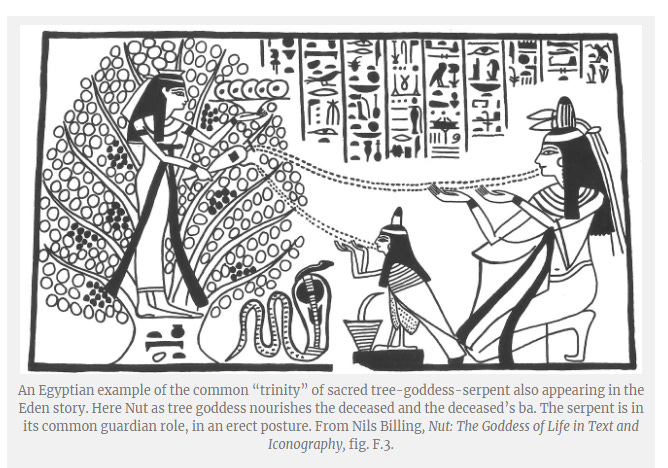
Fucking Judaism and Christianity hate the woman:
The Goddess is also seen in the figure of Eve herself, the last figure in our trinity of tree-serpent-Goddess. In the Eden story she is given the epithet “the mother of all living,” an epithet like those given to various ancient near Eastern goddesses including Siduri, Ninti, and Mami in Mesopotamia and Asherah in Syria-Palestine. Eve’s actual name in Hebrew (ḥawwâ), besides meaning life (for which goddesses were traditionally responsible), is also likely wordplay on an old Canaanite word for serpent (ḥeva).
The name of the goddess Tannit (the Phoenician version of Asherah) means “serpent lady,” and she had the epithet “Lady Ḥawat” (meaning “Lady of Life”), which is derived from the same Canaanite word as Eve’s name (ḥawwâ). At the end of the story, Eve is punished by having to give birth in pain, whereas goddesses in the ancient Near East gave birth painlessly.
Further, in Genesis 4:1, Eve needs Yahweh’s help in order to become fertile and conceive, a reversal of the Goddess’ power and function. (Indeed, Eve is even created from Adam!) Adam’s only fault was “listening” to Eve in order to attain divine qualities. Here the Yahwist may be alluding to Goddess veneration, saying not to worship her. This seems to be one reason for the punishment consisting of woman’s subjugation to man in Genesis 3:16. (Source)
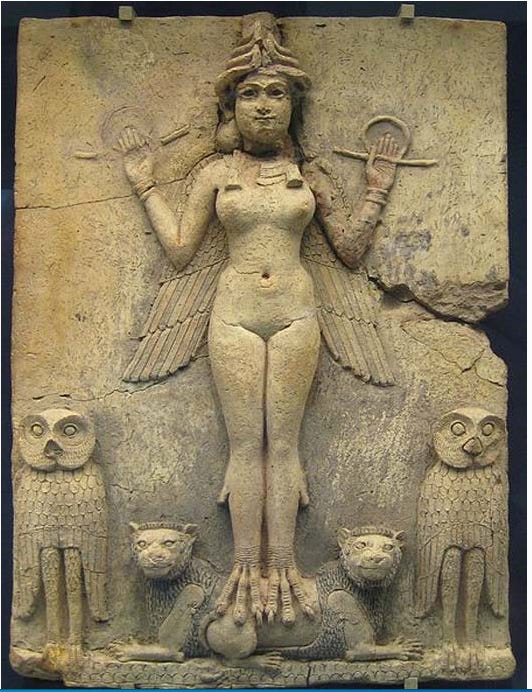
[Living in the 23rd century BC (approximately 2285 – 2250 BC), Enheduanna was the high priestess of the Temple of Sumer.] Enheduanna:
“is credited with creating the paradigms of poetry, psalms, and prayers used throughout the ancient world… Her compositions, though only rediscovered in modern times, remained models of petitionary prayer for even longer. Through the Babylonians, they influenced and inspired the prayers and psalms of the Hebrew Bible and the Homeric hymns of Greece. Through them, faint echoes of Enheduanna, the first named literary author in history, can even be heard in the hymnody of the early Christian church.”
The problem of evil is a touchstone of any religion. From our direct confrontation with evil results suffering, and thus endless questions about the meaning of life. That is why all religions have to give a proper answer regarding the origin, nature and end of evil.
There are three major religious alternatives in explaining evil, stated by the pantheistic, dualistic and monotheistic religions. Pantheistic religions regard evil as ultimately unreal. Human suffering is a product of spiritual ignorance gathered in previous lives and distributed in the present one according to the dictates of karma. In the dualistic religions, good and evil are two eternal and rival principles. Neither has created the other one and each acts according to its own nature. In the monotheistic religions, evil has a personal identity. Its source is a being that has fallen from an initial good status as a result of misusing freedom of will. Let us analyze these perspectives and see to what extent they are compatible with one another.
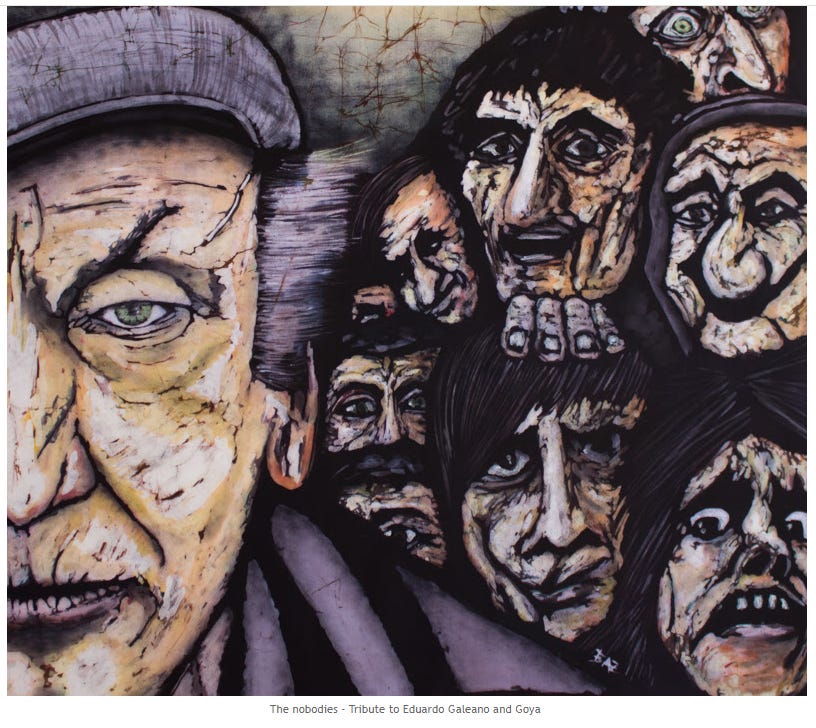
The Nobodies by Eduardo Galeano
Fleas dream of buying themselves a dog, and the nobodies dream of escaping poverty: that one magical day good luck will suddenly rain down on them–will rain down in buckets. But good luck doesn’t rain down yesterday, today, tomorrow, or ever. Good luck doesn’t even fall in a fine drizzle, no matter how hard the nobodies summon it, even if their left hand is tickling, or if they begin the new day with their right foot, or start the new year with a change of brooms.
The nobodies: nobody’s children, owners of nothing. The nobodies: the no ones, the nobodied, running like rabbits, dying through life, screwed every which way.
Who are not, although they are.
Who don’t speak languages, but dialects.
Who don’t have religions, but superstitions.
Who don’t create art, but handicrafts.
Who don’t have culture, but folklore.
Who are not human beings, but human resources.
Who do not have faces, but arms.
Who do not have names, but numbers.
Who do not appear in the history of the world, but in the police blotter of the local paper.
The nobodies, who are worth less than the bullet that kills them.
+—+
 Paul Haeder, Author