

what was it, the Fugutive Slave Act? Papers. Free or not Free . . . We are Palestinians
Think underground railroad and Harriet Tubman?
Harriet My Woman Tubman:
Ahh. Palestine is Canada is Australia is USA.
We in Yankee Doodle Dandy America loved our Palestinian slaves. Fucking congress passed the fugitive slave act in 1850. Israel did the same in 1948.
South Africa is British India is is is. Australia and Klanada, is EuroTrashLandia is the Inbred British Un-United Kingdom.
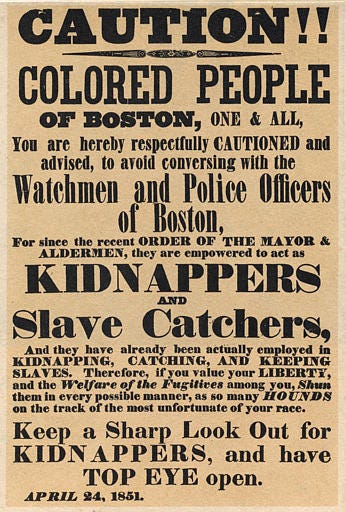
Dirty white race …. EuroTrash and Klanada and Inbred UK, all the same genocde black plague. Monsters you gotta fight with mines and Molotovs and minds
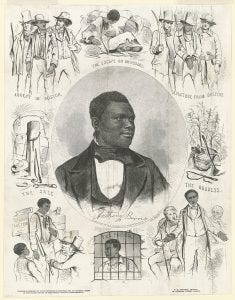
The demand from the South for more effective legislation resulted in enactment of a second Fugitive Slave Act in 1850. Under this law fugitives could not testify on their own behalf, nor were they permitted a trial by jury. Heavy penalties were imposed upon federal marshals who refused to enforce the law or from whom a fugitive escaped; penalties were also imposed on individuals who helped slaves to escape. Finally, under the 1850 act, special commissioners were to have concurrent jurisdiction with the U.S. courts in enforcing the law. The severity of the 1850 measure led to abuses and defeated its purpose. The number of abolitionists increased, the operations of the Underground Railroad became more efficient, and new personal-liberty laws were enacted in many Northern states. These state laws were among the grievances officially referred to by South Carolina in December 1860 as justification for its secession from the Union. Attempts to carry into effect the law of 1850 aroused much bitterness and probably had as much to do with inciting sectional hostility as did the controversy over slavery in the territories.
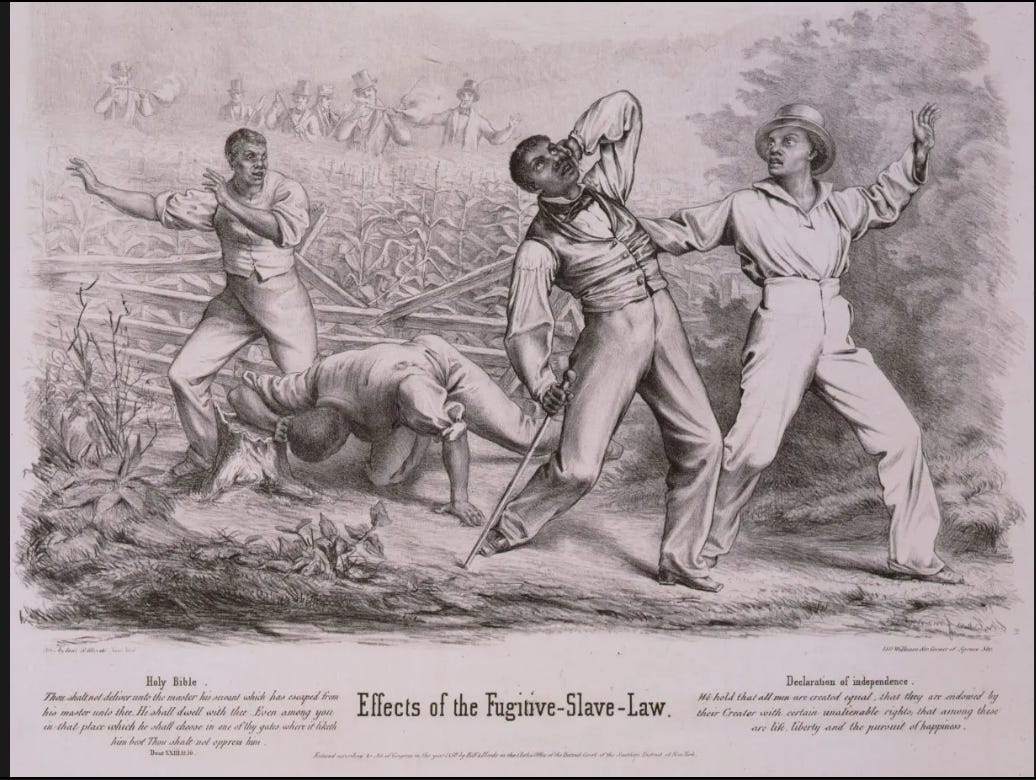
You think the fucking AmeriKKKans have a leg to stand on while putting on parades and massive demonstrations to stop another 20,000 KIA-ed in Palestine?
The Jews in Israel have learned the lessons from so many places — British India, British China, Germany, the Boars of South Africa, Rhodesia, AmeriKKKa and the reservations, the internment camps, the Nazi’s concentration camps . . . .
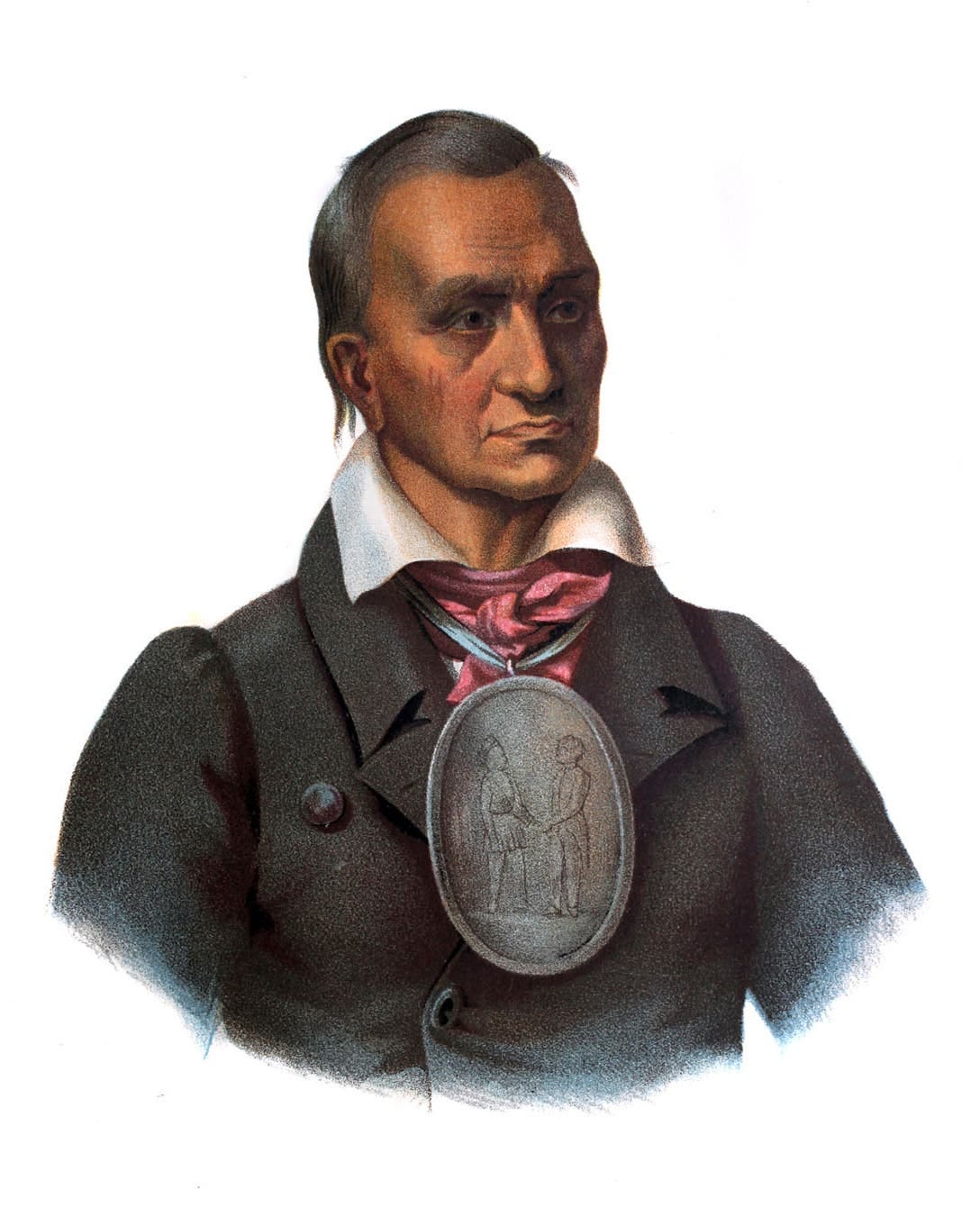
From 1778 to 1871, the United States signed some 368 treaties with various Indigenous people across the North American continent. Palestine:
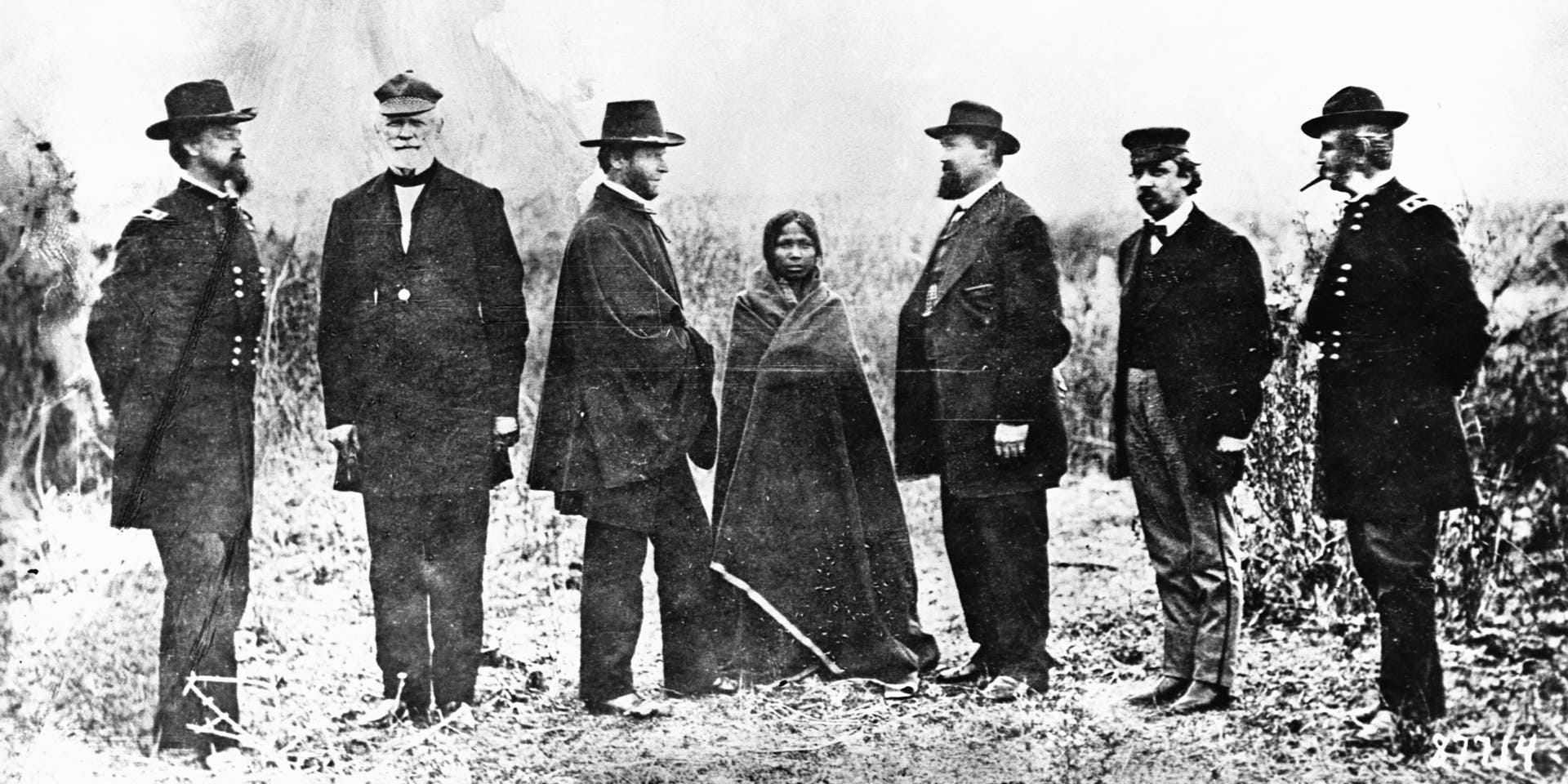
Treaty With the Delawares/Treaty of Fort Pitt – 1778
But mutual suspicion continued, especially after Pennsylvania militiamen killed nearly 100 Lenape (most of them women and children) at the village of Gnadenhutten in March 1782, mistakenly believing they were responsible for attacks against white settlers. After the American victory, more and more white settlers moved onto Lenape territory, until the Treaty of Greeneville in 1795 forced them and other Ohio Country Native Americans to surrender most of their lands.
Treaty of Hopewell – 1785-86
Despite this sentiment, white settlers were already moving onto the lands designated for the Cherokee, leading to more conflict and the Treaty of Holston (1791), in which the Cherokee forfeited still more land.
Treaty of Canandaigua/Pickering Treaty/Calico Treaty – 1794
Over the years, as the Six Nations’ territory was further reduced, the Onondaga, Seneca, Tuscarora and some Oneida remained in New York on reservations, while the Mohawk and Cayuga left for Canada and the Oneida settled in Wisconsin and Ontario.
Treaty of Greeneville – 1795
But the treaty provided only short term resolution, as continued U.S. expansion quickly nullified its effect. By 1808, Shawnee war chief Tecumseh had organized a Native confederacy to mount armed resistance to continued U.S. seizure of Native American lands.
Treaty of Fort Wayne – 1809
In 1811, Harrison led an attack on a Native American camp on the Tippecanoe River, beginning a new U.S.-Native conflict that would last through the War of 1812. After Tecumseh’s death in battle in 1813, his confederacy dissolved, along with his dream of Native American independence.
Andrew Jackson & Indian Removal Act – 1830
Though removal was supposed to be voluntary, in practice Jackson used threats of withheld payments and legal and military action to conclude nearly 70 removal treaties over the course of his presidency, opening up some 25 million acres of land in the South to white settlement, and slavery.
Treaty of New Echota – 1835
The majority of Cherokee opposed the treaty, but Congress ratified it anyway, and in 1838 the federal government sent 7,000 U.S. soldiers to enforce the removal of the Cherokees. An estimated 10 to 25 percent of Cherokee would die during the 1,200-mile trek to Oklahoma, later known as the “Trail of Tears.”
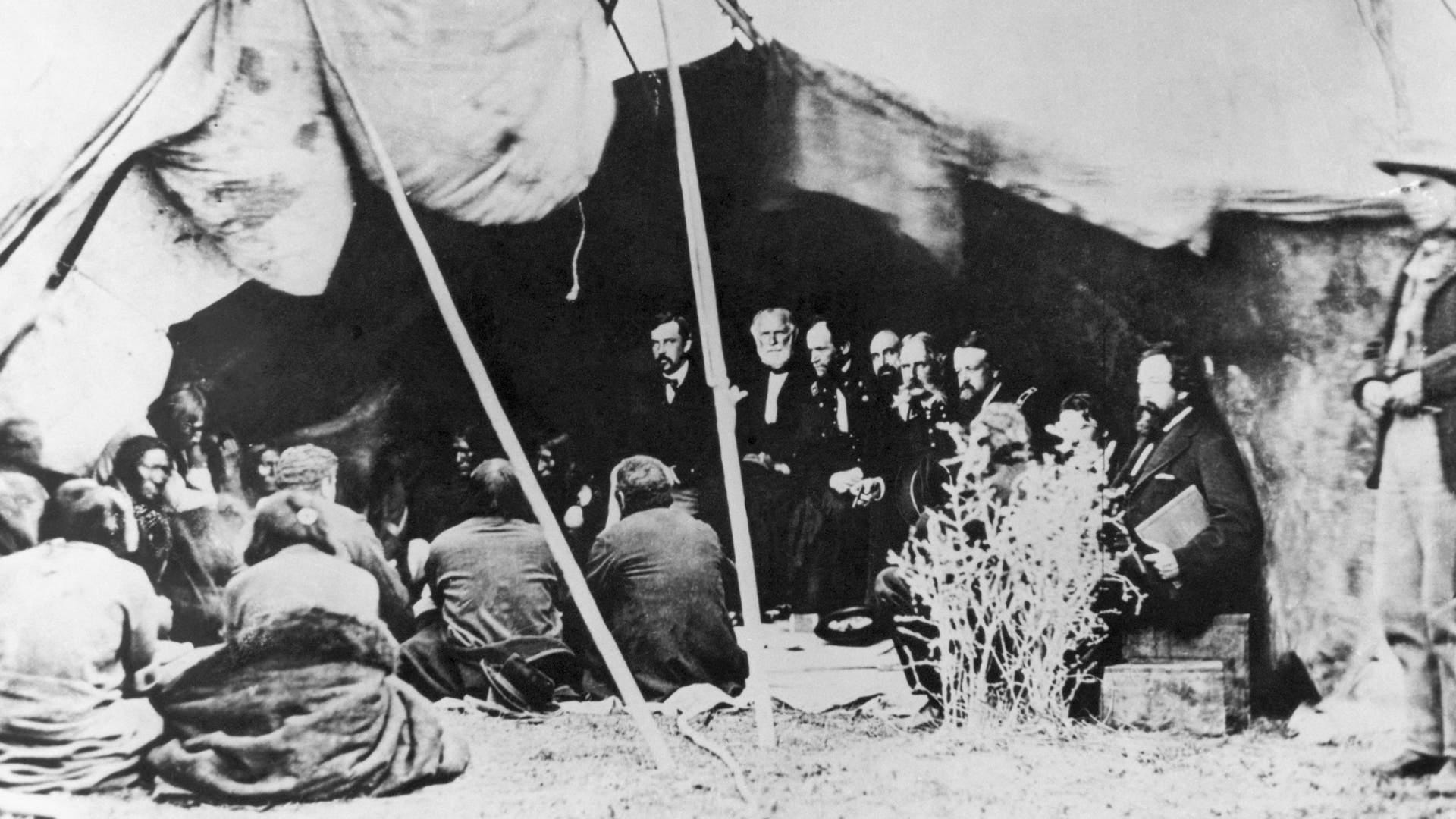
Fort Laramie Treaty – 1868
Native resistance to the treaty’s violation culminated in the Battle of the Little Bighorn in 1876, after which government troops flooded the region. By that time, Congress had ended the nearly 100-year-old practice of making treaties with individual Native American tribes, declaring in 1871 that “henceforth, no Indian nation or tribe…shall be acknowledged or recognized as an independent nation, tribe or power with whom the United States may contract by treaty.”
In 1980, the Supreme Court ruled that the Black Hills were illegally confiscated, and awarded the Sioux more than $100 million in reparations. Sioux leaders rejected the payment, saying the land had never been for sale. Controversy continues over the sacred land—as well as other broken treaties. (source)
PALESTINE:
PALESTINE:
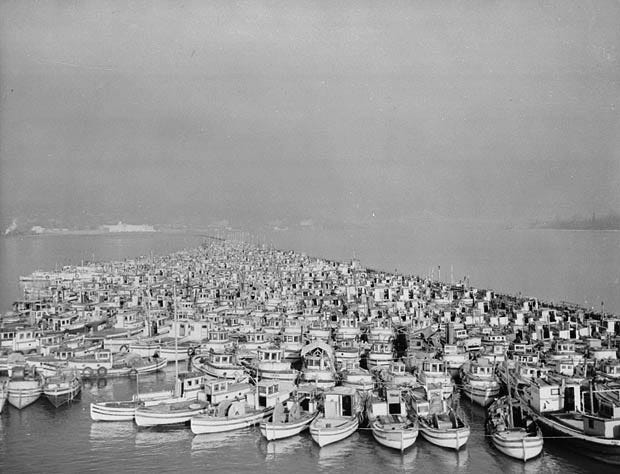
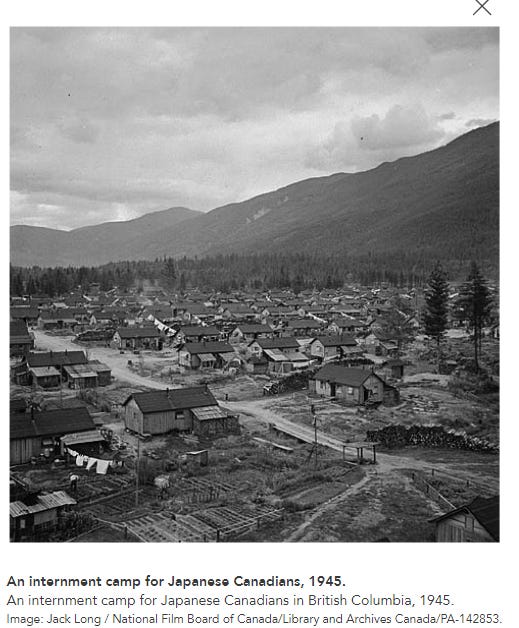
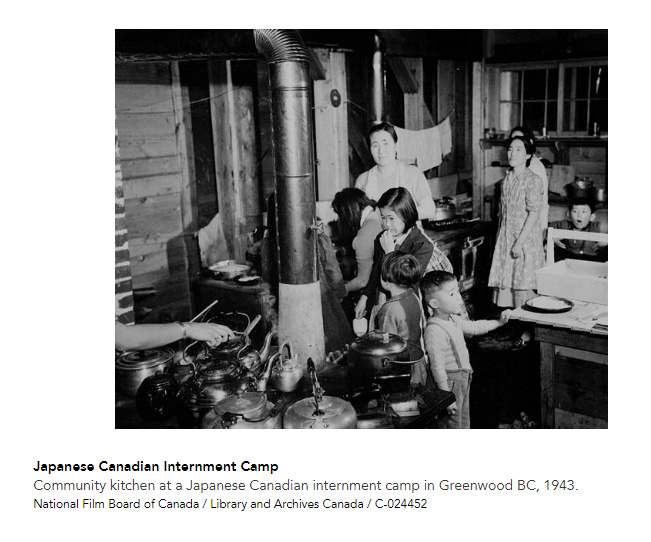
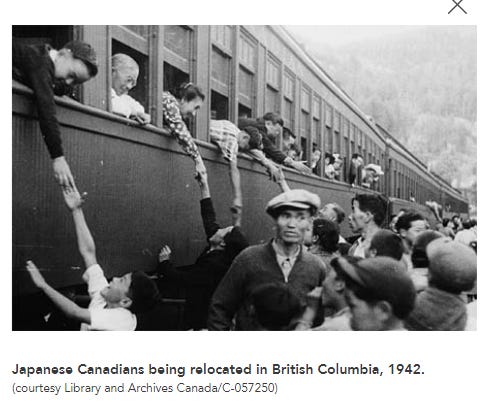
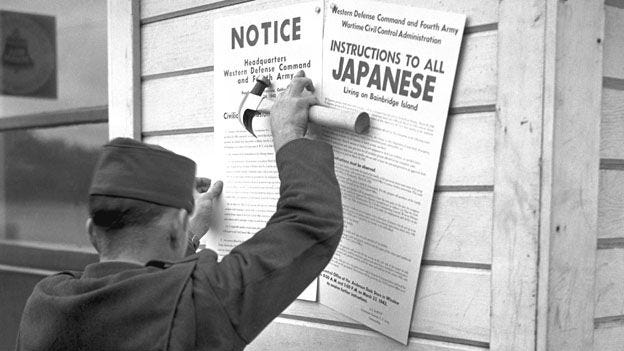
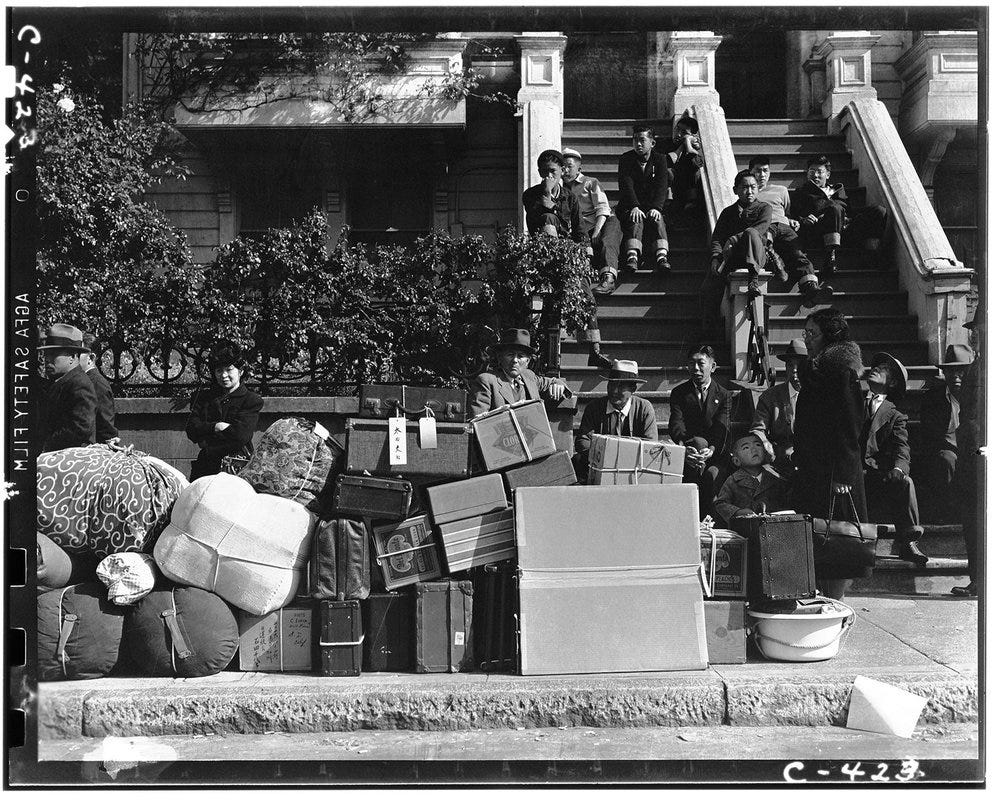
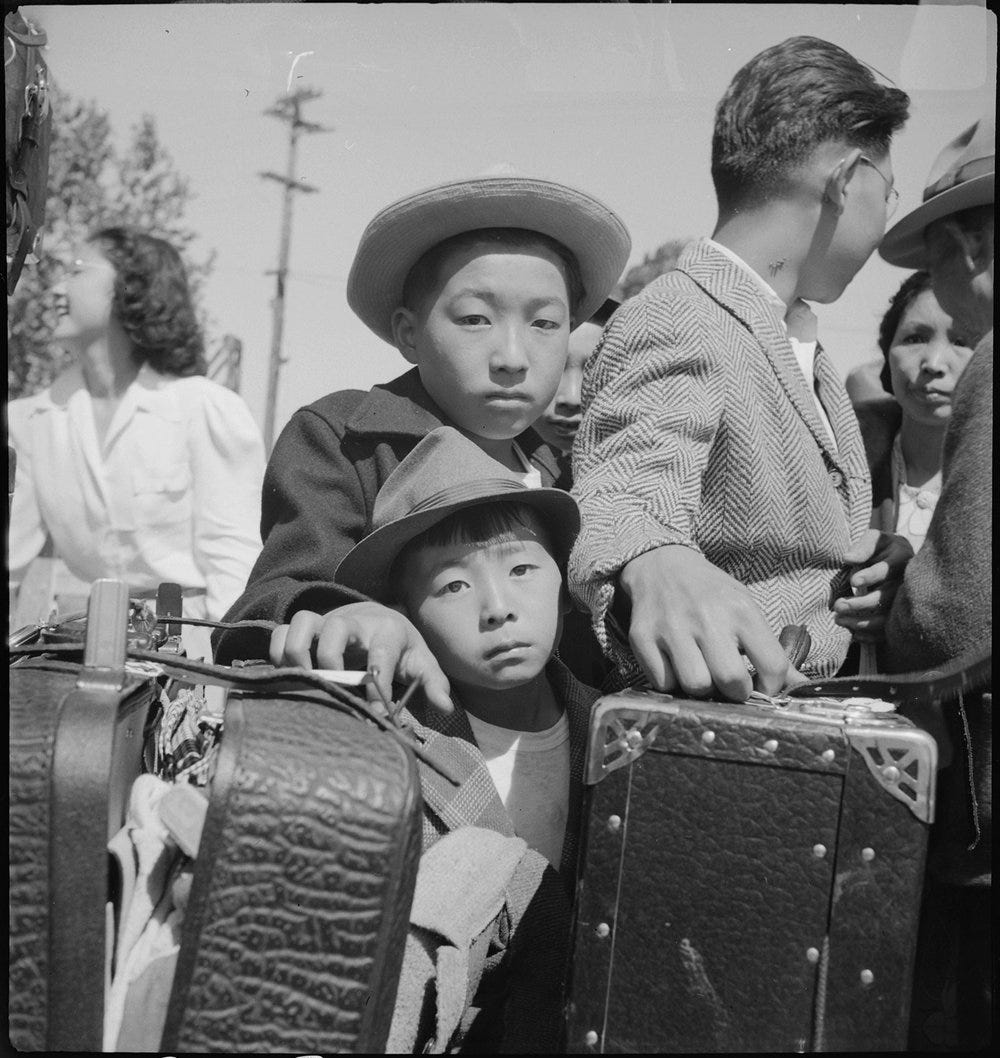
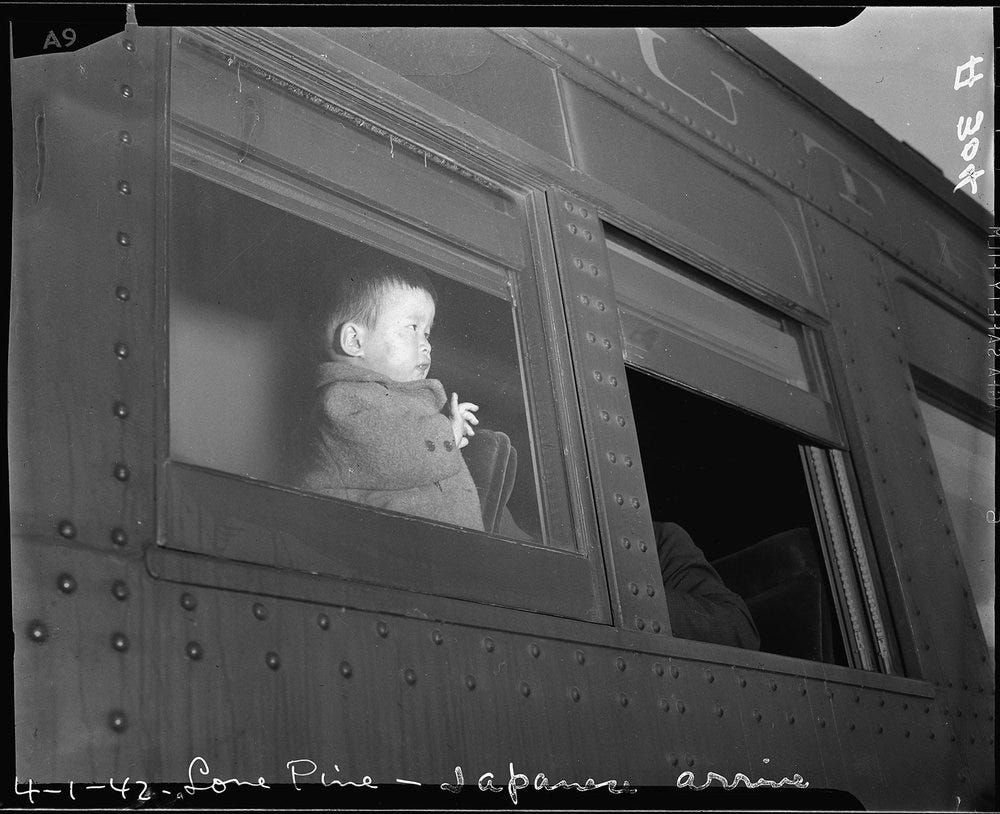
Beginning in early 1942, the Canadian government detained and dispossessed more than 90 per cent of Japanese Canadians, some 21,000 people, living in British Columbia. They were detained under the War Measures Act and were interned for the rest of the Second World War.
The Jews of Israel have studied their progenitors:
[Palestine]
Palestine:
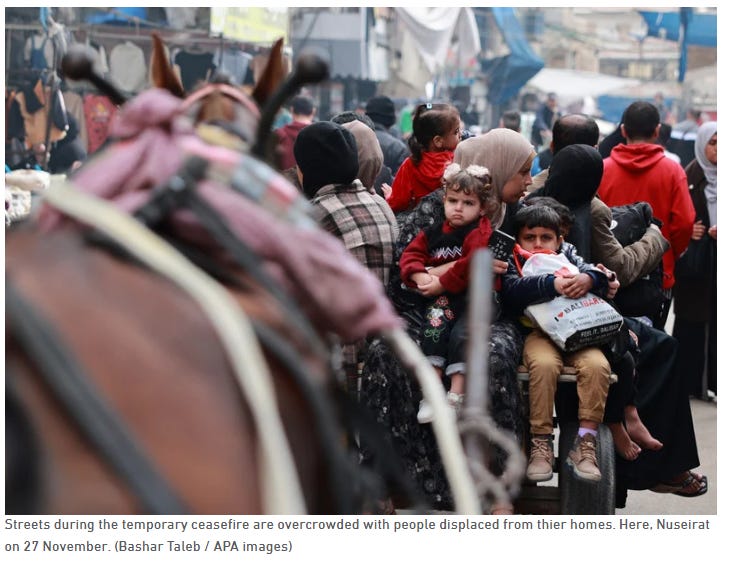
Fucking Palestine EVERYWHERE!
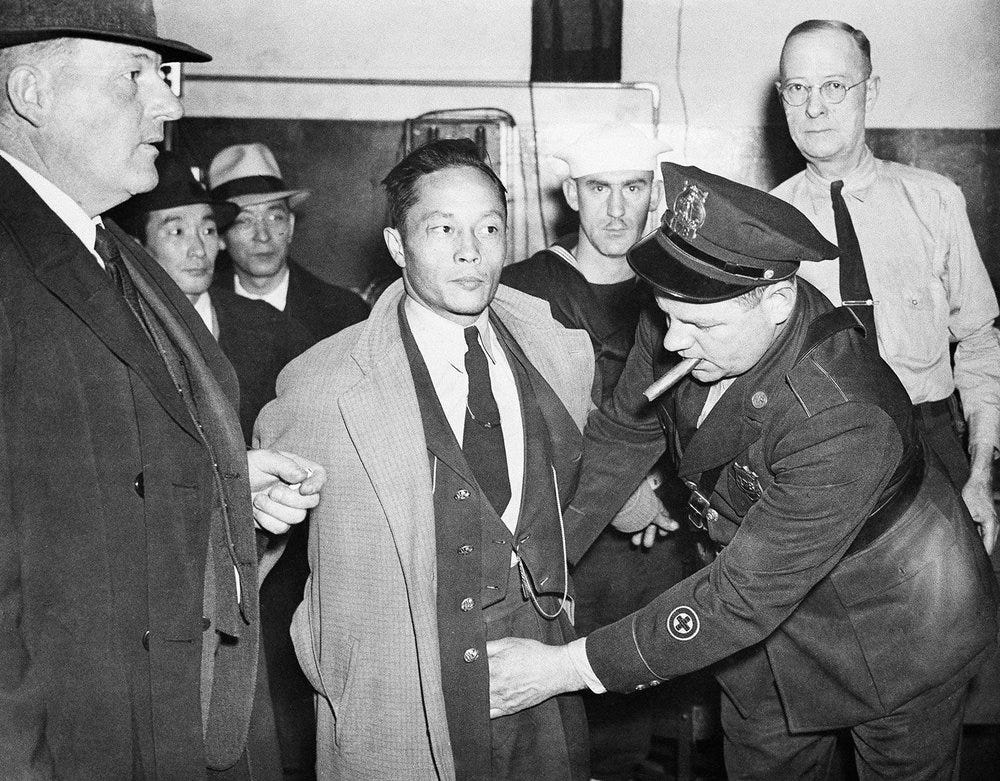
How a Public Media Campaign Led to Japanese Incarceration during WWII; Images by photographers Dorothea Lange and Ansel Adams document this shameful moment in America’s history.
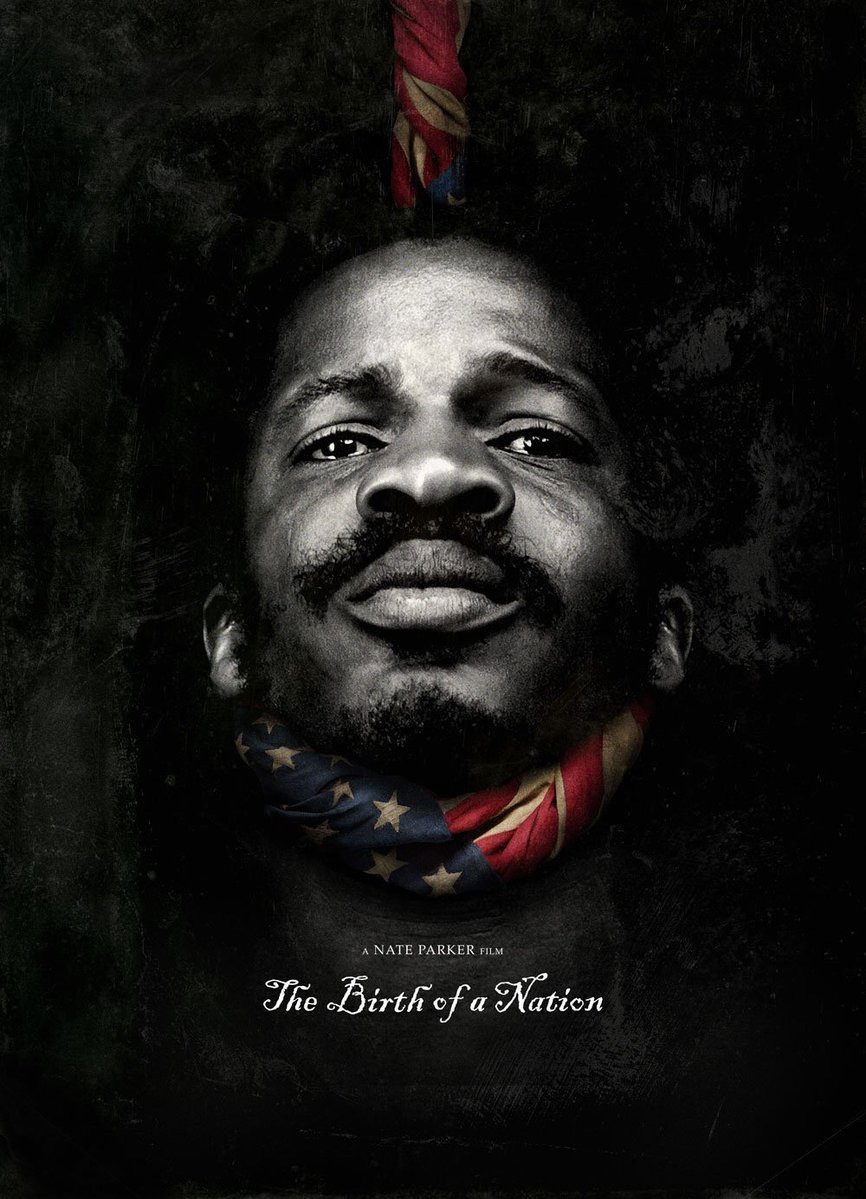
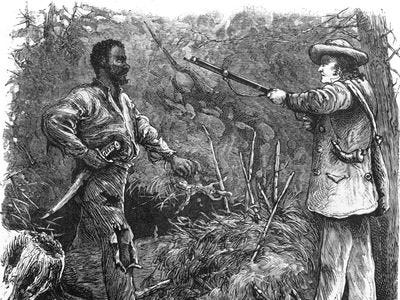
Fuck we need a million Che’s and Harriet Tubmans, and a few thousand Nat Turners.
On November 11, 1831, after a rushed trial and conviction, an enslaved Black man named Nat Turner was hanged in Jerusalem, Virginia, after being convicted of leading a revolt against his enslavers. On August 21, 1831, Mr. Turner led a group of Black people in a revolt against slavery.

[Fucking right!! Hezbollah hails Hamas for ‘heroic operation’]

[New Israeli massacres in Gaza, hundreds killed in Jabalia, Shujaiya Saturday 2-December-2023]

We all are Palestinians.
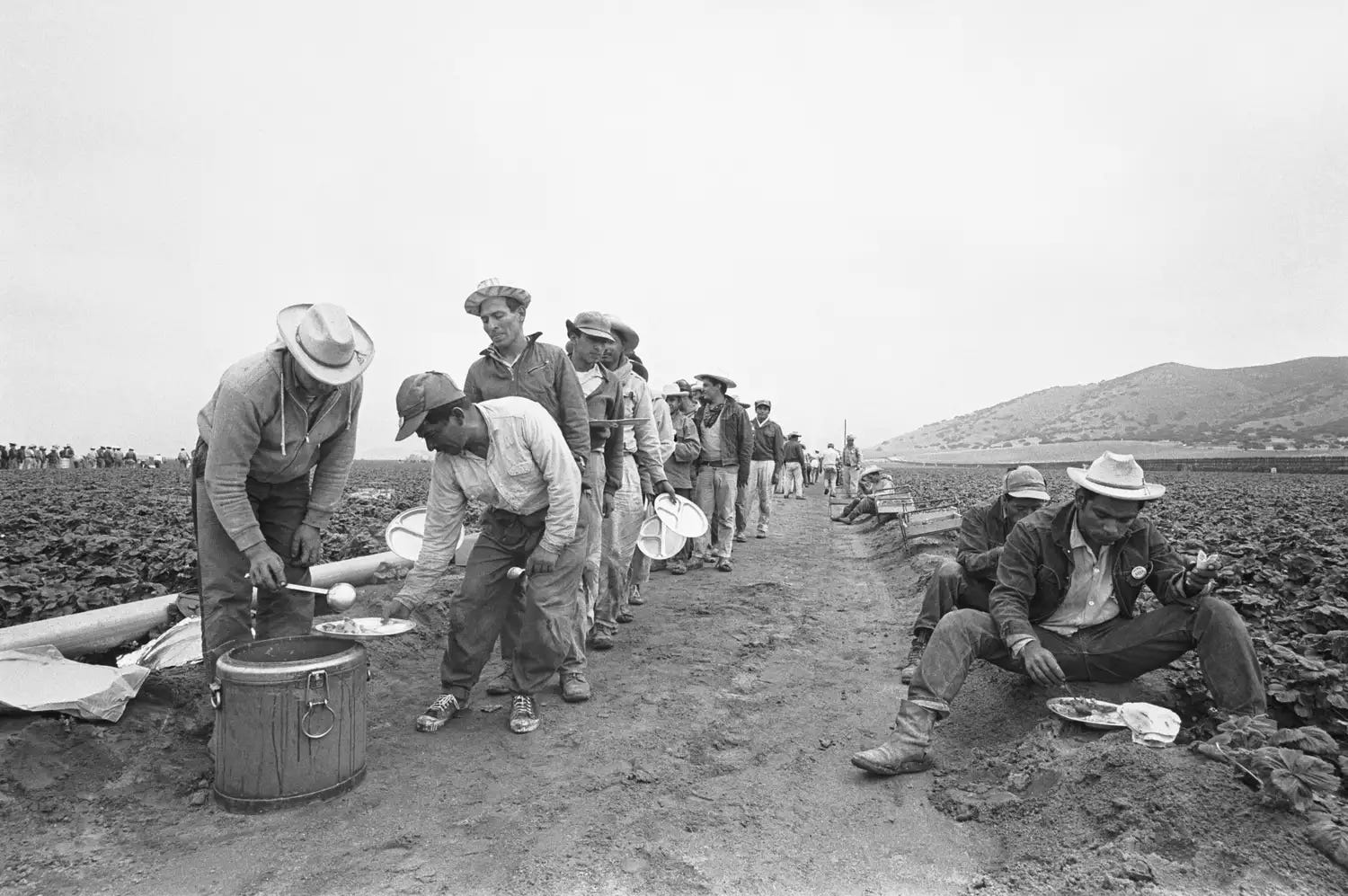
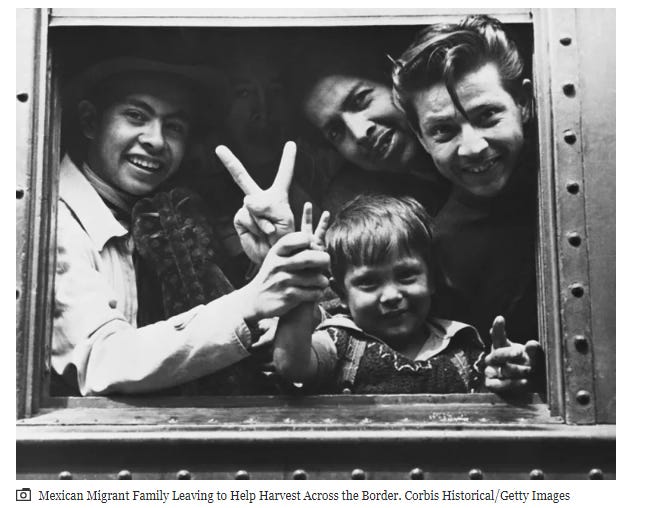
The Bracero Program: When the U.S. Looked to Mexico for Labor
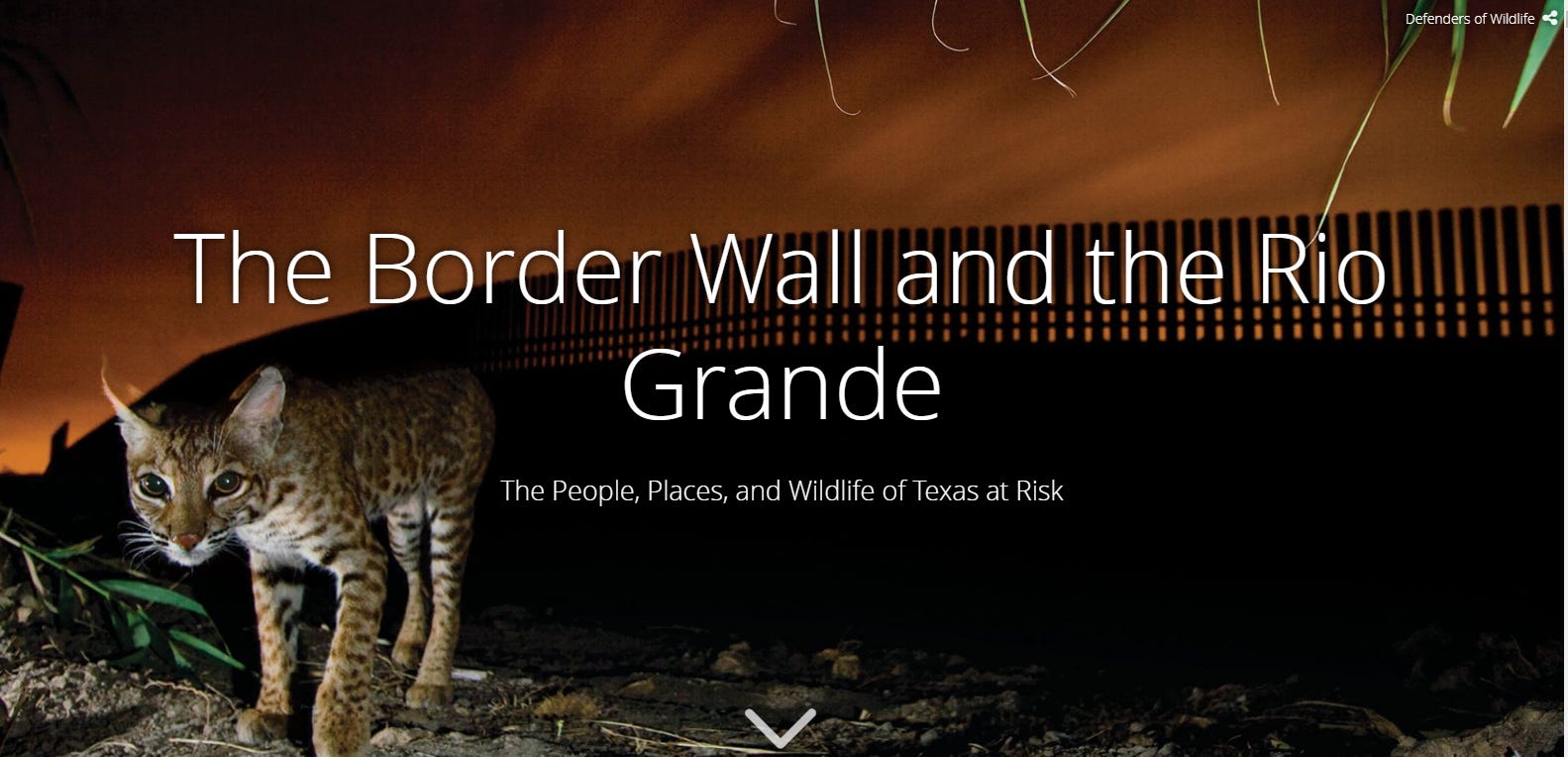
The FUCKING Racists in USA — The Wall:
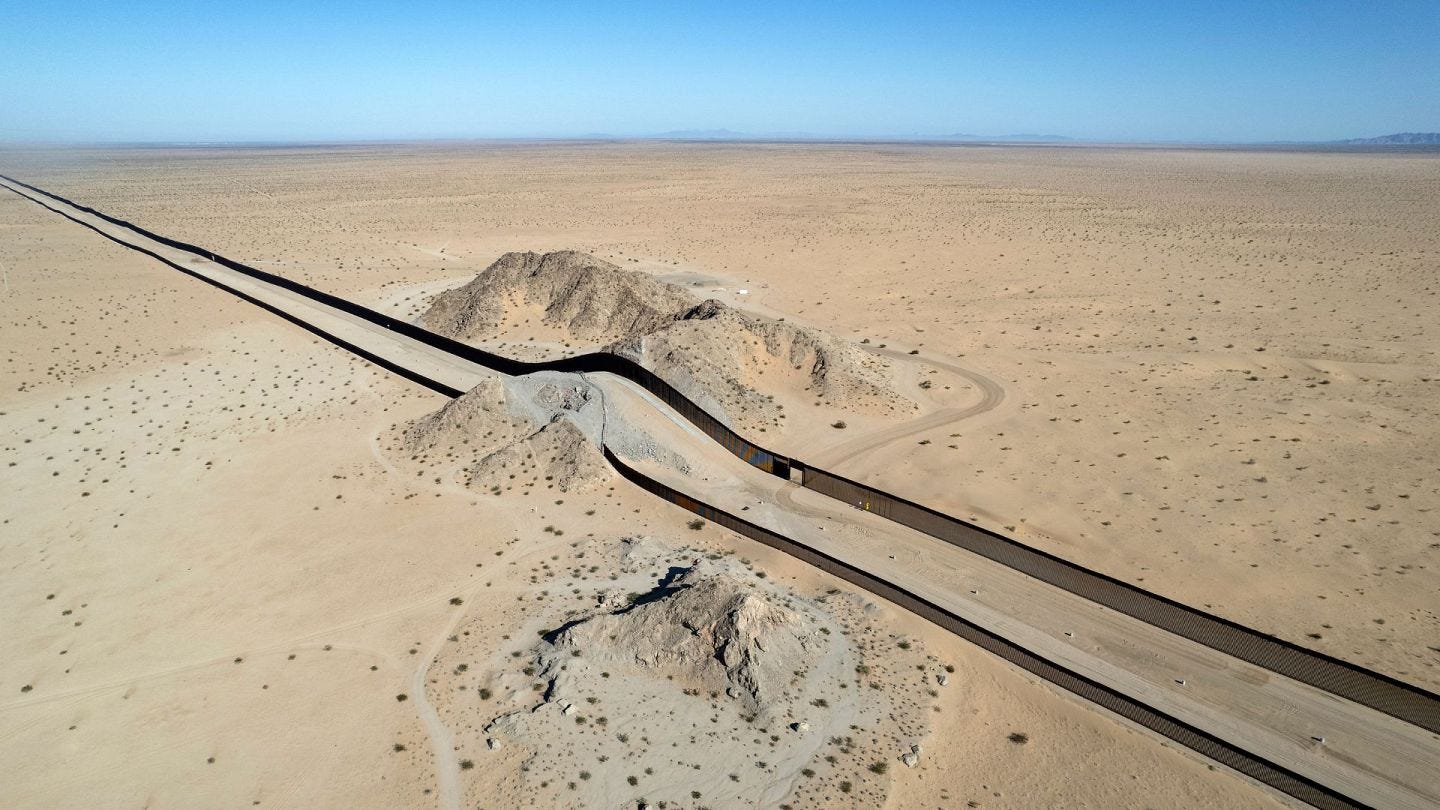
People and ecosystems:
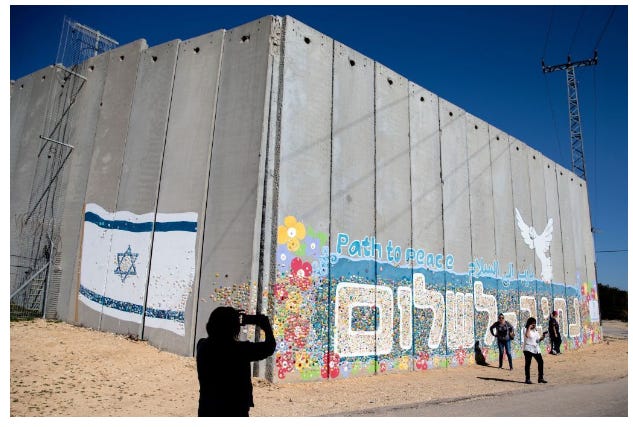
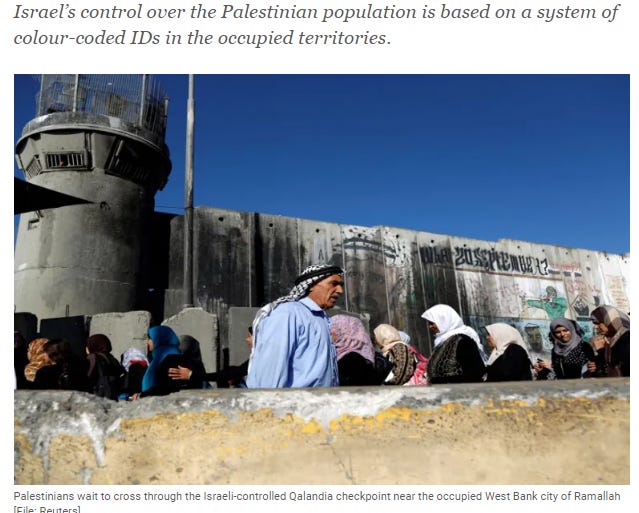
This system has drawn comparisons to laws in apartheid South Africa designed by whites to control the movement of blacks and mixed-race people and to keep them in inferior positions.
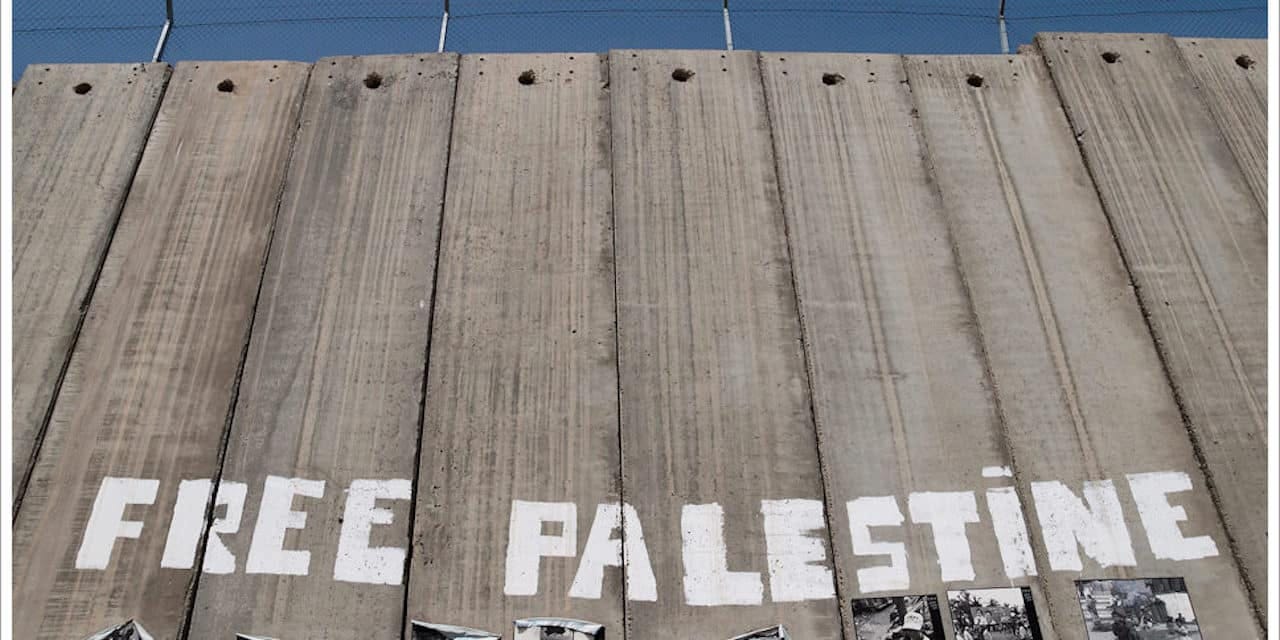
It has always been a racist dirty Israel, Jewish-Zionism, don’t matter. They learned their German Lessons Well:
Freedom of movement for Palestinians in the West Bank and Gaza, especially over the past 25 years, has been heavily restricted between these territories, where separation is “the rule and access is the rare exception”, Miriam Marmur, international communications coordinator for the Gisha human rights organisation, said.
It is illegal for a Palestinian in the occupied West Bank to travel to Gaza and Jerusalem unless they have a special travel permit from Israel. Likewise, Palestinians in Gaza are forbidden from going to Jerusalem and the West Bank unless the Israeli military issues them a permit.
“Israeli law had different military orders in the West Bank and Gaza Strip,” Tahseen Elayyan, head of monitoring and documentation for the Palestinian rights group Al-Haq, said. “Each territory was administered by a different Israeli military commander. The point of that was to maintain the division between the two territories, to make them easier to control.”
 Paul Haeder, Author