

… the follies and carnival and freak show is on overdrive with the Oxford and Harvard and all the Poison Ivy League graduates and all those European Bastions of Brainwashing in charge (sic)!
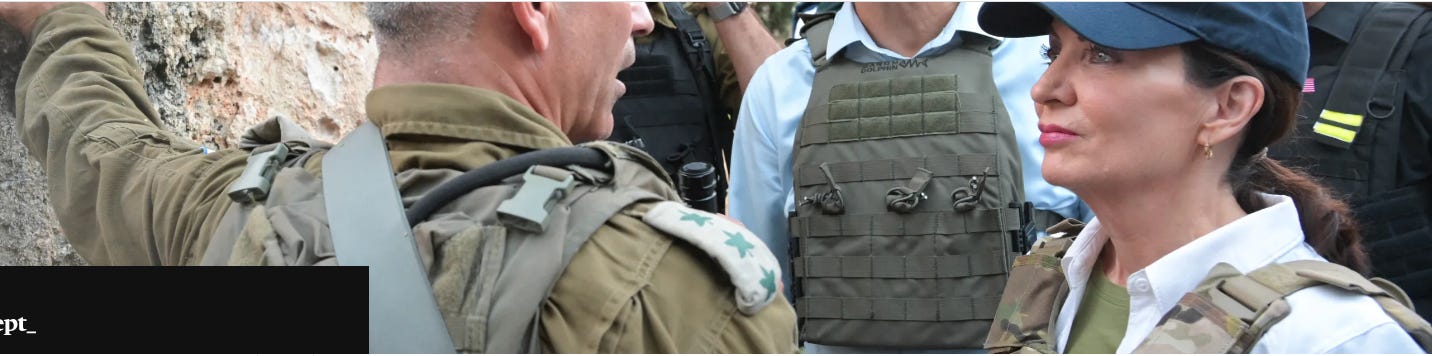
This is what daft, queer, fucked up looks like. The New York Governor, with Dirty ZioAzovNaziLensky’s Penis Piano Playing Green GI Joe T-Shirt Talking to some Mort the Major General, all eyes on the puke with her own matching rucksack.
[AFTER HER “SOLIDARITY MISSION” following the October 7 Hamas surprise attack, New York Gov. Kathy Hochul initially declined to say who covered the cost for the journey to Israel. Her administration would only say it was a “nonprofit that works with the Jewish community.”
Last week, Hochul’s office relented, telling reporters that the funder was the UJA-Federation of New York, a Jewish philanthropy that has supported dozens of similar trips for elected officials, including, recently, New York City Mayor Eric Adams. Citing a delay in a state ethics office review, Hochul’s office said it would cover the $12,000 cost after all.
UJA-Federation of New York belongs to a sprawling network of tax-exempt charities under the umbrella of the Jewish Federations of North America, or JFNA. In addition to funding Jewish community groups, federation chapters have also been accused of sending millions in tax-exempt dollars to organizations that support Israel’s illegal settlement program in the occupied West Bank. According to published reports and an Intercept review of recent tax filings, UJA itself has provided more than half a million dollars since 2018 to groups that support Israeli settlements. ]
You know, NY, that state with all the problems. 1. More criminal justice law changes? 2. Inflation woes. 3. Housing costs 4. Mayor control of New York City schools.
Infrastructure?
New York’s transportation network, especially in the New York City metropolitan area, is under immense strain in the context of an environment where needs outweigh available funding. Broadly, State and Local agencies have utilized coordinated funding solutions to make improvements in recent years, however there is serious concern for the adequacy of future funding. Half of the State’s roads are in fair or poor condition, 10% of its bridges are in poor condition. Reduced ridership during the pandemic has exacerbated shortfalls for aviation and transit operations, leaving significant budget shortfalls looming in the coming years.
Recent supply chain issues and congestion have demonstrated the essential role America’s multimodal freight network serves in the national and global economy. New York supports one of the busiest port systems in the U.S., along with 3,279 miles of rail lines. Ports and the smaller freight railroads face substantial funding backlogs to maintain and prepare structures for future needs. While the majority of freight rail is privately supported, the Port Authority of New York New Jersey has identified a capital need of $20 billion to replace mission-critical wharf structures, greatly exceeding financial resources. Passenger rail also faces severe maintenance shortfalls as Amtrak’s Northeast Corridor faces a $38 billion backlog.
Water, waste management and leisure infrastructure are critically impactful aspects of public welfare, and unfortunately often overlooked. Funding for public parks decreased 6% in 2021 compared to 2020. While the state has abundant freshwater resources, water and wastewater systems are among the oldest in the country, and many of New York’s dams were built before modern design standards. The 20-year need for drinking water is estimated at $44.2 billion, and wastewater systems will required $38 billion through the same period. Discovery and regulation of new environmental contaminants will be a point of greater emphasis for water and wastewater systems in the future. Solid Waste was found adequate, with approximately 16-25 years of available landfill capacity, but recycling lags behind the national average.
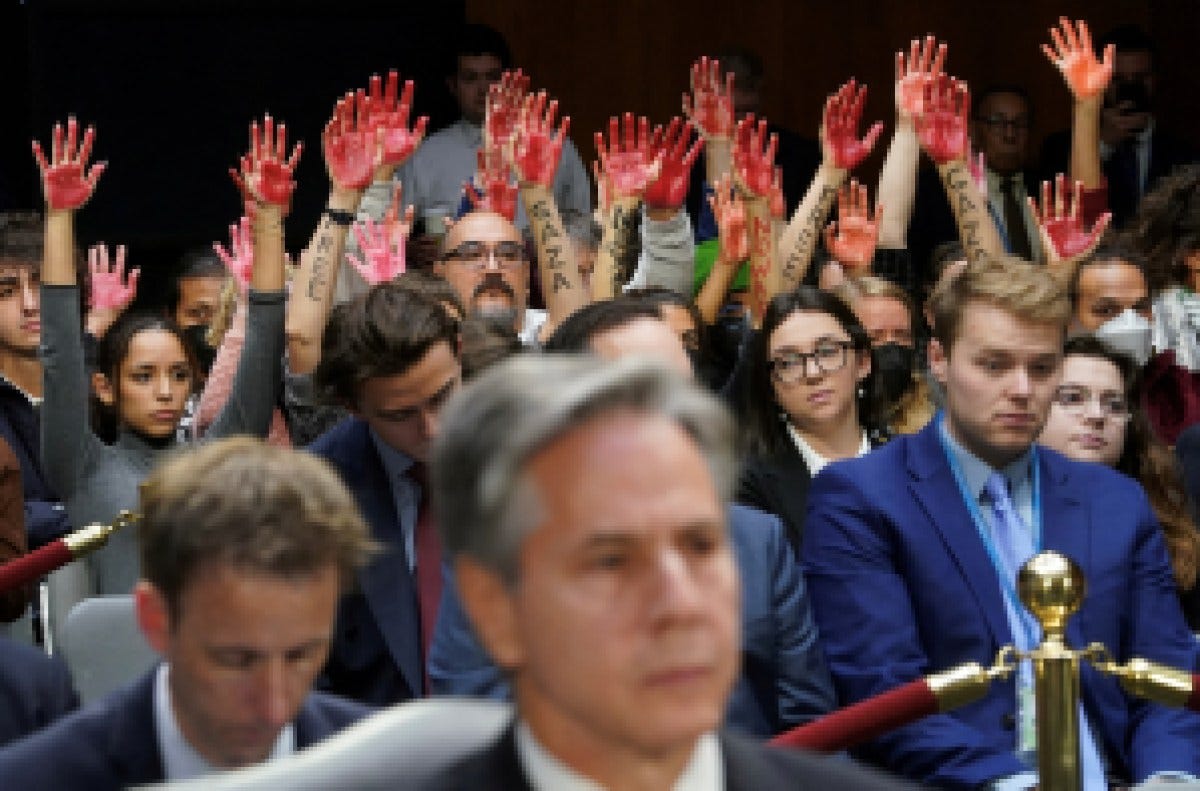
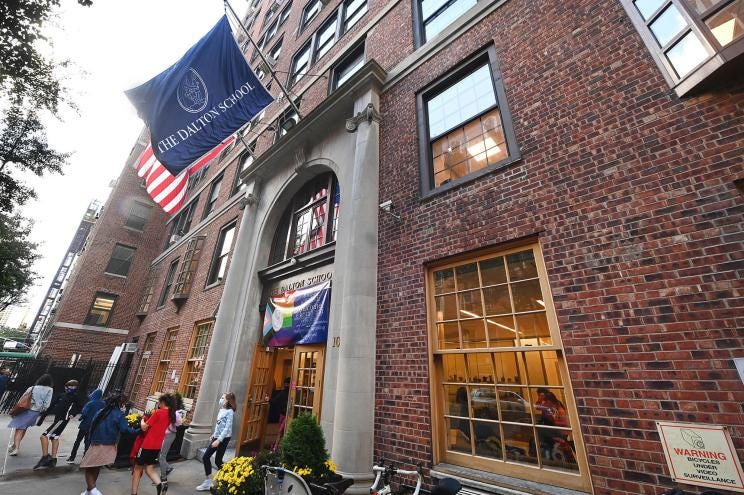
He is a cold monster, this Blinken! His paternal grandfather, Maurice Henry Blinken, was an early backer of Israel who studied its economic viability, and his great-grandfather was Meir Blinken, a Yiddish writer. Blinken attended Dalton School in New York City until 1971.
This is how Jews are colonized and brainwashed and tribally raised: Dalton. “Every private school begins as a dream, a little Utopia. Stanley Bosworth had a vision of students engaged in a world of ideas rather than grades and started Saint Ann’s in some spare space in an Episcopal church. Iconoclastic educator Helen Parkhurst believed the teaching methods of the early twentieth century were too rigid, and so, in 1919, Dalton was born. Michael Steinhardt, the legendary hedge-fund manager, has had his own private-school dream for a decade, but he’s found it harder than he imagined to make it real.
“Founding a school in New York entails multiple challenges, from the money to finding space to getting support from the community you want to serve,” says Steinhardt, sitting in his office overlooking Central Park. “It’s damn hard.”
Steinhardt’s particular vision is a Jewish-inflected high school that would educate nonreligious Jews in their culture and heritage, but whose intellectual rigor would appeal to non-Jewish families as well. Hebrew would be taught, in the same way Latin is taught at schools like Dalton, “as a classical language to better understand history and literature,” he says. The student body would be one-quarter non-Jewish, possibly more.
Back in 1995, Steinhardt closed his hedge fund to devote himself to philanthropy, although he still pauses in conversation to compulsively check the trading screen on his desk, then apologizes, “It’s an old habit.” His pet project was the school, and he spent more than a million dollars just in planning costs. “We put together committees made up of some of the finest Jewish and non-Jewish educators in the world: Joel Fleishman from Duke; Gardner Dunnan, who was at Dalton at the time; Leon Botstein, the president of Bard … ”
And if you just take a gander at these “headlines,” for today, on RT, just look hard at the undergirder of it all. Do you see insanity? Perversion? Hypocrisy? Amazingly stupid thinkers? Cognitive dissonance? Come on, just open up that RT site and read their blurbs. Have a tea or cuppa coffee. Scone?

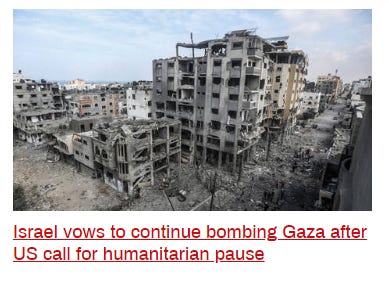
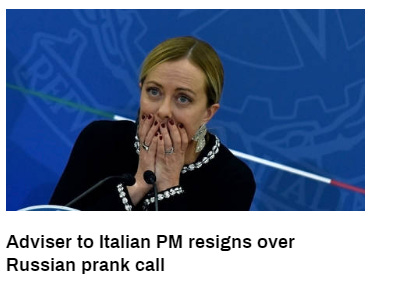
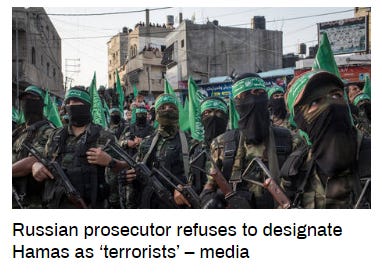
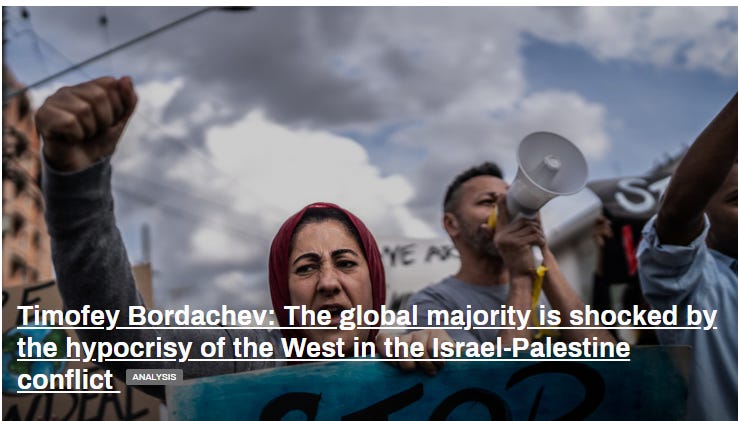
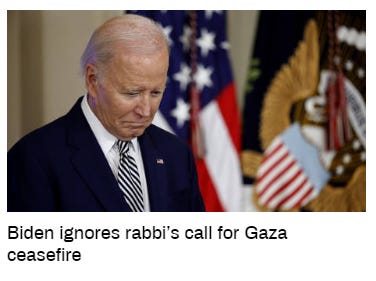
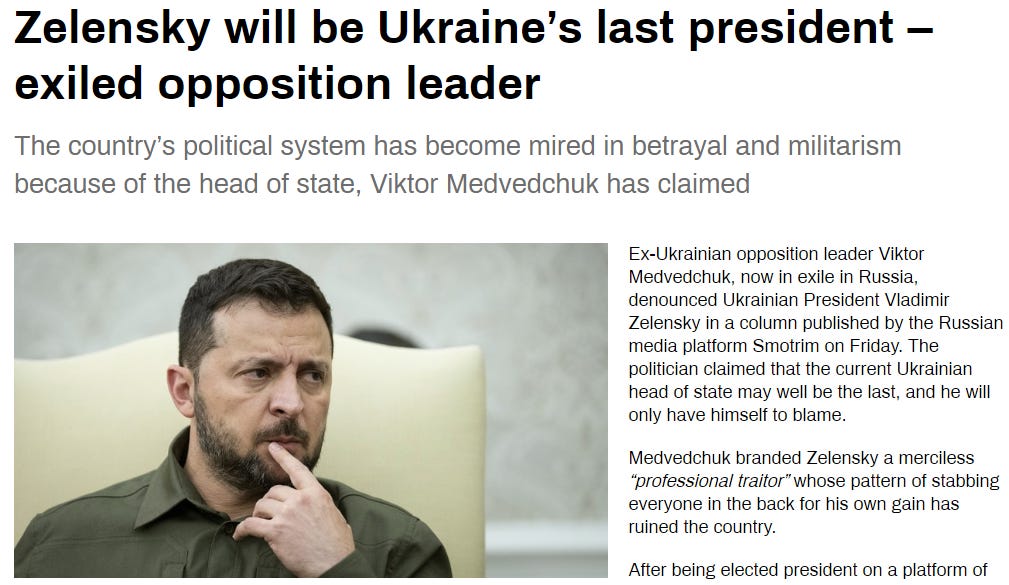
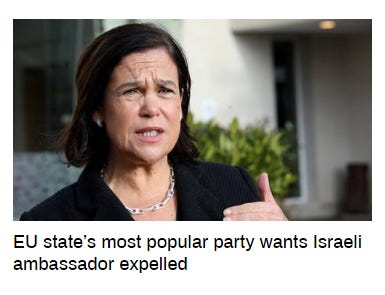
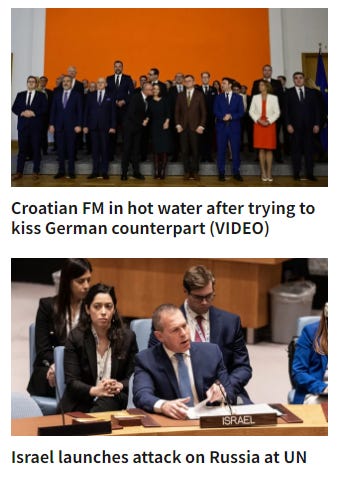
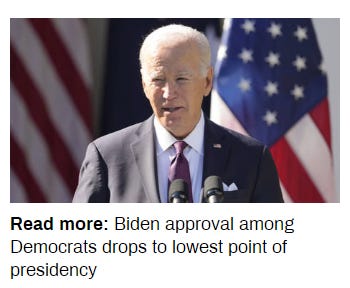


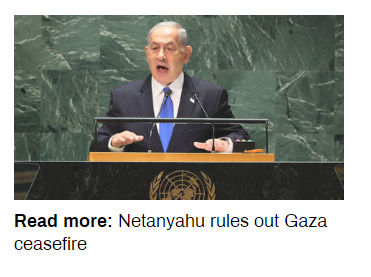
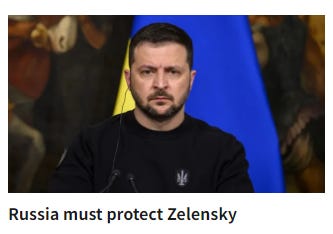
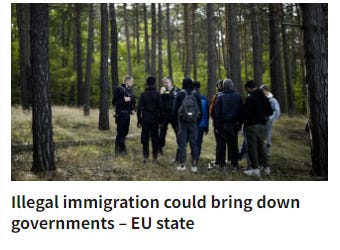
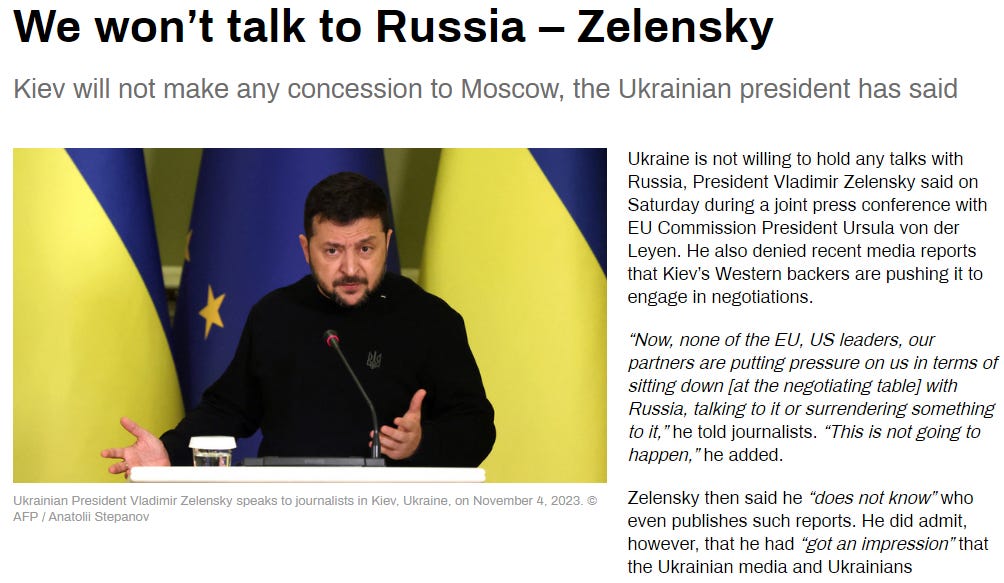
But we are now onto the Zionists. Those murderers. Those genocide loving settlers, colonizers. Remember, Zionists did not care about the Holocaust. It’s a racial project, Zionism — actuation of the Jewish Race as a Nation.
Assimilation or intermarriage is a Jewish Holocaust!
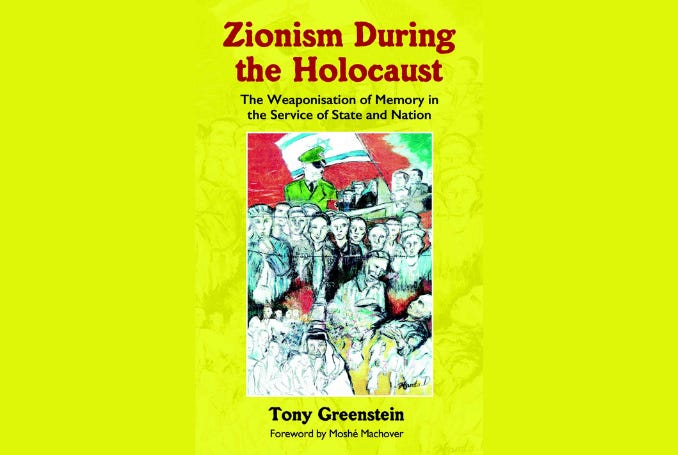
Activist and blogger Tony Greenstein, a veteran of the Palestine solidarity movement in the UK, about his new book “Zionism During the Holocaust: The Weaponization of Memory in the Service of State and Nation.”
While several Israeli authors have touched upon the links between Zionism and Nazism, Greenstein’s book brings this history to the fore and exposes how Zionist leaders were concerned with the establishment of the colonial state, as opposed to preventing the killing of Jews during the Holocaust.
In his introduction, Greenstein writes,
“This book is a response to a Zionist historiography which has attempted to write anti-Zionism out of history and consign it to a ‘state of oblivion’.”
The book is divided in three parts, chronicling the influence of Zionism before, during and after the Holocaust. Of particular significance is the insistence of early Zionist leaders to distinguish between Jews deemed eligible for entry into Palestine for the settler-colonial enterprise.
While Zionism realised the importance of exploiting the Holocaust to argue for proof of needing a Jewish state, despite the fact that not all victims were Jewish, it also determined that only Jewish people that could contribute to setting up the settler-colonial enterprise would be allowed entry. The concept of Jewish refugees as a humanitarian issue derived from politics was of no concern to the Zionist leaders. To this effect, Zionists leaders collaborated with the Nazis, striking deals which would enable masses of Jews to be exterminated, in return for preserving the lives of elite Jews for the purpose of colonial migration to Palestine.
Quoting David Ben Gurion in 1933, Greenstein makes an important observation on how Zionism was not concerned with saving Jewish lives. Ben Gurion had explained that if there was
“a conflict of interest between saving individual Jewish lives and the good of the Zionist enterprise, we shall say the enterprise comes first.”
Nazism, Greenstein argues, benefited from the Zionist political ideology and harboured no opposition. For example, the Zionist claim that Jews were unable to assimilate anywhere in the world was adopted by the Nazis in their persecution of Jewish people. Anti-Semitism, therefore, was a joint “Hitler understood early on that there was a distinction between the Jews and Zionism.” And while Jews actively fought against Nazism, Zionists collaborated with Nazism and fascism.
The conflation between anti-Zionism and anti-Semitism which rests so well with Israel and the international community, was necessary for the early Zionist leaders and for today’s Israeli government. The International Holocaust Remembrance Alliance (IHRA) definition of anti-Semitism does not allow criticism of the Israeli colonial state, particularly in comparing its policies to those of the Nazi. Yet, Greenstein notes, Israelis themselves noted the similarity. Besides the massacre of Kafr Qasem, which Israeli perpetrators compared to Nazi tactics, Greenstein quotes an Israeli stating,
“There is a wider identification with the Nazis in Israeli society.” (source)
This year, the 75th Anniversary of the Declaration of Human Rights. Also, the year of Nakba and the year Apartheid was set for South Africa!
Senior UN Human Rights official Craig Mokhiber recently resigned over the organization’s failure to address the brutal genocide in Gaza and Israel’s apartheid policies against Palestinians. In this interview with Vijay Prashad, he talks about how the UN failed the people of Palestine over the decades and how the UN moved away from the principled norms-based approach rooted in international law when it came to the question of Palestine. Mokhiber explains the role played by countries such as the United States in this shift. He also says that hope lies in the massive demonstrations that are taking place across the world in solidarity with the people of Palestine and against the Israeli genocide.
Read the thing, please!
Preamble
Whereas recognition of the inherent dignity and of the equal and inalienable rights of all members of the human family is the foundation of freedom, justice and peace in the world,
Whereas disregard and contempt for human rights have resulted in barbarous acts which have outraged the conscience of mankind, and the advent of a world in which human beings shall enjoy freedom of speech and belief and freedom from fear and want has been proclaimed as the highest aspiration of the common people,
Whereas it is essential, if man is not to be compelled to have recourse, as a last resort, to rebellion against tyranny and oppression, that human rights should be protected by the rule of law,
Whereas it is essential to promote the development of friendly relations between nations,
Whereas the peoples of the United Nations have in the Charter reaffirmed their faith in fundamental human rights, in the dignity and worth of the human person and in the equal rights of men and women and have determined to promote social progress and better standards of life in larger freedom,
Whereas Member States have pledged themselves to achieve, in co-operation with the United Nations, the promotion of universal respect for and observance of human rights and fundamental freedoms,
Whereas a common understanding of these rights and freedoms is of the greatest importance for the full realization of this pledge,
Now, therefore,
The General Assembly,
Proclaims this Universal Declaration of Human Rights as a common standard of achievement for all peoples and all nations, to the end that every individual and every organ of society, keeping this Declaration constantly in mind, shall strive by teaching and education to promote respect for these rights and freedoms and by progressive measures, national and international, to secure their universal and effective recognition and observance, both among the peoples of Member States themselves and among the peoples of territories under their jurisdiction.
Article 1
All human beings are born free and equal in dignity and rights. They are endowed with reason and conscience and should act towards one another in a spirit of brotherhood.
Article 2
Everyone is entitled to all the rights and freedoms set forth in this Declaration, without distinction of any kind, such as race, colour, sex, language, religion, political or other opinion, national or social origin, property, birth or other status. Furthermore, no distinction shall be made on the basis of the political, jurisdictional or international status of the country or territory to which a person belongs, whether it be independent, trust, non-self-governing or under any other limitation of sovereignty.
Article 3
Everyone has the right to life, liberty and security of person.
Article 4
No one shall be held in slavery or servitude; slavery and the slave trade shall be prohibited in all their forms.
Article 5
No one shall be subjected to torture or to cruel, inhuman or degrading treatment or punishment.
Article 6
Everyone has the right to recognition everywhere as a person before the law.
Article 7
All are equal before the law and are entitled without any discrimination to equal protection of the law. All are entitled to equal protection against any discrimination in violation of this Declaration and against any incitement to such discrimination.
Article 8
Everyone has the right to an effective remedy by the competent national tribunals for acts violating the fundamental rights granted him by the constitution or by law.
Article 9
No one shall be subjected to arbitrary arrest, detention or exile.
Article 10
Everyone is entitled in full equality to a fair and public hearing by an independent and impartial tribunal, in the determination of his rights and obligations and of any criminal charge against him.
Article 11
- Everyone charged with a penal offence has the right to be presumed innocent until proved guilty according to law in a public trial at which he has had all the guarantees necessary for his defence.
- No one shall be held guilty of any penal offence on account of any act or omission which did not constitute a penal offence, under national or international law, at the time when it was committed. Nor shall a heavier penalty be imposed than the one that was applicable at the time the penal offence was committed.
Article 12
No one shall be subjected to arbitrary interference with his privacy, family, home or correspondence, nor to attacks upon his honour and reputation. Everyone has the right to the protection of the law against such interference or attacks.
Article 13
- Everyone has the right to freedom of movement and residence within the borders of each state.
- Everyone has the right to leave any country, including his own, and to return to his country.
Article 14
- Everyone has the right to seek and to enjoy in other countries asylum from persecution.
- This right may not be invoked in the case of prosecutions genuinely arising from non-political crimes or from acts contrary to the purposes and principles of the United Nations.
Article 15
- Everyone has the right to a nationality.
- No one shall be arbitrarily deprived of his nationality nor denied the right to change his nationality.
Article 16
- Men and women of full age, without any limitation due to race, nationality or religion, have the right to marry and to found a family. They are entitled to equal rights as to marriage, during marriage and at its dissolution.
- Marriage shall be entered into only with the free and full consent of the intending spouses.
- The family is the natural and fundamental group unit of society and is entitled to protection by society and the State.
Article 17
- Everyone has the right to own property alone as well as in association with others.
- No one shall be arbitrarily deprived of his property.
Article 18
Everyone has the right to freedom of thought, conscience and religion; this right includes freedom to change his religion or belief, and freedom, either alone or in community with others and in public or private, to manifest his religion or belief in teaching, practice, worship and observance.
Article 19
Everyone has the right to freedom of opinion and expression; this right includes freedom to hold opinions without interference and to seek, receive and impart information and ideas through any media and regardless of frontiers.
Article 20
- Everyone has the right to freedom of peaceful assembly and association.
- No one may be compelled to belong to an association.
Article 21
- Everyone has the right to take part in the government of his country, directly or through freely chosen representatives.
- Everyone has the right of equal access to public service in his country.
- The will of the people shall be the basis of the authority of government; this will shall be expressed in periodic and genuine elections which shall be by universal and equal suffrage and shall be held by secret vote or by equivalent free voting procedures.
Article 22
Everyone, as a member of society, has the right to social security and is entitled to realization, through national effort and international co-operation and in accordance with the organization and resources of each State, of the economic, social and cultural rights indispensable for his dignity and the free development of his personality.
Article 23
- Everyone has the right to work, to free choice of employment, to just and favourable conditions of work and to protection against unemployment.
- Everyone, without any discrimination, has the right to equal pay for equal work.
- Everyone who works has the right to just and favourable remuneration ensuring for himself and his family an existence worthy of human dignity, and supplemented, if necessary, by other means of social protection.
- Everyone has the right to form and to join trade unions for the protection of his interests.
Article 24
Everyone has the right to rest and leisure, including reasonable limitation of working hours and periodic holidays with pay.
Article 25
- Everyone has the right to a standard of living adequate for the health and well-being of himself and of his family, including food, clothing, housing and medical care and necessary social services, and the right to security in the event of unemployment, sickness, disability, widowhood, old age or other lack of livelihood in circumstances beyond his control.
- Motherhood and childhood are entitled to special care and assistance. All children, whether born in or out of wedlock, shall enjoy the same social protection.
Article 26
- Everyone has the right to education. Education shall be free, at least in the elementary and fundamental stages. Elementary education shall be compulsory. Technical and professional education shall be made generally available and higher education shall be equally accessible to all on the basis of merit.
- Education shall be directed to the full development of the human personality and to the strengthening of respect for human rights and fundamental freedoms. It shall promote understanding, tolerance and friendship among all nations, racial or religious groups, and shall further the activities of the United Nations for the maintenance of peace.
- Parents have a prior right to choose the kind of education that shall be given to their children.
Article 27
- Everyone has the right freely to participate in the cultural life of the community, to enjoy the arts and to share in scientific advancement and its benefits.
- Everyone has the right to the protection of the moral and material interests resulting from any scientific, literary or artistic production of which he is the author.
Article 28
Everyone is entitled to a social and international order in which the rights and freedoms set forth in this Declaration can be fully realized.
Article 29
- Everyone has duties to the community in which alone the free and full development of his personality is possible.
- In the exercise of his rights and freedoms, everyone shall be subject only to such limitations as are determined by law solely for the purpose of securing due recognition and respect for the rights and freedoms of others and of meeting the just requirements of morality, public order and the general welfare in a democratic society.
- These rights and freedoms may in no case be exercised contrary to the purposes and principles of the United Nations.
Article 30
Nothing in this Declaration may be interpreted as implying for any State, group or person any right to engage in any activity or to perform any act aimed at the destruction of any of the rights and freedoms set forth herein.
 Paul Haeder, Author