ahh, revolutionary love at a bar, well, not hit or miss, but pretty intense!
Che states in his essay, and “Socialism in Cuba” that “the true revolutionary is guided by strong feelings of love.”
A revolutionary expresses his love by initially caring about the poverty and oppressive conditions that people endure without much hope for change within a political system. If one did not care or was ambivalent about the terrible conditions that the masses experience daily, then revolutionary activity would not ensue. The revolutionary has the responsibility to use the best means available to overthrow an oppressive regime. It receives the respect and support of the people by its continual effort to bring justice and equality within a political structure, and uses its knowledge of strategies and tactics to defeat the enemy. This may involve the use of guerilla warfare as occurred in Cuba, nonviolence as used by Gandhi in India or a variety of approaches as employed by Subcomandante Marcos in Mexico.
Essentially, revolutionary love needs to have a corresponding behavioral component. According to Che, there are additional components to revolutionary love. (sources)
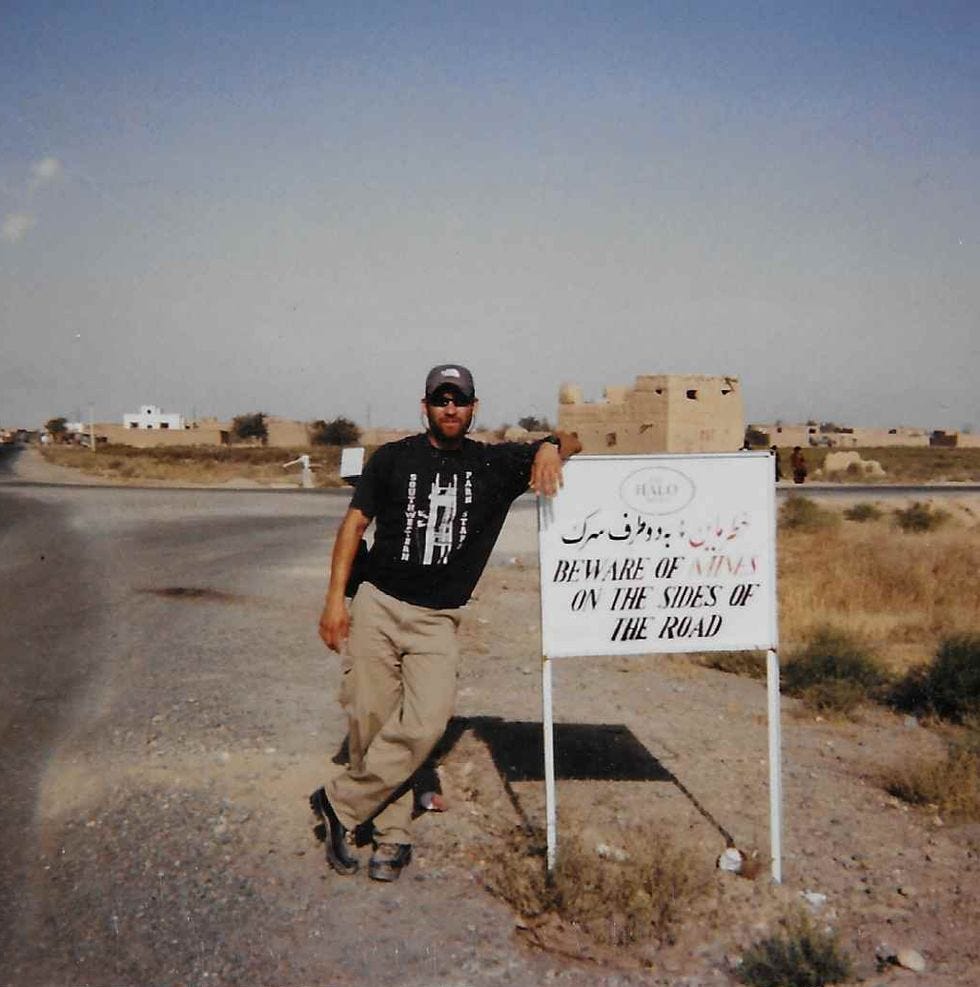
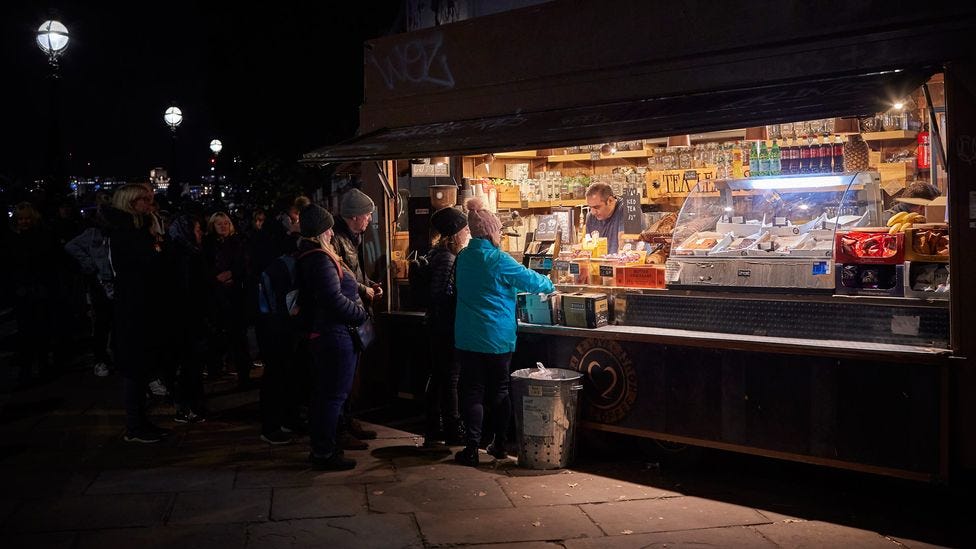
So, in a small town pub, and alas meeting Kim and Kevin, brothers in their 68-ish years, and then Kevin from Guatemala, and then a woman from Puerto Rica and one ffrom Peru, and then a guy from Jalisco, and then a guy from Sandy, Oregon, three toours in Afghanistan.
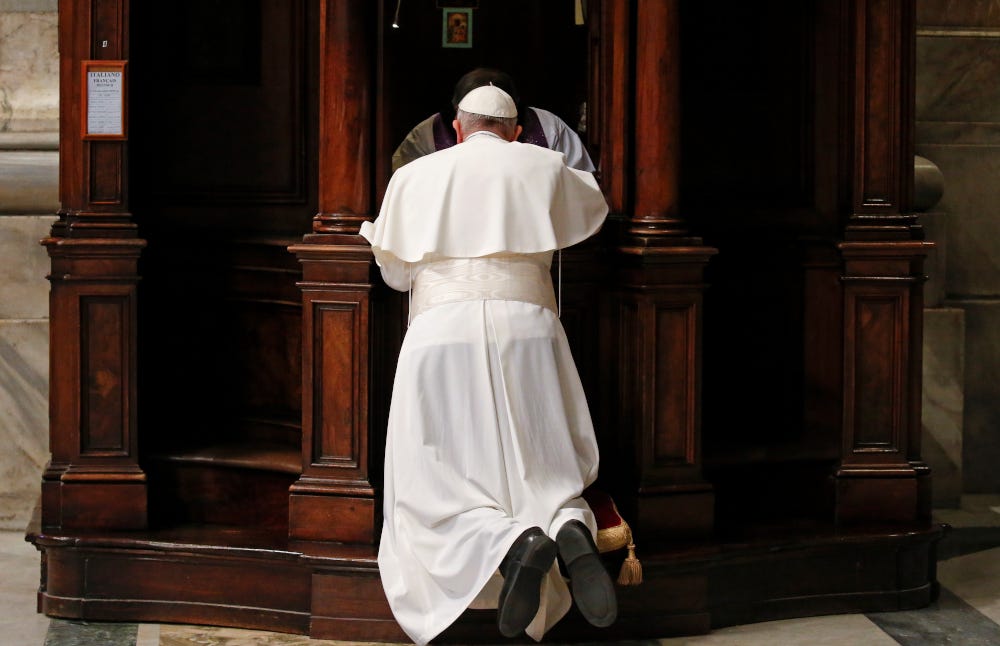
So is goes with Paul, Father Confessor.
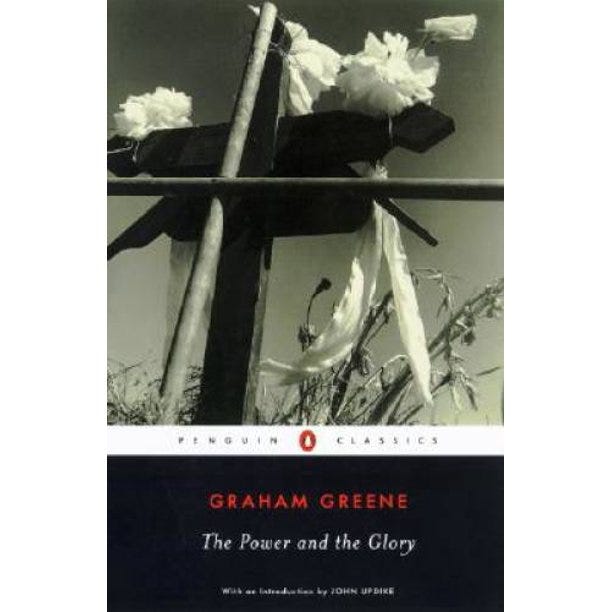
Yeah, read, Power and the Glory:
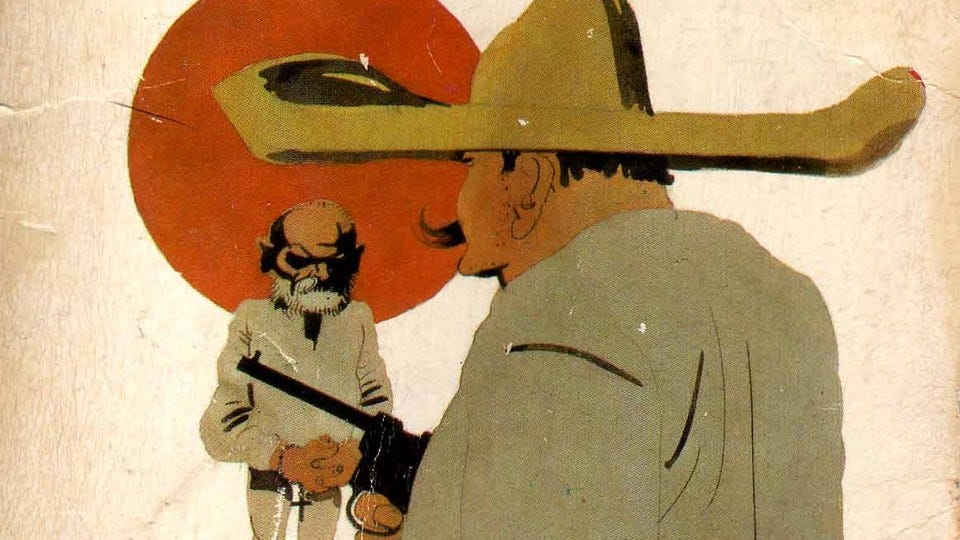
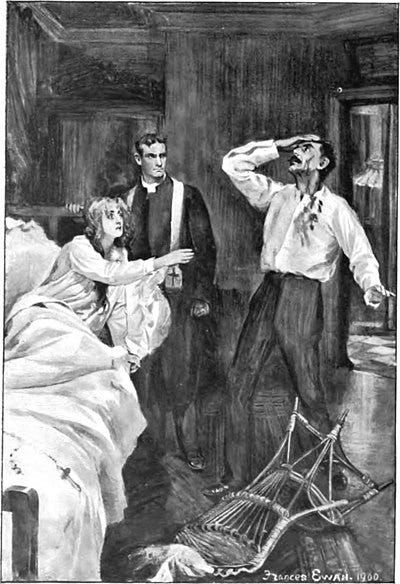
In the world of Graham Greene’s 1940 novel, The Power and the Glory, it’s a bad time to be a Catholic. The book’s hero is an unnamed priest on the run from Mexican authorities after a state governor has ordered the military to dismantle all vestiges of the religion. Churches are burned. Relics, medals, and crosses are banned. The price for disobedience is death. While many clerics give up their beliefs and accept their government pensions, the unnamed priest travels in secret, celebrating Mass and hearing confessions under the cover of night. Yet he’s also a gluttonous, stubborn, and angry man drowning in vices, and the religious ambition of his earlier years has been replaced with a constant desire to drink, hence Greene’s term for him: the “whiskey priest.” Tired of risking his life, the priest even prays to be caught.
A violent, raw novel about suffering, strained faith, and ultimate redemption, The Power and the Glory received literary acclaim—but not without catching the attention of Catholic censors, who called the book “sad” and denounced its “immoral” protagonist. Despite—or even because of—this vexed history, Greene’s novel is the perfect book to read during the season of Lent, which began Wednesday. Stereotypically a time for modern Christians to abstain from Facebook or chocolate or alcohol, Lent is the most dramatic time of the liturgical year—40 days of prayer, fasting, and cleaning one’s spiritual house, in hopes that honesty might lead to penance and good deeds. One vision of Lent emphasizes transcendence over struggle: the American Catholic writer Thomas Merton called it “not a season of punishment so much as one of healing.” But Greene’s dark novel and its deeply flawed protagonist offer a richer way to think of faith and self-reflection—one that average Christians might find more accessible and realistic than romantic narratives about belief. (sources)
It’s fucking weird that I can end up in a bar-restaurant, and I don’t do that much these days, and the floodgates of confession come my way.
What is it about me, the journalist, the gatherer, the listener, the collector, the person who asks and listens, and alas, I have connections to almost everything I hear from people I have never met in my life before.
Two brothers, Kim and Kevin, just back from Florida, for the ending of the old man’s life, 92 years old, an old Navy guy who asl got into orchids, by the hundreds. They were there for his last two months, and the five acres of land, and the house, and the guy put down the old dog before the sons showed up, and he was on chemo, got sent to the ER, and he insisted, that is, yelled, after 14 days, “I want to fucking go home and die.”
One brother worked sandblasking nuclear subs and Warthogs and all sorts of military jets. The other brother is a yacht travelers, taking yachts, or delivering them, to various locales.
He’s working on whale watching in Depot Bay, and he is a guy who has been around the world, on boats, and he is a crusty guy, and looks like Hemingway, and he is here, in Newport, still working the boat scene, and his brother Kim is visiting, and there we have it — two hours of these guys telling me their stories.
Americans are full of the world, especially these folks, and alas, the ones who were not Americanos — Peru, Guatemala, Puerto Rico, Mexico — they are here, on some walkabout or lost soul search for something. In a bar, drinking at the bar, and it is a restaurant too, well, that is the fabric of this sort of father confessor shit.
The news that President Biden will begin a military withdrawal that will conclude on September 11th came as no surprise. When he released his interim national security guidance last month, you tore through it, highlighting passages and making margin notes. Look, you told your squadron commanders and chief master sergeants during a professional development session: For the first time since 9/11, there’s no mention of combating violent extremism across the globe. “Afghanistan” twice versus “Russia” five times and “China” fifteen. A signal that perhaps the Forever War was ending, that after years of consensus across the national security establishment that the military needed to re-focus on preparing to fight rival nations, the moment had arrived.
This guy I met was from Sandy, Oregon, and he was quick to point out around him that he wasn’t from Portland, as if that would have been a badge of disgrace or something. He was on the coast, in the bar, drinking, out here from his home base doing some tree work for the company he works for. He is a tree man, an arborist, maybe. He came to me to tell me his brief perspective:
“I was a fucking kid in Afghanistan. Eighteen when I signed up and then, bam, three tours, three hellish tours, and then, age twenty-six, I got out, and fuck I was not prepared for the culture, the people, the society,” he said, showing me fist and hand tatooes that display his combat loyalty to the military.
“I knew, shit, man, I had been in this regimented society, and not ready for all the levels of class and crazy distinctions and pecking orders in civilian life, and then here I was, out at 26, and I am still a kid, really, and the stuff I did and saw, no kid is prepared for that, and what the fuck, all of that perspective? It has been a crazy transition.”
I told the fellow that I had worked with homeless veterans, and that all my female clients had been raped by fellow uniformed soldiers.
““That’s the fucking shit, man. Can you believe it? I know that all females I knew in the military were sexually assaulted. All of them. And, where is the publicity, the stories? Nobody knows, or at least there’s no talk about that on Veterans Day. Imagine that fucking mess for women, the head trip, the fucking abandonement by fellow soldiers? Nothing on that on Fox or CNN.”
Yep, the pain, the sinking into a bottle or shooting up with hypodermic. For me, all my clients of the female persuasion — homeless, fucked up on some self-medicating drug — raped:
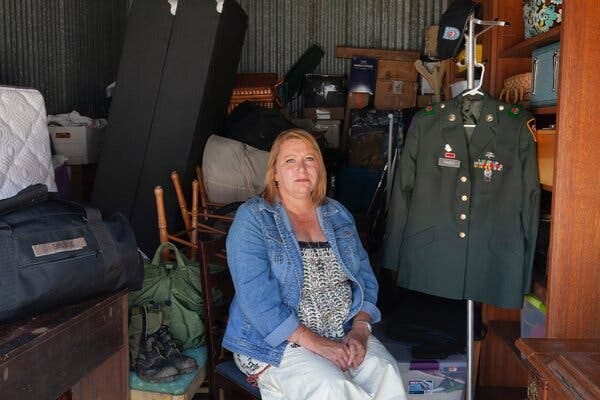
Nearly one in four U.S. servicewomen reports being sexually assaulted in the military. Why has it been so difficult to change the culture?
[Photo: Kellie-Lynn Shuble in front of her storage locker in Coraopolis, Pa., in July. She was harassed and assaulted throughout her time in the Army.Credit…Danna Singer for The New York Times]
[Photo: The Marine Corps deemed Shmorgoner unfit for service because of her PTSD in May. She now works as a horse trainer at Hidden Brook Stables in Maryland.Credit…Danna Singer for The New York Times]
Yeah, fuck the uniformed services, that system of Merchants of Death. Fuck this country. Fuck the people who skirt over it, or go to a pub and eatery to end their day with booze, on-tap ale and munchy carbs.
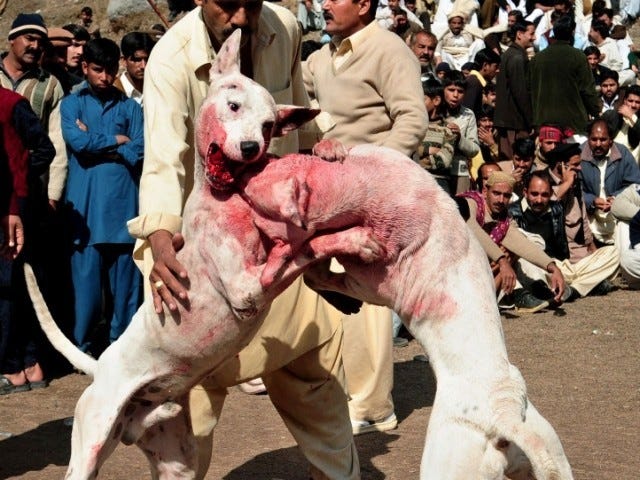
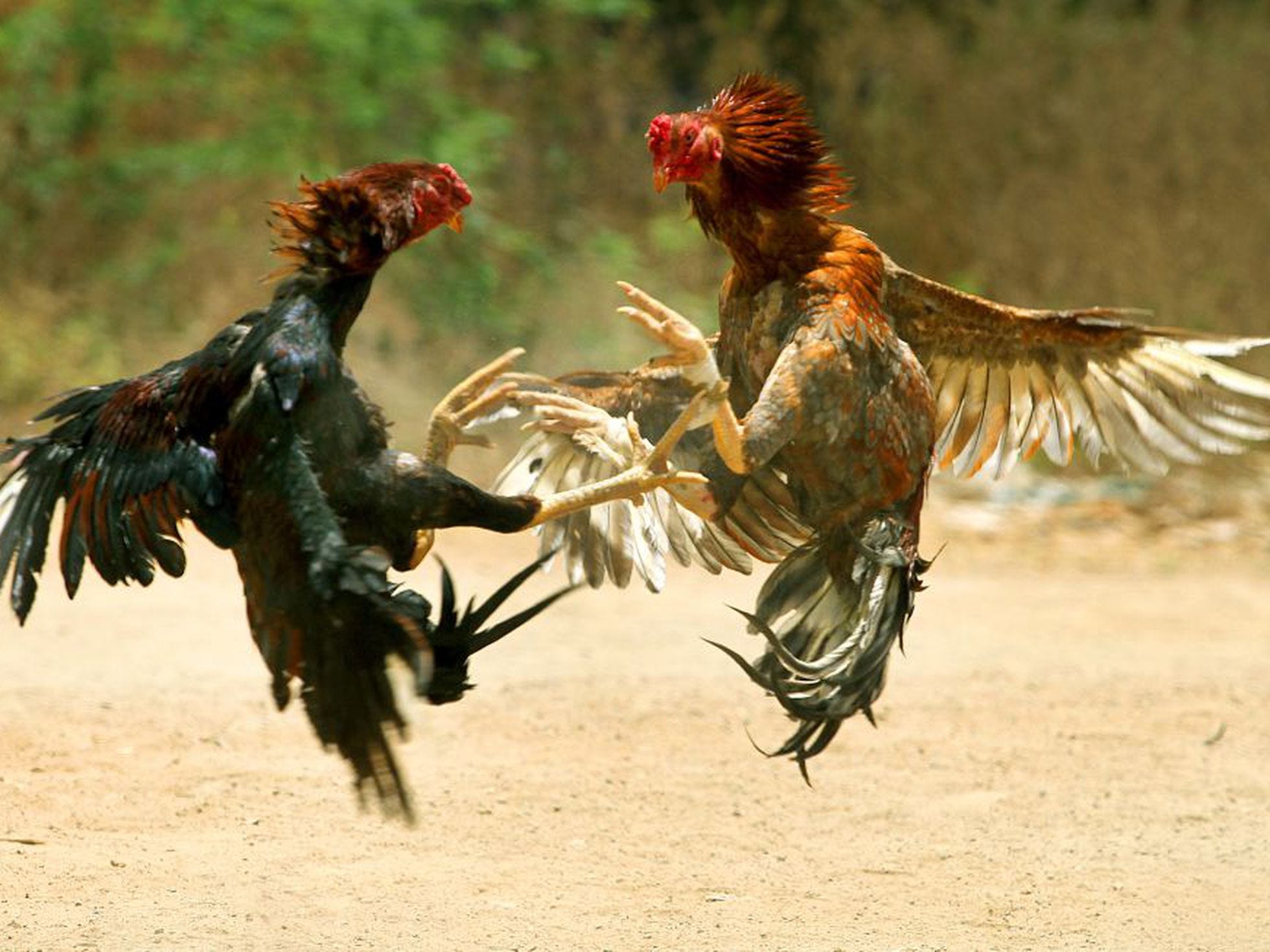
The brick oven pizza doesn’t cut it when so many Americans are suffering, dying inside, full of the demonic poison of military, empire, exceptionalism, capitalism, dog eat dog competition, and blind patriotism which is really nothing more than obedience to the master, like pathetic dogs in a Palenque ready to attack one another dog.
Mexico:
Fuck these mother fuckers. Fuck the military industrial complex. Fuck Biden. Fuck the Raytheons. Fuck Army-Navy-Air Force-Marines-Coast Guard-National Guard-Uniformed Public Health-Border Patrol-ATF-ICE-FBI-Homeland Security-Secret Service-All of the Uniformed Mother Fucking Fascists.
So, here we are, now, in a bar, at the bar, that is, and because this white guy, me, is so out there, so yakking it up in Spanish with those native speakers, so willing to make acquaintances with people, so Hemmingway and Neruda and Melville and Robert Bly and William Stafford like, I am the sponge, the father confessor.
Ahh, the problem is Americans are dead in the spirit category. And children. And clueless how their side of the team is screwing them equally bad as the other side.
I’ve been in this position for, what, 50 years, since age 16, earlier, and old and young folk, but mostly old when I was young, talked to me about their lives, and this is in Sonoita, or El Paso, Tucson, Bisbee, Seattle, Newport, Spokane, Vietnam, all throughout Europe, Mexico, the islands, everywhere, and they were in various forms or stages of life. Interesting, hard working, gamblers, ranchers, ex-military, well-off folk, struggling folk, waitresses, laborers, this and that, and so many wanted me to bear witness..
I am that sponge, that listening post, that person who listens to strippers in Tucson and Chihuahua, and then listens to murdering sons of bitches in Guatemala, ex-CIA.
You want to know how many COLLEGE students confessed, how many MILITARY confessed, when I was their teacher? I have been in a million situations, where people open up … sort of like the floodgates crashing through, man.
I’ve had cool people like Robert Bly and Winona LaDuke and James Crumley and so many others tell me about their lives. David Suzuki telling me about his family’s internment in Canada, and the pain of that still in his bones as an old man. The power of stranger confessionss, I got that early in my pimple faced life:
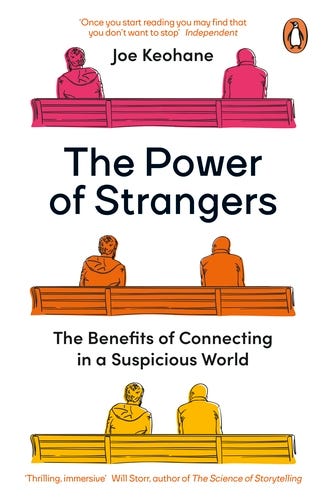
I researched why we don’t talk to strangers and what happens when we do for my book, The Power of Strangers: The Benefits of Connecting in a Suspicious World. This effort put me in the company of anthropologists, psychologists, sociologists, political scientists, archeologists, urban designers, activists, philosophers, and theologians, plus hundreds of random strangers I talked to wherever I went.
Strangers, what a word:
For more than 8,000 years, humans have lived in cities – a form of social organization characterised by a superabundance of strangers. But only recently have psychologists begun studying what happens when we talk to all these faceless strangers we’re surrounded by every day.
Learn, engage, risk, and talk: Talking to strangers can also make us wiser, more worldly, and more empathetic, says Harvard University professor and MacArthur “genius grant” recipient, Danielle Allen. When she was teaching at the University of Chicago, Allen was repeatedly warned by colleagues to stay away from the poorer side of town. She believes that this “fear of strangers was actually eroding a lot of [her peers’] intellectual and social capacities”. (sources)
Give it a try: BE engaged, interested, open, questioning, listening, holding strong conversations, open ended interviewing, and just being present, and motivational in the discourse. That’s all for tonight, 11 PM PST!



 Paul Haeder, Author